If you’ve ever stood in a cheese shop holding a wedge in each hand, genuinely unsure which one belongs in your cacio e pepe, you’re not alone. The pecorino romano vs parmesan question trips up a lot of home cooks — and honestly, even some experienced ones. These two cheeses look similar; they both end up on pasta, and in a pinch people swap one for the other. But they are not the same thing. Not even close. Once you understand what makes each one distinct, you’ll never mix them up again — and your cooking will be noticeably better for it.
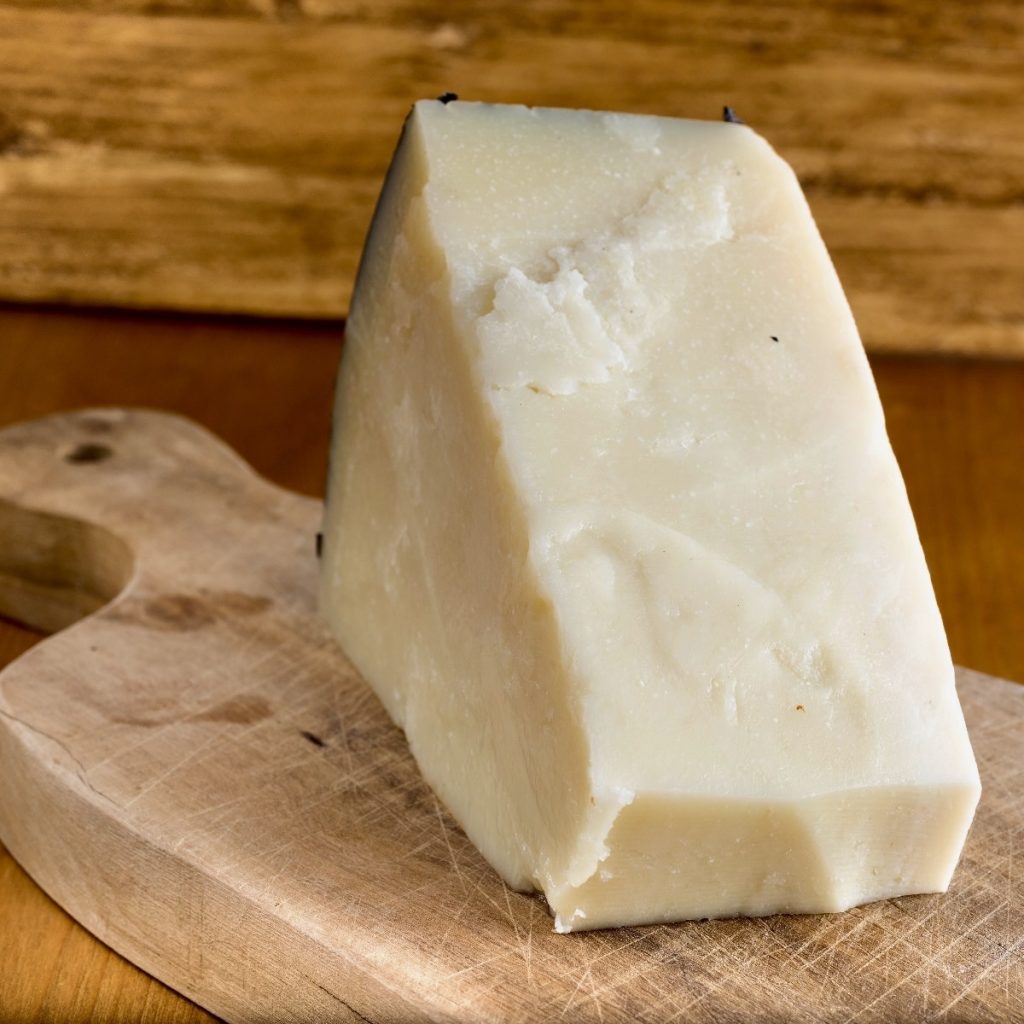
I’m José Villalobos, and I’ve been writing about Italian food for this site for years. I grew up eating food cooked by my grandmother Julia, who made Italian dishes in Valparaíso, Chile, with whatever she could find. When I later traveled to Italy — to Sardinia, Calabria, Sicily, Liguria — and started visiting the Sacramento Italian market regularly, a lot of things she did finally clicked into place. These two cheeses were part of that education.
Let’s work through everything you need to know.
What Is Pecorino Romano vs Parmesan, Really?
At the most basic level, both are hard Italian grating cheeses with DOP (Denominazione di Origine Protetta) status, meaning their production is legally regulated and tied to specific regions of Italy. But their milk sources, flavor profiles, production regions, and intended uses are genuinely different.
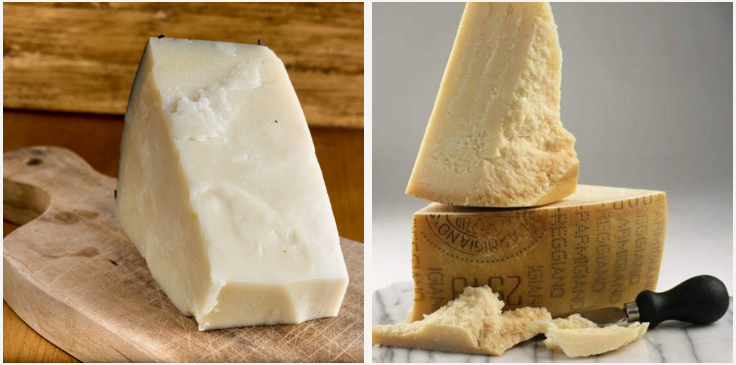
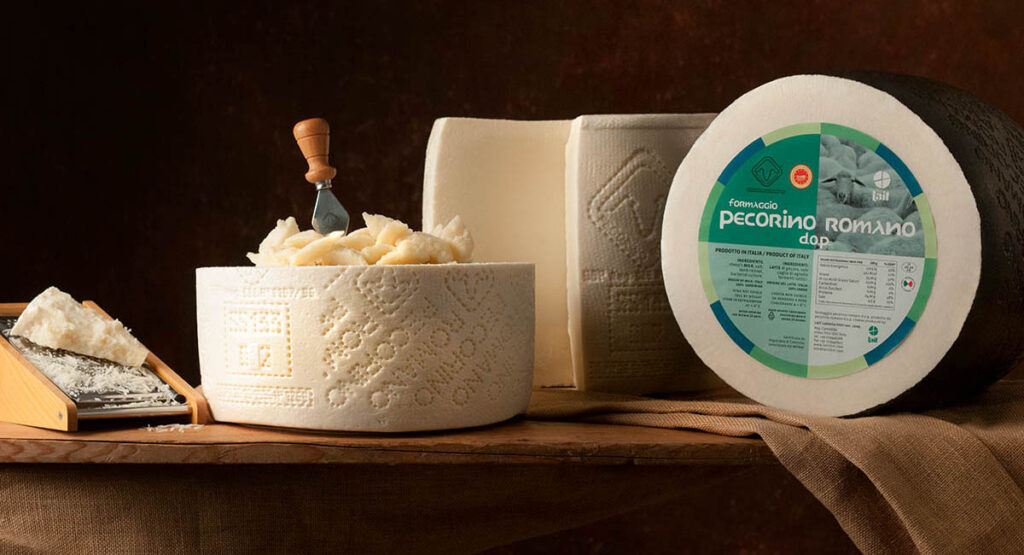
Pecorino Romano is made from 100% sheep’s milk. “Pecorino” literally comes from pecora, the Italian word for sheep. It’s sharp, salty, tangy, and assertive — the kind of cheese that announces itself in a dish.
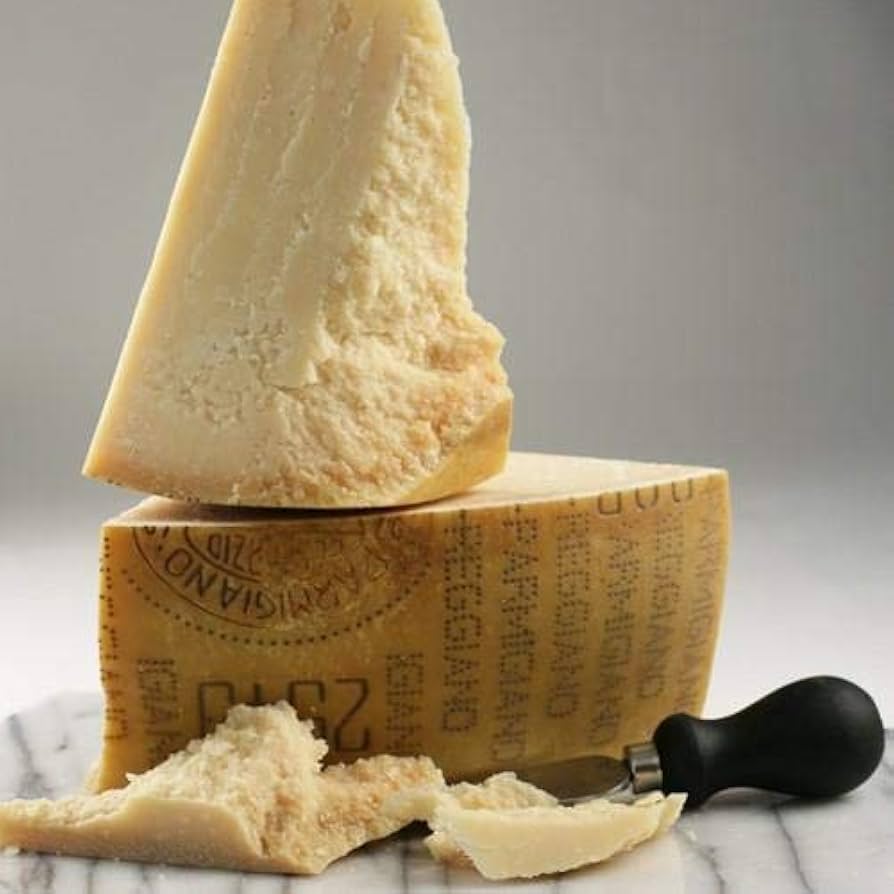
Parmigiano Reggiano — the real Parmesan — is made from unpasteurized cow’s milk and aged considerably longer. It’s nutty, savory, and layered in a way that’s more subtle and versatile. When people say “Parmesan,” they sometimes mean a generic supermarket imitation, but true Parmigiano Reggiano is something else entirely.

A Brief History of Each Cheese
Pecorino Romano: Ancient Roman Origins
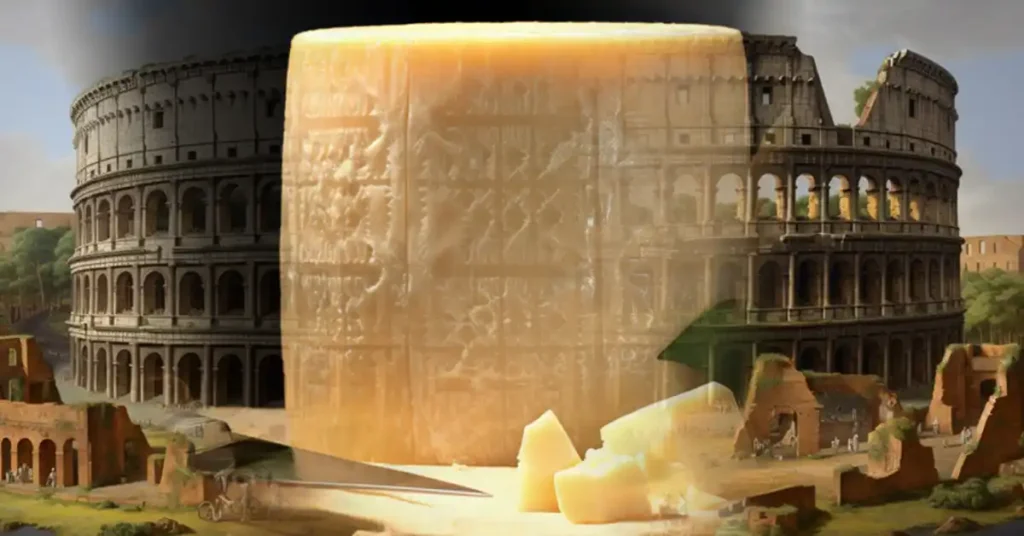
Pecorino Romano is one of the oldest cheeses in Italy — some food historians trace it back over two thousand years to ancient Rome. Roman soldiers reportedly carried it as part of their rations, which tells you something about its durability and its saltiness (salt was both a preservative and a practical necessity). The cheese originated in the Lazio region surrounding Rome, and modern production is now centered in both Lazio and Sardinia. Sardinian versions, made with local sheep breeds, can be slightly milder in character, though they’re still robust compared to almost anything else.
When I visited Sardinia, the aged Pecorino Romano I tasted at a small farm outside Cagliari was unlike anything I’d found in the U.S. — more complex, with a lanolin quality from the sheep’s milk that was completely distinct. It wasn’t aggressive; it was alive.
Parmigiano Reggiano: The King of Cheeses
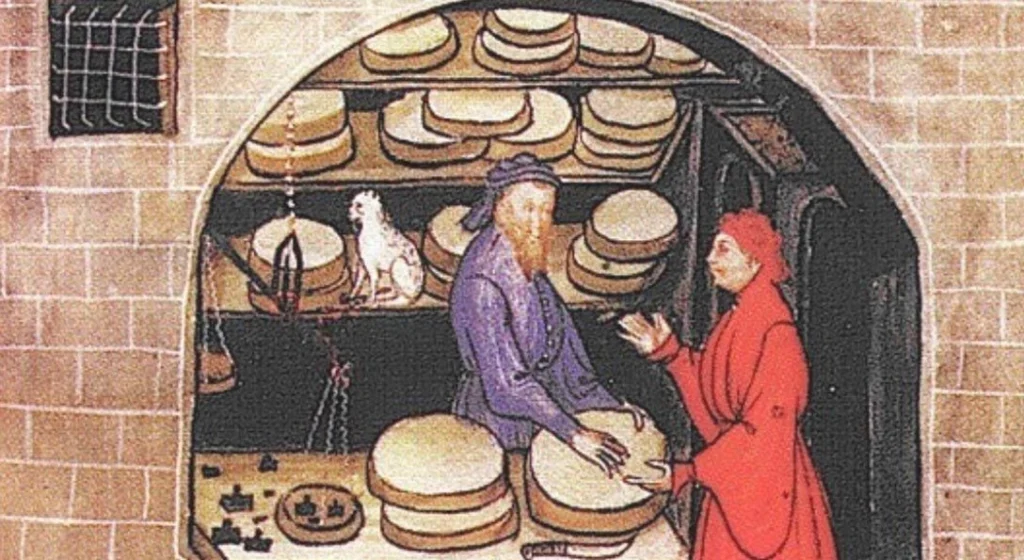
Parmigiano Reggiano has been produced for over 800 years in a tightly defined zone of northern Italy: the provinces of Parma, Reggio Emilia, Modena, Bologna, and Mantua. It earned the nickname “King of Cheeses” honestly — it takes about 550 liters of milk to produce a single 80-pound wheel, and each wheel must be aged a minimum of 12 months, with many aged 24 to 36 months or beyond.
The name “Parmesan” is where things get muddy. In the United States and other non-EU markets, “Parmesan” can legally refer to domestic cow’s milk imitations that bear little resemblance to the original. Some are fine for cooking, but they lack the crystalline texture and depth of true Parmigiano Reggiano. My grandmother Julia would have known the difference immediately — she was particular about her ingredients even when working with limited options.
How Each Cheese Is Made
Pecorino Romano Production
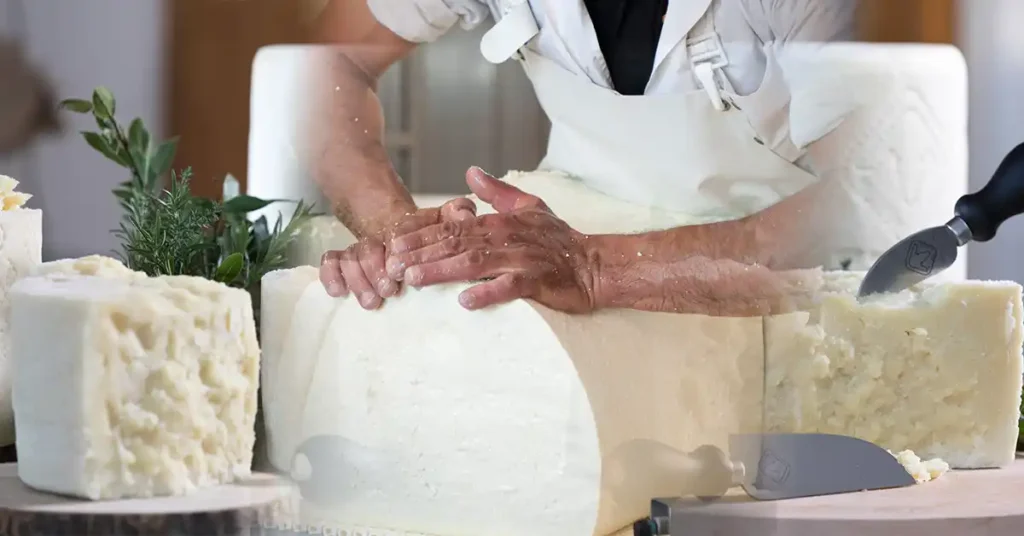
Pecorino Romano is produced in large wheels — typically 49 to 71 pounds, roughly 12 inches tall and 11 inches wide. After the curds are formed from sheep’s milk, the wheels are dry-hand-salted over several weeks, which draws out moisture and builds that signature saltiness. Aging runs between 5 and 12 months. The rind ranges from pale yellow to brown or black depending on the producer and treatment. The interior is hard, dense, and crumbly, with a granular quality when melted.
Parmigiano Reggiano Production
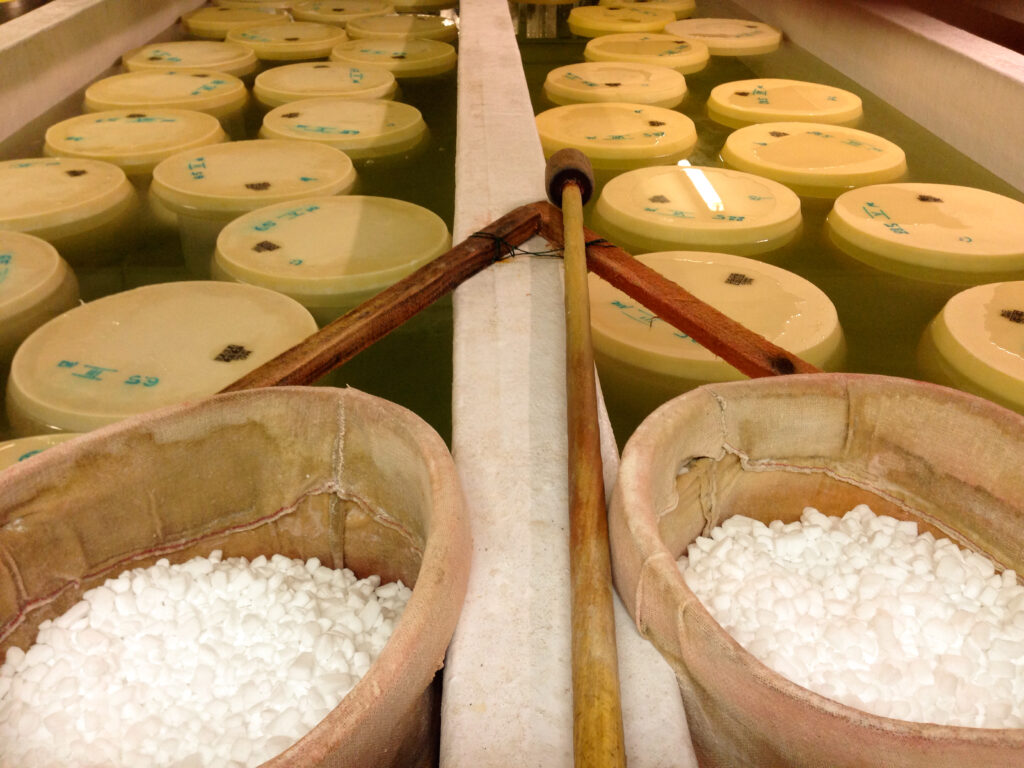
Parmigiano Reggiano uses unpasteurized cow’s milk — specifically a blend of whole evening milk and skimmed morning milk — and no additives whatsoever. The wheels are soaked in brine, then aged on wooden shelves for a minimum of 12 months, often 24 or 36. During aging, the cheese develops those characteristic crunchy calcium lactate crystals and a hard, straw-colored natural rind. The interior is dense and grainy with a flaky, almost fissured texture that’s deeply satisfying to crack open. Fat content runs around 30%, slightly lower than Pecorino Romano’s 32–36%.
Flavor: What You Actually Taste
This is where the two cheeses diverge most sharply, and it matters enormously for cooking.
Pecorino Romano hits hard. It’s sharp, intensely salty, tangy, and sometimes carries a slight bitterness at the finish. The sheep’s milk gives it a distinct richness and a robust aroma that fills a room when you grate it. It’s not a background player — it takes over a dish.
Parmigiano Reggiano is layered and nuanced. You get salt, obviously, but also nuttiness, a faint fruitiness, and that hazelnut note that develops through long aging. It has a strong aroma but a more refined, complex finish. It works both as a cooking ingredient and as a table cheese you’d eat in pieces with a glass of wine.
After testing several brands side by side at home — including a 24-month Saputo Parmigiano Reggiano and a Sardinian Pecorino Romano I picked up at the Sacramento Italian market — the difference in complexity was stark. The Parmigiano had a sweetness in its saltiness; the Pecorino was bracing and bright.
How to Buy: What to Look For
Buying Pecorino Romano
Look for the DOP stamp on the rind or label — it’s the only guarantee you’re getting authentic Pecorino Romano made under regulated conditions. The rind should be marked with the producers’ consortium stamp. At the Sacramento Italian market, I’ve compared several brands side by side, and the quality gap between DOP-certified wheels and generic “Romano” is significant. Generic Romano is almost always milder and more rubbery — passable in some applications but not the same product.
Buy it in wedges when possible, not pre-grated. Pre-grated cheese loses aromatic compounds quickly and often contains anti-caking agents that affect texture when melted.
Buying Parmigiano Reggiano
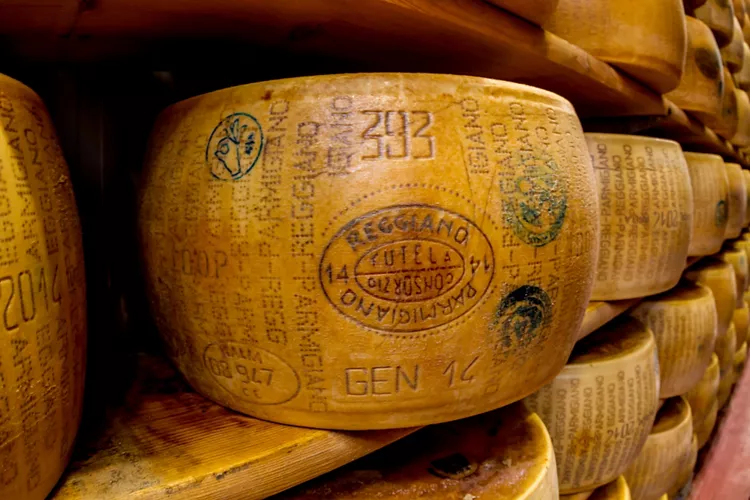
Genuine Parmigiano Reggiano will have its name pin-dotted across the rind in a distinctive pattern — that’s the consortium’s marking, applied to every single wheel. If it doesn’t have that rind marking, it’s not Parmigiano Reggiano. Again, buy in wedges. Aging matters: 12-month is milder and slightly creamier; 24-month is the standard and most versatile; 36-month is drier, more crystalline, and intensely flavored.
The one I keep in my kitchen is a 24-month Parmigiano Reggiano for daily cooking, with occasional 36-month wedges for eating on a board or finishing a risotto.
How to Use Each Cheese in Cooking
When to Reach for Pecorino Romano
Pecorino Romano belongs in dishes that can hold up to its force. The canonical Roman pasta preparations — cacio e pepe, pasta all’amatriciana, pasta alla gricia — were built around this cheese. The sharpness and salt cut through rich pork fat and amplify black pepper in ways that Parmigiano Reggiano simply doesn’t. If you substitute Parmesan in a true cacio e pepe, you’ll get something good, but it won’t have that electric bite.
Use it:
- Grated over pasta dishes built on bold flavors — amatriciana, gricia, cacio e pepe
- Sparingly over pizza where you want a salty, sharp punch
- Blended with Parmesan when you want sharpness but not full intensity
- Added at the last moment to hot dishes to preserve its aromatic sharpness
- Paired with ingredients that can match it — guanciale, black pepper, tomato, Gorgonzola
One note: because of its high salt content, taste your dish before adding any additional salt when using Pecorino Romano. It’s easy to over-salt without thinking.
When to Reach for Parmigiano Reggiano
Parmigiano Reggiano is the more versatile of the two. It melts beautifully, blends into sauces without dominating them, and works as a finishing cheese as well as a cooking one. It belongs in risotto, bolognese, béchamel-based dishes, soufflés, and anywhere you want depth without aggression.
Use it:
- Stirred into risotto at the end for creaminess and body
- Folded into meatballs or meat sauces
- Shaved over salads, carpaccio, or roasted vegetables
- Eaten in chunks alongside prosciutto and honey on a cheese board
- Grated into pasta doughs or fresh pasta for flavor
- Finished over soups and broths
My grandmother Julia put Parmesan — or her best available approximation — into almost everything, which is probably why her cooking tasted the way it did. It’s a foundational flavor in the Italian kitchen.
Can You Substitute One for the Other?
Sometimes, with adjustments. If you’re out of Pecorino Romano and using Parmigiano Reggiano instead, the dish will be less salty and less sharp — compensate with a small pinch of extra salt and lean into the pepper. Going the other direction, replacing Parmigiano with Pecorino in a delicate dish like a white risotto will likely overwhelm it. A common and effective approach is to blend them — roughly 70% Parmigiano to 30% Pecorino — which gives you depth plus sharpness without either dominating.
How to Store Both Cheeses
Hard cheeses like these need airflow but not dryness. Wrap wedges in wax paper or cheese paper first, then loosely in plastic wrap or aluminum foil. Store in the warmest part of your refrigerator — the vegetable drawer works well — where temperatures are a bit less aggressive. This keeps them from drying out too fast while preventing moisture buildup.
Avoid storing them in sealed plastic bags, which traps moisture and encourages mold. If surface mold appears, cut at least an inch around and below it — the remaining cheese is still fine. Pre-grated cheese should be kept in an airtight container and used within a week or two; it degrades much faster than a wedge.
A properly stored wedge of Parmigiano Reggiano can last several weeks in the refrigerator. Pecorino Romano, being drier and saltier, keeps at least as long and sometimes longer.
Common Mistakes to Avoid
- Using pre-grated shelf-stable Parmesan for anything important. That green canister product is fine for garlic bread at a cookout, but it has almost nothing in common with real Parmigiano Reggiano and will disappoint you in serious cooking.
- Adding too much salt when cooking with Pecorino Romano. The cheese is already intensely salty. Season at the end, after tasting.
- Grating cheese too far in advance. Grate right before using — the aromatic compounds dissipate quickly once the surface area opens up.
- Overheating Pecorino Romano. It can become stringy and grainy when exposed to high heat for too long. Add it off the heat or at the very end.
- Assuming all Pecorino is Pecorino Romano. Pecorino is a category of sheep’s milk cheeses. Pecorino Toscano, Sardo, and Siciliano all exist and are quite different from Pecorino Romano in intensity and application.
- Skipping the rind check when buying Parmigiano Reggiano. No pin-dotted rind marking, no guarantee. This matters.
The Bottom Line
Pecorino Romano and Parmigiano Reggiano each have their place, and the place is not always interchangeable. Pecorino Romano is your sharp, salty, bold move — reach for it when you want the cheese to drive the dish. Parmigiano Reggiano is your deep, nutty, versatile foundation — reach for it when you want the cheese to support and enhance everything around it.
José Villalobos keeps both in his refrigerator at all times. So should you.
Buy real versions of both — DOP-certified, in wedges, from a shop where you can ask questions. At the Sacramento Italian market, I’ve had conversations with people behind the counter who know their stock intimately and will point you toward the right aging for what you’re making. That kind of knowledge is part of what makes cooking Italian food well so satisfying.
These cheeses are not decorative. They are structural. Learn which one does what, and a whole category of Italian cooking opens up.
Back to the full Italian pantry guide
Frequently Asked Questions
Can I use pecorino romano as a direct 1:1 substitute for parmesan in any recipe?
Not really. Pecorino romano is saltier and more aggressive, so it overwhelms delicate dishes. For something like risotto or a cream sauce, I’d use less pecorino or stick with parmesan. But in bold, salty dishes like cacio e pepe, pecorino’s assertiveness is exactly what you want.
Why does supermarket “parmesan” taste so different from real Parmigiano Reggiano?
Most store-bought parmesan is made from pasteurized milk and aged far less than the real thing. It also contains cellulose and anti-caking agents that affect flavor and texture. True Parmigiano Reggiano, made from unpasteurized cow’s milk and aged longer, develops complex, nutty layers that the imitation simply can’t match.
Which cheese has more salt content, and does it matter for my dishes?
Pecorino romano contains significantly more salt — it was traditionally used as a preservative for Roman soldiers. This means you need less of it, and it can dominate a dish quickly. If you’re watching sodium intake or making something delicate, parmesan is the gentler choice.
Does aging affect the flavor difference between these two cheeses?
Yes, but differently. Older Parmigiano Reggiano becomes nuttier and more crystalline, developing deeper complexity. Aged pecorino romano gets harder and sometimes develops a lanolin quality from the sheep’s milk that’s actually quite sophisticated — nothing like the sharp version most people know.
What’s the best way to store these cheeses so they don’t dry out or get moldy?
Wrap each wedge tightly in parchment paper, then place in an airtight container in the coldest part of your fridge — not the door. Both cheeses are hardy, but parchment lets them breathe better than plastic wrap. I check mine every few weeks and replace the parchment if it gets damp.
Written by José Villalobos
José Villalobos is a food writer and the founder of Calitalia Food. He grew up in Valparaíso, Chile, where his grandmother Julia cooked Italian food daily from memory and instinct. Based in Sacramento, California, he visits local Italian markets weekly and writes about ingredients, sauces, and regional food culture with the kind of detail that comes from years of sourcing, testing, and eating. Every product he recommends, he has personally bought and tested.