If you’ve ever grown a backyard basil jungle or stumbled into a farmers’ market overflowing with herbs, you’ve likely faced the same delicious dilemma: what do I do with all this green?
The answer is simple and wildly satisfying: batch cooking pesto and preserve it for later.
Whether you’re stockpiling for winter, meal prepping for the month, or gifting jars to friends, batch pesto cooking turns your short herb window into year-round culinary joy. With the right techniques, containers, and flavor variations, you can fill your freezer with seasonal pesto blends that taste just as vibrant in January as they did in July.

This guide will walk you through:
• Why batch cooking pesto is a smart seasonal strategy
• How to scale up production without losing quality
• The best ways to store, freeze, and label it
• Tips for creating pesto “collections” by season
Let’s future-proof your pesto.
Why Batch Cook Pesto?
1. Make the Most of Peak Season Herbs
• Basil, arugula, and mint thrive in summer—but wilt quickly.
• Kale, spinach, and parsley are winter-ready but over-abundant in fall markets.
Batch cooking lets you harvest or buy in bulk and avoid waste.
2. Save Time Later
• Make once, eat all month. Or better: all winter.
• A frozen stash of pesto = fast weeknight dinners, no planning required.
3. Customize for Future Cravings
• Want bright lemon-basil pesto for spring grain bowls? Freeze now.
• Prefer hearty walnut-kale for winter pasta? Prep ahead.
• You can even make holiday-themed pestos (roasted red pepper + sage for November!).
Best Herbs and Greens for Seasonal Pesto
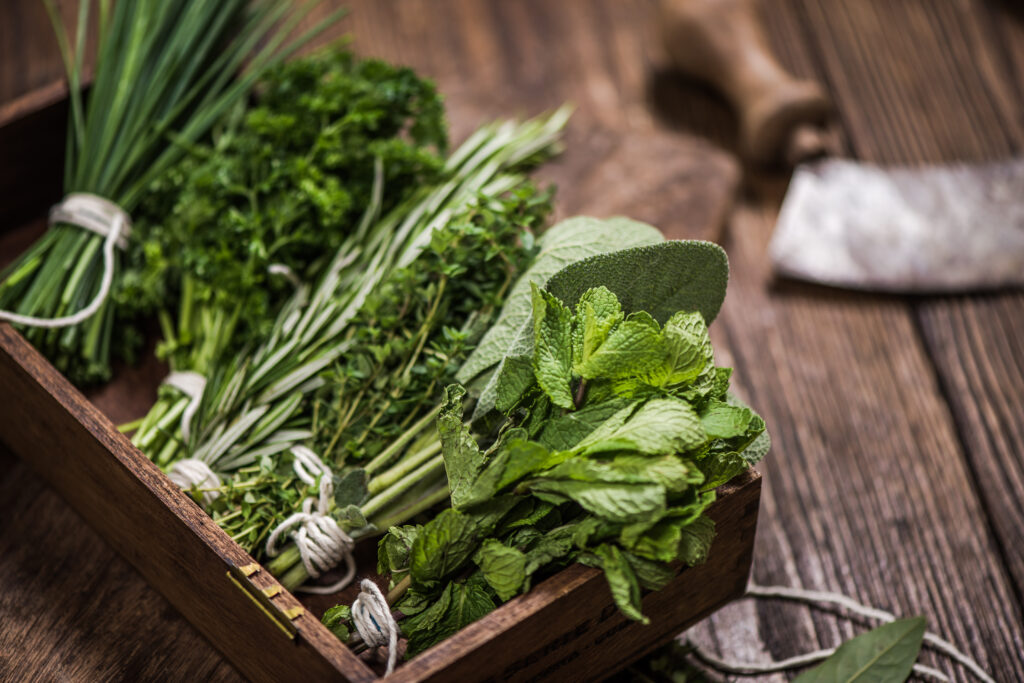
| Season | Herbs & Greens to Use | Flavor Profile |
|---|---|---|
| Spring | Parsley, arugula, mint, chervil, pea shoots | Bright, peppery, fresh |
| Summer | Basil, cilantro, spinach, kale, oregano | Classic, herbaceous, lush |
| Fall | Sage, tarragon, carrot tops, Swiss chard | Earthy, deep, savory |
| Winter | Kale, parsley, collard greens, baby spinach | Hearty, mild, slightly sweet |
Tip: Combine seasonal herbs with freezer-friendly nuts and olive oil to create blends suited for freezing and reheating.
How to Scale Pesto Recipes Without Sacrificing Flavor
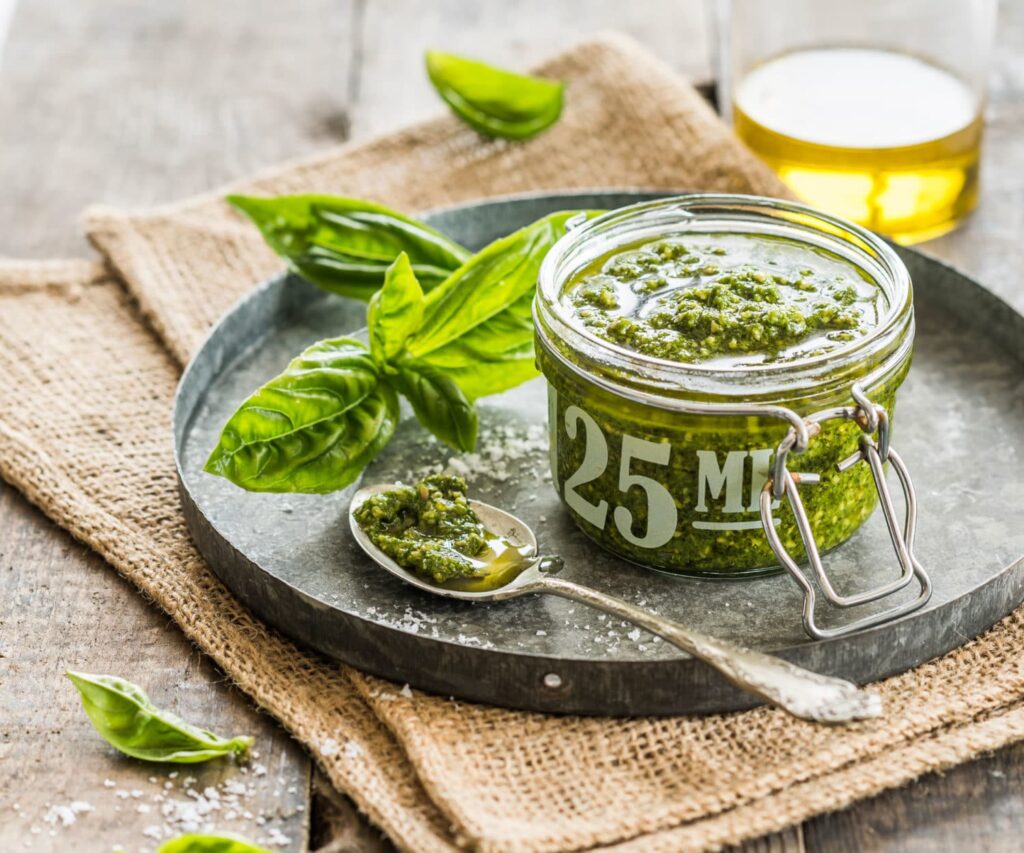
Scaling up pesto isn’t as simple as multiplying quantities. Here’s how to keep the balance and texture right.
1. Work in Small Batches (Even During Bulk Prep)
• Don’t blend 12 cups of basil at once—it will result in uneven texture and bruising.
• Stick to 2–3 cups of greens per batch and repeat the process.
• Use a food processor, not a blender, for smoother scaling.
2. Don’t Overheat the Ingredients
• Heat from overblending kills flavor and color.
• Pulse ingredients in short bursts, pausing between each.
3. Taste Every Batch
• Even the same basil plant can vary in flavor—taste and adjust lemon, salt, garlic, or oil each round.
How Much Pesto to Make for Seasonal Storage?
Estimate 1–2 tablespoons of pesto per serving. Use this guide to plan batch sizes:
| Number of Servings | Amount of Pesto Needed (1 Tbsp/serving) | Amount of Pesto Needed (2 Tbsp/serving) |
|---|---|---|
| 10 | 10 tablespoons (about 2/3 cup) | 20 tablespoons (about 1 1/4 cups) |
| 20 | 20 tablespoons (about 1 1/4 cups) | 40 tablespoons (about 2 1/2 cups) |
| 30 | 30 tablespoons (about 2 cups) | 60 tablespoons (about 4 cups) |
| 50 | 50 tablespoons (about 3 cups) | 100 tablespoons (about 6 1/4 cups) |
| 100 | 100 tablespoons (about 6 1/4 cups) | 200 tablespoons (about 12 1/2 cups) |
Storage Methods for Batch Pesto
1. Freezer Cubes (Most Flexible)

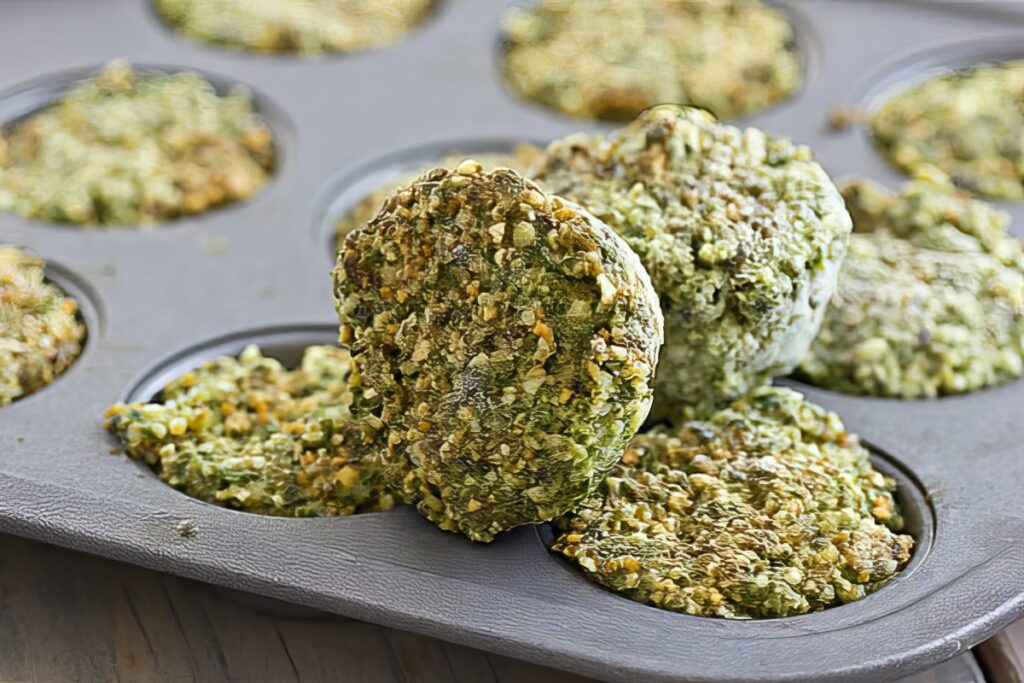
• Spoon pesto into ice cube trays (1 tbsp per cube).
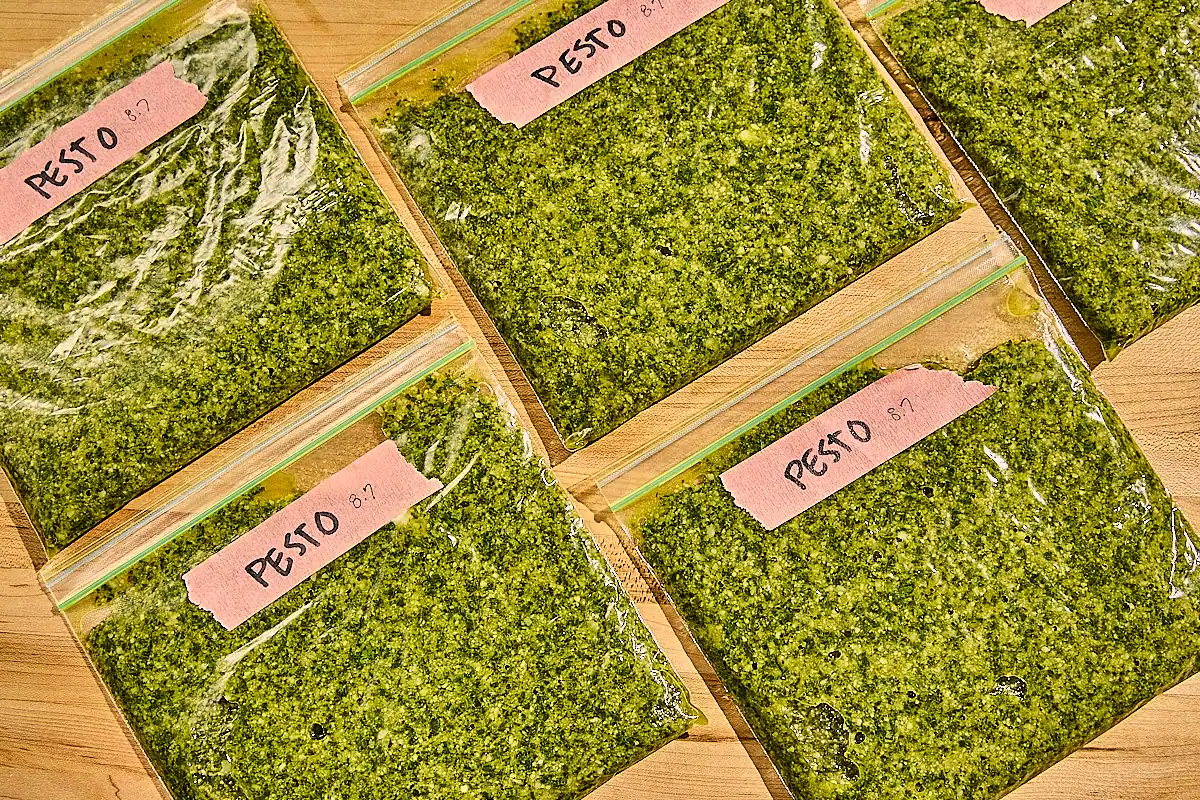
• Freeze and store in labeled bags.
• Use cubes in pasta, eggs, soup, or spreads.
Best for: Individual portions, quick meals, small households.
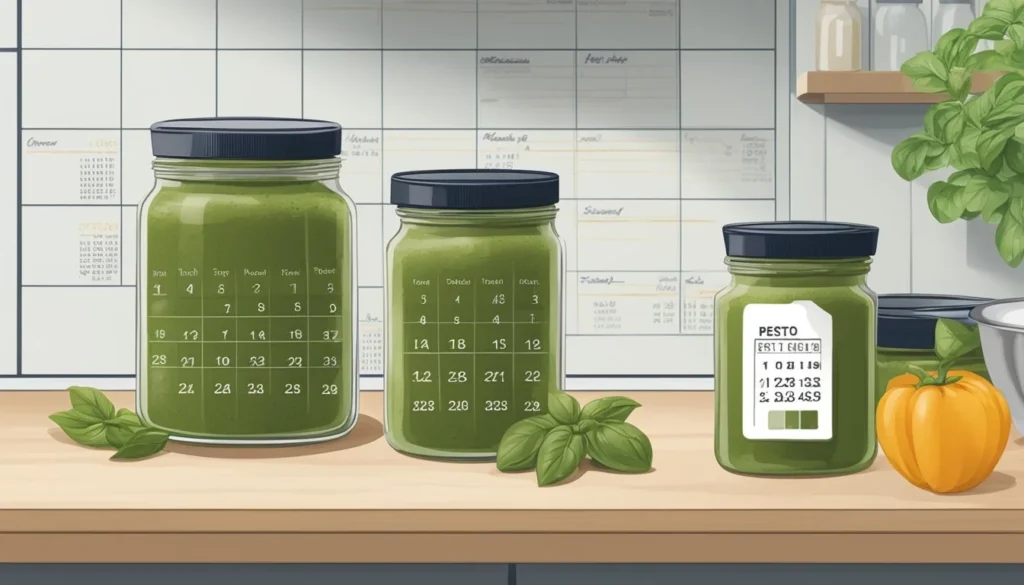
2. Half-Cup or Full-Cup Mason Jars

• Great for sauces, dips, lasagnas, or gifting.
• Leave 1” of headspace and seal with a layer of olive oil.
Best for: Families, large recipes, meal kits.
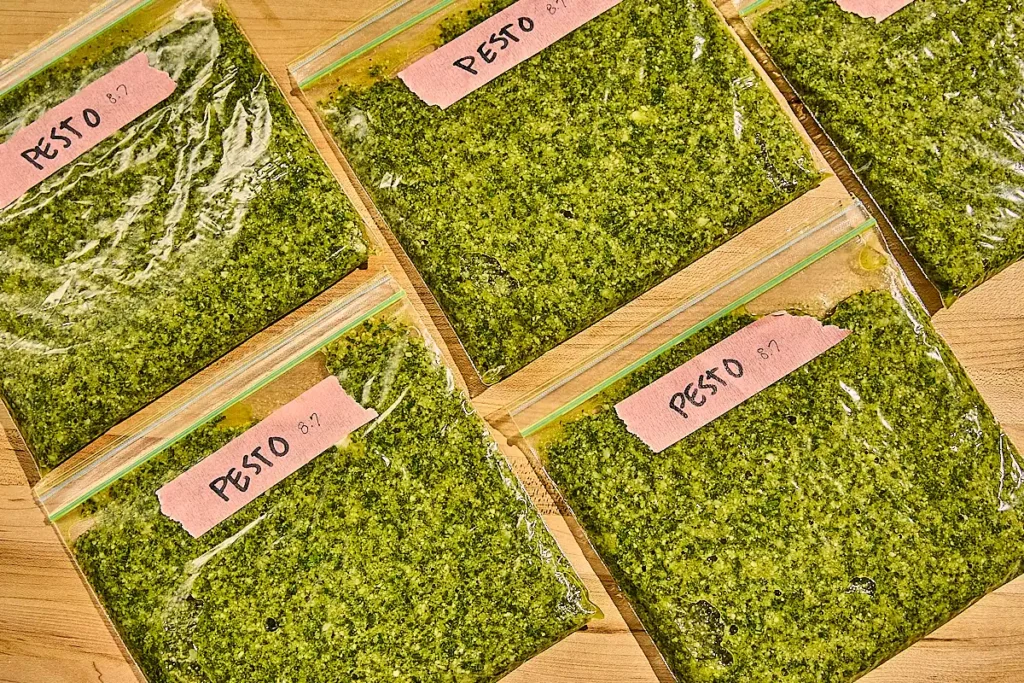
3. Vacuum-Sealed Flat Packs

• Freeze pre-measured packs flat for stacking.
• Ideal for space-saving storage and long-term use.
Best for: Bulk prep, long-term storage, commercial kitchens.
Labeling Your Pesto Like a Pro
Don’t make your future self guess between “kale?” and “that other green one.”
Include:
• Pesto type (basil, arugula, beet, etc.)
• Date made (month/year)
• Cheese? (Yes/No)
• Notes (spicy, lemony, vegan, etc.)
Use freezer labels, painter’s tape + marker, or printable labels for gift jars.
Seasonal Pesto Collections to Batch & Freeze
Build a freezer stash that reflects the rhythm of the year.
Summer Pesto Collection
• Classic Genovese (basil + pine nut)
• Arugula + lemon pesto
• Sun-dried tomato + almond pesto
• Zucchini blossom pesto
Fall Pesto Collection
• Kale + walnut pesto
• Pumpkin seed + sage pesto
• Carrot top pesto (zero waste!)
• Broccoli almond pesto
Winter Pesto Collection
• Roasted garlic + spinach pesto
• Parsley + lemon zest pesto
• Beet + ricotta pesto
• Pecorino + mint pesto (for lamb or pasta)
Spring Pesto Collection
• Pea shoot + mint pesto
• Fava bean + lemon pesto
• Cilantro + cashew pesto
• Watercress + tahini pesto
How to Thaw and Use Batch-Frozen Pesto
| Thawing Method | How To Do It | Best For |
|---|---|---|
| Overnight in Fridge | Overnight in the Fridge | Preserving fresh flavor, meal prep |
| Room Temperature | Let pesto sit on the counter (sealed) for 1–2 hours until soft enough to scoop. | Quick dinner, last-minute meals |
| Warm Water Bath | Submerge sealed bag/jar in a bowl of warm (not hot) water for 15–30 minutes. | Fastest way, sauces, pasta night |
| Direct Use (No Thaw) | Drop frozen pesto cubes straight into hot pan, soup, or sauce. | Melting into dishes while cooking |
Creative Ways to Use Seasonal Pesto Year-Round
• Toss with roasted veggies in winter
• Stir into risotto or polenta in the fall
• Spread on sandwiches in spring
• Use in pasta salads and cold noodles in summer
• Mix into scrambled eggs or frittatas anytime
Stock Your Freezer Like a Nonna
Batch cooking pesto isn’t just efficient—it’s empowering. It lets you preserve seasonal flavor, reduce waste, and add instant personality to your meals any time of year.
Whether you’re freezing cubes for weeknight pastas or filling jars to give as gifts, making pesto in batches gives you the freedom to cook boldly—and spontaneously—with flavor always at your fingertips.
So next time you’ve got herbs to spare, nuts in the pantry, and olive oil on hand… don’t just make a little. Make a lot.
Your future self will thank you—with a fork in hand.