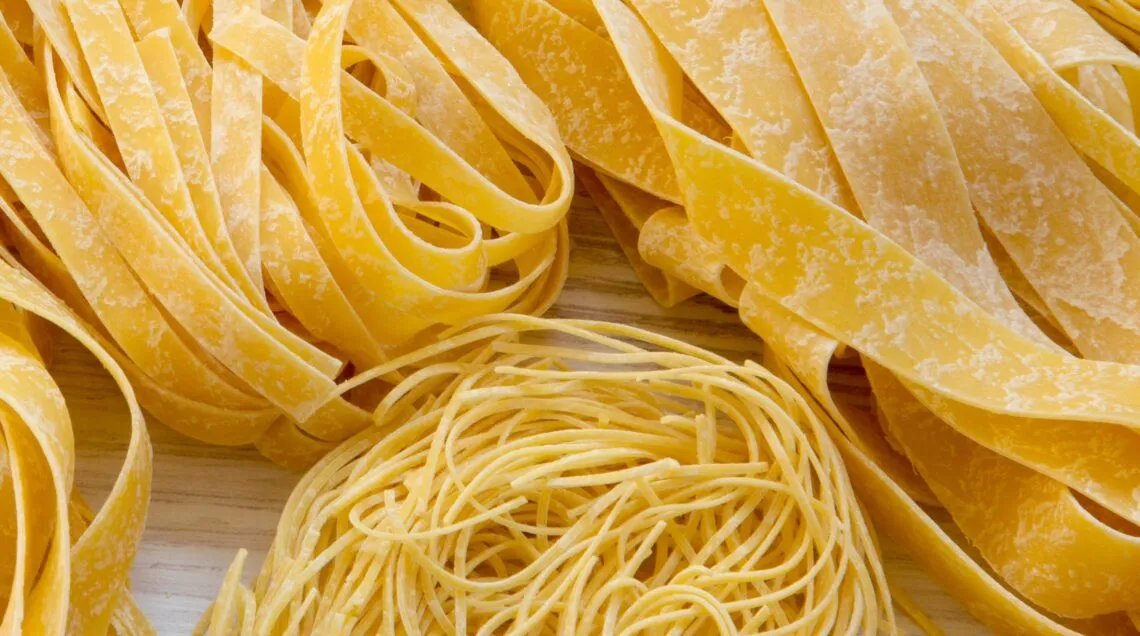
If you have ever stood in the pasta aisle debating between tagliatelle vs fettuccine, you are not alone. These two long, flat pasta ribbons look almost identical, and even experienced home cooks mix them up.
In Italy, however, the difference is not cosmetic. It is regional, historical, and culinary.
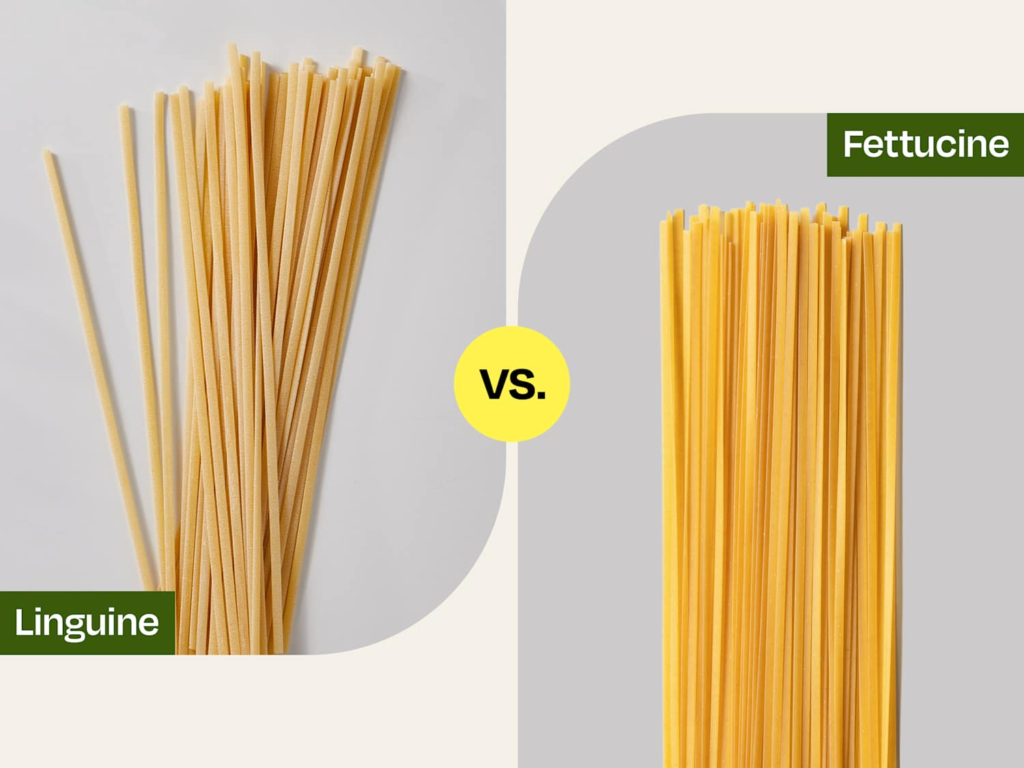
In this guide, we break down what truly separates tagliatelle from fettuccine, including origins, width and texture, sauce pairings, regional tradition, and when substitution is acceptable.
Quick Answer: What Is the Difference Between Tagliatelle and Fettuccine?
Tagliatelle is a wider, egg-rich pasta from Emilia-Romagna designed for thick meat sauces like ragù. Fettuccine is slightly narrower, smoother, and traditionally associated with Rome and Lazio, where it is paired with butter, cheese, or lighter sauces.
The technique I learned from watching Italian cooks is to finish the pasta IN the sauce.
Origins: Different Regions, Different Ribbon
Tagliatelle
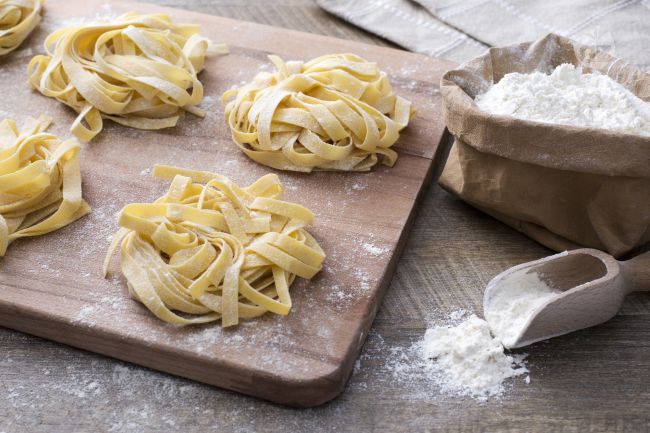
Tagliatelle comes from Emilia-Romagna, particularly Bologna, a region known for rich, slow-cooked meat sauces.
- The name comes from tagliare, meaning to cut
- Traditionally made fresh with eggs and flour
- Deeply tied to classic ragù alla Bolognese
Legend links its shape to Lucrezia Borgia’s hair, though this remains symbolic rather than historical fact.
Fettuccine
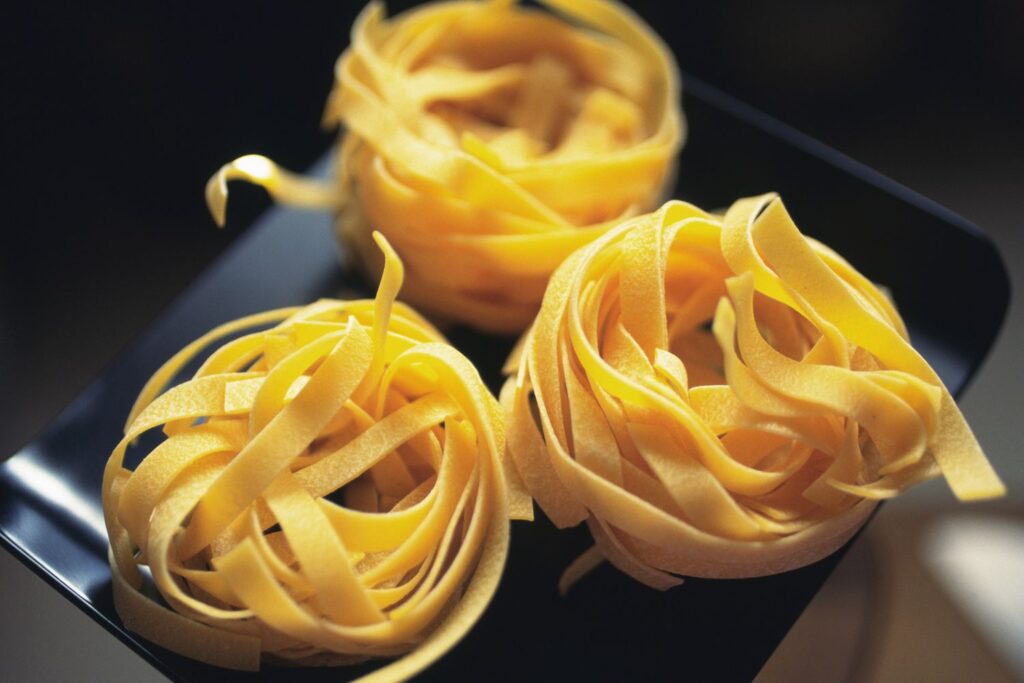
Fettuccine belongs to Lazio, especially Rome.
- Derived from fettucce, meaning small ribbons
- Used with butter, cheese, and cream-based sauces
- Made both fresh and dried
Fettuccine Alfredo, while popular globally, is an adaptation of a Roman butter and Parmigiano preparation.
Width and Texture: The Measurable Difference
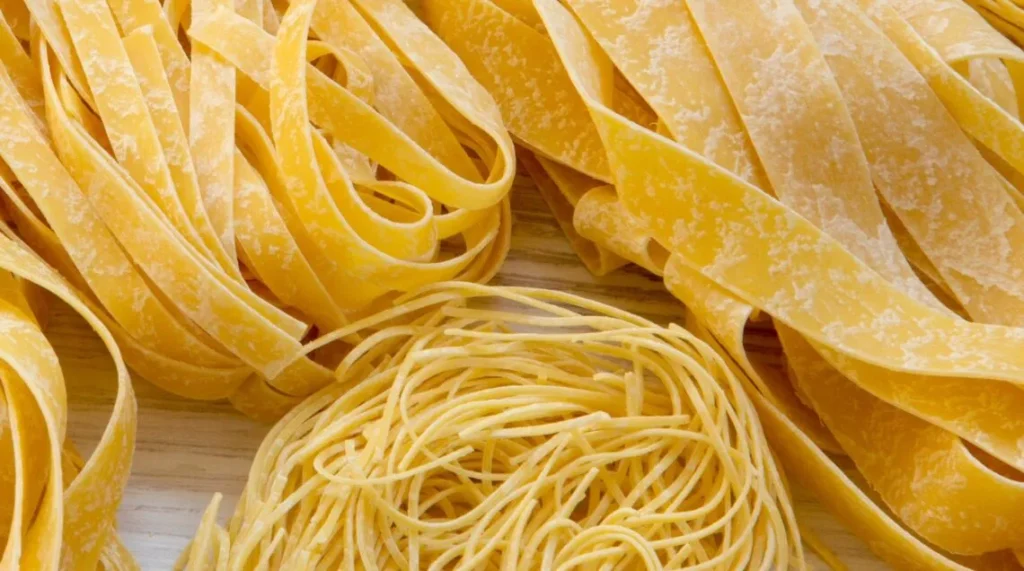
Tagliatelle Dimensions
The width of tagliatelle is officially defined.
According to the Bologna Chamber of Commerce, traditional tagliatelle should measure 8 millimeters wide when cooked. A gold sample is preserved in Bologna as the reference standard.
Additional characteristics:
- Higher egg yolk content
- Rougher, more porous texture
- Designed to hold heavy sauces
Fettuccine Dimensions
Fettuccine is typically narrower.
- Average width ranges from 6.5 to 7 millimeters
- Smoother surface
- More flexible mouthfeel
Because fettuccine is often sold dried, texture varies more than fresh tagliatelle.
Alt text: Side-by-side comparison of raw tagliatelle and fettuccine pasta showing width differences
Sauce Pairings: What Goes Best with Each
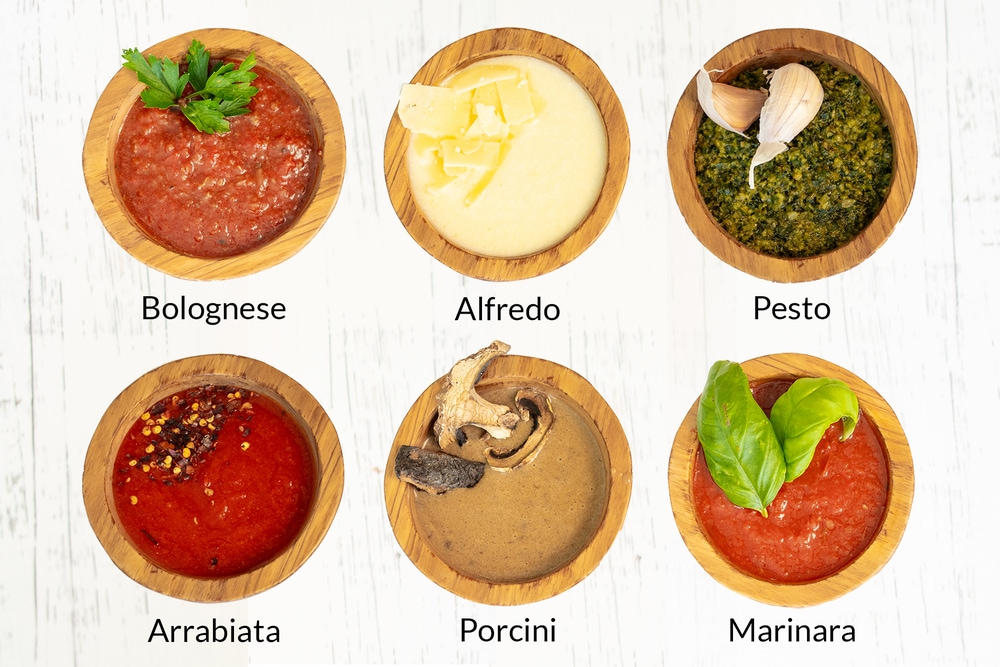
Choosing the right sauce is where the difference really matters.
Best Sauces for Tagliatelle
Tagliatelle excels with dense, clingy sauces.
- Ragù alla Bolognese
- Mushroom and cream sauces
- Sausage and tomato sauces
- Slow-cooked meat and wine reductions
The wider cut and egg-rich dough grips thick sauces effectively.
Best Sauces for Fettuccine
Fettuccine pairs better with smoother, lighter sauces.
- Butter and Parmigiano
- Alfredo-style cream sauces
- Lemon and olive oil
- Seafood cream sauces
Its smoother surface works best with emulsified fats rather than chunky sauces.
Cooking tip: Undercook pasta slightly and finish it in the sauce to improve emulsification and flavor absorption.
Can You Substitute One for the Other?
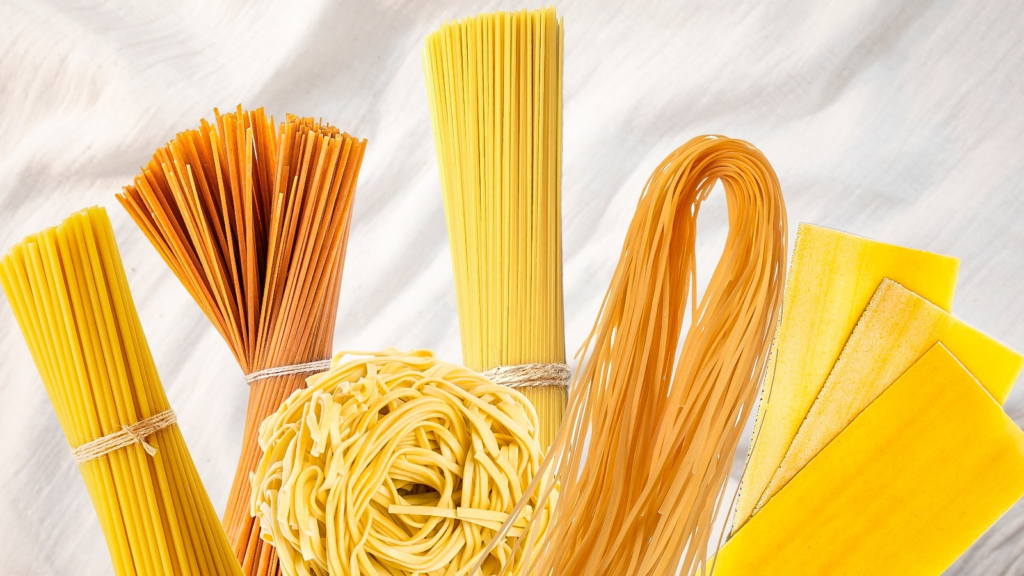
Yes, but with limits.
- You can use fettuccine in place of tagliatelle for cream sauces
- You should avoid using fettuccine with traditional Bolognese
- Tagliatelle can replace fettuccine in most Roman-style dishes
In Italy, serving ragù with fettuccine instead of tagliatelle is considered incorrect by tradition.
Beyond Italy: How Global Cooking Blurred the Lines
Outside Italy, distinctions are often lost.
- Many boxed pastas labeled tagliatelle are actually fettuccine
- Dried pasta brands often use the names interchangeably
- Restaurants frequently default to fettuccine for all ribbon dishes
When buying authentic tagliatelle, check for:
- Egg is listed as a primary ingredient
- Width close to 8 millimeters
- Italian origin, preferably Emilia-Romagna
If those details are missing, it is likely fettuccine.
Tagliatelle vs. Fettuccine Comparison
| Feature | Tagliatelle | Fettuccine |
|---|---|---|
| Origin | Emilia-Romagna | Lazio |
| Width | 8 mm | 6.5 to 7 mm |
| Texture | Rough, egg-rich | Smooth, flexible |
| Best sauces | Meat-based, thick | Butter, cream, light |
| Traditional pairing | Ragù alla Bolognese | Alfredo-style sauces |
Why Italians Care So Much About the Difference
Pasta shape in Italian cuisine is not an aesthetic preference. It is a functional choice built on sauce chemistry and regional tradition.
Italian cooking treats pasta shape as a functional design. Each cut exists for a reason. Width, texture, and egg content determine how the sauce behaves on the plate.
Using the wrong pasta does not ruin a dish, but it does change how flavors and textures interact.
Final Verdict
The difference between tagliatelle and fettuccine is not trivial. It is rooted in geography, history, and sauce science.
If you want authenticity, follow regional tradition.
If you want the best texture, match the pasta to the sauce.
And if you want to cook like an Italian, remember this rule: there is no such thing as fettuccine alla Bolognese. It is tagliatelle, or nothing.
Written by José Villalobos — Food writer and founder of Calitalia Food. Based in Sacramento, CA. Read more →



One Comment