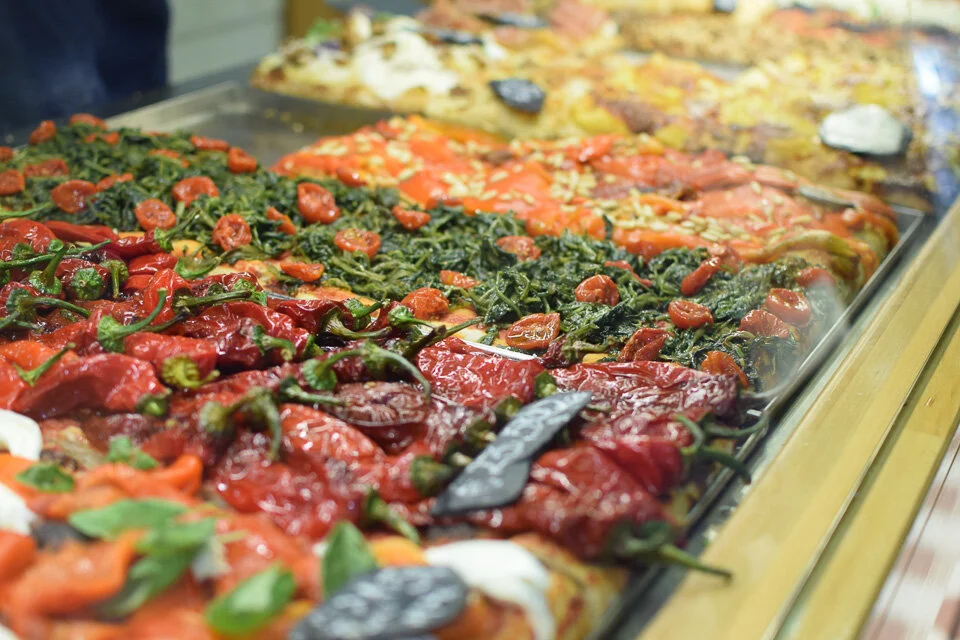
Rome isn’t just the Eternal City—it’s an eternal feast.
From the back alleys of Testaccio to the trattorias of Trastevere, Roman cuisine is bold, brash, and unapologetically rich. It doesn’t whisper; it shouts with flavor, with ingredients that are humble but transformed by technique, time, and a long history of feeding emperors, peasants, popes, and politicians alike.
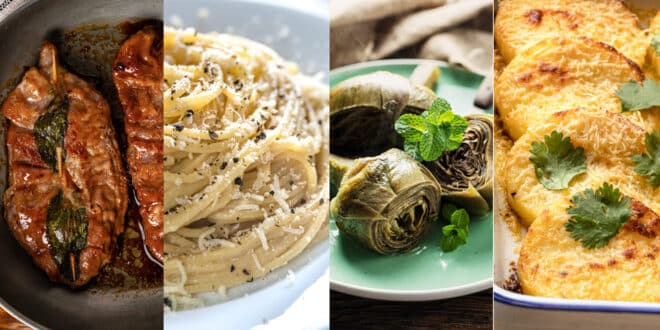
In this guide, we’re diving deep into the top 10 Roman dishes—each one telling a story of the city’s working-class roots, culinary precision, and no-nonsense attitude. These aren’t just meals. They’re monuments.
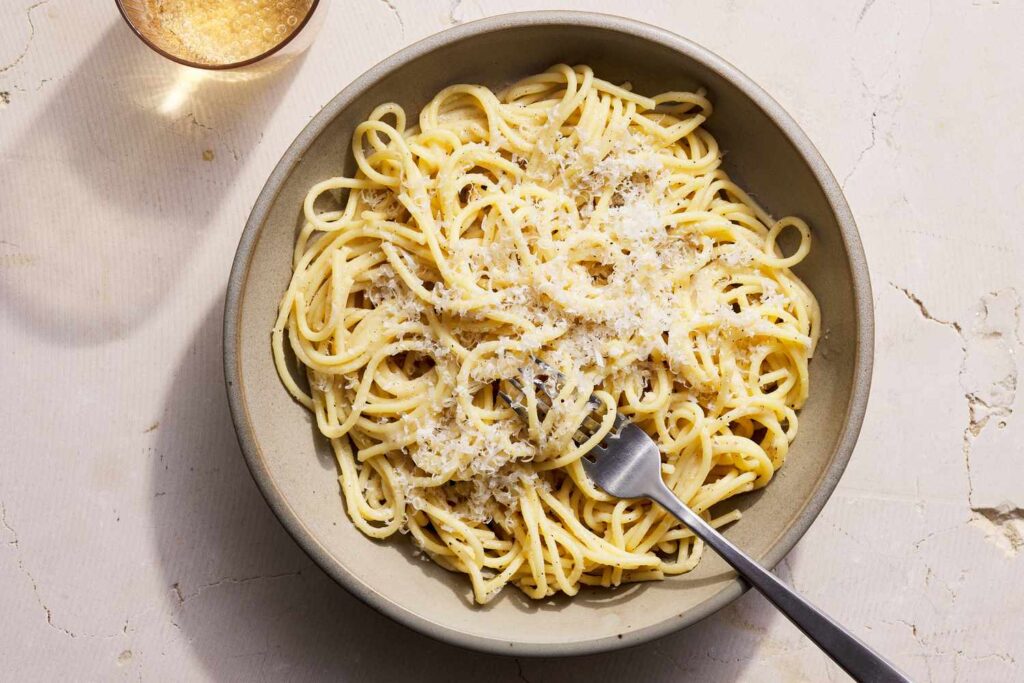
1. Cacio e Pepe – Pasta with Pecorino and Pepper
The Simplest and Most Iconic
This dish is Roman soul food—made with just three ingredients:
After years of making this, the detail that matters most is ingredient quality.
• Tonnarelli or spaghetti
• Pecorino Romano cheese
• Fresh cracked black pepper
The secret? Emulsifying starchy pasta water with grated cheese and pepper until it forms a creamy, clingy sauce. No cream, no butter, no shortcuts.
2. Carbonara – The Real Deal
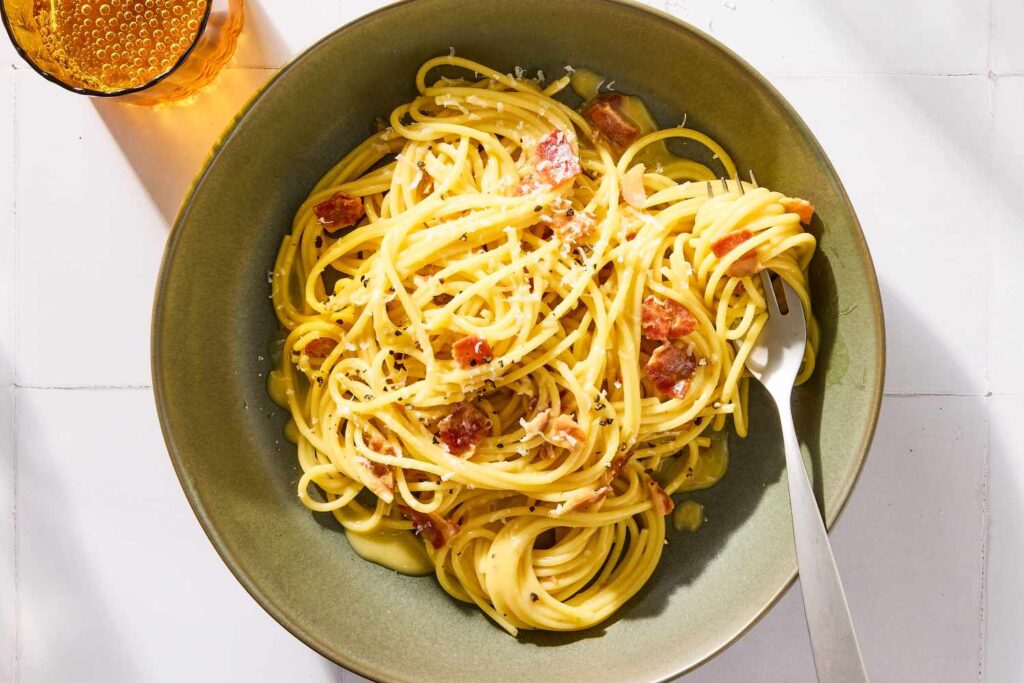
Forget What You Know
No cream. No peas. No bacon.
Authentic Roman carbonara includes:
• Guanciale (cured pork cheek)
• Egg yolks
• Pecorino Romano
• Black pepper
• Spaghetti or rigatoni
The fat from the guanciale melts into the pasta, and the egg-cheese mixture is tossed in off the heat to create a velvety coating. That’s it. No cheating.
3. Amatriciana – Bold, Tangy, Porky Perfection
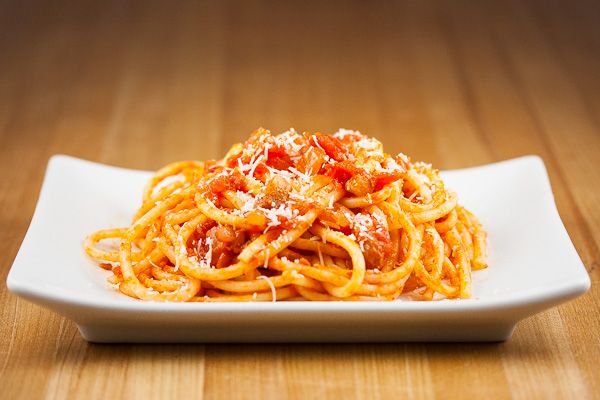
Pasta with a History (and a Kick)
Named after the town of Amatrice, this dish features:
• Guanciale
• Tomato sauce
• White wine
• Pecorino Romano
• Often paired with bucatini (thick, hollow spaghetti)
Amatriciana is punchy, deeply satisfying, and often finished with a generous fistful of cheese and a fiery attitude.
4. Gricia – The Missing Link
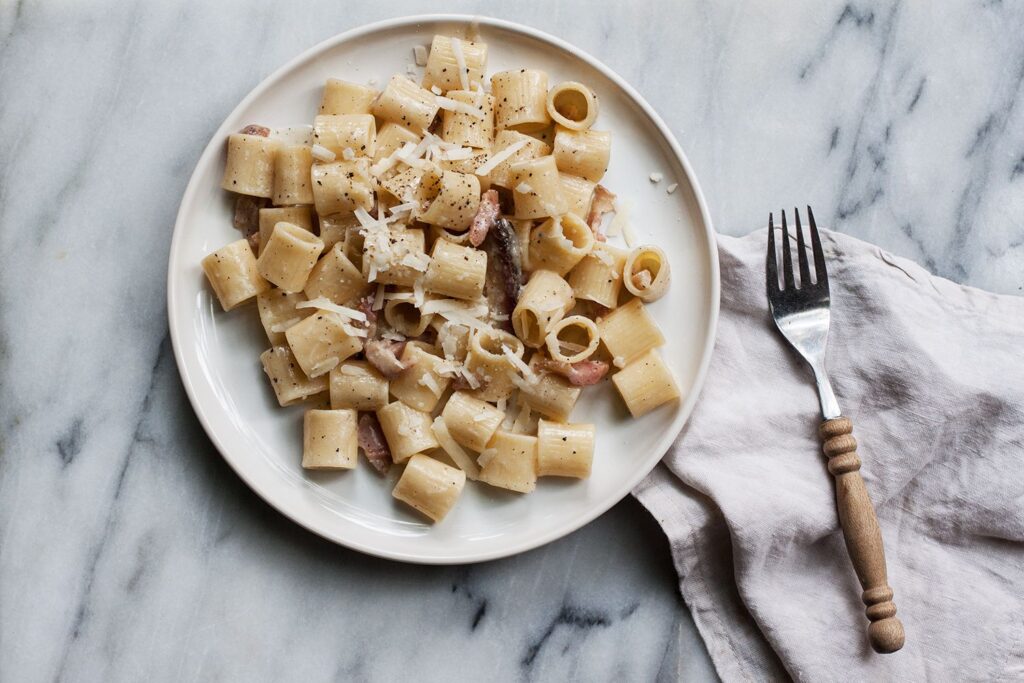
Before There Was Sauce, There Was Gricia
Considered the “mother of carbonara and amatriciana,” pasta alla gricia has:
• Guanciale
• Pecorino Romano
• Black pepper
No eggs. No tomato. Just rich, salty, fat, and sharp cheese on perfectly al dente pasta. A minimalist masterpiece.
5. Saltimbocca alla Romana – “Jumps in Your Mouth”
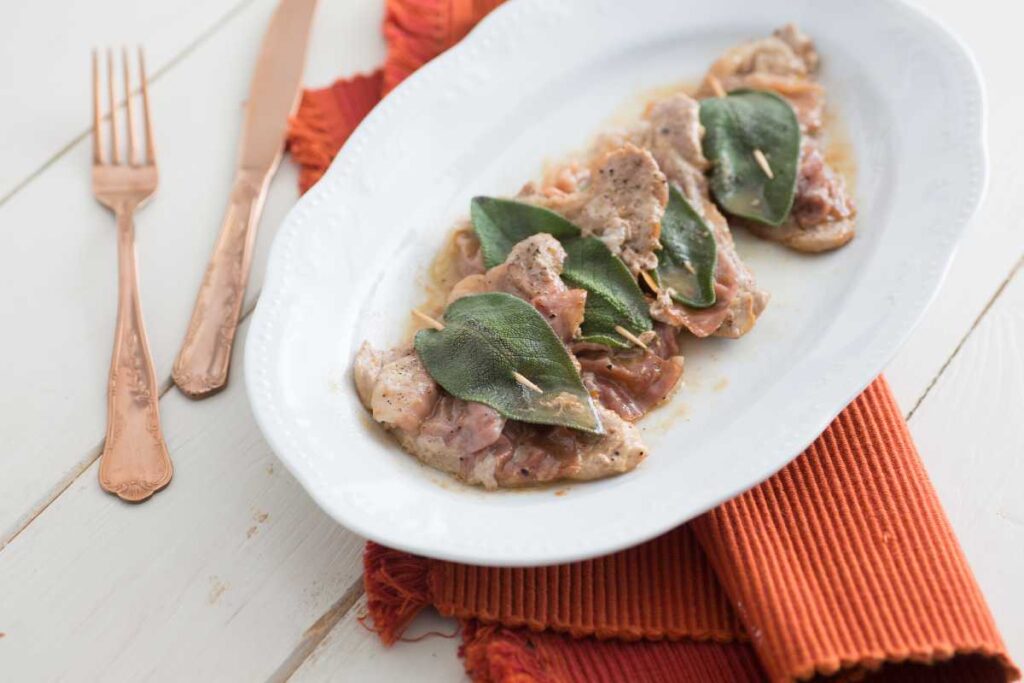
The City’s Most Elegant Secondo
Thin slices of veal, topped with:
• Prosciutto crudo
• Fresh sage leaves
• Lightly floured, sautéed in butter and white wine
Saltimbocca is tender, fragrant, and beautifully salty—served with mashed potatoes or bitter greens.
6. Carciofi alla Romana – Artichokes the Roman Way
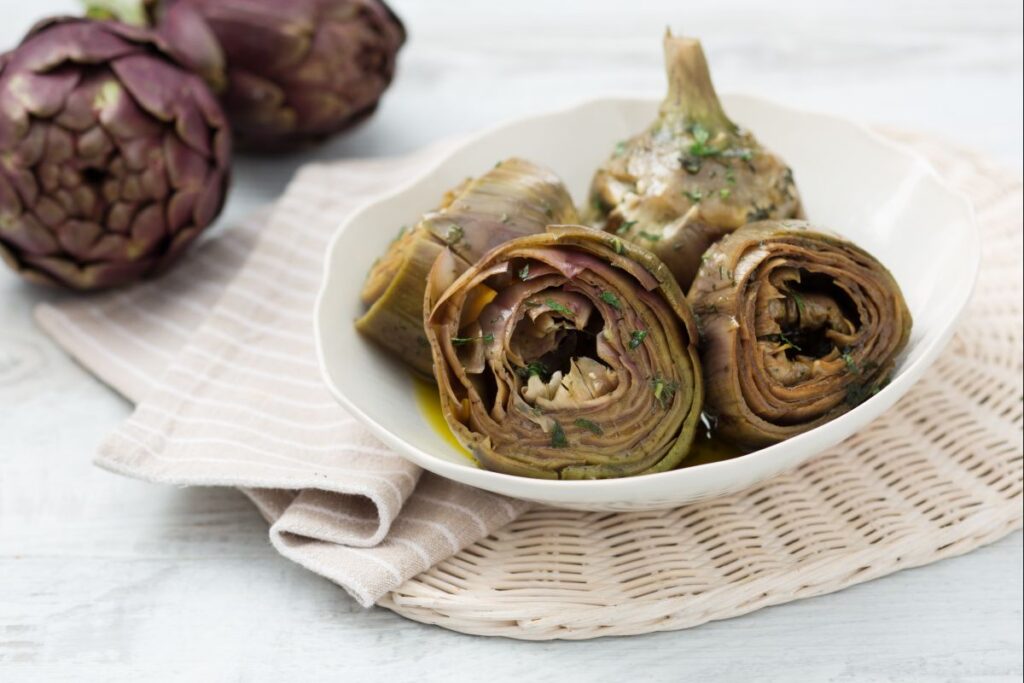
Spring on a Plate
Whole artichokes are:
• Trimmed and stuffed with parsley, mint, and garlic
• Braised in olive oil and white wine
• Served warm or room temperature
A staple of Roman Jewish cuisine, this dish is fragrant, delicate, and perfectly soft all the way through.
7. Carciofi alla Giudia – Deep-Fried Artichoke Bliss
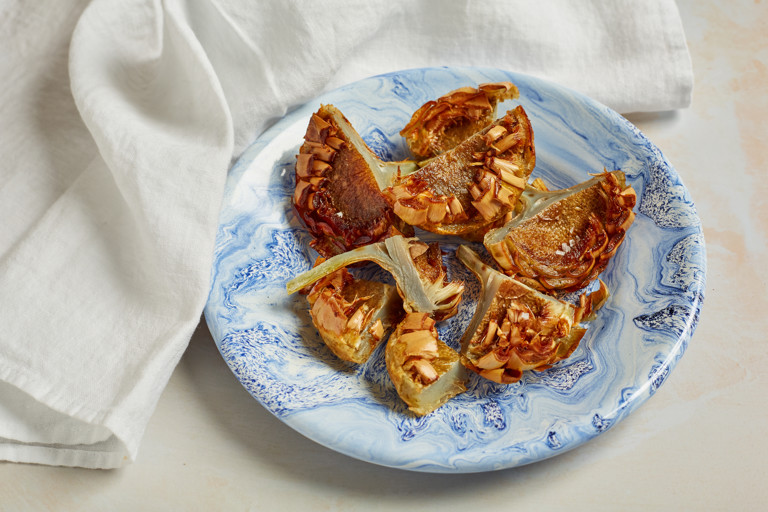
Crisped into Glory
Also from the Roman Jewish ghetto, this dish features:
• Artichokes flattened into a flower
• Deep-fried until crispy and golden
• Sprinkled with salt
Crunchy on the outside, creamy inside—a textural miracle that pairs beautifully with cold white wine.
8. Trippa alla Romana – Intestines Never Tasted So Good
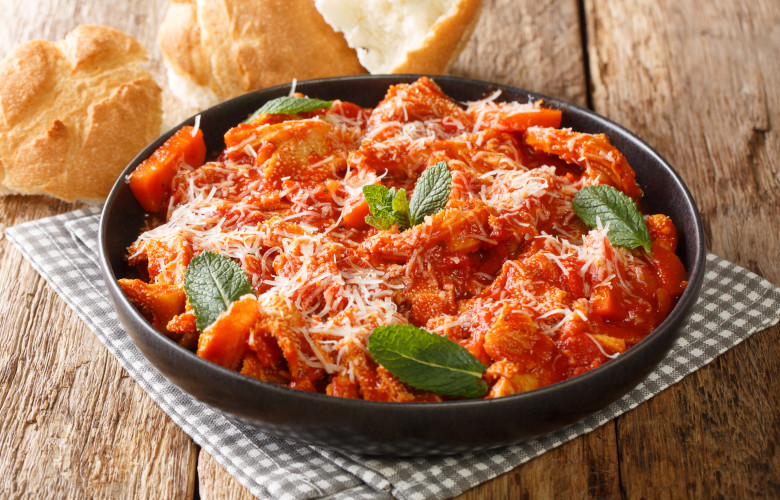
Old-School Roman Comfort Food
Beef tripe is slow-cooked with:
• Tomato
• Onion
• Mint
• Pecorino Romano
Served in trattorias and often on Saturdays, this dish is rich, tangy, herbaceous, and deeply Roman.
9. Coda alla Vaccinara – Oxtail Stew That Melts the Soul
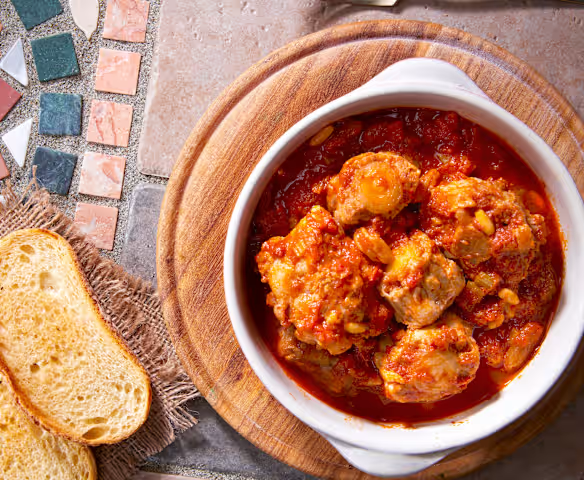
A Butcher’s Delight from Testaccio
This dish is rooted in Rome’s slaughterhouse district, where cuts like oxtail were stewed low and slow with:
• Celery
• Tomato
• Red wine
• Sometimes pine nuts and cocoa
Cooked for hours until the meat falls from the bone, coda alla vaccinara is pure velvet—meat that doesn’t need a knife.
10. Maritozzo – Rome’s Sweetest Secret
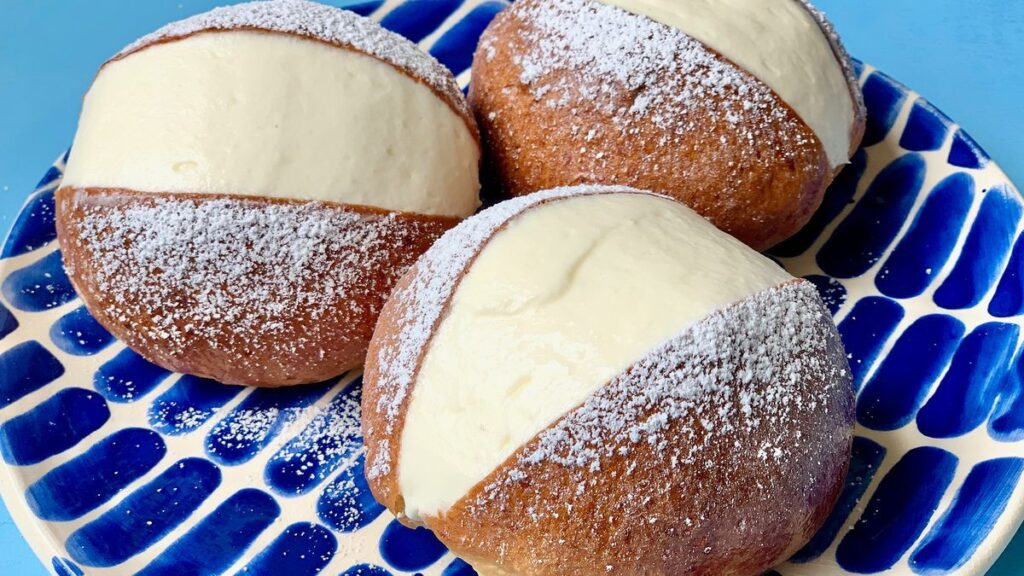
Dessert, Breakfast, or Afternoon Bliss
A sweet, soft bun, sliced open and filled with clouds of whipped cream. That’s it.
• Sometimes flavored with orange zest or raisins
• Traditionally eaten for breakfast on Fridays or Valentine’s Day
• Now popping up in modern cafes with pistachio cream, chocolate, or tiramisu fillings
Rome’s Food Is Its Own Empire
What ties all of these dishes together isn’t just pork and pecorino. It’s attitude. Roman cuisine is blunt, confident, and full of depth born from necessity. It’s cucina povera with swagger—unapologetically rich, rooted in tradition, and endlessly craveable.
Whether you’re twirling cacio e pepe in a centuries-old trattoria or grabbing a maritozzo to go, you’re tasting the living history of a city that knows how to eat—and never apologizes for doing it well.
Written by José Villalobos — Food writer and founder of Calitalia Food. Based in Sacramento, CA. Read more →