Italy’s Best-Kept Culinary Secret
Tucked between Tuscany, Lazio, and Le Marche, the landlocked region of Umbria is often overlooked in favor of its flashier neighbors. But make no mistake: this ancient, earthy heart of Italy offers one of the most soulful, rustic, and deeply authentic culinary experiences you’ll find anywhere in the country.
Forget the tourist-packed trattorias of Florence or the polished perfection of Emilia-Romagna’s pasta houses. Umbrian cuisine is bold, smoky, peppery, and born of the land. It’s food that smells like firewood and olive oil. It’s truffle-scented, meat-heavy, and as unfiltered as the Umbrians themselves.
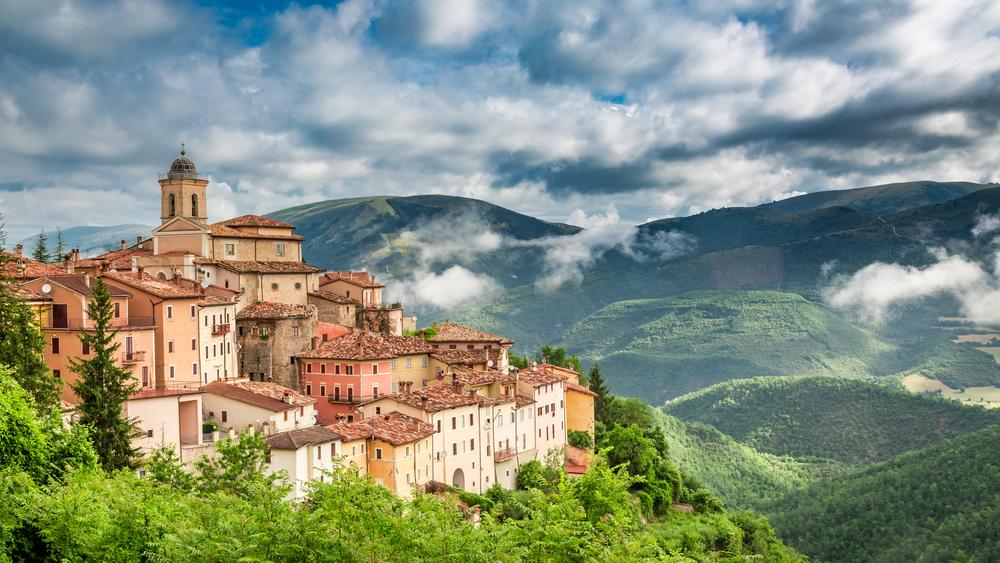
In this blog, we go beyond the basics to spotlight the traditional Umbrian dishes you’ve probably never heard of but absolutely need to try.
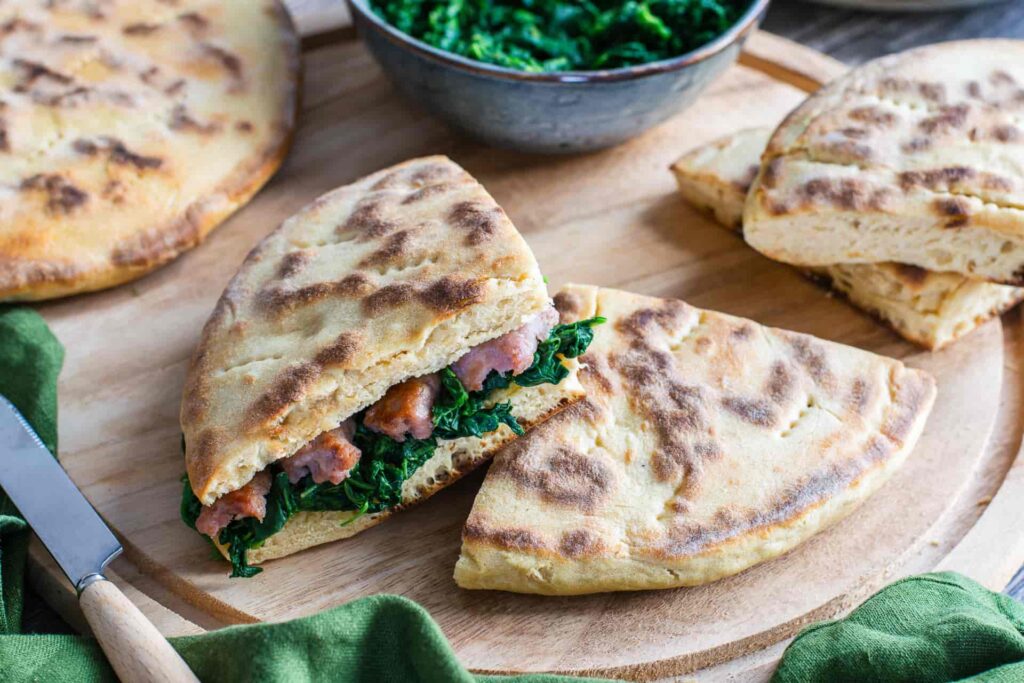
1. Torta al Testo – The Umbrian Flatbread That Replaces Everything
What It Is:
A thick, chewy flatbread cooked on a cast-iron plate (called a testo), historically used instead of utensils or even plates.
The technique I learned from watching Italian cooks is to finish the pasta IN the sauce.
How It’s Served:
• Stuffed with grilled sausages, cooked greens, or prosciutto
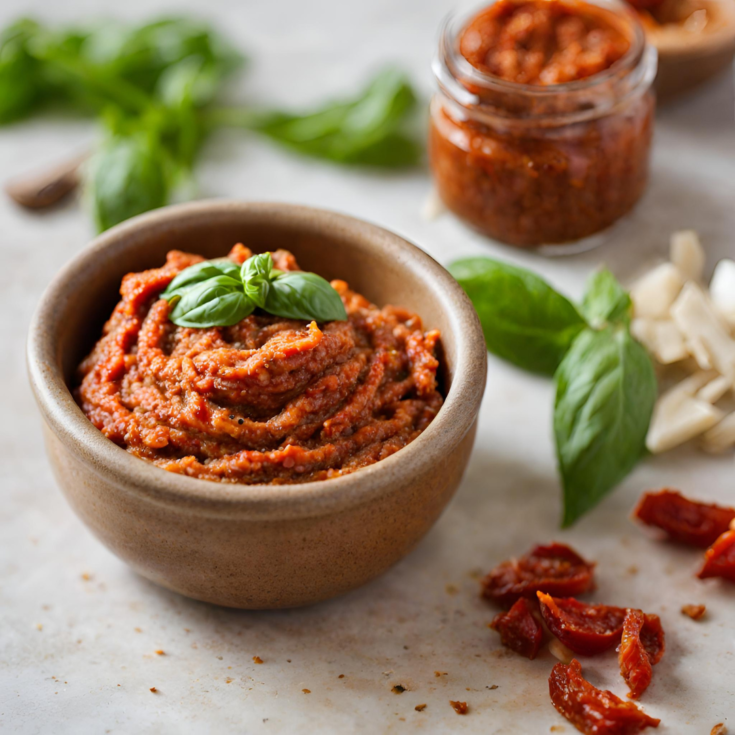
• Split and layered with stracchino cheese and truffle paste
• Sometimes eaten plain with olive oil or dipped into stews
It’s a cross between a pita and focaccia, but it’s heartier and can be eaten everywhere from rural kitchens to roadside stands.
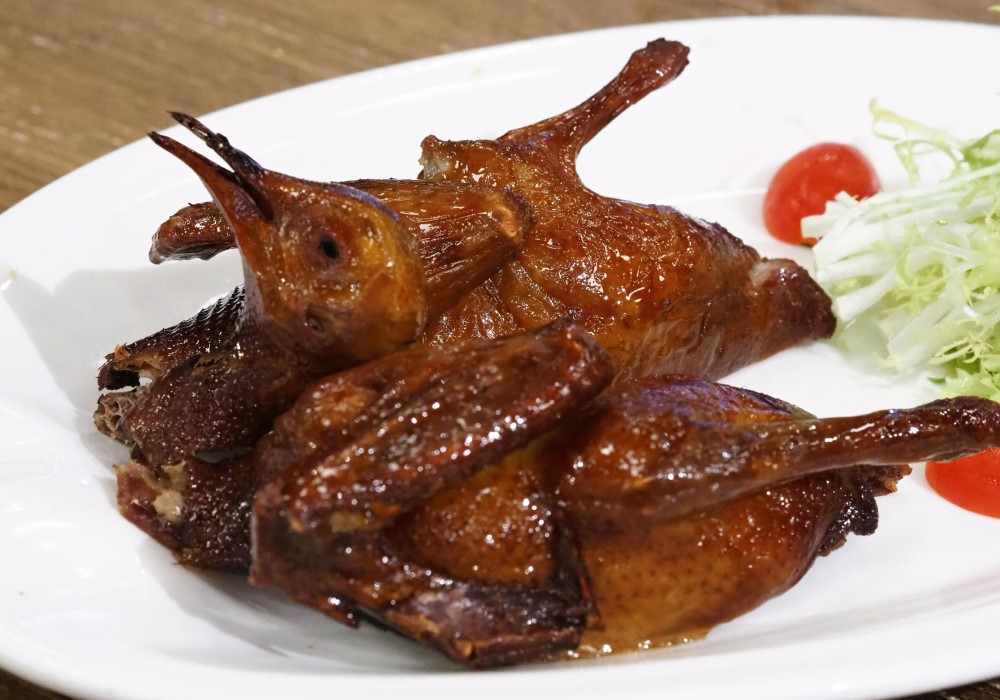
2. Palomba alla Ghiotta – Umbrian Hunter’s Pigeon
What It Is:
Wild pigeon roasted with herbs, white wine, sage, garlic, and juniper berries, then basted with its own juices and a splash of vinegar.
This dish is ancient, dating back to Etruscan times, and remains a favorite in Todi and Orvieto, where game meats are traditional.
• Served whole, often with roasted potatoes or sautéed greens
• Sauce is spooned over the bird tableside
A rare example of Umbrian cucina nobile (noble cuisine), as opposed to peasant food.
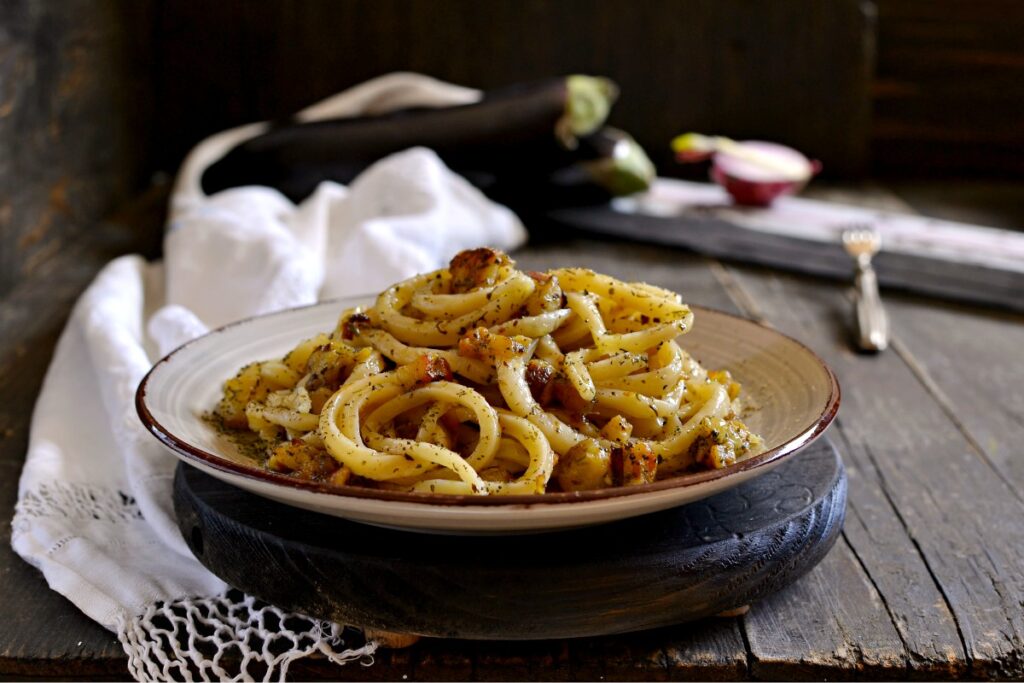
3. Stringozzi – The Pasta You’ve Never Tried
What It Is:
Long, thick, hand-rolled pasta resembling shoelaces (stringhe). Made with just flour and water, no eggs.
Stringozzi are:
• Slightly chewy, like pici from Tuscany but thinner
• Served with bold sauces: black truffle, wild boar ragù, or tomato and garlic (alla spoletina)
Found in Spoleto, Norcia, and Terni, this pasta is the beating heart of Umbrian cuisine.
4. Coratella con Cipolla – Offal for the Brave (and Hungry)
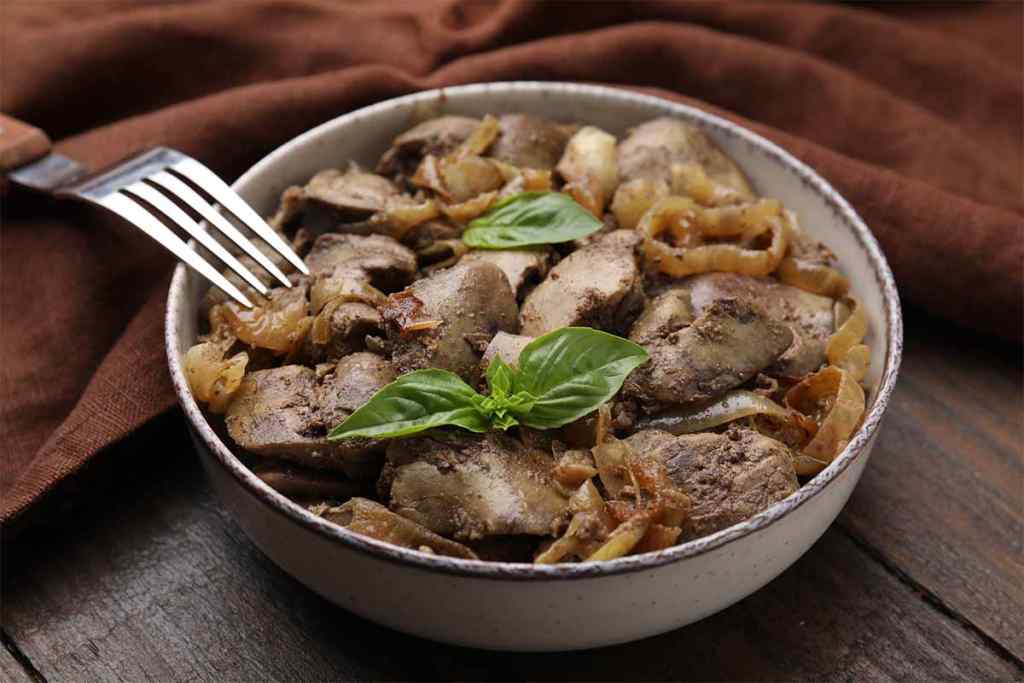
What It Is:
Lamb or kid offal heart, lungs, and liver chopped and sautéed with onions, olive oil, and white wine.
• A traditional Easter breakfast dish in Umbria
• Served with torta al testo or polenta
• Rich, earthy, peppery, and surprisingly comforting
If you like liver or pate, this is a next-level umami experience.
5. Fagiolina del Trasimeno – The Lake’s Secret Bean
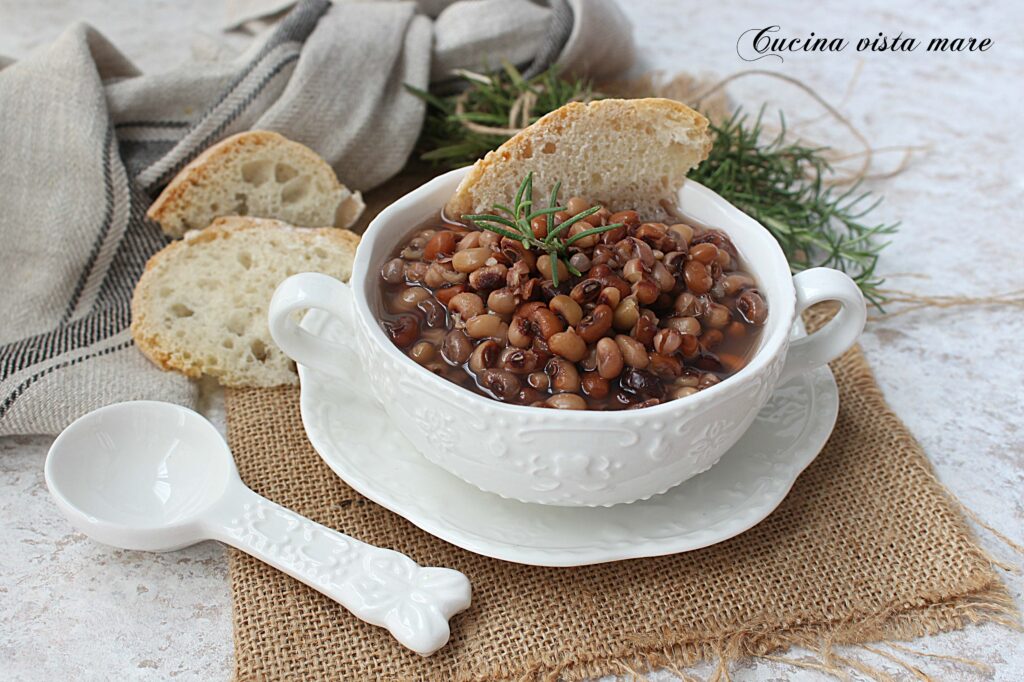
What It Is:
A tiny, ancient legume native to Lake Trasimeno, think of it as Italy’s heirloom caviar bean.
• Comes in multiple colors: black, white, pink
• Cooked simply with garlic, sage, and olive oil
• Served warm as a side or tossed in salads
Rare, protected, and one of Umbria’s most prized Slow Food presidia.
6. Crescia di Pasqua – Umbrian Easter Cheese Bread
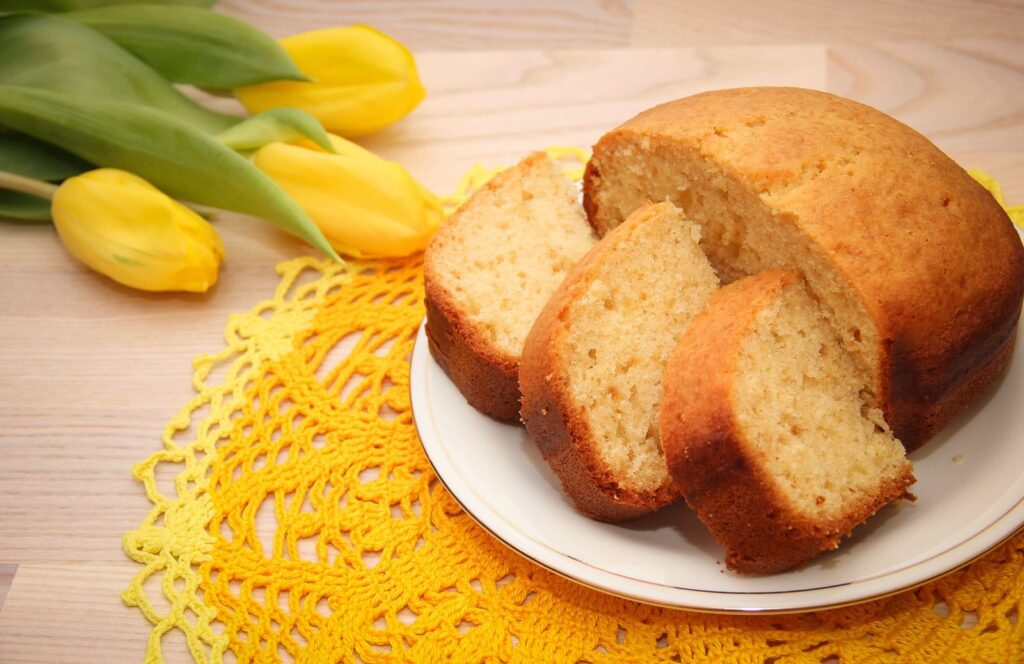
What It Is:
A tall, yeasted, cheesy bread baked only at Easter. Similar to a savory panettone, it’s flavored with:
• Pecorino and Parmigiano
• Eggs and black pepper
• Occasionally saffron or herbs
Traditionally eaten with cured meats, hard-boiled eggs, and red wine on Easter morning.
Now also sold year-round in bakeries due to popular demand.
7. Piccione Ripieno – Stuffed Pigeon
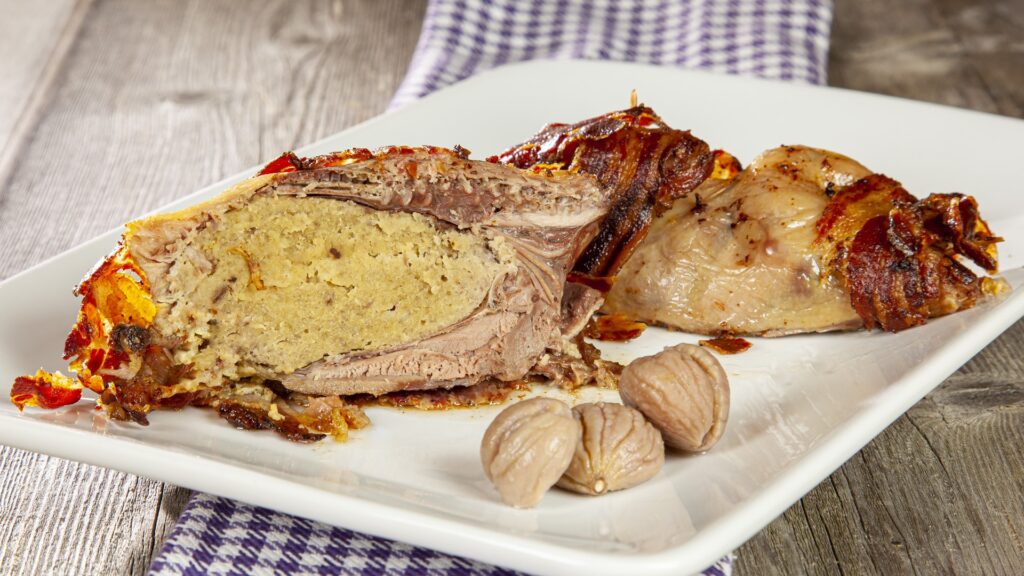
What It Is:
Another variation on Umbrian pigeon, this time stuffed with a mixture of:
• Sausage
• Bread crumbs
• Chopped liver
• Fresh herbs
Baked until crispy, basted with its own drippings, and served on a bed of lentils or farro. Found in Foligno, Bevagna, and Montefalco.
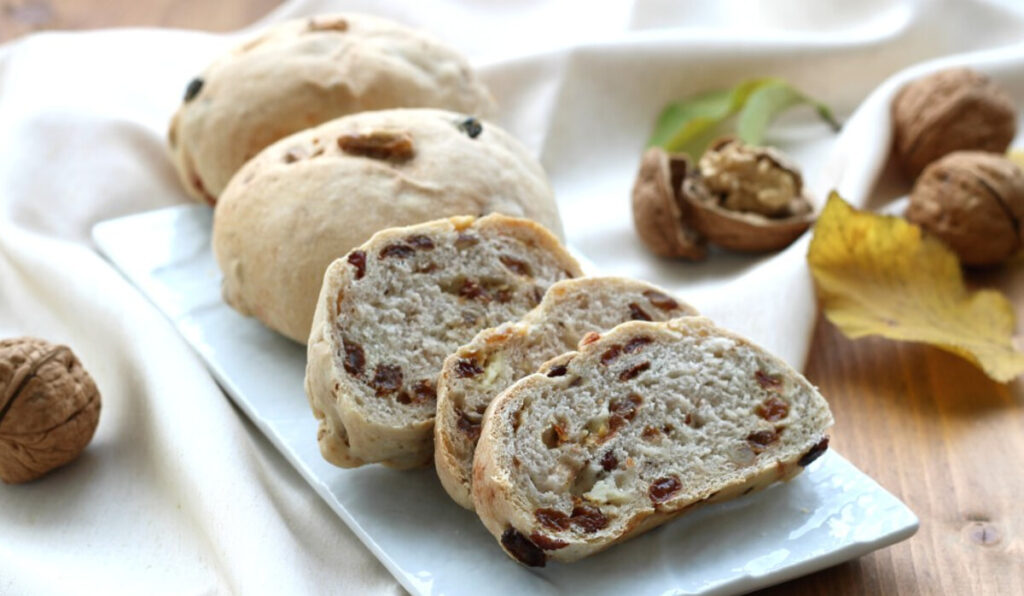
8. Pan Caciato – The Cheese and Nut Bread You Didn’t Know You Needed
What It Is:
Umbrian rustic bread made with:
• Pecorino cheese
• Walnuts
• Sometimes raisins, black pepper, or rosemary
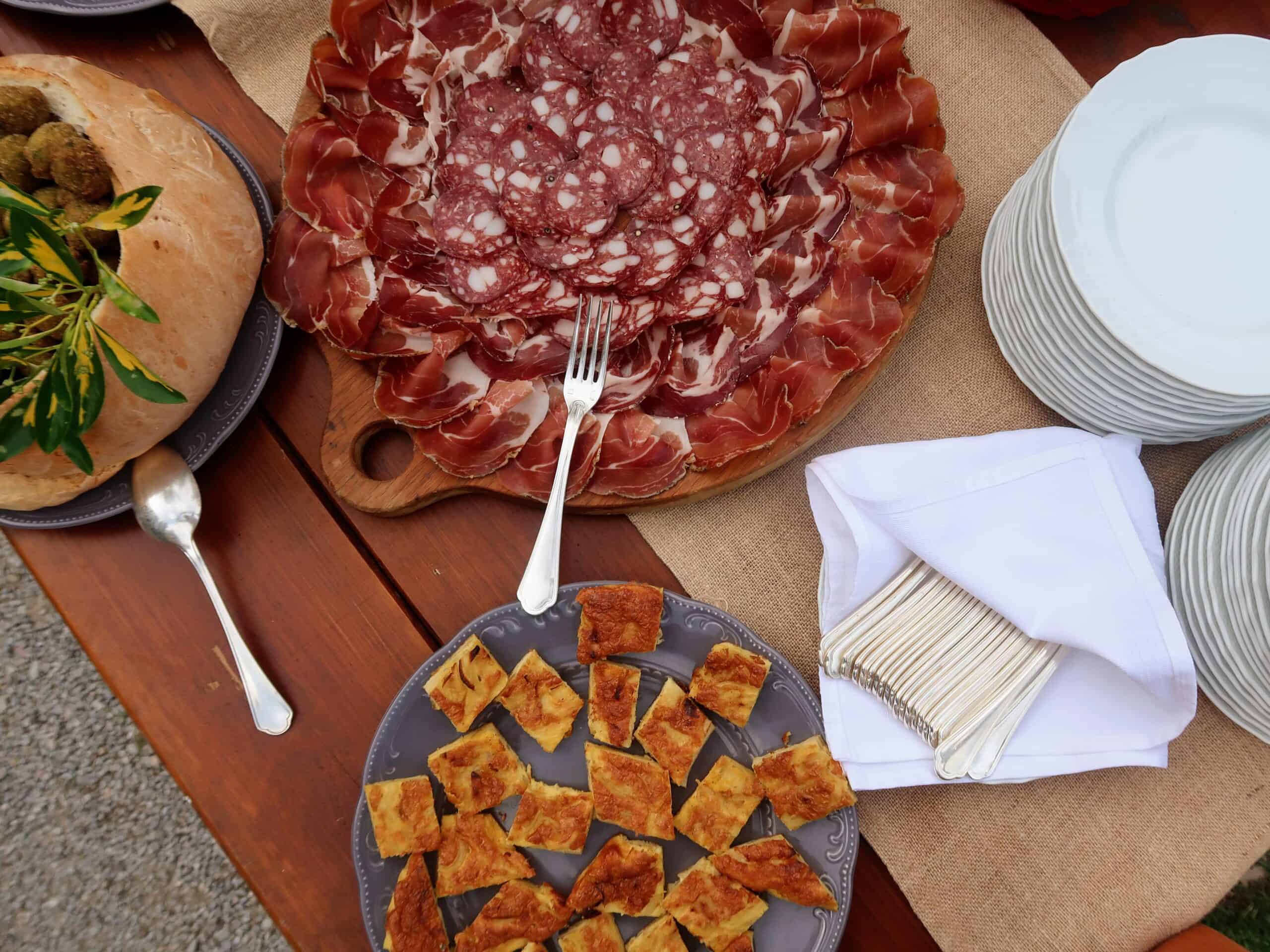
Served with cured meats, soups, or eaten as a snack. Especially popular in Spello and Todi.
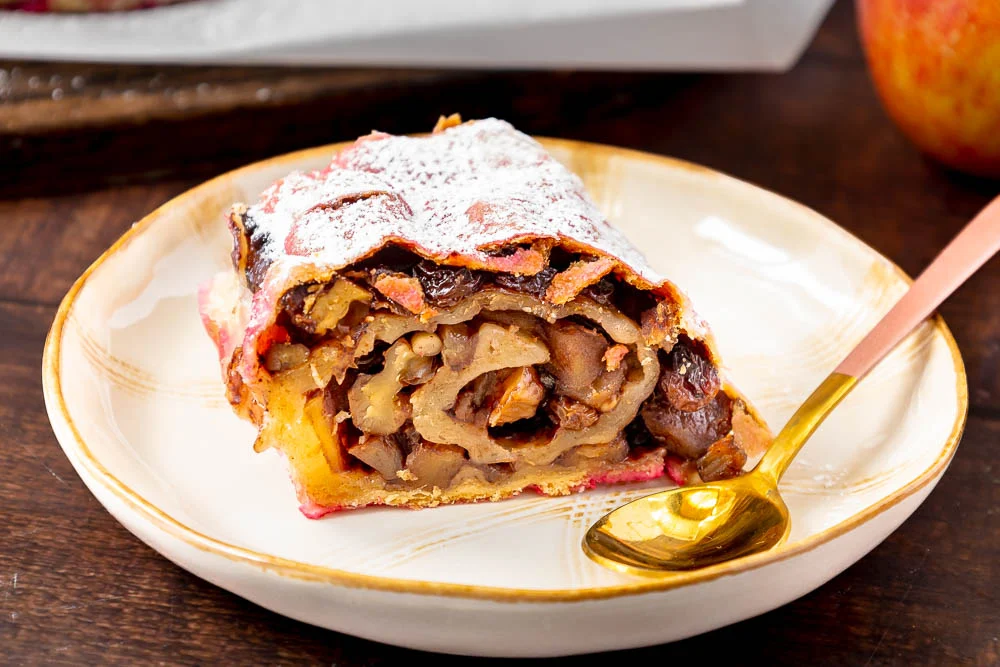
9. Rocciata – Umbria’s Apple and Nut Strudel
What It Is:
A thin pastry rolled around a filling of:
• Apples
• Nuts
• Cocoa powder
• Raisins
• Spices
Often called “Umbrian strudel” because of its resemblance to Austrian pastries, but it’s native to Foligno and Assisi.
Finished with powdered sugar and served with Vin Santo or coffee.
10. Lenticchie di Castelluccio – Lentils from the Plains of Heaven
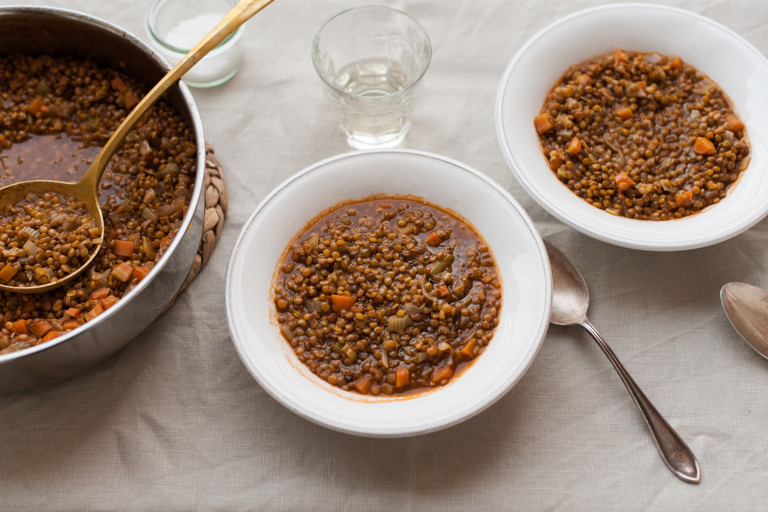
These aren’t just lentils—they’re DOP-protected, tiny, delicate, and nutty lentils grown on the high plains of Castelluccio di Norcia.
• Take only 20 minutes to cook
• Require no soaking
• Served with sausage, pork rinds, or wild greens
Eaten at New Year’s for luck, but you’ll find them year-round in Umbrian households.
Why Umbrian Food Deserves the Spotlight
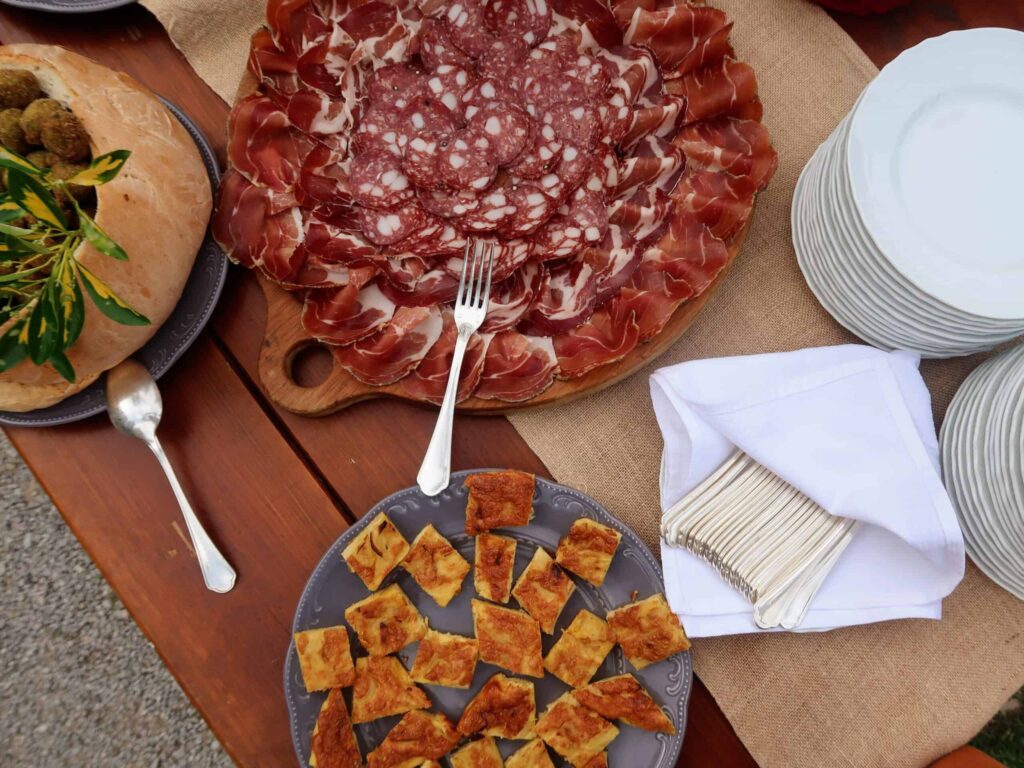
Umbrian cuisine is a celebration of resourcefulness, fire-cooked depth, and ancient rhythms. It’s about getting everything possible from the land and turning it into dishes that don’t need fancy plating or Michelin stars to be memorable.
Recent regional tourism data from 2024 shows recovery and rising visitor numbers in Umbria (arrivals and overnight stays), which you can link to the rising interest in local cuisine/food tourism.
Whether it’s a hunk of torta al testo bursting with sausage or a humble bowl of lentils kissed by truffle oil, Umbrian food hits different. It’s less photographed, less globalized, and more real.
Written by José Villalobos — Food writer and founder of Calitalia Food. Based in Sacramento, CA. Read more →