The Two-Ingredient Legend That Breaks Everyone’s Brain
Cacio e pepe is just cheese, pepper, and pasta. Simple? Not quite.
This Roman icon is deceptively minimalist, which is exactly why it is difficult to master. No cream. No butter. No shortcuts. Just a delicate balance between Pecorino Romano, black pepper, and starchy pasta water, emulsified into a silky sauce that clings to every strand.
In this guide, you will learn:
- What makes cacio e pepe tricky
- Why emulsification is everything
- A step-by-step method used in Rome
- The best pasta shapes
- How to fix clumps or broken sauce
- What not to do if you care about authenticity
Ready to master one of Rome’s most misunderstood dishes?
When I cook this at home, I use Pecorino Romano DOP because the salt content matters.
What Is Cacio e Pepe?
The literal meaning is cheese and pepper.
- Cacio refers to Pecorino Romano, a hard sheep’s milk cheese
- Pepe means freshly cracked black pepper
There is no garlic, no oil, and no cream in traditional versions.
Cacio e pepe belongs to Rome’s classic pasta trio:
- Cacio e pepe
- Carbonara
- Amatriciana
All three rely on Pecorino Romano and black pepper as their foundation.
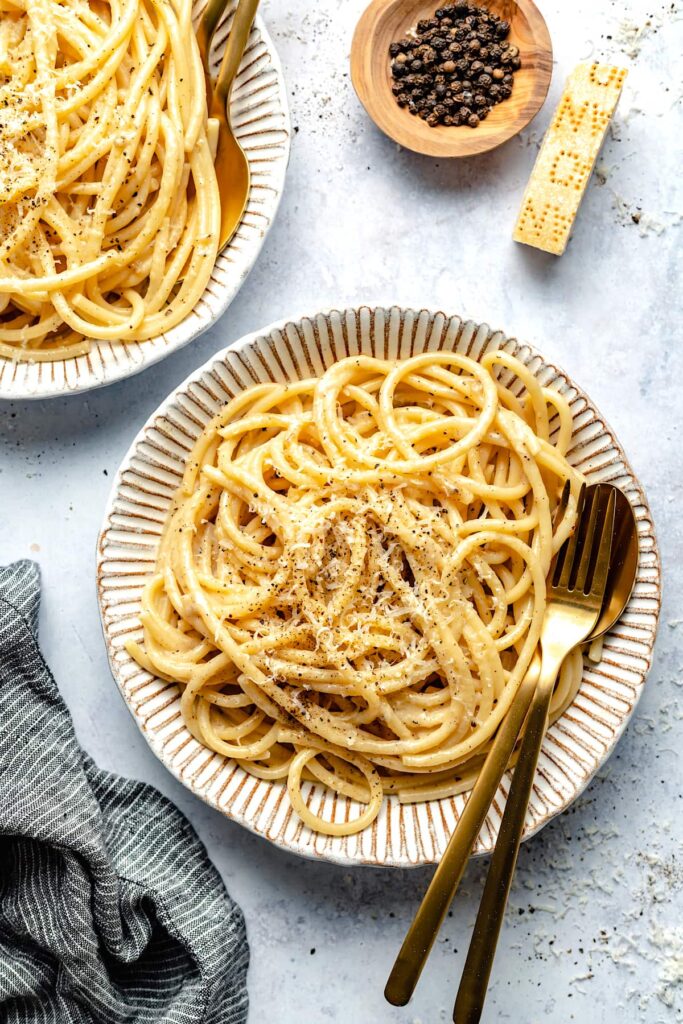
Pecorino Romano is not just culturally important. It is economically significant. According to the Consorzio per la Tutela del Pecorino Romano, the 2023 to 2024 production season reached approximately 39,200 tons, or 392,000 quintals, reflecting a 7.1 percent increase and generating over €600 million in value. The majority of this cheese is made from Sardinian sheep’s milk, even though it carries the historic Roman name.
Why Cacio e Pepe Is So Hard to Get Right
There are three main challenges:
- Cheese clumps, if added to water that is too hot
- The sauce breaks if the pasta water lacks starch
- Timing must be precise to avoid dryness
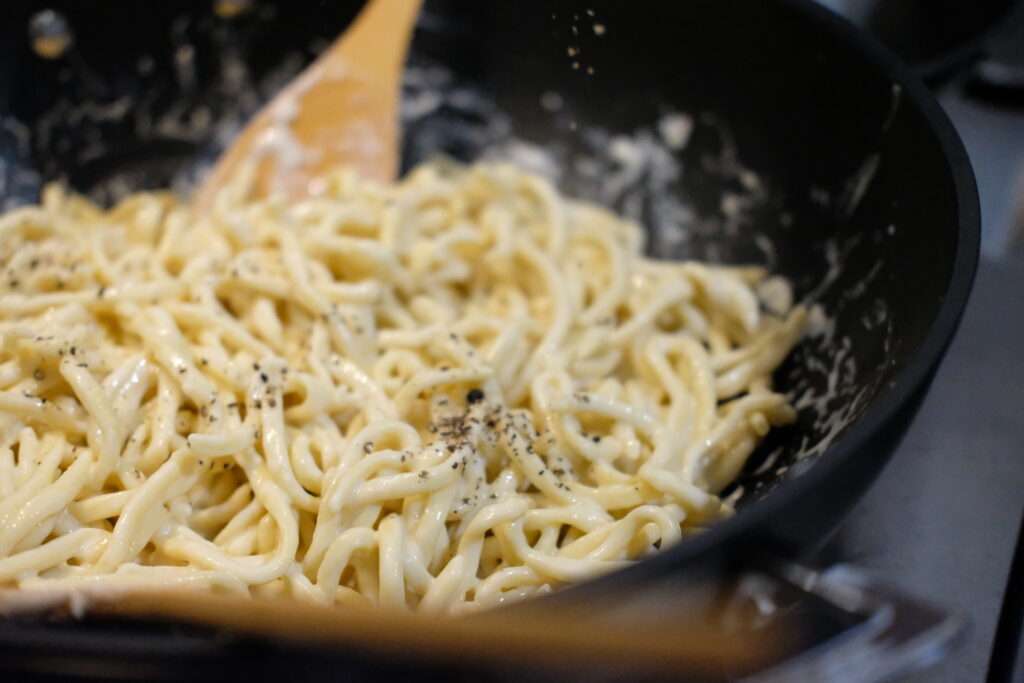
The goal is to create an emulsion. That means blending grated cheese and starchy pasta water into a smooth sauce without added fat.
Ingredients for Two Servings
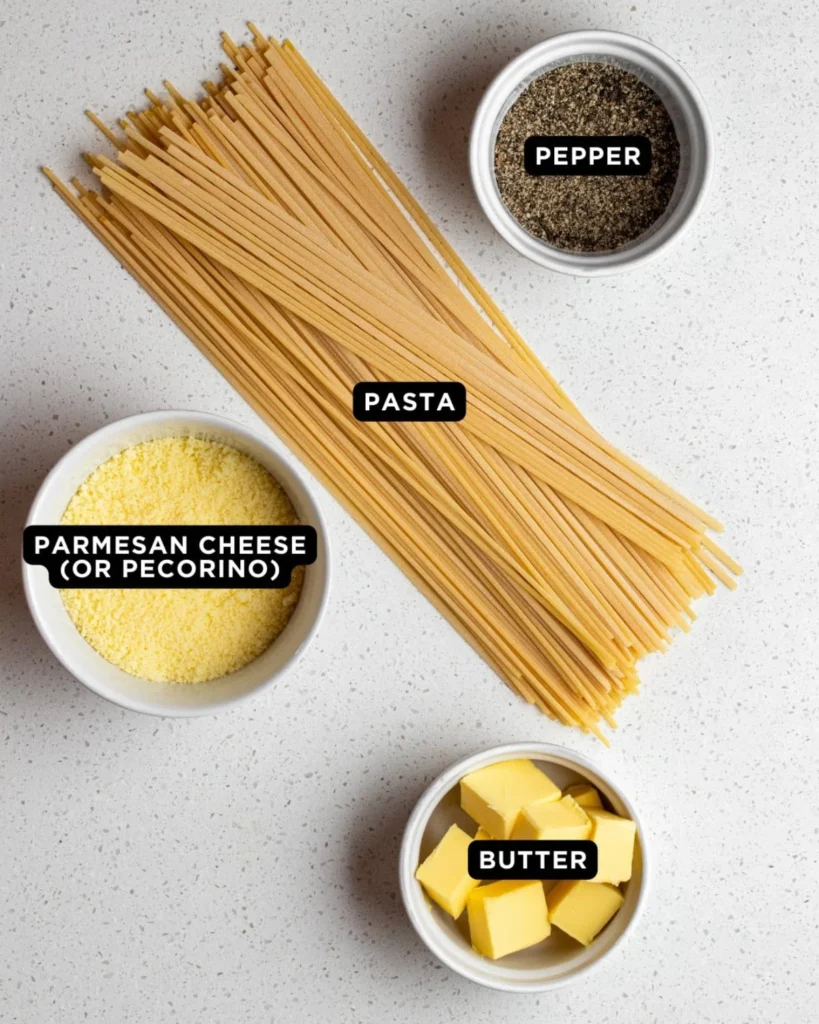
- 200 grams tonnarelli, spaghetti, or bucatini
- 100 grams finely grated Pecorino Romano
- 1.5 teaspoons freshly cracked black pepper
- Salt for pasta water, used lightly
- 1 to 2 ladles of reserved pasta water
Tip: Grate the cheese using a microplane for a fine texture that melts evenly.
Equipment Needed
- Heavy-bottomed skillet or sauté pan
- Pasta pot
- Microplane or fine grater
- Tongs
- Ladle or cup for pasta water
Step by Step: Authentic Cacio e Pepe
Step 1: Toast the Pepper
- Heat a dry pan on low
- Add cracked black pepper
- Toast for 30 to 60 seconds until fragrant
This releases essential oils and deepens flavor.
Step 2: Cook the Pasta
- Use slightly less water than usual to concentrate starch
- Salt the water lightly
- Cook pasta until very al dente
Step 3: Reserve Pasta Water
- Before draining, reserve 1 to 2 ladles of pasta water
This starchy liquid is the foundation of the sauce.
Step 4: Make the Cheese Paste
- In a bowl, combine grated Pecorino with a small ladle of warm pasta water
- Stir until creamy and smooth
- Add more water gradually if needed
Important: The water must be warm, not boiling, to prevent clumping.
Step 5: Combine
- Add drained pasta to the pan with toasted pepper
- Add a splash of pasta water
- Turn off the heat
- Add the cheese paste
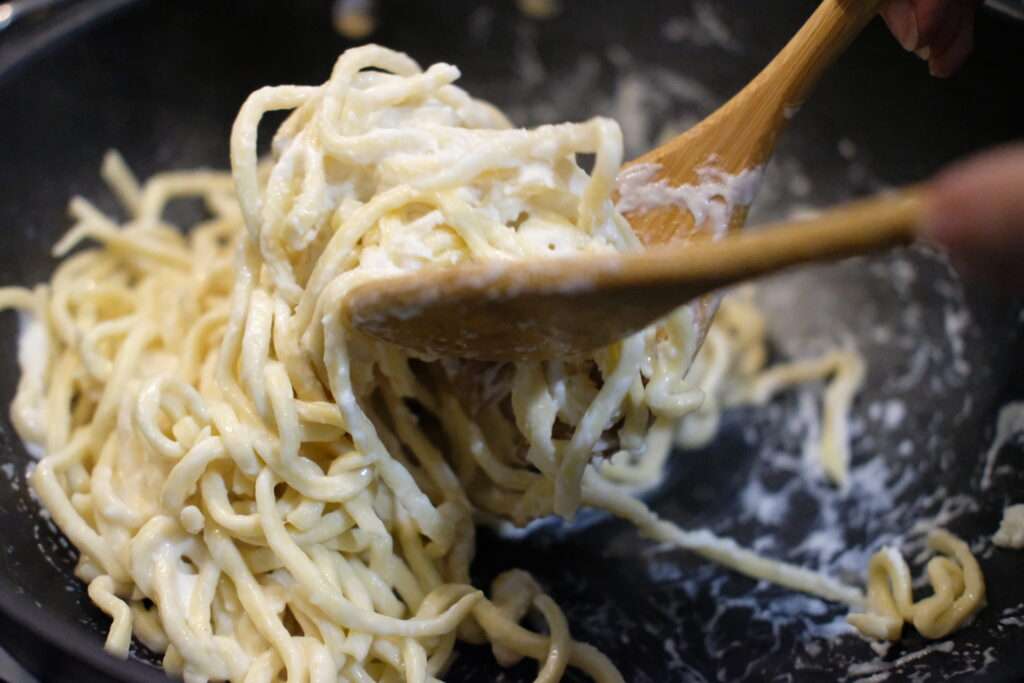
- Toss vigorously until glossy and creamy
Step 6: Adjust Texture
- If dry, add a small splash of water
- If too loose, toss briefly over very low heat
The Science Behind the Sauce
Cacio e pepe works through emulsification.
- The cheese provides fat
- Starch from pasta water binds liquid and fat
- Mechanical tossing creates a stable sauce
If the temperature is too high, the proteins in the cheese tighten and seize, creating clumps.
Control the heat and work quickly.
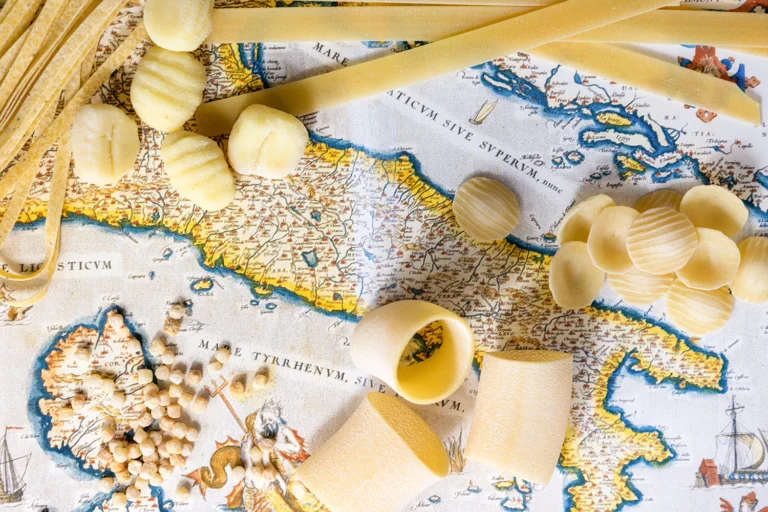
Best Pasta Shapes for Cacio e Pepe
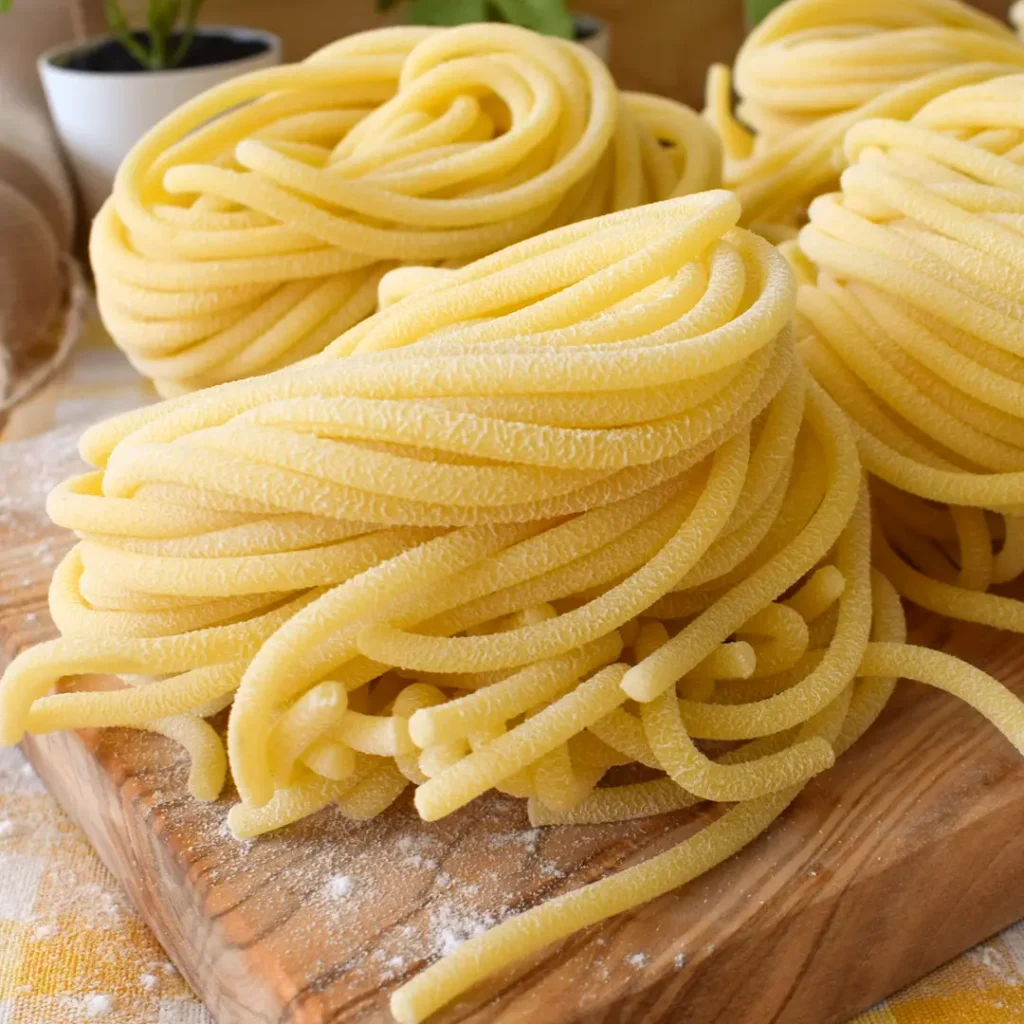
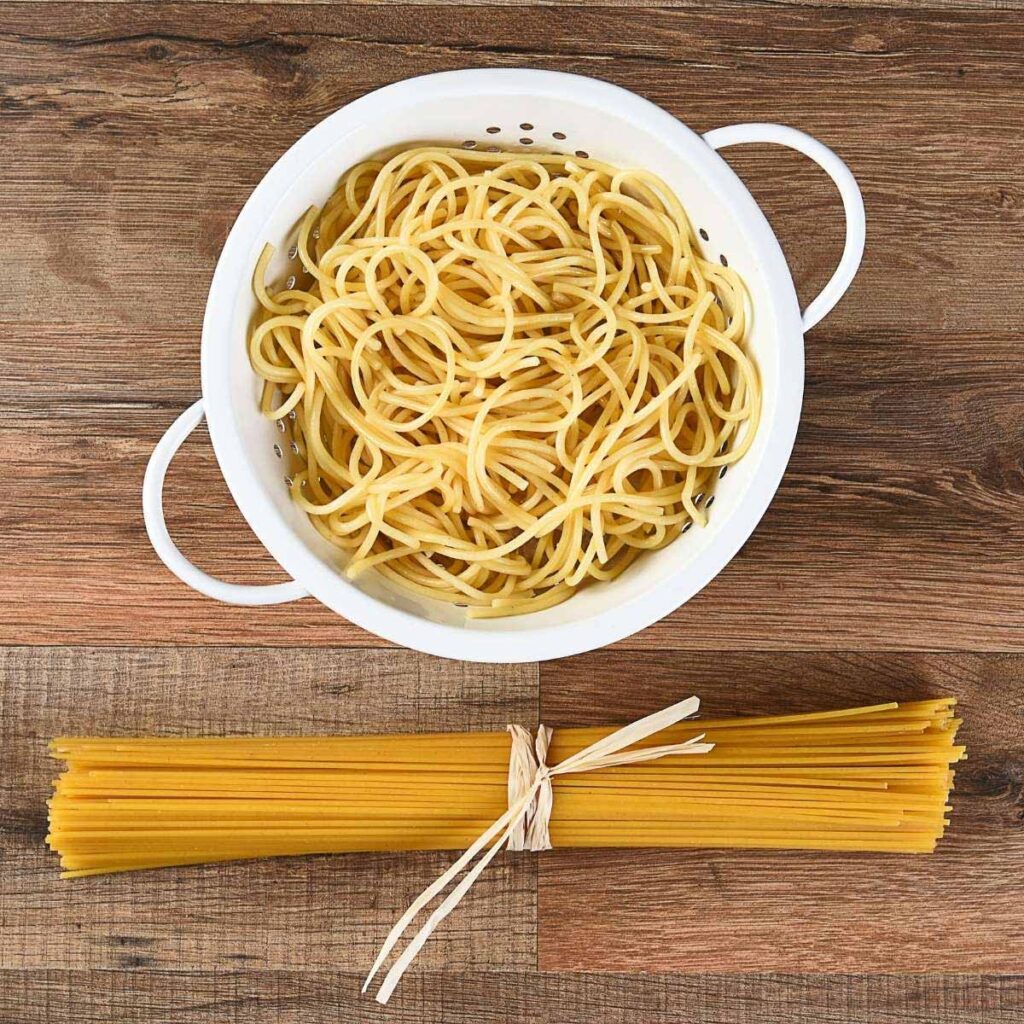
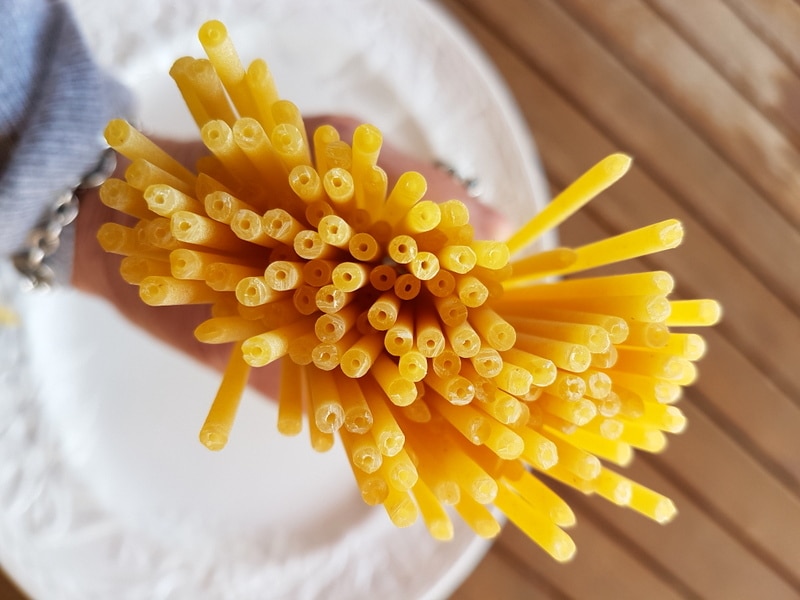
Traditional Roman chefs favor:
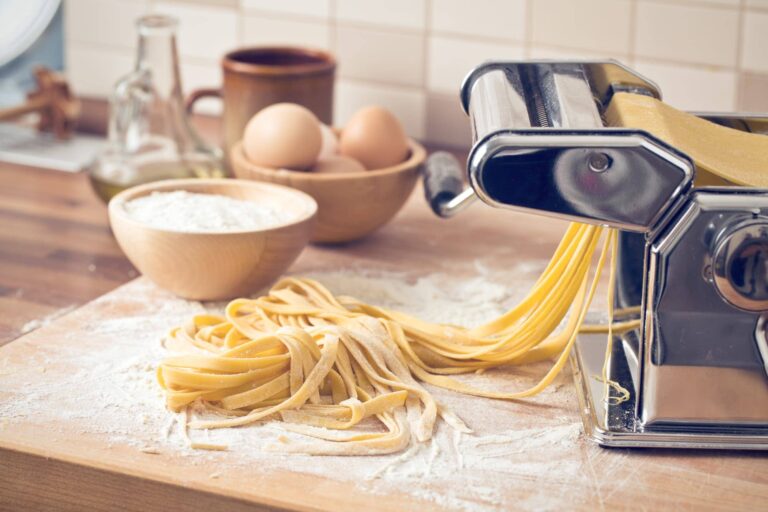
- Tonnarelli
- Spaghetti
- Bucatini
Avoid very short shapes, which do not hold the sauce well.
Bronze-cut pasta is ideal because its rough surface helps the sauce adhere.
Tips From Roman Chefs
- Grate cheese as finely as possible
- Never add cheese over direct heat
- Work quickly while the pasta is hot
- Do not oversalt the water
Common Mistakes and Fixes
If the cheese clumps:
- Lower the temperature
- Add small amounts of warm water and stir off the heat
If the sauce is too watery:
- Toss briefly over low heat
- Avoid overheating
If the sauce tastes flat:
- Add a small pinch of fresh pepper
- Ensure the Pecorino is of high quality
Is Cream Ever Acceptable?
No.
Authentic cacio e pepe contains only pasta, Pecorino Romano, black pepper, and pasta water. Adding cream changes the structure and flavor.
If you prefer creamier pasta, choose Alfredo or a four-cheese sauce instead.
Modern Variations
These versions exist, but they are not traditional:
- Cacio e pepe risotto
- Cacio e pepe gnocchi
- Truffle cacio e pepe
- Cacio e pepe scrambled eggs
Enjoy them, just do not label them authentic Roman.
Wine and Side Pairings
Wine
- Frascati
- Verdicchio
- Vermentino
Sides
- Bitter greens sautéed lightly
- Simple lemon-dressed salad
- Crusty bread
The Simplicity Is the Point
Cacio e pepe is not about shortcuts. It is about precision and rhythm.
It teaches:
- Ingredient respect
- Heat control
- Timing and instinct
When mastered, it elevates every pasta dish you make afterward.
It may only be cheese and pepper, but done properly, it is Rome on a fork.
Written by José Villalobos — Food writer and founder of Calitalia Food. Based in Sacramento, CA. Read more →