
In a region known for fashion, finance, and innovation, Lombardy’s greatest treasure is often golden, creamy, and gently bubbling on the stove. Risotto, born in the fertile plains of Northern Italy, is Lombardy’s most iconic dish and a culinary legacy that stretches from rustic farmhouse kitchens to fine dining tables in Milan.
While risotto is loved across Italy, it is in Lombardy, especially in the provinces of Milan, Pavia, Mantua, and Bergamo, where it truly found its soul. No dish captures that identity better than Risotto alla Milanese, rich with saffron and butter, paired with slow-cooked ossobuco and served with reverence.

This blog explores the origins, traditions, and modern twists of Lombardys risotto culture. Let’s stir.
Why Risotto Is Lombardy’s Signature Dish

Geography, Agriculture, and Culture
The story of risotto begins with rice, and Lombardy is Italy’s largest rice-producing region. The southern stretches, especially around Pavia and the Lomellina area, are covered in rice paddies.
By the 14th century, rice cultivation expanded heavily and created the foundation for a cuisine centred on creamy and deeply flavoured risottos.
I have made this sauce with both Italian butter and American butter — the fat content matters.
Lombardy produces about 42 % of all rice grown in Italy.

The King of All Risottos: Risotto alla Milanese
The Saffron Story

Risotto alla Milanese is iconic and deceptively simple. It includes:
- Arborio or Carnaroli rice
- Butter, onion, and bone marrow
- Saffron threads soaked in broth
- White wine is reduced until fragrant
- Parmigiano Reggiano folded in during the final mantecatura
A popular legend says that in 1574, a painter’s apprentice used saffron to colour the rice at a wedding banquet. The guests loved it, and the classic was born.
How Lombardys Risotto Is Served

It is traditionally paired with Ossobuco alla Milanese. The risotto becomes the base that absorbs the buttery, marrow-filled sauce of the braised veal shanks.
Regional Variants of Risotto in Lombardy
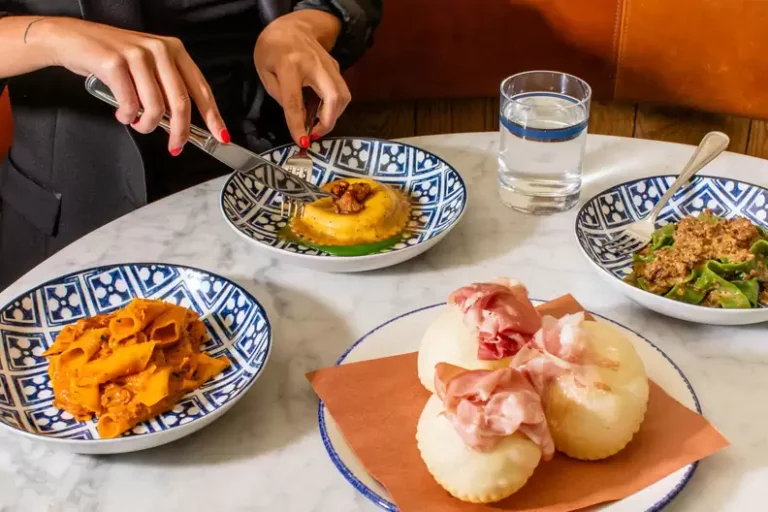
Risotto al Salto

- Crispy risotto cake made from leftover risotto alla Milanese
- Pan-fried in butter until golden
- Popular as an appetiser or brunch item
Risotto alla Monzese

- Uses saffron and luganega sausage
- Richer and more rustic than the Milanese version
Risotto con la Zucca (Mantua)

- Creamy risotto with pumpkin puree
- Finished with sage, butter, and Grana Padano
- Common in autumn
Ris e Erbette (Bergamo)

- A lighter risotto with wild greens, leeks, or spinach
- Often finished with ricotta or butter
How Lombardy Perfected Risotto Technique
The Four Pillars of Proper Risotto
- Tostatura
Lightly toasting the rice in butter or oil to coat each grain. - Sfumatura
Deglazing with wine to add aroma and acidity. - Brodo a Poco a Poco
Adding hot stock slowly while stirring to release starch evenly. - Mantecatura
Finishing with butter and cheese for a glossy and creamy texture.
The goal is a risotto that flows on the plate, creamy on the outside with a firm core.
The Best Rice Varieties for Risotto
Lombardy specialises in short-grain rices that absorb broth while keeping structure. Key varieties include:
- Carnaroli
- Vialone Nano
- Arborio
Carnaroli is often considered the finest because it holds shape even with extended cooking.
Modern Risotto Interpretations in Milan

In Milan, chefs use risotto as a blank canvas for experimentation.
Examples of modern risottos:
- Beetroot and goat cheese
- Squid ink with lemon zest
- Gorgonzola, pear, and walnuts
- Bergamot and burrata with mint oil
Some restaurants even serve sweet risottos, such as chocolate risotto or zabaglione risotto.
Pairing Wine with Lombardy’s Risottos
Local wines that pair beautifully include:
- Barolo for richer meat-based risottos
- Valtellina Superiore for earthy mushroom risottos
- Lugana or Franciacorta for lighter vegetable-based risottos
Pairing is about balancing richness, acidity, and aroma.

Risotto in Lombardy’s Culinary Identity
Why It Matters
Risotto here represents more than a recipe. It symbolises:
- Precision and craftsmanship
- Patience and respect for slow cooking
- A blend of rural and urban influences
- The pride of Lombardy’s agricultural history
Risotto is a comfort food and a ritual passed through generations.
Risotto, Reimagined and Remembered
Whether you are slowly stirring saffron broth into Carnaroli rice or crisping leftover risotto into al salto, you are taking part in a centuries-old tradition.
Lombardy’s risotto legacy is not just about rice and broth. It is about heart, time, and the calm rhythm of Italian cooking that rewards patience.
So pick up a wooden spoon. Add broth slowly. Stir with intention. You are stirring into the past and the future at the same time.
Written by José Villalobos — Food writer and founder of Calitalia Food. Based in Sacramento, CA. Read more →