
Butter sauces have played a pivotal role in Italian cuisine, adding richness and depth to a wide variety of dishes. Their history is a fascinating journey that showcases the evolution of Italian culinary traditions. From their humble beginnings to modern-day adaptations, butter sauces have become an integral part of Italy’s gastronomic identity.
In this article, we’re diving into the delicious history of butter sauces in Italian cuisine. While olive oil may reign in the south, the north has long been churning out rich, velvety sauces that highlight butter’s role in regional Italian cooking. From sage-infused classics to creamy pasta perfection, butter’s got history, and flavor on its side.

Origins of Butter Sauces
Ancient Roman Influence
The story of butter sauces in Italian cuisine begins in ancient times. Although olive oil is often seen as the cornerstone of Italian cooking, butter has also had a significant presence, especially in the northern regions of Italy. The use of butter in sauces can be traced back to the Roman Empire, where butter was considered a luxury item.

In Roman times, butter was often used as a condiment and was prized for its rich texture and flavor. It was not commonly used in cooking, as olive oil was more prevalent. However, as the Roman Empire expanded and interacted with various cultures, new culinary techniques and ingredients were introduced. This period marked the beginning of butter’s journey into Italian sauces.
Medieval Developments
As trade routes developed, butter became more accessible and began to be used more widely in cooking. The northern regions of Italy, such as Lombardy and Piedmont, where dairy farming was more prominent, started to incorporate butter into their culinary practices. These regions laid the foundation for the development of butter sauces that would become iconic in Italian cuisine.
I tested three different brands of guanciale for this — the aging makes a real difference.
During the Middle Ages, butter began to replace other fats in cooking due to its superior flavor and texture. Monasteries played a crucial role in the spread of butter usage, as monks perfected butter-making techniques and recipes, sharing their knowledge across Europe.

Evolution of Butter Sauces
Renaissance Innovations
The evolution of butter sauces in Italian cuisine is a testament to the country’s rich culinary heritage. During the Middle Ages, butter gained popularity in Italian kitchens, particularly in the northern regions. This period saw the refinement of butter-making techniques, leading to higher quality butter that was perfect for cooking.
One of the key developments in this era was the creation of “salsa al burro,” a simple yet elegant butter sauce that served as the base for many other recipes. Salsa al burro typically consisted of butter melted with herbs and spices, creating a flavorful and versatile sauce. This sauce was often used to enhance the natural flavors of meats, vegetables, and pasta.
Regional Variations
The Renaissance period brought further innovation to Italian cuisine, with chefs experimenting with new ingredients and techniques. Butter sauces became more complex, incorporating elements like cream, cheese, and truffles. This period also saw the emergence of regional variations, with each area of Italy developing its own unique take on butter sauces.
For example, in the Veneto region, “salsa burro e salvia” (butter and sage sauce) became a beloved accompaniment to pasta dishes like gnocchi and tortellini. Meanwhile, in Tuscany, “salsa al burro e parmigiano” (butter and Parmesan sauce) gained popularity for its rich and savory profile.

Influence of French Cuisine
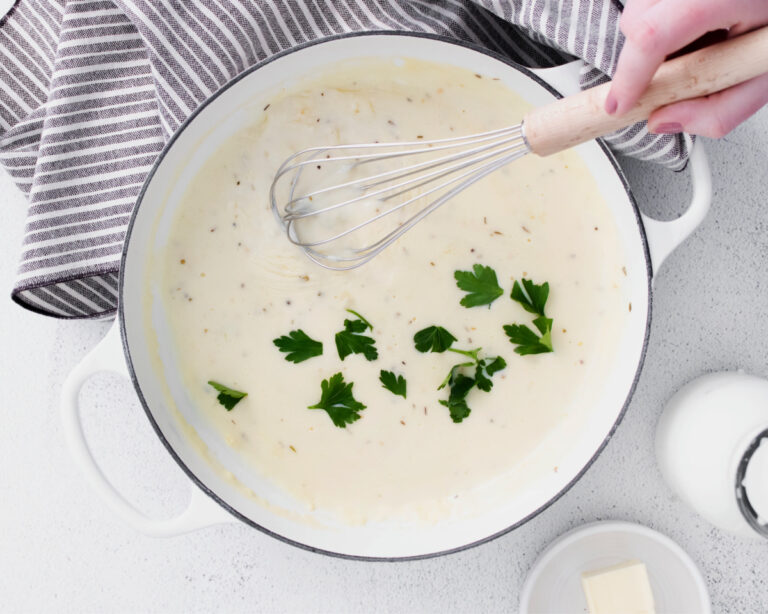
During the 17th and 18th centuries, Italian cuisine was influenced by French culinary techniques, particularly the use of butter in sauces. The introduction of béchamel sauce, a French butter-based sauce, led to the creation of similar Italian sauces. This cross-cultural exchange enriched Italian cuisine, leading to a fusion of flavors and techniques.
Famous Italian Recipes
Fettuccine Alfredo
Perhaps one of the most famous Italian butter sauces is the one used in Fettuccine Alfredo. This iconic dish originated in Rome in the early 20th century and was created by Alfredo di Lelio. The sauce is a simple yet luxurious combination of butter, Parmesan cheese, and pasta water, creating a creamy and indulgent coating for fettuccine noodles.
The story of Fettuccine Alfredo is one of love and dedication. Alfredo di Lelio created the dish to restore his wife’s appetite after the birth of their child. The dish quickly became popular among Hollywood celebrities visiting Rome, who then spread the word about this delectable pasta.

Gnocchi with Sage Butter Sauce
Gnocchi, soft potato dumplings, are often served with a sage butter sauce that perfectly complements their delicate texture. The sauce is made by melting butter with fresh sage leaves, allowing the herb’s aromatic oils to infuse the butter. This classic dish is a staple in Northern Italian cuisine and showcases the simplicity and elegance of Italian cooking.
Gnocchi with sage butter sauce exemplifies the Italian principle of using a few high-quality ingredients to create a dish that is greater than the sum of its parts. The earthy flavor of sage and the richness of butter elevate the humble potato gnocchi to a dish of refined elegance.
Risotto alla Milanese
Hailing from Milan, Risotto alla Milanese is a creamy rice dish flavored with saffron and enriched with butter. The addition of butter at the end of cooking gives the risotto its characteristic creamy texture and rich flavor. This dish is often served as a first course or as an accompaniment to Osso Buco, a braised veal shank.
The use of saffron, one of the world’s most expensive spices, highlights the luxurious nature of this dish. Risotto alla Milanese is a testament to the Milanese love for rich, hearty flavors and their willingness to invest in premium ingredients.
Polenta with Butter and Cheese
Polenta, a traditional Italian dish made from cornmeal, is often served with a generous helping of butter and cheese. The butter enhances the creamy consistency of the polenta, while the cheese adds a savory depth of flavor. This comforting dish is a staple in Northern Italian cuisine and is often enjoyed as a side dish or main course.
Polenta with butter and cheese is a reflection of Italian peasant cuisine, where simple ingredients are transformed into delicious and satisfying meals. This dish showcases the ingenuity of Italian cooks who make the most of what is available.

Agnolotti al Burro
Agnolotti, small stuffed pasta squares, are traditionally served with a simple butter sauce in the Piedmont region. The butter sauce enhances the flavors of the filling, which can range from meat to vegetables, and provides a rich and smooth texture that complements the pasta.
Agnolotti al burro is a perfect example of how butter sauces can elevate stuffed pasta dishes. The butter sauce coats the agnolotti, allowing each bite to be a perfect balance of pasta, filling, and buttery richness.
Modern Adaptations
Truffle Butter Sauce
Truffles, a highly prized delicacy in Italian cuisine, have found their way into modern butter sauces. Truffle butter sauce combines the earthy aroma of truffles with the richness of butter, creating a luxurious accompaniment to pasta, meats, and vegetables. This modern twist on traditional butter sauces adds a touch of sophistication to any dish.
Truffle butter sauce is often used sparingly due to the intense flavor of truffles. A small amount can transform a simple dish into an extraordinary culinary experience, making it a favorite among gourmet chefs and food enthusiasts.

Lemon Butter Sauce
Lemon butter sauce is a light and refreshing variation that pairs beautifully with seafood and vegetables. The addition of fresh lemon juice and zest to melted butter creates a tangy and vibrant sauce that brightens the flavors of the dish. This modern adaptation is perfect for those seeking a lighter, yet equally delicious, butter sauce.
Lemon butter sauce is particularly popular in coastal regions of Italy, where fresh seafood is abundant. The citrus notes of the lemon enhance the natural flavors of fish and shellfish, making it a popular choice for modern Italian seafood dishes.

Herb-Infused Butter Sauces
Modern chefs are also experimenting with infusing butter sauces with a variety of herbs and spices. By melting butter with ingredients like rosemary, thyme, garlic, and chili flakes, they create complex and aromatic sauces that elevate the flavors of any dish. These herb-infused butter sauces showcase the versatility of butter and its ability to complement a wide range of ingredients.
Herb-infused butter sauces are a testament to the creativity of modern Italian chefs. These sauces can be tailored to suit the specific flavors of a dish, providing a personalized touch that enhances the overall dining experience.
Vegan Butter Sauces
With the rise of plant-based diets, vegan butter sauces have become increasingly popular in modern Italian cuisine. These sauces use plant-based butter alternatives made from ingredients like coconut oil, avocado, and nuts. They provide a similar richness and flavor to traditional butter sauces, making them a great option for those following a vegan lifestyle.
Vegan butter sauces demonstrate the adaptability of Italian cuisine to modern dietary preferences. By using innovative ingredients, chefs can create delicious and satisfying dishes that cater to a broader audience, ensuring that everyone can enjoy the richness of butter sauces.
Butter Sauces in Fine Dining
In fine dining establishments, butter sauces have been elevated to an art form. Chefs meticulously prepare and present these sauces, often incorporating unique ingredients and techniques to create unforgettable dining experiences. From beurre blanc to compound butters, the use of butter in high-end cuisine continues to evolve.

Fine dining chefs often draw inspiration from traditional Italian butter sauces while adding their own creative twists. This approach keeps the essence of Italian cuisine alive while pushing the boundaries of culinary innovation.
FAQ
Conclusion
Butter sauces have a storied history in Italian cuisine, evolving from ancient times to become a staple in many beloved dishes. From the simple elegance of salsa al burro to the luxurious truffle butter sauces of modern times, these sauces showcase the richness and diversity of Italian culinary traditions. As chefs continue to innovate and adapt, butter sauces remain a testament to the enduring appeal of Italian cuisine, delighting palates with their depth and versatility.
Disclosure: Our blog contains affiliate links to products. We may receive a commission for purchases made through these links. However, this does not impact our reviews and comparisons. We try our best to keep things fair and balanced, in order to help you make the best choice for you.
Written by José Villalobos — Food writer and founder of Calitalia Food. Based in Sacramento, CA. Read more →