
Craving that rich, buttery flavor but trying to keep it light? You’re in the right kitchen.
In this article, we’re dishing out low-calorie butter sauce recipes that bring all the flavor without the calorie crash. Whether you’re pouring it over steamed veggies, drizzling it on seafood, or tossing it with pasta—these sauces prove you can have your butter and eat it too.
Using Light Butter
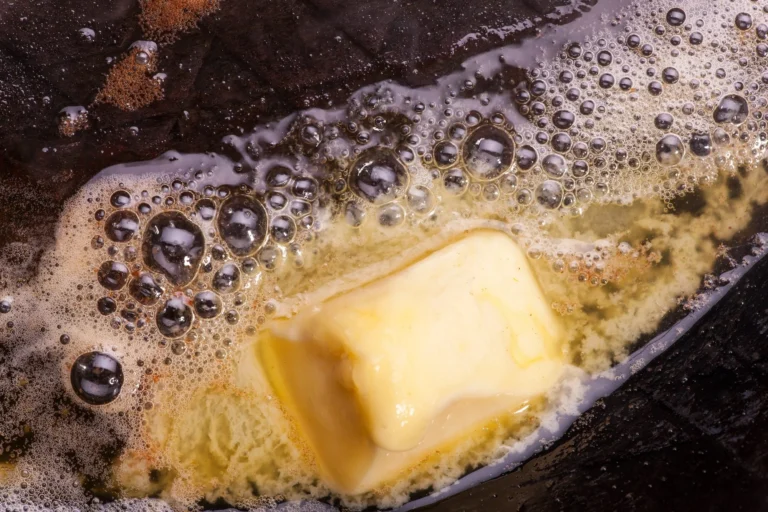
Light butter is a wonderful alternative for those looking to reduce calorie intake without sacrificing the rich taste of traditional butter. It typically contains less fat and fewer calories, as it is often made by blending butter with water or adding air.

How to Use Light Butter:
- Direct Substitution: Replace regular butter with light butter in any sauce recipe. For example, a classic lemon butter sauce can be made by substituting light butter in the same quantity as regular butter.
- Blending with Olive Oil: Enhance the flavor and maintain the consistency of light butter by mixing it with a small amount of olive oil. This can be particularly effective in garlic butter sauces.
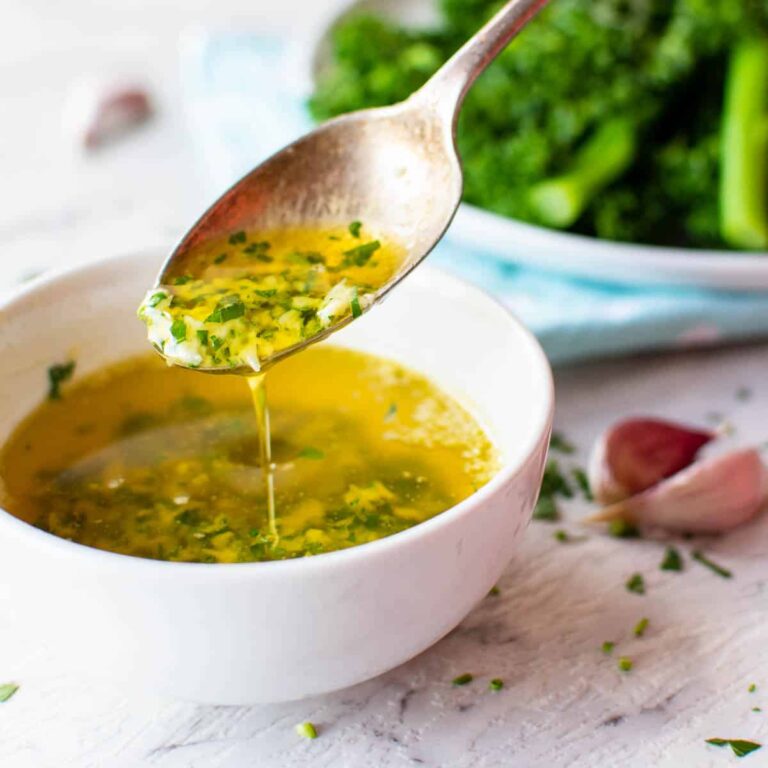
- Adding Aromatics: To enhance the flavor, infuse light butter with minced garlic, fresh herbs like parsley or thyme, and citrus zest. This method works beautifully in herb butter sauces used for drizzling over vegetables or fish.
Recipe Example: Light Lemon Butter Sauce
- Melt 2 tablespoons of light butter in a pan over medium heat.
- Add 2 minced garlic cloves and sauté until fragrant.
- Stir in the juice of one lemon and a tablespoon of chopped fresh parsley.
- Simmer for 2-3 minutes and serve over grilled chicken or steamed vegetables.

Adding Vegetables
Adding vegetables to butter sauces not only boosts flavor but also increases the nutritional value and lowers the overall calorie count. Vegetables such as onions, garlic, bell peppers, and tomatoes can contribute depth and complexity to the sauce.
Vegetable-Based Butter Sauce Recipes:
- Garlic and Herb Butter Sauce: Sauté minced garlic and fresh herbs in light butter for a versatile sauce that pairs well with pasta, chicken, and fish.
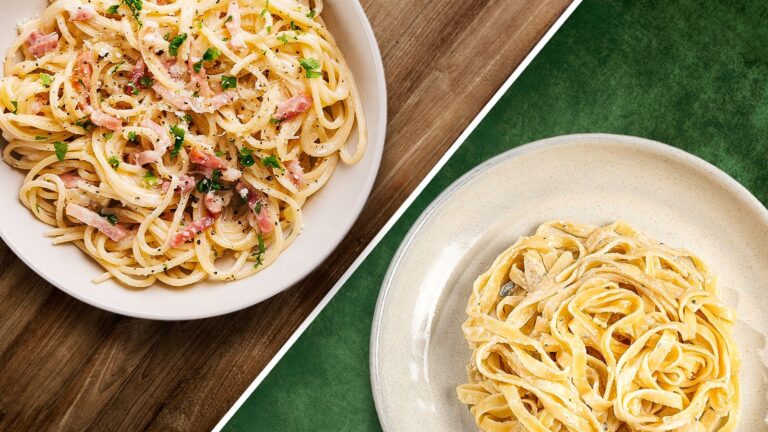
- Creamy Cauliflower Butter Sauce: Puree steamed cauliflower with light butter, garlic, and a splash of vegetable broth for a creamy, low-calorie alternative to traditional Alfredo sauce.
- Tomato Basil Butter Sauce: Combine diced tomatoes, fresh basil, and light butter for a bright, flavorful sauce ideal for pasta dishes or as a topping for grilled vegetables.

Recipe Example: Creamy Cauliflower Butter Sauce
- Steam 1 head of cauliflower until tender.
- In a blender, combine the steamed cauliflower, 2 tablespoons of light butter, 1 cup of vegetable broth, 2 minced garlic cloves, and a pinch of salt.
- Blend until smooth and creamy.
- Serve over pasta or as a dipping sauce for vegetables.
Reducing Fat Content
Reducing the fat content in butter sauces can be achieved by using a combination of light butter, low-fat dairy products, and alternative thickeners. This approach ensures a creamy, satisfying texture without the excess calories.
After testing both methods, I found that the starchy pasta water concentration changes everything.
Techniques for Reducing Fat:
- Using Greek Yogurt: Replace heavy cream or full-fat milk with Greek yogurt for a protein-rich, low-fat alternative. Greek yogurt adds creaminess and tang without the additional fat.
- Incorporating Pureed Vegetables: Thicken sauces with pureed vegetables like carrots or butternut squash instead of butter and cream. This method adds nutrients and reduces calories.
- Utilizing Cornstarch or Arrowroot: Thicken sauces with cornstarch or arrowroot dissolved in water or broth to achieve a silky texture with minimal added fat.

Recipe Example: Low-Fat Beurre Blanc
- In a small saucepan, combine 1/4 cup white wine and 1/4 cup white wine vinegar. Reduce by half over medium heat.
- Whisk in 2 tablespoons of cornstarch mixed with 1/4 cup water.
- Stir in 3 tablespoons of light butter until melted and the sauce is thickened.
- Season with salt and pepper to taste.
Portion Control Tips
Portion control is crucial in maintaining a low-calorie diet, even with healthier butter sauces. Mindful eating and serving sizes can significantly impact overall calorie intake.
Strategies for Portion Control:
- Measuring Serving Sizes: Use measuring spoons and cups to ensure accurate portion sizes of sauces. A typical serving size for a sauce is about 2 tablespoons.
- Serving on the Side: Serve sauces on the side rather than drenching dishes to control the amount consumed. This method allows diners to add just enough sauce to enhance their meal.
- Using Small Plates and Bowls: Smaller dishes can help manage portion sizes and create the illusion of a fuller plate, which can be satisfying and prevent overeating.
Example: Controlling Portions with a Light Butter Sauce
- Measure out 2 tablespoons of light butter sauce per serving.
- Serve the sauce in a small bowl on the side.
- Encourage guests to dip their food into the sauce rather than pouring it over the entire dish.

FAQ
ConclusioN
Creating delicious, low-calorie butter sauces is a fantastic way to enjoy rich, buttery flavors without the guilt. By using light butter, incorporating vegetables, reducing fat content, and practicing portion control, you can savor a variety of flavorful sauces that align with a healthy lifestyle. Experiment with different ingredients and techniques to find the perfect balance of taste and nutrition in your low-calorie butter sauces.
Disclosure: Our blog contains affiliate links to products. We may receive a commission for purchases made through these links. However, this does not impact our reviews and comparisons. We try our best to keep things fair and balanced, in order to help you make the best choice for you.
Written by José Villalobos — Food writer and founder of Calitalia Food. Based in Sacramento, CA. Read more →