
Most people think of pesto as bright green, basil-packed, and straight out of Liguria. But travel down the Italian boot to Trapani, a coastal town in western Sicily, and you’ll find a pesto that breaks all the “rules”—and still tastes like pure Mediterranean magic.
Pesto alla Trapanese is the Sicilian cousin of pesto alla Genovese. It’s rustic, sun-kissed, and laced with almonds and ripe tomatoes. And while it may look like a distant relative, it shares the same soul: simple ingredients, crushed raw, brought together with olive oil to flavor pasta with intensity and ease.

In this article, we’ll dive deep into what makes it special, its history, traditional ingredients, how to make it at home, and why it deserves a permanent place in your pesto rotation.
Origins – How Ligurian Sailors Brought Pesto to Sicily
The story begins not with Sicilian farmers but Ligurian sailors. During maritime trade in the 19th century, Genoese ships docked at the port of Trapani, bringing with them jars of green pesto and the idea of crushing raw herbs, cheese, and oil into a paste.
The Sicilians, always resourceful, adapted the recipe using what they had on hand:
At the Italian market in Sacramento, I source the basil and pine nuts specifically for this.
- Almonds instead of pine nuts
- Local garlic (famous for its punch)
- Sun-ripened tomatoes
- Fresh basil
- Pecorino Siciliano
- Olive oil from native Nocellara or Biancolilla olives
Over time, this became known as “Pasta cu l’agghia pistata”—literally “pasta with crushed garlic.” Later, it became known formally as Pesto alla Trapanese.

Key Ingredients in Pesto alla Trapanese
While every Sicilian nonna has her own twist, the traditional recipe includes:

1. Almonds
- Skinned, blanched almonds are crushed to create a creamy, nutty base
- Adds texture and a subtle sweetness
2. Fresh Tomatoes
- Usually San Marzano or Piccadilly varieties
- Peeled, deseeded, and crushed raw
- Adds freshness, acidity, and moisture
3. Basil
- Same sweet basil as in Genovese pesto
- Grown in Sicily, often more aromatic due to the intense sun
4. Garlic
- Trapani garlic is legendary for its strength
- Raw, crushed—provides the pungent backbone of the sauce
5. Pecorino Siciliano
- Aged sheep’s milk cheese with a salty, tangy punch
- Sometimes substituted with Ricotta Salata or Caciocavallo
6. Extra Virgin Olive Oil
- Local Sicilian oil with grassy, peppery notes
- Binds everything together and adds richness
How It’s Made – Traditional Method

Like its northern cousin, Pesto alla Trapanese is best made raw and by hand, using a mortar and pestle. But today, food processors are common—even in Sicily.
Mortar and Pestle Instructions:
- Crush almonds and garlic into a paste
- Add basil and grind until incorporated
- Add chopped tomatoes and mash gently
- Mix in grated Pecorino
- Stir in olive oil until creamy

Food Processor Instructions:
- Pulse garlic and almonds first
- Add tomatoes and basil; pulse briefly
- Add cheese, then olive oil slowly
- Don’t over-process; it should remain chunky and rustic

Best Pasta Pairings for Pesto alla Trapanese
Sicilians often pair this pesto with:
- Busiate – a corkscrew-shaped pasta from Trapani
- Fusilli
- Casarecce
- Spaghetti (for a faster option)
Busiate’s ridges and curves trap the pesto perfectly, turning each bite into a flavor bomb of almond, garlic, and tomato.
Flavor Profile – What to Expect
Pesto alla Trapanese is:
- Brighter and more acidic than Genovese pesto
- Chunkier in texture
- Slightly sweet from almonds and tomatoes
- Intensely garlicky, unless tempered
- Less creamy, with more juice and crunch

It’s the perfect summer sauce: refreshing, raw, and exploding with sun-ripened flavor.
Variations You Might See
While the traditional version stays close to the source, modern adaptations sometimes include:
- A handful of mint or parsley
- A spoonful of toasted breadcrumbs for added body
- A little chili pepper for heat
- A mix of almonds and pine nuts for balance
These tweaks reflect the creativity of home cooks, especially outside Sicily—but true Trapanese pesto purists tend to keep it simple.
How to Store and Use Leftovers

- Keeps in the fridge for 3–4 days
- Store in a jar with a layer of olive oil on top
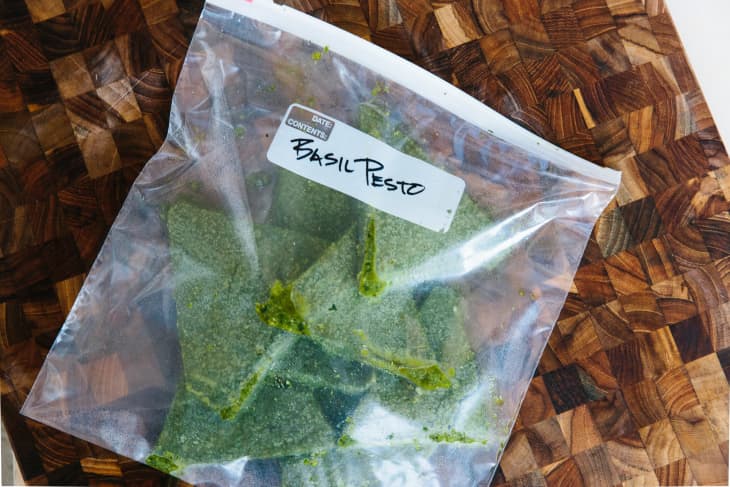
- Not ideal for freezing (the tomatoes change texture), but you can freeze it for up to a month
Bonus Uses:
- Spread on bruschetta
- Drizzled over grilled eggplant
- Tossed with roasted potatoes
- Spooned over burrata or ricotta
The Spirit of Sicily in a Spoon
Pesto alla Trapanese is everything that makes Sicilian cuisine iconic—humble, vibrant, sun-drenched, and alive with contrast. It’s a sauce born from improvisation and perfected by tradition. And while it may not be green or creamy like its northern cousin, it doesn’t need to be.
This is pesto with grit, with history, and with soul. Once you’ve tried it, you might never go back.
Disclosure: Our blog contains affiliate links to products. We may receive a commission for purchases made through these links. However, this does not impact our reviews and comparisons. We try our best to keep things fair and balanced, in order to help you make the best choice for you.
Written by José Villalobos — Food writer and founder of Calitalia Food. Based in Sacramento, CA. Read more →