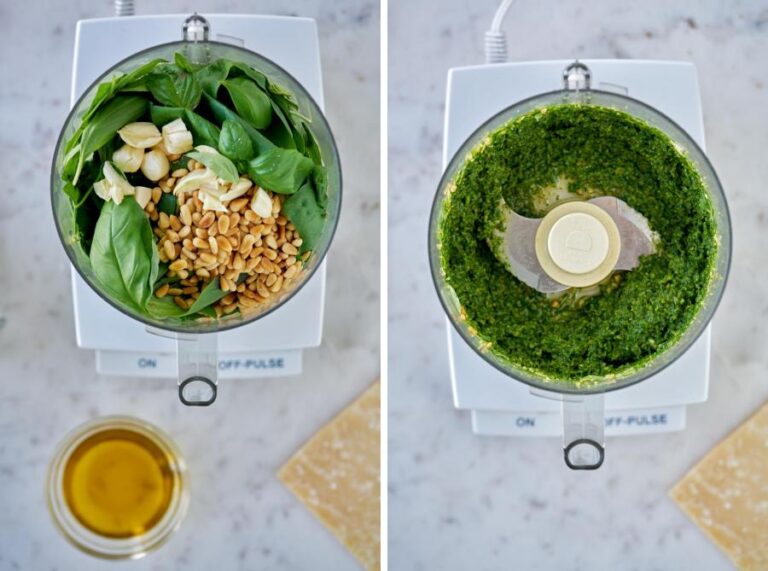

You picked fresh basil. You made your pesto. It looked vibrant, electric, herbaceous perfection. Then… you blinked, and it was brown.
Few things in the kitchen are more demoralizing than watching your gorgeous green pesto turn into a swampy, muddy paste minutes after blending. But this isn’t just a cosmetic problem—it’s a chemical reaction that affects flavor, aroma, and texture.

If you’ve ever chopped up fresh basil only to watch it turn brown faster than your avocado regrets, you’re not alone. In this article, we’ll explain why basil oxidizes, what causes that quick discoloration, and most importantly—how to stop it. Whether you’re making pesto or garnishing a dish, you’ll want to keep those leaves looking and tasting their best.
What Is Oxidation? (And Why It Happens So Fast)
Oxidation is a natural chemical reaction that occurs when the cells of the basil leaves are broken and exposed to oxygen. Once the leaf is cut, crushed, or blended:
• Enzymes in the basil (mainly polyphenol oxidase, or PPO)
• React with oxygen in the air
• Trigger a process called enzymatic browning
This is the same process that turns apples and avocados brown after cutting. In basil, it’s especially rapid and aggressive due to the high concentration of phenolic compounds and water in the leaves.
After years of making this, the detail that matters most is ingredient quality.

What Causes Oxidation in Pesto?
Several common mistakes can accelerate browning:

1. Heat from Blenders or Food Processors
- • High-speed blades generate friction, which creates heat
- • Heat breaks down chlorophyll and damages basil cells
- • This speeds up enzymatic activity and dulls color
2. Moisture on the Leaves
• Wet basil bruises more easily
• Water on the leaves dilutes oils and speeds degradation
3. Exposure to Air
• After blending, the surface of the pesto is exposed to oxygen
• If not stored properly, it browns in hours
4. Acidic or Unbalanced Ingredients
• A lack of stabilizers (cheese, oil) leaves basil unprotected
• Imbalanced pH from missing acid can speed browning
How to Prevent Basil Oxidation – Proven Techniques
If you want vibrant, vivid green pesto that stays fresh longer, here’s how the pros do it:
1. Dry the Basil Thoroughly
Basil must be bone dry before you use it. Here’s how:
• Rinse leaves gently under cold water
• Pat dry with paper towels
• Let air dry for 10–15 minutes on a clean towel
• Avoid crushing or bruising the leaves during drying
Even a little moisture trapped in the leaves can start browning the moment the blender turns on.

2. Freeze Your Blades (Yes, Really)
Before you blend, pop the metal blades of your processor or blender into the freezer for 10–15 minutes.
Cold blades = less friction = less heat = less oxidation
If you’re serious about preserving color, this trick changes everything.

3. Add Basil Last and Pulse, Don’t Puree
In a food processor:
• Process garlic and pine nuts first
• Add cheese next
• Then add basil last
• Use quick pulses instead of long blending sessions
This keeps the basil from sitting in the processor too long and minimizes contact with heat.

4. Add a Touch of Cold Water or Ice
Some chefs add a spoonful of ice water or crushed ice to the blender while processing. This helps lower the overall temperature and keep the basil color intact.
It’s not traditional, but it works—especially if you’re making large batches.

5. Use Lemon Juice (Optional Acidity Boost)
Lemon juice isn’t traditional in Genovese pesto, but a tiny amount (½ teaspoon per batch) adds acid, which:
• Lowers the pH
• Slows enzymatic browning
• Adds brightness
This trick is often used in restaurant kitchens or for pesto meant to be stored longer than a day.

6. Cover with Olive Oil for Storage
When storing pesto:
• Place it in an airtight glass container
• Smooth the surface
• Pour a thin layer of olive oil over the top to seal out oxygen
This prevents oxidation on the surface and keeps it green for up to 5 days in the fridge.

7. Freeze in Ice Cube Trays (For Long-Term Storage)
If you’re making a big batch:
• Freeze pesto in ice cube trays
• Once frozen, transfer to freezer-safe bags or containers
• Add cheese after defrosting, not before
Frozen pesto can stay bright and flavorful for up to 6 months if frozen quickly and sealed well.

The Mortar and Pestle Advantage
Pesto made in a mortar and pestle browns slower. Why?
• There’s no friction-based heat
• Crushing is more gentle than slicing
• The basil stays cool and intact longer
• The texture suspends basil particles in oil, protecting from air
That’s why traditional Ligurian pesto often retains its green vibrancy for much longer—even without fancy tricks.
What If Your Pesto Already Turned Brown?

Don’t panic. Brown pesto is still safe to eat—it’s just lost some of its freshness.
To salvage:
• Stir in a bit more grated cheese and fresh basil
• Drizzle with fresh olive oil to revive the color
• Add a squeeze of lemon to brighten the taste
And remember: flavor beats aesthetics every time.
Treat Basil Like Gold
Basil is delicate. It bruises, wilts, oxidizes, and fades—because it’s real. It doesn’t come with preservatives or stabilizers or shelf-life hacks. And that’s what makes fresh pesto so beautiful: it demands care.

If you want the greenest, most aromatic pesto possible, slow down. Cool your tools. Dry your herbs. Protect your sauce.
Because when you do, that vivid emerald pesto won’t just look better—it’ll taste like summer in Liguria.
Disclosure: Our blog contains affiliate links to products. We may receive a commission for purchases made through these links. However, this does not impact our reviews and comparisons. We try our best to keep things fair and balanced, in order to help you make the best choice for you.
Written by José Villalobos — Food writer and founder of Calitalia Food. Based in Sacramento, CA. Read more →