
If you’ve ever made a fresh jar of pesto, stored it in the fridge, and opened it the next day only to find it turned dull and brown—then you’ve experienced the heartbreak of oxidation. But what if we told you there’s one ridiculously simple trick to stop that from happening?
Enter: the olive oil seal.
This age-old Italian trick works like magic. By pouring a thin layer of olive oil over your homemade pesto, you can dramatically slow down browning, preserve flavor, and extend the fridge life of your pesto from a few days to nearly a full week.
In this post, we’ll show you why olive oil layering for fridge storage works, exactly how to do it (with tips most people miss), and how this technique can make your fridge-stored pesto look—and taste—like it was made fresh that morning.
Why Pesto Needs Protection in the Fridge
The Enemy: Oxygen
Once pesto hits the air, its vibrant green basil and nutty oils begin to oxidize. The basil turns brown, the flavor flattens, and the cheese can sour.
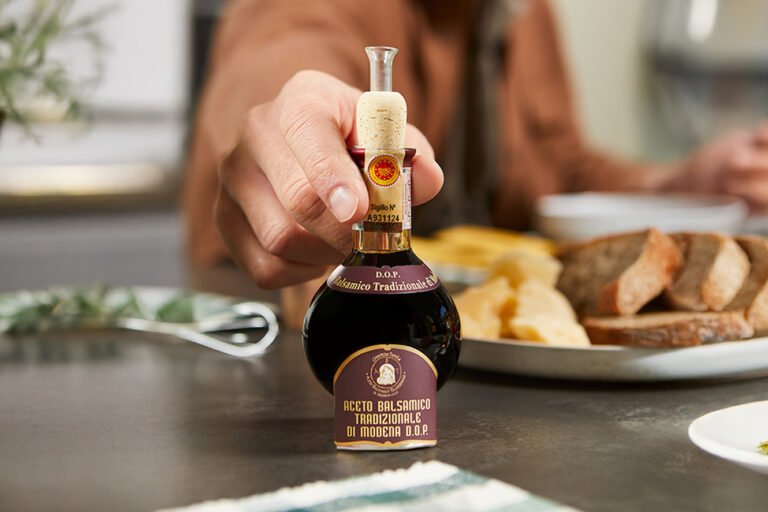
After testing multiple brands, the one I keep in my kitchen is
The Solution: Olive Oil = Oxygen Barrier
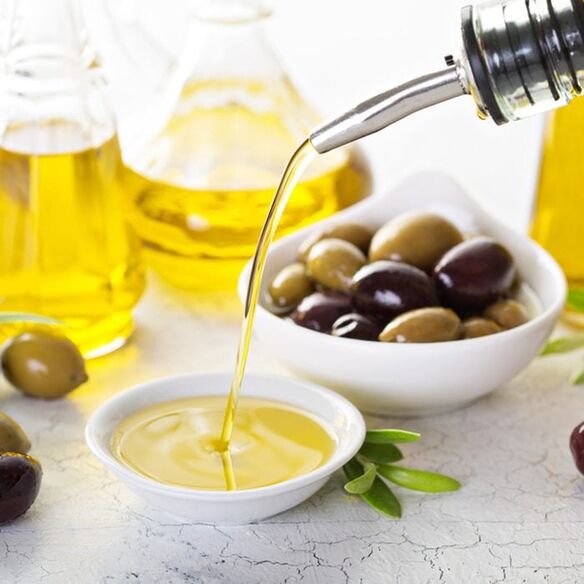
Olive oil is hydrophobic and dense—it forms a protective barrier that blocks oxygen from reaching the surface of the pesto. That means no browning, no separation, no spoiled flavor.
How to Use an Olive Oil Seal (Step-by-Step)

You’ll Need:
• A clean, airtight jar or container (glass preferred)
• A batch of fresh pesto (cheese or no cheese)
• High-quality extra virgin olive oil
Steps:
1. Transfer the pesto into your container of choice.
2. Gently tap or shake the container to level the surface and remove air pockets.
3. Pour a thin layer of olive oil over the top—enough to completely cover the surface (about 1–2 tablespoons).
4. Seal the lid tightly and store in the back of your fridge where temps are most stable.
5. When ready to use, scoop under the oil. Optionally, replenish the oil layer after each use.
Tip: Use a spoon, not your fingers—introducing bacteria can ruin your hard work.
Why This Works – A Little Science

The olive oil barrier works on multiple levels:
• Blocks Oxygen: No contact with air = no enzymatic browning
• Preserves Moisture: Keeps pesto from drying out or separating
• Inhibits Mold: Sealed surface is less prone to microbial growth
• Locks in Aroma: Traps in essential oils from basil, garlic, and cheese
This method is especially helpful for pestos that use:
• Delicate basil or arugula
• Aged cheeses like Parmigiano or Pecorino
• Nuts prone to rancidity like pine nuts or walnuts
How Long Does Pesto Last with an Oil Seal?

| Storage Condition | Lifespan |
|---|---|
| Airtight with oil seal, in fridge | 5–7 days |
| No oil seal, loosely covered | 2–3 days |
| With cheese + no oil | 1–2 days max |
| Cheese-free + oil seal | Up to 8 days |
For even longer life, consider freezing pesto in ice cube trays, then applying the oil layer after thawing small portions.
Pro Tips for Better Results
- 1. Always Use Extra Virgin Olive Oil
• Cold-pressed, unfiltered oils contain antioxidants that help preserve freshness and add flavor. - 2. Don’t Stir the Oil In
• The goal is to create a separate layer on top, not an emulsion. Mixing it in defeats the purpose. - 3. Re-Seal After Every Use
• Each time you scoop some pesto out, level the surface and top it off with oil again. - 4. Use Small Jars for Small Batches
• Dividing your pesto into smaller jars means less air exposure each time you open one.
Bonus – When the Oil Becomes Part of the Recipe
Don’t toss that oil! The olive oil seal isn’t just functional—it’s flavorful.
Here’s how to use it:
• Drizzle over eggs, bruschetta, or grilled veggies
• Use it to sauté garlic or shallots for pasta sauce
• Blend into salad dressing for an herby infusion
• Mix into softened butter for pesto compound butter
It’s pesto-infused olive oil—essentially a bonus condiment.
Can You Use the Olive Oil Trick on Store-Bought Pesto?
Absolutely.
Even commercial pestos (especially refrigerated or jarred versions) benefit from this trick. If you plan to keep it for more than 3–4 days after opening:
• Pour a thin layer of oil over the pesto in its original container
• Or transfer to a smaller airtight jar and add the oil seal there
This can stretch shelf life by another 2–3 days and keep the flavor brighter.
Which Pesto Types Benefit Most from the Oil Seal?
| Pesto Type | Oil Seal Benefit |
|---|---|
| Basil Genovese | Essential – prevents rapid browning |
| Arugula or Kale Pesto | High – slows bitterness, color loss |
| Red Pepper Pesto | Medium – holds color well |
| Beet or Carrot Top | Optional – natural pigments help |
| Nut-Free Pesto | Helps preserve basil/greens |
| Cheese-Free Pesto | Holds longer but still benefits |
Lock It, Layer It, Love It
The olive oil seal is pesto’s best-kept secret—used by Italian nonnas, professional chefs, and food nerds alike. It’s a 5-second step that keeps your pesto greener, tastier, and safer for days longer than you thought possible.
So next time you scoop homemade pesto into a jar, give it the royal treatment. Seal it in gold.
Because nothing is sadder than watching your perfect pesto turn into a brownish afterthought when a simple swirl of oil could’ve kept it stunning.
Disclosure: Our blog contains affiliate links to products. We may receive a commission for purchases made through these links. However, this does not impact our reviews and comparisons. We try our best to keep things fair and balanced, in order to help you make the best choice for you.
Written by José Villalobos — Food writer and founder of Calitalia Food. Based in Sacramento, CA. Read more →