
Some sauces whisper; pesto sings. It’s bold, green, and unapologetically fragrant—a culinary time capsule from the terraced hillsides of Liguria, Italy, with a passport stamped in kitchens across the globe. But this isn’t just a sauce—it’s a story, a ritual, a way of life. And if you’ve ever spooned it over hot trofie pasta, swirled it into soup, or licked it straight off the spoon (no shame here), you already know why it deserves its own galactic guide.
This isn’t your average “pesto 101” blog post. This is your warp-speed, basil-powered deep dive into everything pesto: its history, technique, science, culture, modern riffs, storage strategies, and best brand breakdowns. You’ll leave knowing more about pesto than most professional chefs—and you’ll absolutely taste the difference.

In this best pesto guide for 2025, we’re going way beyond basil. Sure, Genovese is the OG—but there’s a whole world of pesto out there, from arugula and walnut blends to sun-dried tomato versions and vegan spins. Whether you’re a pasta purist or a sandwich slatherer, this guide breaks down the best pesto recipes, techniques, and flavor hacks to elevate your sauce game.
What Is Pesto? A Saucy Legacy From Liguria
Pesto is more than a sauce—it’s a cultural artifact. Born in Liguria, a rugged region in northwest Italy where the Alps meet the sea, pesto alla Genovese is a brilliant green emulsion of basil, garlic, pine nuts, Parmigiano-Reggiano, Pecorino, and olive oil. Its texture is grainy yet lush, its aroma herbaceous, and its taste… well, it’s a flavor bomb.
The word “pesto” comes from the Italian verb pestare, meaning “to pound” or “to crush.” It references the traditional mortar and pestle preparation, not just the ingredients.

And that’s a key detail: “pesto” is a method, not a fixed recipe. The Genovese version is simply the most iconic.
I make pesto at least twice a week — this is what I have learned from years of repetition.
A Brief History of Pesto
Long before blenders buzzed in sleek modern kitchens, Romans were mashing garlic, herbs, and cheese into sauces with stone tools. One of these was moretum—a precursor to pesto made with garlic, cheese, herbs, vinegar, and olive oil. Roman soldiers likely carried it in their packs for a quick flavor hit on bread.
Fast forward to the Middle Ages in Genoa, and this garlic-herb sauce evolved. Locals added local cheese, Ligurian olive oil, and—critically—basil. Basil was native to India but made its way into Mediterranean cooking in the 1500s. Once it arrived in Liguria, everything changed.
By the 1800s, written recipes began to appear referencing “pesto alla Genovese” by name. This version, using the six sacred ingredients, became cemented in Italian culinary canon. And yet, each family made it differently, with personal ratios and techniques passed down like folklore.

Etymology and Cultural Roots
The word “pesto” isn’t limited to Genovese basil pesto. It literally refers to the act of crushing—so you’ll see variations like:
• Pesto rosso – Red pesto made with sun-dried tomatoes or roasted red peppers
• Pesto trapanese – From Sicily, made with almonds and tomatoes
• Pesto di rucola – Arugula pesto
• Pesto di pistacchio – Pistachio pesto
In Liguria, making pesto is almost a religious ritual. Families take pride in their version, argue over the best basil, and even host mortar-and-pestle competitions. UNESCO has considered recognizing pesto-making as intangible cultural heritage.
Core Ingredients of Traditional Pesto alla Genovese
To make a real Genovese pesto, you need six ingredients. Not five. Not seven. And they must be fresh, flavorful, and treated with reverence. These ingredients combine to form a sauce that’s more than the sum of its parts—a perfect alchemy of texture, aroma, and flavor.
Fresh Basil
This is the heart and soul. Pesto without good basil is like pizza without dough. The basil you want is Genovese DOP basil, grown in Liguria under tightly controlled conditions. It has small, tender leaves, little bitterness, and an intoxicating perfume.
If you can’t get DOP basil:
• Italian sweet basil is the closest match.
• Avoid Thai basil, lemon basil, or large-leaf varieties—too strong or licorice-flavored.
Storage tip: Wash gently, dry completely, and avoid bruising. Always add basil last if using a food processor. Heat and overprocessing cause oxidation, which turns your pesto a sad brown-green.

Pine Nuts
Rich, buttery, and a little sweet, pine nuts add depth and body. Ligurian pesto traditionally uses Mediterranean pine nuts (Pinus pinea), which are longer and more delicate than cheaper Asian pine nuts.
Yes, they’re pricey—but worth it. If budget is tight, lightly toasted walnuts are an acceptable substitute.
Pro tip: Toast pine nuts in a dry skillet until golden. This unlocks their flavor and adds nuttiness. Be careful—they burn fast.

Parmigiano-Reggiano & Pecorino
Pesto uses a blend of cheeses:
• Parmigiano-Reggiano – aged cow’s milk cheese, nutty and savory
• Pecorino Fiore Sardo – aged sheep’s milk cheese, salty and sharp
The blend balances creaminess with assertiveness. You can use just Parmigiano if needed, but the combo is traditional for a reason.
Avoid pre-grated cheese—it contains anti-caking agents that mess with texture and taste. Always grate fresh.

Garlic and Olive Oil
Garlic should be raw and potent, but not overwhelming. One small clove is often enough. Young garlic is sweeter; mature cloves are more pungent.
Olive oil is the glue that binds everything together. Use only extra virgin olive oil, preferably Ligurian (mild, fruity, less bitter). Spanish or Greek EVOO is okay but stronger—use a light hand.
Never use canola, blended, or “light” olive oil. Just… don’t.

Pesto Variations From Across the Galaxy
While Genovese pesto is the OG, cooks everywhere have embraced the “pesto method” and applied it to local ingredients, dietary preferences, and creative cravings. Let’s explore some of the most delicious pesto variations from this planet—and maybe a few others.

Pesto Rosso (Sicilian Red Pesto)
Hailing from Trapani, Sicily, pesto rosso swaps basil for tomatoes and almonds. It’s slightly sweet, a little spicy, and incredibly rich. Great with short pasta like casarecce or stirred into soup.
Key ingredients:
• Sun-dried tomatoes
• Toasted almonds
• Basil (optional)
• Pecorino
• Garlic
• EVOO
Pistachio Pesto
A delicacy from Bronte, Sicily—home of the world’s most prized pistachios. This version uses ground pistachios, a touch of basil or mint, and aged cheese. Creamy, vibrant, and slightly sweet.
Pairs beautifully with seafood pasta, gnocchi, or even grilled shrimp.
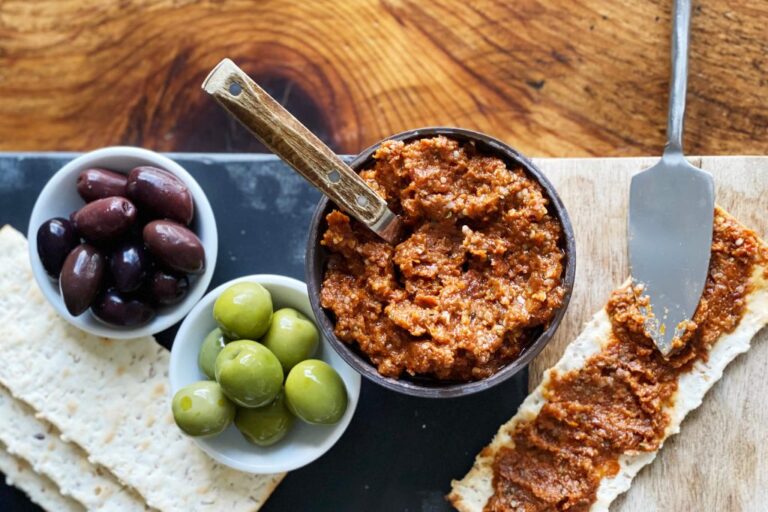
Sun-Dried Tomato Pesto
This is more of a spread than a sauce—thicker, bolder, and perfect on sandwiches or crostini. Add roasted red peppers, chili flakes, or olives for extra dimension.
Blend in ricotta for a creamy version that’s great with rotini or penne.
Kale, Arugula, and Spinach-Based Pestos
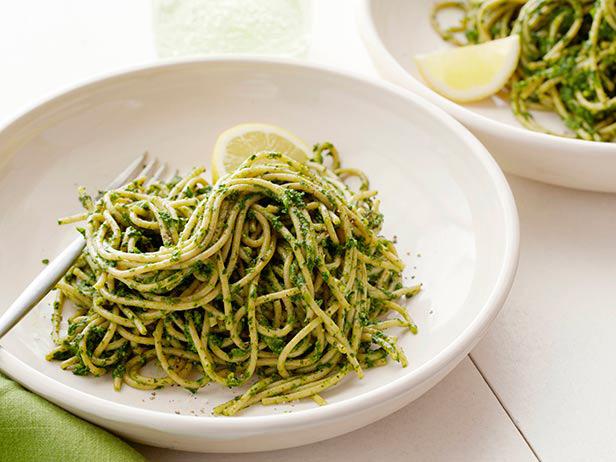
Leafy greens like kale, arugula, and spinach are excellent bases for pesto—especially in cooler months when basil is out of season. They bring peppery bitterness (arugula), grassy brightness (spinach), or earthy robustness (kale).
Pro tip: Blanch greens briefly and shock in ice water to lock in color and mellow bitterness.
Nut-Free Pesto Options
For those with nut allergies, there are plenty of delicious workarounds:
• Use toasted sunflower seeds or pumpkin seeds
• Replace nuts entirely with extra cheese or breadcrumbs
• Add avocado or white beans for creaminess
These versions are especially kid-friendly and freezer-safe.
Galactic Techniques – How to Make Perfect Pesto Every Time
Pesto is deceptively simple. Six ingredients. One sauce. Infinite room to mess it up.
Let’s be honest: most people are doing it wrong. They scorch the basil. They over-blend. They skip the cheese. Or worse, they buy the jarred neon sludge that tastes like herby regret.
If you want to make perfect pesto—one that’s emerald green, intensely aromatic, and creamy without being greasy—then it’s time to learn the techniques that actually matter.
Classic Mortar and Pestle Method
This is the traditional Ligurian way, and it’s still the best.

Why it works:
• Crushing releases essential oils from the basil
• The texture is coarse but luxurious
• There’s no blade-induced oxidation or heat
How to do it:
1. Start with garlic and pine nuts – pound into a paste.
2. Add basil gradually – tear the leaves and crush them in stages with a circular motion.
3. Mix in grated cheeses – Parmigiano and Pecorino.
4. Drizzle in olive oil slowly – just enough to bind.
Use a marble mortar and a wooden pestle if you want to go full traditional. It takes 15–20 minutes, but the result is unforgettable.
Using a Blender or Food Processor
No time to grind by hand? No problem—as long as you blend smart.
Tips to avoid pesto failure:
• Freeze the blades of your processor for 10 minutes.
• Add basil last and pulse instead of blending continuously.
• Use ice water or a spoonful of cold oil mid-blend to help prevent browning.
• Don’t overdo it – you want texture, not green baby food.
And remember: blade friction = heat = brown pesto. The enemy of joy.

Tips to Preserve Color and Flavor
This is the difference between “meh” and magical pesto.
• Work quickly – oxidation happens fast.
• Always use dry basil – water dilutes the emulsion and ruins the texture.
• Add a touch of lemon juice (not traditional, but useful) if storing pesto for more than 24 hours.
• Cover with oil in a jar to reduce air contact.
If your pesto starts to darken, it’s still edible—but the flavor is muted. Bright green is not just pretty. It’s a sign of freshness and life.
Storage, Shelf Life, and Preservation Methods
So you’ve made the perfect pesto. Now what?
Don’t let it sit out and oxidize into oblivion. Good pesto deserves better. Let’s talk smart storage and future-proofing your sauce.
Refrigeration & Freezing Tips
In the fridge:
• Store in an airtight container.
• Smooth the top and pour a thin layer of olive oil to seal.
• Keeps fresh for 3–5 days.
In the freezer:
• Portion into ice cube trays or small jars.
• Leave out the cheese if freezing for more than a month (add it after defrosting).
• Use freezer-safe jars, not cheap plastic that cracks under basil’s power.

Frozen pesto lasts up to 6 months without major loss of flavor. Defrost in the fridge or stir directly into hot pasta.
Jarred Pesto – Homemade vs Store-Bought
Let’s be honest: store-bought pesto gets a bad rap for a reason. Most commercial brands:
• Use cheap oil blends
• Replace basil with spinach
• Add potato flakes or sugar
• Come in metallic-tasting jars
But not all are evil. Some artisanal or imported options come shockingly close to the real thing. We’ll review the best in the next section—but know this:
Homemade will always be better—because fresh basil is volatile, and no jar can hold its soul.
Pairing Pesto With Pasta (and Beyond)
Pesto and pasta are soulmates. But the magic doesn’t end there. Let’s start with the classics and then explore the endless universe of pairings.
Best Pastas for Pesto
Ligurians traditionally pair pesto with trofie—a short, twisted pasta perfect for catching sauce in its crevices. Other excellent options:
• Trofie
• Trenette (like linguine)
• Fusilli
• Orecchiette
• Gnocchi
• Pici or strozzapreti

Avoid spaghetti—it doesn’t hold the sauce well.
Pro tip: Save your pasta water! Add a splash to loosen the pesto into a silky coating. Also, never cook pesto. Stir it in after the pasta is cooked.
Pesto in Sandwiches, Salads, and Soups
Pesto is not just for pasta. Here’s how to use it everywhere:
• Sandwiches: Use instead of mayo on a turkey or caprese panino.
• Grain bowls: Drizzle over farro, rice, or couscous with roasted veggies.
• Soups: Swirl a spoonful into minestrone or lentil soup for brightness.
• Salads: Thin with lemon juice for a killer vinaigrette.
• Eggs: Drizzle over scrambled or fried eggs. Life-changing.
Pesto as a Marinade and Pizza Base
Use pesto to:
• Marinate chicken or shrimp
• Brush onto roasted vegetables
• Top pizza instead of tomato sauce
• Spread on flatbreads or wraps

It’s especially good on white pizzas with mozzarella, ricotta, and cherry tomatoes.
Best Store-Bought Pesto Brands (Tested & Ranked)
Let’s face it—you won’t always have fresh basil or 30 minutes to grind sauce. In an emergency, store-bought pesto can save your dinner (or destroy it). We taste-tested 20+ popular brands and here’s how they stack up:

Imported Italian Brands
- Sacla Italia Pesto alla Genovese
• Real DOP basil, EVOO, and both cheeses.
• Slightly salty, but deeply authentic.
• 8.5/10 - Barilla Rustic Basil Pesto
• Smooth texture, good aroma.
• Slightly oily.
• 7.5/10 - Biffi Pesto di Basilico Fresco
• Excellent color and flavor.
• High quality, less common in U.S.
• 9/10
American Artisanal Brands
- Gotham Greens Vegan Pesto
• Arugula-based, no nuts or dairy.
• Surprisingly punchy and fresh.
• 8/10 - Trader Joe’s Pesto alla Genovese
• Inexpensive, solid mid-week choice.
• A bit heavy on oil.
• 7/10 - Sauces ‘n Love Pesto Genovese
• Made in small batches.
• Incredible flavor, refrigerated.
• 9.5/10
Pesto and Nutritional Breakdown
Sure, pesto is delicious—but is it healthy? The short answer: yes, in moderation. Let’s break it down by macros, ingredients, and what it means for different diets.

Calories, Macros, and Ingredients
A traditional serving of pesto (about 2 tablespoons) contains:
• Calories: ~180–220
• Fat: 18–22g (mostly from olive oil and nuts)
• Carbs: 1–2g
• Protein: 2–3g
Most of the calories come from heart-healthy fats. That makes it keto-friendly, low-carb, and satisfying in small amounts. The fiber from nuts and basil also adds digestive benefits.
Note: Store-bought versions may contain fillers, added sugars, and cheaper oils—always read the label.
Health Benefits and Dietary Adaptations
Pesto isn’t just tasty—it’s packed with:
• Antioxidants from basil and olive oil
• Monounsaturated fats from EVOO and pine nuts
• Calcium from cheese
• Anti-inflammatory compounds from garlic
That said, it’s not ideal for:
• Low-fat diets (unless heavily modified)
• People with nut allergies (though substitutions exist)
• Strict vegans (unless you make it dairy-free)
Vegan pesto options:
• Replace cheese with nutritional yeast or vegan Parm
• Use walnuts, sunflower seeds, or hemp seeds
• Add lemon juice for brightness
Whole30 or Paleo?
• Stick to clean olive oil, no cheese, and nuts or seeds
• Avoid legumes or dairy-based additives
With a few tweaks, pesto can fit almost any dietary framework.
Cultural Significance and Global Spread of Pesto
From grandma’s mortar and pestle in Genoa to grocery aisles in Seoul and São Paulo, pesto has become a global culinary icon.
From Genoa to Global Plates
Ligurians first carried pesto across Europe on merchant ships, offering it to other ports in jars or tins. In the 20th century, Italian immigrants brought pesto to Argentina, Australia, and the U.S.—where it gained traction with food lovers and chefs.
Today, you’ll find it:
• Tossed into noodles in Japan
• As a sandwich spread in New York delis
• Mixed into Peruvian quinoa bowls
• Served over lamb in Middle Eastern fusion spots
Pesto is no longer just Italian—it’s international.
Pesto in Pop Culture and Modern Cuisine
Pesto has become a symbol of “elevated casual” food. It’s fancy enough for foodies, easy enough for weeknight cooks, and vibrant enough for Instagram. You’ll find pesto:
• In Trader Joe’s seasonal dips
• As a green swirl in high-end restaurant soups
• On TikTok in everything from grilled cheese to pasta chips
It’s crossed from tradition to trend to timeless classic.
In short: pesto is cool now.
Reader Recipes From Across the Universe
We asked readers and chefs from around the world to share their best pesto twists. Here are a few standout creations from the intergalactic community.
Classic Pesto alla Genovese Recipe
Ingredients:
• 2 cups Genovese basil (packed)
• ¼ cup pine nuts (toasted)
• ½ cup Parmigiano-Reggiano (grated)
• ¼ cup Pecorino (grated)
• 1 clove garlic
• ½ cup extra virgin olive oil
• Salt to taste
Instructions:
1. In a mortar, crush garlic and pine nuts.
2. Add basil a handful at a time, pounding until it forms a paste.
3. Mix in cheese.
4. Stir in olive oil gradually until emulsified.
5. Season with salt. Serve immediately or store in a sealed jar under olive oil.

Creative Variants by Home Cooks
“Green Goddess Pesto” – Ava, New York
A blend of kale, parsley, basil, and lemon zest with pumpkin seeds and feta. Perfect on zucchini noodles.
“Desert Pesto” – Omar, Jordan
Uses mint, parsley, and pistachios with a splash of yogurt. Great on grilled lamb and eggplant.
“Tropical Pesto” – Luciana, Brazil
Basil + Brazil nuts + lime juice + spicy green pepper. Amazing with shrimp or fried plantains.
“Vegan Cashew Pesto” – Raj, San Francisco
Soaked cashews, garlic, basil, olive oil, nutritional yeast. Rich, creamy, dairy-free.
These aren’t “authentic” Genovese—but they’re authentic to someone. And that’s what pesto is all about: adaptation and love.
Why Pesto Deserves Galactic Fame
There are sauces you use, and then there are sauces you crave.

Pesto belongs to the latter category. It’s one of those rare condiments that doesn’t just elevate a dish—it transforms it. From the humble ingredients of a Ligurian hillside to the gourmet kitchen of a Michelin-starred chef, pesto is universal. Accessible. Soulful. Limitless.
Whether you’re pounding it by hand like a 14th-century sailor or buzzing it in a blender on your lunch break, pesto connects us to something ancient and powerful. It’s proof that a handful of simple, natural ingredients—handled with care—can become something transcendent.
In a world of fads, fake flavors, and fast everything, pesto is a reminder that real food still wins.
So the next time you whip up a batch, take a breath. Smell the basil. Taste the garlic. Feel the culture, the history, the craft.
And know this: you, my friend, have just made the best pesto in the galaxy.
Disclosure: Our blog contains affiliate links to products. We may receive a commission for purchases made through these links. However, this does not impact our reviews and comparisons. We try our best to keep things fair and balanced, in order to help you make the best choice for you.
Written by José Villalobos — Food writer and founder of Calitalia Food. Based in Sacramento, CA. Read more →




3 Comments