Green Gold and Twisted Dough from the Italian Riviera
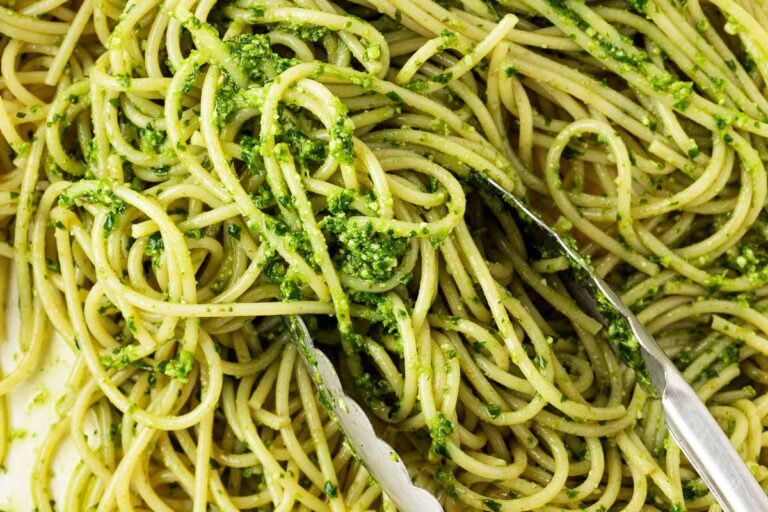
Liguria is a narrow strip of coastline wedged between the Mediterranean Sea and the Apennine mountains. Despite its size, it has produced some of the most iconic flavors in Italian cuisine. At the center of Ligurian cooking are two symbols of regional identity: pesto alla Genovese and trofie pasta.
This vivid green sauce and hand-twisted pasta are not just local staples. They are culinary artifacts shaped by trade routes, limited farmland, and the ingenuity of coastal cooks.
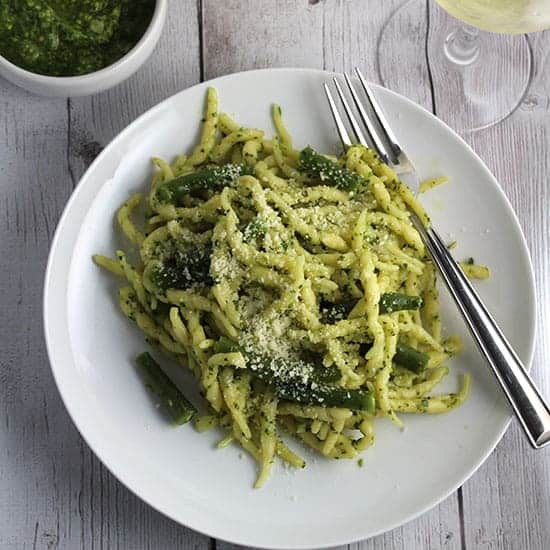
In this guide, we explore how pesto became the pride of Genoa, how trofie was born in Liguria’s hills, and why the pairing remains one of Italy’s most perfect pasta combinations.
Pesto alla Genovese: More Than a Sauce
A Product of Place
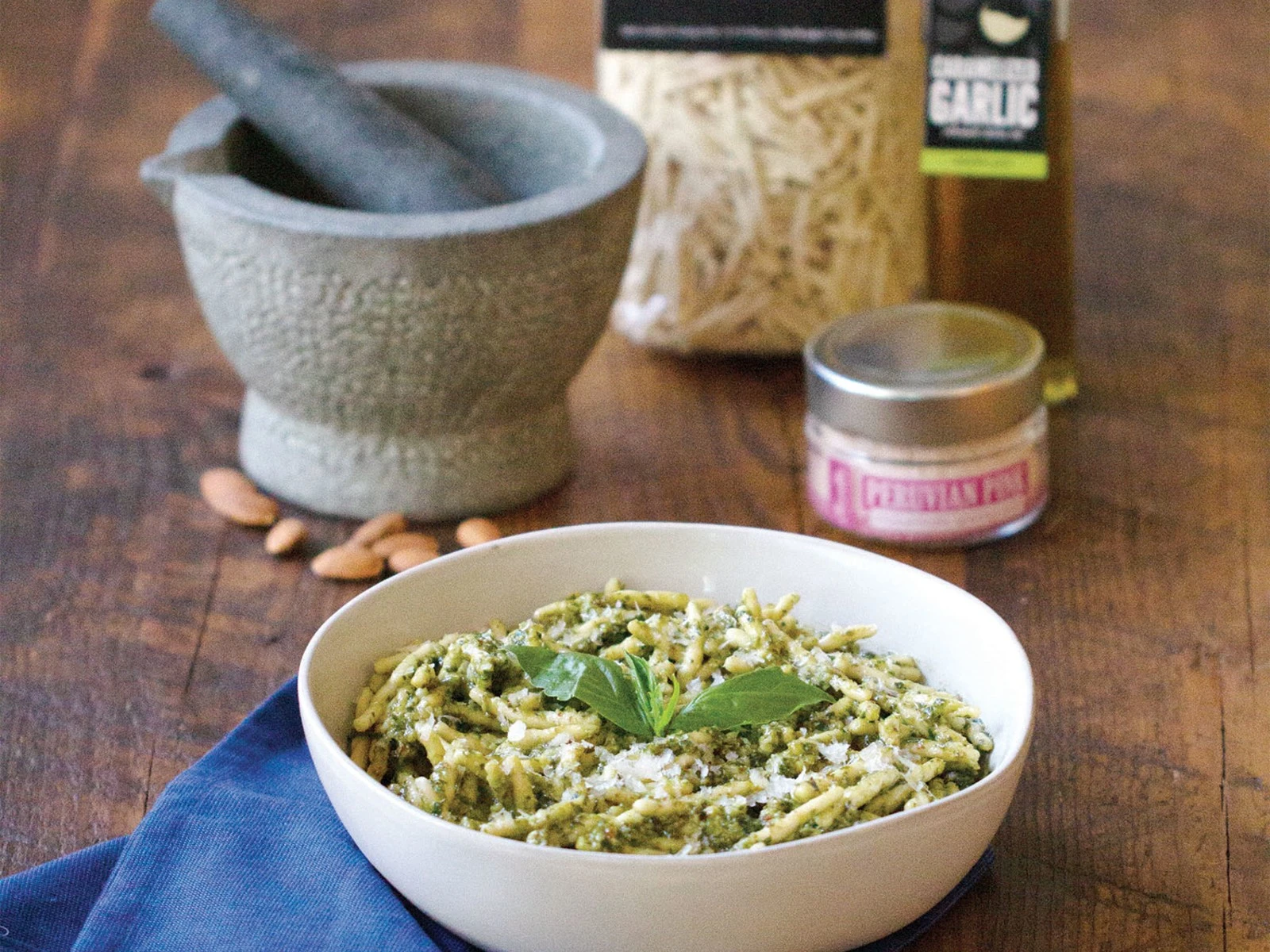
The word pesto comes from pestare, meaning to pound. It refers to the traditional method of grinding ingredients with a mortar and pestle. Authentic Ligurian pesto is:
- Bright green in color
- Raw and never cooked
- Fresh, peppery, and aromatic
- Emulsified with olive oil, not cream
This style reflects Liguria’s climate, limited dairy production, and abundance of fragrant herbs.
The Seven Traditional Ingredients
- Basilico Genovese DOP
- Pine nuts
- Garlic
- Sea salt
- Parmigiano Reggiano
- Pecorino Sardo
- Extra virgin olive oil, typically from Taggiasca olives
Protected Origins
Authentic pesto alla Genovese is protected by both DOP standards and the Slow Food movement. True pesto must use Ligurian basil grown in coastal conditions and should be made without heat. Cooking dulls the basil’s aroma and changes the flavor balance.
When I tested this at home in Sacramento, the difference was immediately noticeable.
According to the European Union quality schemes registry, Basilico Genovese DOP accounts for over 90% of Italy’s protected basil production, underscoring its central role in regional cuisine.
The Origins of Trofie Pasta
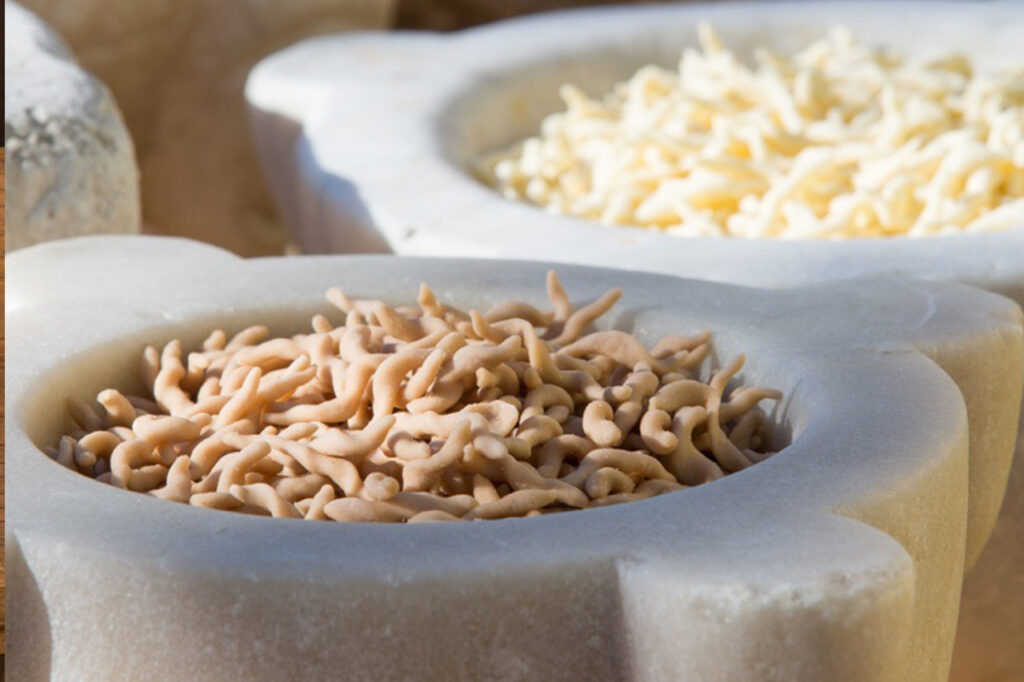
What Is Trofie
Trofie is a short, hand-rolled pasta formed by twisting small pieces of dough into tight spirals. It is traditionally made with:
- Semolina flour
- Water
- No eggs
This gives trofie a firm, chewy texture that holds up well against thick sauces.
Trofie originated in eastern Liguria, particularly around Sori, Recco, and Camogli, where it was made at home and dried on cloths.
A Pasta Born from Simplicity
Trofie developed as a practical pasta for working families. The twisted shape is not decorative. Its grooves trap sauce, ensuring every bite is coated. This functional design is why pesto and trofie work so well together.
Why Trofie and Pesto Belong Together

The pairing of trofie and pesto is a balance of texture and flavor. The dense pasta holds the raw, oily sauce without becoming slippery or heavy.
In Liguria, trofie al pesto is traditionally served with:
- Boiled potatoes
- Green beans
The vegetables and pasta are cooked in the same pot, then tossed with pesto. This method conserves water and creates a cohesive dish where starch, oil, and herbs bind naturally.
Variations and Seasonal Interpretations
Trofie al Pesto Rosso
- Made with sun-dried tomatoes and almonds
- Sweeter and deeper in flavor
- Common in inland areas
Trofie with Walnut Pesto
- Known locally as salsa di noci
- Popular in cooler months
- Made with walnuts, garlic, bread soaked in milk, and cheese
Trofie with Zucchini Blossoms
- Seasonal spring variation
- Light, floral, and often served near the Cinque Terre
The Cultural Role of Pesto in Liguria
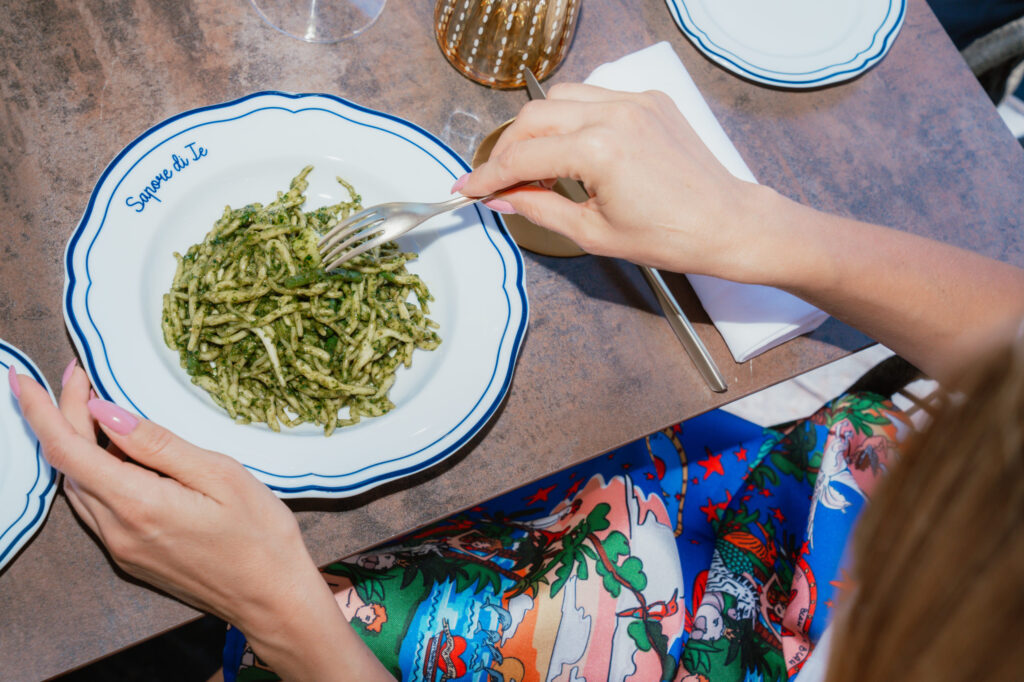
Pesto is a symbol of Ligurian identity, not just a recipe.
- Genoa hosts the World Pesto Championship at Palazzo Ducale
- Families guard their own basil-to-cheese ratios
- Mortars and pestles are often inherited
Making pesto by hand is considered a rite of passage in many households.
Where to Eat Pesto and Trofie Like a Local
| Dish | Recommended Wine Pairing |
|---|---|
| Pizza Margherita | Falanghina, Lacryma Christi Bianco |
| Seafood Pastas | Greco di Tufo, Fiano di Avellino |
| Ragù Napoletano | Aglianico, Taurasi |
| Eggplant Parmigiana | Piedirosso, Coda di Volpe |
| Dessert (Pastiera, Delizia) | Limoncello or Malvasia delle Lipari (dessert wine) |
Wine Pairings for Trofie al Pesto
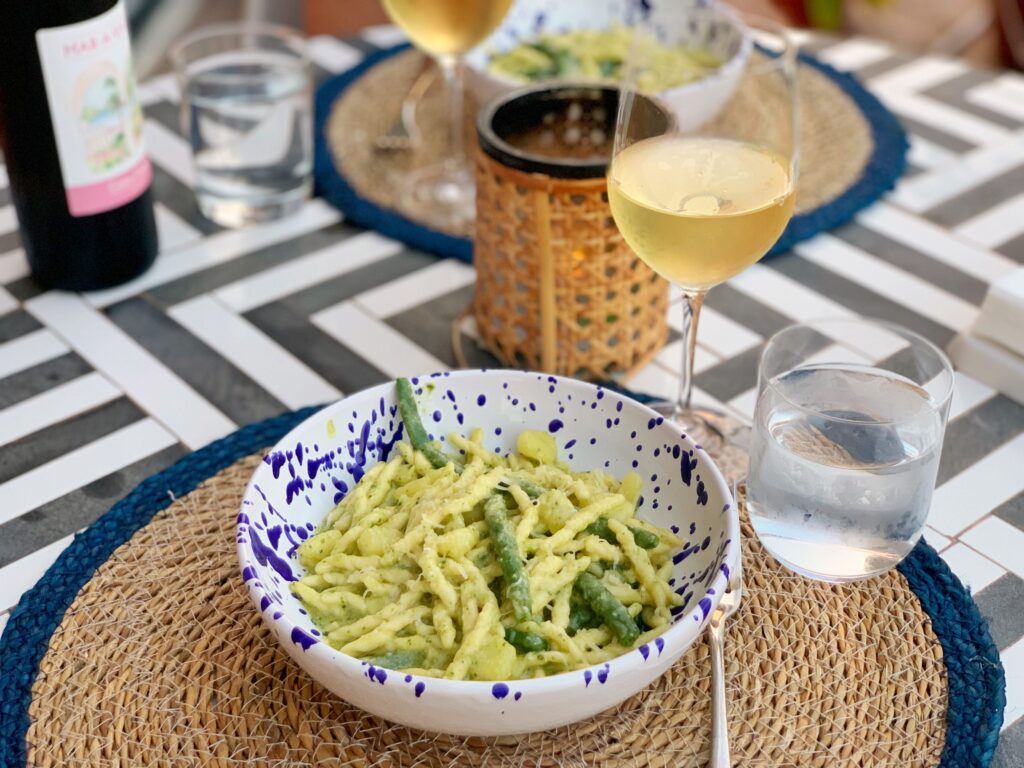
Ligurian food favors freshness and acidity over heavy structure. Traditional pairings include:
- Vermentino from the Riviera di Ponente
- Pigato for a more aromatic option
- Cinque Terre white wines for coastal dishes
These wines complement basil’s herbal notes without overpowering them.
Fun Fact: The Mortar Wars
In Ligurian kitchens, there’s a debate more heated than any pizza fight, whether to use a mortar and pestle or a blender.
- Mortar and pestle: more aromatic, less oxidation, traditional
- Blender: faster, but can bruise basil and change flavor.
Traditionalists argue that pounding releases essential oils without heat, preserving basil’s floral and peppery character.
How to Cook Trofie al Pesto at Home
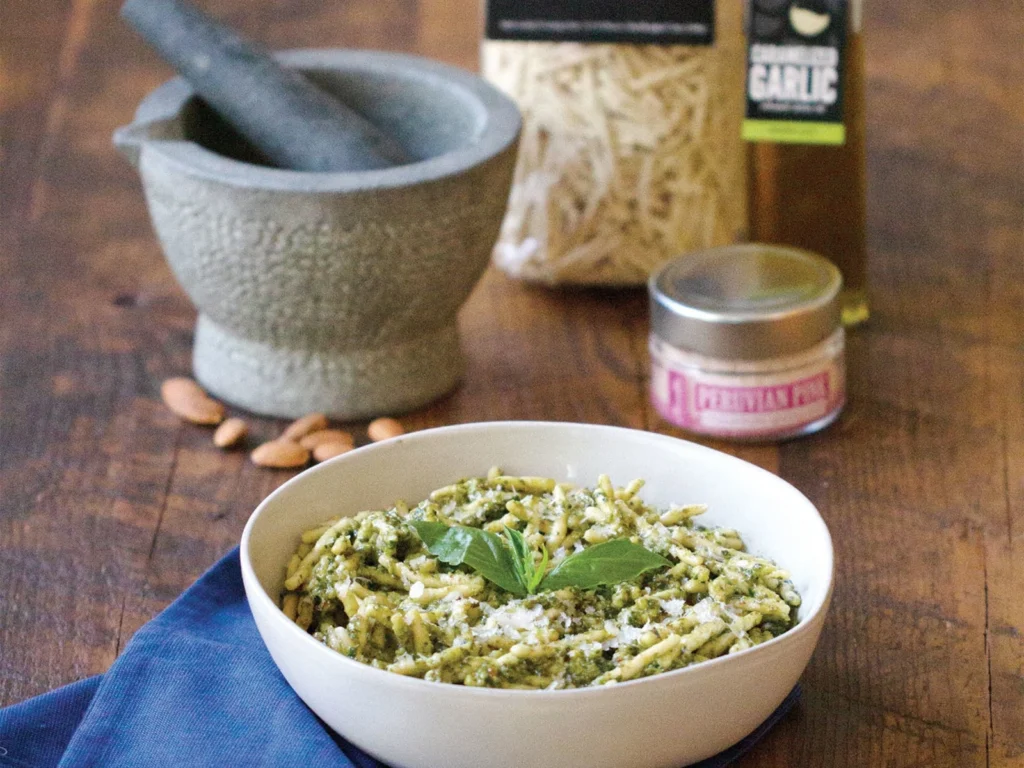
- Bring a pot of salted water to a boil
- Add diced potatoes and green beans
- After five minutes, add fresh trofie pasta
- Place pesto alla Genovese in a large bowl
- Drain pasta and vegetables, reserving some cooking water
- Toss gently with pesto, adding water as needed
- Serve immediately with extra pecorino and olive oil
The Essence of Ligurian Food in One Dish
In one bowl of trofie al pesto, you have everything that defines Ligurian cuisine:
• Locality (DOP basil and olive oil)
• Simplicity (seven raw ingredients)
• Craft (hand-twisted pasta)
• Sustainability (one-pot cooking with potatoes and beans)
• Heritage (passed-down tools and techniques)
It’s more than a dish. It’s a culinary monument—a green flag waving from the cliffs of Liguria to the kitchens of the world.
Written by José Villalobos — Food writer and founder of Calitalia Food. Based in Sacramento, CA. Read more →