An Ancient Island With a Flavor All Its Own
Sardinia is not just another Italian region. It is an island with its own language, identity, and fiercely independent food culture. Shaped by centuries of isolation, rugged mountains, and relentless coastal winds, Sardinian cuisine is rooted in preservation, pastoral life, and fire.
This is a land where cheese is a form of wealth, bread is crafted with intention, and meat is cooked slowly with patience and respect. Sardinian food is not about refinement. It is about depth, memory, and survival. In this guide, we explore the foods that define Sardinia, from brittle pane carasau to spit-roasted porceddu.
Bread in Sardinia: Tradition That Snaps and Cracks
Bread in Sardinia is not just nourishment. It is history you can hear and feel. In a culture shaped by shepherds and long journeys, bread had to be light, durable, and meaningful.
Pane Carasau (Carta da Musica)
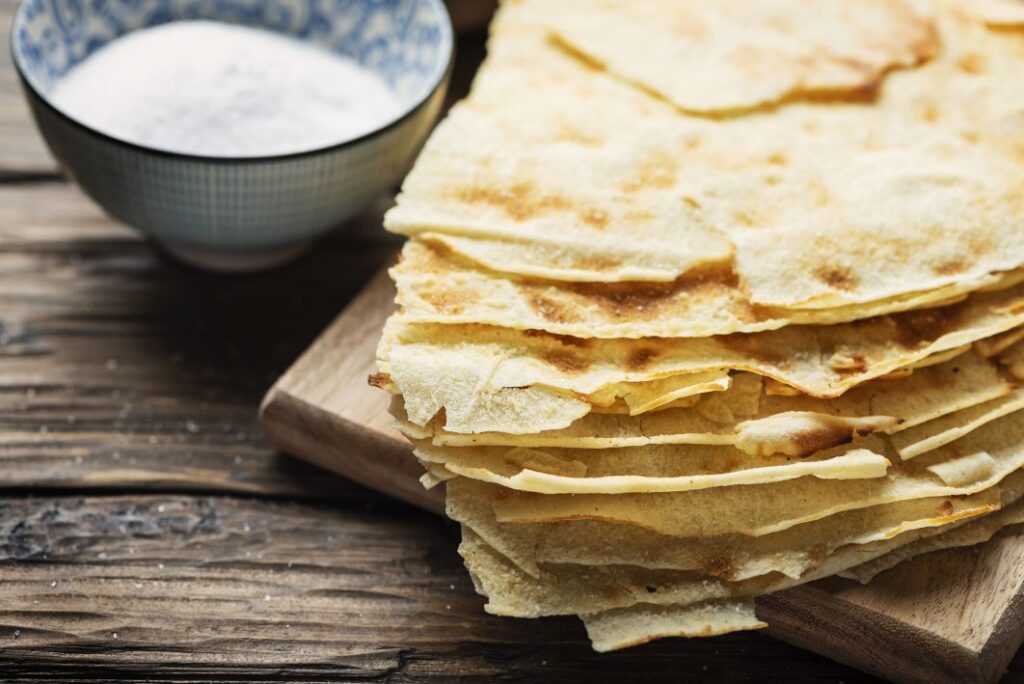
- Ultra-thin, crisp sheets of bread
- Nicknamed “music paper” for its audible crunch
- Baked twice, first to cook, second to dry and preserve
- It can last for months when stored properly
Common uses include:
- Pane frattau, softened with broth or tomato sauce and topped with egg and cheese
- Eaten dry with olive oil, cheese, or honey
Pane Guttiau
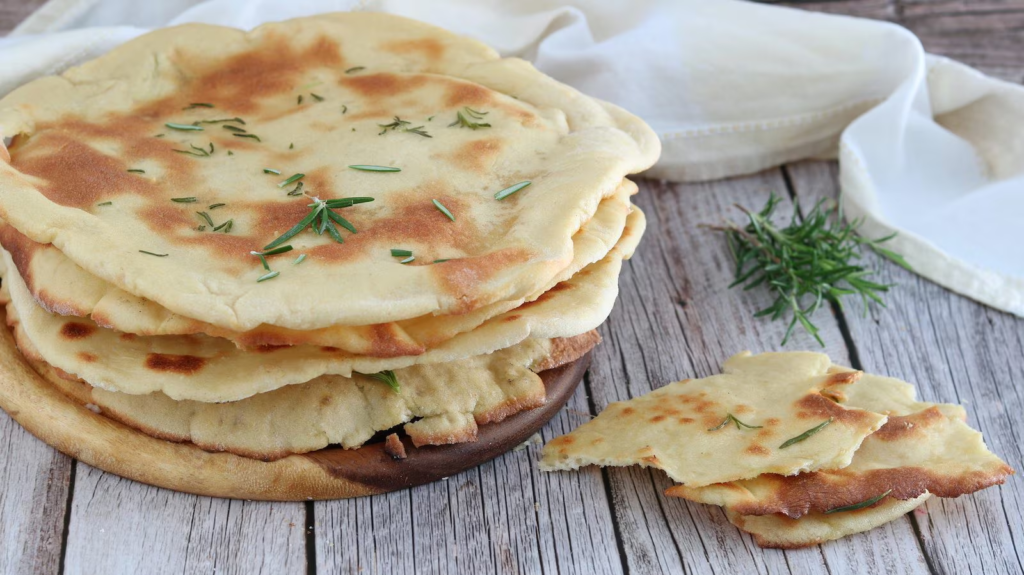
- Pane carasau brushed with olive oil and sprinkled with salt
- Re-toasted until golden and deeply savory
- Often served as a snack or alongside roasted meats
Su Coccoi
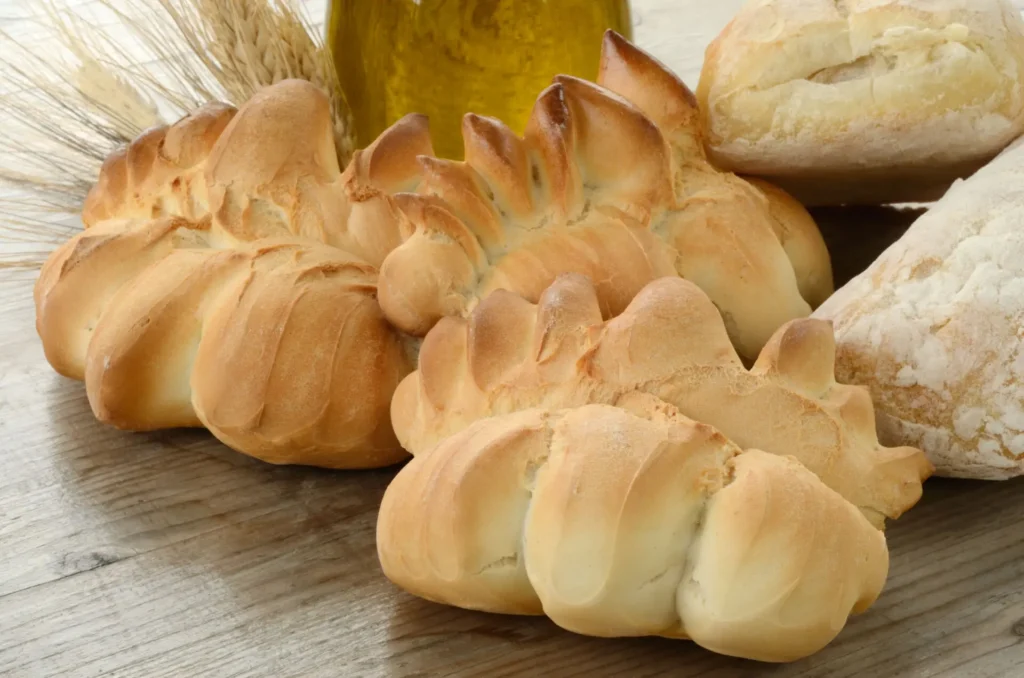
- Decorative ceremonial bread
- Sculpted into symbolic shapes like flowers, birds, or wreaths
- Used for weddings, religious holidays, and rites of passage
Cheese in Sardinia: Shepherd’s Gold
Sardinia has more sheep than people, and that reality defines its cuisine. According to Italy’s National Institute of Statistics, Sardinia accounts for over 40% of Italy’s sheep population, making it the country’s leading producer of sheep’s milk and pecorino-style cheeses.
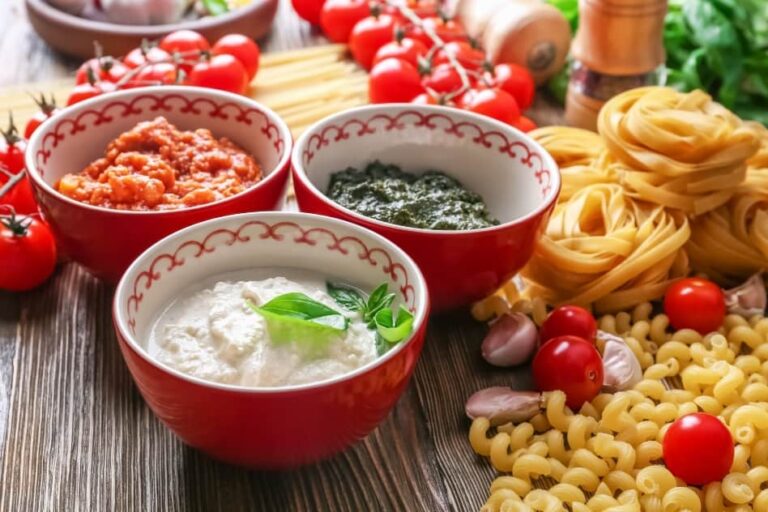
I have been cooking Italian pasta sauces at home for over twenty years.
Pecorino Sardo DOP
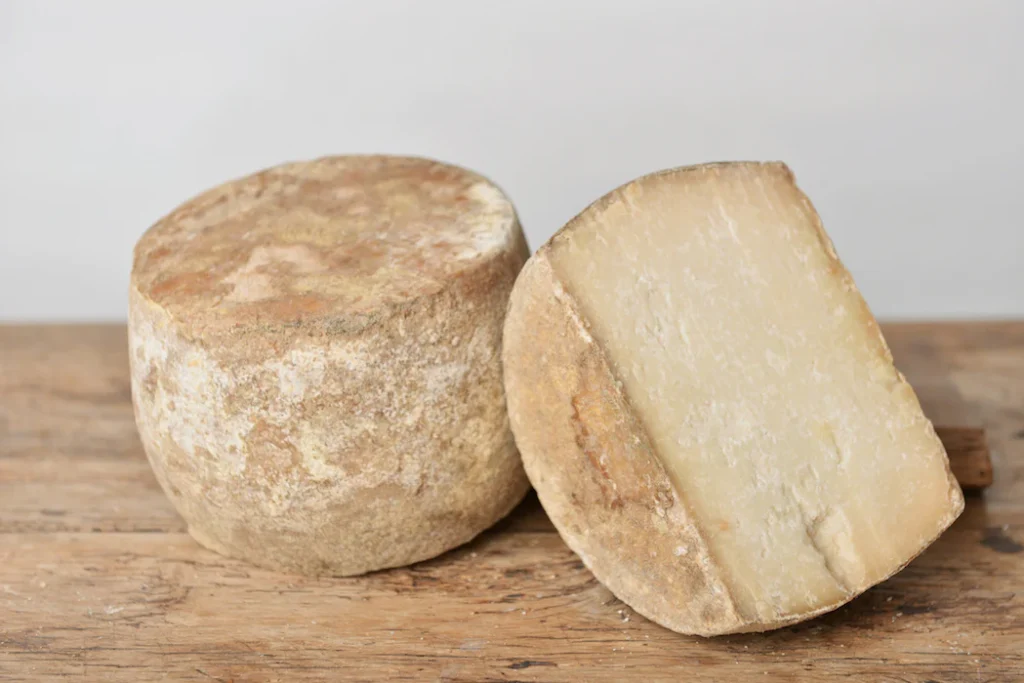
- Made from full-fat sheep’s milk
- Available semi-aged (dolce) or aged (maturo)
- Salty, grassy, and sharp
Used in:
- Pasta dishes like malloreddus
- Sandwiches and sauces
- Paired with pears or honey
Fiore Sardo DOP
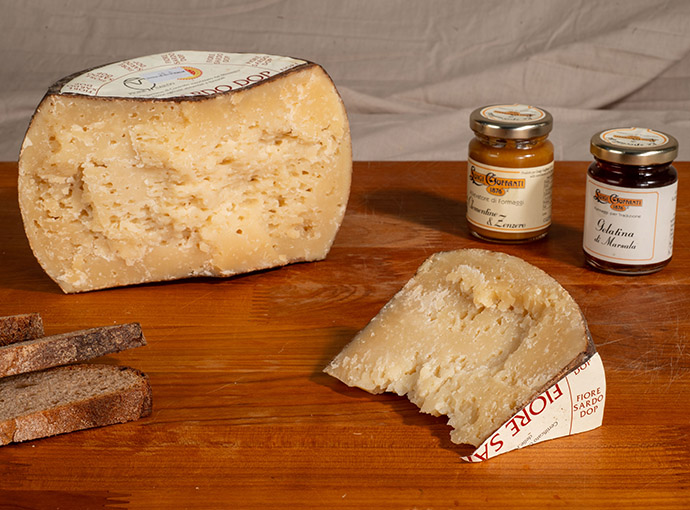
- Produced from raw sheep’s milk
- Smoked over juniper or myrtle wood
- Aged in caves or shepherd huts
- Nutty, smoky, and complex
Traditionally paired with Cannonau wine.
Casu Marzu
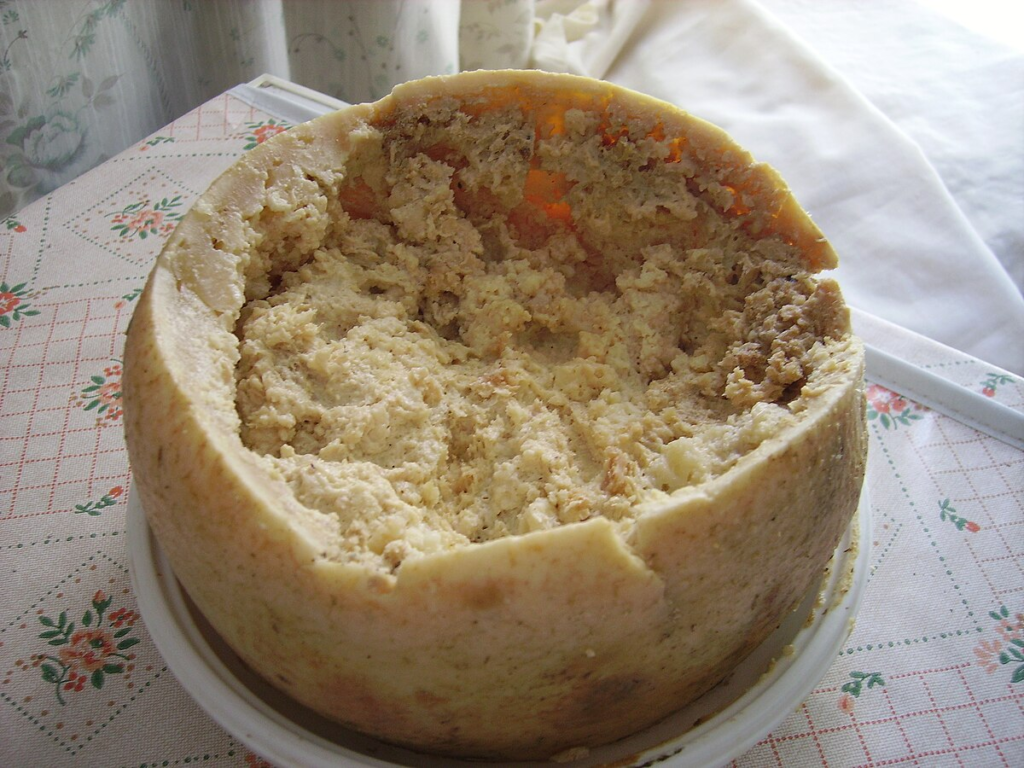
- Extremely fermented pecorino with live larvae
- Ultra-soft and intensely pungent
- Illegal for commercial sale in the EU
- Still produced and consumed privately in rural communities
This cheese is not about shock value. It represents preservation practices older than modern regulations.
Roasted Meats: Fire, Smoke, and Ceremony
In Sardinia, roasting meat is a ritual. The process is slow, communal, and deeply respected.
Porceddu (Roasted Suckling Pig)
- Sardinia’s most iconic dish
- Piglet under 10 kg
- Stuffed with myrtle, rosemary, and garlic
- Slow-roasted over wood or coals for several hours
The skin becomes crisp while the meat stays tender and rich.
Typically served with:
- Lemon wedges
- Pane carasau
- Cannonau wine
Agnello Arrosto (Roasted Lamb)
- Cooked over open fire or in wood-fired ovens
- Marinated with garlic, vinegar, and herbs
- Common during Easter and spring festivals
Capretto al Forno (Roasted Kid Goat)
- Lean, earthy meat
- Roasted with potatoes, olive oil, and rosemary
- Traditional in inland mountain villages
Pasta and Grains: Sardinia’s Rustic Backbone
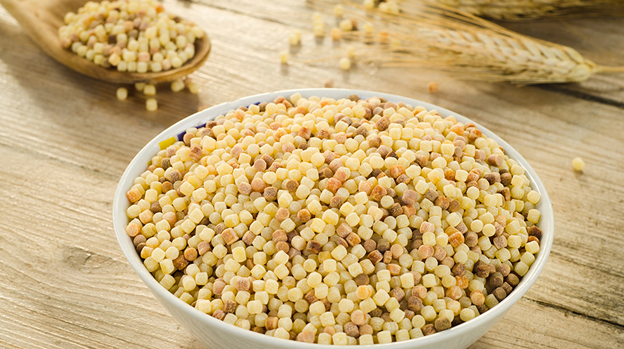
While bread dominates, Sardinia’s pasta traditions are deeply local and distinctive.
Malloreddus
- Small ridged semolina shells
- Often served in Campidanese sauce
- Sausage, tomato, saffron, and pecorino
Culurgiones
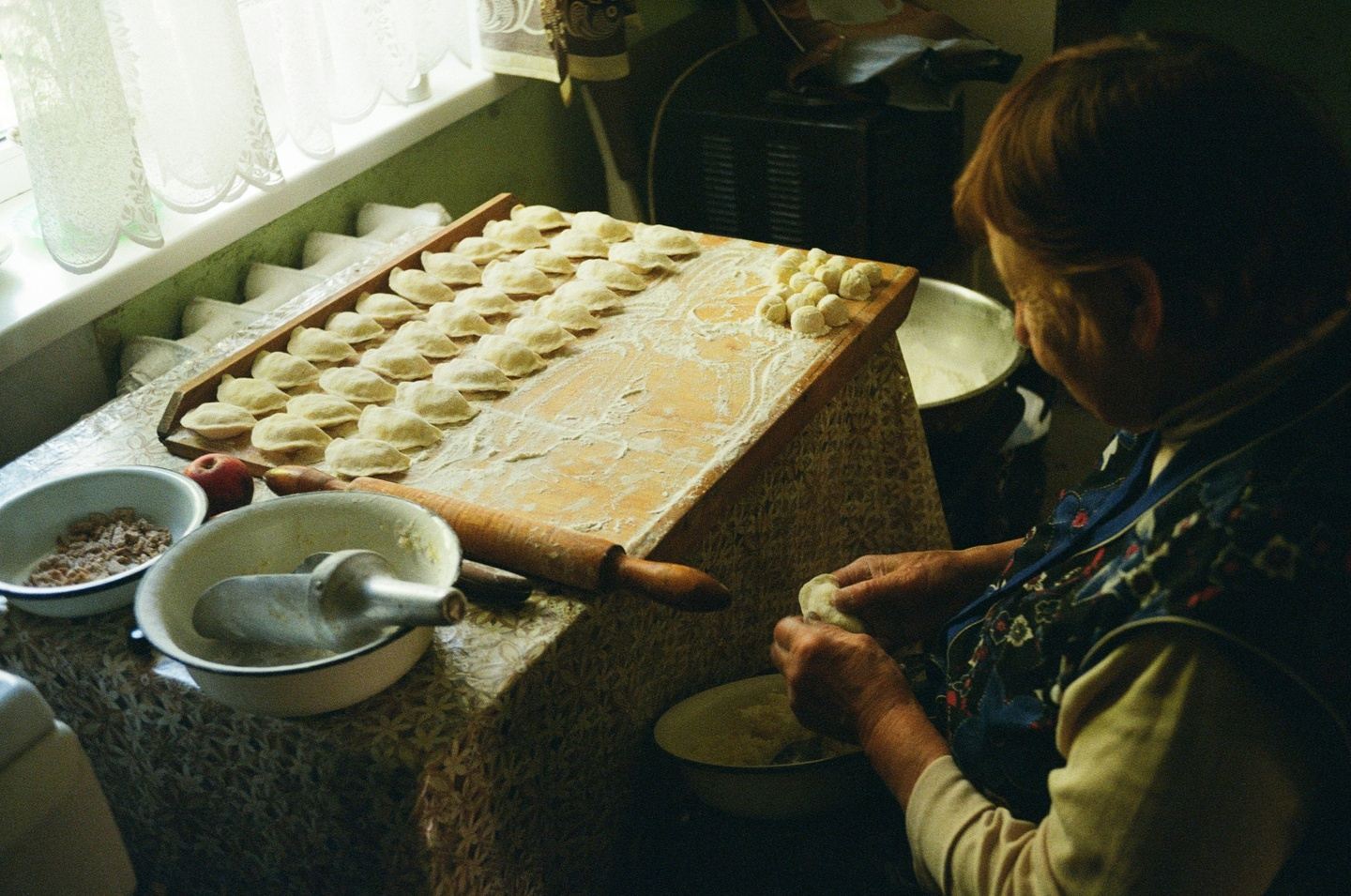
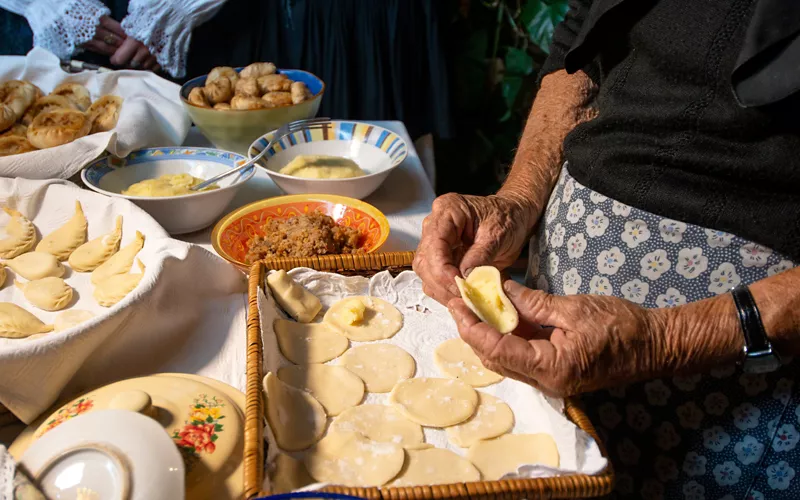
- Half-moon pasta stuffed with potato, mint, and pecorino
- Sealed with a braided wheat pattern
- Served with tomato sauce or butter and sage
Fregula Sarda
- Toasted semolina pasta resembling large couscous
- Used in seafood broths
- Often paired with clams or bottarga
Vegetable Dishes: Simple, Seasonal, Essential
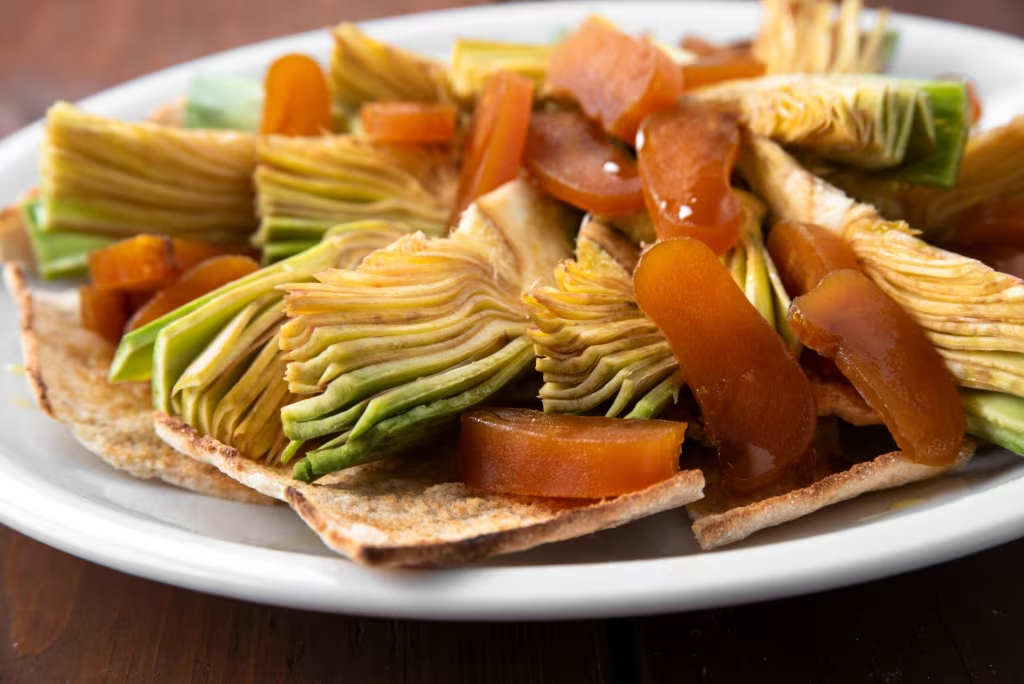
Vegetables in Sardinia are treated with restraint and respect.
Zuppa Gallurese
- Despite the name, it is not a soup
- Layers of bread soaked in broth and cheese
- Baked until rich and cohesive
Fava Beans and Pecorino
- Fresh fava beans served with aged cheese
- A springtime staple and festival food
Wild Greens and Herbs
- Boiled or sautéed simply
- Often combined with eggs or ricotta
- Used in savory pies and fillings
Sweets and Spirits: Sardinian Hospitality
Seadas
- Large fried pastry filled with melted pecorino
- Finished with local honey
- Sweet, salty, crisp, and rich
Pardulas
- Ricotta and saffron tarts
- Light, citrus-scented
- Especially popular during Easter
Mirto
- Traditional Sardinian digestif
- Made from myrtle berries
- Available in red or white
- Best served very cold
Wine Pairings: Cannonau and Beyond

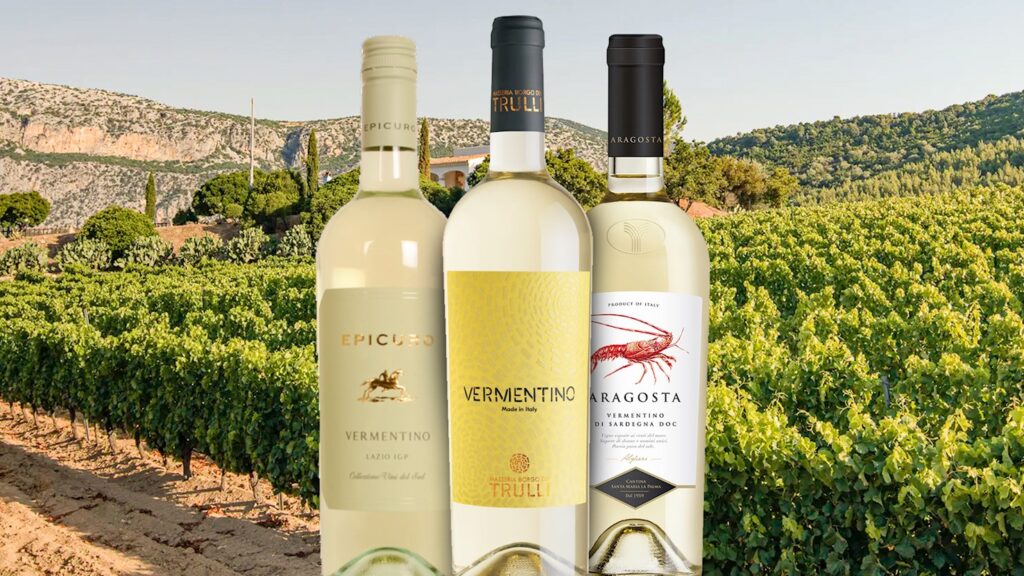
- Cannonau for roasted meats and aged cheeses
- Vermentino di Gallura for seafood and lighter dishes
- Carignano del Sulcis for bold, rustic flavors
Sardinia Cooks for the Soul, Not the Camera
Sardinian cuisine is ancient and unapologetic. It values memory over presentation and depth over polish. Bread cracks loudly, cheese challenges you, and meat demands patience.
This is food built on endurance, not trends. If you are looking for elegance, Sardinia will not perform. If you want food that reflects land, labor, and identity, the island is ready for you.
Written by José Villalobos — Food writer and founder of Calitalia Food. Based in Sacramento, CA. Read more →