
In the culinary world, butter sauce is a staple for adding richness and flavor to dishes. However, for those who are dairy-free or vegan, traditional butter sauces are off-limits. Fortunately, there are numerous alternatives that can replicate the creamy, delicious quality of butter sauce without the use of any animal products.
In this article, we’re digging into the best dairy-free butter alternatives, because whether you’re vegan, lactose-intolerant, or just curious, there’s a world of rich, creamy options that hold their own in the kitchen. From baking to sautéing to just slathering on toast, we’ve got you covered.

Plant-Based Butter
Plant-based butter is the most straightforward alternative to dairy butter. It mimics the taste and texture of real butter, making it an easy substitute in any recipe that calls for butter sauce.
Types of Plant-Based Butter
- Margarine: A classic alternative, margarine is made from vegetable oils and can be found in both solid and spreadable forms. Ensure you select a brand that is specifically labeled as vegan.
- Coconut Butter: Made from the meat of coconuts, this butter has a rich, slightly sweet flavor. It’s ideal for baking and cooking at lower temperatures.
- Nut Butters: Almond butter, cashew butter, and other nut butters can add a unique flavor and creamy texture to sauces. They work well in both sweet and savory dishes.

Benefits of Plant-Based Butter
- Versatility: Can be used in a variety of recipes, from sauces to baking.
- Health: Often lower in saturated fat compared to dairy butter.
- Convenience: Widely available in most supermarkets.
Making Plant-Based Butter Sauce
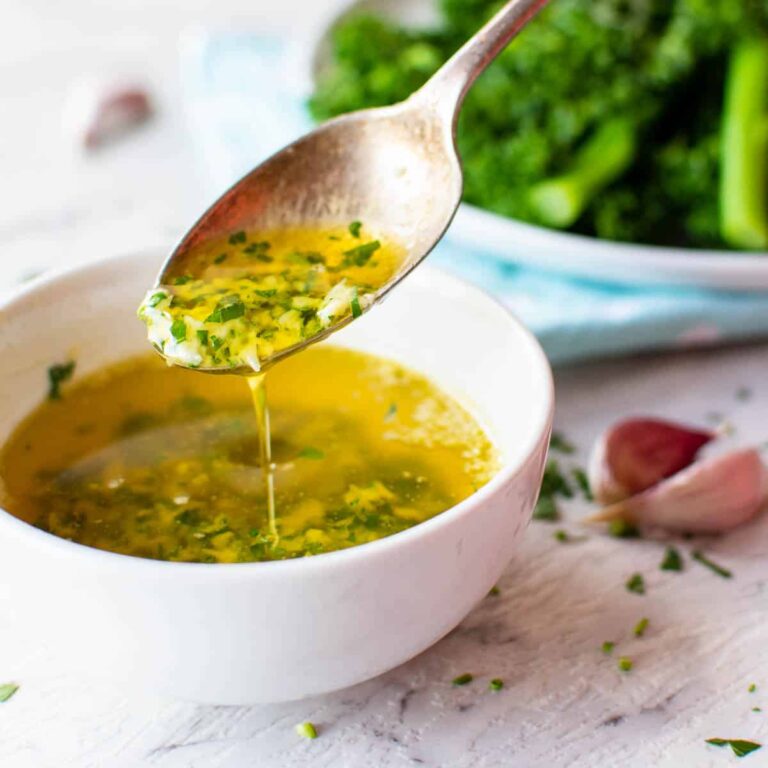
To make a simple plant-based butter sauce, melt your chosen plant-based butter over low heat. You can add herbs, garlic, or other seasonings to enhance the flavor. For a creamy texture, consider mixing in a small amount of plant-based milk. Here’s a basic recipe:
I tested three different brands of guanciale for this — the aging makes a real difference.
Recipe: Basic Plant-Based Butter Sauce

Ingredients:
- 1/2 cup plant-based butter
- 2 cloves garlic, minced
- 1/2 cup plant-based milk (such as almond, soy, or oat milk)
- 1 tbsp nutritional yeast (optional, for a cheesy flavor)
- Salt and pepper to taste
Instructions:
- In a saucepan over low heat, melt the plant-based butter.
- Add the minced garlic and sauté until fragrant, about 2 minutes.
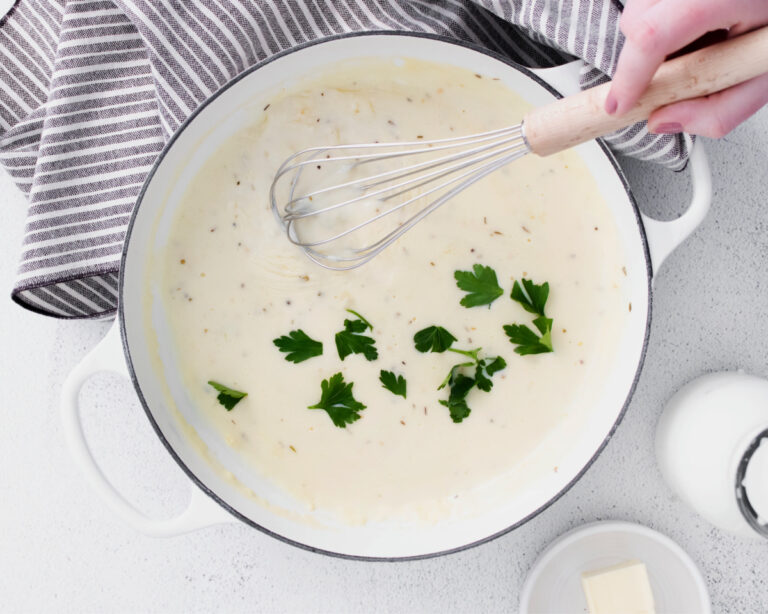
- Slowly whisk in the plant-based milk, stirring continuously to create a smooth mixture.
- If using, add the nutritional yeast and stir to combine.
- Season with salt and pepper to taste.
- Continue to cook over low heat, stirring frequently, until the sauce thickens to your desired consistency.
Nutritional Yeast
Nutritional yeast is a deactivated yeast that has a cheesy, nutty flavor. It’s a popular ingredient in vegan cooking for its umami-rich taste and is packed with vitamins, particularly B12.

Benefits of Nutritional Yeast
- Flavor: Adds a cheesy, savory flavor to dishes.
- Nutrition: High in protein and vitamins, making it a healthy addition to any diet.
- Versatility: Can be used in a variety of dishes, from sauces to soups to toppings.
Using Nutritional Yeast in Sauces
Nutritional yeast can be used to create a variety of sauces, including vegan cheese sauces and creamy pasta sauces. It blends well with other ingredients to provide a rich, savory flavor that enhances many dishes.
Making Nutritional Yeast Butter Sauce
To create a nutritional yeast butter sauce, combine nutritional yeast with a plant-based milk (such as almond or soy milk), a bit of flour for thickening, and some plant-based butter. Cook the mixture over medium heat, stirring until it thickens. Season with salt, pepper, and garlic powder for added flavor.
Recipe: Nutritional Yeast Butter Sauce

Ingredients:
- 1/4 cup nutritional yeast
- 2 cups plant-based milk
- 1/4 cup plant-based butter
- 2 tbsp flour (or cornstarch for a gluten-free option)
- 1 tsp garlic powder
- Salt and pepper to taste
Instructions:
- In a saucepan, melt the plant-based butter over medium heat.
- Add the flour and whisk continuously to form a roux, cooking for about 2 minutes.
- Slowly add the plant-based milk, whisking continuously to avoid lumps.
- Stir in the nutritional yeast and garlic powder.
- Continue to cook, stirring frequently, until the sauce thickens.
- Season with salt and pepper to taste.
Coconut Milk
Coconut milk is another fantastic alternative for creating creamy, rich sauces. Its naturally sweet and slightly nutty flavor pairs well with a variety of dishes.

Types of Coconut Milk
- Canned Coconut Milk: Thicker and creamier, suitable for making rich sauces.
- Carton Coconut Milk: More diluted and better for general cooking or lighter sauces.
Benefits of Coconut Milk
- Creaminess: Provides a rich, creamy texture ideal for sauces.
- Health: Contains healthy fats that are beneficial in moderation.
- Flavor: Adds a subtle sweetness and depth to dishes.
Using Coconut Milk in Sauces
Coconut milk can be used in both sweet and savory recipes, making it a versatile ingredient in dairy-free cooking. It works particularly well in curries, soups, and desserts.
Making Coconut Milk Butter Sauce
To make a coconut milk butter sauce, combine coconut milk with cornstarch or flour to thicken. Add a plant-based butter and cook over medium heat until it reaches your desired consistency. Season with salt, pepper, and other spices to taste. This sauce works particularly well in curries and Asian-inspired dishes.
Recipe: Coconut Milk Butter Sauce

Ingredients:
- 1 can (13.5 oz) coconut milk
- 2 tbsp plant-based butter
- 1 tbsp cornstarch (or flour)
- 1 tsp soy sauce (optional, for a savory touch)
- Salt and pepper to taste
- 1 tsp ground ginger (optional, for added flavor)
Instructions:
- In a saucepan, melt the plant-based butter over medium heat.
- Add the cornstarch and whisk to form a smooth paste.
- Slowly add the coconut milk, whisking continuously.
- Stir in the soy sauce and ground ginger, if using.
- Continue to cook, stirring frequently, until the sauce thickens.
- Season with salt and pepper to taste.
Cashew Cream
Cashew cream is a versatile, dairy-free alternative that can be used to replace cream or butter in many recipes. It has a neutral flavor that can be easily customized with seasonings.

Benefits of Cashew Cream
- Creaminess: Offers a rich, creamy texture similar to dairy cream.
- Neutral Flavor: Can be seasoned to suit both sweet and savory dishes.
- Health: Cashews are rich in healthy fats, vitamins, and minerals.
Using Cashew Cream in Sauces
Cashew cream can be used to create a variety of sauces, from savory gravies to sweet dessert toppings. Its neutral flavor makes it a versatile base that can be easily adapted.
Making Cashew Cream
To make cashew cream, soak raw cashews in water for a few hours or overnight. Drain and rinse the cashews, then blend them with fresh water until smooth. For a butter sauce, blend the cashew cream with nutritional yeast, garlic powder, and salt. Heat the mixture over medium heat, stirring until it thickens to your liking.
Recipe: Cashew Cream Butter Sauce
Ingredients:
- 1 cup raw cashews
- 1 cup water (plus more for soaking)
- 1/4 cup nutritional yeast
- 1 tsp garlic powder
- 1 tbsp lemon juice
- Salt to taste

Instructions:
- Soak the cashews in water for at least 4 hours or overnight. Drain and rinse.
- In a blender, combine the soaked cashews with 1 cup of fresh water. Blend until smooth.
- Pour the cashew cream into a saucepan and add the nutritional yeast, garlic powder, and lemon juice.
- Cook over medium heat, stirring frequently, until the sauce thickens.
- Season with salt to taste.
FAQ
By exploring these dairy-free and vegan butter sauce alternatives, you can enjoy the rich, creamy flavors of traditional butter sauces without compromising your dietary choices. Whether you prefer the simplicity of plant-based butter or the rich texture of cashew cream, there’s a perfect alternative for every dish. Happy cooking!
Disclosure: Our blog contains affiliate links to products. We may receive a commission for purchases made through these links. However, this does not impact our reviews and comparisons. We try our best to keep things fair and balanced, in order to help you make the best choice for you.
Written by José Villalobos — Food writer and founder of Calitalia Food. Based in Sacramento, CA. Read more →