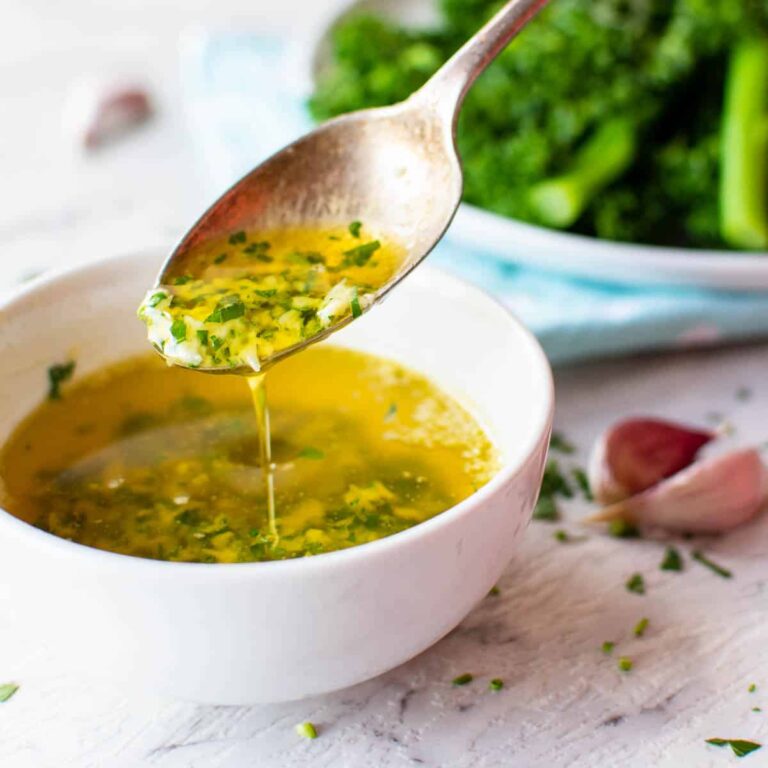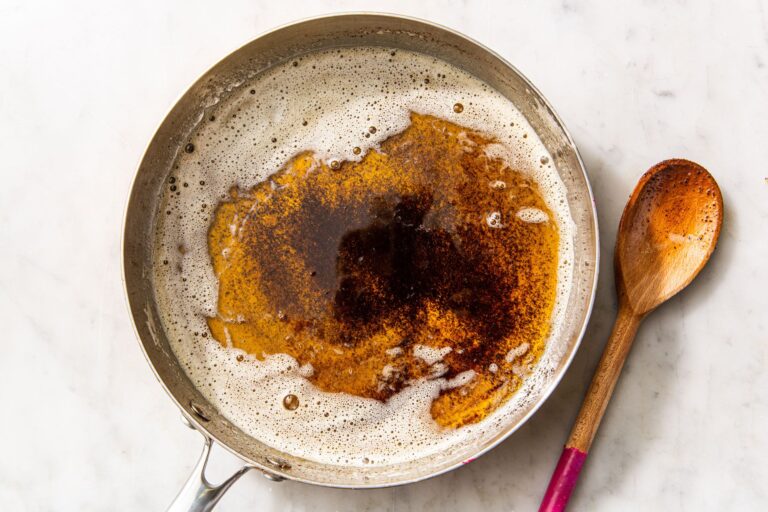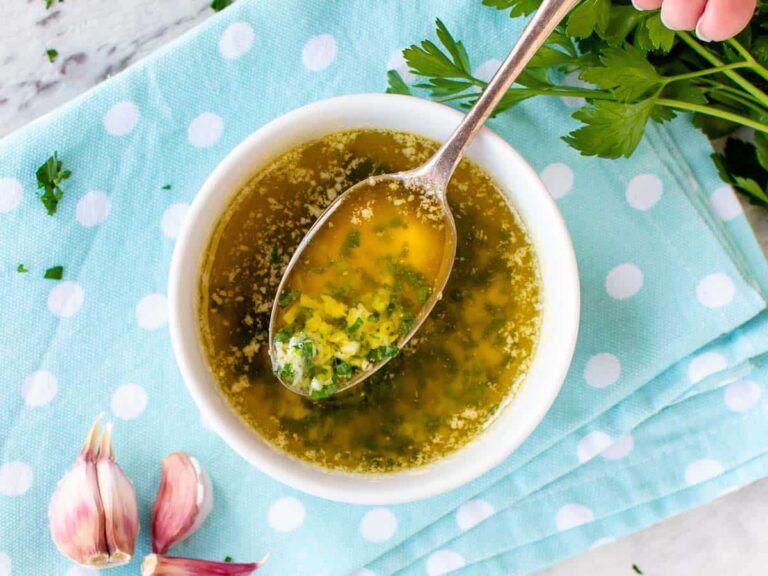
Butter sauces or also known as Beurre blanc are a beloved component of many culinary traditions, adding richness and depth to a wide variety of dishes. However, understanding their nutritional profile is essential for making informed dietary choices.
This comprehensive guide delves into butter sauce nutrition facts, exploring their calories, macronutrients, vitamins, minerals, and dietary considerations. Additionally, we will discuss healthy modifications to enjoy these delectable sauces without compromising on flavor.

Calories and Macronutrients
Butter sauces, by their very nature, are rich and indulgent, often used to enhance the flavor of dishes ranging from vegetables to meats. Understanding the calorie and macronutrient content of butter sauces is crucial for those monitoring their dietary intake.
Butter itself is primarily composed of fat, which contributes to its high-calorie content. A standard serving size of butter sauce (around two tablespoons) typically contains approximately 200 calories. These calories are largely derived from fat, with a standard butter sauce containing about 22 grams of fat per serving. This fat content includes both saturated and unsaturated fats, with saturated fats comprising the majority.

In terms of macronutrients, butter sauces are low in carbohydrates and protein. Carbohydrates in butter sauces usually come from added ingredients such as flour or cornstarch used as thickeners. Protein content is minimal unless additional protein-rich ingredients are incorporated into the sauce.
Vitamins and Minerals

While butter sauces are not typically associated with high nutritional value, they do contain certain vitamins and minerals, primarily derived from the butter itself. Here are some key vitamins and minerals found in butter sauces:
When I cook this at home, I use Pecorino Romano DOP because the salt content matters.
- Vitamin A: Butter is a rich source of vitamin A, which is crucial for maintaining healthy vision, skin, and immune function. A serving of butter sauce can contribute significantly to your daily vitamin A intake.
- Vitamin D: Butter contains small amounts of vitamin D, which is essential for calcium absorption and bone health. However, the quantity in butter sauces is relatively low and should not be relied upon as a primary source of this vitamin.
- Calcium: While not abundant, butter does contain some calcium, contributing to bone health. However, the amount in butter sauces is minimal and should be supplemented with other calcium-rich foods.
- Phosphorus: Butter provides small amounts of phosphorus, which plays a role in bone health and energy production.
- Vitamin E: This fat-soluble antioxidant found in butter can help protect cells from oxidative damage.
- Vitamin K2: Butter from grass-fed cows is a source of vitamin K2, important for bone and cardiovascular health.
Butter Sauce Nutrition Facts: Dietary Considerations

When incorporating butter sauces into your diet, it’s essential to consider various dietary factors to ensure they align with your nutritional goals and health requirements.
- Saturated Fat: Butter sauces are high in saturated fat, which can contribute to elevated cholesterol levels and an increased risk of heart disease if consumed in excess. It’s important to moderate your intake and balance it with sources of healthy unsaturated fats, such as olive oil or avocado.
- Lactose Intolerance: Individuals with lactose intolerance may need to be cautious with butter sauces, as butter contains small amounts of lactose. However, clarified butter (ghee) can be a suitable alternative, as it is virtually lactose-free.
- Caloric Density: Given their high calorie content, butter sauces should be consumed in moderation, particularly if you are trying to manage your weight. Balancing your diet with plenty of vegetables, lean proteins, and whole grains can help mitigate the caloric impact of butter sauces.
- Allergies: Some butter sauces may contain additional ingredients like flour (gluten) or dairy (cream), which can trigger allergies or intolerances. Always check ingredient labels or make your sauces from scratch to control what goes into them.
Here’s a quick overview of the nutritional components and healthy modifications for butter sauces:
| Component | Nutritional Information | Healthy Modifications |
|---|---|---|
| Calories | 200 calories per 2 tablespoons | Use smaller portions to control calorie intake |
| Total Fat | 22 grams per serving | Blend butter with healthy fats like olive oil or avocado oil |
| Saturated Fat | High (mostly saturated fats) | Incorporate clarified butter (ghee) to reduce the amount of saturated fats |
| Carbohydrates | Low, from added thickeners (flour/cornstarch) | Use alternative thickeners like arrowroot or gluten-free flour |
| Protein | Minimal | Add pureed protein-rich vegetables like cauliflower |
| Vitamin A | Significant source | Enhance with other vitamin A-rich vegetables like carrots |
| Vitamin D | Low, not a primary source | Complement with vitamin D-rich foods like fortified dairy or fish |
| Calcium | Small amounts | Supplement with other calcium-rich foods like leafy greens or dairy products |
| Phosphorus | Small amounts | Combine with phosphorus-rich foods such as meat, poultry, fish, nuts, beans, and dairy |
| Vitamin E | Contains some vitamin E | Incorporate vitamin E-rich oils like sunflower or safflower oil |
| Vitamin K2 | Present in grass-fed butter | Use grass-fed butter or ghee for additional vitamin K2 benefits |
| Sodium | Can be high due to added salt | Use low-sodium versions of ingredients, and enhance flavor with herbs and spices instead of salt |
| Lactose | Small amounts present in butter | Use clarified butter (ghee) to avoid lactose |
| Dietary Fiber | Minimal, not a significant source | Add pureed vegetables like spinach or broccoli for additional fiber |
| Healthy Modifications | – Use clarified butter (ghee) – Add pureed vegetables – Incorporate healthy fats – Reduce sodium – Limit portion sizes – Experiment with spices |
Healthy Modifications
Enjoying butter sauces doesn’t have to mean compromising your health goals. With a few simple modifications, you can make butter sauces healthier while still retaining their delicious flavor.

- Use Clarified Butter (Ghee): Clarified butter, or ghee, is a healthier alternative to regular butter. It has a higher smoke point, contains no lactose, and has a richer flavor. Additionally, it is less likely to oxidize during cooking, making it a better option for sautéing and frying.
- Add Vegetables: Incorporating pureed vegetables into your butter sauce can enhance its nutritional profile. Vegetables like cauliflower, carrots, and spinach can add vitamins, minerals, and fiber, making the sauce more balanced and nutrient-dense.
- Incorporate Healthy Fats: To reduce the saturated fat content, consider blending butter with healthy fats such as olive oil or avocado oil. This combination can provide a more balanced fat profile while retaining the creamy texture and rich flavor of the sauce.
- Reduce Sodium: Many butter sauces can be high in sodium due to added salt and seasonings. Opt for low-sodium versions of these ingredients, or use herbs and spices to enhance flavor without relying on salt.
- Limit Portion Sizes: Instead of drenching your food in butter sauce, use it sparingly to enhance the flavor. A little goes a long way, and controlling portion sizes can help manage calorie intake.
- Experiment with Spices: Adding spices like garlic, ginger, turmeric, and paprika can boost the flavor of your butter sauce without adding extra calories. These spices also come with their own set of health benefits.
FAQs
Butter sauces are a delightful addition to many dishes, offering a rich and creamy flavor that enhances the overall dining experience. However, it’s important to be mindful of their nutritional content and make informed choices to balance enjoyment with health. By understanding the calories, macronutrients, vitamins, minerals, and dietary considerations associated with butter sauces, and by implementing healthy modifications, you can savor these delicious sauces while maintaining a nutritious and balanced diet.
Disclosure: Our blog contains affiliate links to products. We may receive a commission for purchases made through these links. However, this does not impact our reviews and comparisons. We try our best to keep things fair and balanced, in order to help you make the best choice for you.
Written by José Villalobos — Food writer and founder of Calitalia Food. Based in Sacramento, CA. Read more →