If you’ve only ever eaten pesto from a jar you grabbed off a supermarket shelf, I’m not going to judge you. I’ve been there. But I am going to tell you that what you experienced and what a proper pesto pasta recipe actually delivers are two very different things — and once you understand the gap, you’ll never go back.
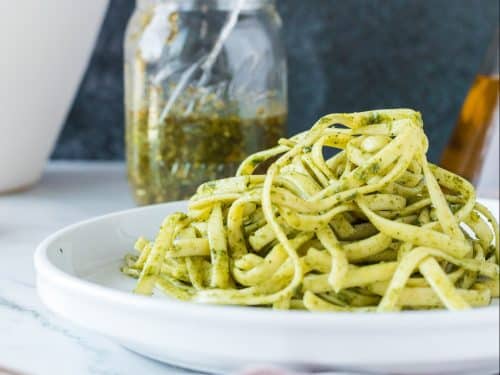
I’m José Villalobos, and this is the sauce that made me fall in love with Ligurian cooking the moment I first tasted it made properly, in a kitchen overlooking the sea. Let me walk you through everything.
What Is Pesto Genovese?
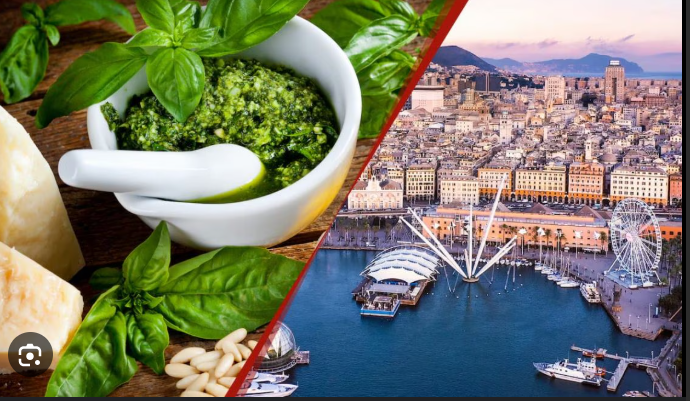
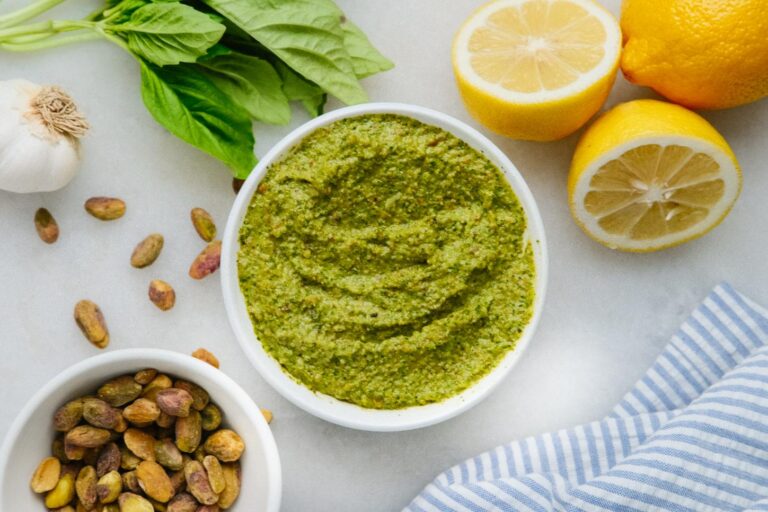
Pesto genovese is a cold, uncooked sauce from Liguria — the narrow coastal strip of northwestern Italy that curves around the Gulf of Genoa. It’s made by crushing fresh basil, garlic, pine nuts, aged cheeses, and extra virgin olive oil together into a coarse, fragrant paste. The name comes from the Italian verb pestare, meaning “to crush,” which tells you everything about how it should be made: slowly, by hand, with a marble mortar and a wooden pestle.
What it is not: a blended, bright green liquid with a grassy, metallic edge. That’s what heat and high-speed blades do to basil. Real pesto is textured, unctuous, and smells like a Ligurian hillside in June — herbal, slightly nutty, with a gentle sharpness from the garlic and cheese.
The specific basil matters enormously. Basilico genovese DOP — small-leafed, protected by designation of origin, harvested before the plant flowers — is sweeter and less anise-forward than the large-leaf varieties common in American supermarkets. It’s the reason pesto made in Liguria tastes different from pesto made anywhere else, even when someone follows the same recipe to the letter.
The History Behind the Sauce
Older Than You Think
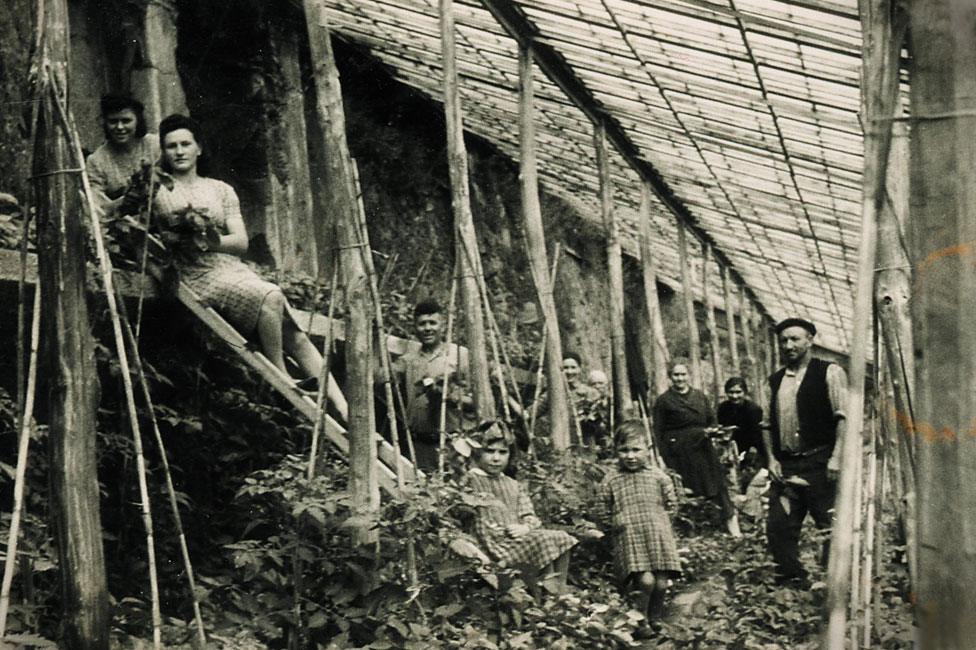
The story of pesto doesn’t start with basil. Long before basil arrived in Europe from India via spice trade routes, the Romans were already making something in the same spirit: a paste called moretum, pounded from garlic, salt, cheese, olive oil, vinegar, and whatever herbs were close at hand — parsley, mint, coriander, celery. If you’ve ever read Virgil, there’s actually a poem attributed to him describing a farmer making exactly this for breakfast. The impulse to crush things into a paste with oil and eat it with bread or grains is ancient and deeply Mediterranean.
Moving into the medieval period, Liguria had its own version called agliata — a sauce of crushed garlic with walnuts, almonds, or arugula, depending on what the family had. This wasn’t a refined restaurant dish. It was peasant food, fast-day food, the kind of thing you made when meat wasn’t on the table. Basil started appearing in these Ligurian pastes during the Renaissance, gradually taking over as the star ingredient.
The First Written Recipe
The first modern, recognizable recipe for pesto appears in La Cuciniera Genovese by Emanuele Rossi, published in 1852 (some sources cite 1865 — food history is messy). That recipe specifies basil, garlic, Parmigiano, pine nuts, and olive oil. A few years later, Giovanni Battista Ratto’s Cucina Genovese added marjoram, parsley, and Dutch cheese to the mix — proof that even then, family recipes varied and nobody agreed on the definitive version.
Pesto remained largely a regional secret until 1959, when New York Times food writer Craig Claiborne wrote about it and introduced it to an American audience. From there, industrial production followed, jars appeared on supermarket shelves worldwide, and the original slowly got buried under a layer of convenience.
A Note on Regional Variations
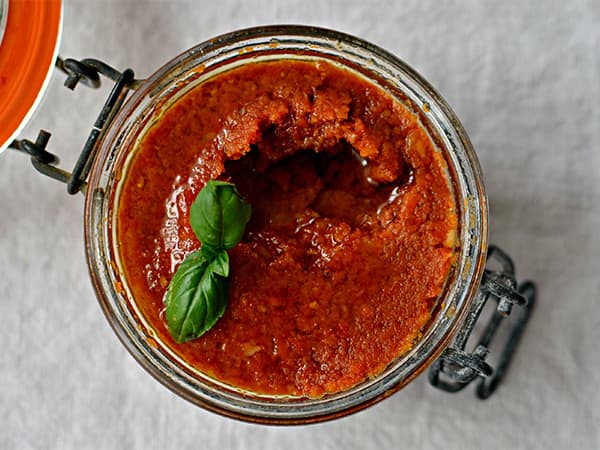
Liguria is pesto country — specifically Genoa, Cinque Terre, Portofino, and the town of Recco, where the twisted pasta trofie was supposedly invented specifically to hold pesto in its spirals. Neighboring regions have their own versions: pesto siciliano uses tomatoes and almonds, and pesto alla trapanese from western Sicily is tomato-heavy and rustic. These are legitimate, delicious sauces. But they are not pesto genovese, and conflating them misses what makes each one special.
The Traditional Pesto Pasta Recipe — Step by Step
Ingredients (serves 4)
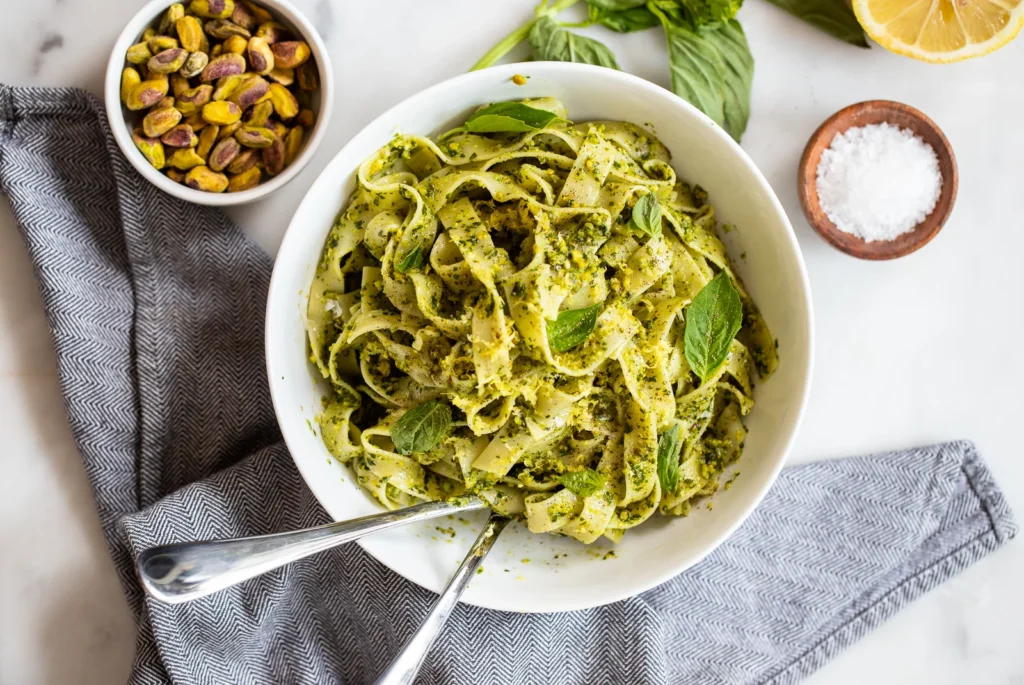
- 60g fresh basil leaves (basilico genovese if you can find it, harvested pre-flowering)
- 2 cloves garlic (Ligurian cooks often use just one — start there and adjust)
- 30g pine nuts (pinoli)
- 45g Parmigiano Reggiano DOP, finely grated
- 15g Pecorino Sardo or Pecorino Romano, finely grated
- 80–100ml extra virgin olive oil (Ligurian if possible — lighter and more delicate than Tuscan)
- A pinch of coarse sea salt
- 400g pasta — trofie, trenette, or linguine
The Mortar Method (Do This)

Start by adding the coarse salt and garlic to the marble mortar. Crush them together into a smooth paste using a circular grinding motion — not just pounding, but pressing and rotating. The salt acts as an abrasive and draws moisture from the garlic.
Add the pine nuts and continue grinding until they integrate with the garlic paste. You’re looking for something that’s mostly smooth with a little texture remaining.
Now the basil. Don’t chop it. Tear the leaves gently and add them in batches, pressing and rotating rather than bashing. This is the critical step: blades and rough impact bruise basil cells and release enzymes that oxidize the chlorophyll, turning your sauce from vivid green to dull army green and introducing a metallic note. Grinding in a mortar is gentler. It tears cells rather than shredding them, which is why mortar-made pesto holds its color better and tastes cleaner.
Once you have a cohesive green paste, add both cheeses and stir them in. Then pour the olive oil in a slow, thin stream while you work the pestle, emulsifying the sauce. It should be thick and spoonable, not liquid.
The Blender Shortcut (Do This If You Must)

Place your blender jar in the freezer for 20 minutes before you start. Use the pulse function rather than running continuously. Add a few ice cubes to keep the temperature down. Work fast. The goal is to minimize heat from friction. Will it be as good as the mortar method? No. Will it be worlds better than a jar from a shelf? Yes.
Cooking and Saucing the Pasta
Salt your pasta water generously — it should taste like mild seawater. Cook your pasta until it’s just short of al dente, then reserve a full cup of the starchy cooking water before you drain anything. This water is not optional. It’s how you bring the sauce together.
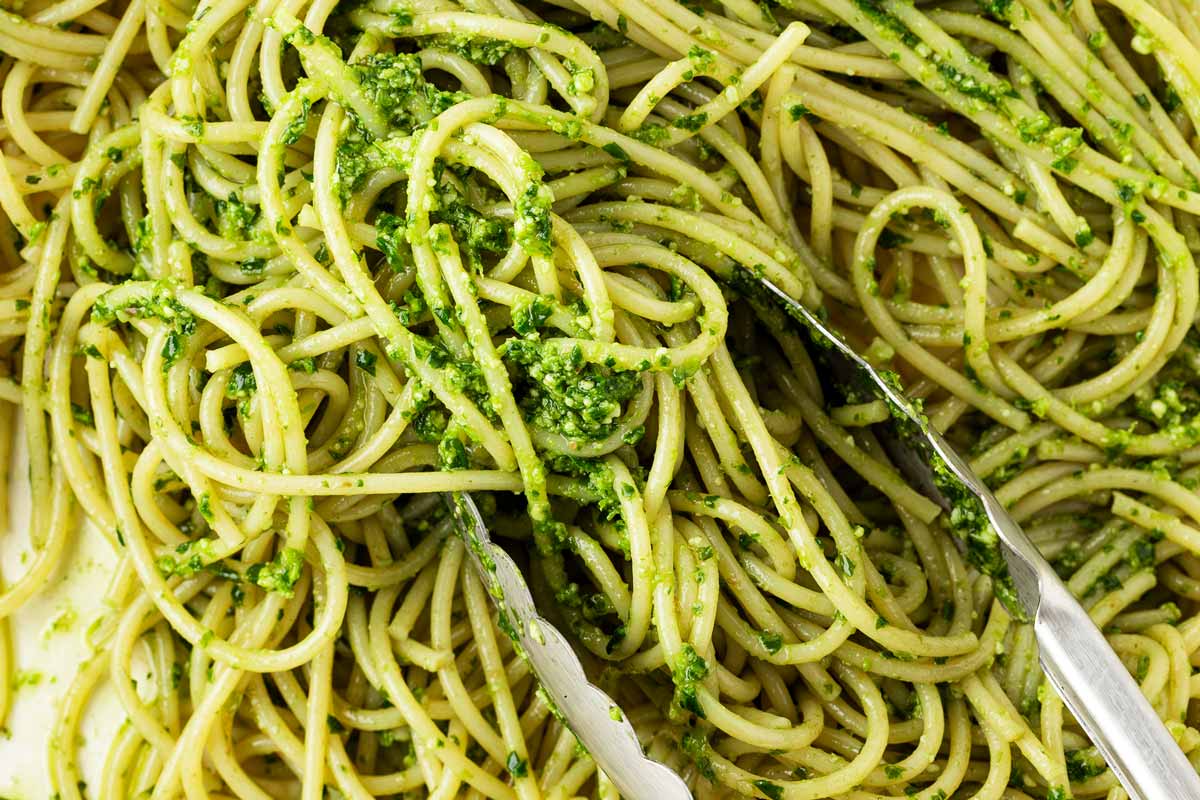
Never cook pesto. Never put it in a hot pan. The heat kills it — the basil oxidizes, the garlic turns harsh, the whole thing flattens. Instead, put your pesto in a large bowl, add a splash of the hot pasta water, and stir. The starch in the water loosens the pesto into a sauce that coats pasta rather than sitting in a clump. Add the drained pasta directly to the bowl, toss quickly, add more pasta water as needed, and serve immediately.
In Liguria, trofie is the classic shape. The twisted spiral catches pesto in every turn. Trenette — a flat, narrow pasta similar to linguine — is equally traditional. Corzetti, the stamped coin-shaped pasta from Liguria, is beautiful if you can find it. What you want to avoid are large, ridged tubes like rigatoni, which overpower the delicate sauce.
The Ligurian Plate — Potatoes and Green Beans
Here’s something that surprises most people: a traditional Ligurian pesto pasta dish often includes thin slices of potato and trimmed green beans cooked right in the pasta water. The potatoes add body and help the sauce cling; the beans add sweetness. This is not a modern invention or a strange addition — it’s how this dish has been served in Liguria for generations. If you’ve never tried it, add it to your next batch. It changes the whole experience.
How to Buy Good Pesto (When You’re Not Making It)
Let me be direct: most pesto sold in American grocery stores is not worth your time. The shelf-stable jars with bright green labels usually contain sunflower oil, potato flakes, and basil that barely registers as an ingredient. Read the label before you buy anything.
What you want is a refrigerated jar from a Ligurian producer, packed in glass, with a short ingredient list: basil, olive oil, pine nuts, Parmigiano Reggiano, Pecorino, garlic, salt. That’s it. If you see cashews, starch, lemon juice, or anything listed as “flavoring,” put it back.
At the Sacramento Italian market, I’ve compared several brands side by side, and the differences are stark. Industrial brands like Saclà and Buitoni are convenient and not offensive, but they taste processed — there’s a flatness to them that no amount of extra cheese rescues. Artisanal producers like Roi and Profumo di Genova are on a different level entirely: brighter, more textured, with a genuine basil presence rather than a vague green flavor.
After testing several brands side by side at home and at the market, the one I keep in my kitchen for when I don’t have fresh basil is a small-batch refrigerated version from a Ligurian producer imported through a specialty Italian food shop. It’s not cheap, but it’s honest. You can taste the difference in every bite.
When I Was in Liguria
When I visited Liguria, the pesto I tasted at a small trattoria in Camogli was something I still think about. It wasn’t fancy. It was trofie, pesto, potatoes, and green beans, served in a deep bowl with no garnish. But the basil was so present — sweet, slightly minty, nothing harsh — and the olive oil had this almost buttery lightness that Ligurian oil is famous for. I asked the owner about it and she laughed and said the secret was that her basil came from a garden ten minutes away and the mortar was older than her grandmother.
My grandmother Julia would have understood that completely. She cooked Italian food in Valparaíso, Chile, in a kitchen that smelled like garlic and olive oil from noon onward, and she had no patience for shortcuts that compromised flavor. She made things slowly and by hand because that’s what the dish required, not because she was being precious about tradition. I think about her every time I pick up a mortar.
How to Store Pesto

Pesto oxidizes quickly. That bright green color starts browning within hours of exposure to air. Here’s how to slow it down:
- Store pesto in a glass jar or container — not plastic, which holds flavors and can affect the olive oil over time.
- Pour a thin layer of olive oil over the surface before sealing. The oil creates a barrier against oxygen.
- Keep it refrigerated. Properly stored this way, fresh homemade pesto lasts about 5 days.
- For longer storage, freeze it in ice cube trays, then transfer the frozen cubes to a sealed bag. Frozen pesto keeps well for up to 3 months. Thaw at room temperature and stir before using — never microwave it.
- Do not freeze pesto that already has cheese mixed in if you can help it. Some cooks make a base of basil, garlic, pine nuts, and oil for freezing and add the cheese fresh when they’re ready to use it. The texture is better.
Common Mistakes (And How to Avoid Them)
Using the Wrong Basil
Large-leaf sweet basil from a supermarket works in a pinch, but it’s more intensely flavored and sometimes slightly bitter. If you’re growing basil at home, look for Genovese varieties at garden centers. Harvest leaves before the plant flowers, when they’re at their most fragrant and least bitter.
Heating the Pesto
I said it above and I’ll say it again: do not put pesto in a hot pan. You cook the pasta. You never cook the sauce. The residual heat from the pasta and the hot starchy water is all you need.
Skipping the Pasta Water
This is probably the single biggest mistake home cooks make with pesto pasta. Without the starchy pasta water, pesto sits in a dense clump at the bottom of the bowl and doesn’t coat anything evenly. A few tablespoons of pasta water transform it into something that clings to every strand or twist of pasta.
Over-Garlicking It
Traditional Genoese recipes are often more restrained with garlic than you might expect. Two small cloves for four servings is a reasonable starting point. The garlic should be present but not dominant — you should taste basil first.
Using the Wrong Oil
Ligurian extra virgin olive oil is notably lighter and more delicate than Tuscan or Sicilian varieties. It has a lower polyphenol intensity, which means it doesn’t compete with the basil. If you use a bold, peppery Tuscan oil, it can overwhelm the sauce. When I visited Liguria, the difference between the local oil used in pesto there and what I’d been using at home was immediately obvious. At the Sacramento Italian market, I’ve compared several brands of Ligurian-style oil specifically for this purpose. The lighter, more floral ones work best here.
Making It Too Far in Advance
My grandmother Julia made pesto the same day she served it. Pesto is best fresh. If you make it more than a few hours in advance, the color fades and the flavors dull slightly. Seal it with oil and refrigerate it, but try to use it the day you make it.
Wrong Pasta Shape
Not all pasta shapes suit pesto equally. Delicate, long strands or small twisted shapes work beautifully. Thick, ridged, wide shapes overpower the sauce. Think trofie, trenette, linguine, spaghetti, or even small potato gnocchi — all traditional pairings. Avoid rigatoni, paccheri, or anything that requires a heavy, clingy sauce to make an impact.
A Simple Pesto Pasta Recipe Summary
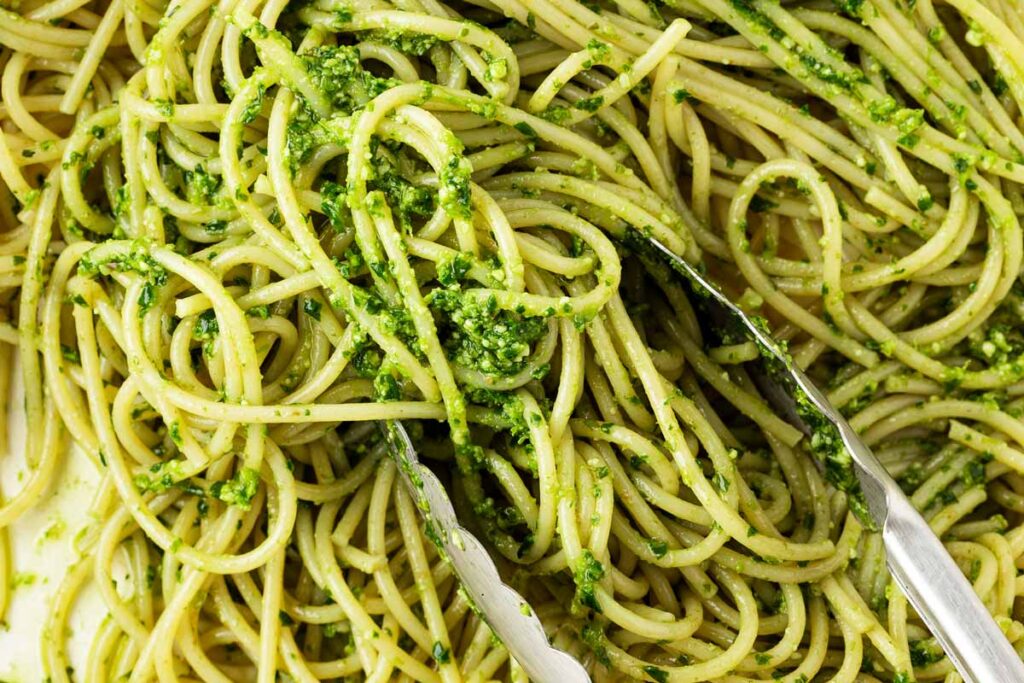
For four people: pound two garlic cloves with a pinch of coarse salt in a marble mortar until smooth. Add 30g pine nuts and grind to a paste. Add 60g of fresh basil leaves in batches, pressing and rotating until you have a green paste. Stir in 60g of grated cheese (three parts Parmigiano, one part Pecorino). Stream in 80–100ml of Ligurian extra virgin olive oil while stirring. Season to taste.
Cook 400g of trofie or trenette in well-salted water. Reserve one cup of pasta water. Toss the drained pasta with the pesto in a bowl, loosening with pasta water until the sauce coats every piece. Serve immediately, with extra grated cheese at the table.
That’s it. That’s the whole thing. José Villalobos has tested this recipe more times than he can count, adjusted ratios across batches, used it to feed family and neighbors, and compared results with versions eaten across Liguria and in Italian-American communities from Sacramento to New York. The recipe above is where I landed — balanced, true to the original, and achievable in a home kitchen.
Pesto genovese is not a complicated sauce. But it is an unforgiving one — every ingredient shows up in the final flavor, and there’s nowhere to hide a bad olive oil or an overripe basil leaf. Get the ingredients right, respect the process, and it will reward you every single time.
Back to the full Italian pasta sauces guide
Frequently Asked Questions
Can I use a food processor or blender instead of a mortar and pestle?
You can, but you’ll get a different result. High-speed blades heat the basil and oxidize it, turning the sauce bitter and metallic. A mortar and pestle keeps everything cool and creates that textured, unctuous paste. If you must use a processor, pulse gently and work quickly.
Where can I find Basilico Genovese DOP basil, and is it really necessary?
Look for it at Italian specialty stores or order online. Yes, it matters — the small leaves are sweeter and less anise-heavy than standard supermarket basil. That said, if it’s unavailable, use the freshest basil you can find and accept your pesto will taste slightly different from the Ligurian version.
Should pesto be mixed into hot pasta or kept cold?
Mix it with pasta that’s still warm but not piping hot. The residual warmth helps it coat the noodles without cooking the basil. Then finish with a splash of pasta water to loosen it slightly. Never dump hot pesto directly on boiling pasta.
What’s the difference between pine nuts and other nuts in pesto?
Pine nuts have a buttery, delicate flavor that dissolves slightly into the sauce. Walnuts or almonds create a different texture and taste, more astringent. Historically, Ligurian pesto used pine nuts when affordable, walnuts otherwise. Use what fits your budget and taste.
How long does homemade pesto keep, and can you freeze it?
It keeps about a week in the fridge in an airtight container. For freezing, omit the cheese, freeze the basil mixture, and stir in fresh grated Parmigiano after thawing. The cheese doesn’t freeze well and tastes better when added fresh.
Written by José Villalobos
José Villalobos is a food writer and the founder of Calitalia Food. He grew up in Valparaíso, Chile, where his grandmother Julia cooked Italian food daily from memory and instinct. Based in Sacramento, California, he visits local Italian markets weekly and writes about ingredients, sauces, and regional food culture with the kind of detail that comes from years of sourcing, testing, and eating. Every product he recommends, he has personally bought and tested.