What is polenta? Ask that question at a dinner table in Milan or a farmhouse in Friuli, and you might get a long pause — not because the answer is complicated, but because for northern Italians, polenta simply is. It’s the bowl you come home to. It’s the thing that gets poured onto a wooden board on a cold Tuesday in January when nothing else sounds right.
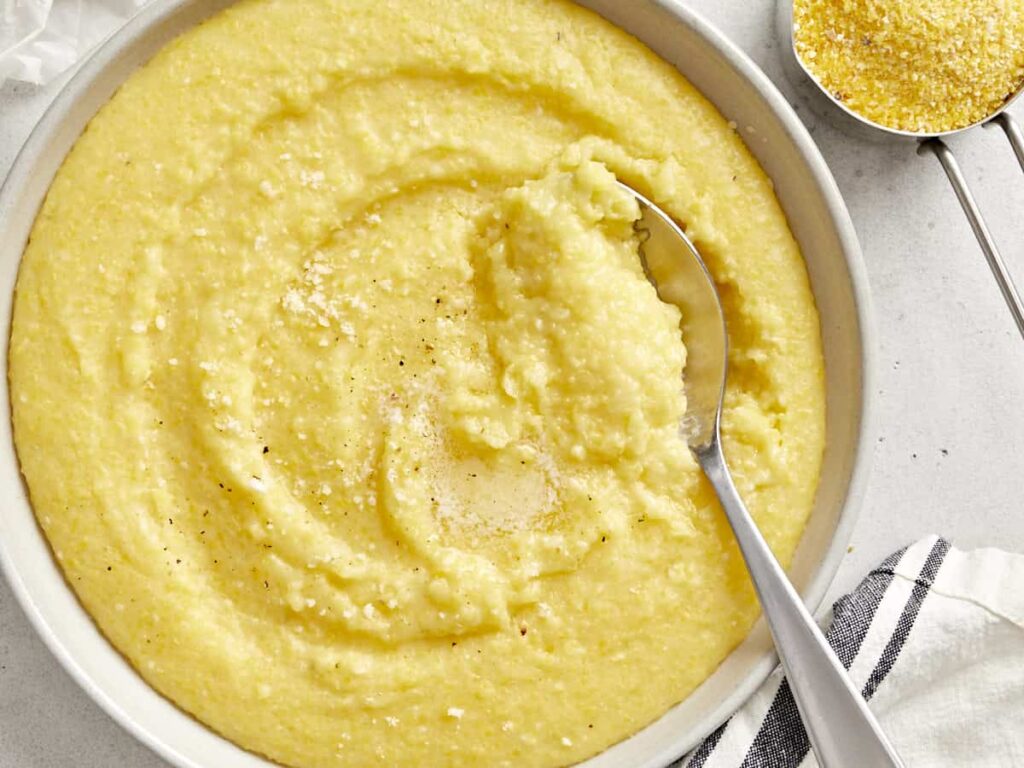
Polenta is coarsely ground cornmeal cooked low and slow in salted water or broth until it becomes either a thick, creamy porridge or a firm slab you can slice, grill, or fry. It is, alongside pasta and rice, one of the foundational carbohydrates of the Italian table — and in the north, many would argue it outranks the other two.
I’m José Villalobos, a Chilean-American food writer based in Sacramento, California, and polenta has followed me through most of my eating life. My grandmother Julia cooked Italian food in Valparaíso, Chile — a city with deep Italian immigrant roots — and her pot of polenta on the stove was as reliable as the fog rolling off the Pacific. Coming to it now as an adult, visiting the Sacramento Italian market weekly, testing brands, and traveling through the Italian regions where polenta is a birthright, I can tell you: this is a dish worth understanding properly.
The History of Polenta: Older Than Corn Itself

Here’s the part that surprises most people. Polenta is not originally a corn dish. The word comes from the Latin pollen, meaning fine flour, and before that, the Roman puls or pulmentum — a thick, dense grain mush eaten by soldiers and poor families throughout the ancient world. The Sumerians were making versions of it with millet and rye. Roman legions carried it on campaign, flavoring it with herbs, hard cheese, or whatever scraps of meat were available. It was peasant food in the most essential sense: calorie-dense, cheap to produce, and endlessly adaptable.
The corn version — the polenta we know today — arrived with the Columbian Exchange in the 16th century. Corn, called mais or granoturco (Turkish grain, because anything foreign got called Turkish) found a home in northern Italy’s Po Valley, Veneto, Lombardy, Friuli, and Piedmont with almost suspicious ease. The climate suited it. The soil suited it. And by the 17th century, corn had replaced farro, spelt, chestnut flour, and most other grains as the primary ingredient in polenta because it yielded more per acre on poor soils and cost next to nothing to grow.
Friuli, in particular, took to it the fastest — records show cornmeal polenta integrating into local food culture almost immediately after 1550. What started as a survival food in harsh mountain winters became, over generations, the regional identity food of northern Italy. Italian immigrants carried it to southern Brazil, Argentina, and Chile, which is exactly how my grandmother Julia ended up making it in a port city on the Pacific coast of South America, a thousand miles from the Po Valley.
Why the North and Not the South?
Polenta is fundamentally a northern Italian food, and there’s a practical reason for that. Corn thrives in the flat, irrigated farmland of the Po Valley and in the cooler alpine foothills of Veneto and Lombardy. In the south — Sicily, Calabria, Sardinia, the places I’ve traveled to — the climate is drier, the terrain rockier, and durum wheat for pasta and bread dominates. When I visited Calabria, the food I tasted was deeply pasta-forward, with ‘nduja and dried peppers doing the heavy lifting. Polenta existed in pockets, but it wasn’t the soul food it is in the Veneto. Geography shapes cuisine, and in this case, it shaped an entire cultural divide.
How Polenta Is Made: The Method Matters
The traditional method is not fast. That’s the first thing to accept. Real polenta takes 40 to 60 minutes of stirring, and there is no shortcut that produces the same result. Here’s the process broken down clearly.
The Cornmeal
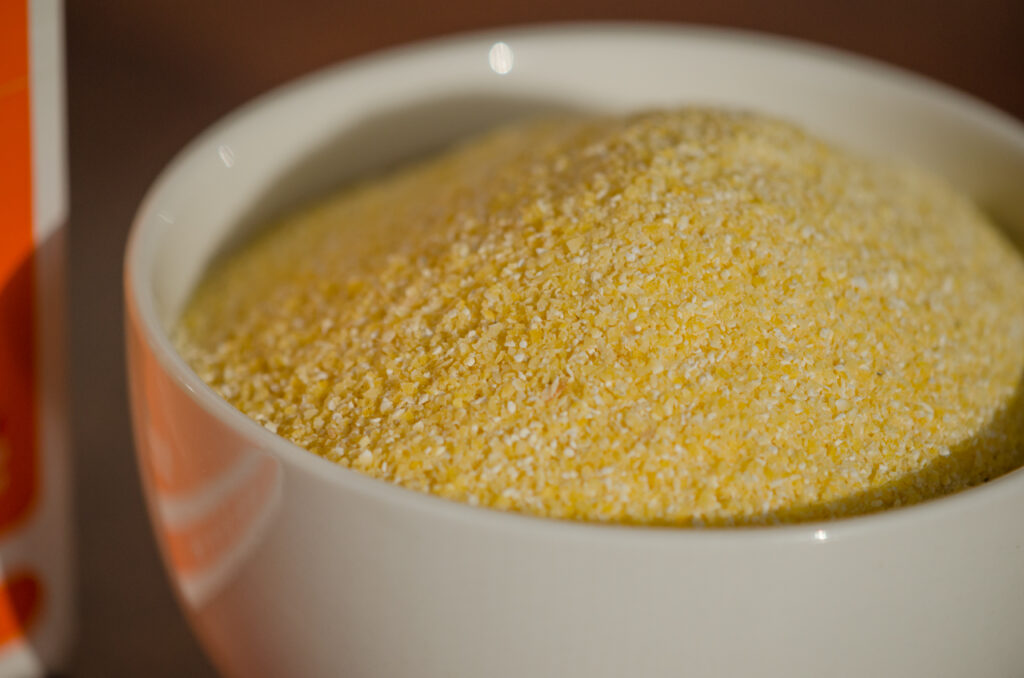
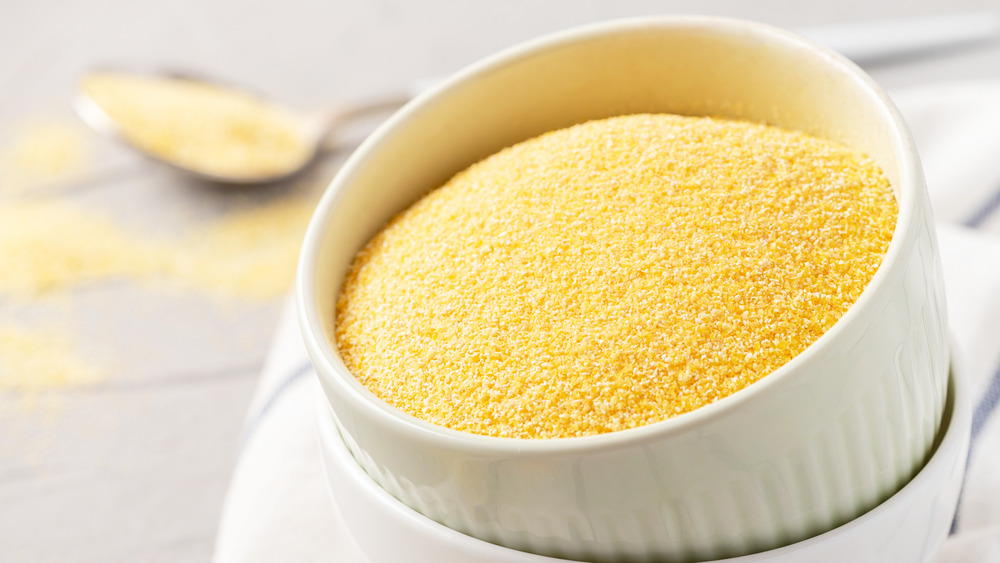
Traditional polenta uses coarsely stone-ground cornmeal, called farina di mais in Italian. The most common type for classic polenta is polenta bramata — coarse-ground, golden or sometimes white, with a rough, granular texture that cooks into something with real body and character. You’ll also find fioretto, a finer grind that produces a silkier result, and integrale, a whole-grain option with more earthiness. For most applications, bramata is the standard.
At the Sacramento Italian market, I’ve compared several brands side by side, including imported Italian options and domestic stone-ground alternatives. The difference between a mass-produced, steel-roller-milled cornmeal and a proper stone-ground Italian import is not subtle. Stone-ground retains more of the corn’s natural oils and flavor. The coarser texture cooks unevenly in a good way — some bits absorb faster than others, creating layers of texture in the finished bowl.
The Ratio and Process
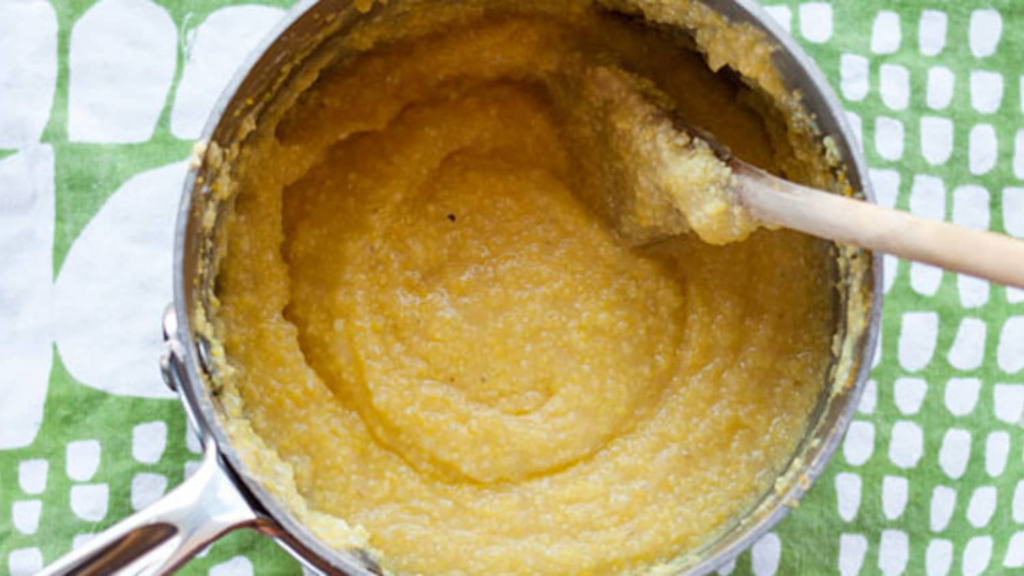
The standard ratio is four to five parts liquid to one part cornmeal. Use salted water, or go further and use chicken broth, vegetable broth, or a combination. Bring the liquid to a boil, then add the cornmeal in a slow, steady stream while whisking constantly to prevent lumps from forming at the start. Reduce the heat to medium-low and switch to a wooden spoon. Stir regularly — not necessarily without stopping, but often enough that the bottom doesn’t scorch. Over 40 to 60 minutes, the polenta will thicken, become glossy, and eventually pull away from the sides of the pot. That’s when it’s done.
Finish it with butter, good olive oil, or grated Grana Padano. Season aggressively with salt. Taste it before you assume it needs nothing else — cornmeal absorbs a lot of salt during cooking and often needs more than you expect.
Creamy vs. Firm: Two Different Dishes
What you do next determines what kind of polenta you’re serving. Pour it into bowls immediately and top it with something good and you have polenta morbida — soft, creamy polenta, the comfort food version. Pour it onto a wooden board or into a lined baking dish, smooth it out, and let it cool for an hour or more and you have polenta ferma — firm polenta that you can slice, grill, bake, or fry. Both are legitimate. Both are traditional. Choosing between them is a question of what you’re serving and how you want to eat.
My grandmother Julia always poured hers onto a board. She’d let it cool, slice it with a length of kitchen string — the traditional Italian method called tarigna — and fry the slices in olive oil until the edges went crisp and golden. I ate those slices standing at her kitchen counter, and I have not stopped thinking about them.
How to Use Polenta in Your Kitchen
As a Creamy Base
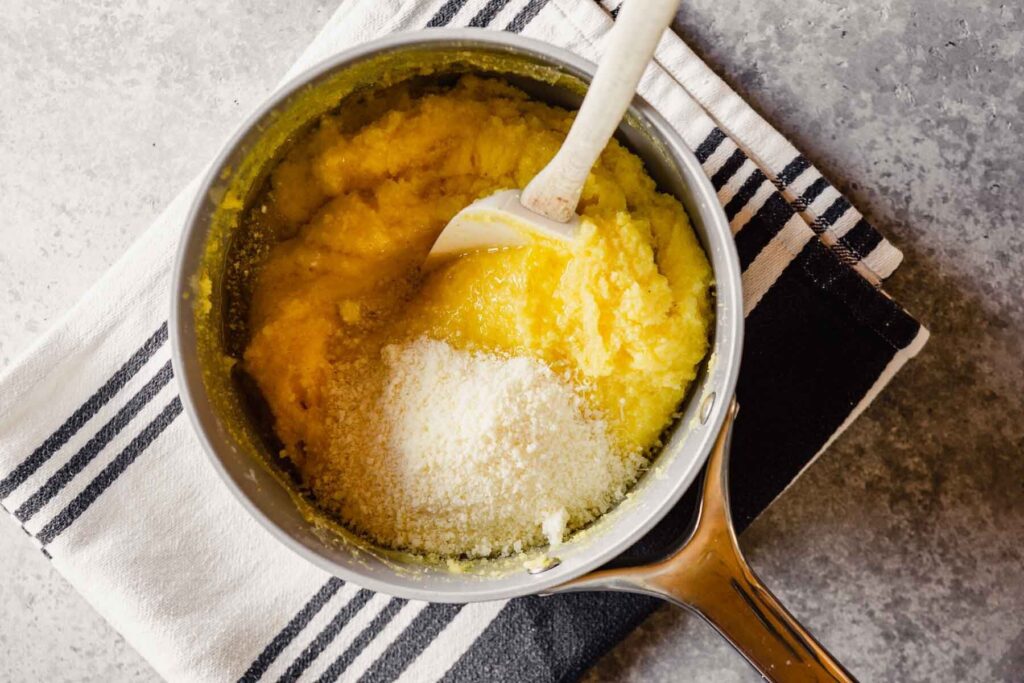
Soft polenta is one of the best platforms for braised meats that Italian cooking produces. Spoon a slow-cooked ragù of beef, wild boar, or sausage over a wide bowl of creamy polenta and you have a complete meal that costs almost nothing and tastes like it took all day — because it did, and that’s the point. Mushroom ragù with funghi porcini is a classic alternative. Gorgonzola stirred directly into the hot polenta at the end of cooking melts in and adds a sharp, funky richness that pairs beautifully with anything bitter, like braised radicchio.
As a Firm, Sliceable Slab
Chilled, firm polenta slices are one of the more underused tools in home cooking. Grill them until you get char marks and serve them under vegetables, braised greens, or fish. Bake them layered with cheese and tomato sauce the way you’d make a rough lasagne. Fry them in butter for polenta concia — a Lombard specialty where the fried slices get finished with melted butter and aged cheese until they’re borderline obscene. After testing several approaches side by side, the one that consistently impressed was frying in a combination of butter and olive oil over medium-high heat, letting each side go a full three to four minutes without moving so a genuine crust can form.
In Baking and Desserts
Polenta has a place in sweets too, though it’s less discussed. Polenta e latte — polenta with warm milk and a little sugar — is a traditional breakfast or children’s meal throughout northern Italy, something between porridge and pudding. Finely ground cornmeal works its way into Italian cakes, particularly in the Veneto and Lombardy, where polenta flour gives pound cakes and almond cakes a slightly grainy, fragrant crumb that all-purpose flour can’t replicate.
How to Buy Polenta: What to Look For
The label matters. Look for farina di mais macinata a pietra — stone-ground corn flour. The word polenta on the package is a good sign, but not sufficient on its own. Avoid anything labeled “instant” or “quick-cooking” if authenticity is your goal. Instant polenta is precooked and dehydrated; it rehydrates in five minutes but produces a gummy, flat result that has very little to do with the real thing.
For grain size, bramata (coarse) is the most traditional and gives the most textured result. Medium grind works for everyday cooking. Fine grind suits baking or if you want a very smooth, almost polenta-cream consistency.
Certified Varieties
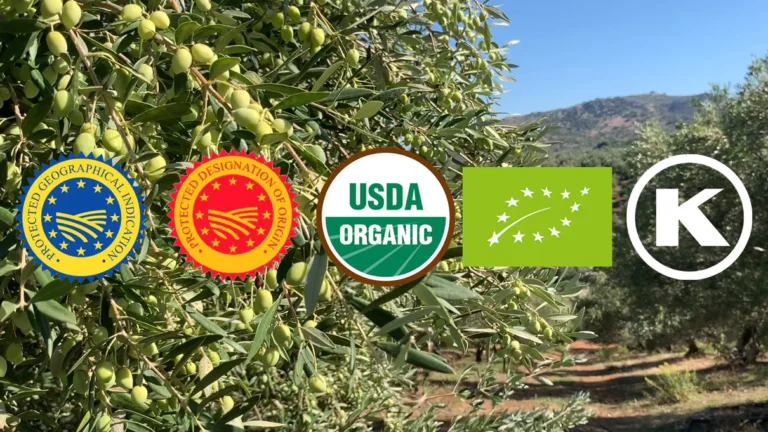
Italy has no single pan-Italian DOP or IGP designation covering all polenta, but specific flours carry certification. Farina di Mais Ottofile IGP, produced in Lombardy and Veneto from eight-row heirloom corn varieties, is one of the most respected. The eight-row corn produces a more intensely flavored, slightly sweeter meal than commodity varieties. If you find it, buy it. The one I keep in my kitchen currently is an imported stone-ground bramata from a small Veneto mill — coarser than most domestic options, with a deep golden color and a genuinely corny smell right out of the bag.
At the Sacramento Italian market, I’ve compared several brands including domestic and imported, and the imports from northern Italian mills consistently have more flavor complexity in the dry meal itself, before you even cook it. That’s the stone-grinding at work — it preserves more of the germ and the oils.
How to Store Polenta
Dry cornmeal is shelf-stable but not indefinitely so, particularly stone-ground varieties. Because stone-grinding retains the germ, the natural oils can go rancid if stored improperly. Keep dry polenta in an airtight container, away from heat and direct light. In a cool pantry, it’ll last three to six months. In the refrigerator, up to a year. If it smells musty, sour, or off in any way, discard it — stale cornmeal produces flat, bitter polenta no matter how carefully you cook it.
Cooked polenta stores well in the refrigerator for up to five days. Let it cool completely, then wrap or store in a sealed container. It will firm up significantly — this is exactly what you want for frying or grilling later. Reheat creamy polenta gently on the stovetop with a splash of water or broth, stirring as it warms, and it’ll come back close to its original consistency.
Common Polenta Mistakes (and How to Fix Them)
Adding the Cornmeal All at Once
If you dump it in, it clumps. Always add cornmeal to boiling water in a slow, steady stream while whisking. Once it’s all incorporated and you’ve switched to a wooden spoon, the risk of major lumping is over.
Cooking It Too Fast
High heat causes polenta to bubble aggressively and scorch on the bottom before the interior is fully cooked. Medium-low heat, patience, and regular stirring are the method. Forty minutes is not a long time when you’re making something this good.
Under-Salting
Polenta needs salt, and it needs more than you think. Salt the water generously before adding the cornmeal, then taste and adjust at the end. Bland polenta tastes like paste. Properly salted polenta tastes like food.
Using Instant When You Have Time
There are moments when instant polenta makes sense — a weeknight when you have twenty minutes and a good ragù already made. But if you have an afternoon, use real polenta. The difference in texture and flavor is not marginal. My grandmother Julia never owned a box of instant polenta in her life, and her version of the dish is the one I’m still trying to match.
Letting It Sit Without Stirring at the End
Polenta skins over fast. If you’re not serving it immediately, keep it covered and stir it every few minutes, or float a thin layer of water or broth on top to prevent a crust from forming on the surface.
Polenta is one of those dishes that rewards attention without punishing beginners. The technique is simple, the ingredients are minimal, and the results — done right — are genuinely moving. It connects to something very old, something that fed people through hard winters for centuries before any of us were cooking. Whether you’re starting with a bowl of creamy polenta under a slow-cooked ragù or frying cold slabs in butter at midnight, you’re participating in that history. That’s a good feeling.
— José Villalobos, Sacramento CA
Back to the full Italian pantry guide
Frequently Asked Questions
Why did corn polenta become so dominant in northern Italy specifically?
The Po Valley’s climate and soil were ideal for corn cultivation, and it produced higher yields on poor soils compared to farro or spelt. By the 17th century, corn had completely replaced other grains because it was cheap to grow and abundant. Friuli adopted it fastest after 1550, making it integral to regional identity within generations.
Can you make polenta with non-corn grains like the Romans did?
Absolutely. Before corn arrived, Romans and ancient cultures made polenta-style dishes with millet, rye, and other grains. You can replicate this approach using polenta cornmeal substitutes, though the cooking time and texture will vary. The technique — slow cooking coarse grain flour into thick mush — remains the same regardless of grain.
What’s the texture difference between creamy polenta and sliceable polenta?
Creamy polenta has more liquid and stays soft, served immediately from the pot like porridge. Sliceable polenta cools and sets firm enough to cut into pieces, then grill or fry. The difference comes down to liquid ratios during cooking — less water creates the firm version.
Does polenta quality depend on the cornmeal brand or where it’s from?
Yes. Stone-ground cornmeal from reputable Italian producers tastes noticeably better than instant or highly processed versions. The grinding method affects flavor and texture. I test brands weekly at my Sacramento Italian market — fresher, coarser cornmeal produces superior results than mass-produced alternatives.
Why is polenta considered more important than pasta in northern Italy?
Polenta is deeply embedded in northern regional identity and tradition. It’s comfort food tied to specific seasons, geography, and family memory — something people eat year-round rather than as a special occasion dish. For many northerners, it represents home in a way pasta doesn’t.
Written by José Villalobos
José Villalobos is a food writer and the founder of Calitalia Food. He grew up in Valparaíso, Chile, where his grandmother Julia cooked Italian food daily from memory and instinct. Based in Sacramento, California, he visits local Italian markets weekly and writes about ingredients, sauces, and regional food culture with the kind of detail that comes from years of sourcing, testing, and eating. Every product he recommends, he has personally bought and tested.