If you want to understand the best extra virgin olive oil, stop looking at supermarket endcaps and start paying attention to what actually ends up on Italian tables. Not the pretty bottles with Tuscan landscapes printed on them. Not the stuff sitting in a clear glass bottle under fluorescent lights. The real thing — and there is a real thing — has a smell that stops you mid-pour, a color somewhere between green and gold, and a pepper finish at the back of your throat that tells you the polyphenols are doing their job.

I’m José Villalobos, and I’ve been chasing that finish for most of my adult life. My grandmother Julia cooked Italian food in Valparaíso, Chile, and she treated olive oil like a living ingredient — something with a personality, not just a cooking fat. That obsession followed me to Sacramento, where I’ve spent years testing, tasting, and honestly, occasionally pouring bad oil down the drain without apology.
This guide covers everything: what extra virgin olive oil actually is, where it comes from, how it’s made, and exactly how to find a bottle worth buying. Let’s get into it.
What Is Extra Virgin Olive Oil, Really?
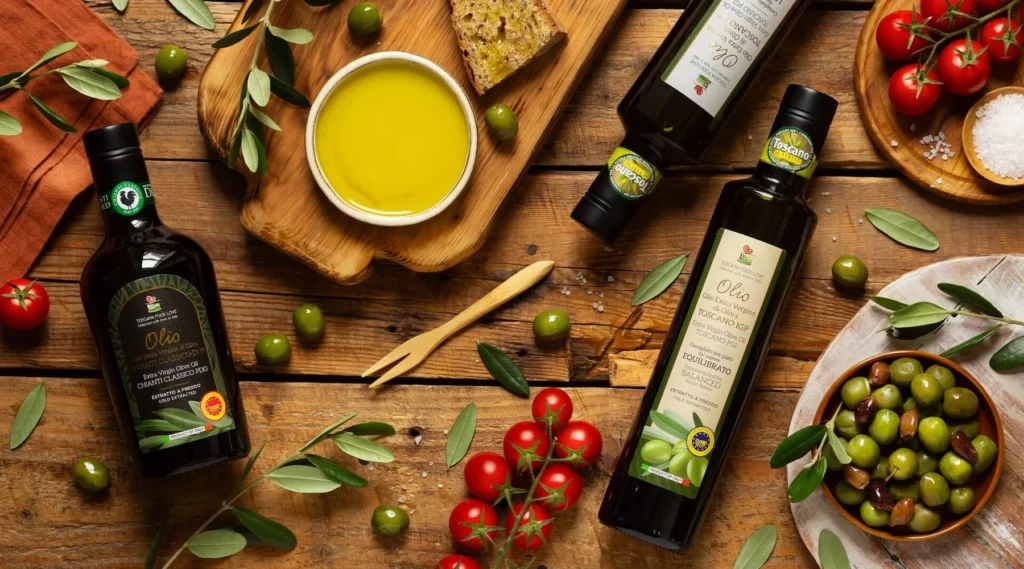
The phrase gets thrown around so loosely that it’s started to lose meaning. Here’s what it actually means: extra virgin olive oil is the highest grade of olive oil, produced solely by cold-pressing fresh olives without any chemical processing or heat treatment. No solvents. No refining. No tricks. The oil that comes out of the press is what you get.
To be legally classified as extra virgin, the oil must have a free acidity of no more than 0.8%, and it has to pass both chemical tests and an official sensory evaluation — meaning trained tasters must confirm it has no defects and shows genuine fruity character. That second part is important. An oil can technically pass the chemistry and still taste like wet cardboard if it’s been stored poorly or pressed from overripe fruit. Acidity numbers alone don’t tell the whole story.

What separates great EVOO from merely acceptable EVOO is polyphenol content. These are the natural antioxidants that develop when olives are harvested at the right moment — slightly early, still with some green on them — and pressed quickly. Oils with polyphenol counts above 250 mg/kg have genuine bitterness and that characteristic throat burn. Below that, you’re drinking something pleasant but nutritionally ordinary. The chemistry and the flavor point in the same direction: early harvest, fast pressing, proper storage.
The Grades You’ll See on Labels
- Extra Virgin: Cold-pressed, no defects, acidity below 0.8%. The only grade worth buying for finishing and flavor.
- Virgin: Also cold-pressed, but with minor sensory defects and acidity up to 2%. Fine for cooking, unremarkable for anything else.
- Refined Olive Oil: Chemically processed to remove defects. Neutral flavor, low nutritional value.
- “Pure” or “Light” Olive Oil: Marketing language for refined oil blended with a small percentage of virgin. Ignore it.
The History Behind Italian Olive Oil
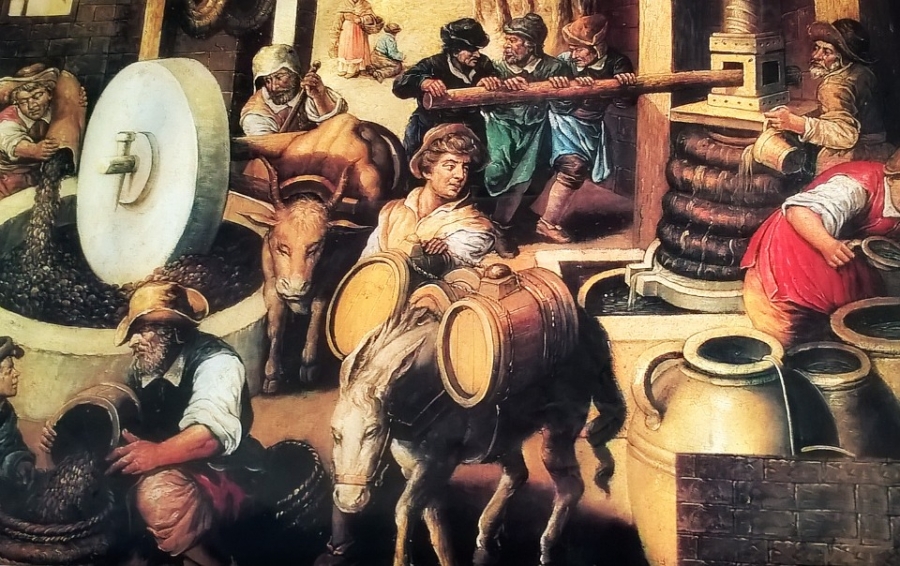
Olive cultivation started with wild trees in Asia Minor — modern-day Turkey — somewhere around 10,000 years ago. By 6,000 to 7,000 years ago, farming communities across the eastern Mediterranean were cultivating olives deliberately, mostly for lamp fuel and cosmetics before culinary use took hold around 1500 BCE. Italy’s relationship with the olive goes back to at least the third millennium BC, and once Rome got involved, the whole thing scaled up dramatically.
Romans weren’t casual about olive oil. They consumed up to 20 liters per person annually, built trade networks that moved oil from Italy across the empire, and wrote extensively about pressing techniques and quality grades. Pliny the Elder, writing in the first century AD, declared Italian oils the finest in the Mediterranean. That wasn’t pure patriotism — Italy’s varied climate, diverse olive varieties, and accumulated knowledge genuinely produced exceptional results. Homer called it liquid gold. The Romans called it essential.
The ancient pressing equipment — stone mills called trapetum, wooden screw presses — has evolved into modern oxygen-free vacuum mills that minimize oxidation from the moment the olive is crushed. The vocabulary stuck, though. Walk into any Italian oil mill today, and you’ll hear frantoio (the mill itself), molitura (the grinding), and estrazione (the extraction). The words are old. The obsession with quality is older.
My grandmother Julia always said that Italian food isn’t complicated — it’s just made with things that have centuries of intention behind them. Olive oil is the clearest example of what she meant.
Italy’s Oil Regions — Why They Taste Different
Italy produces more olive oil than almost anywhere on earth, and the range of flavors is genuinely staggering. Region, variety, altitude, harvest timing, soil type — all of it shows up in the glass. This isn’t marketing language. It’s the same logic as wine terroir, and it’s just as real.
Puglia
Puglia is the engine of Italian olive oil production, accounting for a massive share of the country’s total output. The oils here tend to be bold and fruity, with a pronounced olive character. Varieties like Ogliarola and Peranzana produce monovarietal oils — meaning single-variety, like a single-vineyard wine — that let the fruit’s personality come through clearly. When I visited Calabria and traveled nearby into Puglia’s production zones, the freshly pressed oil I tasted had an intensity that most supermarket bottles can’t touch. The Terre di Bari DOP designation is one to know.
Tuscany
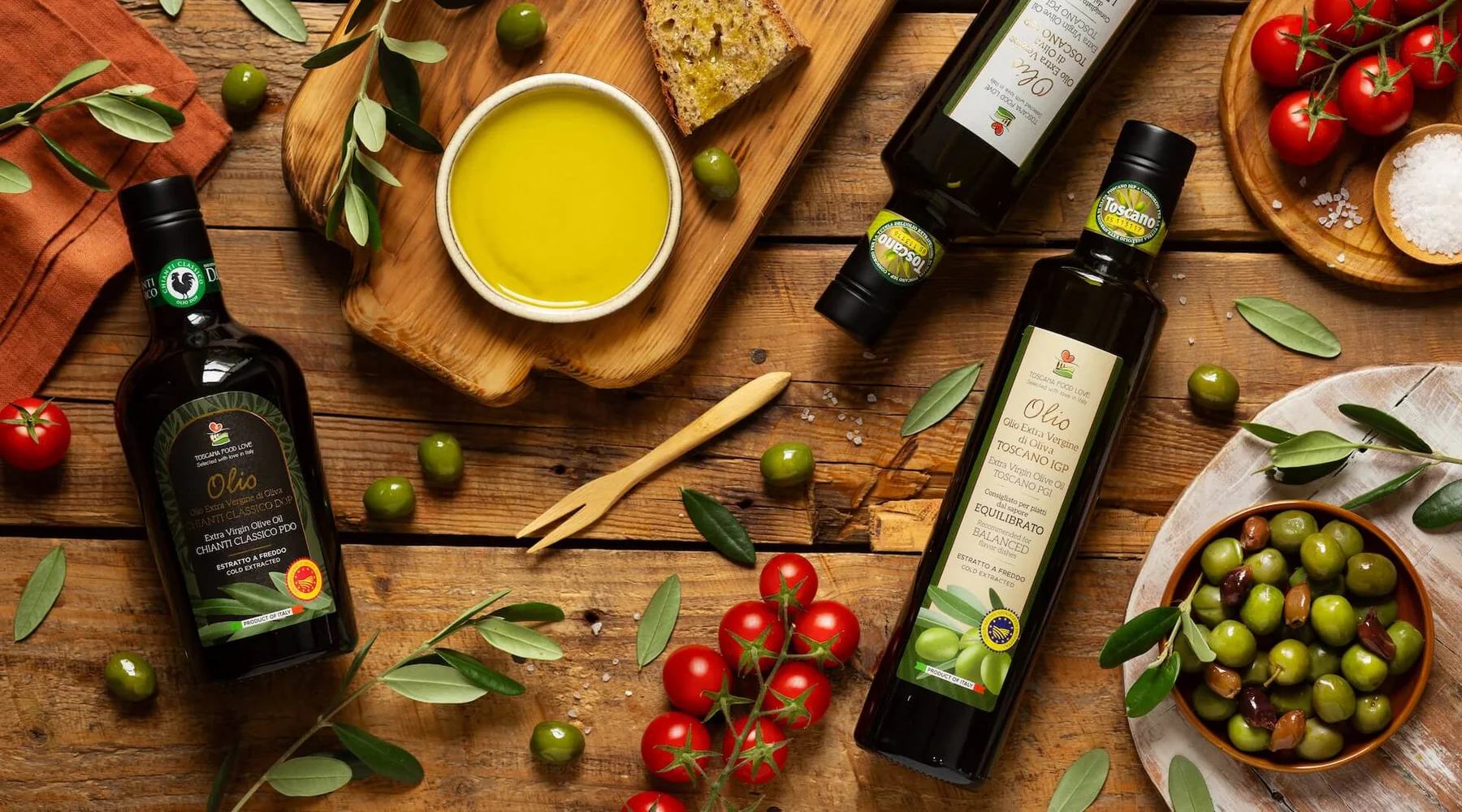
Tuscan oils from Frantoio and Leccino olives are the archetype most people picture when they think of Italian EVOO — peppery, grassy, with a clean bitterness that works beautifully on bread or vegetables. The Toscano DOP is one of Italy’s most recognized protected designations. These oils tend to be more expensive because Tuscany’s mountainous terrain makes harvesting harder, but the quality ceiling is very high.
Liguria
Ligurian oils are a completely different register — delicate, with herbal, almost floral aromas. The Taggiasca olive is tiny and low-yielding, which drives prices up, but the oil is exceptional for fish, light pasta dishes, and any place where you don’t want the oil to overpower the food. When I visited Liguria, I understood immediately why this is the oil that goes into pesto. It complements instead of competing.
Sicily and Calabria
Sicilian and Calabrian oils are among my personal favorites — intense, green-forward, with a hit of bitterness that announces itself. The Nocellara del Belice variety from Sicily is famous both as a table olive and as a pressing olive. Calabria’s Ottobratica, harvested in October, produces oils with real structural complexity. After testing these side by side with more neutral supermarket blends, the difference isn’t subtle. It’s the difference between listening to a live instrument and a recording made in a parking garage.
Sardinia
Sardinian oils often fly under the radar, but they shouldn’t. The island’s ancient olive groves — some trees over a thousand years old — produce oils with a distinctive minerality. The Bosana variety in particular makes oils that are simultaneously robust and surprisingly elegant.
How Extra Virgin Olive Oil Is Made
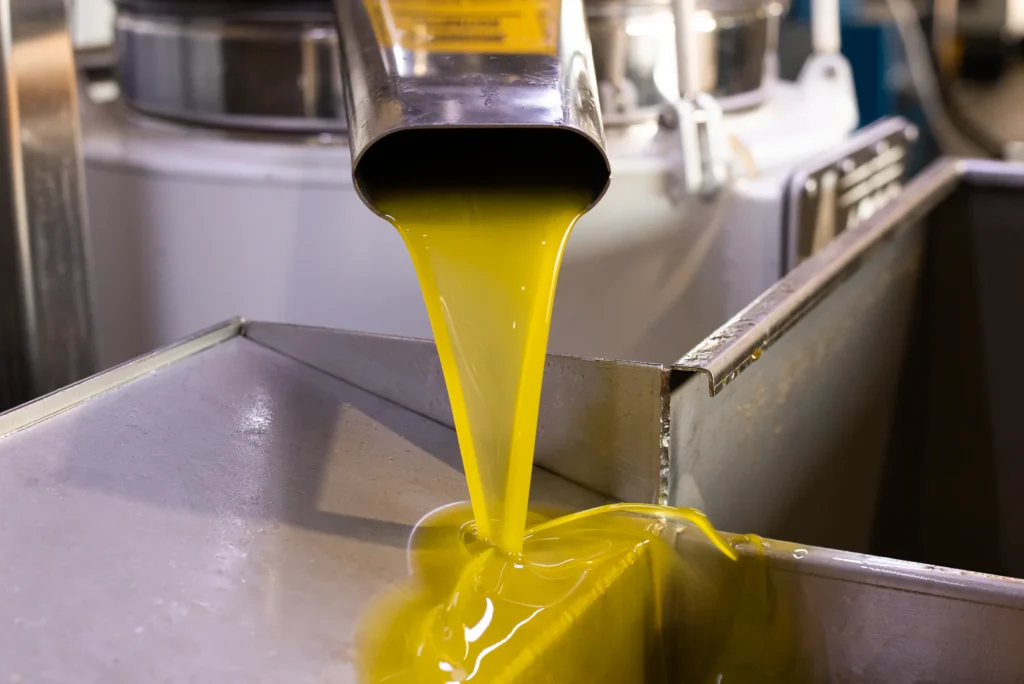
Good oil starts with healthy olives harvested at the right moment — typically when about 20 to 30 percent of the fruit has begun to turn from green to violet. Wait too long, and the polyphenols drop, the acidity rises, and you lose the flavors that make EVOO worth buying. The window is narrow, which is why serious producers harvest quickly, often by hand in steep terrain.
After harvest, olives go to the frantoio within hours — ideally the same day. Delay causes fermentation and defects. The fruit is washed, then crushed (modern mills use stainless steel hammers or discs rather than old stone mills, though some artisan producers still use stone for aesthetic and arguably flavor reasons). The crushed paste is then malaxed — slowly stirred — to help oil droplets coalesce before extraction.
Cold pressing means the extraction happens below 27°C (about 80°F). Above that temperature, yield increases but volatile aromatics and polyphenols degrade. The best producers accept lower yield to protect quality. The oil is then separated from water and solids, typically by centrifuge, filtered or left unfiltered depending on style, and moved into tanks for storage before bottling.
Unfiltered oils look cloudy and have a slightly different character — some people love the rustic intensity, though they also go rancid faster. Filtered oils are cleaner and more stable. Neither is definitively better; it depends on what you’re using it for and how fast you’ll go through a bottle.
How to Buy the Best Extra Virgin Olive Oil
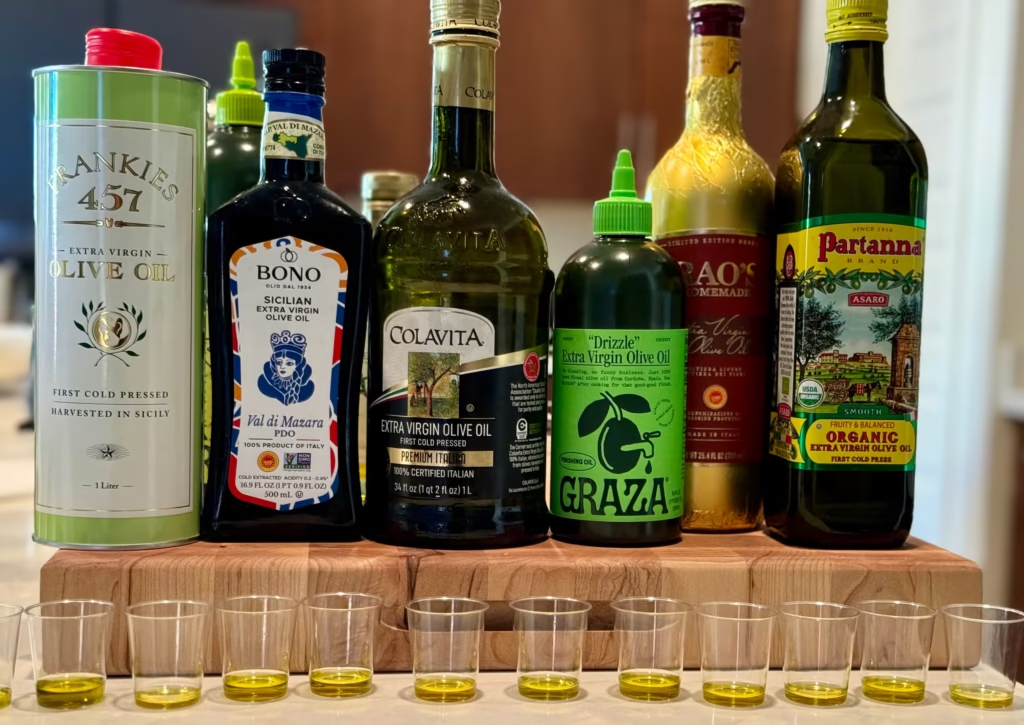
This is where most people get tripped up, and honestly, the olive oil industry has made it easy to get tripped up. Fraud and mislabeling have been documented extensively — oils labeled Italian that were pressed in Spain or Tunisia, “extra virgin” oils that fail sensory tests, harvest dates that are vague or absent. Here’s what to actually look for.
Check the Harvest Date, Not the “Best By” Date
Olive oil doesn’t age like wine. It degrades. A harvest date is what you need — look for oil harvested within the past 12 to 18 months, with bottles pressed post-November of the most recent harvest year. A “best by” date alone tells you almost nothing about freshness.
Dark Glass or Tin Only
Light degrades olive oil faster than almost anything else. Clear glass bottles are a red flag regardless of what’s printed on the label. Good producers use dark green or amber glass, opaque tins, or at minimum black-wrapped bottles. At the Sacramento Italian market, I’ve compared several brands side by side in different packaging, and the ones in clear bottles consistently showed oxidation signs — flat aroma, faint rancidity — even when theoretically “fresh.”
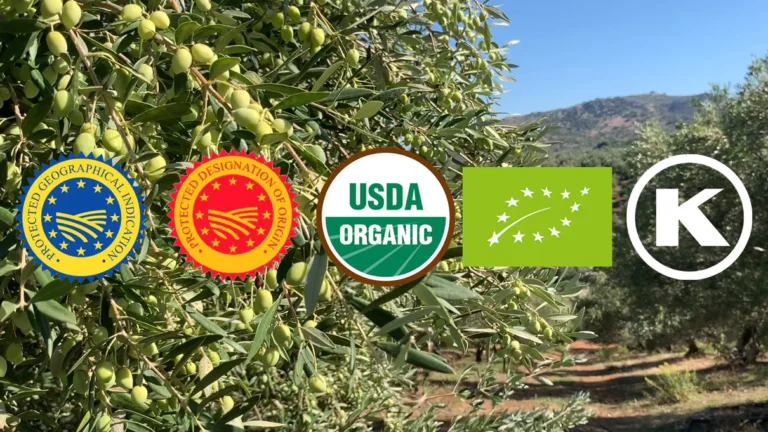
Look for DOP or IGP Certification
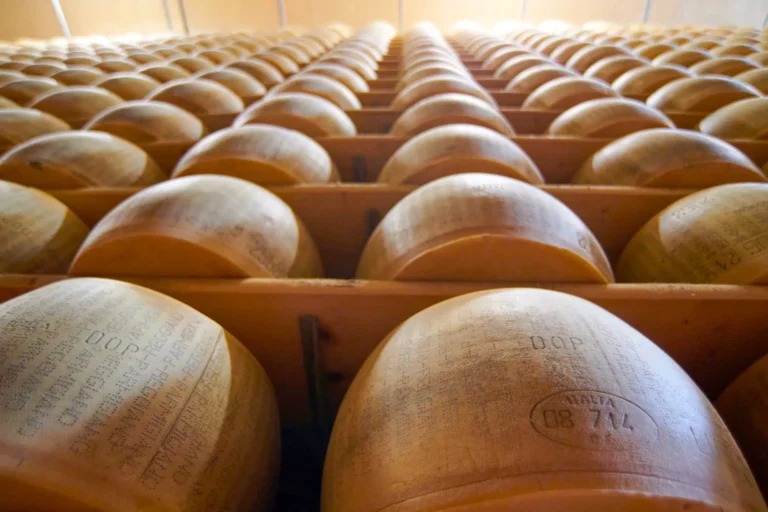
DOP (Denominazione di Origine Protetta) means the oil was produced, processed, and packaged in a specific region according to strict rules governing variety, yield, and method. IGP (Indicazione Geografica Protetta) is somewhat broader but still meaningful. These designations aren’t guarantees of transcendence, but they do provide accountability that generic “Italian olive oil” labels don’t offer.
Brands Worth Knowing
Filippo Berio, founded in 1867 in Lucca, is one of the most recognized Italian names globally. Their signature guarantee and consistent quality make them a reliable starting point, particularly for everyday cooking. For more character, look for Puglian monovarietals from small frantoio producers, or Sicilian oils under the Sicilia IGP designation. The one I keep in my kitchen currently is a Nocellara-based Sicilian oil from a small producer I found at my Sacramento Italian market — green, peppery, almost aggressive in the best way.
Polyphenol Content
Some producers now print polyphenol content on the label, typically measured in mg/kg. Above 250 mg/kg is a meaningful threshold for both flavor intensity and health properties. Above 500 mg/kg puts you in high-polyphenol territory. If a producer is confident enough to print this number, that confidence is usually earned.
How to Use Extra Virgin Olive Oil
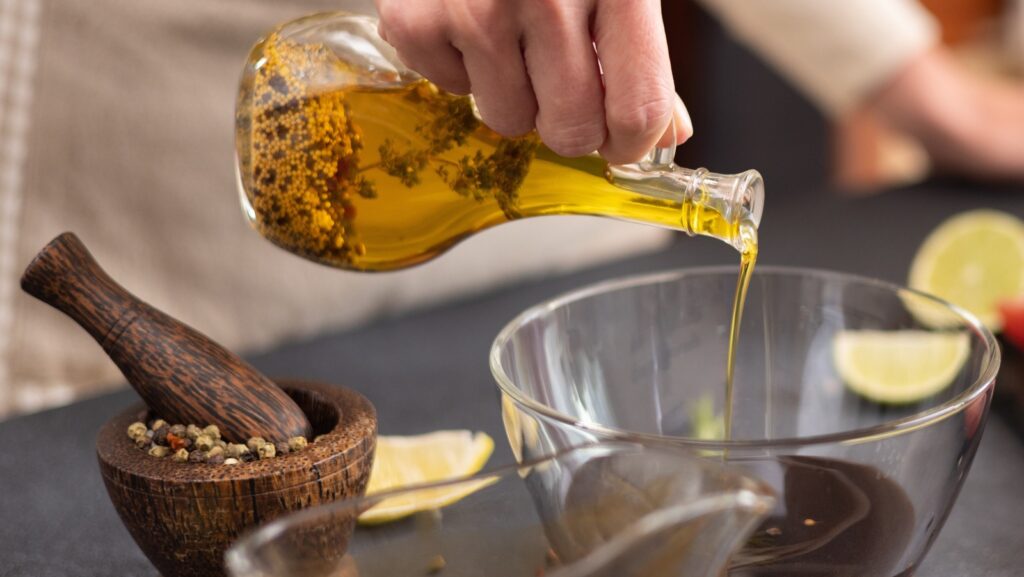
Here’s a thing that gets debated endlessly and shouldn’t: yes, you can cook with extra virgin olive oil. The smoke point of quality EVOO sits between 375°F and 405°F depending on acidity and polyphenol content, which covers sautéing, roasting vegetables, and pan sauces without issue. The idea that you should only use it cold is a myth that benefits cheap refined oil producers more than it benefits your cooking.
That said, the flavors that make exceptional EVOO worth paying for are most present when you use it raw or as a finish. A drizzle over a bowl of ribollita, over fresh ricotta, over grilled fish — that’s where the pepper and the fruit and the green come through. My grandmother Julia finished almost everything with a pour of olive oil right before serving. Not a measured tablespoon. A pour. That habit made more sense the older I got.
Best Uses by Style
- Bold Puglian or Calabrian oil: Bread dipping, bruschetta, bean dishes, grilled meat
- Peppery Tuscan oil: Raw vegetables (pinzimonio), white beans, steak finishing
- Delicate Ligurian oil: Pesto, fish, seafood pasta, light salads
- Sicilian Nocellara oil: All-purpose — works cooked or raw, strong enough for eggplant and caponata
How to Store Extra Virgin Olive Oil
Keep it away from three things: light, heat, and air. A dark cupboard away from the stove is ideal. Not next to the oven. Not on the windowsill. Not in a beautiful glass vessel on the counter that you refill from a larger bottle, which doubles the air exposure every time you open both.
Optimal storage temperature is between 57°F and 65°F — a cool pantry or wine cellar is perfect. Room temperature in a dark cupboard is fine for most homes. The refrigerator is technically acceptable and will extend shelf life, though the oil will turn cloudy and thick when cold; it returns to normal at room temperature without damage.
Once opened, plan to use the bottle within four to six weeks for peak flavor. A larger tin you’re not moving through quickly is better kept sealed with a small pour spout rather than left open between uses.
Common Mistakes People Make with Olive Oil
Buying Based on Price Alone
Neither the cheapest nor the most expensive bottle is automatically the right choice. A $40 boutique oil in a clear bottle stored under a grocery store spotlight is worse than a $18 DOP oil in an opaque tin from a producer with a recent harvest date. Price matters less than packaging, provenance, and freshness.
Keeping It Too Long
After testing multiple bottles that had been sitting in my pantry past the six-month mark, the degradation is real and noticeable. Olive oil doesn’t announce its decline with obvious rancidity the way butter does. It just gets progressively flatter, then slightly waxy, then genuinely unpleasant. Buy less, buy more often.
Using One Oil for Everything
A bold Puglian oil for high-heat cooking and a delicate Ligurian oil for finishing dishes isn’t excessive — it’s practical. The flavor profiles are different enough that using the wrong one can mute a dish rather than lift it. This is exactly what my grandmother Julia understood intuitively: olive oil isn’t one ingredient, it’s a category.
Ignoring the Smell Test
Before you pour, smell it. Quality EVOO should smell like fresh olives, cut grass, green tomatoes, almonds, or some combination of these. If it smells like crayons, old nuts, or nothing at all — it’s gone. Taste confirms it: there should be fruitiness upfront and pepper at the finish. No pepper means low polyphenols. No fruit means oxidation. Trust your nose and your throat.
Treating It as Shelf-Stable Indefinitely
Oil doesn’t spoil the way meat spoils, but it does go rancid, and rancid oil isn’t just flavorless — it carries oxidized compounds you don’t want in your food. An unopened bottle stored correctly has about 18 months from harvest before quality starts dropping significantly. Opened, you have weeks, not months.
The Bottom Line
The best extra virgin olive oil isn’t a single bottle from a single region. It’s whatever has been harvested recently, pressed carefully, stored properly, and brought home in packaging that protected it through all of that. Italy produces extraordinary oils from Puglia to Liguria to Sicily, each with a different personality worth knowing.
After testing dozens of brands side by side over the years — at markets, in kitchens, straight off the press at mills in Calabria and Liguria — the constant is this: freshness and polyphenol content are the two variables that separate memorable oil from forgettable oil. Everything else, the region, the variety, the producer’s philosophy, shapes what kind of memorable it is.
The one I keep in my kitchen right now is a Sicilian Nocellara-based oil, unfiltered, harvested last November, bought from my Sacramento Italian market where I’ve built enough of a relationship to ask when the new harvest stock comes in. That’s not a complicated system. It’s just paying attention. My grandmother Julia paid attention to olive oil her whole life in a port city in Chile, cooking food she’d learned from Italian neighbors, and every dish she made was better for it.
Start with a recent-harvest DOP oil in a dark bottle. Smell it before you pour. Drizzle it on something real. That’s the whole lesson.
Back to the full Italian pantry guide
Frequently Asked Questions
How do I know if an olive oil actually has high polyphenol content when shopping?
Look for harvest date and pressing date on the label — oils pressed within days of harvest from early-picked olives have higher polyphenols. Some producers now list polyphenol counts directly. The peppery throat burn you feel is your body’s reaction to these compounds, so trust your palate. Avoid clear bottles and oils sitting under bright lights, which degrade polyphenols quickly.
Why do some Italian olive oils cost $15 and others cost $60 for nearly the same size bottle?
The difference comes down to harvest timing, olive variety, and production scale. Early harvest oils require more hand-picking and yield less per olive, raising costs. Single-estate producers can’t match industrial pricing. You’re also paying for terroir — oils from specific microclimates command premiums. The most expensive isn’t always best, but the cheapest rarely delivers real quality.
Should I cook with extra virgin olive oil or save it for finishing?
High-quality extra virgin has a lower smoke point than refined oils, so heating it past 350°F wastes its polyphenols and complex flavors. Use refined olive oil for cooking. Save extra virgin for drizzling over soups, finishing pasta, dipping bread, or dressing salads. That’s where you actually taste what you paid for.
How long can I keep olive oil before it goes bad?
Once opened, extra virgin olive oil starts oxidizing. Store it in a dark, cool place — not above the stove — and use it within 6-8 months for best flavor. Unopened bottles last longer if kept away from light and heat. If you notice mustiness or a vinegar smell, the oil has oxidized too far and should be discarded.
What’s the actual difference between Italian, Greek, and Spanish olive oils?
Each region produces distinct flavor profiles based on olive varieties and climate. Italian oils tend toward peppery and herbaceous, Greek oils are often earthier and bolder, Spanish oils run grassy with citrus notes. There’s no single “best” — it depends on what you’re pairing it with. I recommend tasting oils from different regions to find your preference.
Written by José Villalobos
José Villalobos is a food writer and the founder of Calitalia Food. He grew up in Valparaíso, Chile, where his grandmother Julia cooked Italian food daily from memory and instinct. Based in Sacramento, California, he visits local Italian markets weekly and writes about ingredients, sauces, and regional food culture with the kind of detail that comes from years of sourcing, testing, and eating. Every product he recommends, he has personally bought and tested.