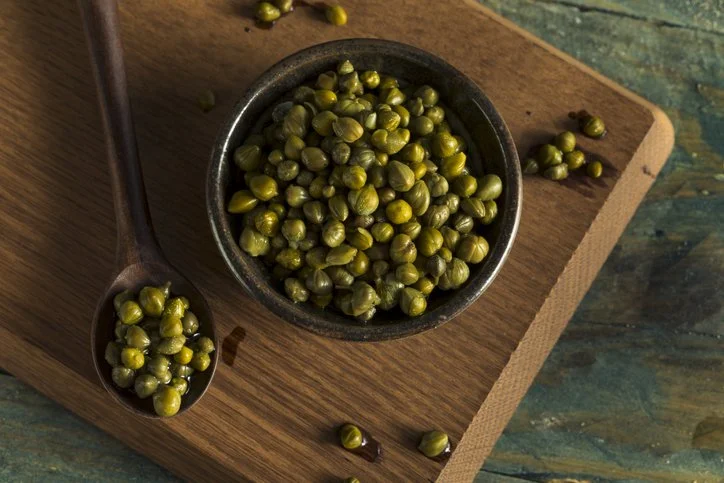
If you’ve ever bitten into a caper and felt that sharp, briny, almost floral punch hit the back of your mouth, you already understand why Italians have been obsessed with these tiny things for thousands of years. But what are capers, exactly? They’re the unopened flower buds of Capparis spinosa, a scraggly perennial shrub that grows wild along Mediterranean coastlines, volcanic hillsides, and even out of ancient stone walls. Pickled in salt or brine, they become one of the most intensely flavored ingredients in Italian cooking — small enough to overlook, powerful enough to define a dish.
I’m José Villalobos, and capers have been part of my food memory since long before I knew what they were called. My grandmother Julia cooked Italian food in Valparaíso, Chile, where she’d learned recipes from Italian immigrants who’d settled along the Chilean coast.
She’d rinse a small handful of salted capers under the tap, give them a squeeze, and fold them into sauces without explanation. They were just there — like olive oil or garlic. It took me years of traveling through Sicily, Sardinia, Liguria, and Calabria to fully understand what she already knew intuitively.
What Are Capers, Really?
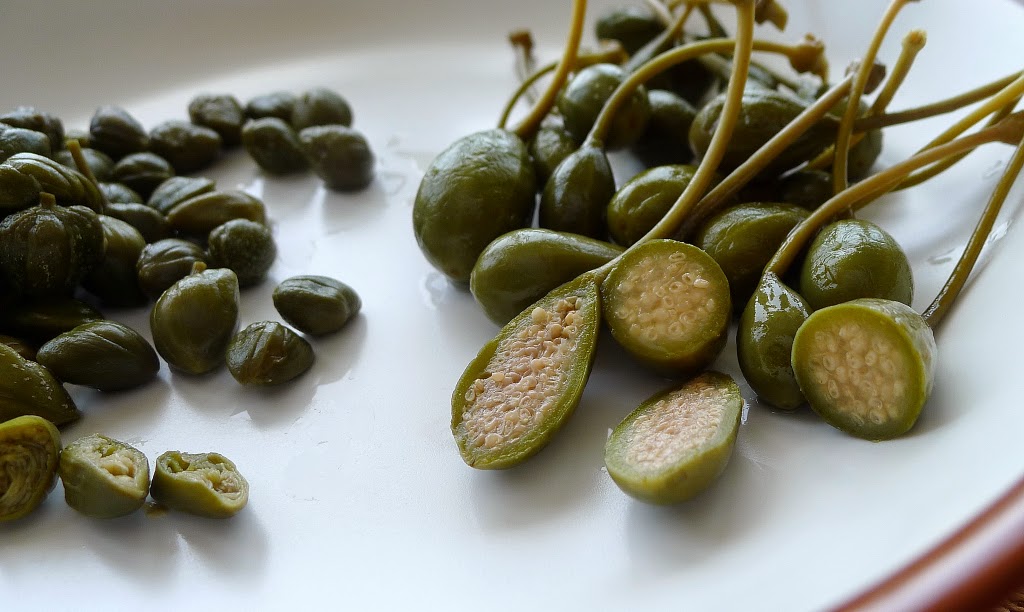
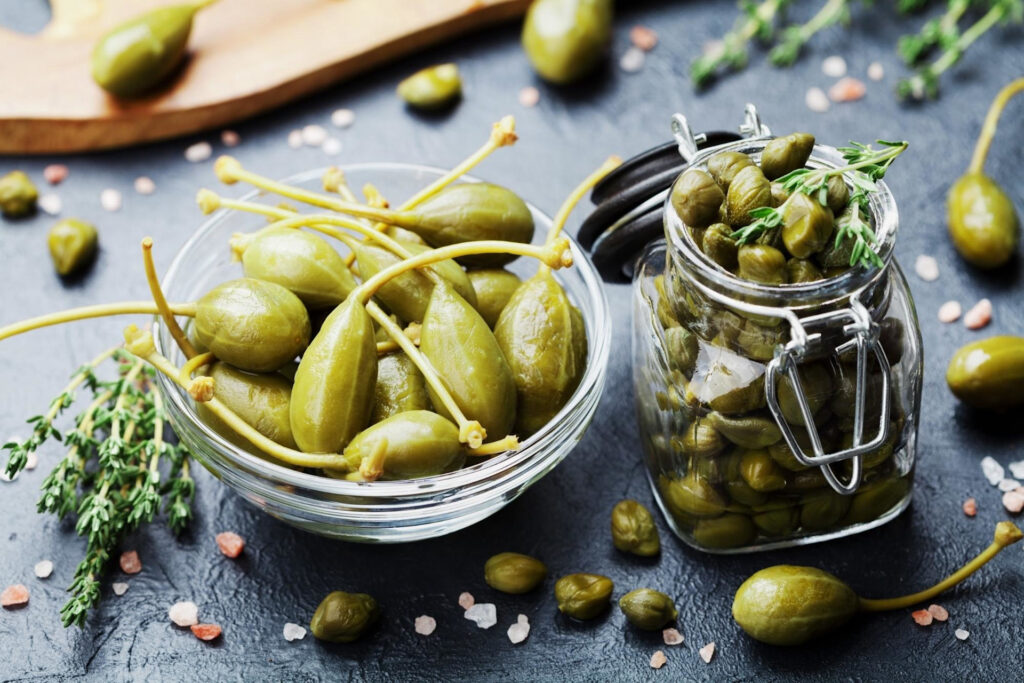
Capers are the tightly closed, olive-green flower buds of Capparis spinosa, harvested before they open and preserved — traditionally in sea salt, sometimes in brine or vinegar. In Italian, they’re called capperi. In Sicilian dialect, the berries that grow after the flower blooms are called cucunci. These are two different things: the bud is the caper, the fruit that follows is the caper berry — larger, milder, often served on antipasto boards.
The plant itself is remarkable. It thrives in poor, rocky soil where almost nothing else will grow — crumbling stone walls, coastal cliffs, the cracks of ancient ruins. You can find wild caper plants growing out of the Western Wall in Jerusalem and along the base of the Acropolis in Athens. In Sicily and on the island of Pantelleria, they grow low and wind-resistant against the volcanic terrain, producing buds with a concentration of flavor you won’t find in commercially cultivated varieties.
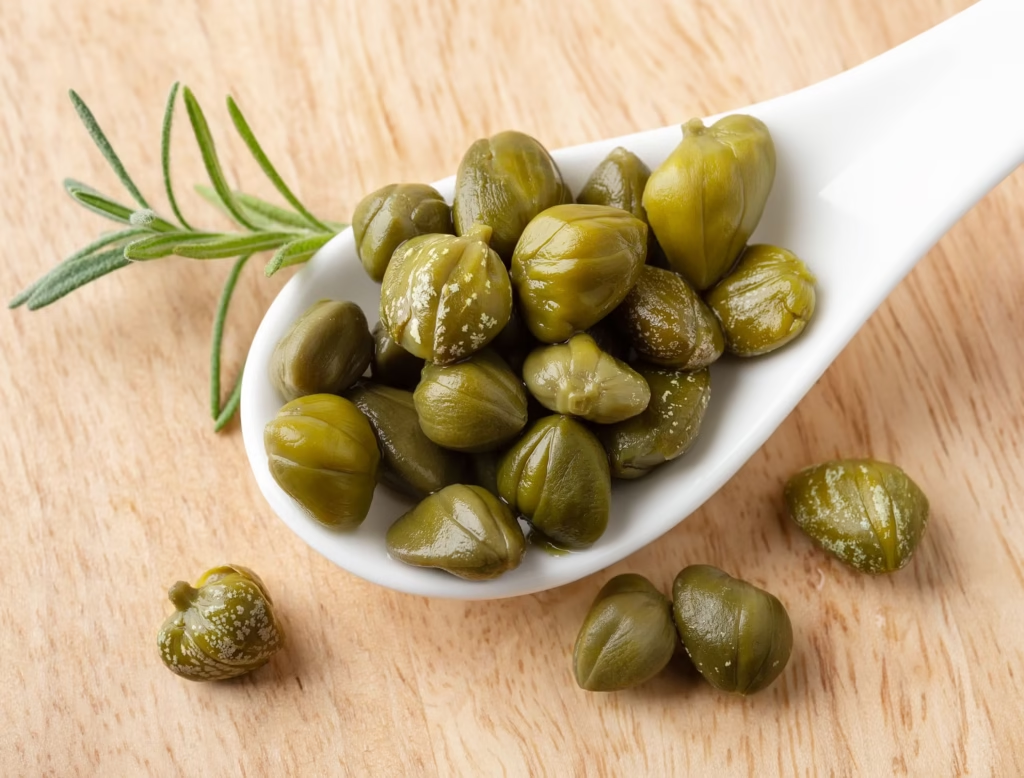
The flavor of a good caper is hard to describe if you’ve only eaten the jarred, vinegar-brined version from a supermarket shelf. There’s brine, yes, and a sharpness that wakes up your palate. But underneath that is something floral — a ghost of the bloom that never happened — and a mustard-like heat that comes from glucocapparin, a compound released when the bud is preserved in salt. Salt-packed capers, especially from Pantelleria, taste like the Mediterranean coast distilled into something the size of a pea.
A History That Goes Back to Ancient Sumer
Capers are one of the oldest recorded ingredients in human cooking. They appear in the Sumerian Epic of Gilgamesh, written around 2700 B.C., where wild caper berries are mentioned among edible plants. Ancient Greeks and Romans used them in cooking, medicine, and ritual. Pliny the Elder wrote about them. Dioscorides catalogued their medicinal properties. Apicius included them in De Re Coquinaria — Rome’s most famous cookbook — in a salad called sala cattabia, made with cheese, pine nuts, and fermented fish sauce.
The Romans thought capers stimulated appetite, relieved gas, and acted as aphrodisiacs. Whether any of that is true, I’ll leave to you, but the appetite part holds up — there’s something about that sharp, saline punch that does sharpen your hunger. The Mishna refers to capers as a tithable crop in Judea, calling them kahfars or tzalaf. The Book of Ecclesiastes uses the caper berry as a symbol of desire. These were not obscure culinary curiosities — they were woven into daily life across the ancient Mediterranean world.
How they spread from their likely origin in western and central Asia to every corner of the Mediterranean is a story of trade routes, birds, and the plant’s own stubborn adaptability. By the time Italian cuisine was developing its regional identities, capers were already embedded in the cooking of Sicily, Sardinia, Liguria, and Campania. They arrived in the New World through Spanish and Italian colonization, which is how my grandmother Julia ended up pinching them into her sauces in Valparaíso, thousands of miles from the Sicilian coast.
How Capers Are Grown and Harvested
The Labor Behind Every Jar
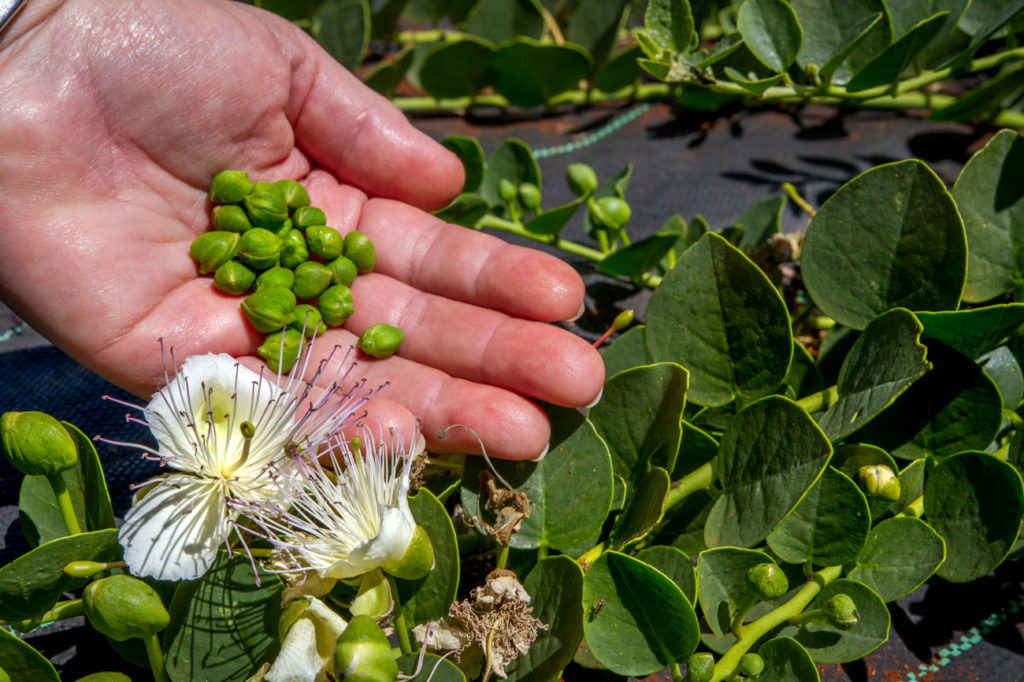
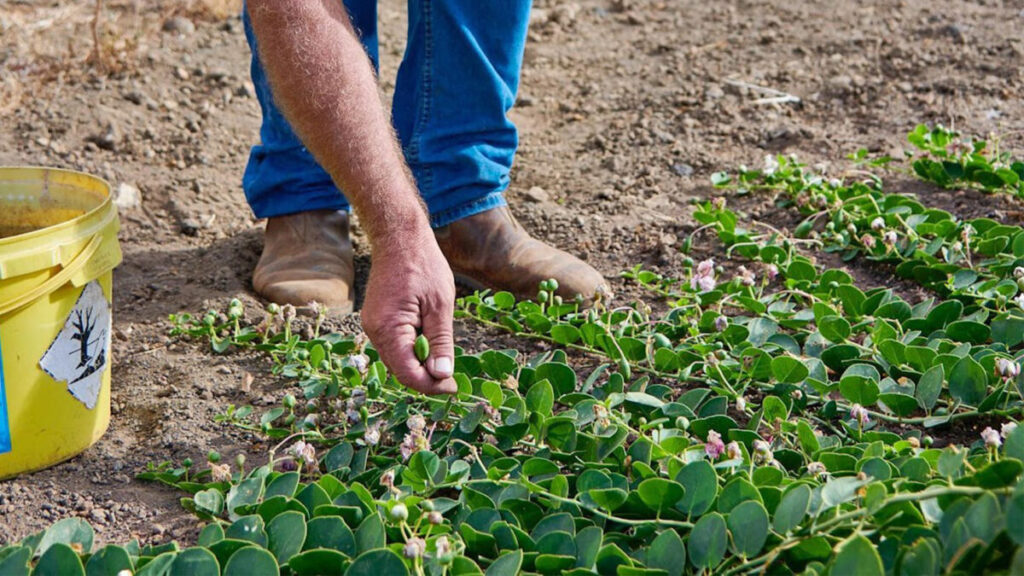
One reason good capers cost what they do is the harvest. Caper plants bloom in waves from May through October, and the buds must be picked by hand every eight to ten days — before they flower and become useless for cooking. The window is short. A bud left on the plant for even a day too long will bloom overnight, and a bloomed caper is no longer a caper.
The smallest buds are considered the finest. The ones no bigger than a corn kernel — sometimes called “nonpareil” in French-influenced grading systems — have the most concentrated flavor and the most delicate texture. Larger capers are coarser in texture but still perfectly good for cooking, especially when you’re going to chop them anyway.
On Pantelleria, the plants grow close to the ground, shaped by the relentless wind that sweeps across this volcanic island between Sicily and Tunisia. Farmers walk the rows repeatedly through the season, picking a few buds from each plant on each pass. It’s slow, repetitive work done in summer heat, and it’s entirely done by hand. No machine can do what a practiced eye and a quick set of fingers do on a caper plant.
Salt-Packed vs. Brined
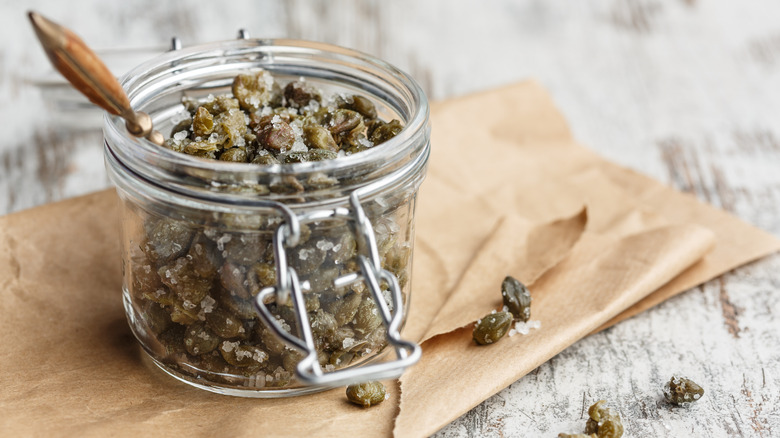
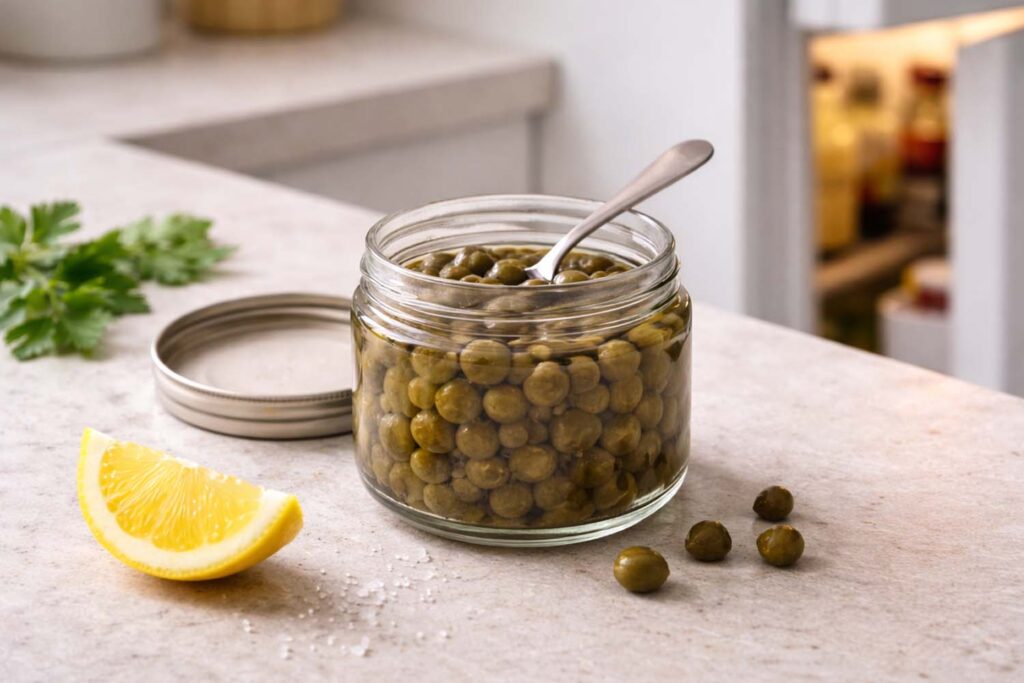
After harvest, the buds are either packed in coarse sea salt or submerged in a brine of water and vinegar. The difference matters enormously in the kitchen.
Salt-packed capers, the traditional method of Pantelleria and much of Sicily, lose their moisture gradually. As the salt draws out liquid, it concentrates the flavor compounds — particularly that glucocapparin that breaks down into the mustard-like heat you taste. You’ll sometimes see white crystalline deposits on the surface of well-aged salt-packed capers. That’s rutin, a flavonoid that forms during the curing process. It’s harmless, and it’s actually a sign that the capers have been properly preserved.
Brined capers are more convenient but thinner in flavor. The vinegar adds acidity that can compete with the natural flavor of the bud rather than amplifying it. That said, a good-quality brined caper in a light brine is still a fine ingredient — just different. Think of it the way you’d think of fresh pasta versus dried: one isn’t categorically better, but they’re not the same thing, and they don’t behave the same way in the kitchen.
Pantelleria DOP and Why It Matters
The Caper of Pantelleria holds DOP status — Denominazione di Origine Protetta — which means the name is legally protected. Only capers hand-harvested from Capparis spinosa plants grown on Pantelleria and packed in sea salt can carry that designation. The volcanic soil of the island, the wind, the dry heat, the proximity to the sea — all of it contributes to a flavor profile you can’t replicate by growing the same plant variety somewhere else.
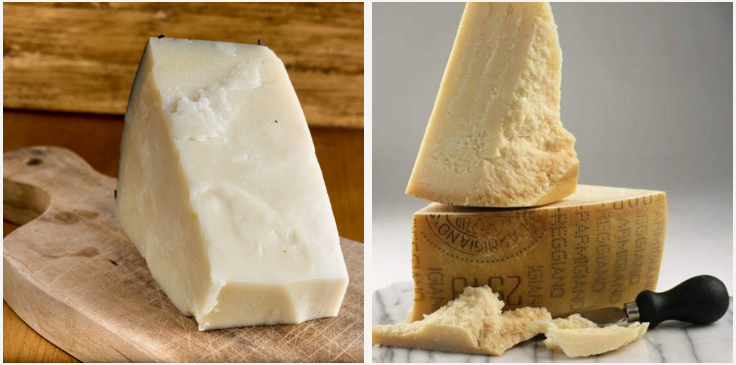
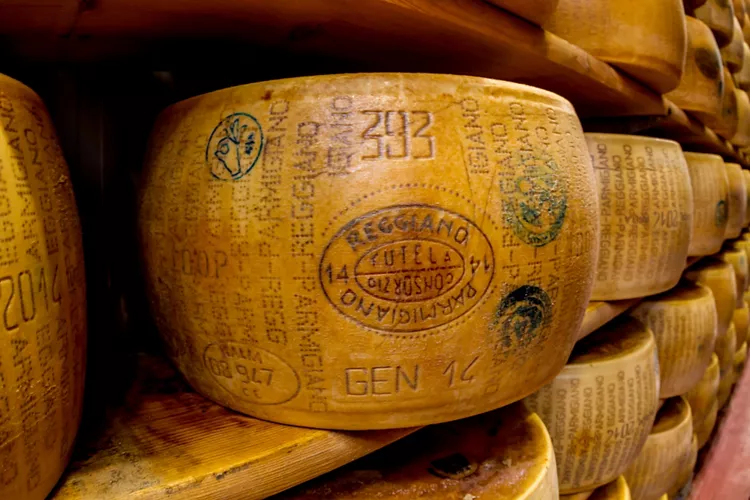
When I visited Sicily, the salt-packed capers I tasted from a small producer near Pantelleria had a depth and complexity that the brine-packed versions from the same region couldn’t match. It wasn’t subtle. The difference was like comparing a properly aged Parmigiano-Reggiano to a generic Parmesan — the category is the same, but the experience is not.
At the Sacramento Italian market, I’ve compared several brands side by side, and the DOP-certified salt-packed options consistently outperform the brined alternatives in flavor intensity and texture. They cost more, but you use fewer of them because each one carries more punch.
How to Buy Capers
What to Look For
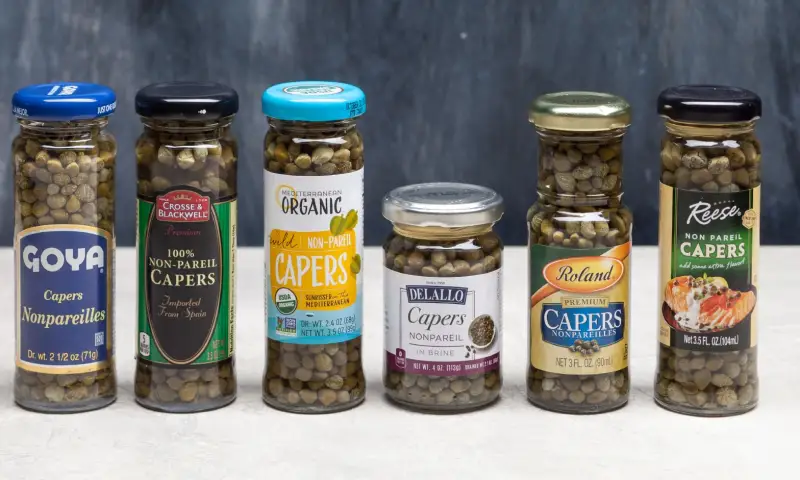
When shopping for capers, salt-packed should be your default if you’re cooking seriously. Look for Pantelleria DOP on the label if your budget allows it. If not, any salt-packed Sicilian caper in a good-quality sea salt is a solid choice.
For brined capers, look at the ingredient list. Water, capers, salt, and possibly a small amount of vinegar is what you want. A long list of additives is a red flag. The brine should look relatively clear — not cloudy or murky.
Size matters for the application. Smaller capers are better for sauces where you want the flavor to distribute evenly. Larger ones hold up better when you want them as a garnish or a textural element. After testing multiple brands side by side across these size categories, I’ve found that consistency of size within a jar is also worth checking — a jar full of unevenly sized capers often signals inconsistent quality overall.
What to Avoid
- Avoid capers that smell only of vinegar with nothing else behind it — you’ve lost the actual caper flavor.
- Skip any jar where the buds have turned brown or fallen apart — that’s over-preserved or poorly stored product.
- Don’t confuse capers with caper berries. The berries are the fruit of the same plant, larger and milder, typically served as an antipasto garnish, not used as a cooking ingredient in the same way.
The one I keep in my kitchen is a Pantelleria DOP salt-packed caper in a small glass jar. I go through maybe one jar every six to eight weeks, which keeps them fresh and means I’m always working with quality product rather than something that’s been sitting open for months.
How to Store Capers
Salt-packed capers can be stored in a cool, dry place in their original packaging, sealed tightly, for up to a year. Once you’ve opened the jar, keep them in the refrigerator and make sure the salt stays packed around the buds. They won’t go bad quickly, but exposure to moisture or air will degrade the flavor over time.
Brined capers should always be refrigerated after opening, submerged in their brine. They’ll keep for several months this way. If the brine evaporates, you can top it up with a small amount of salted water — don’t leave the buds exposed to air.
One thing worth doing: taste your capers before cooking with them. Flavor intensity varies significantly between brands and batches, and you need to know how much punch you’re working with before you decide how many to use.
How Italians Actually Use Capers
The Essential Step: Rinsing
Before using either salt-packed or brined capers, rinse them. For salt-packed, rinse thoroughly under cold running water and let them soak for ten minutes if they’re going into a delicate preparation. For brined, a quick rinse removes excess vinegar. My grandmother Julia always rinsed salt-packed capers three times, then tasted one before adding them to the pot. That’s still good practice.
Classic Italian Applications
- Spaghetti alla puttanesca — the Neapolitan pantry dish built on tomatoes, olives, anchovies, garlic, and capers. The capers don’t disappear into the sauce; they punctuate it, giving each bite a briny sharpness that anchors the other strong flavors.
- Vitello tonnato — the Piedmontese summer classic of cold sliced veal with a tuna and anchovy cream sauce, finished with capers scattered across the top. Here they provide texture and a clean salinity that cuts through the richness of the sauce.
- Pasta con le sarde — the iconic Sicilian pasta with sardines, fennel, pine nuts, raisins, and capers. This is a dish where the caper is part of an elaborate sweet-and-sour flavor balance that defines Sicilian agrodolce cooking.
- Chicken piccata — the pan sauce of lemon, white wine, and butter gets capers added near the end. They bloom in the hot fat briefly and release their flavor into the sauce without losing their texture.
Capers also belong on pizza in the southern Italian tradition, in insalata di rinforzo (the Neapolitan Christmas salad with pickled vegetables), in fish dishes across Calabria and Sardinia, and chopped into compound butters or tartare.
Common Mistakes
- Using too many. Capers are strong. A small amount goes further than you think. Start with less than you think you need, taste, and add from there.
- Not rinsing salt-packed capers. Skipping this step will make your dish intolerably salty.
- Adding them too early. Long cooking dulls their flavor. Add capers toward the end of cooking when possible.
- Chopping them when you don’t need to. Whole capers in a puttanesca give you a burst of flavor when you bite into them. Chopping distributes them more evenly but removes that textural contrast. Decide which effect you want.
- Buying the cheapest brined option. The quality gap between a poor-quality brined caper and a good salt-packed one is large enough to genuinely change how a dish tastes.
A Small Ingredient with a Long Story
There’s something I find deeply satisfying about an ingredient that has been in continuous use for nearly five thousand years. Capers fed ancient Sumerians, flavored Roman fish sauces, preserved across salt-crusted jars in Sicilian pantries, and ended up in my grandmother Julia’s kitchen in Valparaíso. They made it to my kitchen in Sacramento, where I reach for them several times a week without thinking much about it — the same way she did.
That’s the mark of a truly foundational ingredient. Not trendy, not complicated, not something you need to explain or justify. Just deeply useful, deeply flavorful, and deeply Italian in the way that things absorbed slowly across centuries tend to become.
If you’ve been using the brine-packed supermarket variety without much thought, buy a jar of salt-packed Pantelleria capers and taste the difference. Rinse them, eat one plain, then cook with them. You’ll understand immediately why Italian cooks have never needed a reason to reach for them.
Back to the full Italian pantry guide
Frequently Asked Questions
Are salt-packed capers better than brined ones, and why do so many Italian cooks prefer them?
Salt-packed capers retain more of their original flavor complexity—that floral, mustard-like heat comes through stronger. When you rinse and squeeze them, you control the saltiness yourself. Brined versions in vinegar can overpower delicate dishes. I’ve found that salt-packed ones from Pantelleria especially give you that concentrated Mediterranean taste my grandmother understood instinctively.
How do you properly prepare capers before cooking with them?
For salt-packed capers, I rinse them under cold water, then give them a gentle squeeze to remove excess moisture. This prevents them from making your sauce too salty or watery. Brined capers need less rinsing. The key is tasting as you go—you want them seasoning the dish, not drowning it. A small handful goes a long way.
What’s the difference between capers and caper berries, and can you use them interchangeably?
Capers are unopened flower buds—intense and sharp. Caper berries form after the flower blooms and are larger, milder, with seeds inside. You can’t swap them one-to-one in cooking. Berries work better on antipasto boards or as garnishes. Buds are what you want when you need that floral punch to anchor a sauce.
Why do supermarket capers taste so different from the ones you describe?
Most commercial capers are heavily processed in vinegar and stored in brine, which mutes their complexity and adds harshness. They’re also often smaller, lower-quality buds from plants grown in commercial conditions rather than rocky Mediterranean soil. The glucocapparin compound that creates that mustard-heat gets lost or altered. Seek out Italian or Spanish imports packed in salt instead.
Can you grow Capparis spinosa plants at home to make your own capers?
Technically yes, but it’s impractical for most people. The plant needs very specific conditions—poor, rocky soil, intense sun, and minimal water. More importantly, the flavor profile develops from the plant’s struggle in harsh Mediterranean climates. Home-grown capers rarely match what nature produces on Pantelleria or Sicilian coastlines. Better to source quality ones than fight nature.
Written by José Villalobos
José Villalobos is a food writer and the founder of Calitalia Food. He grew up in Valparaíso, Chile, where his grandmother Julia cooked Italian food daily from memory and instinct. Based in Sacramento, California, he visits local Italian markets weekly and writes about ingredients, sauces, and regional food culture with the kind of detail that comes from years of sourcing, testing, and eating. Every product he recommends, he has personally bought and tested.