Pasta al burro might be the most honest dish in the Italian canon. No sauce to hide behind. No long ingredient list to impress anyone. Just pasta, butter, and aged cheese — three things doing exactly what they were made to do. And yet, somehow, this dish gets dismissed as too simple, too plain, a consolation prize when the fridge is empty. That’s a mistake I want to correct right now.
I’m José Villalobos, and I’ve been cooking and writing about Italian food for years — shaped in part by my grandmother Julia, who made Italian food in Valparaíso, Chile, with the kind of confidence and economy that only comes from respecting the ingredients. She never dressed up pasta al burro. She let it speak. After traveling to Calabria, Sicily, Sardinia, and Liguria, and after spending more Saturday mornings than I can count at the Sacramento Italian market, I’ve come to believe she had the right idea all along.
This is the dish that taught Rome what pasta could be before cream sauces, before shortcuts, before the American version rewrote the whole story. Let’s get into it properly.
What Is Pasta al Burro?
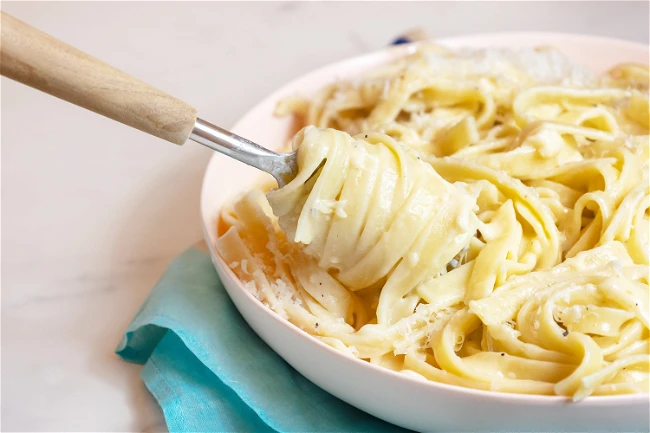
Pasta al burro — literally “pasta with butter” — is a traditional Italian pasta dish built on two supporting ingredients: unsalted butter and freshly grated Parmigiano Reggiano. The pasta of choice is fettuccine, ideally fresh, though good dried fettuccine works beautifully. The magic isn’t in complexity. It’s in technique and ingredient quality, because when you strip a dish down this far, there’s nowhere to hide.
The finished plate looks almost embarrassingly simple. Wide ribbons of pasta coated in a glossy, creamy emulsion — no cream involved — with Parmigiano melted into every fold. It’s rich without being heavy. Comforting without being sloppy. It’s the kind of food that makes you slow down and actually taste what you’re eating.
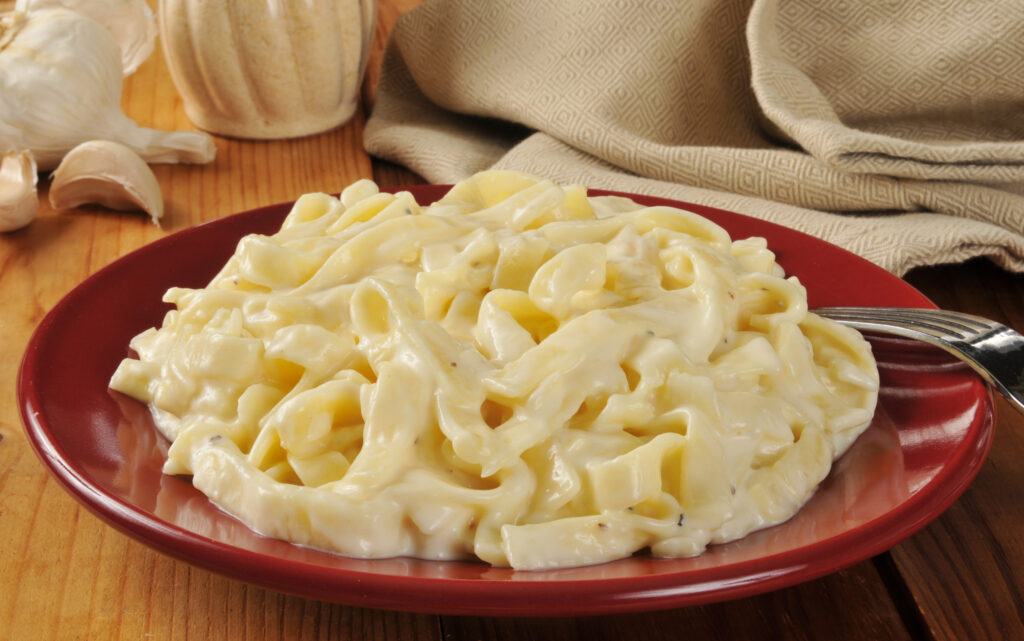
This is not the same thing as American Fettuccine Alfredo. Not even close. We’ll get to how that happened, but understanding the difference matters if you want to cook the real thing.
The History Behind Pasta al Burro
Where It Actually Came From
The origins of pasta al burro reach back to at least the 15th century, which should immediately change how you think about this dish. Maestro Martino da Como wrote about something called maccaroni romaneschi — Roman macaroni — in his Libro de Arte Coquinaria, written around 1465. The preparation involved dough rolled around a staff, cut into fingertip-wide strips that look very much like early fettuccine or tagliatelle, boiled briefly, and then dressed with fresh butter and grated aged cheese. Sometimes cinnamon was added, which tells you this was food for wealthier households — butter itself was a marker of refinement in central Italy, a contrast to the olive oil that defined the south.
By the turn of the 17th century, similar butter-and-Parmigiano preparations were being documented in historical texts. This was not peasant food improvised from nothing. It was a considered, regional tradition rooted in the Po Valley’s butter culture and Rome’s particular relationship with aged cheese.
Alfredo di Lelio and the Dish That Went Global
The name most associated with pasta al burro in the modern era is Alfredo di Lelio, a Roman restaurateur who ran Alfredo alla Scrofa. In 1914, with his wife Ines recovering from childbirth and needing something nourishing and digestible, he refined the dish into what he called fettuccine al burro — pure, focused, and built for someone who needed real sustenance without stress on the body. It was butter and Parmigiano doing their best work.
From this, a richer variant emerged: triplo burro, or triple butter pasta, where butter was incorporated at three stages — during cooking, during mixing, and as a final topping. The result was deeply unctuous, a dish that felt like a warm hand on your shoulder. This was Roman cooking at its most generous.
Then Hollywood got involved. In the 1920s, Mary Pickford and Douglas Fairbanks visited Rome, ate at Alfredo’s restaurant, and brought their enthusiasm back to the United States. What followed was a slow transformation. American kitchens added heavy cream, garlic, sometimes chicken, and what arrived on the other side was a completely different dish — creamy, rich in a different way, and only loosely connected to the original. In modern Rome, you’ll sometimes see fettuccine alla crema listed for American tourists, which says everything you need to know about how the two versions diverged.
How Pasta al Burro Is Made
The Pasta
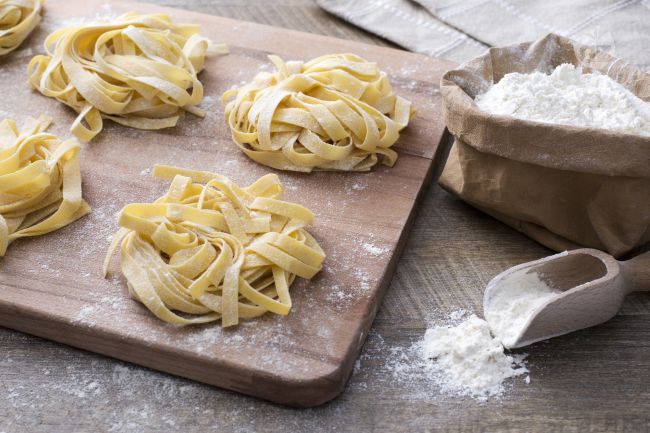
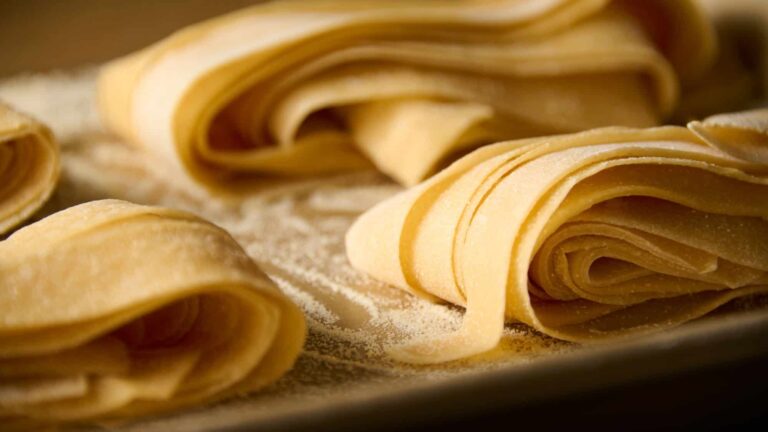
Fresh fettuccine is the traditional choice and the better one for this dish. Made from wheat flour and eggs, rolled slightly thicker than lasagne sheets and cut into wide ribbons, fresh pasta has a surface texture that holds onto the butter emulsion in a way dried pasta struggles to match. That said, a good quality dried fettuccine — made from durum wheat semolina with a rough, porous surface — will work when fresh isn’t available.
Cook the pasta in generously salted boiling water. Pull it out when it’s very al dente — firmer than you’d normally plate it — because carryover cooking in the pan will finish the job. Before you drain, reserve a full cup of pasta water. That starchy liquid is what makes the emulsion work.
The Butter

Use unsalted butter. This gives you control over the seasoning, and it lets the butter’s natural sweetness come through. The quality of the butter matters enormously here — far more than it would in a sauce built on tomatoes or garlic. European-style butters with higher fat content are ideal. The butter should be at room temperature or melted gently over low heat, never browned for this preparation.
The Parmigiano Reggiano
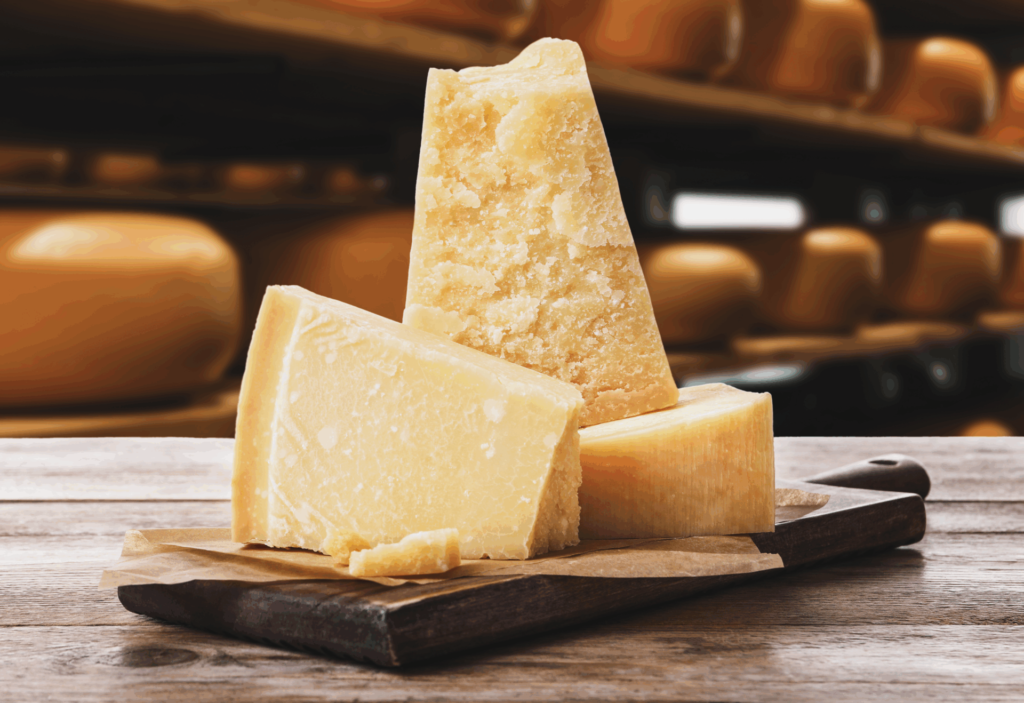
Do not use pre-grated cheese from a canister. I cannot stress this enough. Buy a wedge of Parmigiano Reggiano and grate it yourself, finely, right before you need it. The cheese needs to melt into the emulsion smoothly, and that only happens with freshly grated Parmigiano. At the Sacramento Italian market, I’ve compared several brands and aged varieties side by side, and a properly aged Parmigiano — 24 months minimum — makes a measurable difference in flavor depth and how it incorporates into the pasta.
The Technique: Building the Emulsion
This is where the dish either comes together or falls apart. Transfer the very al dente pasta directly into a pan with the melted butter. Toss continuously over low heat, adding pasta water a splash at a time. Add the Parmigiano in stages, still tossing, still adding pasta water as needed. What you’re building is an emulsion — the starch in the pasta water binds the butter and cheese into a cohesive, creamy coating. No cream required. The pasta itself creates the sauce.
The pan should be warm but not too hot. High heat breaks the emulsion. Work patiently, keep tossing, and stop when every strand of fettuccine is coated in a glossy, cohesive sauce that clings rather than pools at the bottom of the bowl.
For triplo burro, add a small knob of cold butter directly to the boiling pasta water, incorporate butter during the tossing stage, and finish with one more addition of butter right before serving. It’s a richer, more indulgent approach — closer to what Alfredo di Lelio made for his wife.
How to Buy the Right Ingredients
After testing several brands side by side over the years, a few things have become clear to me. For butter, look for anything labeled “European-style” with at least 82% butterfat — Kerrygold, Plugrá, or any small-batch cultured butter you can find at a specialty store will all serve you well. The one I keep in my kitchen is a cultured unsalted butter from a local Sacramento creamery that I pick up at the Italian market on weekends. The flavor difference is real and it shows in a dish this simple.
For Parmigiano Reggiano, look for the PDO stamp and that distinctive dotted rind. The rind itself is your proof of authenticity. A 24-month aged wheel is the standard for pasta al burro — old enough to be complex, young enough to melt cleanly. A 36-month aged Parmigiano is magnificent on its own but can be slightly grainy when melted into a sauce.
For fresh pasta, check your local Italian market or specialty grocery. If you’re making it at home — and I’d encourage you to try — use tipo 00 flour and good eggs with deep orange yolks. The pasta dough should be smooth, elastic, and rolled to about 2mm thickness before cutting into wide ribbons.
How to Serve Pasta al Burro
Serve immediately. This is non-negotiable. The emulsion is at its best the moment it leaves the pan. Have your bowls warm — run hot water through them while the pasta cooks — because cold ceramic will seize the butter and break the cohesion before the first bite.
In Rome, pasta al burro is served as a primo piatto, a first course. Garnish is minimal — a final grating of Parmigiano and nothing else. No parsley, despite what American recipes often suggest. No pepper unless you want it. The dish doesn’t need anything to announce itself.
If you’re building a full Italian meal around it, pair the primo with a light second course — veal, white fish, or something delicate. The pasta is rich enough that a heavy meat sauce or a braised dish afterward would be too much. Let this dish breathe.
How to Store Leftovers
Honestly? Pasta al burro doesn’t store well, and that’s a feature, not a flaw. The emulsion breaks as it cools, and the fettuccine clumps together in a way that’s hard to recover from. The dish is designed to be eaten right away, in the moment, while the butter is still glossy and the Parmigiano is still soft.
If you do have leftovers, store them in an airtight container in the refrigerator for up to two days. To reheat, add a small splash of water to a pan over low heat, add the pasta, and toss gently until it loosens. Add a small knob of fresh butter and a grating of Parmigiano to bring it back to life. It won’t be quite the same, but it’ll be better than you expect if you’re patient about the heat.
Common Mistakes to Avoid
- Cooking the pasta too long before the pan. If it’s fully cooked when it leaves the water, it’ll be overcooked by the time you finish building the emulsion. Pull it early, always.
- Using cold butter straight from the fridge. Cold butter won’t melt evenly into the emulsion and can make the sauce greasy and separated. Room temperature or gently melted is where you want to be.
- Using pre-grated cheese. Powdery, dry, and laden with anti-caking agents — it won’t melt properly and it’ll make your sauce gritty rather than smooth.
- Too much heat in the pan. This breaks the emulsion. Low and slow. The butter and starch need time to bind together.
- Not reserving pasta water. This is your emulsifier. Without it, you’ll be fighting the sauce the entire time. Always scoop it out before you drain the pasta.
- Adding cream. I know it’s tempting. Don’t. The emulsion you build from butter, cheese, and pasta water is more elegant, more balanced, and more faithful to what this dish actually is.
Why This Dish Deserves More Respect
My grandmother Julia made pasta al burro the way she made everything Italian — without hesitation, without apology, and without embellishment. Growing up in Valparaíso, she had learned that great ingredients treated simply were worth more than complicated preparations. She’d grate the cheese herself, use the best butter she could find, and that was it. The whole thing took fifteen minutes and tasted like something you’d remember.
I’ve eaten pasta all over Italy. When I visited Liguria, I tasted hand-rolled trofie with pesto that made me sit back in my chair. When I was in Calabria, the simplicity of the local pasta preparations reminded me that the south has always known how to do more with less. But pasta al burro — this Roman preparation that traces back to the 15th century — kept coming back to me as the one that taught me the most about what Italian cooking really values: restraint, quality, and a deep trust in the ingredient itself.
It’s not a backup plan. It’s not what you make when you’re out of ideas. It’s a dish that has outlasted centuries of culinary trends because it’s built on something that doesn’t go out of style. Good butter. Good cheese. Good pasta. Made with care.
That’s pasta al burro. That’s what it’s always been.
Back to the full Italian pasta sauces guide
Frequently Asked Questions
Can I use salted butter instead of unsalted for pasta al burro?
I wouldn’t recommend it. Salted butter throws off the balance—you won’t be able to control the seasoning properly, and the salt can overpower the delicate Parmigiano flavor. Unsalted lets the cheese shine and gives you complete control over the final taste.
What’s the actual difference between pasta al burro and Fettuccine Alfredo?
Alfredo uses heavy cream, egg yolks, and often garlic—it’s richer and heavier. Pasta al burro creates creaminess through emulsion alone, using just butter, pasta water, and cheese. The Roman original is leaner, more elegant, and lets you taste each ingredient separately.
How do I get that glossy emulsion without cream?
It’s about timing and temperature. Toss hot pasta with cold butter and grated Parmigiano off heat, adding pasta water gradually until you see that glossy coating form. The starch in the pasta water and the fat from butter create the emulsion—no cream needed.
Does fresh or dried fettuccine work better for this dish?
Fresh is traditional and absorbs the butter sauce beautifully, but quality dried fettuccine works great too. The key is good technique, not the pasta type. Either way, you’re looking for that silky coating, not clumpy or separated.
Why would cinnamon have been used in historical versions?
Medieval and Renaissance cooks used expensive spices to signal wealth and sophistication. Cinnamon was luxury cargo. As butter itself was a status ingredient in central Italy, adding spices made the dish even more impressive to wealthy diners at the time.
Written by José Villalobos
José Villalobos is a food writer and the founder of Calitalia Food. He grew up in Valparaíso, Chile, where his grandmother Julia cooked Italian food daily from memory and instinct. Based in Sacramento, California, he visits local Italian markets weekly and writes about ingredients, sauces, and regional food culture with the kind of detail that comes from years of sourcing, testing, and eating. Every product he recommends, he has personally bought and tested.