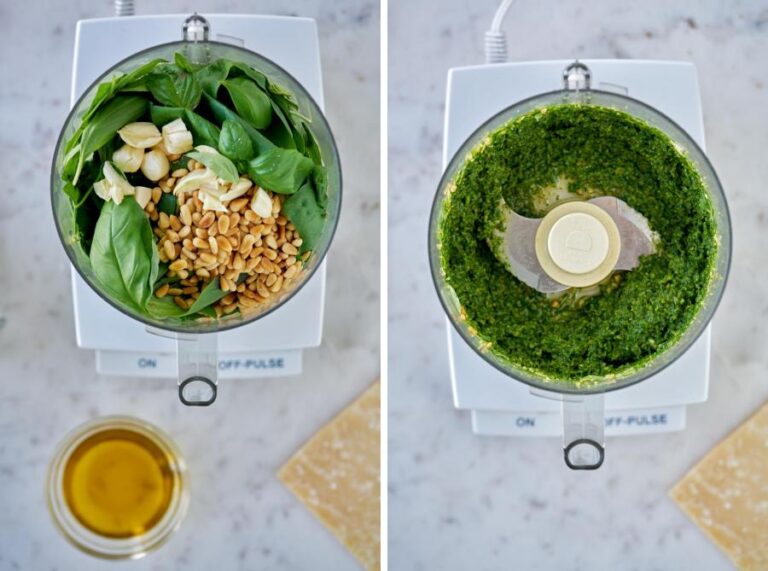
You made a fresh, vibrant batch of pesto. The color was electric green. It smelled like a sun-drenched garden in Liguria. You stored it in the fridge, dreaming of pasta and sandwiches and eggs all week long.
Then it happened.
You opened the jar two days later… and it looked brown. Murky. Like it had aged twenty years overnight.
But why? Why does something so fresh and full of life turn dull and muddy so quickly?

In this article, we’ll explore exactly why pesto turns brown in storage—what causes the color shift, what it means for safety and flavor, and how to stop it. You’ll learn about oxidation, enzymatic browning, best storage techniques, and chef-proven tips to keep your pesto fresh, green, and gorgeous for as long as possible.
This is your ultimate deep dive into pesto preservation science—let’s keep that green gold from going gray.
What’s Actually Happening: Why Pesto Turns Brown in Storage?
Pesto browning is a form of enzymatic oxidation, a natural chemical reaction that affects many fresh foods (think apples, avocados, and bananas). In pesto’s case, the primary culprits are:

1. Polyphenol Oxidase (PPO) Enzyme in Basil
Basil leaves are full of polyphenols, natural compounds that react when cut or bruised. When you blend basil into pesto, the PPO enzyme is released, and it immediately begins reacting with oxygen in the air.
This reaction creates melanin-like pigments, which turn the vibrant green hue into a murky, brownish-green color.
2. Exposure to Air (Oxygen = Oxidation)
Oxygen is a key player in browning. The more air your pesto is exposed to—either in the container or when scooping it out—the faster it browns.
3. Heat and Light Accelerate the Process
Even mild heat (like being near the oven or left out during a meal) can speed up oxidation. Light also degrades the chlorophyll in basil, fading the green and dulling the flavor.
4. High Water Content and Poor Oil Coverage
If your pesto doesn’t have enough olive oil or has added water (from rinsed herbs or cheese), it will brown faster. Water doesn’t block oxygen. Oil does.
Is Brown Pesto Still Safe to Eat?
In most cases, yes—brown pesto is still edible, especially if the browning is mild and there’s no mold or foul smell.
However, it may taste slightly bitter or flat, especially if the basil has oxidized heavily.
Here’s how to tell:
| Sign | Is It Safe? | What to Do |
|---|---|---|
| Slight browning on top | Yes | Scrape off top layer, use rest |
| Fully brown & dry | Maybe | Taste test; use in cooked dish |
| Sour/rancid smell | No | Discard |
| Mold or white fuzz | No | Throw it all out |
| Fizzy or bubbling | No | Fermentation = toss |
How Long Before Pesto Starts to Brown?
This depends on storage conditions. On average:
• Room temperature (uncovered): Starts browning within 15–30 minutes
• Fridge, uncovered or poorly sealed: 1–2 days before significant browning
• Fridge, airtight with oil layer: 5–7 days before browning becomes visible
• Freezer (well-packed): Holds green color for 3–6 months

How to Stop Pesto from Turning Brown (or at Least Slow It Down)

There’s no perfect solution, but there are several chef-tested methods that dramatically slow browning and preserve that vivid green.
1. Use an Olive Oil Seal
• After transferring pesto to a container, pour a thin layer of olive oil over the surface.
• This blocks oxygen and helps preserve both color and flavor.
2. Add Lemon Juice or Ascorbic Acid
• Acid slows oxidation. Add 1–2 teaspoons of lemon juice during blending.
• You can also add a pinch of ascorbic acid (vitamin C powder) to maintain green color.
3. Blanch the Basil (Optional)
• Blanch basil leaves in boiling water for 5–10 seconds, then shock in ice water.
• This kills the PPO enzyme, slowing oxidation dramatically.
• Downside: Can slightly mute basil’s aroma and soften texture.
4. Store in a Dark, Cold Place
• Keep pesto in the back of the fridge, not near the door.
• Avoid clear containers unless stored in darkness.
5. Always Use a Clean Spoon
• Cross-contamination speeds up spoilage and oxidation.
• Never double-dip.
Best Containers to Preserve Pesto Color

| Container Type | Pros | Cons |
|---|---|---|
| Glass jar | Airtight, reusable, non-reactive | Heavy, breakable |
| Silicone tray | Great for freezing in portions | Not airtight once cubes are out |
| Plastic tub | Lightweight, convenient | Can absorb flavors, stains |
| Vacuum-sealed bag | Excellent for freezing long-term | Requires vacuum sealer |
Pro tip: Always label containers with the pesto type and date.
What Happens When Pesto Browns – Flavor Breakdown
Browning doesn’t just affect appearance. It changes the flavor, too.
• Oxidized basil develops a slightly bitter or grassy aftertaste
• Rancid oils (especially if exposed to heat/light) taste metallic or sour
• Cheese and nuts can take on a stale flavor over time
Use browned pesto in cooked dishes like:
• Pasta sauces
• Egg scrambles
• Roasted veggies
• Grilled sandwiches
But avoid using browned pesto as-is for drizzling or dipping—it just won’t shine.
Can You Fix Browned Pesto?
You can’t reverse browning—but you can revive the flavor:
- 1. Stir in Fresh Basil
Blend a few fresh basil leaves into the pesto for a green refresh - 2. Add Lemon Juice or Zest
Helps mask bitterness and brighten the taste - 3. Mix with Ricotta or Cream Cheese
Makes a creamy spread and mutes oxidized flavors

Pesto Types Most Prone to Browning
| Pesto Type | Oxidation Risk | Storage Notes |
|---|---|---|
| Basil Genovese | High | Needs oil seal + lemon for best results |
| Arugula Pesto | Medium | Slight bitterness increases if browned |
| Red Pepper Pesto | Low | Holds color better than green pestos |
| Beet Pesto | Low | Vivid pigment resists oxidation |
| Broccoli or Kale Pesto | Medium | More resilient than basil |
Browning Is Natural, But You’re Smarter Than That
Pesto browning might feel like a kitchen tragedy—but it’s totally preventable with the right know-how.
Whether you’re freezing cubes, storing jars, or just trying to keep your leftovers green for the weekend, remember the key rules: limit oxygen, keep it cold, seal it in oil, and don’t wait too long.
Because when pesto is stored properly, it can stay as vibrant, fresh, and full of life as the moment you made it—and every spoonful can still taste like a garden.
Disclosure: Our blog contains affiliate links to products. We may receive a commission for purchases made through these links. However, this does not impact our reviews and comparisons. We try our best to keep things fair and balanced, in order to help you make the best choice for you.