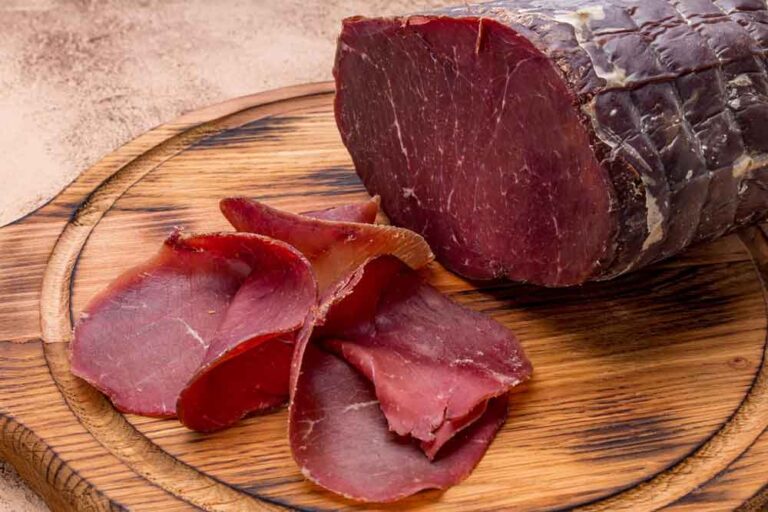
If you’ve ever asked yourself what is prosciutto and why Italians treat it with near-religious reverence, the short answer is this: it’s one of the most elegant things you can do with a pig’s hind leg, some sea salt, and patience. The longer answer involves centuries of tradition, specific microclimates in northern Italy, and a curing process so deliberate it makes modern food production look rushed.
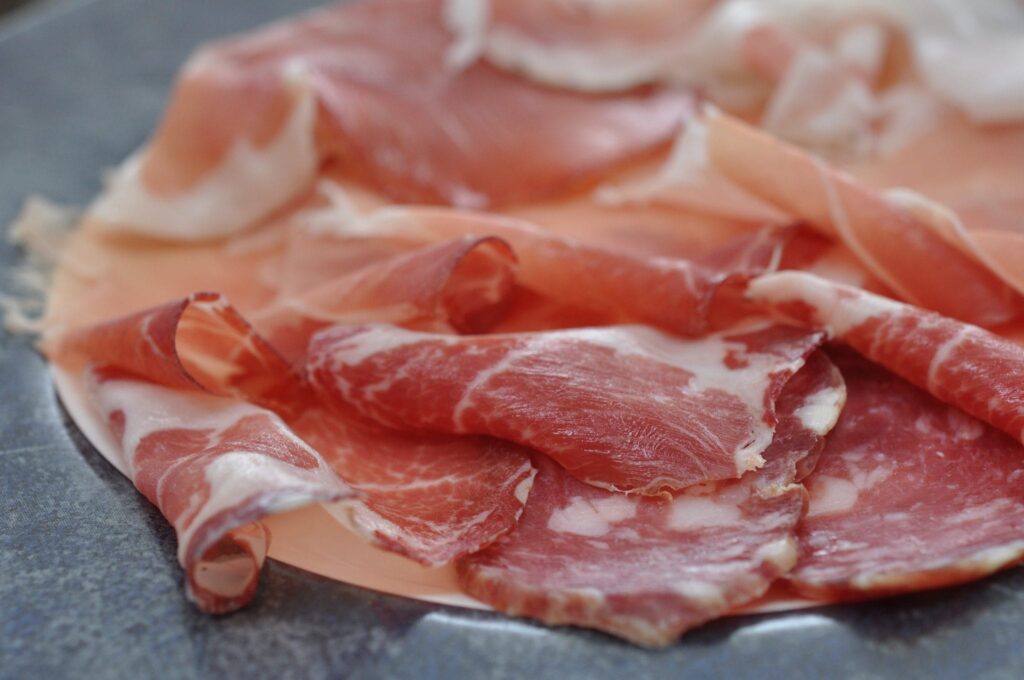
I’ve been buying and eating prosciutto for years — at home, at the Sacramento Italian market, and straight off the slicer in Italy — and I’m still impressed by how something made with zero additives can taste this complex. This guide covers everything: the types, the regions, how to buy it, how to store it, and exactly how to eat it so you’re not wasting a single paper-thin slice.
For a broader context on Italy’s cured meat tradition, check out our Italian cold cuts guide.
What Is Prosciutto, Exactly?
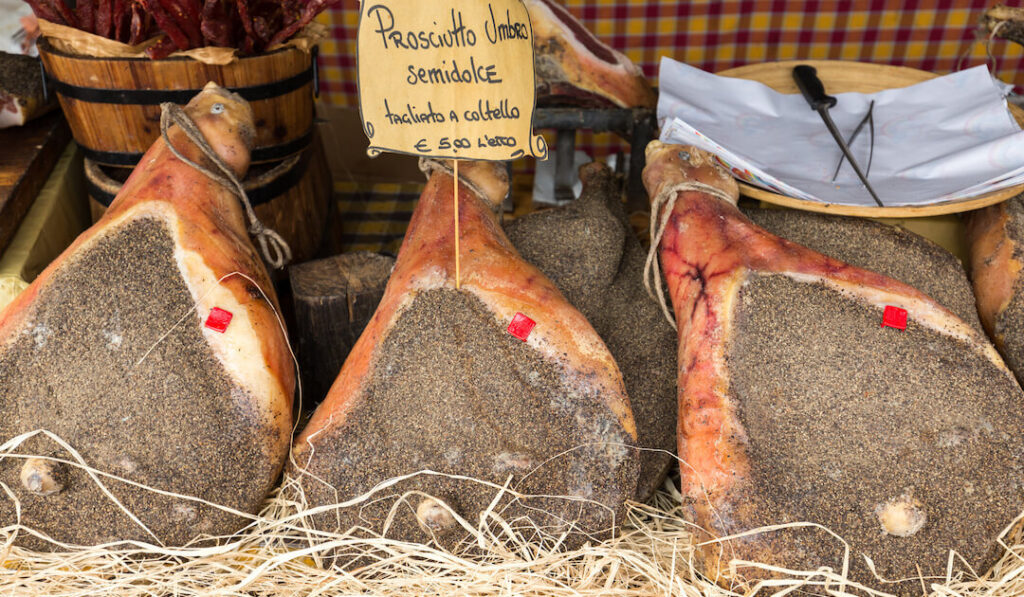
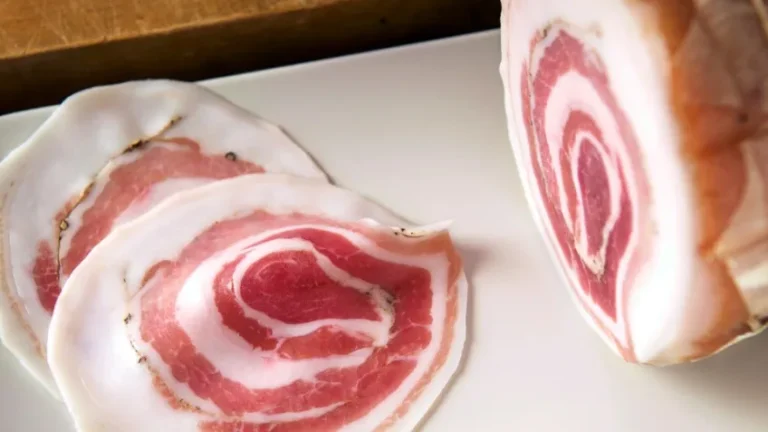
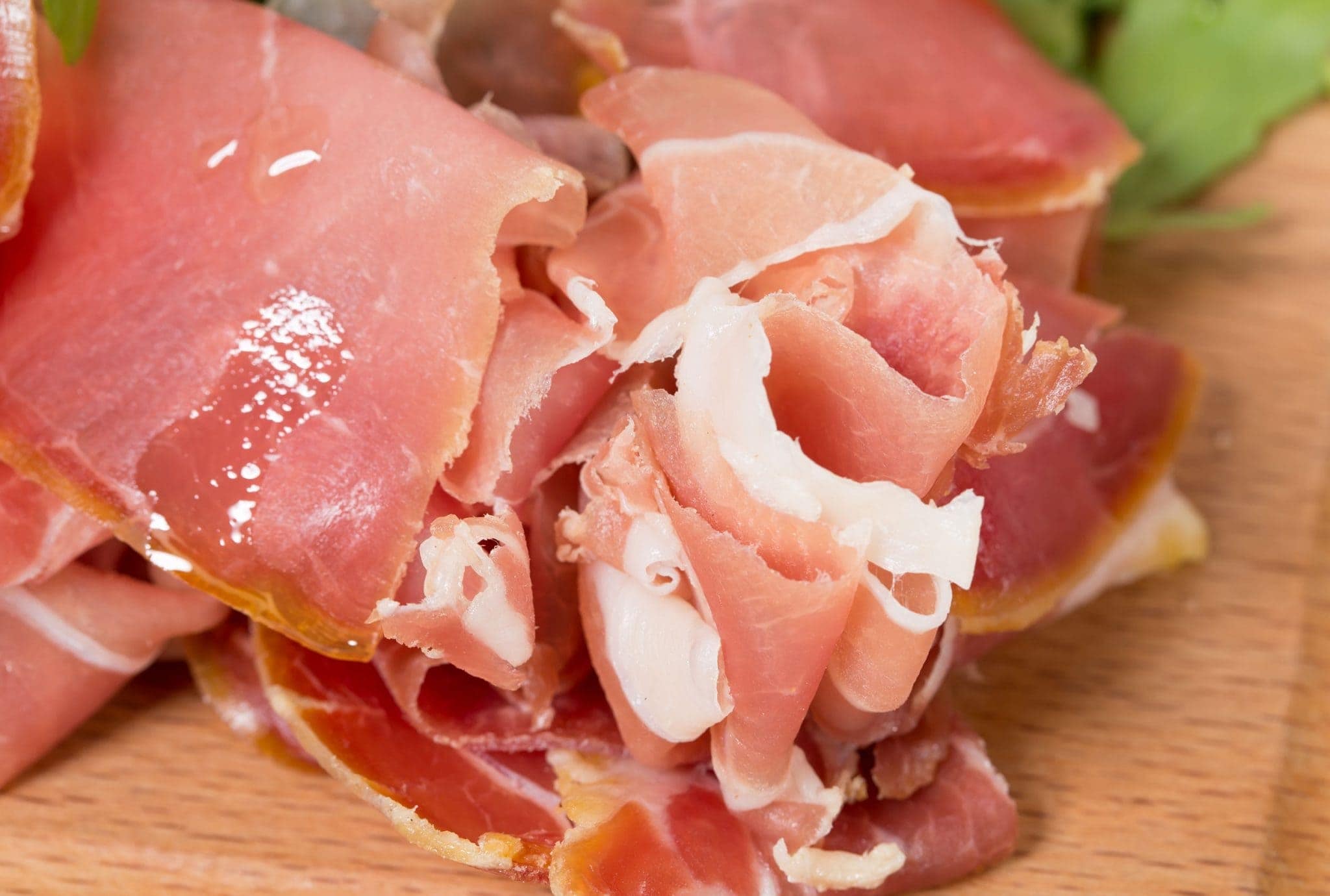
Prosciutto is an uncooked, unsmoked, dry-cured ham made exclusively from the hind legs of pigs. That’s it. The ingredients list is almost insultingly short: pork, sea salt, air, and time. No preservatives, no nitrates added artificially, no gluten, no hormones. The result — when the process is done right, and the ham is sliced thin enough — is something delicate, faintly sweet, and almost silky on the palate.
The word itself comes from Latin. Linguists trace it to either pro + exsuctus, meaning “to suck out the moisture,” or prae suctus, meaning “dried out.” Either way, the etymology tells you exactly what prosciutto is about: removing water from the meat slowly, concentrating flavor, and creating something shelf-stable through natural means alone.
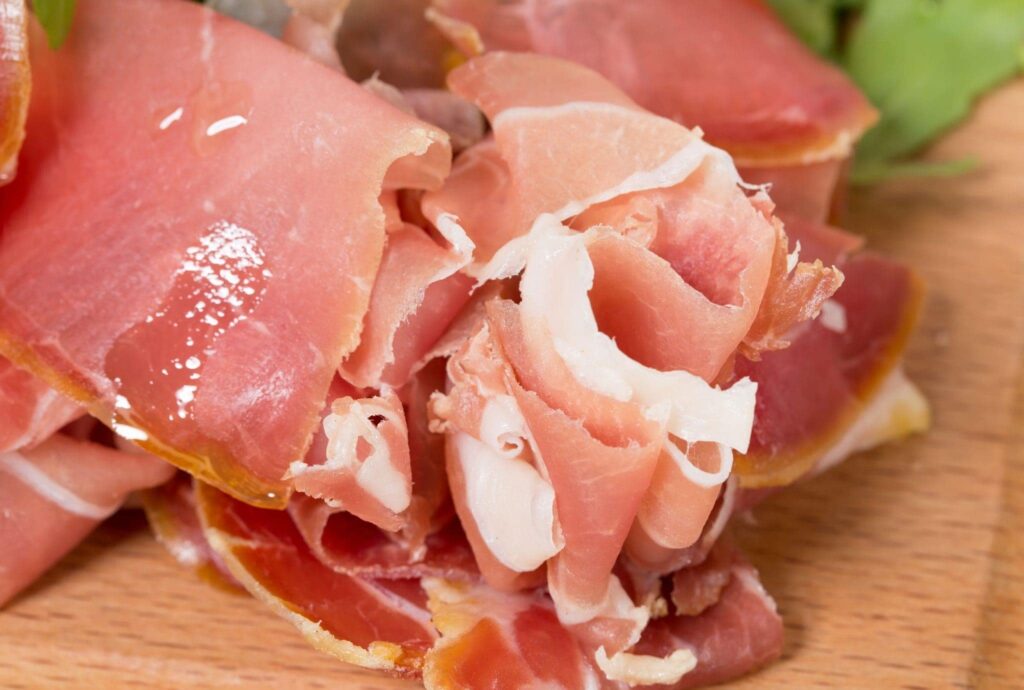
When Italians say prosciutto without qualification, they almost always mean prosciutto crudo — raw, cured ham. Prosciutto cotto is the cooked version, closer to what Americans think of as deli ham. They’re not interchangeable, and for the purposes of this guide, we’re talking exclusively about crudo.
A Brief History: Older Than Rome
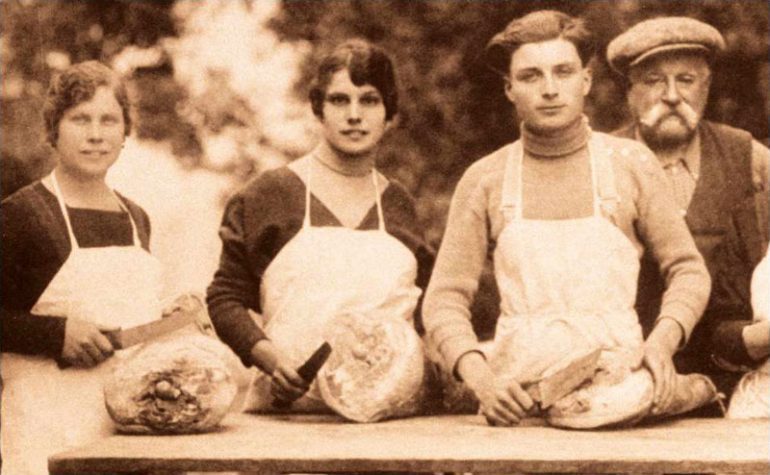
Prosciutto isn’t a Renaissance invention or a medieval craft guild’s clever marketing scheme — its roots go back further than that. Archaeological evidence of pig farming in Friuli-Venezia Giulia dates to the 11th through 8th centuries BC, and Celtic settlements around 600 BC improved local pig breeding practices considerably. The Etruscans in Emilia-Romagna, active from roughly the 8th to 3rd centuries BCE, were among the first to systematically salt and preserve pork legs — a practical solution to a universal problem: how do you keep meat without refrigeration?
The Romans took that method and spread it across their empire. By the Middle Ages, prosciutto production had evolved into a genuine craft, regulated by guilds and practiced by specialists called norcini — pig slaughterers who traveled from town to town during the curing season. The hilly microclimates of northern and central Italy turned out to be ideal for natural curing: low humidity, consistent airflow, and the kind of seasonal temperature swings that encourage slow enzymatic breakdown in the meat. The geography wasn’t chosen by accident. It shaped the tradition.
My grandmother Julia knew this history instinctively, even if she never cited dates. Growing up in Valparaíso, Chile, she cooked Italian food every single day — her family had emigrated from Italy generations before — and prosciutto was something she treated with real respect. She’d lay it out before a meal the way some people arrange flowers, with intention. That early exposure stuck with me, and it’s part of why I keep coming back to it as a subject worth understanding deeply.
The Main Types of Prosciutto and Where They Come From
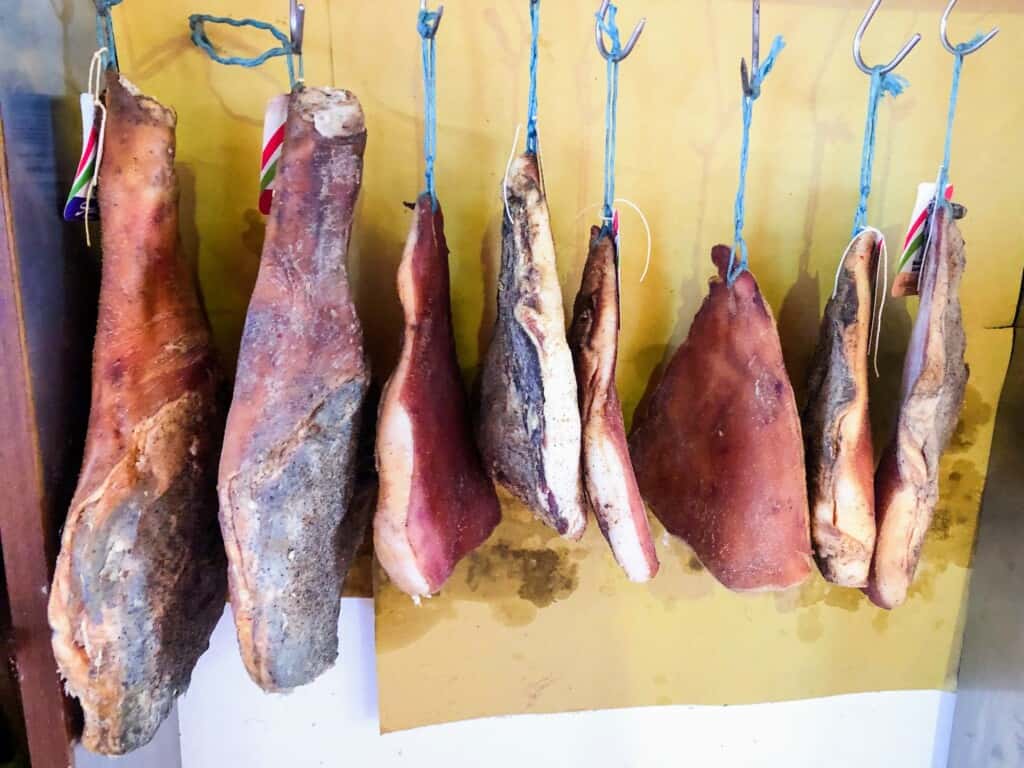
Italy produces several distinct regional varieties, and the differences between them aren’t just marketing — they reflect genuine variations in climate, pig breed, feed, and technique. Here are the three you’re most likely to encounter and the ones worth knowing cold.
Prosciutto di Parma
This is the benchmark. Produced in the hills south of Parma in Emilia-Romagna, Prosciutto di Parma carries PDO (Protected Designation of Origin) status — DOP in Italian — granted by the EU in 1996. What sets it apart starts with the pigs: large white Landrace or Duroc breeds raised in 11 approved Italian regions, fed a diet that includes the whey left over from Parmigiano Reggiano production. That whey feeding gives the finished ham a faintly nutty, sweet flavor profile you don’t find elsewhere.
Aging runs a minimum of 400 days, and premium versions are aged up to three years. The longer the aging, the more complex and concentrated the flavor. Authentic Parma ham is stamped with a black ducal crown — without it, you’re not buying the real thing.
At the Sacramento Italian market, I’ve compared several brands of Prosciutto di Parma side by side, and the difference between a properly aged DOP ham and a generic “prosciutto-style” product is not subtle. The DOP version melts on contact with your tongue. The imitators don’t.
Prosciutto di San Daniele
San Daniele comes from a small town in Friuli-Venezia Giulia in northeastern Italy, sitting at a geographical sweet spot where cold air from the Alps meets warm breezes from the Adriatic. That particular airflow is considered essential to the curing process, and production is strictly limited to this one municipality — it also carries PDO status, marked with a white ducal crown.
What makes San Daniele visually distinctive is its shape: the hoof is left on during curing, and the finished ham has a characteristic pear shape rather than the rounded silhouette of Parma. It’s cured with sea salt only, aged at least 13 months, and tends to produce a slightly more delicate, subtler flavor than Parma — some tasters describe an almost alpine, herbal quality. It’s boneless when sold sliced, though whole legs are sold with the hoof attached.
Prosciutto Toscano
If Parma is sweet and San Daniele is subtle, Prosciutto Toscano is the bold one. The rind is rubbed with pepper, rosemary, garlic, and other spices during curing, which gives it a darker, more assertive flavor profile. It’s produced across Tuscany and represents a regional style that leans into the spiced, rustic end of the prosciutto spectrum. For people who find Parma slightly too mild, Toscano is a logical next step.
Regional Comparison at a Glance
| Variety | Region | Key Traits | Minimum Aging |
|---|---|---|---|
| Prosciutto di Parma | Parma, Emilia-Romagna | Nutty, sweet; whey-fed pigs | 400 days |
| Prosciutto di San Daniele | Friuli-Venezia Giulia | Subtle, pear-shaped; sea salt only | 13 months |
| Prosciutto Toscano | Tuscany | Peppered, spiced; darker rind | Varies |
How Prosciutto Is Made
Understanding the production process changes how you taste prosciutto. You stop thinking of it as just cured ham and start appreciating what it actually is: a transformation driven entirely by salt, temperature, humidity, and time.
The Raw Material
Only hind legs are used — never the front leg, which becomes a different product altogether. A fresh leg weighs roughly 18 to 22 kilograms. Pigs must be large breeds, typically Landrace or Duroc, and for Parma specifically, sourced from 11 approved Italian regions. The animals are raised to a heavier weight than typical commercial pigs, which produces better fat marbling in the final product.
Salting
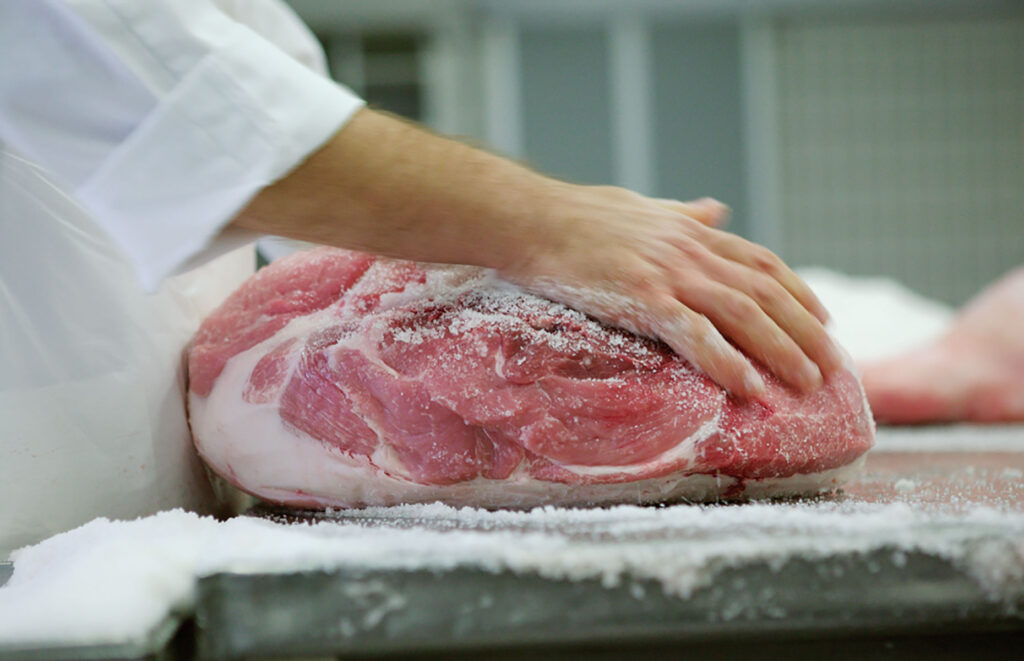
The trimmed leg is packed in sea salt for one to two weeks. This draws out moisture, begins the preservation process, and inhibits bacterial growth. For a DOP product, that’s the only seasoning permitted — no nitrates, no sugar, nothing else.
Washing, Drying, and Pre-Aging
After salting, the leg is washed to remove excess salt and left to rest for one to three months. This pre-aging phase allows the salt to penetrate evenly through the meat before the main curing period begins.
Aging
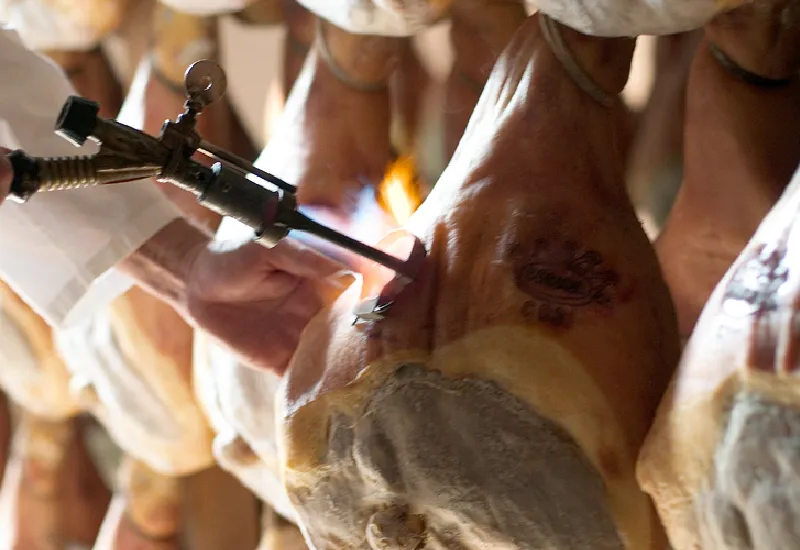
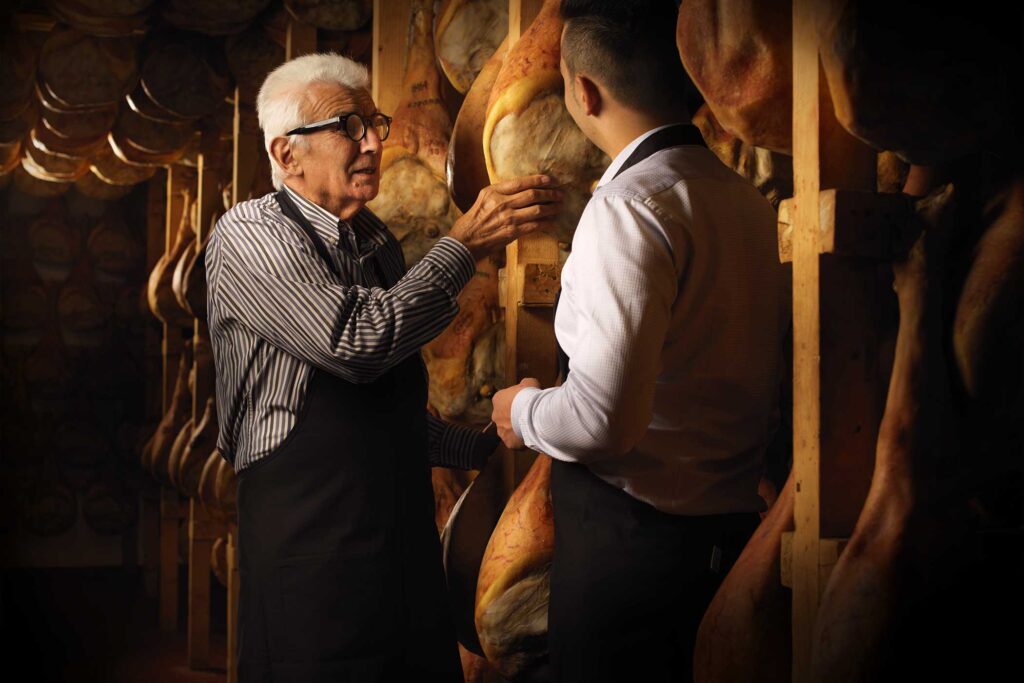
This is where prosciutto earns its reputation. Legs are hung in cellars with precisely controlled temperature — typically 10 to 16°C — humidity between 60 and 80 percent, and carefully managed airflow. They age for 12 to 36 months or more, depending on the variety. During this time, enzymatic activity breaks down proteins and fats, developing the complex flavors and the characteristic melt-in-the-mouth texture. No shortcuts exist. You cannot age prosciutto faster with heat or additives and get the same result.
DOP Certification: Why It Matters
The DOP label — Denominazione di Origine Protetta, or PDO in English — is not a marketing badge. It’s a legally enforceable guarantee backed by EU law that tells you exactly where a product was made, under what conditions, and by what standards. For prosciutto, it means the ham was produced in a specific geographic zone, using approved pig breeds, with no additives, and aged for the minimum required period.
Prosciutto di Parma has carried EU PDO protection since 1996. Every authentic leg is fire-branded with a black ducal crown before leaving the production zone. San Daniele carries the same protection, identifiable by a white ducal crown. If you’re buying sliced prosciutto and the packaging doesn’t reference PDO or DOP certification, you’re likely buying a product with higher water content, possible additives, and a flavor profile that doesn’t represent what prosciutto is supposed to be.
In my experience, buying this for years, the non-DOP versions at regular supermarkets taste noticeably wetter and blander. They’re not bad exactly — they’re just a different product wearing the same name.
How to Buy Prosciutto
Buying prosciutto well is half the battle. Here’s what to look for and what to avoid.
What Good Prosciutto Looks Like
- Color: Rose to mahogany red in the meat, with a thin, even cap of white or pale pink fat. Avoid anything with gray edges, greenish tints, or off odors.
- Fat: The white fat layer along one edge is not something to trim off — it carries flavor and keeps the slice from drying out immediately after cutting. A ham with very little fat cap has often been over-trimmed.
- Label: Look for “Product of Italy” and a DOP or PDO designation. The phrase “prosciutto-style” on a label is a clear signal that the product is not traditional Italian prosciutto.
- Slicing: Ideally, buy from a specialty Italian deli where they slice to order. Pre-sliced packages work well if they’re vacuum-sealed and from a DOP producer, but they begin losing their texture as soon as the seal is broken.
Brands Worth Buying
Two brands I’d recommend starting with: Veroni is widely available in the US, reasonably priced, and consistently reliable for an everyday prosciutto — it’s a solid entry point without requiring a specialty shop. For something closer to what you’d eat in Parma, Parma Crown exports genuine DOP Prosciutto di Parma and is what I reach for when quality matters most for a dinner.
The brand I keep in my kitchen is Veroni because it’s available at the Sacramento Italian market in fresh-sliced form, the price point makes it practical for regular use, and the quality holds up. When I’m building an antipasto board for guests, I’ll upgrade to a DOP San Daniele or Parma Crown for the show.
Price Reference
Expect to pay roughly €20–50 per kilogram for sliced DOP prosciutto in Italy. In the US, prices vary significantly by retailer, but quality DOP prosciutto from a specialty deli generally runs $30–50 per pound. Whole DOP legs, if you can find them, typically run €10–20 per kilogram and represent far better value per gram if you have the equipment to slice at home.
How to Eat Prosciutto
The single most important rule is this: serve it raw and at room temperature. Pull it from the refrigerator 20 to 30 minutes before eating to let it come up to 20–24°C. Cold prosciutto is stiff, the fat doesn’t release properly, and the flavor stays muted. Room-temperature prosciutto is something else entirely — the fat softens, the slices drape and fold naturally, and the full aromatic range opens up.
Classic Antipasti Uses
- Prosciutto e melone: The classic pairing — sweet cantaloupe with thin-sliced prosciutto draped over it. The contrast of sweet and salt is as good as food pairings get.
- With figs: Fresh or roasted figs with prosciutto and a drizzle of honey is one of those combinations that requires almost no effort and impresses every time.
- With Parmigiano Reggiano: Small shards of aged Parmigiano alongside folded slices of prosciutto. No dressing required.
My grandmother Julia would use prosciutto draped over sliced melon as a starter at Sunday lunches — it was never cooked, always laid out at room temperature with a glass of something cold nearby. I still serve it that way.
In Pasta and Salads
Tear prosciutto into irregular ribbons and toss it into salads with burrata, arugula, and balsamic. The heat-and-cool contrast when the prosciutto hits a warm pasta dish is excellent — add it at the very end, off the heat, so it just barely wilts rather than cooking through.
As a Wrap or Cooking Accent
Wrapping prosciutto around grilled asparagus or chicken tenders and roasting briefly works well, but keep the heat low and the time short. High heat turns it leathery and overly salty. The goal is just enough caramelization on the fat without cooking the ham to death.
On Pizza and Flatbreads
Always add prosciutto post-bake on pizza. Putting it in the oven dries it out and strips the delicate flavor entirely. Lay it over the hot pizza as it comes out of the oven and let the residual heat do the work.
Pairings: Wine, Cheese, and More
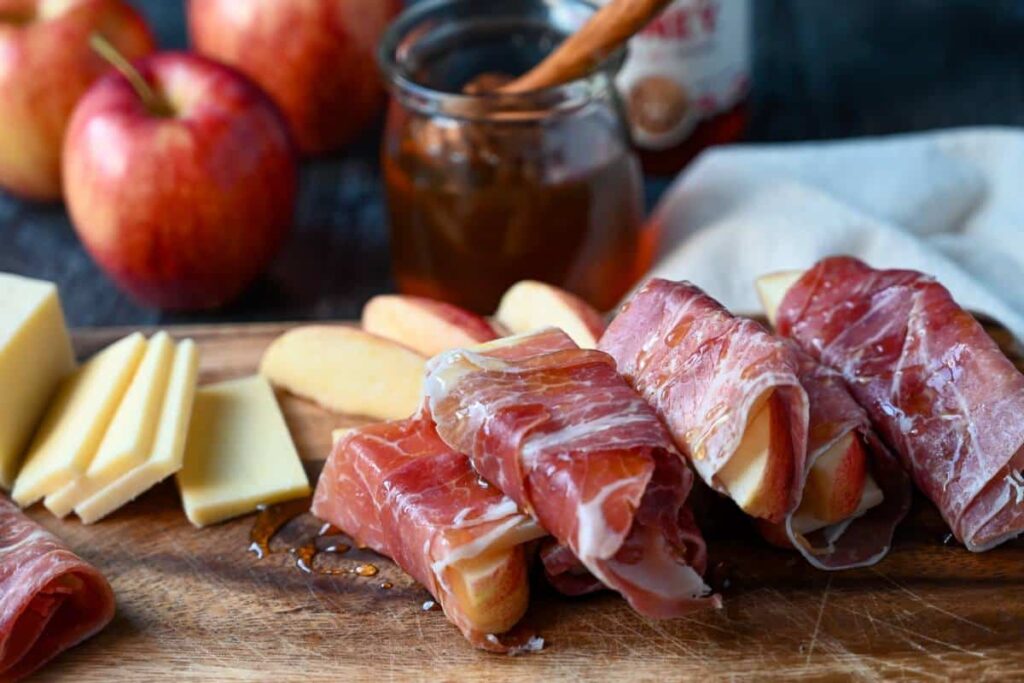
Prosciutto’s delicacy means you want pairings that complement rather than compete. Heavy tannic reds will flatten the flavor entirely.
- Wine: Lambrusco is the traditional pairing for Prosciutto di Parma — the light effervescence and slight acidity cut through the fat beautifully. Friulano whites work well with San Daniele. Prosecco is a reliable, crowd-pleasing option for any variety.
- Cheese: Parmigiano Reggiano, fresh mozzarella, or a sharp pecorino. Keep the cheese flavors clean and not too pungent.
- Accompaniments: Grissini breadsticks, sliced pears, artichoke hearts, or simply good bread. The point is to let the prosciutto remain the main event.
How to Store Prosciutto Properly
Storage mistakes ruin more prosciutto than poor buying decisions do. Follow these guidelines and you’ll get the most out of what you’ve bought.
Whole Unsliced Legs
Hang in a cool space with good ventilation, between 10 and 15°C. A properly stored whole leg in good condition will last six to twelve months. Once you start cutting into it, keep the exposed face covered with the trimmed rind or a piece of lard to prevent oxidation.
Sliced and Vacuum-Packed
Refrigerate at 0 to 4°C. An unopened vacuum pack lasts up to 45 days. Once opened, wrap the remaining slices in breathable paper — butcher paper works well — rather than plastic wrap. Plastic traps moisture and encourages the slices to become wet and slightly rancid. Eat prosciutto within two to three days for the best quality.
Freezer
Don’t. Freezing dries out the texture and wrecks the fat structure that makes prosciutto worth eating in the first place. If you have more than you can eat, buy less next time.
Common Mistakes to Avoid
- Slicing too thick: Thick prosciutto is chewy, salty, and misses the point. Use a long, flexible blade at a 45-degree angle and work toward paper-thin. If you can’t slice it yourself, ask the deli counter to do it for you.
- Storing in plastic: As noted above, this causes sweating and off flavors within hours.
- Eating it cold: Straight from the fridge, prosciutto never shows its best qualities. Give it time to come to room temperature.
- Cooking it at high heat: Low and slow if you must cook it at all. High heat turns it into something resembling salty jerky.
- Buying non-DOP without realizing it: Read labels carefully. The DOP designation is your most reliable quality signal.
- Pairing with heavy red wine: A bold Cabernet will erase everything interesting about prosciutto. Opt for something crisp, light, or sparkling.
The One Thing to Do This Week
Go to the best Italian deli near you — if you’re in Sacramento, the Italian market on Folsom Boulevard will do this right — and ask them to slice a quarter pound of DOP Prosciutto di Parma fresh off the leg. Take it home.
Let it sit out for 20 minutes. Eat it with a ripe cantaloupe and a glass of cold Prosecco. Don’t add anything else. That single experience will tell you more about what prosciutto actually is than any amount of reading, including this article. Once you’ve tasted it that way, you’ll understand why Italians have been making it the same way for two thousand years — and why there’s no good reason to change.
Written by José Villalobos
José Villalobos is a food writer and the founder of Calitalia Food. He grew up in Valparaíso, Chile, where his grandmother Julia cooked Italian food daily from memory and instinct. Based in Sacramento, California, he visits local Italian markets weekly and writes about ingredients, sauces, and regional food culture with the kind of detail that comes from years of sourcing, testing, and eating. Every product he recommends, he has personally bought and tested.