
If you’ve ever made a big batch of homemade sauce and found yourself asking, “Can you freeze pesto?”—you’re not alone. Whether it’s basil-heavy Genovese or a modern twist with kale or arugula, pesto doesn’t always get used up in one go.
In this article, we’ll break down how to freeze pesto the right way, what to expect when you thaw it, and tips to preserve that bold, fresh flavor.

Why Freeze Pesto?

- 1. Saves Time for Busy Weeks
• Make once, use many times for pasta, marinades, or dressings. - 2. Prevents Waste
• Basil spoils fast—freezing pesto lets you use up all your herbs and nuts before they turn. - 3. Preserves Peak Summer Flavor
• Store that garden basil or farmers’ market haul while it’s still fragrant and vibrant.
Can All Types of Pesto Be Frozen?
Yes—with some caveats.
Freezes Well:
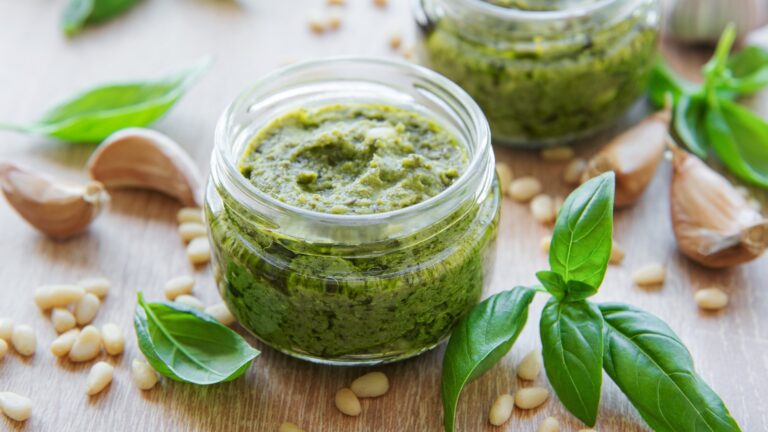
• Classic basil pesto
• Kale or spinach pesto
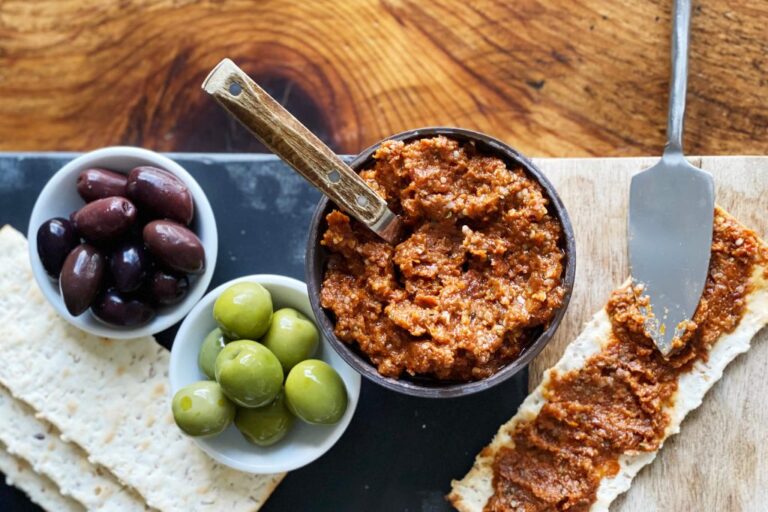
• Red pepper or sun-dried tomato pesto
• Broccoli, arugula, or beet pestos
• Pesto with cheese or nuts (with a few precautions)
I make pesto at least twice a week — this is what I have learned from years of repetition.
Requires Adjustments:
• Pesto with soft cheeses (like ricotta) may separate—freeze without, then stir in fresh before serving.
• Delicate or high-moisture pestos (like zucchini blossom or fava bean) may lose texture but are still usable.
Best Methods to Freeze Pesto
1. Ice Cube Tray Method (Perfect for Portions)

Steps:
1. Spoon pesto into clean ice cube trays.
2. Tap to eliminate air pockets.
3. Cover tray with plastic wrap or foil.
4. Freeze for 3–4 hours, then pop cubes out and store in a freezer-safe bag.
Pros:
• Easy to thaw small portions (1 cube = ~1 tbsp)
• Great for adding to soups, sautés, or one-person pasta bowls
2. Small Jar or Mason Jar Freezing

Steps:
1. Spoon pesto into sterilized, freezer-safe jars.
2. Leave at least 1 inch of headspace (pesto expands as it freezes).
3. Pour a thin layer of olive oil on top to seal out air.
4. Seal tightly and freeze.
Pros:
• Ideal for thawing larger amounts
• Oil seal preserves freshness and color
Watch out for: Glass breakage from freezer expansion—only use jars labeled freezer-safe.
3. Zip-Top Bag Method (Flat Freezing)

Steps:
1. Place pesto in a freezer-safe zip-top bag.
2. Press out air and flatten into a thin layer.
3. Seal and label with date and pesto type.
4. Stack flat in freezer.
Pros:
• Saves space
• Break off what you need
• Thaws quickly
How Long Can You Freeze Pesto?

• 3–6 months for best flavor
• After 6 months, pesto is still safe but may lose brightness and aroma
Pro Tip: Label with the freeze date and pesto type. You’ll thank yourself later.
Should You Freeze Pesto with Cheese?
Yes, but consider this:
• Cheese can change texture when frozen, especially Parmigiano or Pecorino.
• To preserve ultimate smoothness:
• Option 1: Omit cheese when freezing; stir in fresh before serving.
• Option 2: Leave it in, but use pesto in cooked dishes like pasta or pizza where slight separation won’t matter.
How to Thaw Frozen Pesto
| Thawing Method | Best For | Instructions |
|---|---|---|
| Fridge overnight | Preserving texture and color | Place container in fridge 6–12 hrs |
| Room temp in bowl | Quick pasta or spread use | 30–60 mins in sealed container |
| Direct to pan (frozen cube) | Sautés, soups, sauces | Add pesto cube straight into warm pan |
| Microwave (last resort) | Only if you’re desperate | Use lowest power setting, 10-sec intervals |
Using Frozen Pesto – Ideas & Inspiration
• Stir into freshly cooked pasta with a splash of hot water
• Spread on toast or sandwiches
• Add to omelets or scrambled eggs
• Dollop onto soups (minestrone, potato leek, tomato)
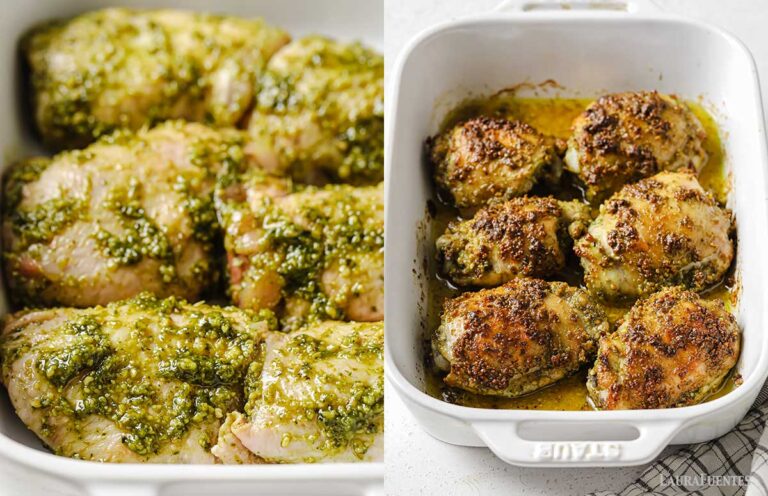
• Drizzle over grain bowls, roasted vegetables, or grilled meats
Freeze It Like You Mean It
Don’t let that vibrant green pesto go to waste. With just a few freezing techniques, you can lock in flavor, prevent waste, and stock your kitchen with a secret weapon for fast, flavor-packed meals year-round.
Whether you’re freezing cubes for weeknight pasta or stocking up jars for winter comfort food, pesto is one of the easiest sauces to preserve—and one of the most rewarding to have on hand.
Written by José Villalobos — Food writer and founder of Calitalia Food. Based in Sacramento, CA. Read more →