Pesto has become a weeknight dinner staple—slathered on pasta, spread on toast, whisked into vinaigrettes. And while we all dream of whipping up a batch with fragrant Genovese basil and golden Ligurian olive oil, the truth is… most of us reach for the jar.
So, how does jarred pesto compare to the fresh homemade version? Does convenience come at the cost of flavor? Is there a store-bought option that even comes close?


This is your no-nonsense, taste-test-backed comparison of fresh vs. jarred pesto—so you know exactly when to reach for the blender and when it’s okay to pop open a lid.
What Defines Fresh Pesto?

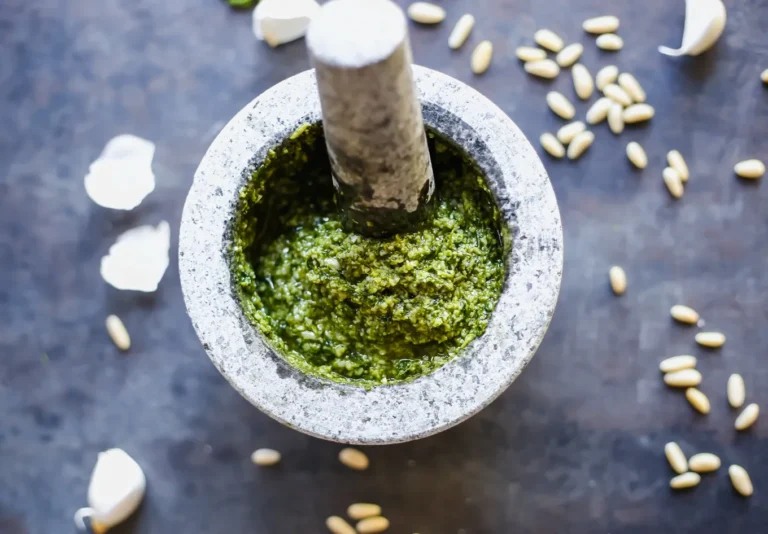
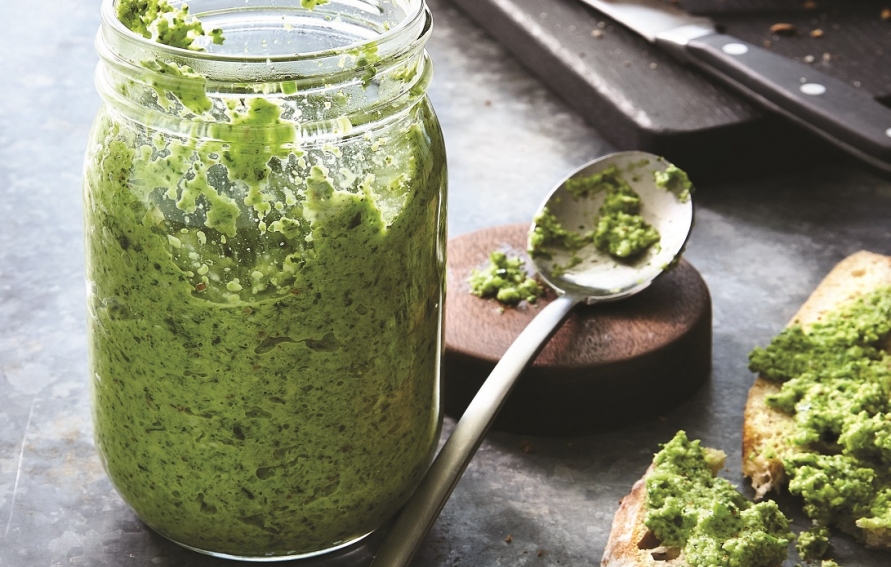
Fresh pesto is made with real, raw ingredients—typically just:
At the Italian market in Sacramento, I source the basil and pine nuts specifically for this.
• Fresh basil
• Garlic
• Extra virgin olive oil
• Pine nuts
• Parmigiano Reggiano or Pecorino
Characteristics:
• Vibrant green color
• Strong herbal aroma
• Balanced salt, acid, fat
• Slightly coarse texture
• No preservatives or heat-processing
It’s made to be eaten immediately or stored in the fridge or freezer for short-term use.
What Defines Jarred Pesto?
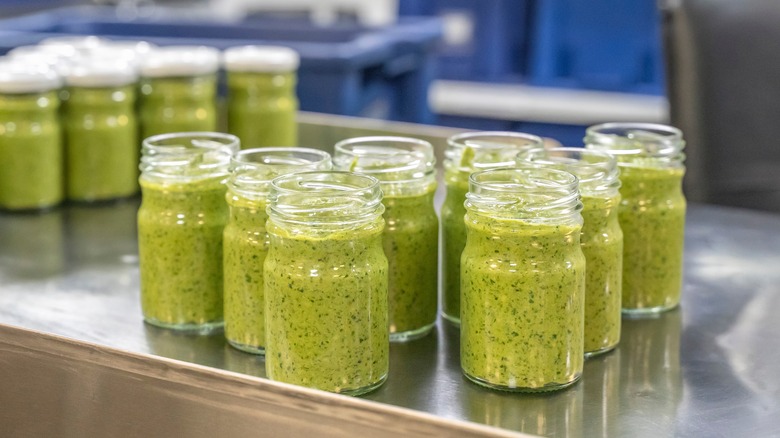
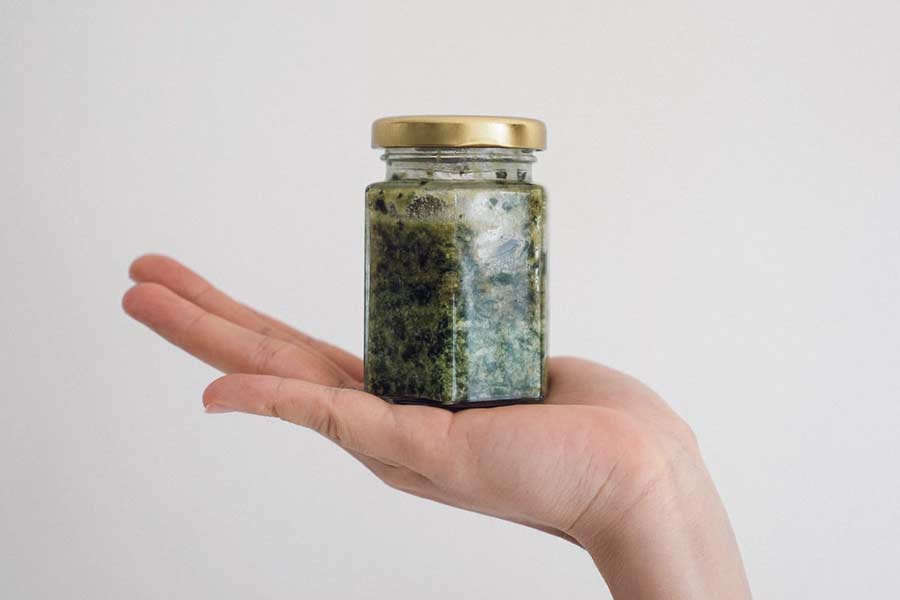
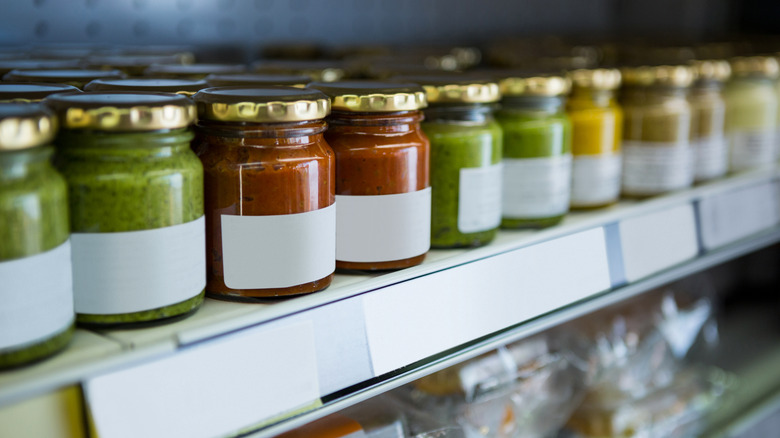
Jarred pesto is designed for shelf stability—whether that means refrigeration or room-temperature storage. It’s often:
• Pasteurized (heated to kill bacteria)
• Acidified (with citric acid or vinegar)
• Made with stabilizers (potato starch, whey powder)
• Often includes cashews instead of pine nuts
• May use sunflower or canola oil instead of EVOO
Characteristics:
• Duller, army green color
• Smooth, often paste-like texture
• Slightly acidic or salty flavor
• Long shelf life (6–18 months unopened)
Fresh vs Jarred Pesto – Side-by-Side Comparison
We tested both options blind, on:
• Al dente trofie pasta
• Sourdough toast
• Roasted vegetables
Fresh Pesto:
• Flavor exploded in the mouth
• Basil-forward with layers of cheese and garlic
• Texture clung beautifully to pasta
• Balanced salt and acidity
Jarred Pesto:
• Slight metallic or acidic aftertaste
• Smooth, but lacked brightness
• Better with cooked or mixed-in dishes than raw use
• Cheese flavor was often missing or muted

Winner: Fresh pesto, hands down—but jarred had its place when enhanced with a few quick upgrades (see below).
When to Use Fresh Pesto?
Go for fresh pesto when:
- The pesto is the star of your dish (pasta, toast, sandwiches, grilled meats)
- You want maximum aroma, vibrant flavor, and texture that clings
- Serving it raw or as a topping (think salads, caprese, crostini)
- You’ve got fresh basil/herbs and a few minutes to blend
If you’re hosting, impressing, or just want the best, fresh wins every time.
When Jarred Pesto is Totally Fine (Or Even Preferred)
Don’t count jarred out—use jarred pesto when:
- You’re in a rush or cooking on a weeknight
- Mixing into soups, stews, or sauces where other flavors dominate
- Using it as a flavor booster in casseroles, roasted veggies, or baked pasta
- You need pantry back-up (we all do)
Some high-quality brands do a decent job. And with a few tweaks, jarred can almost fake fresh.
How to Upgrade Jarred Pesto Instantly
If you’re stuck with a mediocre jar, here’s how to revive it:
Add:
• 1 tbsp of extra virgin olive oil
• A squeeze of lemon juice
• 1–2 tbsp of grated Parmigiano Reggiano
• Cracked black pepper
• A pinch of salt (if bland)
• Fresh basil or parsley, chopped
These quick tweaks restore richness, brightness, and aroma.
The Best of Both Worlds – Hybrid Strategy
Why choose one when you can hack the system? Many home cooks and chefs now use a hybrid approach:
- Keep a high-quality jarred pesto in the pantry for emergencies or weeknight speed.
- Use it as a base, then blend with:
- Fresh herbs (basil, parsley, arugula)
- More cheese (Parmesan, pecorino, or even ricotta)
- Olive oil or a handful of nuts/seeds
- Customize for your mood: creamy, spicy, vegan, nut-free, etc.
This “halfway homemade” trick gives you convenience and flavor, without the full DIY commitment.
Which Should You Choose?
Fresh pesto is unbeatable in flavor, aroma, and texture. If you have the time and ingredients, it’s always the better choice—especially when the pesto is the centerpiece of your dish.
But jarred pesto has its place, especially when you:
• Need convenience
• Are you mixing it into sauces or cooked dishes
• Keep it as a pantry emergency staple
Just choose your jar wisely (see our brand review), tweak it as needed, and you’ll still end up with a satisfying, pesto-powered plate.
Disclosure: Our blog contains affiliate links to products. We may receive a commission for purchases made through these links. However, this does not impact our reviews and comparisons. We try our best to keep things fair and balanced, in order to help you make the best choice for you.
Written by José Villalobos — Food writer and founder of Calitalia Food. Based in Sacramento, CA. Read more →