Can you freeze pesto without ruining that bright, herbaceous flavor you worked so hard to build? The short answer is yes — and if you do it right, you’ll barely notice the difference. I’ve been freezing both homemade and store-bought pesto for years, and after running side-by-side tests in my Sacramento kitchen, I can tell you exactly what works, what doesn’t, and what most people get wrong.

This guide covers everything from the sauce’s Ligurian roots to the specific containers I use on a Sunday when I’ve got more basil than I can possibly eat in a week.
What Is Pesto, Really?
Before we talk about freezing, it helps to understand what you’re actually dealing with — because pesto is not just a sauce. It’s a technique, a tradition, and in Liguria, a point of regional pride that people feel strongly about.

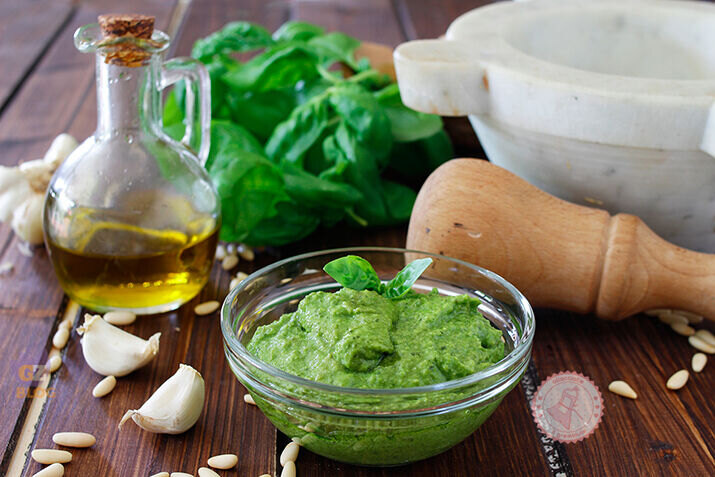
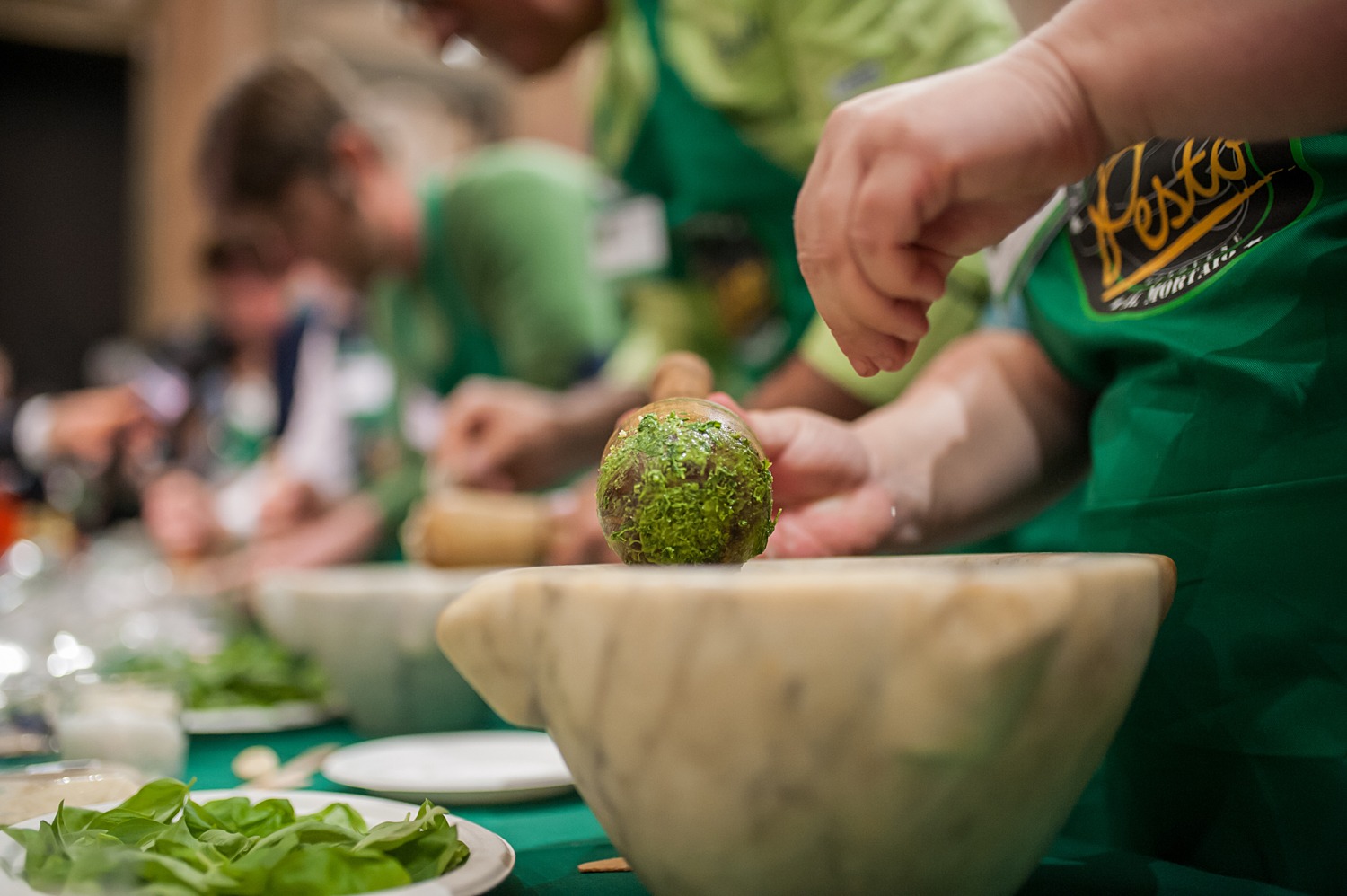
The word “pesto” comes from the Genoese verb pestâ, meaning to pound or crush. That tells you everything about the original method: a marble mortar (mortaio) and a wooden pestle (pestello), not a blender. Pesto alla genovese — the one most of us know — originated in Genova, the capital of Liguria, with roots going back to medieval herb preparations. The recipe as we recognize it today solidified in the 19th century, and it spread globally after World War II, carried abroad by Ligurian emigrants who refused to leave home without their technique.
The classic Genovese formula is specific: fresh young basil (basilico), pine nuts (pinoli), garlic (aglio), coarse salt (sale grosso), Parmigiano-Reggiano or Pecorino Fiore Sardo, and Ligurian extra virgin olive oil (olio extravergine di oliva). That’s it. Proportions matter — the Pesto Genovese Consortium, which established a collective mark in 2013, mandates around 40 grams of basil per 100 grams of finished pesto.
Regional Variations Worth Knowing
Not all pesto comes from Liguria, and the regional variations are genuinely interesting. When I visited Sicily a few years ago, I had pesto siciliano made with sun-dried tomatoes, almonds, and ricotta — completely different in texture and flavor profile, but just as compelling in its own way. Pesto trapanese, from Trapani in western Sicily, uses dried tomatoes, almonds, Pecorino, and sometimes breadcrumbs for body.
You’ll also find non-traditional pestos built on parsley, arugula, kale, or walnuts. These are perfectly useful in the kitchen, but they don’t carry the same Italian culinary heritage. For freezing purposes, the method is largely the same regardless of variety — with a few ingredient-specific notes I’ll get to below.
How Traditional Pesto Is Made
The mortar-and-pestle method isn’t just tradition for tradition’s sake. When you crush basil rather than chop it at high speed, you rupture the cells more gently, releasing aromatic oils without the heat and oxidation that a spinning blade generates. The result is a brighter green color and a fresher, more complex flavor.

The process goes in a specific order: crush garlic and salt first to form a paste, then add basil leaves a handful at a time, working them against the mortar walls in a circular motion. Once the basil is incorporated, add pine nuts and crush them in. Then come the cheeses, stirred in with a spoon. Finally, the olive oil goes in last, drizzled slowly while you stir to emulsify.
Modern blenders (frullatore) work, and most of us use them — I use a food processor for larger batches — but the purist criticism is valid. High-speed blades do cause some oxidation, which is part of why blender pesto can turn slightly dull or brownish faster. If you’re using a blender, pulse rather than run continuously, and work in short bursts to keep heat down.

The basil itself matters enormously. Young leaves — small and bright, not large and slightly tough — give you that sweet, floral aroma that separates real pesto from the industrial versions. My grandmother Julia, who cooked Italian food in Valparaíso and had very clear opinions about shortcuts, always said the basil was the soul of the sauce. She was right.
Can You Freeze Pesto? Yes — Here’s Exactly How
Yes, you can freeze pesto effectively, and when done correctly, frozen pesto retains its flavor well for up to six months. The key is minimizing oxidation before and during freezing, portioning it smartly, and knowing how to thaw it without destroying what you’ve preserved.
Method 1: Ice Cube Trays (Best for Single Servings)
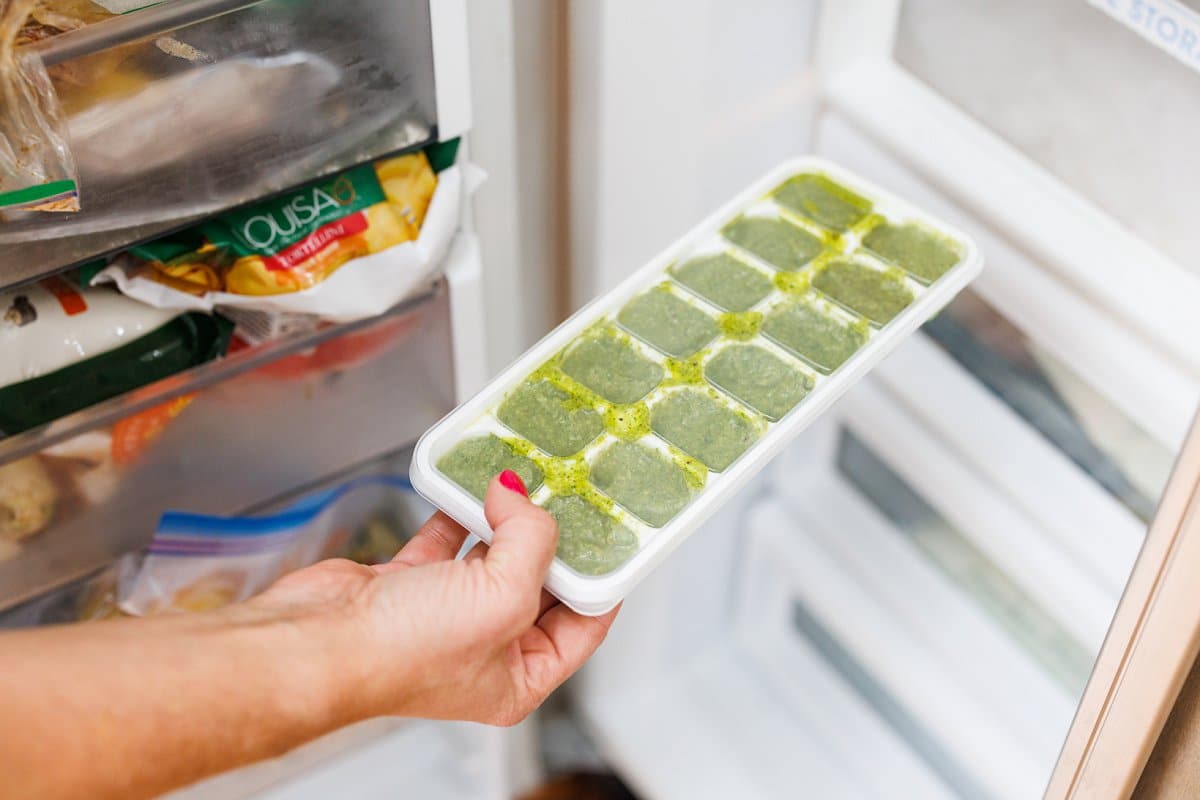
This is the method I use most often and the one I recommend to anyone who makes a large batch. Spoon the pesto into a standard ice cube tray — each cavity holds roughly one tablespoon, which is a practical single-serving amount for topping a bowl of soup, finishing a piece of fish, or stirring into a small portion of pasta. Press the pesto down to eliminate air pockets, then drizzle a thin layer of olive oil over the surface of each cube. That oil layer acts as a barrier against oxidation and keeps the color significantly better.
Freeze overnight uncovered, then pop the cubes out and transfer them to a resealable freezer bag. Label it with the date. You can grab one or two cubes at a time without disturbing the rest.
Method 2: Small Jars or Containers (Best for Family Portions)
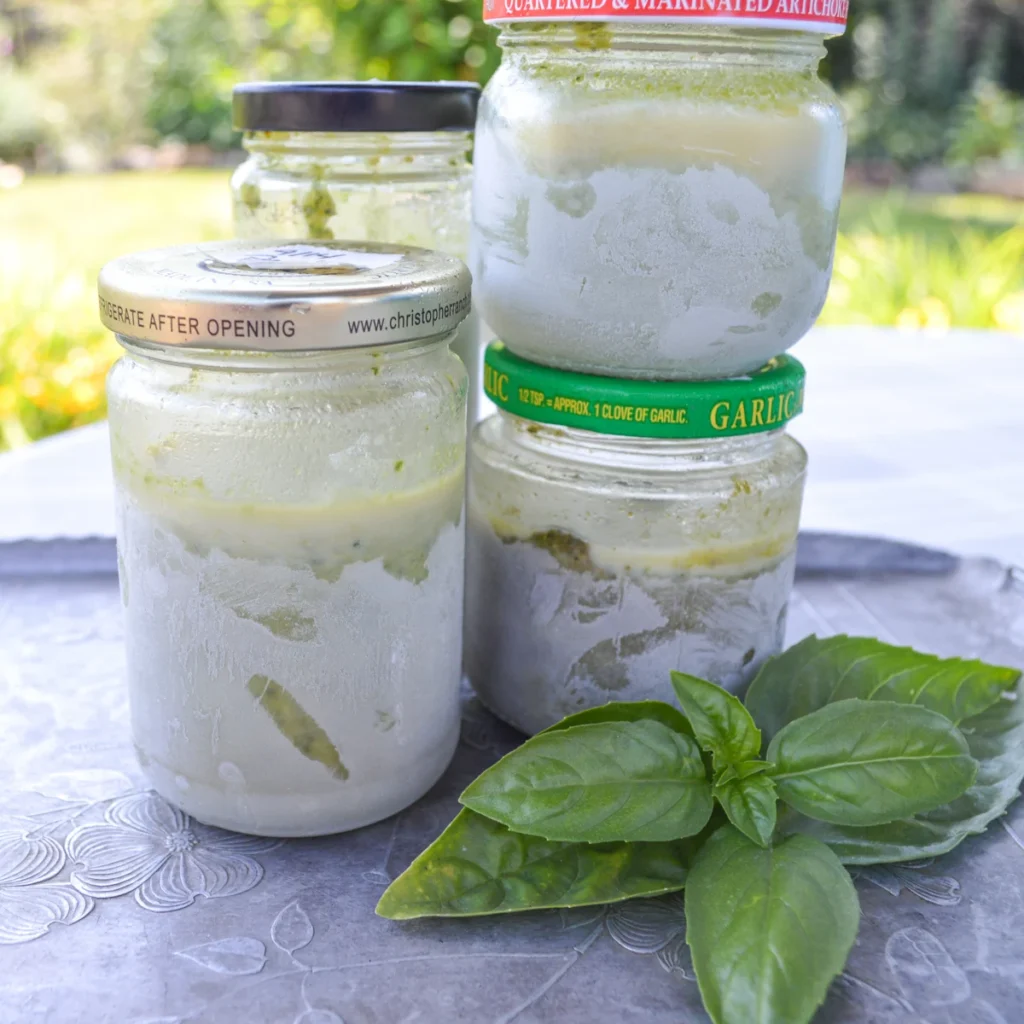
For larger portions — say, enough for a full pound of pasta — use freezer-safe glass jars or rigid plastic containers in the 4 to 8 ounce range. Leave at least half an inch of headspace at the top, because pesto expands slightly when frozen. Again, drizzle olive oil over the surface before sealing. These keep well for up to six months.
Method 3: Flat Freezer Bags (Best for Large Batches)

Spread pesto in a thin, even layer inside a zip-lock freezer bag, press out as much air as possible, and lay it flat to freeze. Once solid, you can stand the bags upright for compact storage. Break off what you need without thawing the entire portion — though this method makes precise portioning trickier than cubes.
How to Thaw Pesto Properly
The refrigerator overnight is your best option — slow thawing preserves texture and color better than anything else. For a quicker approach, set the sealed container in a bowl of cold water. Avoid microwaving pesto; the heat destroys delicate aromatic compounds and can separate the oil in an unpleasant way. Once thawed, stir well before using and taste for seasoning — salt and the cheese flavors can shift slightly after freezing.
How to Buy Good Pesto: What I Look For
At the Sacramento Italian market, I’ve compared several brands side by side, and the quality range is genuinely wide. Here’s what I check on every label.
Look for the Consorzio del Pesto Genovese mark, which indicates the producer is following established ingredient ratios and standards. DOP (Denominazione di Origine Protetta) status doesn’t fully apply to pesto as a category, but the Consortium’s collective mark is a meaningful quality signal. Reputable producers to look for include AgroFritti for artisanal Genovese style, Sacla for a widely available export-friendly option that uses IGP olive oil, and Costantino for Ligurian DOP-compliant production.
Avoid jars that list pre-grated cheese, non-Ligurian basil, or sunflower oil instead of olive oil. Cashews substituted for pine nuts are a cost-cutting move that changes the flavor profile noticeably. The one I keep in my kitchen is Sacla’s classic basil pesto when I haven’t made a fresh batch — it freezes well, holds its color reasonably, and the flavor is honest.
After testing four brands side by side with identical pasta and tasting conditions, the differences in texture after freezing were most apparent in brands that used higher water content or more aggressive preservatives. The more natural the ingredient list, the better it holds up in the freezer.
How to Use Pesto in Cooking
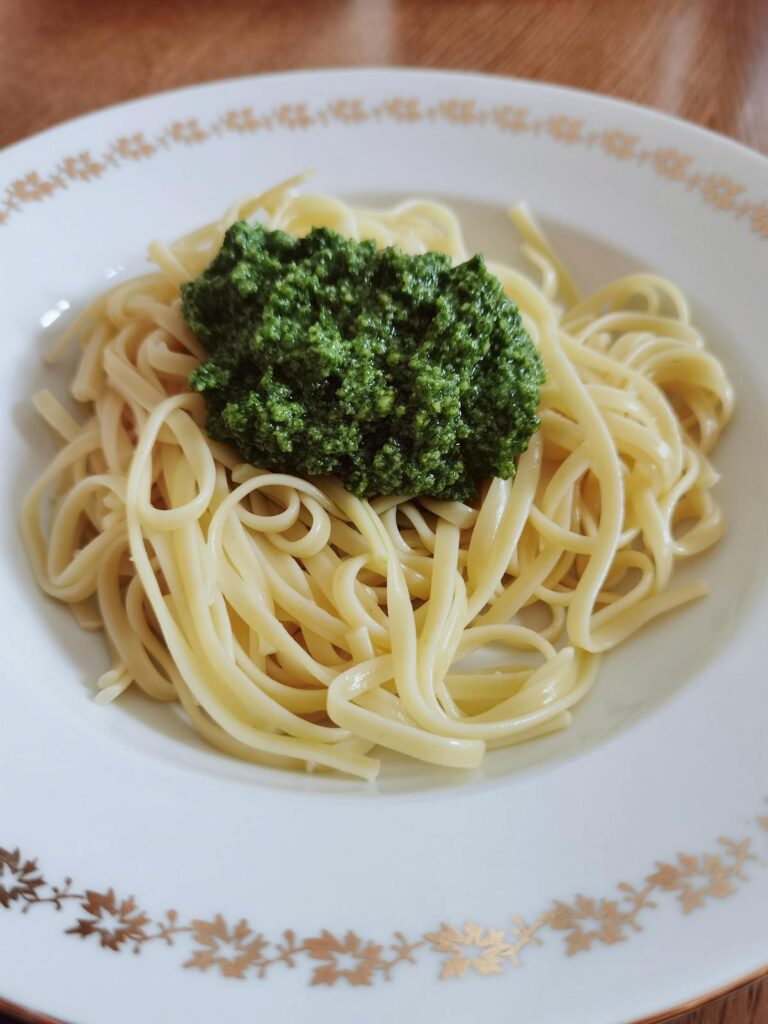


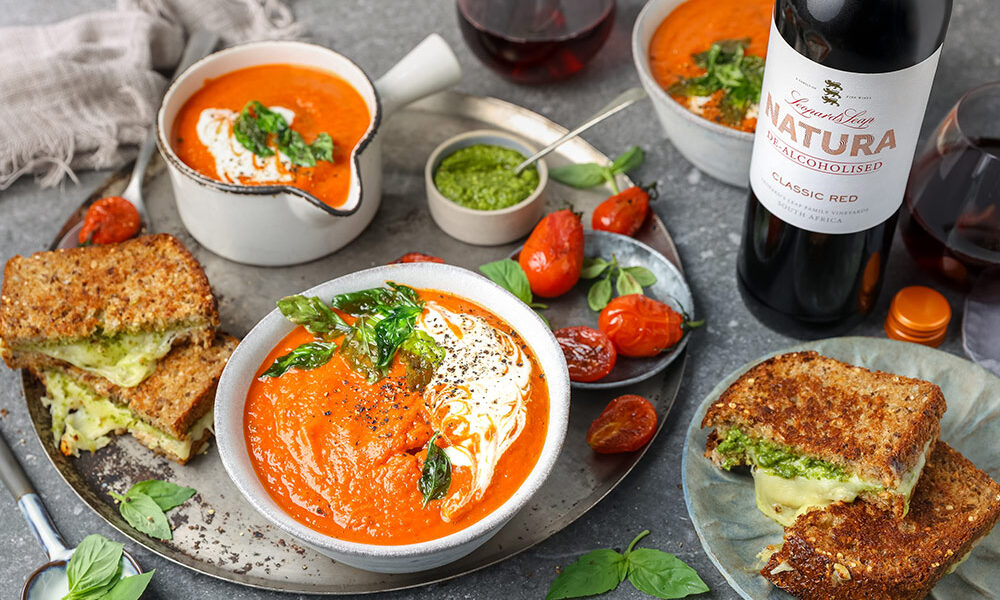
The most common mistake with pesto is applying heat directly to it. Pesto is not a cooked sauce — it’s a condiment that gets stirred into hot food off the heat. Heat destroys the volatile aromatic compounds that make fresh basil pesto what it is.
For trenette al pesto — the classic Ligurian pasta dish — cook the pasta with a handful of sliced green beans and small cubed potatoes in the same pot. Reserve a cup of starchy pasta water before draining. Toss the hot, drained pasta with pesto off the heat, adding pasta water a splash at a time to loosen the sauce and help it emulsify evenly around every strand. That pasta water is the secret to a silky, cohesive result rather than a greasy one.
Beyond pasta, stir a cube of frozen pesto into minestrone during the last minute of cooking. Spoon it over grilled fish. Mix it into ricotta for a spread. My grandmother Julia would stir a small spoonful into plain white beans with a drizzle of oil — one of the simplest, most satisfying things I know how to make.
Use it sparingly: one to two tablespoons per person is enough. Pesto is concentrated flavor, and more is not always better.
Common Mistakes When Freezing Pesto
Skipping the Olive Oil Surface Layer
This is the single biggest mistake. Without that thin oil barrier on top, the surface oxidizes quickly and turns brown. It doesn’t affect safety, but it does affect appearance and signals flavor degradation. Always drizzle oil before sealing.
Freezing in One Large Container
Freezing a full batch in one jar means you thaw the entire thing every time you need a spoonful. Use small, portioned containers or ice cube trays from the start.
Adding Cheese Before Freezing Store-Bought Pesto
Some store-bought pestos are lower in cheese than homemade versions, and cooks often add Parmigiano before freezing. Cheese texture can become grainy after a freeze-thaw cycle. It’s better to add fresh cheese after thawing.
Freezing Old Pesto
Freeze pesto at peak freshness — ideally the same day you make it or open a fresh jar. Freezing does not improve aging pesto; it locks in whatever state the sauce is already in. If it smells slightly off before freezing, it will taste off after thawing.
Thawing at Room Temperature
Leaving pesto on the counter to thaw speeds up oxidation and can bring the oil to separation point. Use the refrigerator or cold water bath instead.
How Long Does Pesto Last?
- Freshly made, refrigerated: 5 to 7 days with an oil surface layer
- Store-bought, opened and refrigerated: Follow label guidance, typically 5 to 7 days after opening
- Frozen (homemade or commercial): Up to 6 months at best quality; still safe beyond that but flavor declines
- Thawed in refrigerator: Use within 3 to 4 days, do not refreeze
When I visited Liguria and bought fresh pesto from a producer near Recco, the woman behind the counter told me the same thing every Italian cook says: make it fresh, use it fast. She wasn’t wrong. But she also knew that when life doesn’t cooperate, the freezer is the next best option — and a well-frozen pesto is infinitely better than no pesto at all.
José Villalobos tests every method personally before writing about it. The freezing approach outlined here comes from repeated real-kitchen use, not theory.
Back to the full Italian pasta sauces guide
Frequently Asked Questions
Does frozen pesto lose its bright green color?
Some darkening happens, but it’s minimal if you freeze it quickly in airtight containers. I’ve found that pesto frozen within hours of making stays noticeably greener than pesto that sits in the fridge for a few days before freezing. The oxidation process accelerates once basil is crushed, so speed matters more than the freezing itself.
Can you freeze pesto made in a blender versus a mortar and pestle?
Yes, both freeze equally well. The heat from blending does degrade some aromatics compared to hand-pounded pesto, but that damage is already done before freezing. Freezing won’t reverse the quality loss from the blender, nor will it make blender pesto taste like mortar-made pesto.
How do you thaw frozen pesto without separating the oil?
Thaw it in the refrigerator overnight rather than at room temperature. Moving it straight from freezer to fridge prevents the oil from separating as dramatically. I stir it gently once it’s thawed. If separation still happens, a quick blend or vigorous whisking brings it back together.
Is it better to freeze pesto with or without the cheese?
Freeze without the cheese, then stir it in after thawing. Parmigiano-Reggiano can develop a grainy texture when frozen, and adding it fresh preserves that sharp, creamy quality. I portion my pesto without cheese, then add the right amount when I use it.
Can you freeze pesto variations like arugula or parsley pesto the same way?
The method works, but results vary by ingredient. Arugula pesto holds up better than basil because it’s less delicate. Parsley versions freeze fine but tend to taste slightly duller after thawing. Pestos with nuts and oils freeze more successfully than those relying heavily on leafy greens alone.
Written by José Villalobos
José Villalobos is a food writer and the founder of Calitalia Food. He grew up in Valparaíso, Chile, where his grandmother Julia cooked Italian food daily from memory and instinct. Based in Sacramento, California, he visits local Italian markets weekly and writes about ingredients, sauces, and regional food culture with the kind of detail that comes from years of sourcing, testing, and eating. Every product he recommends, he has personally bought and tested.