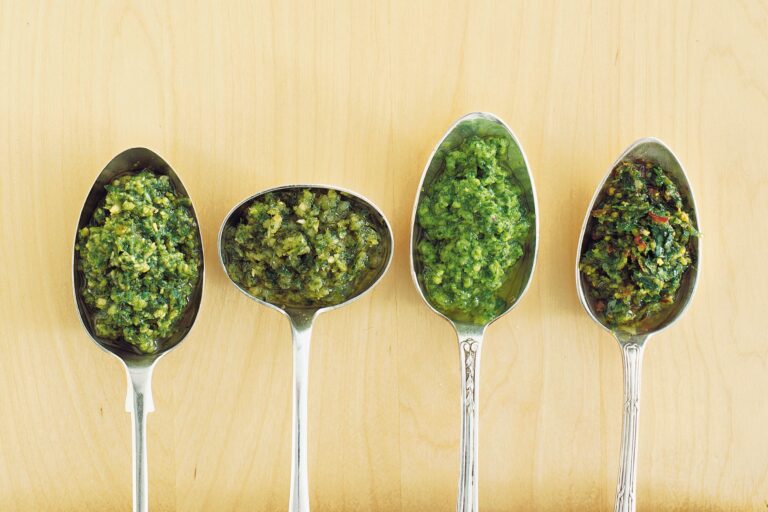

They look similar. They sound similar. And yes, they both bring bold, herbal flavor to pasta and soups. But while pesto and pistou share common DNA, they are not the same sauce.
One is the verdant icon of Ligurian cuisine. The other is a Provençal twist passed down through French grandmothers. To confuse them is understandable—but to distinguish them is to unlock a deeper appreciation for Mediterranean culinary traditions.

In this post, we’ll break down the real difference between pesto and pistou—from ingredients to technique to cultural roots—and explain when and how to use each one like a regional expert.
Shared Origins – Garlic, Olive Oil, and Simplicity
Let’s start with the common ground.
Both pesto and pistou come from the Western Mediterranean—specifically:
• Pesto: Originating in Liguria, Italy (especially in Genoa)
• Pistou: Coming from Provence, in southern France
Both sauces are:
• Raw, uncooked emulsions
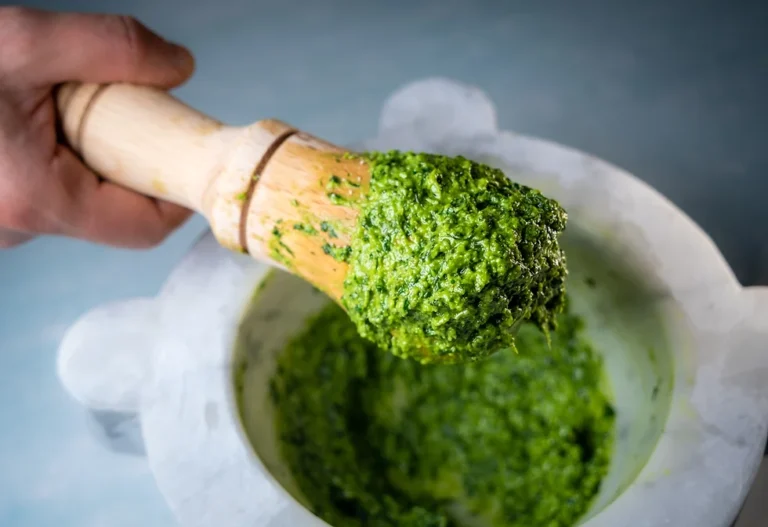
• Made by pounding or grinding ingredients with a mortar and pestle (or food processor today)
• Used to flavor pasta, soup, and vegetables
• Anchored by garlic and olive oil
I make pesto at least twice a week — this is what I have learned from years of repetition.
But the similarities mostly end there.

What Is Pesto? (The Italian Original)

Pesto alla Genovese is the classic Italian version, built on six main ingredients:
1. Fresh basil
2. Pine nuts
3. Parmigiano-Reggiano
4. Pecorino Sardo
5. Garlic
6. Extra virgin olive oil
It’s rich, creamy, and nutty—with both cheeses adding body and salt, while the pine nuts add smoothness and complexity. The basil provides that signature vibrant green color and heady aroma.
Pesto is typically served:
• With trofie or trenette pasta
• On gnocchi or minestrone
• Occasionally with boiled potatoes and green beans
Traditional pesto is made by hand, slowly pounding each ingredient to coax out oils and flavors.
What Is Pistou? (The Provençal Cousin)

Pistou (pronounced pees-TOO) is the French interpretation of pesto—but it’s stripped-down, sharper, and a bit more rustic.
Classic pistou contains:
1. Fresh basil
2. Garlic
3. Olive oil
That’s it. No nuts. No cheese. No filler. Just a pungent, fragrant paste that’s thinner and sharper than its Italian counterpart.
Sometimes, grated cheese (usually Gruyère or Parmesan) is added just before serving, but never in the original blend.
Pistou is most famously used in:
• Soupe au pistou – a vegetable-and-bean soup similar to minestrone
• Over grilled vegetables
• Stirred into warm pasta
It’s designed to accent—not smother—delicate broths and light summer dishes.
Key Difference Between Pesto and Pistou
Let’s break it down clearly:

Why No Nuts or Cheese in Pistou?
The absence of nuts and cheese in pistou isn’t a mistake—it’s about accessibility and regional taste.

Provence was historically:
• Rural and agrarian
• Without easy access to expensive pine nuts or imported cheese
• Focused on seasonal vegetables, beans, herbs, and olive oil
Pistou developed as a way to brighten peasant food. Without nuts and cheese, it had fewer luxuries—but its purity of flavor and simplicity were ideal for home cooking.
Plus, cheese added directly to boiling soup would curdle. By keeping it separate, cooks preserved texture and control.
When to Use Pesto vs. Pistou
Choose pesto when:
• You want a creamy, rich sauce that coats pasta
• You’re cooking Italian food or want something hearty
• You’re using it as a base on pizza, sandwiches, or grilled meats

Choose pistou when:
• You want a lighter, brighter, and sharper flavor
• You’re finishing a soup or broth
• You want the sauce to stay thin and not overwhelm delicate ingredients
• You need a vegan or nut-free alternative

Can You Use Them Interchangeably?
In a pinch—yes. But the final dish will change.
Swapping pesto for pistou will add body and saltiness. Using pistou in place of pesto may leave your dish tasting thin or under-seasoned.
If you’re making Soupe au Pistou, use pistou.
If you’re dressing pasta, use pesto—or modify pistou by adding cheese and a touch of ground nuts.
Final Thoughts – Cousins, Not Clones
Pesto and pistou are culinary cousins: similar in spirit, but shaped by place, ingredients, and history. Both are brilliant examples of how simple, raw ingredients can create deep, memorable flavor.

Understanding the differences lets you cook more intentionally—using the right sauce for the right dish, the right occasion, and the right feeling. Because in the end, cooking isn’t about following rules. It’s about honoring traditions, knowing your tools, and cooking with purpose.
So the next time someone asks, “Aren’t pistou and pesto the same thing?”—you’ll know exactly what to say.
Disclosure: Our blog contains affiliate links to products. We may receive a commission for purchases made through these links. However, this does not impact our reviews and comparisons. We try our best to keep things fair and balanced, in order to help you make the best choice for you.
Written by José Villalobos — Food writer and founder of Calitalia Food. Based in Sacramento, CA. Read more →