
Walk through a market in Genoa and you’ll spot jars labeled “Pesto Genovese DOP,” often priced higher than their green-sauce peers. But what exactly does “DOP” mean—and why should you care?
In a world full of imitations, additives, and factory shortcuts, the DOP label (Denominazione di Origine Protetta) is a seal of authenticity. It tells you that what’s inside that jar or mortar was made with real Ligurian basil, in Liguria, under strict quality controls that protect not just flavor, but tradition.

In this article, we’ll break down everything you need to know about the DOP certification for Genovese pesto: what it is, what it guarantees, and how it preserves the soul of Italy’s most iconic green sauce.
What Does DOP Mean?

“DOP” stands for Denominazione di Origine Protetta, or Protected Designation of Origin in English. It’s a European Union certification that:
- Protects regional food products from imitation
- Ensures ingredients come from a specific area
- Requires traditional production methods
- Upholds strict quality standards
Think of it like a culinary passport. If something carries the DOP label, it’s legally and culturally tied to the place it came from—just like Champagne must come from France’s Champagne region, or Parmigiano-Reggiano must come from Emilia-Romagna.
What Is DOP Pesto Genovese?
While pesto as a concept has many versions, Pesto Genovese DOP refers to a specific recipe using specific ingredients grown and processed within Liguria.
To earn this label, producers must use:
- Basilico Genovese DOP (basil grown in Liguria)
- Italian pine nuts
- Parmigiano-Reggiano and/or Pecorino Fiore Sardo
- Italian garlic, preferably from Vessalico
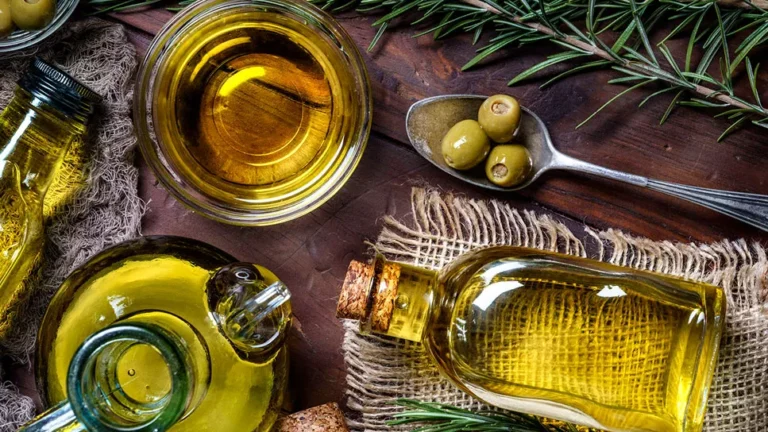
- Extra virgin olive oil, preferably from Taggiasca olives
- No preservatives or industrial stabilizers

It must also be made according to traditional Ligurian methods, including mortar and pestle or low-impact mechanical preparation to preserve aroma and color.
Basilico Genovese DOP – The Star Ingredient

At the heart of DOP pesto is Basilico Genovese DOP—a specific variety of sweet basil grown in the unique climate of Liguria’s coastal hills and greenhouses.
Why It’s Special:
- Grown in chalky, mineral-rich soils
- Exposed to Mediterranean breezes
- Cultivated with minimal pesticides and chemicals
- Harvested by hand when leaves are small and tender
The result? Basil that is:
- Low in menthol (so it’s not “minty” or spicy)
- High in eugenol and linalool, giving it a floral, sweet aroma
- Perfectly suited for raw sauces like pesto
Only certified producers can label their basil DOP, and it must pass inspection for:
- Leaf size
- Aroma
- Color
The Role of the Consorzio del Basilico Genovese DOP

To protect and promote the DOP label, Italy established the Consorzio di Tutela del Basilico Genovese DOP.
Their job:
- Certify producers and growers
- Monitor production methods
- Prevent counterfeit labeling
- Educate consumers on what makes true Genovese basil unique
The consortium also works with the EU and Italian government to protect the label globally, preventing misuse by companies trying to capitalize on the name “pesto Genovese” without honoring its roots.
Why DOP Matters for Flavor, Quality, and Trust
Buying DOP-certified pesto or basil ensures:
- Authentic ingredients were used
- The product supports local farmers and traditions
- You’re getting the true taste of Liguria
It also means:
- No additives like potato flakes, cashews, or sunflower oil
- No chlorophyll-enhancing dyes
- No shortcuts in aging, harvesting, or packaging
The DOP label is your guarantee that you’re not eating a “green sauce,” but pesto as it was meant to be.
DOP vs. Non-DOP Pesto – What’s the Difference?


Here’s a quick comparison:

DOP pesto may cost more—but you’re paying for integrity, flavor, and a connection to place.
Where to Buy Real DOP Pesto

In Italy:
- Look for small producers at local markets or delis
- Always check the label for “Pesto Genovese DOP” and certification stamps
Outside Italy:
- Specialty Italian food stores or gourmet shops
- Online retailers that carry certified Italian imports
- Brands like Rossi 1947, Anfosso, or Pesto Rossi di Prà are known for authenticity
Beware of supermarket jars labeled “pesto alla Genovese” with no DOP seal—they may contain:
- Seed oil instead of olive oil
- Cashews instead of pine nuts
- Cheese powder or none at all
Can You Make DOP Pesto at Home?
Technically, no—unless you:
- Use certified Basilico Genovese DOP
- Source ingredients from Liguria or authorized regions
- Follow traditional preparation methods
But can you honor the spirit of DOP pesto at home? Absolutely.
Do this:
- Use fresh Italian basil, sweet and aromatic
- Choose high-quality Parmigiano-Reggiano and Pecorino
- Buy real pine nuts
- Use cold-pressed Italian EVOO
- Avoid processed cheese and preservatives

And whenever possible, buy from producers who respect the DOP standard—even if you’re not in Italy.
DOP Is About More Than Rules
The DOP label isn’t just a legal thing. It’s about respecting a culinary identity.
Pesto alla Genovese is not just a sauce—it’s a symbol of Liguria. And when you taste a true DOP pesto, you’re tasting the sea breezes, the terraced hills, the family gardens, and centuries of tradition.
So next time you reach for pesto, read the label. Know where it comes from. And if you get the chance—taste the real thing.
Because pesto deserves more than shortcuts. It deserves to be celebrated.
Disclosure: Our blog contains affiliate links to products. We may receive a commission for purchases made through these links. However, this does not impact our reviews and comparisons. We try our best to keep things fair and balanced, in order to help you make the best choice for you.