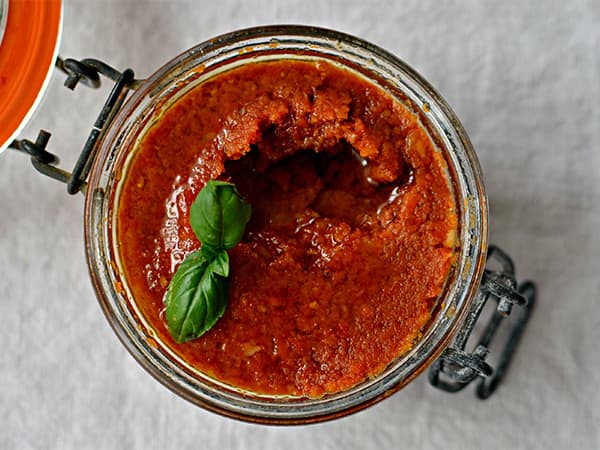

High in the alpine valleys of Piedmont, Trentino-Alto Adige, and Aosta Valley, the traditional basil-based pesto gives way to something more rugged, more herbal, and more reflective of the mountain landscape: Alpine Herbs Pesto.

This variation isn’t tied to a single region, but to a way of life—seasonal, foraged, and deeply connected to nature. In mountain villages, where basil is often too delicate to grow in abundance, locals turn to wild herbs like parsley, sorrel, chervil, tarragon, and even nettle to create an herbaceous, earthy pesto that’s equal parts fresh and grounding.
In this blog, we’ll explore how this northern pesto reflects the land, which herbs are used, how to make it, and why it’s the perfect bridge between forest and table.
Origins – Pesto Meets the Alps
The concept of pesto—pounding fresh ingredients with oil, nuts, and cheese—is as old as Italian cooking itself. In the Alpine north, where herbs grow wild in meadows and mountainsides, cooks adapted pesto to suit their local flora.
Villagers in Val d’Aosta, South Tyrol, and Piedmont historically made green sauces using:
- Parsley (a staple in salsa verde)
- Mint and wild thyme
- Chervil, sorrel, nettles, or wild garlic (aglio orsino)
Unlike coastal pestos, Alpine versions are typically less oily, more aromatic, and sometimes even creamy, thanks to soft cheeses like Robiola or Toma.
When I tested this at home in Sacramento, the difference was immediately noticeable.

Key Ingredients in Alpine Herbs Pesto
This pesto is less about strict tradition and more about availability and terroir. The base can change with the season, but here’s a standard format:


1. Mixed Alpine Herbs
• Parsley – the workhorse herb, clean and grassy
• Chervil – mild, with anise notes
• Sorrel – lemony and bright
• Wild garlic (aglio orsino) – pungent and deeply green
• Tarragon, thyme, savory, mint, or marjoram – used depending on region and taste
2. Nuts – Walnuts or Hazelnuts
• Walnuts from Piedmont are preferred
• Hazelnuts (especially Tonda Gentile delle Langhe) offer sweetness and crunch
• Almonds may be used as a substitute
3. Cheese
• Grana Padano or Parmigiano in most areas
• Toma, Castelmagno, or Robiola for regional flair
• Sheep’s milk cheese (from the Aosta Valley) adds depth and creaminess
4. Garlic
• Used in moderation—wild garlic is often enough
• Blanched garlic can be used for milder versions
5. Olive Oil or Alpine Butter
• Olive oil in Piedmont or Ligurian-border villages
• Melted alpine butter sometimes replaces oil in colder months
6. Lemon Juice or Vinegar (Optional)
• Adds lift, balances the bitter and resinous flavors of herbs
How to Make Alpine Herbs Pesto – Step-by-Step
Ingredients:
• 2 cups mixed herbs (parsley, chervil, sorrel, wild garlic, mint, etc.)
• ¼ cup toasted walnuts or hazelnuts
• 1 garlic clove (optional, especially if wild garlic is used)
• ½ cup grated Grana Padano or Parmigiano
• ½ cup extra virgin olive oil (or ¼ cup oil + 2 tbsp melted butter)
• Salt and black pepper to taste
• Optional: juice of ½ lemon or splash of white wine vinegar
Instructions:
1. Wash and dry herbs thoroughly
2. Toast nuts in a pan until fragrant
3. Blend nuts and garlic in food processor or mortar
4. Add herbs and cheese; pulse or grind until paste forms
5. Drizzle in olive oil (and butter, if using) to desired consistency
6. Add lemon juice or vinegar, then season with salt and pepper

The result should be lush, forest-green, and fragrant with alpine meadow notes.
Flavor Profile – Grassy, Bright, Resinous, and Earthy
Expect a multi-layered herbal profile, where each bite brings a new note:
• Freshness from parsley and mint
• Citrusy tang from sorrel or lemon
• Resinous pine-like depth from thyme or savory
• Umami from cheese and nuts
• Wild, earthy edge from wild garlic or nettles
This is not a sauce for subtlety—it’s alive, unpredictable, and deeply satisfying.
Best Uses for Alpine Herbs Pesto
Pasta Pairings:
• Pizzoccheri (buckwheat pasta from Valtellina)
• Tagliatelle or maltagliati
• Gnocchi di ricotta or potato gnocchi
• Whole wheat or chestnut flour pasta

Beyond Pasta:
• Stir into barley or farro salads
• Spread on rye bread with soft cheese
• Spoon over roasted root vegetables or mushrooms
• Use as a base for alpine-style pizza
• Drizzle on roast chicken or grilled sausages
Regional Variations

Val d’Aosta:
• Includes soft cheese like Fontina or Toma
• Often mixed with cream for a spoonable sauce
Piedmont:
• Uses hazelnuts, sometimes truffle oil
• Pesto may be served with agnolotti del plin
Trentino-Alto Adige:
• Alpine butter used instead of oil in winter
• Herbs may include fennel fronds, lemon balm, or dandelion greens
Storage Tips
• Store in a sealed jar with a layer of oil or butter on top
• Keeps in fridge for 3–4 days
• Freeze without cheese for up to 2 months
• Stir well before serving; herb oils may separate

Pesto Rooted in the Mountains
Alpine Herbs Pesto is a reflection of place—a sauce made from what’s around you, what’s in season, and what your landscape allows. It’s rustic yet refined, wild yet balanced, and as deeply Northern Italian as snow on stone cottages or the scent of pine after a storm.

This isn’t just a pesto. It’s a walk through an alpine meadow, a tribute to the Italian art of making something spectacular out of what grows near your feet.
Disclosure: Our blog contains affiliate links to products. We may receive a commission for purchases made through these links. However, this does not impact our reviews and comparisons. We try our best to keep things fair and balanced, in order to help you make the best choice for you.
Written by José Villalobos — Food writer and founder of Calitalia Food. Based in Sacramento, CA. Read more →