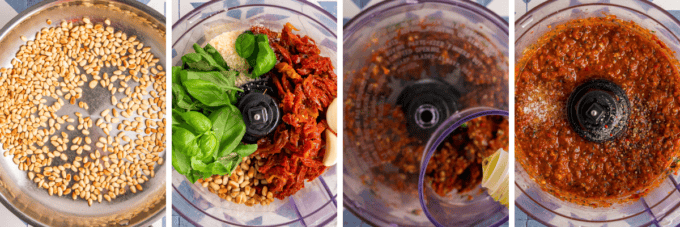

So you’ve just made a vibrant, fragrant batch of homemade pesto—your kitchen smells like an Italian herb garden, and your fridge has a jar of green gold sitting proudly on the shelf.
But as the days tick by, you start to wonder: how long does homemade pesto actually last? Is that slight darkening normal? Can you scrape the top off and keep going? Should you have frozen it after all?

This post will answer all your pesto shelf-life questions: how long does homemade pesto last in the fridge, signs it’s gone bad, the best storage methods, and how to make it last longer (spoiler: olive oil is your best friend). Because wasting pesto is not just sad—it’s a culinary crime.
Quick Answer – How Long Does Homemade Pesto Last?

• In the fridge: 4–7 days max
• In the freezer: 3–6 months (up to 12 months with vacuum sealing)
• Opened store-bought pesto: 5–7 days after opening
• Unopened store-bought pesto: Check expiration date (usually months)
What Makes Homemade Pesto Go Bad Quickly?
- Fresh Ingredients Spoil Fast: Basil, garlic, and cheese are perishable and oxidize quickly
- Moisture = Mold Risk: Moist surfaces (like the rim of a jar) are prime spots for mold growth
- Air Exposure Causes Oxidation:
- Basil turns brown when exposed to air
- Cheese and nuts can sour over time

Signs Your Pesto Has Gone Bad
| Sign | What It Means |
|---|---|
| Dark brown or gray color | Oxidation — not dangerous, but unappetizing |
| Mold or fuzz on the surface | Spoiled — do not eat |
| Sour or rancid smell | Oils or cheese have turned — discard |
| Fizzy texture or bubbles | Fermentation — toss immediately |
Note: If in doubt, throw it out.
How to Store Homemade Pesto in the Fridge

1. Use an Airtight Container
• Glass jars, silicone containers, or BPA-free plastic with tight lids
• Avoid thin plastic wrap or foil—air will sneak in
In my kitchen, I have tested both the mortar-and-pestle method and the food processor side by side.
2. Add a Layer of Olive Oil
• Pour a thin layer (about 1 tbsp) of olive oil on top of pesto
• Acts as a barrier from oxygen and slows browning
3. Label with Date
• Use painter’s tape and a Sharpie to mark the date made
• Helps avoid mystery jars two weeks later
Pesto Storage Timeline
| Storage Method | Shelf Life | Best Practice |
|---|---|---|
| Fridge, no oil layer | 3–5 days | Consume quickly, keep airtight |
| Fridge, with oil layer | 5–7 days | Best for meal prep or weekly use |
| Freezer (ice cubes) | 3–6 months | Ideal for small portions |
| Freezer (jar or bag) | Up to 6 months | Great for family-sized servings |
| Vacuum-sealed freezer | Up to 12 months | Best for long-term pesto storage |
Tips to Extend Pesto Shelf Life
1. Skip the Cheese (Then Add Later)
• Cheese shortens shelf life
• Make a “base pesto” and stir in Parmigiano or Pecorino just before serving
2. Use Lemon Juice
• A little acidity (1–2 tsp) slows oxidation and adds brightness
3. Clean Tools = Longer Life
• Dirty spoons or fingers introduce bacteria
• Use clean utensils every time you scoop
4. Freeze in Ice Cubes Immediately
• If you don’t plan to use it within 3 days, freeze it right away
What About Store-Bought Pesto?

- Unopened (Refrigerated):
• Follow the “best by” date on the package
• Usually lasts 1–2 months - Opened Jar:
• Use within 5–7 days
• Add oil on top and store in airtight container for freshness - Shelf-Stable Pesto (Jarred, Not Refrigerated):
• Once opened, lasts 3–5 days in fridge
• Always use a clean spoon and seal tightly
Can You Still Use Pesto That’s Turned Brown?
If it’s just slightly brown on top, and:
• It smells normal
• There’s no mold
• It’s less than 5 days old
Then yes, you can scrape the top off and use the greener pesto underneath (especially for cooked dishes). BUT—for fresh or raw uses like toast, drizzle, or salad, stick with vibrant green.
Keep It Green, Keep It Safe
Homemade pesto is too good to waste—but also too fresh to forget. With the right storage techniques, you can extend its shelf life, preserve its vibrant green color, and keep the flavor as bold as the day you made it.
So store smart: use airtight jars, top it with oil, and freeze when in doubt. Because the only thing sadder than running out of pesto… is finding a moldy jar you forgot in the back of the fridge.
Disclosure: Our blog contains affiliate links to products. We may receive a commission for purchases made through these links. However, this does not impact our reviews and comparisons. We try our best to keep things fair and balanced, in order to help you make the best choice for you.
Written by José Villalobos — Food writer and founder of Calitalia Food. Based in Sacramento, CA. Read more →