Venice isn’t just a feast for the eyes. It’s a feast, period. This city, carved into the Adriatic Sea, has relied on its lagoon for survival, trade, and cuisine for over a thousand years. And while gondolas and palazzos steal the spotlight, the real magic is on the plate, especially when it comes to seafood.
Venetian cooking is distinct from other Italian regional cuisines. It is shaped by centuries of merchant trade, by the brackish ecosystem of the lagoon, and by a cultural preference for simplicity, freshness, and a touch of bittersweet mystery.

This is the complete culinary guide to Venetian seafood, from iconic dishes and historic ingredients to cooking methods and lagoon secrets that make Venice one of the most delicious cities on Earth.
The Venetian Lagoon – A Living Pantry
Geography That Shapes the Cuisine
The Venetian Lagoon is a 550 square kilometer system of canals, islands, and mudflats connected to the Adriatic Sea. It provides:
I have made this sauce with both Italian butter and American butter — the fat content matters.
- Freshwater and saltwater fish
- Crustaceans like soft-shell crabs (moeche)
- Mollusks like clams (vongole), mussels (cozze), and squid (seppie)
- Algae and edible sea herbs, often used in soups

Fishing has been tightly regulated since the 11th century to preserve biodiversity and maintain seasonal cycles.
Classic Venetian Seafood Dishes You Must Know
1. Sarde in Saor

Sweet and sour marinated sardines with onions, pine nuts, and raisins. This iconic antipasto was born out of necessity because sailors needed fish that would keep for days at sea.
- Sardines are fried, then layered with vinegar-soaked onions
- Often served cold with polenta
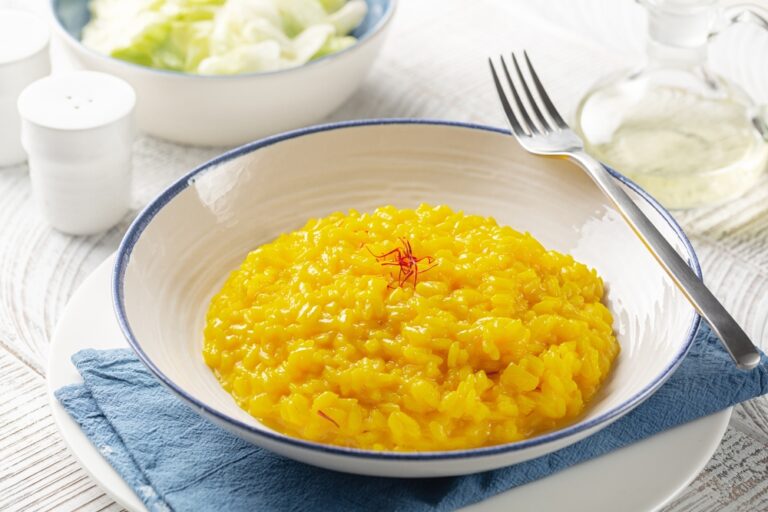
2. Risotto al Nero di Seppia

Black risotto made with cuttlefish ink and tender pieces of squid.
- Finished with white wine, garlic, and parsley
- Often eaten with a spoon, like a stew
3. Baccalà Mantecato

Whipped salt cod spread on crostini.
- Made by boiling dried cod, then beating it with olive oil and garlic
- Served on grilled bread, polenta triangles, or plain
- Sometimes infused with lemon or anchovy paste
4. Moeche Fritte

Soft-shell crabs, battered and fried whole.
- Dredged in flour or egg
- Fried and served with lemon wedges and bitter greens
5. Bigoli in Salsa

Thick whole-wheat spaghetti with anchovy and onion sauce. Traditionally eaten during periods of religious fasting.
6. Fritto Misto di Pesce

Mixed fried seafood platter, Venetian-style.
- Often includes shrimp, squid rings, and small fish
- Best eaten wrapped in paper
- Common in bacari and street stalls
Seasonal and Market-Driven Cuisine

Venetians cook according to the tides, temperature, and fishing cycles. The lagoon’s ecosystem changes with the seasons, which means seafood availability shifts throughout the year. Venice welcomes more than 20 million visitors each year, and seafood is one of the city’s top tourism drivers.
- Spring brings soft shell crabs (moeche), tiny shrimp, and young clams.
- Summer is peak time for sardines, anchovies, and mullet.
- Autumn delivers cuttlefish, squid, and richer, meatier fish from deeper waters.
- Winter features hearty stews, eel, and preserved preparations like saor.
The Rialto Market has been the center of Venetian food culture since 1097 and remains the place where locals choose the freshest lagoon catch each morning. Vendors arrange mountains of clams, scallops, eels, sardines, and cuttlefish on ice, following strict regional rules about sustainability and size limits.
Cooking Techniques Unique to Venice

Saor (Sweet and Sour)
- Uses vinegar and onions to preserve and flavor
- Applied to fish, vegetables, or chicken livers
Mantecatura
- The Venetian way of finishing risotto with constant stirring
- Creates an ultra creamy texture, especially for squid ink risotto
Poaching and Steaming
- Highlights delicate seafood without overpowering seasonings
- Often served with lemon and olive oil
Frittura
- Seafood is lightly floured rather than heavily battered
- Fried quickly in sunflower or olive oil for crispiness
The Role of Polenta in Venetian Seafood

A Neutral Base for Bold Flavors, polenta is served with:
- Sarde in saor
- Baccalà mantecato
- Fritto misto
- Stewed eel
It is often grilled into firm cakes and topped with seafood spreads or used to soak up sauces.
Modern Venetian Seafood: Innovation in the Lagoon
Today’s Venetian chefs blend tradition with global influences:
- Crudo dishes with local lagoon fish
- Asian-inspired touches like soy, miso, or yuzu
- Seafood cicchetti served tapas-style
- Venetian sushi using lagoon ingredients

Michelin-starred restaurants like Quadri and Oro integrate historical Venetian recipes into contemporary tasting menus.
Wines That Bring Out the Best in Venetian Seafood

Seafood dishes from the lagoon shine brightest when paired with crisp, mineral-driven wines that echo the salt and freshness of the Adriatic breeze.
The most common pairings include:
- Soave from the Veneto region, known for its clean acidity
- Pinot Grigio delle Venezie, a classic match for risotto and clams
- Prosecco, perfect with fritto misto or cicchetti
- Lugana, a light white wine that pairs beautifully with baccalà mantecato
- Verduzzo for slightly sweet seafood dishes or those served with caramelized onions
Venetians often say a wine should taste like the sea when paired with seafood. Clean, bright, and refreshing wines help enhance the natural brininess of the lagoon’s fish and shellfish, making every bite taste more alive.
Italy’s food and wine tourism sector generated more than 40 billion euros in 2023, with coastal and lagoon regions seeing some of the strongest growth thanks to seafood-focused travel.
The Soul of Venice Is Saltwater
Venice’s cuisine is a quiet miracle, humble in ingredients but rich in character. It tells the story of a city shaped by tides, trade, and time. Whether you are standing at a bacaro with a paper cone of fried shrimp or dining on black risotto in a frescoed palazzo, the flavors remain anchored in the lagoon, the people, and their traditions.
This is seafood with a soul, and Venice, with all its beauty, mystery, and decay, would not be the same without it.
Written by José Villalobos — Food writer and founder of Calitalia Food. Based in Sacramento, CA. Read more →