Not All Pasta Is Created Equal
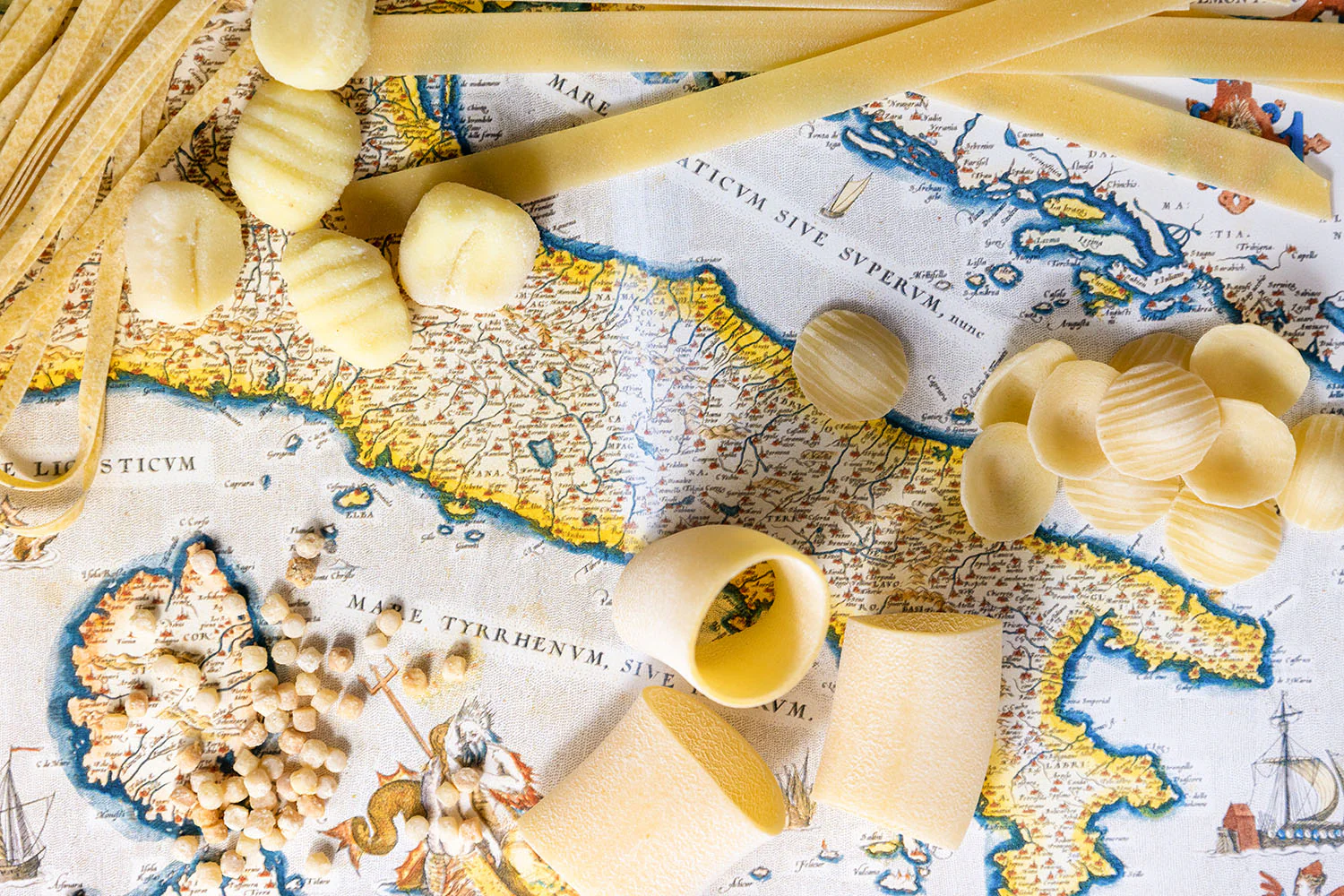
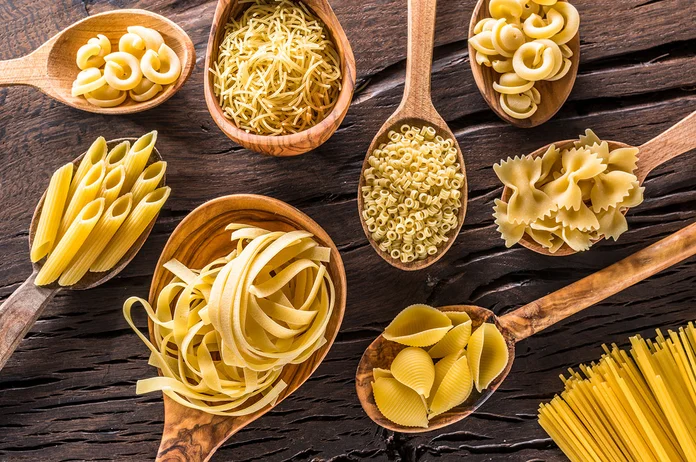
If you have ever stood in front of a wall of pasta at an Italian market and felt overwhelmed, you are not alone. Italy has more than 350 recognized pasta shapes, each developed for a specific purpose based on region, sauce, and cooking method.
Italian cooking treats pasta as a functional ingredient, not just a base. Shape determines how sauce clings, how the bite feels, and how flavors are delivered. That is why certain pairings are considered essential rather than optional.

This guide breaks down the most important Italian pasta shapes, their regional origins, and exactly when to use them. Whether you cook daily or occasionally, this is a reference you will keep returning to.
The Importance of Pasta Shape in Italian Cooking
According to the International Pasta Organisation, Italy produces over 3.5 million tons of pasta annually, more than any other country in the world.
At the Sacramento Italian market, I buy the ingredients that make these sauces authentic.
Why Shape Matters
In Italian cuisine, pasta is a sauce delivery system. Shape affects:
- How sauce clings through ridges, grooves, and hollows
- Cooking time and texture
- Regional authenticity and tradition
General pairing principles include:
- Thick sauces need pasta that grips
- Light oil-based sauces need delicate strands
- Creamy and cheese-based sauces benefit from wide or ridged pasta
Long Pasta Shapes for Light and Emulsified Sauces
Spaghetti
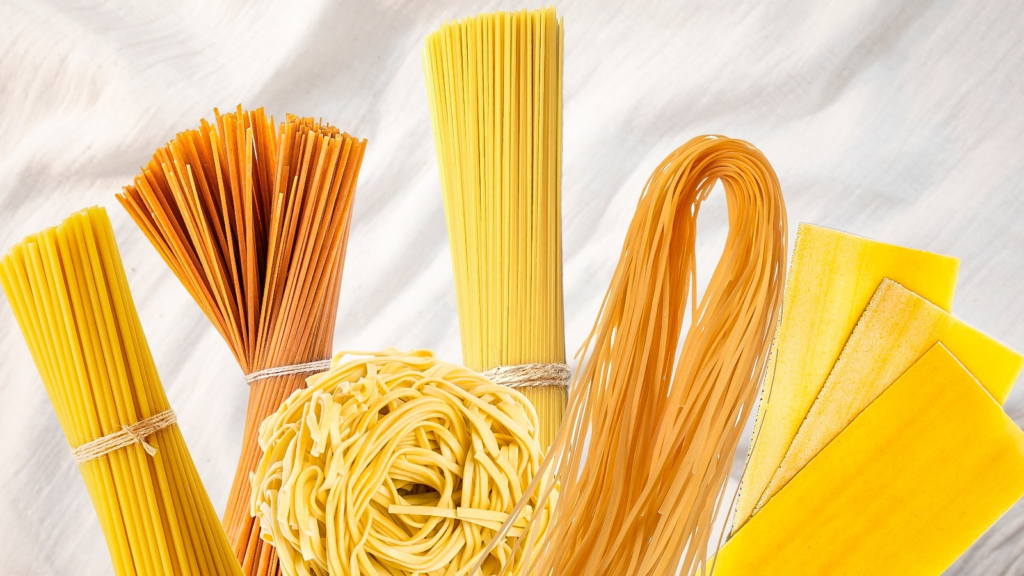
- The most iconic pasta shape
- Best for pomodoro, aglio e olio, carbonara
- Avoid pairing with chunky sauces that slide off
Linguine
- Flat and slightly wider than spaghetti
- Best for seafood sauces such as linguine alle vongole
- Originates from Liguria
Fettuccine
- Ribbon-shaped and thicker than linguine
- Best for alfredo, porcini cream, meat ragù
- Common in Rome and Lazio
Tagliatelle
- Very similar to fettuccine
- Best for ragù alla Bolognese
- Traditional in Emilia Romagna
Pappardelle
- Wide ribbons with a hearty bite
- Best for slow-cooked game sauces like wild boar or duck
- Originates from Tuscany
Short Pasta Shapes for Hearty and Chunky Sauces
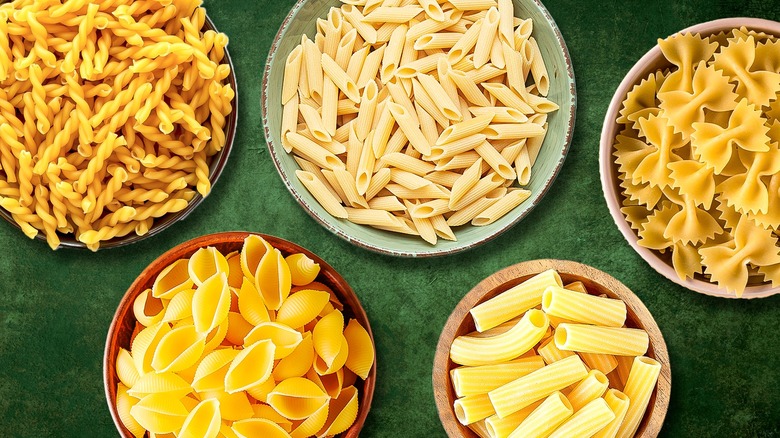
Penne
- Diagonal cut tubes, smooth or ridged
- Best for arrabbiata, vodka sauce, baked pasta
- Penne rigate holds sauce better than smooth
Rigatoni
- Large ridged tubes
- Best for meat sauces and baked dishes
- Common in Lazio and southern Italy
Ziti
- Smooth long tubes
- Ideal for baked ziti and layered pasta dishes
Orecchiette
- Small ear-shaped pasta with a concave center
- Best for cime di rapa and sausage-based sauces
- Traditional to Puglia
Cavatappi
- Spiral-shaped tubes
- Best for cheese sauces and pasta salads
Stuffed Pasta Shapes for Filled Dishes
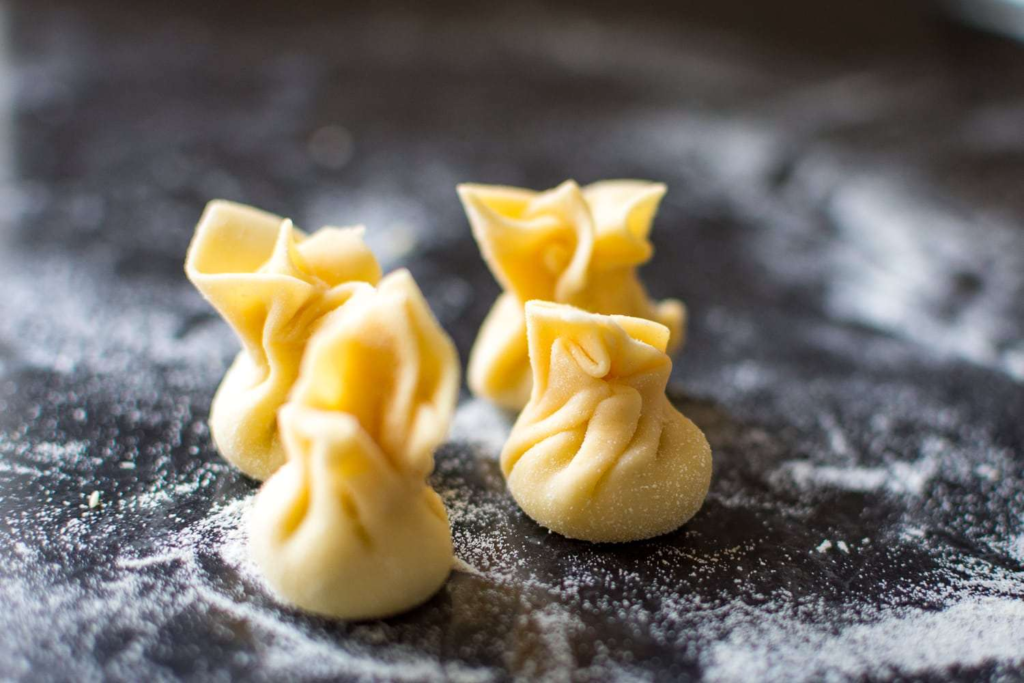
Ravioli
- Square-filled pasta
- Best served with butter, sage, or light sauces
Tortellini
- Ring-shaped and traditionally filled with meat
- Served in broth or light cream sauces
- Originates from Emilia Romagna
Agnolotti
- Crescent-shaped pasta from Piedmont
- Filled with roasted meats
- Best with brown butter or meat reduction
Mezzelune
- Half-moon-shaped stuffed pasta
- Ideal for cheese or herb fillings
- Served with butter and truffle
Tiny Pasta Shapes for Soups and Brothy Dishes
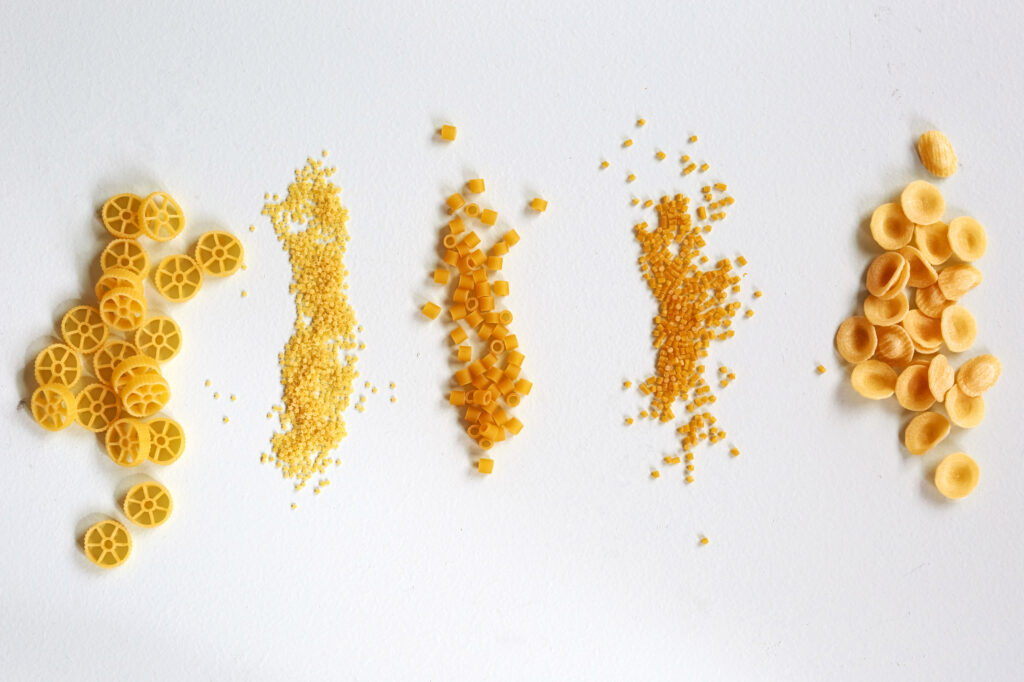
Orzo
- Rice-shaped pasta
- Best for soups, salads, and pilaf-style dishes
Pastina
- Very small pasta shapes
- Traditionally served to children or in light broths
Ditalini
- Short small tubes
- Best for minestrone and bean soups
Regional & Rare Pasta Shapes You Should Know
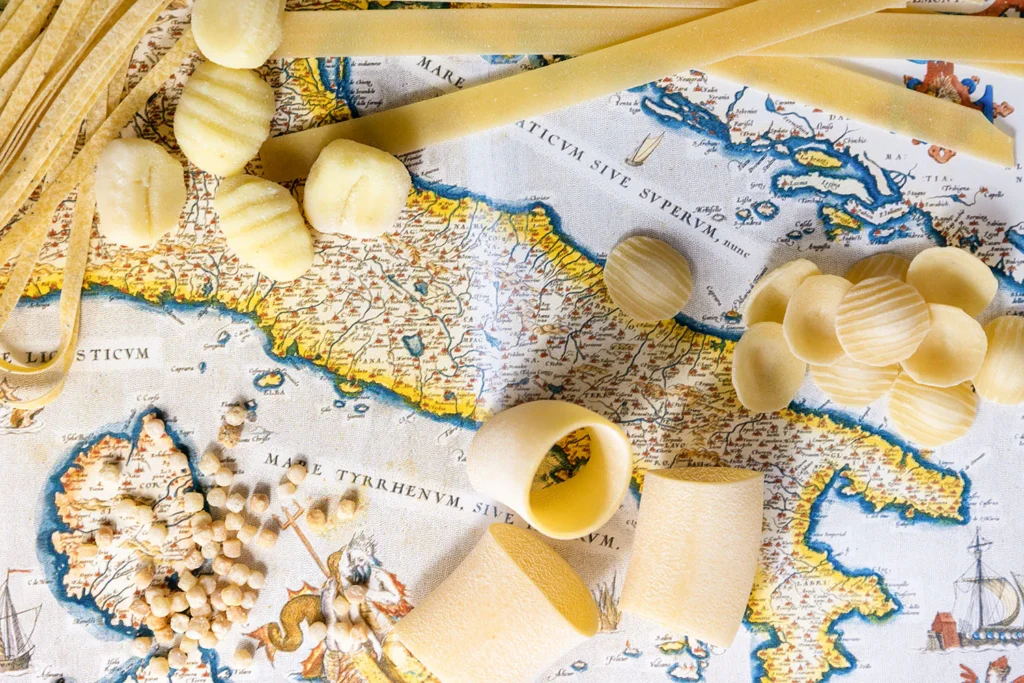
Beyond the well-known supermarket staples, Italy’s pasta culture is deeply regional. Many shapes were created to solve local cooking needs using the grains, climate, and sauces available in each area. These pastas may be less common internationally, but they are essential to understanding Italian food culture.
Trofie
Region: Liguria
Best for: Pesto alla Genovese
Trofie are short, hand-twisted pasta spirals traditionally made with semolina and water. Their tight twists trap oily sauces exceptionally well, which is why they are the classic partner for pesto. Trofie are almost never paired with tomato-based sauces in Liguria.
Fregola Sarda
Region: Sardinia
Best for: Seafood broths and shellfish
Fregola is a toasted semolina pasta rolled into small pearls. It has a nutty flavor and a slightly chewy texture. It is commonly cooked like risotto or served in brothy seafood dishes with clams or shrimp.
Malloreddus
Region: Sardinia
Best for: Sausage and tomato sauces
Often called Sardinian gnocchi, malloreddus are small, ridged shells that grip thick sauces. Traditionally served with a saffron-scented tomato sauce and pork sausage.
Cencioni
Region: Tuscany
Best for: Ragù and hearty vegetable sauces
Cencioni resemble large, flattened ovals with a rough surface. Their size and texture make them ideal for thick meat sauces that need a sturdy base.
Busiate
Region: Western Sicily
Best for: Pesto Trapanese
Busiate are long twisted noodles traditionally wrapped around a thin rod. They are most famously paired with pesto Trapanese, a raw sauce made with tomatoes, almonds, garlic, and olive oil.
Strascinati
Region: Basilicata and Puglia
Best for: Bitter greens and garlic-based sauces
Strascinati are hand-dragged pasta shapes similar to orecchiette but flatter and more irregular. They work well with vegetables like broccoli rabe, chicory, and anchovy-based sauces.
Lorighittas
Region: Sardinia
Best for: Special occasion meat sauces
Lorighittas are intricately braided pasta rings traditionally made for festivals and celebrations. Their dense structure pairs best with rich sauces and long-simmered ragù.
Testaroli
Region: Lunigiana
Best for: Pesto and olive oil
Often considered one of Italy’s oldest pasta forms, testaroli are cooked like pancakes, cut into diamonds, and briefly blanched. They are traditionally dressed with pesto or olive oil rather than heavy sauces.
Why Regional Pasta Shapes Matter
Regional pasta shapes exist for functional reasons, not decoration.
- Climate-influenced drying methods
- Local grains shaped the dough texture
- Sauce availability dictated form
- Hand-shaping tools varied by region
Using the correct regional pasta is not about rules for the sake of rules. It is about achieving balance between texture, sauce, and tradition.
When you match pasta shape to its region, the dish works the way it was always meant to.
How to Choose the Right Pasta for Any Sauce
Oil-Based Sauces
Examples include pesto and aglio e olio.
Use:
- Spaghetti
- Linguine
- Trofie
These shapes coat evenly without overpowering the sauce.
Creamy Sauces
Examples include alfredo and cheese sauces.
Use:
- Fettuccine
- Cavatappi
- Rigatoni
Ridges and width help retain rich sauces.
Meat-Based Sauces
Examples include Bolognese and sausage ragù.
Use:
- Tagliatelle
- Pappardelle
- Ziti
Broad surfaces support chunky textures.
Seafood Sauces
Use:
- Linguine
- Spaghetti
These shapes complement delicate proteins.
Bonus:
Pasta Shapes for Bakes (Pasta al Forno): Baked pasta dishes need shapes that can handle heat, absorb sauce, and hold structure without collapsing. The wrong pasta turns mushy. The right one creates layers, crisp edges, and pockets of flavor.
Best Pasta Shapes for Baked Dishes
- Rigatoni
Large, ridged tubes that trap sauce inside and out. Ideal for baked ragù, sausage, or cheese-heavy casseroles. - Ziti
Long, smooth tubes are traditionally used in southern Italian baked pasta. Excellent for layered dishes with tomato sauce and mozzarella. - Penne Rigate
Ridges grip sauce well, and the short length cooks evenly in the oven. Better than smooth penne for baking. - Cavatappi
Spiral tubes that hold creamy sauces and melted cheese. Great for modern pasta bakes and mac and cheese-style dishes. - Mezzi Rigatoni
Shorter version of rigatoni that bakes more evenly while still holding thick sauces.
Pasta Shapes to Avoid for Baking
Not all pasta works well in the oven.
- Spaghetti and linguine dry out and clump together
- Fresh egg pasta overcooks quickly
- Very small pasta like ditalini disappears into the sauce
Pro Tips for Perfect Pasta al Forno
- Undercook pasta by 2 minutes before baking
- Use extra sauce since pasta absorbs liquid in the oven
- Finish uncovered for the last 10 minutes to develop a golden crust
- Rest the dish for 5 to 10 minutes before serving so the layers set
Classic examples of pasta al forno include baked ziti, lasagna made with sheets, and southern Italian casseroles built around rigatoni or ziti.
FAQs
How Much Pasta Per Person
Dried pasta: 75 to 100 grams
Fresh pasta: 125 to 150 grams
How to Know When Pasta Is Al Dente
Pasta should be firm to the bite
Remove from heat about one minute before the package instructions
Should You Rinse Pasta
Do not rinse pasta unless making cold pasta salad
Starch helps the sauce adhere properly
Mastering the Art of Pasta Pairing
Italian pasta rules exist for a reason. When shape and sauce align, the result is balance, texture, and flavor that feels effortless and complete.
Choosing the right pasta is not about tradition alone. It is about function. The right shape improves taste, mouthfeel, and visual appeal.
So next time you’re reaching for spaghetti, ask yourself: is this the right shape for my sauce?
Because in Italy, the shape says everything.
Written by José Villalobos — Food writer and founder of Calitalia Food. Based in Sacramento, CA. Read more →