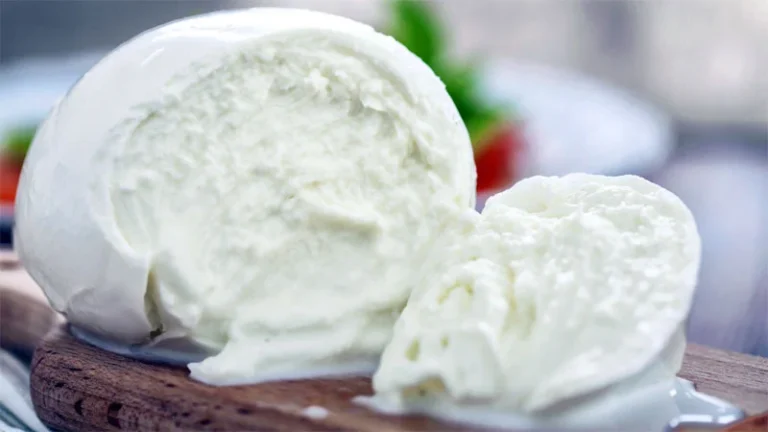
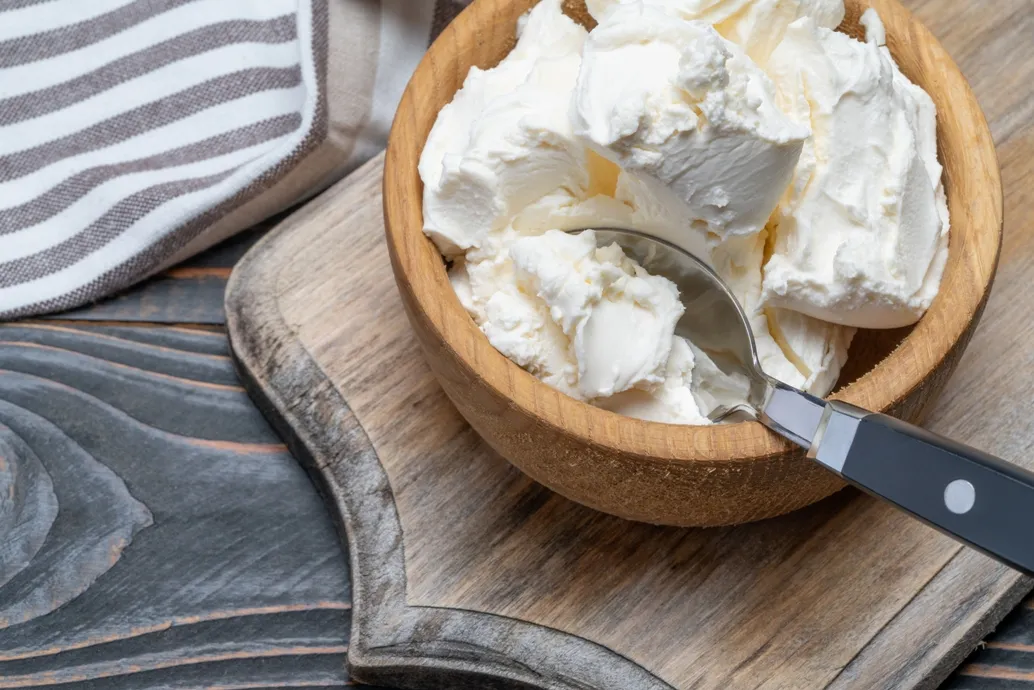
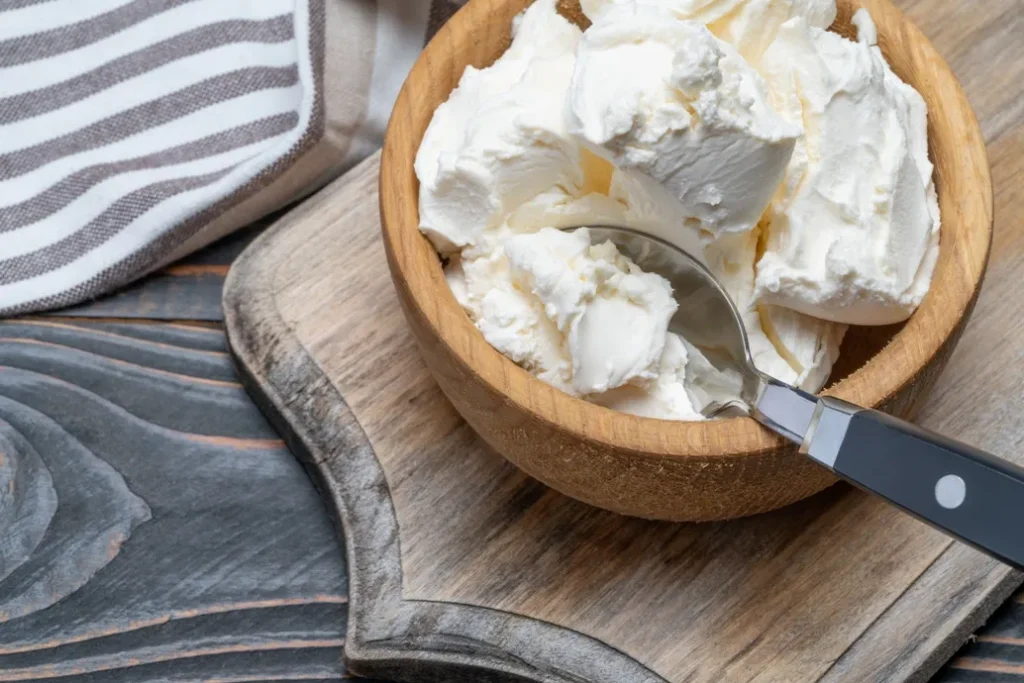
If you’ve ever eaten a proper tiramisù — the kind that collapses into itself when you press a spoon through it — you already know mascarpone, even if you didn’t realize it. So what is mascarpone, exactly? It’s a fresh Italian cream cheese made from cow’s milk cream, coagulated with an acid like citric acid or lemon juice, and strained until thick, silky, and almost obscenely rich.
No rennet, no aging, no fuss. Just cream transformed into something that tastes like it was made with a kind of quiet Northern Italian precision. Which, honestly, it was.
I’m José Villalobos, and mascarpone is one of those ingredients I reach for constantly — in desserts, in pasta sauces, spooned onto roasted figs on a Tuesday night. My grandmother Julia cooked Italian food in Valparaíso, Chile, in a kitchen that smelled like garlic and butter and something always simmering. She never called it mascarpone. She called it “la crema italiana,” and she treated it like something precious. Decades later, I understand why.
Where Mascarpone Comes From
The Lombardy Origin Story
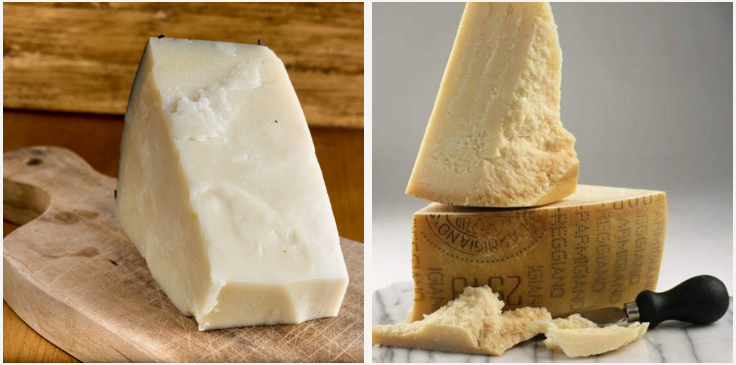
Mascarpone comes from Lombardy, the agricultural heartland of northern Italy, specifically from the towns of Lodi and Abbiategrasso, both sitting south of Milan in the Po Valley. This is cattle country — flat, green, fog-laced in winter — where the milk has always been exceptional because the pastures are genuinely rich. The same region gave the world Parmigiano-Reggiano, Grana Padano, and Gorgonzola. Mascarpone is the cream-forward outlier, the ingredient that didn’t need aging or caves or months of patience. It was ready in a day.
The origins trace back to the late Renaissance, somewhere between the late 16th and early 17th centuries. Local farmers, after skimming cream from whole milk during cheesemaking, had excess on their hands. Heating that cream and curdling it with acid gave them a soft, spreadable product they could use immediately. Some food historians push the date back further, pointing to the 1477 Summa Lacticinorum by Pantaleone da Confienza as an early reference point for similar cream products in the region.
The Name and the Debate Around It
The etymology of “mascarpone” is genuinely contested, which I find oddly charming for a cheese this simple. The most plausible theory connects it to mascarpia or mascherpa, Lombard dialect words for a ricotta-like whey product from stracchino cheese — though mascarpone is made from cream, not whey, so the connection is more about the coagulation technique than the base ingredient. Another theory links it to the Cascina Mascherpa, a farmstead near the Lodi-Milan-Pavia border. And then there’s the Spanish theory — mas que bueno, meaning “more than good” — dating from the period of Spanish rule in Lombardy. That one is probably too poetic to be accurate, but it makes for a good story.
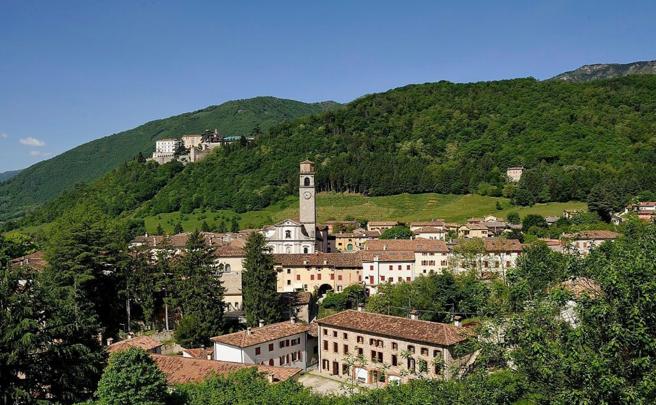
By the early 20th century, mascarpone had spread beyond Lombardy to Treviso in the Veneto, where a “Mascherpone Valmarino” trademark was registered. Commercial production followed, with Polenghi Lombardo in Lodi launching the Optimus brand in the 1940s — the very brand that would later become central to tiramisù’s invention.
Its Protected Status
Mascarpone holds P.A.T. status — Prodotto Agroalimentare Tradizionale — from Italy’s Ministry of Agriculture. This recognizes it as a traditional Lombard product without locking down geographic production the way a PDO does. So mascarpone can be made outside Lombardy, and even outside Italy, while still honoring its heritage. You’ll find excellent Italian-made versions alongside decent American and French ones. The difference is real, but it’s not always dramatic — more on that when we talk about buying.
How Mascarpone Is Made
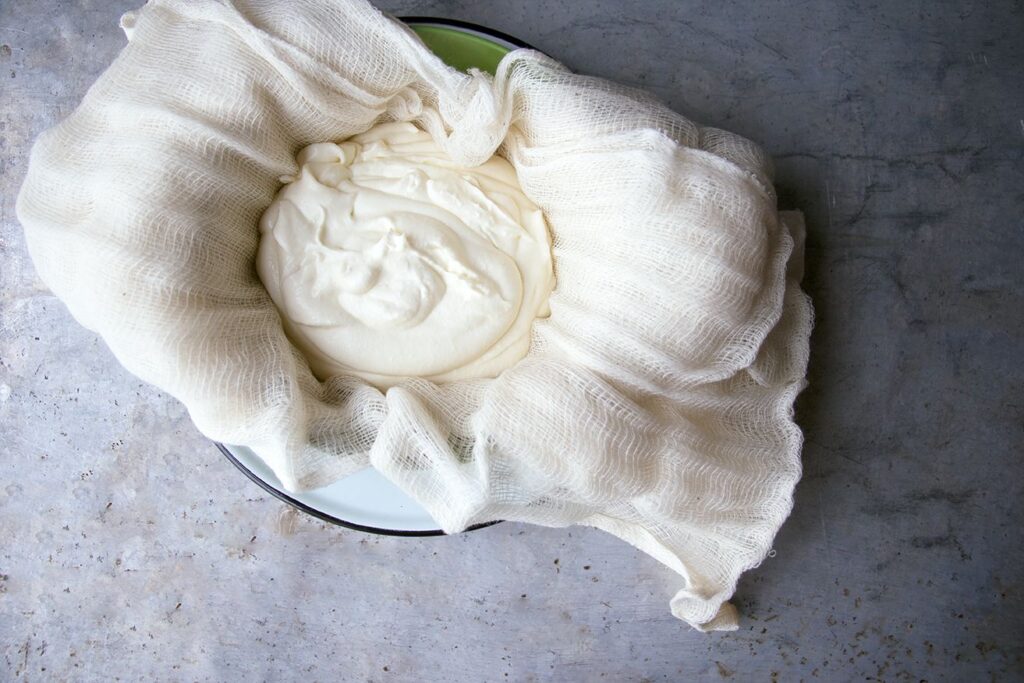
The process is almost deceptively straightforward. Fresh cow’s milk cream is heated to around 85–90°C — just below a boil — and then an acid is added. Traditionally, this is citric acid, tartaric acid, lemon juice, or white wine vinegar. The acid causes the fat proteins to bond and the mixture to coagulate, forming soft curds without any rennet involved. The curds are then ladled into cheesecloth and hung or strained for several hours, sometimes overnight, until most of the whey drains away.
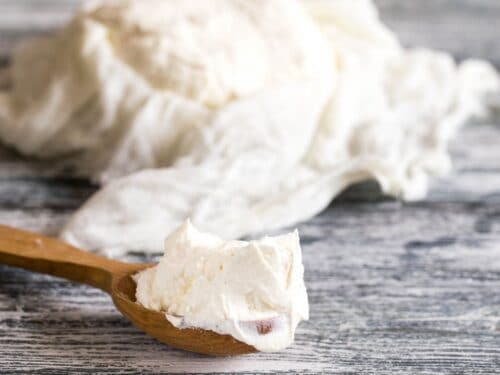
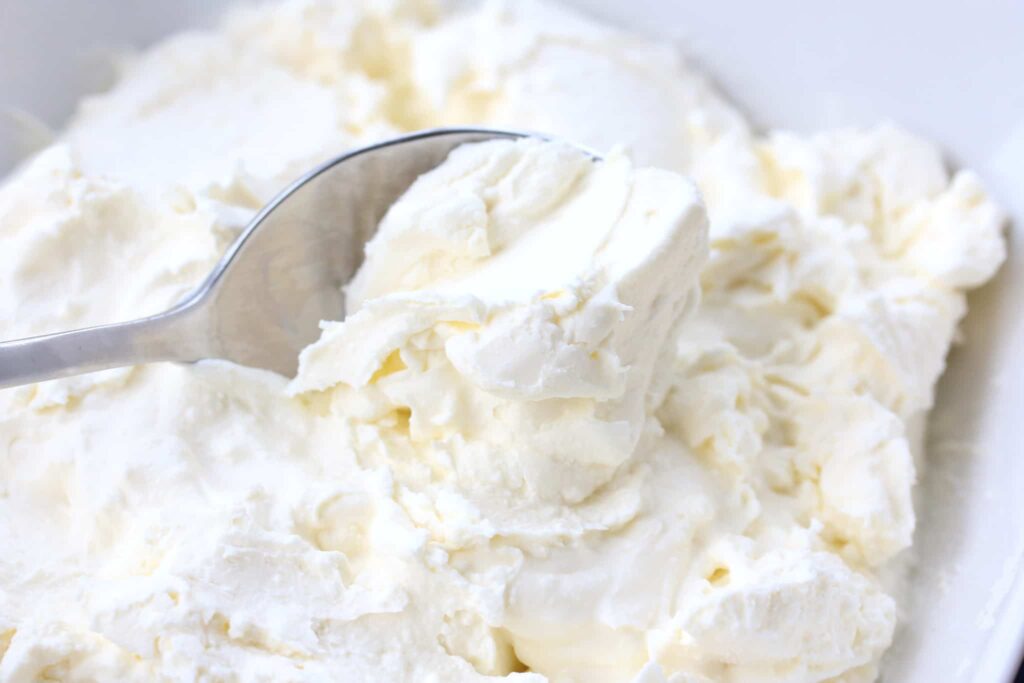
What remains is mascarpone: white to pale ivory, thick enough to hold a shape but soft enough to fall off a spoon in slow ribbons. The fat content sits between 60 and 75 percent, which is why it behaves the way it does — it enriches everything it touches and whips into a cloud when beaten. The pH lands between 6.2 and 6.4, which gives it that faint, pleasant tang underneath the creaminess.
Traditional producers still emphasize the quality of the starting cream, which is why Lombardy mascarpone from pasture-fed cows in spring and early summer has a richness and slightly grassy sweetness that mass-produced versions can’t fully replicate. My grandmother Julia would have recognized this immediately — she had a nose for when something was made with real milk versus something that was just technically correct.
How to Buy Mascarpone
What to Look For
Good mascarpone should be bright white or very pale ivory. The texture when you open the container should be thick and smooth, not grainy, not watery, not separated. A little moisture on top is normal; a puddle of liquid at the bottom means it’s been mishandled or is past its prime. The flavor should be clean, lightly sweet, and gently tangy — never sour, never sharp.
At the Sacramento Italian market, I’ve compared several brands side by side over the past few years, including Italian imports and domestic American-made options. Italian imports — particularly from Lombardy — tend to have a denser, more luxurious texture and a cleaner dairy flavor. Domestic brands vary widely. Some are excellent; others have stabilizers and gums added that change the texture when you cook with them, making sauces grainy or preventing the mascarpone from whipping properly.
The one I keep in my kitchen is BelGioioso, which is American-made but uses quality cream and no unnecessary additives. For special projects — a serious tiramisù, a celebration dessert — I’ll hunt down an imported Italian brand. It matters for those applications.
Where to Find It
- Italian markets and specialty shops — the most reliable place for imported Italian mascarpone
- Whole Foods and upscale grocery stores — usually carry at least one quality domestic brand
- Standard supermarkets — increasingly stocked in the specialty cheese section near the brie and goat cheese
- Online — imported brands ship well if packed with cold packs; check reviews carefully
Reading the Label
Short ingredient lists are a good sign. You want cream, citric acid or tartaric acid, and nothing else. If you see carrageenan, xanthan gum, locust bean gum, or modified food starch, put it back. Those stabilizers might extend shelf life, but they compromise the texture when you heat the mascarpone or try to whip it.
How to Use Mascarpone in the Kitchen
The Classic: Tiramisù
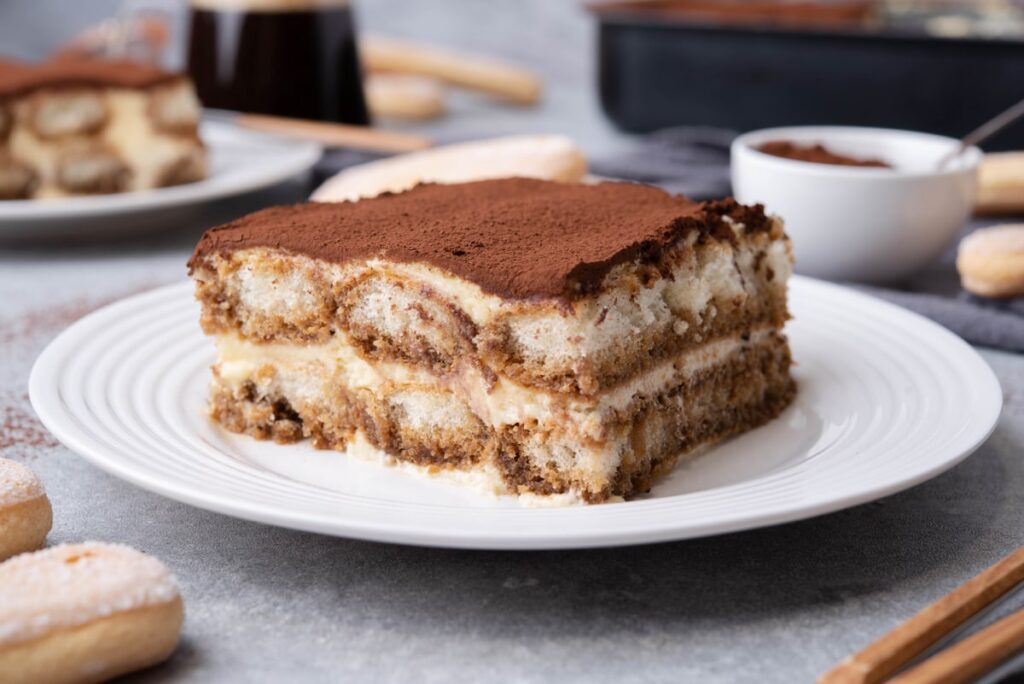
Tiramisù was created in 1970 at Alle Beccherie restaurant in Treviso, when chef Ado Campeol and his team combined the Optimus brand mascarpone with sbatudin — a traditional Venetian mixture of whipped egg yolks and sugar — then layered it with espresso-soaked ladyfingers and cocoa. The mascarpone is what makes tiramisù tiramisù. It gives the cream its body, its richness, and that particular way it melts against the bitter coffee and the dry biscuit. There is no good substitute in this recipe, despite what you’ll find on the internet.
Savory Applications
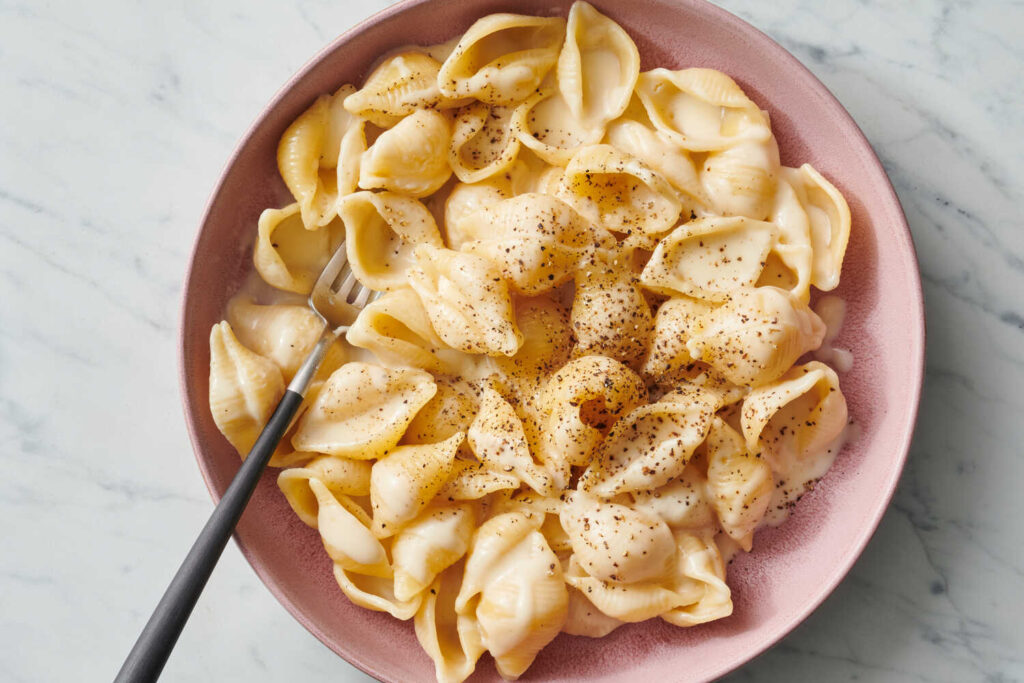
Mascarpone is a serious cooking ingredient, not just a dessert cheese, and I think it’s underused in savory cooking outside of Italy.
- Pasta sauces — stir a spoonful into a mushroom or pancetta sauce at the end of cooking to add body and richness without the sharpness of cream
- Risotto — the classic Lombard technique of mantecatura, where cold fat is stirred into the risotto off heat, works beautifully with mascarpone instead of butter
- Polenta — folded into soft polenta at the end, it creates something close to silk
- Gorgonzola and mascarpone — a traditional Lombardy combination, layered and served with crusty bread or spread on crostini. After testing this combination for the first time in a small trattoria near Lodi, I’ve never stopped making it at home
- Soups — a dollop stirred into a leek or mushroom soup at the table adds richness without cream’s heaviness
Desserts Beyond Tiramisù
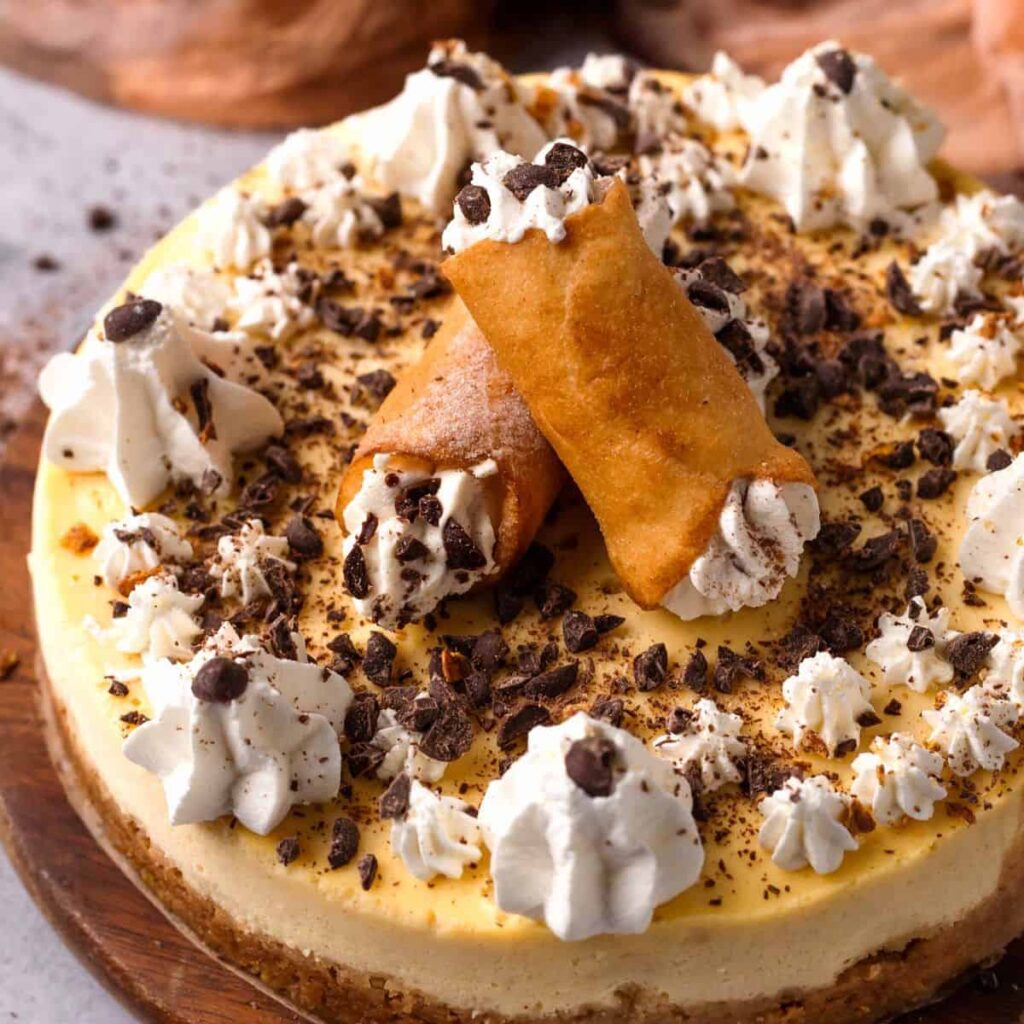

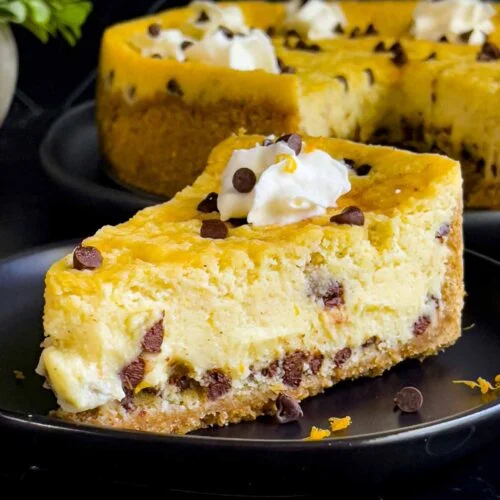
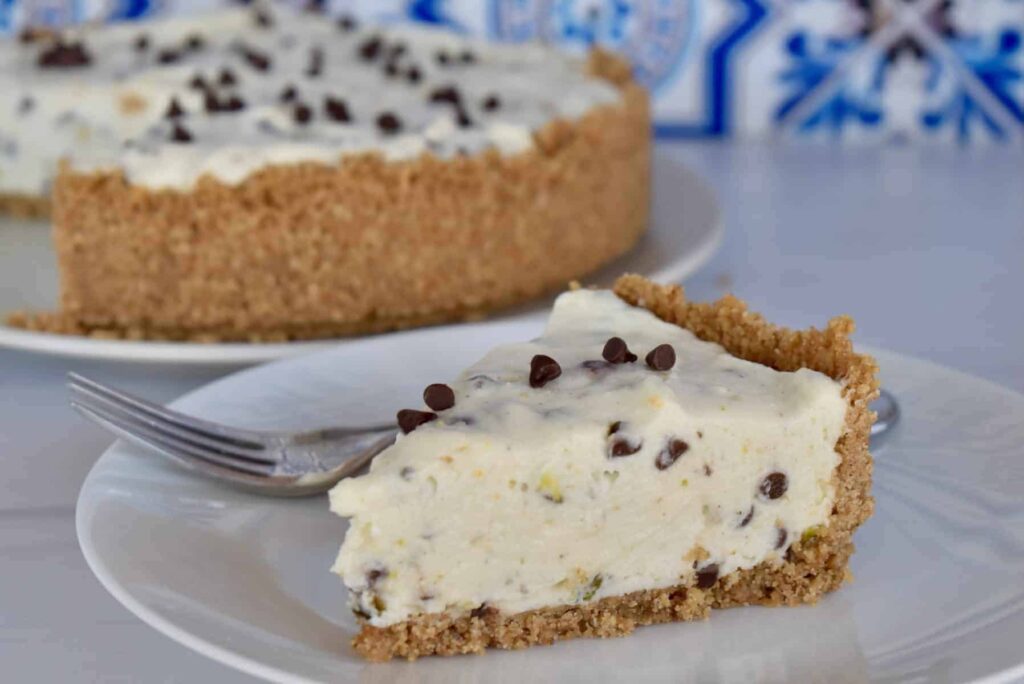
- No-bake cheesecakes — mascarpone gives a lighter, less dense result than cream cheese
- Cannoli filling — traditional Sicilian recipes use ricotta, but mascarpone mixed with ricotta produces a creamier, more stable filling
- Fruit tarts — whipped with a little powdered sugar and vanilla, it makes an extraordinary pastry cream alternative
- Whipped topping — beaten with heavy cream, it holds peaks better than plain whipped cream and has more flavor
- Ice cream base — mascarpone-based gelato has an almost buttery depth that’s genuinely different from cream-based recipes
How to Store Mascarpone
Mascarpone is a fresh cheese, which means it doesn’t have a long life and it doesn’t forgive poor storage. Keep it refrigerated at all times, ideally toward the back of the refrigerator where temperatures are most stable. Once opened, press a piece of plastic wrap directly against the surface of the cheese before closing the container — this limits oxidation and keeps it from absorbing refrigerator odors.
An unopened container will typically last until the printed date. Once opened, use it within five to seven days. Do not freeze mascarpone — the fat and water separate on thawing, leaving you with a grainy, broken mess that no amount of stirring will fix.
If you open a container and find it smells sour, tastes sharp rather than tangy, or has visible mold, discard it. Mascarpone should never smell fermented.
Common Mistakes When Cooking with Mascarpone
Overheating It
Mascarpone will break if you add it to a pan that’s too hot or if you boil a sauce after it’s been added. Always reduce your heat before stirring it in, and never let the dish come back to a rolling boil. The fat separates quickly, and there’s no rescuing a broken mascarpone sauce.
Using It Cold Straight from the Fridge
When you’re using mascarpone in desserts — folding it into whipped eggs, for example — let it sit at room temperature for fifteen to twenty minutes first. Cold mascarpone is stiff and doesn’t incorporate smoothly. This is one reason home tiramisù sometimes has lumps in the cream layer.
Assuming It Behaves Like Cream Cheese
Mascarpone is softer, richer, and more delicate than cream cheese. It whips more easily, melts more readily, and has a milder flavor. Recipes written specifically for mascarpone won’t translate well if you substitute cream cheese, and vice versa. They are not interchangeable despite what substitution charts suggest.
Mascarpone Substitutes (When You Have No Choice)
After testing several substitutes side by side when mascarpone was genuinely unavailable during a supply issue a few years back, I’ll tell you honestly: none of them are equivalent. But some work better than others depending on the application.
- Crème fraîche — closest in texture and tang for savory sauces; too thin for structured desserts
- Full-fat cream cheese beaten with heavy cream — beat 8 oz cream cheese with 3–4 tablespoons heavy cream until smooth; works acceptably in cheesecakes and some desserts
- Full-fat ricotta — works in some dessert applications but has a grainier texture; needs to be drained well first
- Clotted cream — rich enough but much thicker and harder to work with; use sparingly as a 1:1 swap in spreads
For tiramisù specifically, there is no substitute that will give you the right result. If you can’t find mascarpone, make a different dessert.
A Quick Note on Making It at Home
You can make mascarpone at home, and the process genuinely works. Heat heavy cream to about 85°C, stir in a teaspoon of lemon juice or citric acid per cup of cream, let it thicken for a few minutes, then strain through cheesecloth in the refrigerator for twelve hours. The result is real mascarpone, and it’s satisfying to make. That said, the quality depends entirely on your cream. Use the best, freshest heavy cream you can find — preferably from a local dairy if you have access to one. The flavor difference compared to ultra-pasteurized grocery store cream is significant.
My grandmother Julia made something similar to this in Valparaíso, improvising with what she had. She’d be pleased to know the technique was sound all along.
When I visited Lombardy, the mascarpone I tasted from a small producer near Lodi had a grassy sweetness and a density that store-bought versions rarely achieve. It reminded me why ingredients this simple deserve to be taken seriously. Mascarpone is cream and acid and patience. It’s also one of the most useful, most beautiful things in an Italian pantry — and once you start cooking with it properly, you’ll wonder how you managed without it.
Back to the full Italian pantry guide
Frequently Asked Questions
Can I make mascarpone at home, and how difficult is it?
You can make it, but I’d be honest — store-bought is usually better. Homemade versions often turn grainy or separate because home kitchens lack the precise temperature control and equipment that commercial producers use. If you want to try, heat heavy cream to exactly 180°F, add acid, and strain for 24 hours. Expect some failures first.
Why does mascarpone sometimes taste slightly sour or different between brands?
Different producers use varying acids and fermentation times during production. Some use citric acid, others use tartaric acid or lipase cultures. This creates subtle flavor variations — some mascarpone tastes buttery and sweet, while others have a slight tang. Storage conditions and freshness also affect the final taste profile.
Can mascarpone be frozen, and will it work the same way after thawing?
Yes, it freezes fine for up to three months, but the texture changes noticeably. After thawing, it becomes grainier and won’t whip as smoothly. I use frozen mascarpone for cooked applications like pasta sauces or baked desserts, but never for tiramisu or anything where you need that silky, spreadable quality.
What’s the real difference between mascarpone and cream cheese nutritionally?
Mascarpone has significantly more fat and fewer stabilizers than cream cheese — it’s richer and less acidic. Cream cheese contains gums and additives for texture; mascarpone is mostly just cream and acid. Per ounce, mascarpone has about 120 calories versus cream cheese’s 100, but the mouthfeel is completely different.
Is there a specific mascarpone brand that professional pastry chefs prefer?
The Italian brands like Galbani and BelGioioso are what most professionals reach for because they have cleaner, more consistent flavor and better whipping properties. That said, I’ve worked with good local producers too. The key is checking the ingredient list — it should be cream, acid, and nothing else.
Written by José Villalobos
José Villalobos is a food writer and the founder of Calitalia Food. He grew up in Valparaíso, Chile, where his grandmother Julia cooked Italian food daily from memory and instinct. Based in Sacramento, California, he visits local Italian markets weekly and writes about ingredients, sauces, and regional food culture with the kind of detail that comes from years of sourcing, testing, and eating. Every product he recommends, he has personally bought and tested.