If you’ve ever cut into a ball of burrata and watched that cloud of cream spill out onto the plate, you already understand why Italians treat this cheese like something sacred. But what is burrata, exactly — and why does it taste so different from the fresh mozzarella sitting right next to it in the cheese case? The answer lives somewhere between a farmhouse in Puglia, a snowstorm in the 1950s, and a cheesemaker who refused to let good cream go to waste.
I’m José Villalobos, and I’ve been obsessed with this cheese long enough to have eaten it in three different Italian regions, compared it across a half-dozen brands at home in Sacramento, and spent more Saturday mornings than I can count at my local Italian market looking for the freshest ball I could find.
Let me walk you through everything — where it comes from, how it’s made, how to buy it, how to eat it, and how to avoid the mistakes that turn a beautiful piece of cheese into a disappointment.
What Is Burrata, Really?
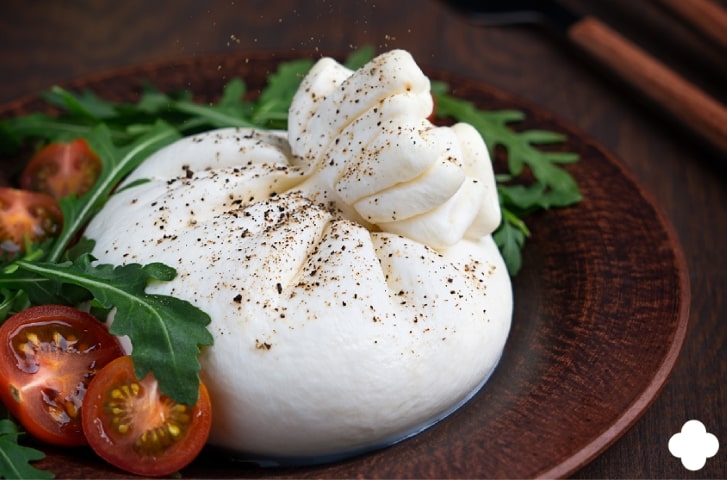
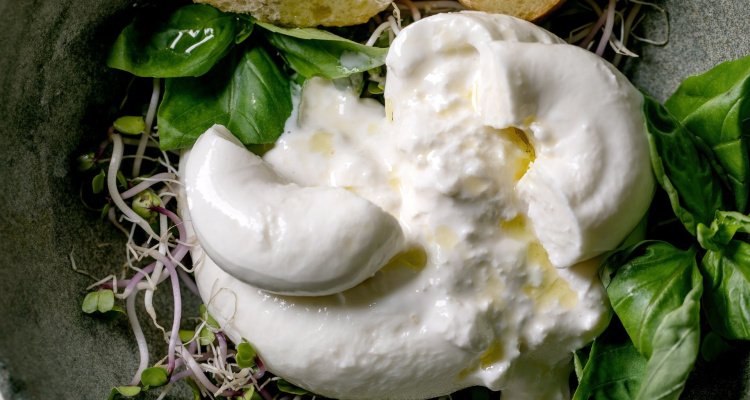
Burrata is a fresh Italian cheese made from cow’s milk, built around a thin shell of mozzarella and filled with a mixture of shredded mozzarella curd and fresh cream called stracciatella. When you slice it open, that creamy interior spills out in a way that’s almost theatrical. The name comes from the Italian word burrata, meaning “buttered” — a nod to the rich, fatty creaminess of the filling, not to any actual butter content.
The outside behaves like mozzarella: smooth, white, slightly springy. The inside is something else entirely. Stracciatella — the filling — has a loose, almost pourable texture, threads of fresh curd suspended in cream. It’s mild, grassy, faintly sweet, and obscenely rich. No rind, no aging, no sharpness. Just fresh dairy at its most honest.
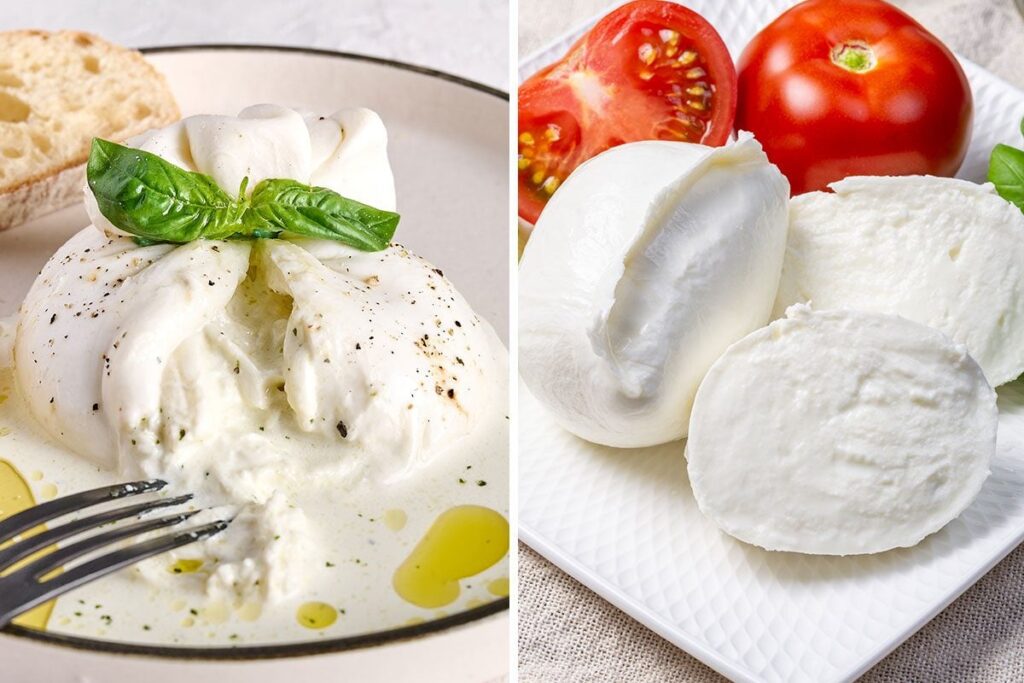
What separates burrata from fresh mozzarella isn’t just texture. It’s philosophy. Mozzarella is a workhorse — it melts on pizza, it holds up in a caprese, it does what you ask. Burrata is a showpiece. It asks you to slow down and do very little to it, because the less you do, the better it tastes.
Where Burrata Comes From: The Puglia Story

Burrata was born in the Andria region of Puglia, in the heel of Italy’s boot — a landscape of olive trees, limestone, and dairy farms that have been producing fresh cheeses for centuries. The story of its creation is one of those happy accidents that food history loves to tell.
A cheesemaker named Lorenzo Bianchino, working at Masseria Bianchino near Castel del Monte, found himself stuck during a particularly brutal winter snowfall in the mid-twentieth century — most sources point to 1956, though some claim it happened earlier. Roads were impassable. He couldn’t transport his dairy products. Rather than let good mozzarella scraps and fresh cream go to waste, he wrapped the cream inside a hand-formed mozzarella shell and sealed it shut. The result was something entirely new: a cheese that could travel, that stayed fresh longer, and that tasted extraordinary.
What I find compelling about this story — and I think my grandmother Julia would have appreciated it too — is that burrata came from necessity and resourcefulness, not from a test kitchen or a marketing strategy. It was cheesemaking as problem-solving. The scrap mozzarella curds that would have been discarded became stracciatella. The leftover cream became a treasure. Puglia didn’t invent burrata by accident; it invented it because wasting food was never an option.
Burrata di Andria earned Protected Geographical Indication status — PGI, or IGP in Italian — in November 2016. That certification requires that all production, from raw milk to finished cheese, happens within a defined geographical area in Puglia. It’s the same kind of protection that covers Parmigiano-Reggiano and Prosciutto di Parma, and it means that a genuine Burrata di Andria IGP on your cheese board is tied to a specific place, specific milk, and specific hands.

How Burrata Is Made
The production process is still largely artisanal, and watching it done — even on video — makes you realize how much skill goes into something that looks so simple.
The Mozzarella Shell
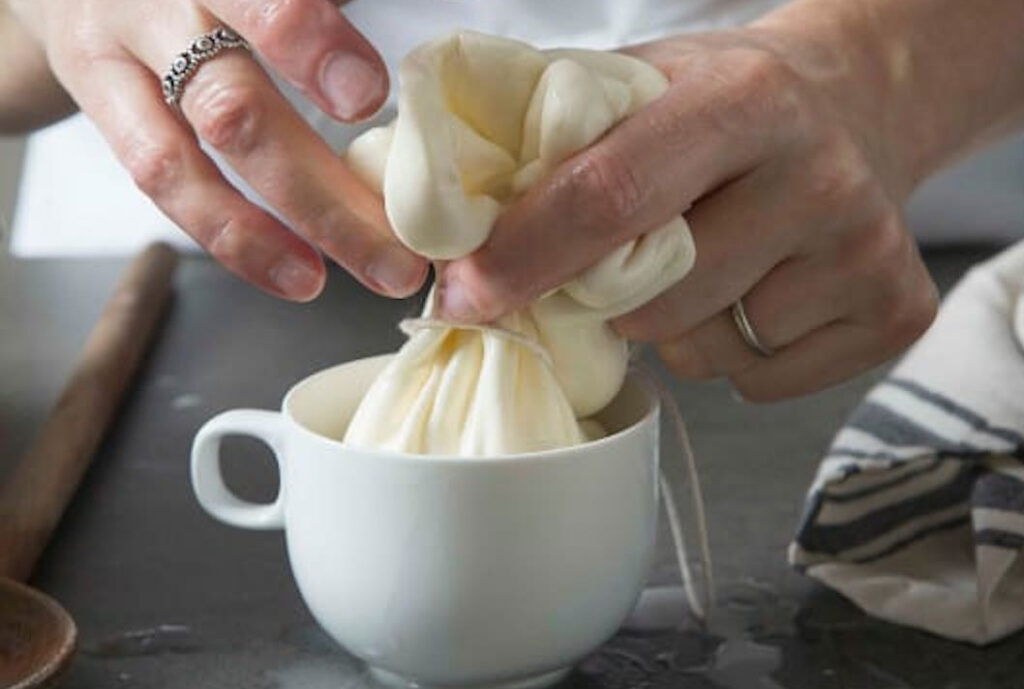
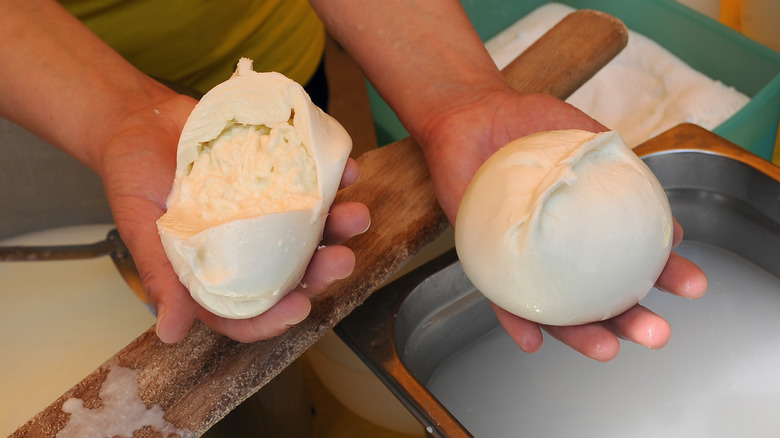
Cheesemakers start by making a standard mozzarella base: fresh cow’s milk is acidified, warmed, and the curds are stretched by hand in hot water until they become smooth and elastic. A portion of this stretched mozzarella is then shaped into a thin-walled pouch — essentially a small sack with a twisted top. This shell needs to be just thick enough to hold the filling without tearing, but thin enough to give way easily when you cut into it.
The Stracciatella Filling
The remaining mozzarella curds are hand-shredded into irregular strands — stracciatella comes from the Italian verb stracciare, meaning to tear or shred. Those shredded curds are mixed generously with fresh cream until the mixture is loose, rich, and spoonable. This is the soul of burrata. You can actually buy stracciatella on its own in Italian specialty stores, and it’s magnificent — but experiencing it sealed inside fresh mozzarella, then released at the table, is something different.
The Seal
The stracciatella mixture is packed into the mozzarella pouch by hand, and the top is twisted and sealed. No machinery does this well. The seal has to hold, but it also has to look like a proper burrata — round, plump, with that characteristic knotted top. The whole process happens quickly, while the mozzarella is still warm and pliable.
After testing several brands side by side, I can tell you that the ones made with this traditional method — where the shell is thin and the filling-to-shell ratio favors the stracciatella — taste meaningfully better than factory-produced versions where the shell is thick and the cream is sparse. The difference isn’t subtle.
How to Buy Burrata: What to Look For
Buying good burrata requires paying attention to a few things.
Freshness Is Everything
Burrata is not a cheese that gets better with time. It’s at its peak within 24 to 48 hours of production — though commercially packaged versions have a longer window. Always check the date. If you’re buying from a specialty store or Italian market, ask when it came in. At the Sacramento Italian market, I’ve compared several brands and noticed that the ones with the shortest time between production and sale are consistently better: the cream is sweeter, the shell is softer, the flavor is cleaner.
The Packaging
Authentic fresh burrata is typically sold submerged in liquid — either its own whey or salted water — inside a sealed plastic container. This keeps the cheese moist and preserves its shape. Some higher-end versions are wrapped in asphodel leaves in the traditional Pugliese style, which is beautiful and worth seeking out. Avoid anything that looks dry, shrunken, or yellowed at the edges.
IGP vs. Domestic Burrata
Italian-imported Burrata di Andria IGP is the gold standard. Domestic American burrata has improved dramatically in the last decade — there are producers in California and New York making genuinely excellent versions — but if you see the IGP certification on the label, it usually means something. The one I keep in my kitchen most often is a domestic brand I found at my local Italian market that uses high-quality California cream, but I always reach for the imported version when I’m making something where burrata is the centerpiece.
How to Eat Burrata Like an Italian
The most important rule: don’t overthink it. Italians serve burrata the way they serve most great ingredients — by stepping out of the way and letting the cheese speak.
The Classic Presentation
Bring the burrata to room temperature for at least 20 to 30 minutes before serving. Cold burrata tastes flat — the cream tightens up and the grassy, milky sweetness retreats. Once it’s had time to relax, place it on a wide plate, cut it open at the table, and let the stracciatella spill out naturally. Finish with flaky sea salt, good olive oil, and freshly cracked black pepper. That’s the whole recipe.
Pairings That Work
- Ripe summer tomatoes: The Italian way. Heirloom tomatoes, torn basil, a drizzle of oil. The acid from the tomatoes cuts through the richness of the cream perfectly.
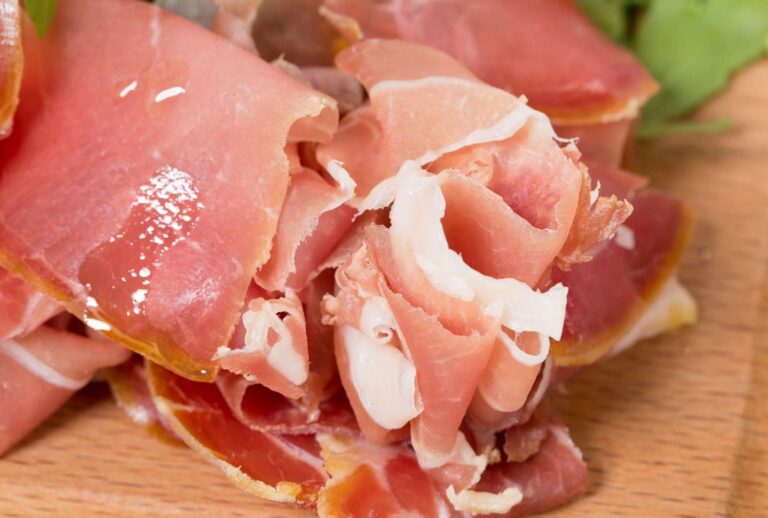
- Stone fruit: Sliced peaches or nectarines with burrata and prosciutto is one of the great summer combinations.
- Roasted vegetables: Roasted beets, caramelized squash, or charred peppers alongside burrata brings sweetness and depth that the cheese can hold up to.
- Good bread: Grilled sourdough or ciabatta, just enough to scoop up that filling. Nothing more complicated than that.
- Pasta: Tear burrata over a just-plated bowl of pasta — something simple, like pomodoro or roasted cherry tomatoes — and let the heat of the noodles melt the cream into a sauce. My grandmother Julia made something similar with fresh cheese in Valparaíso, and the first time I saw this done in an Italian trattoria, it felt immediately familiar.
What to Avoid
Don’t melt burrata in the oven. I know it’s tempting — you’ve seen it on menus, baked into a dish with sauce over the top. But the structure falls apart, the stracciatella breaks, and you end up with something oily and grainy. Use mozzarella when you need heat. Save the burrata for the plate.
How to Store Burrata
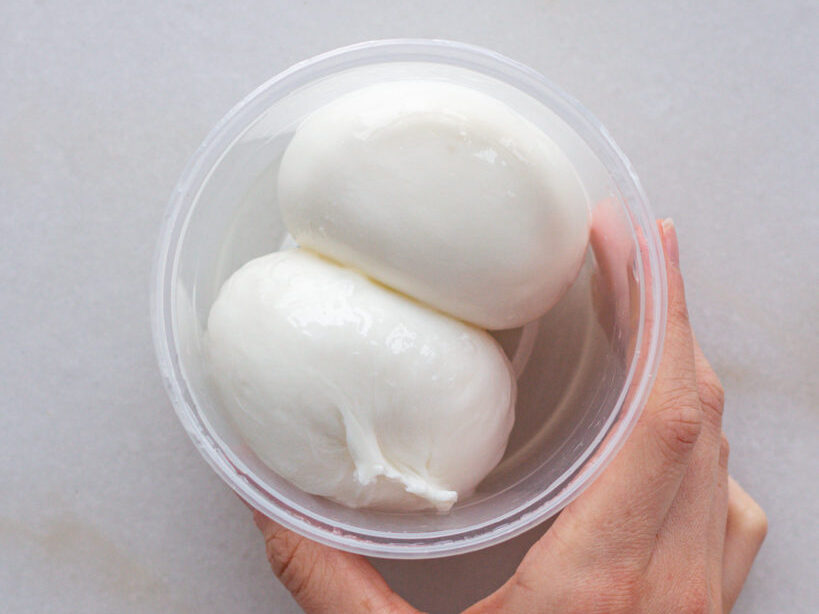
Store burrata submerged in its liquid in the coldest part of your refrigerator, away from the back wall where things can accidentally freeze. Consume it within two to three days of purchase, ideally sooner. Once you’ve opened the container, use the cheese the same day — it does not keep well once exposed to air.
Don’t freeze burrata. The texture of both the shell and the stracciatella is destroyed by freezing. You’ll end up with something watery and grainy that tastes nothing like what you started with.
Common Mistakes People Make with Burrata
Serving It Cold
I mentioned this above, but it bears repeating because it’s the mistake I see most often. Cold burrata is a wasted opportunity. Give it time on the counter before you serve it.
Overloading the Plate
Burrata doesn’t need much company. When you pile it with too many competing flavors — strong cheeses, heavily dressed greens, aggressive vinaigrettes — you lose the point. Keep accompaniments simple and mild.
Cutting It Too Early
If you’re serving burrata at a dinner party, cut it at the table, not in the kitchen five minutes before guests sit down. Once it’s cut, the stracciatella begins to weep out and dry around the edges. The drama of the reveal is also half the experience.
Using It on Pizza Before Baking
Add burrata after the pizza comes out of the oven, not before. Tear it open and let it settle onto the hot crust. When I visited Puglia, the pizza I tasted there with burrata on top was dressed tableside — the cheese never saw the inside of an oven — and the result was something I’ve been trying to recreate at home ever since.
The Bottom Line on Burrata
Burrata is not complicated. That’s the whole point. It came from a farmhouse, from scrap curds and leftover cream, from a cheesemaker trying to solve a practical problem on a snowy day in Puglia. What he created by accident became one of the most beloved fresh cheeses in the world — and the reason it travels so well, culturally and geographically, is that its appeal doesn’t require explanation. You cut it open, the cream runs out, and everyone at the table understands immediately.
Buy the freshest one you can find, let it come to room temperature, keep your plate simple, and use good olive oil. That’s the whole lesson. The Italians figured it out decades ago, and as José Villalobos, I’m just here to make sure you don’t overcomplicate something that’s already perfect.
Back to the full Italian pantry guide
Frequently Asked Questions
How long does burrata stay fresh once you buy it?
Burrata is best eaten within 1-2 days of purchase, though it can last up to 3-4 days in the coldest part of your fridge. The cream filling breaks down quickly, and the texture deteriorates. I always buy it the day I plan to eat it when possible.
Can you freeze burrata or cook with it?
I wouldn’t recommend freezing — the delicate structure falls apart when thawed. As for cooking, it’s pointless. Heat destroys everything that makes burrata special. Save it for raw applications where that creamy center can shine.
What’s the actual difference in taste between burrata and regular fresh mozzarella?
Regular mozzarella is mild and slightly elastic. Burrata has that same mild flavor on the outside, but the stracciatella filling is richer, creamier, and more intensely dairy-forward. It’s like comparing a plain cracker to one spread with fresh butter.
How can you tell if burrata is actually fresh at the store?
Look for a firm, unblemished exterior and check the date. Gently squeeze it — there shouldn’t be liquid seeping out. At my Italian market, I ask them when it arrived. The packaging date matters more than the sell-by date.
Is all burrata made the same way, or do different regions make it differently?
Most authentic burrata comes from Puglia, but production methods vary slightly between cheesemakers. Some use different ratios of cream to curd, or source milk from different farms. I’ve noticed Austrian and American versions tend to be sweeter, while Puglian versions taste more grassy.
Written by José Villalobos
José Villalobos is a food writer and the founder of Calitalia Food. He grew up in Valparaíso, Chile, where his grandmother Julia cooked Italian food daily from memory and instinct. Based in Sacramento, California, he visits local Italian markets weekly and writes about ingredients, sauces, and regional food culture with the kind of detail that comes from years of sourcing, testing, and eating. Every product he recommends, he has personally bought and tested.