
Datterini Tomatoes: The Sweet Little Ones, and What the Tin Is Actually For
Small date-shaped tomatoes with high sugar and low acid, sold tinned whole. When they beat San Marzano, when they are the wrong tomato, and how to judge and use a tin.
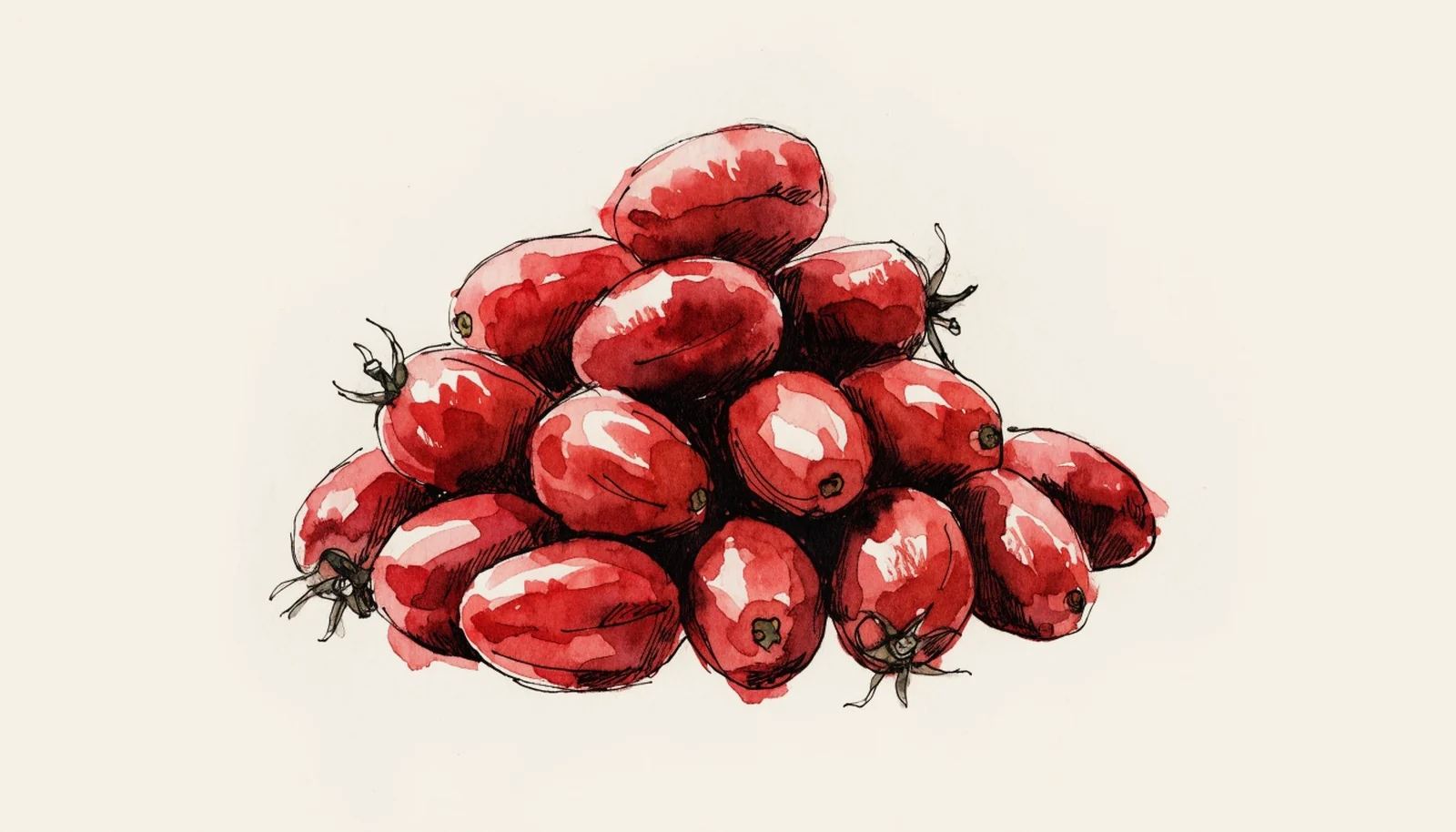
Datterini are small oval tomatoes named for their resemblance to a date, notably sweeter and lower in acid than the plum tomatoes that dominate Italian tinned production. They are sold fresh, tinned whole and as a passata. Buying them well is a matter of matching an Italian ingredient to the job it does.
They are frequently marketed as an upgrade on San Marzano. They are not an upgrade; they are a different tomato that suits different dishes, and using them as a straight substitute produces a sauce that tastes wrong in a way that is hard to place.
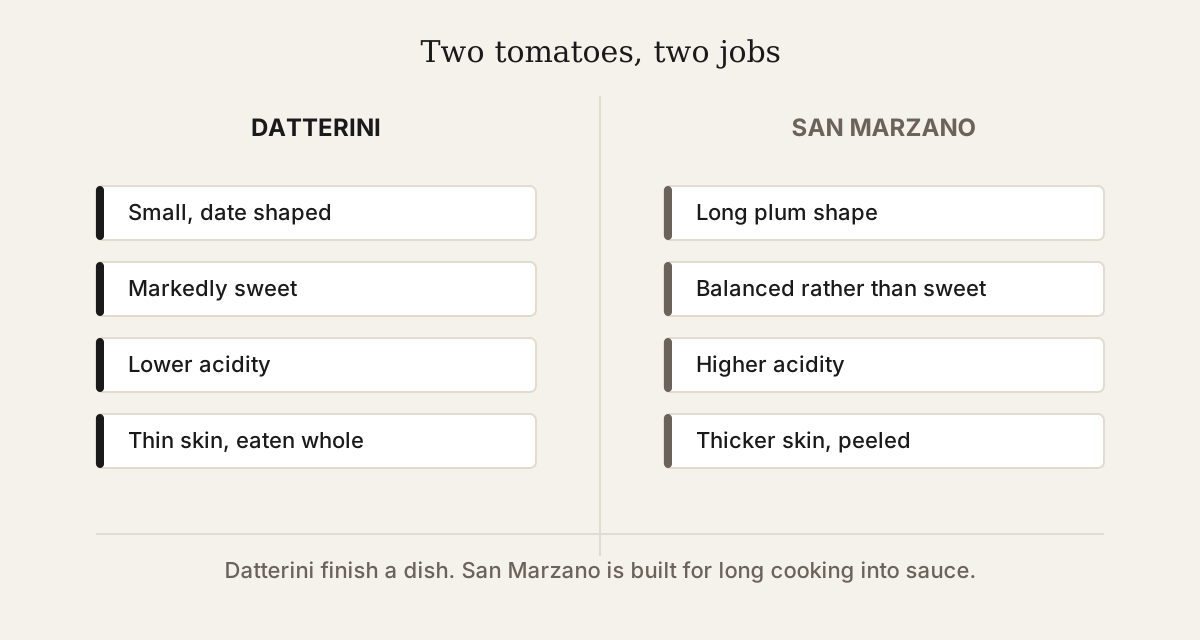
What datterini actually are
Datterini are a small elongated tomato variety, roughly the size and shape of a date, grown widely in southern Italy and particularly in Sicily and Puglia.
Dattero means date, and the name describes the shape.
They carry high sugar and low acid, which is the defining characteristic and the reason they taste as they do.
The skins are thin and the flesh is dense with relatively little seed and gel.
They are grown both in open field and under cover, and Sicilian production in particular runs into the winter.
They are sold whole in tins and jars, which is unusual for a tomato this small, as well as fresh and as a passata.
They carry no DOP, unlike San Marzano, so the name describes the variety rather than an origin.
When they beat San Marzano
The sweetness of datterini is an advantage in specific places, and it is worth naming them.
In a quick fresh sauce, datterini win. Twenty minutes in a pan with oil and garlic gives a sweet, bright sauce that a plum tomato cannot produce in that time.
Where no sugar should be added, they solve the problem. Cooks who add a pinch of sugar to a tomato sauce are correcting for acidity, and datterini need no correcting.
On a pizza they hold up well because their low water content means less flooding of the base.
Roasted whole they are excellent, collapsing into something jammy that a larger tomato does not reach.
For anything raw or barely cooked their sweetness reads clearly, where a plum tomato needs cooking to develop.
Checked on 13 August 2026, the first page of United States results for datterini tomatoes returned Italian food importers and specialist grocers alongside reference material, which describes that search on that date rather than recommending any seller.
When they are the wrong tomato
Sweetness is not always what a dish wants.
In a long-cooked ragù they are wrong. Hours of cooking concentrates the sugar further and the sauce turns cloying, where a plum tomato’s acidity holds the meat and fat in balance.
Anywhere acidity is doing structural work, such as a puttanesca or an amatriciana, they flatten the dish. Those recipes want the tomato to cut through salt and fat.
They are expensive to use in volume. A large batch of sauce made from tinned datterini costs several times what plum tomatoes cost.
In a dish already carrying sweetness from onion, carrot or wine, they push it over.
San Marzano and datterini are not interchangeable in either direction, and a recipe that specifies one is usually specifying it for a reason.
How to judge a tin
Judge it on the ingredient list, then the fruit, then the liquid.
The ingredient list should be tomatoes, tomato juice and salt. Citric acid is common and acceptable; calcium chloride is a firming agent and its presence indicates industrial handling.
Whole fruit should be intact, not collapsed into mush, and roughly uniform in size.
The liquid should be thick and richly coloured, not thin and pale. A watery pack means the fruit was picked underripe or the pack is padded.
Colour should be a deep red to orange-red, even.
Avoid added sugar, which would be redundant in a datterino and indicates a poor batch being corrected.
Sicilian or Puglian origin on the label is worth having, since much cheap tinned tomato is blended from several sources.
What they should cost
Expect roughly 5 to 12 dollars for a 400 gram tin in the United States, well above ordinary tinned plum tomatoes.
Small fruit means more handling per kilogram and a lower yield per plant, and the tinning of whole small tomatoes is fussier than packing large ones.
They are three to four times the price of standard tinned tomatoes, which matters when a recipe needs a kilogram.
Fresh datterini in season cost less relative to quality and are worth buying when available.
Cheap tins labelled datterini may be a different small variety, since the name protects nothing.
How to use them
Use them where the cooking is short and the sweetness is the point.
Their thin skins and dense flesh mean they break down quickly, so they suit fast sauces, roasting and raw preparations rather than long simmering.
Crush them by hand rather than blending, which keeps some texture and avoids incorporating air.
A twenty-minute sauce of datterini, olive oil, garlic and basil is the best use and needs nothing else.
Roast them whole with oil and salt until they collapse, then use them on bread or through pasta.
Do not add sugar. The whole reason to buy them is that the correction is unnecessary.
Taste before salting. Their sweetness makes it easy to over-salt in compensation.
Storage
Unopened tins keep two years or more in a cool dark cupboard. Once opened, transfer and refrigerate for three to four days.
Do not store opened tomatoes in the tin. The acid reacts with exposed metal at the cut edge and the flavour picks it up.
Transfer to a glass or plastic container and cover.
They freeze well once opened, which is the practical answer to a half-used tin, and the texture loss does not matter in a cooked sauce.
Fresh datterini keep a week at room temperature and should not be refrigerated, which flattens the flavour of any tomato.
Discard any bulging tin unopened, which is the one storage rule with a safety consequence.
Frequently asked questions
What is the difference between datterini and San Marzano tomatoes?
Datterini are small, date-shaped, high in sugar and low in acid, with thin skins and dense flesh. San Marzano are larger plum tomatoes with more acidity, which is what makes them suited to long cooking. Datterini suit fast sauces, roasting and raw uses; San Marzano suit ragù and any dish where acidity balances fat and salt. Neither is an upgrade on the other.
Are datterini tomatoes sweeter?
Datterini are noticeably sweeter and lower in acid than plum tomatoes, which is their defining characteristic. That is why cooks who habitually add a pinch of sugar to a tomato sauce find no need to with datterini. The same sweetness becomes a liability in long-cooked dishes, where it concentrates further and can make a sauce cloying.
Can I use datterini instead of San Marzano?
Datterini substitute well in a quick fresh sauce, on pizza and in anything roasted or barely cooked. They substitute poorly in a long-cooked ragù, a puttanesca or an amatriciana, where the acidity of a plum tomato is doing structural work against fat and salt. They also cost three to four times as much, which matters in a large batch.
Do datterini tomatoes have a DOP?
Datterini carry no DOP, unlike San Marzano dell’Agro Sarnese-Nocerino. The name describes a tomato variety rather than a protected origin, so anyone may grow and sell them under it, and cheap tins may contain a different small variety. Sicilian or Puglian origin on the label is worth looking for since it at least indicates a source.
Should I add sugar to a datterini sauce?
Adding sugar to a datterini sauce defeats the purpose of buying them, since their low acidity and high natural sugar are exactly what the pinch of sugar in a conventional tomato sauce is correcting for. If a datterini sauce tastes flat, it more likely needs salt or acid, and a squeeze of lemon or a splash of vinegar is the better correction.
CalItalia Food covers Italian ingredients: what they are, how to tell a good one from an ordinary one, and where to buy them in the United States.