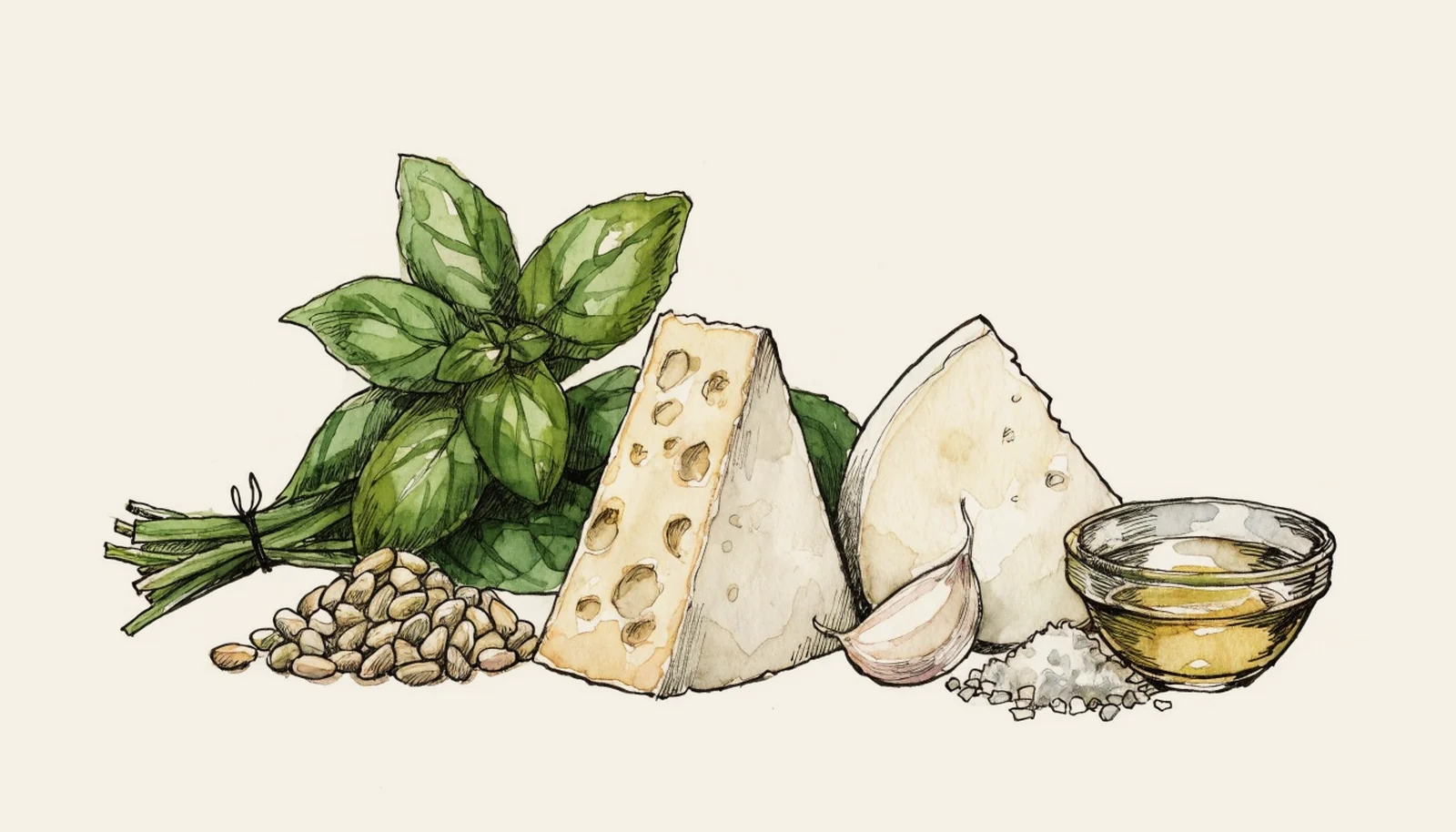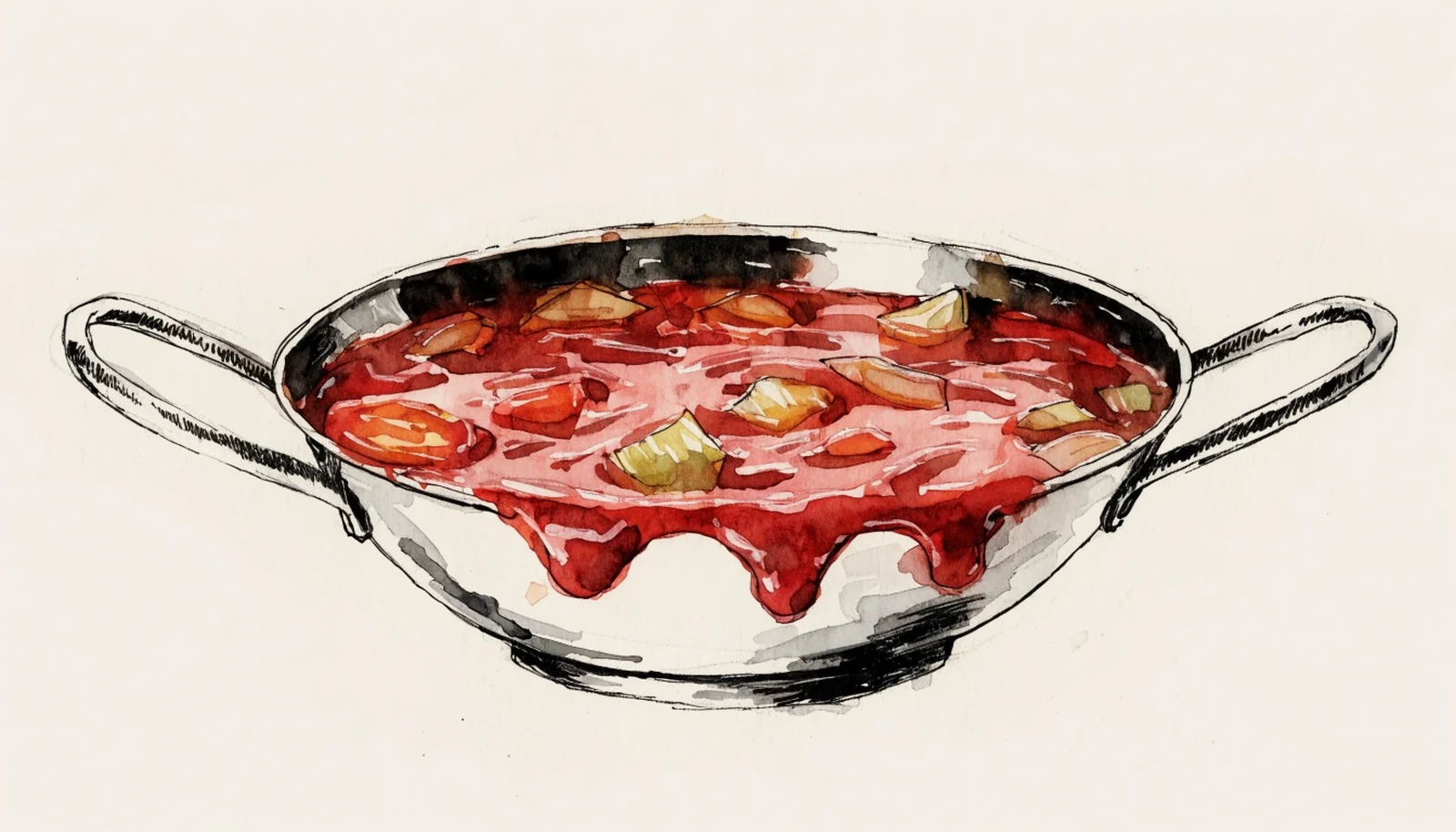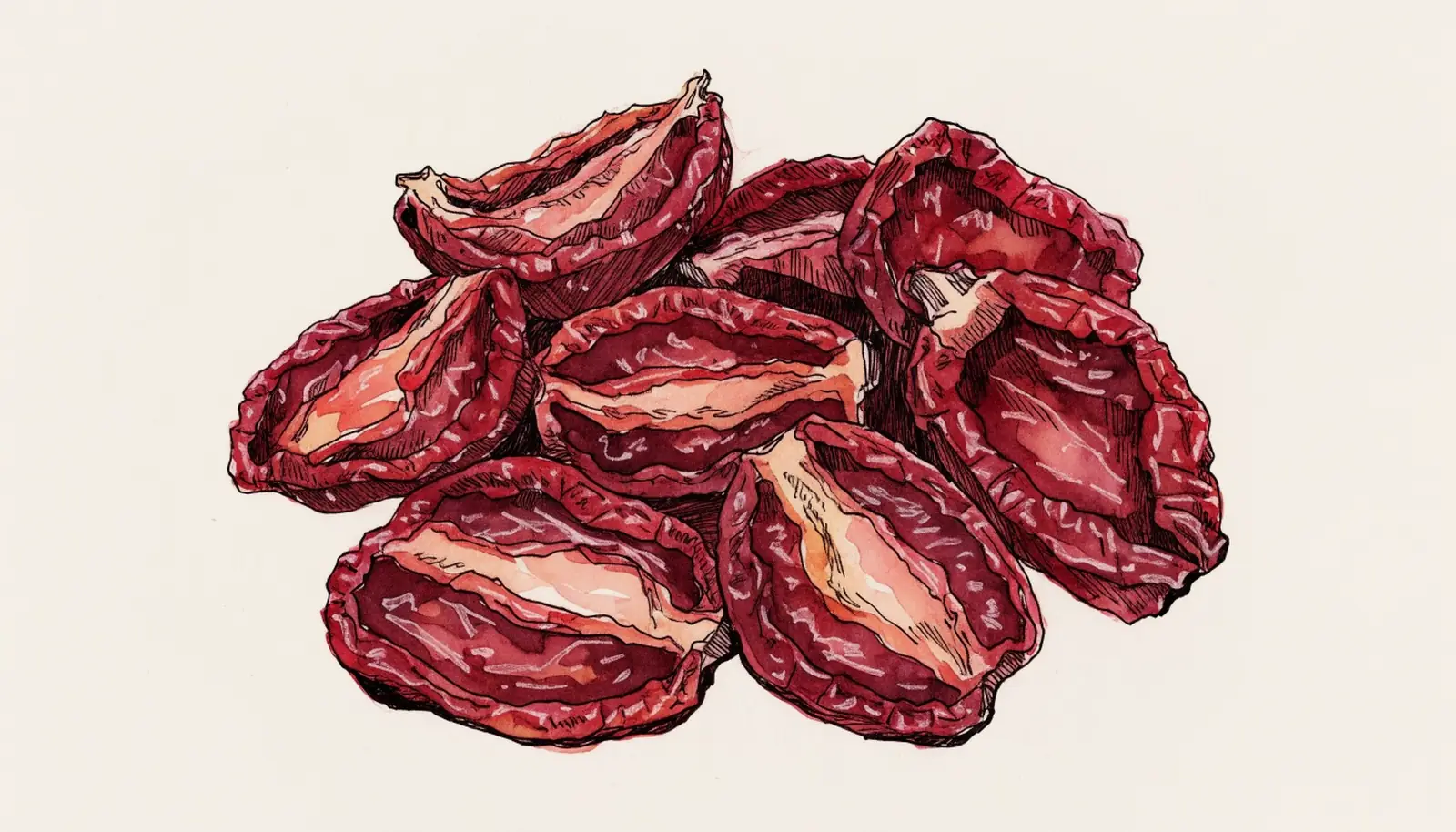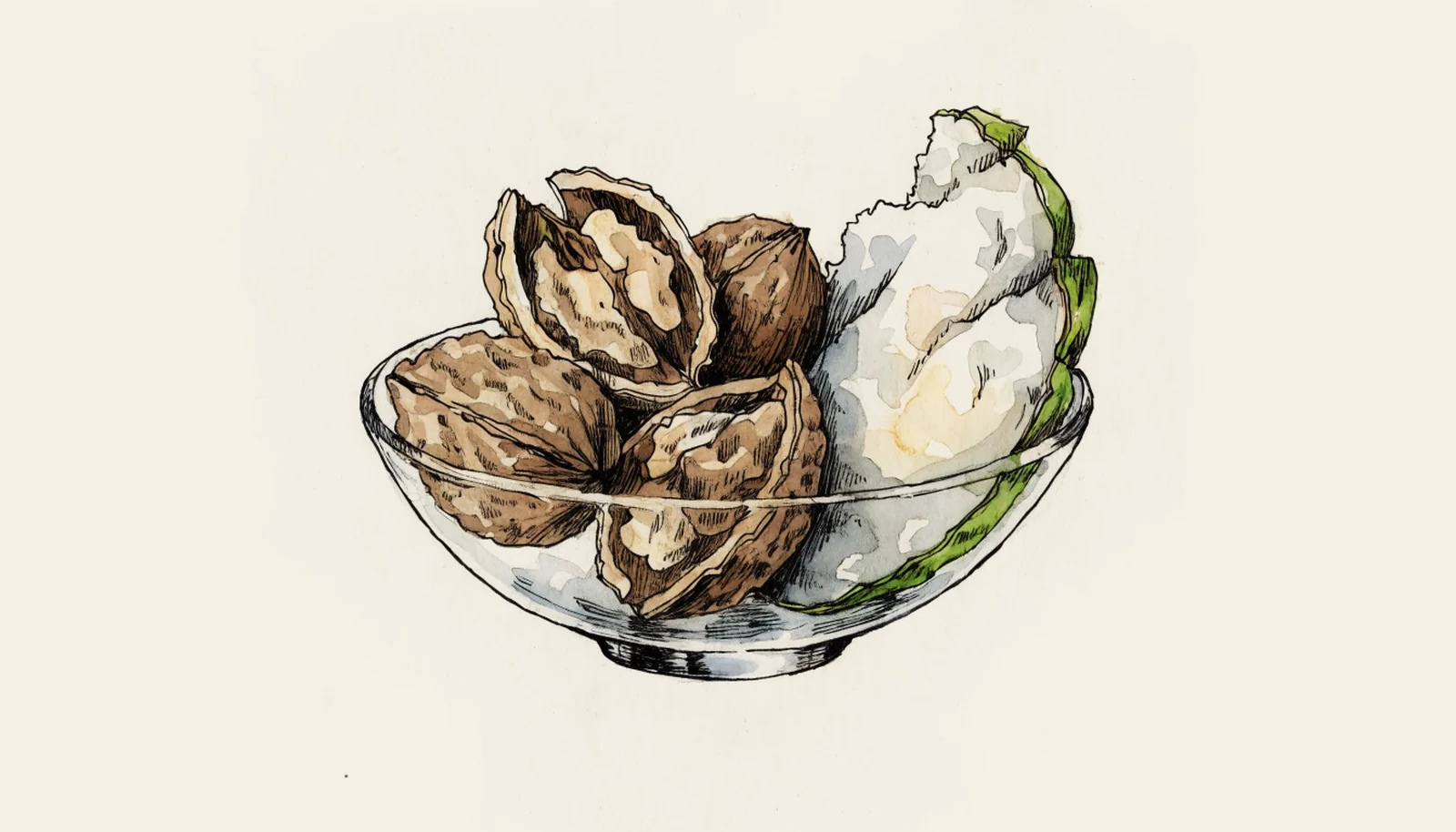
A jarred sauce is judged almost entirely by its ingredient list, because a jar can carry an Italian name without the ingredients that make the sauce. Pesto genovese has seven ingredients and a long list of cheaper swaps, and amatriciana is defined by three, one of which most jars get wrong.
How to judge a jar
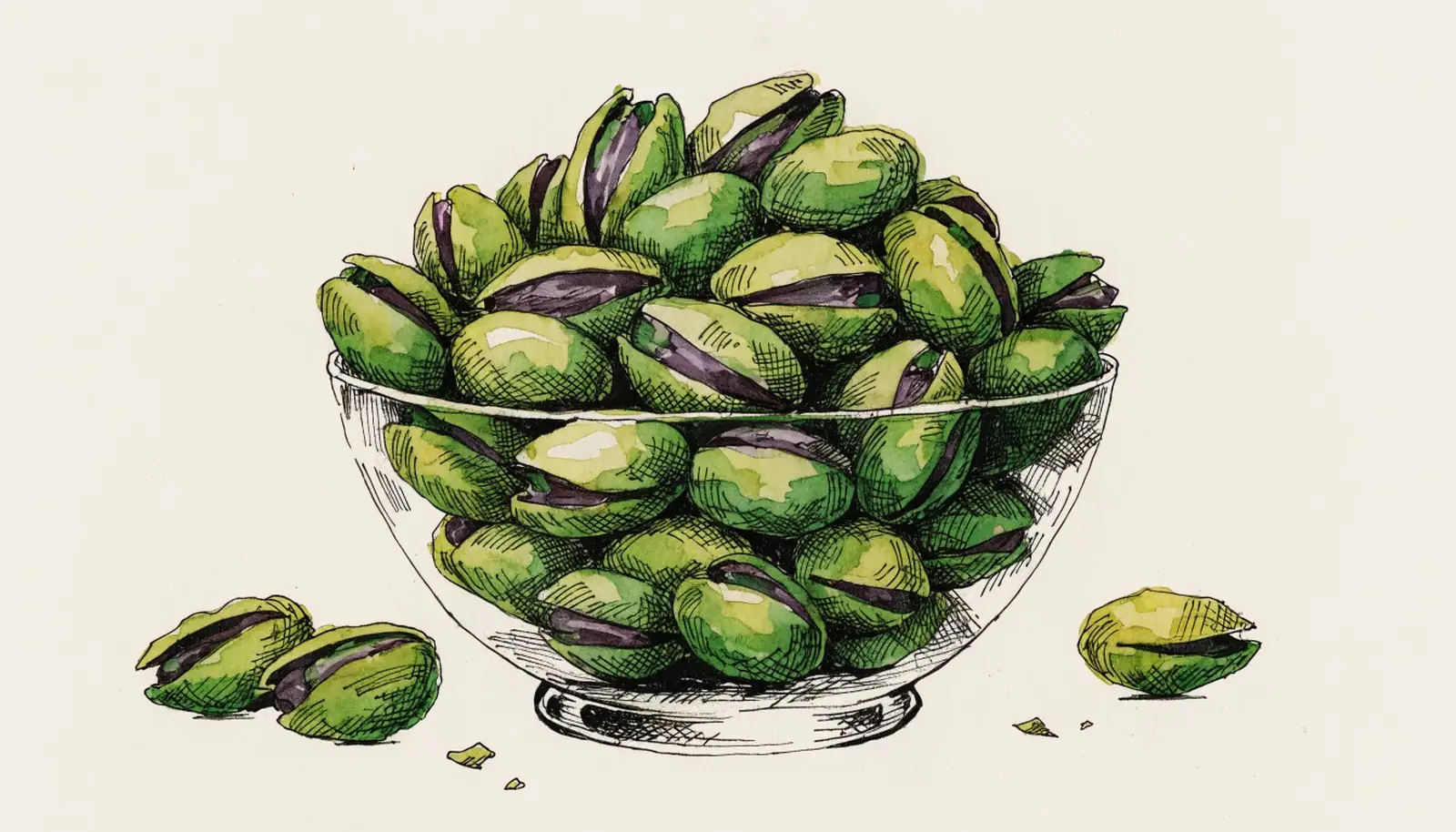
Read the list in the order it is printed: the first ingredient is the largest, and a pesto that opens with sunflower oil or potato flakes is a different sauce under the same name. Where a jar gives a percentage, it is the most telling number on it, which is the whole point of reading pistachio pesto and artichoke pesto by their figures. A protected name on a label covers the ingredient it names, not the jar around it, and what DOP and IGP guarantee explains where that line falls. The origin wording is a separate claim, and Made in Italy and Product of Italy are not the same promise.
Once it is home
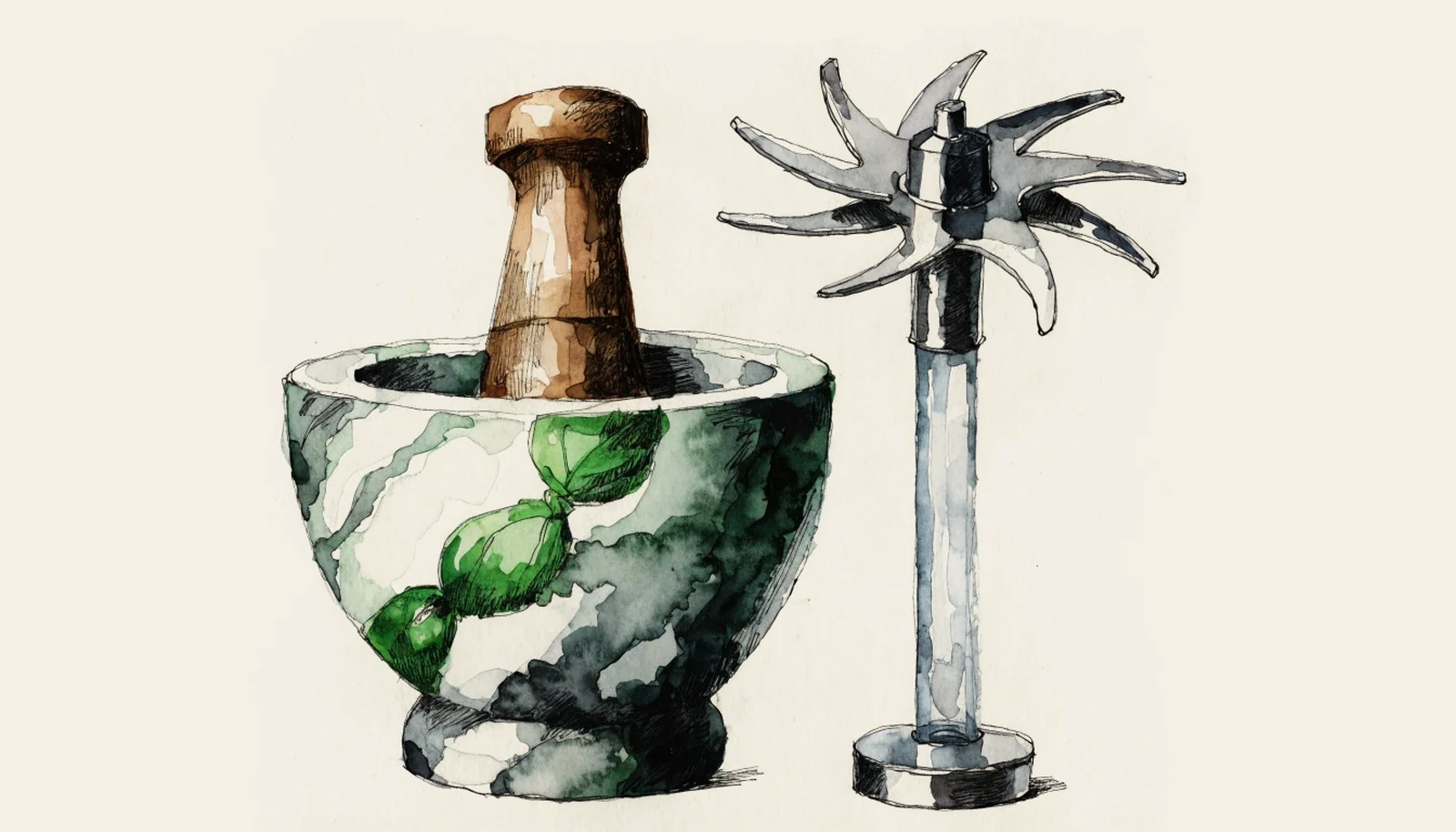
Freezing keeps pesto far better than a jar does, heat changes it in specific ways, and the mortar against the blender explains why the method is part of the recipe.
Price, and where to buy
What Italian ingredients cost in the United States explains what drives a price and how to judge one that looks too good, and where genuine Italian ingredients are sold says which routes carry a jar worth buying. Every sauce here is one case of the Italian ingredient and the gap worth paying for.