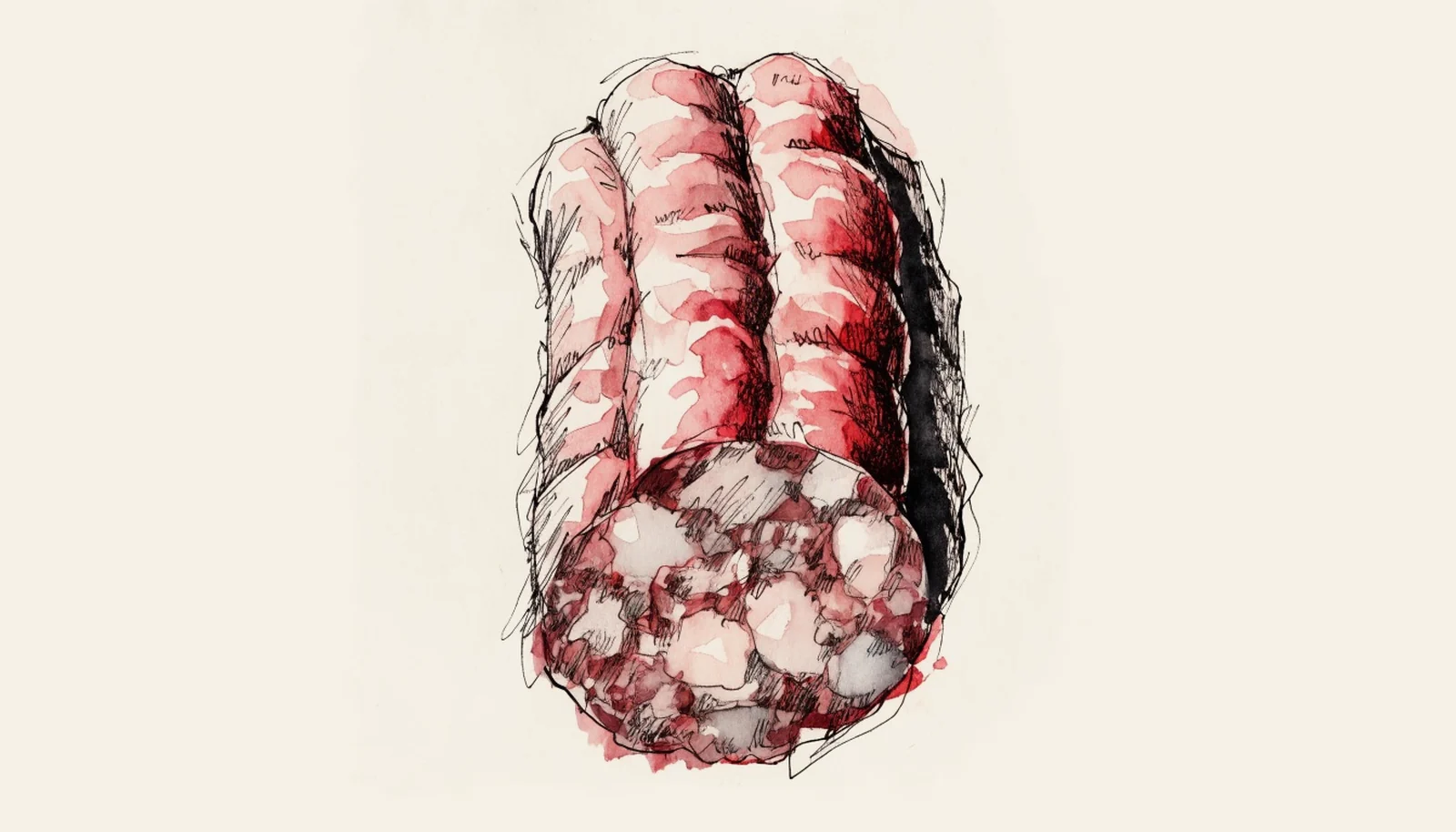
Bresaola: The Cured Beef From the Alps
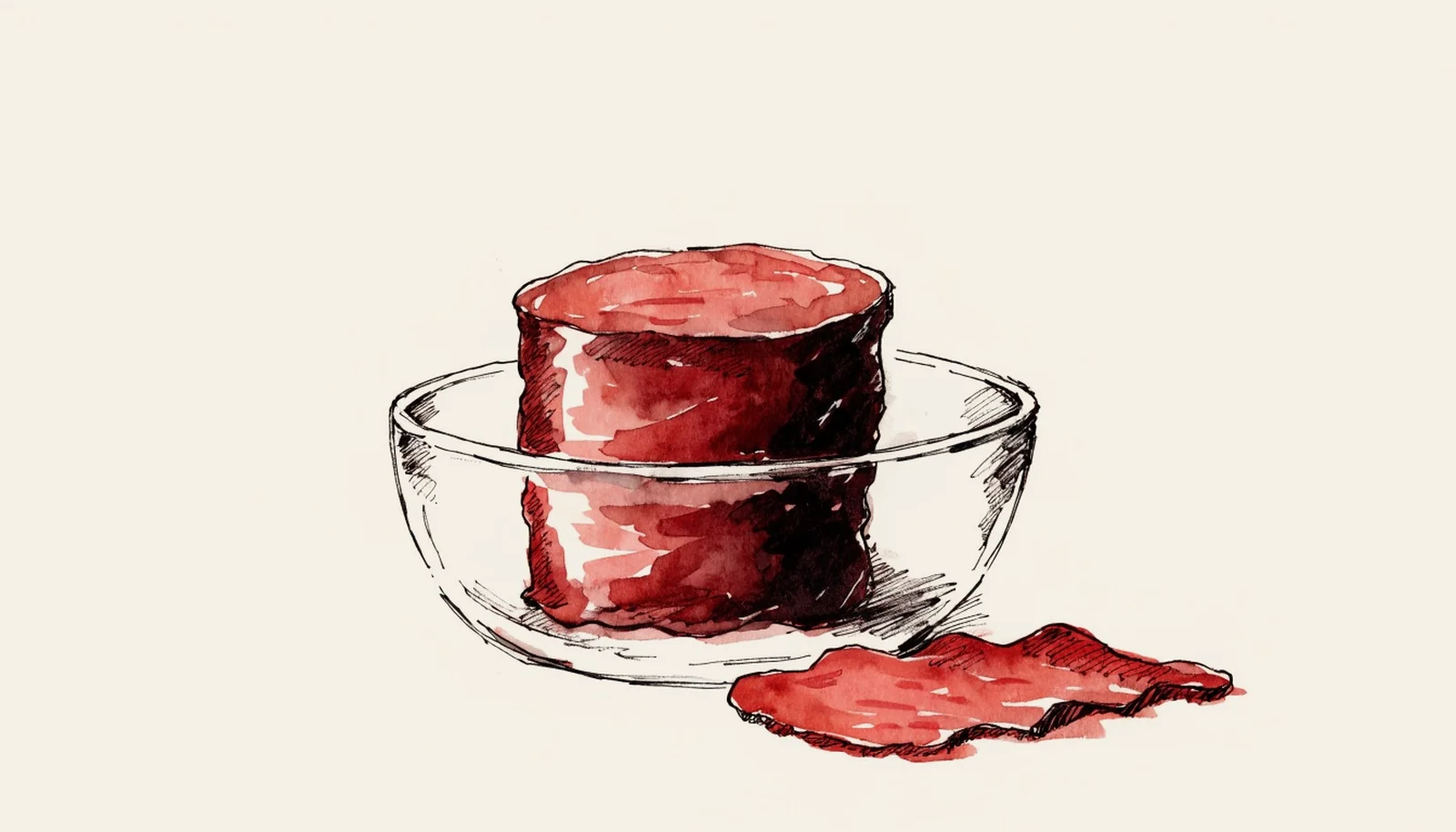
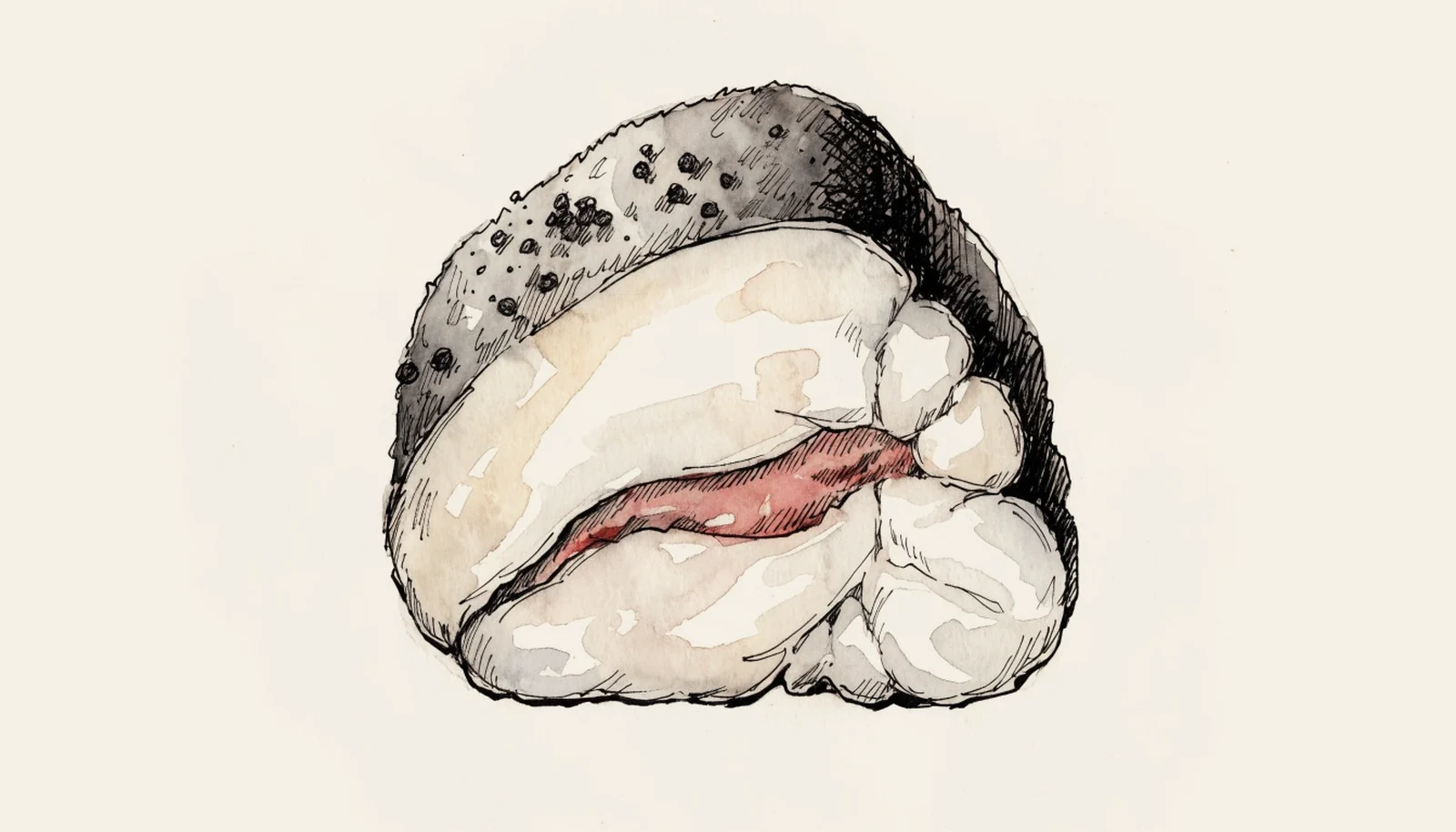
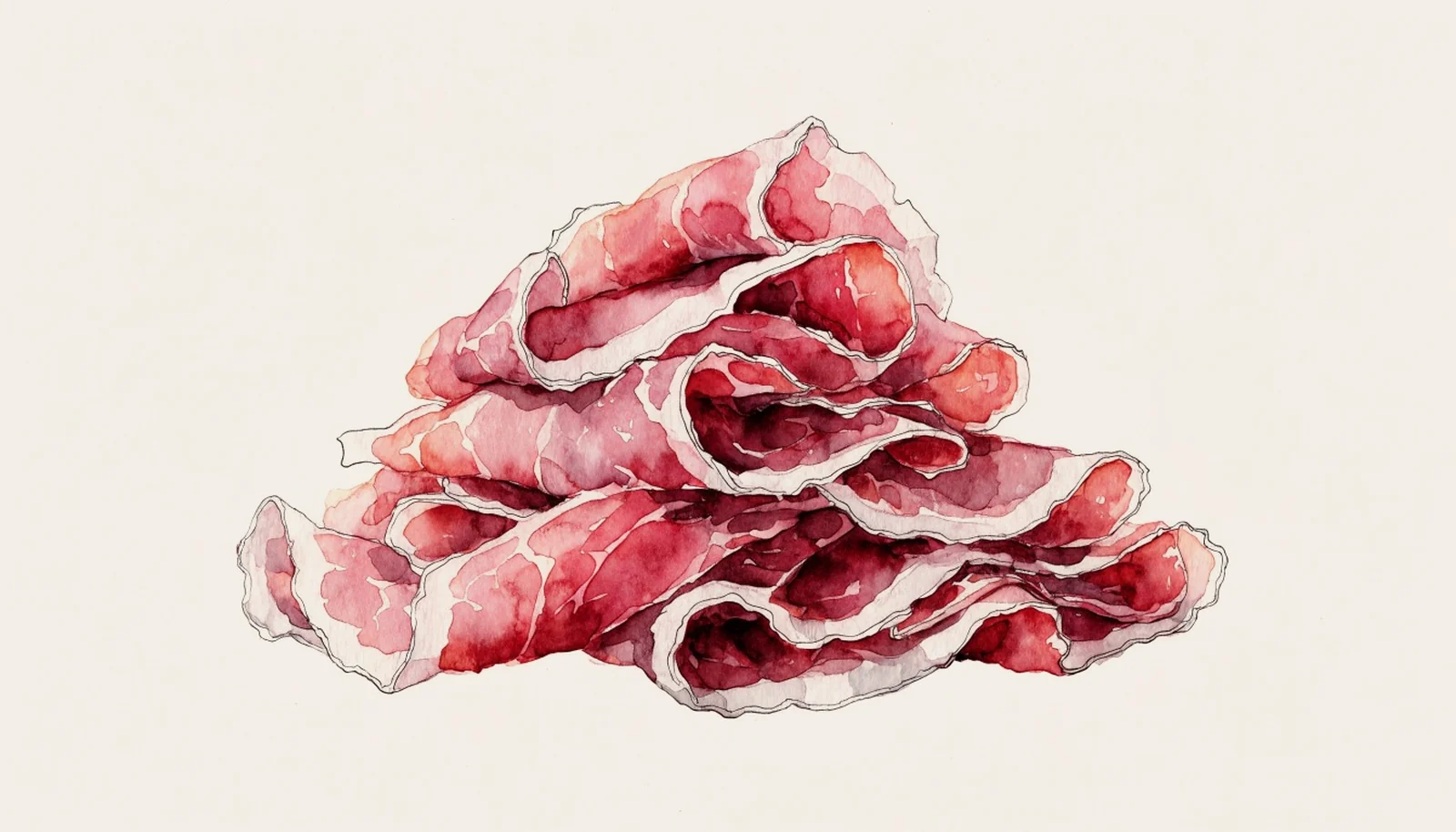
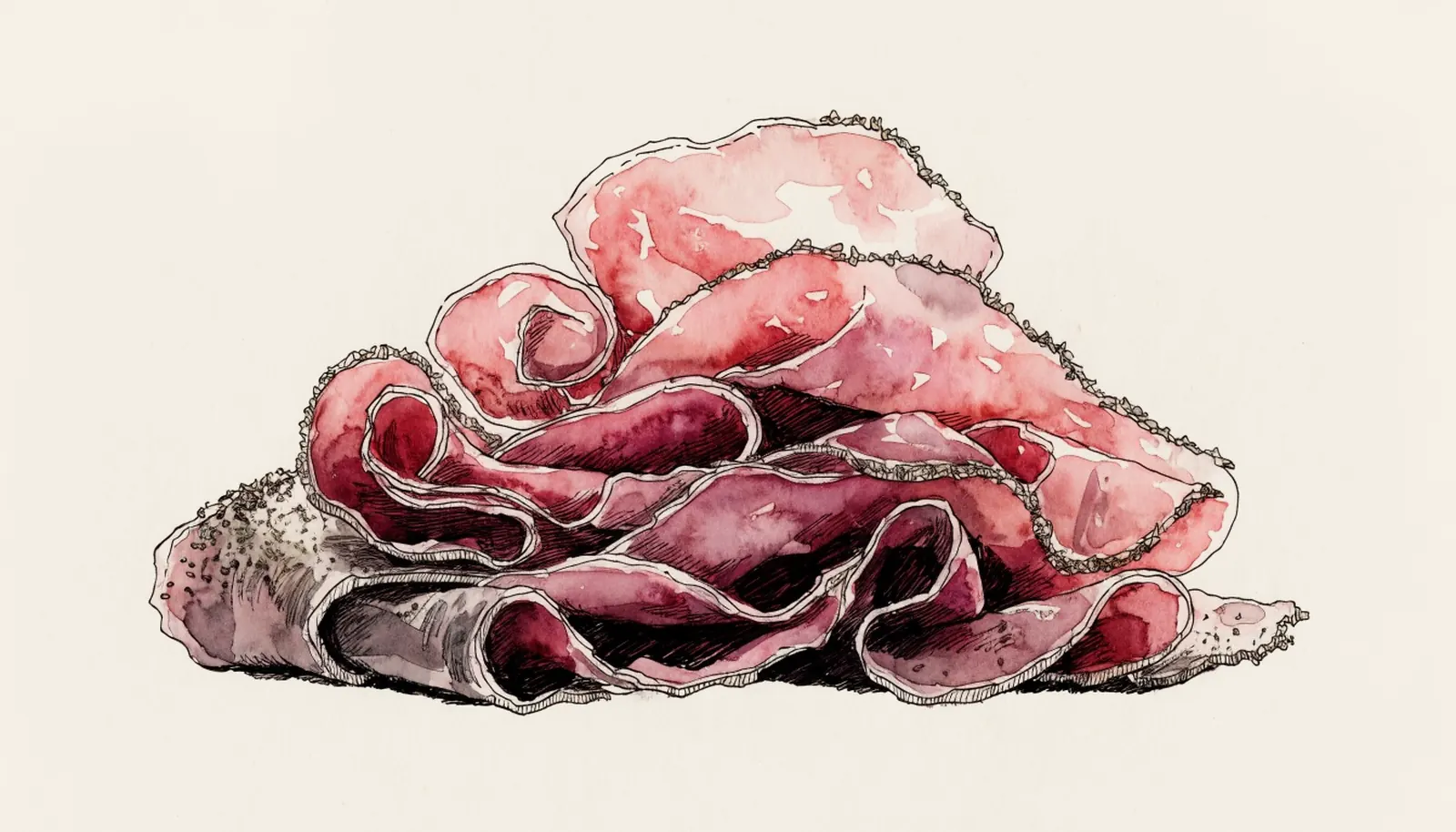
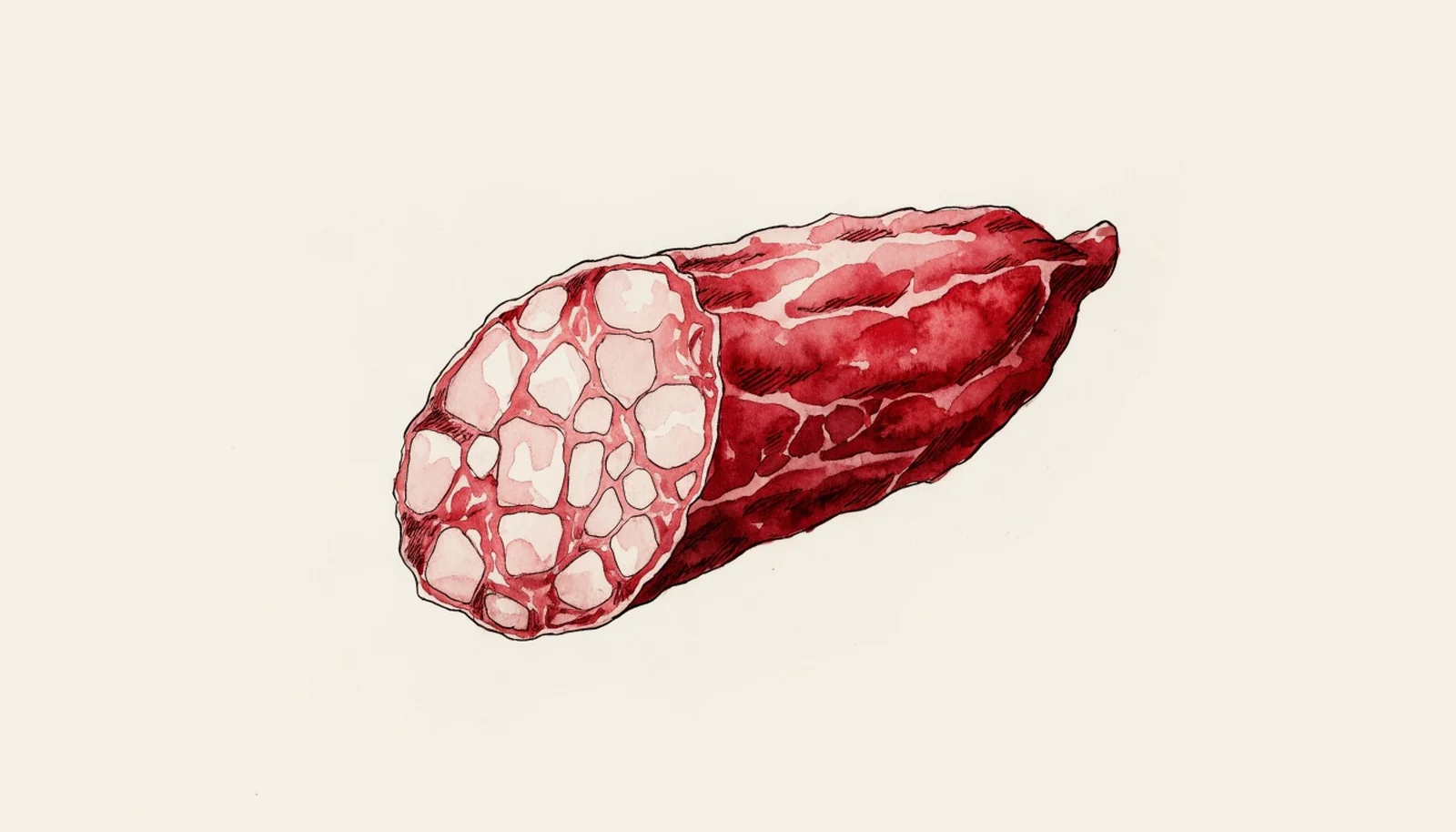
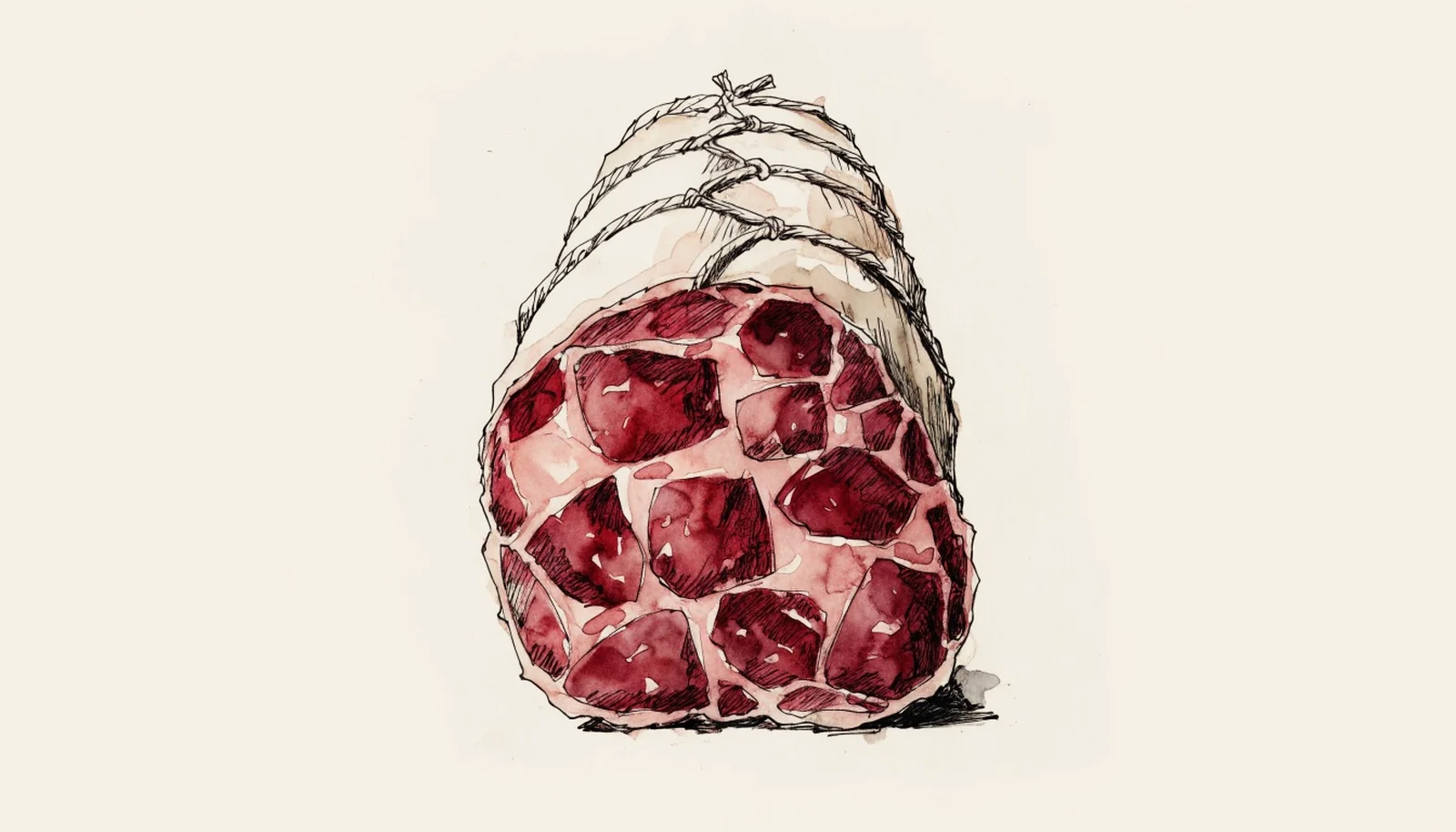
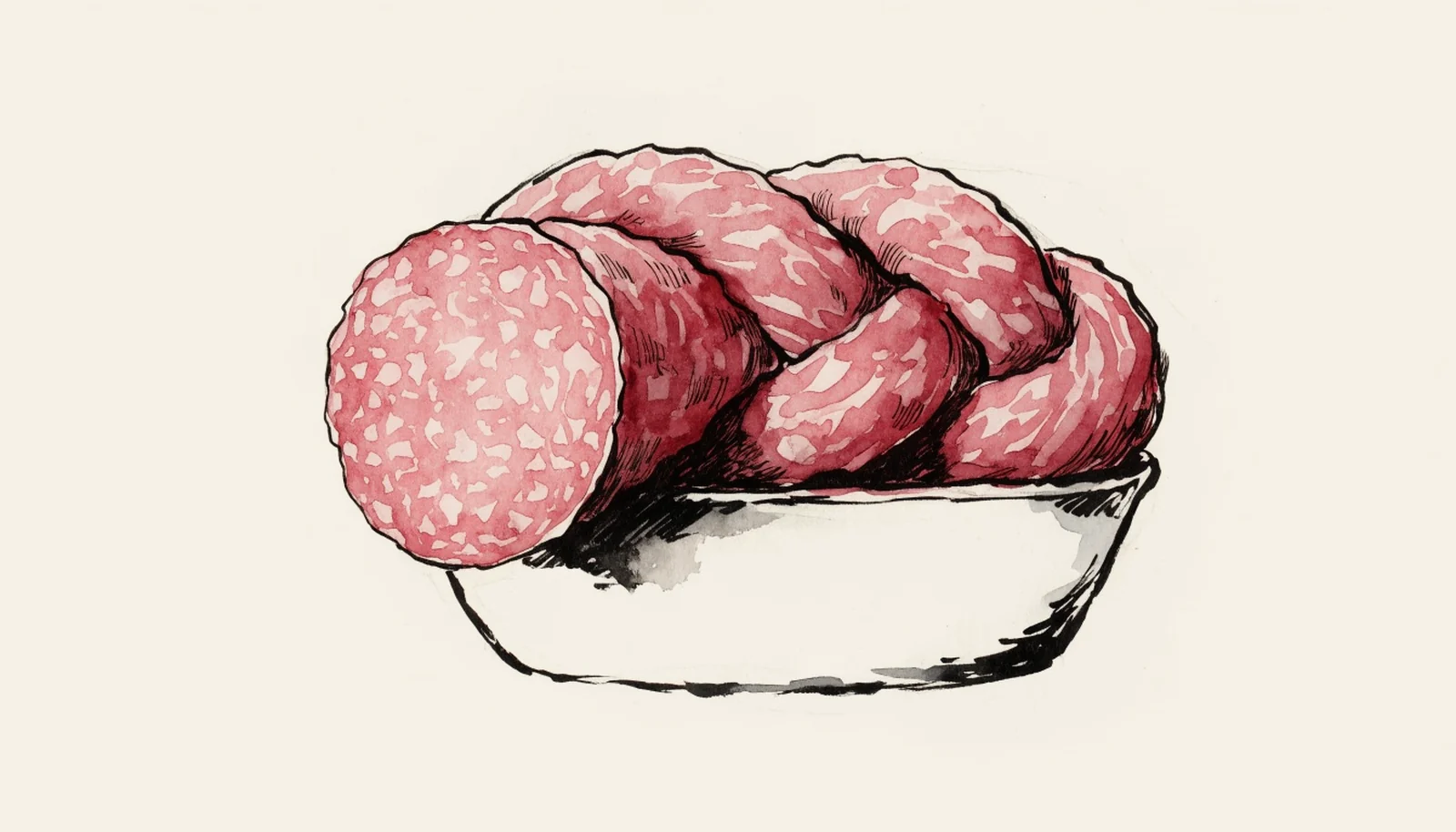
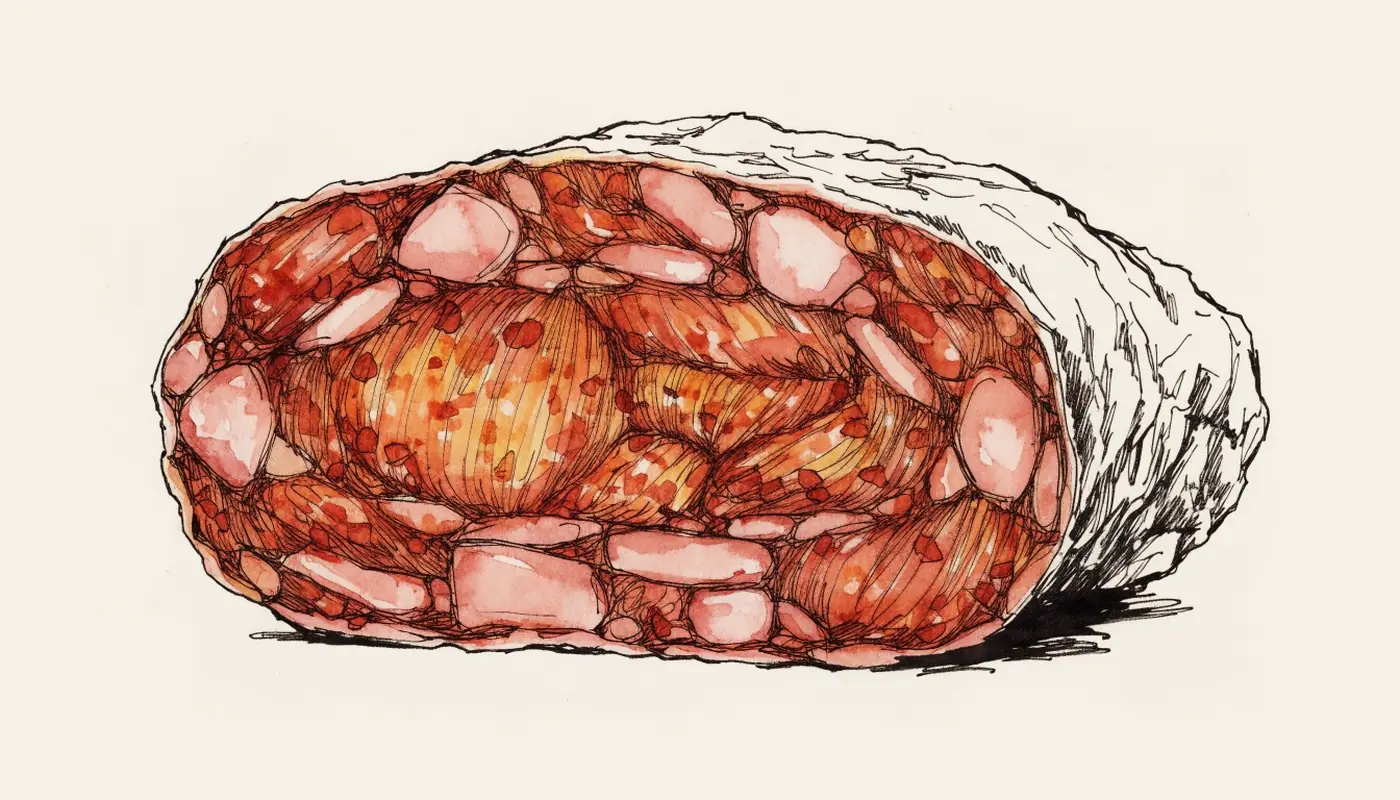
Air-dried salted beef from Valtellina, lean where every other salume is fatty. What the IGP controls, how to judge a slice, and what it should cost.
Cured pork and its regional names, from culatello to nduja, and how to read a cut face.
Air-dried salted beef from Valtellina, lean where every other salume is fatty. What the IGP controls, how to judge a slice, and what it should cost.
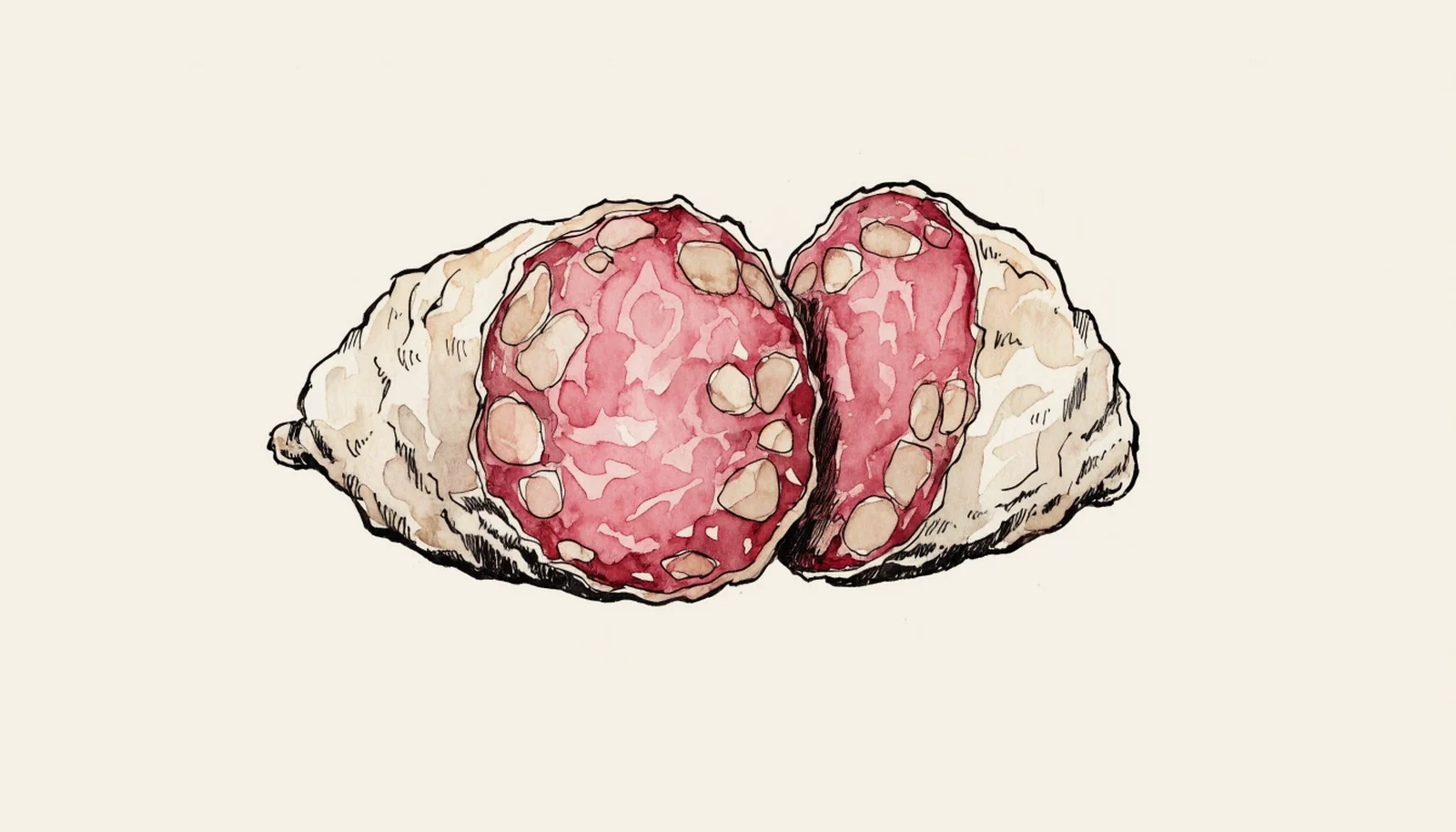
Small mild salami sized to be carried, protected as Salamini Italiani alla Cacciatora DOP. Why the size drives everything, and why the mark on the packet says something else.
Cured pork neck, marbled and mild. Why the shorter name is unusable in English search, what the DOPs cover, and how to judge a slice.
A soft, mild, spreadable salame from Le Marche, ground three times and aged barely a fortnight. What the IGP covers, how it differs from nduja, and how to judge one.
Pork neck from Piacenza cured with cloves, cinnamon and nutmeg under a DOP. How it differs from Calabrian capocollo, what the Piacenza trio is, and how to judge a slice.
A boneless cured hind-leg cut from the Parma lowlands, sold under a brand rather than a designation. What separates it from culatello and fiocco, and why the distinction matters when buying.
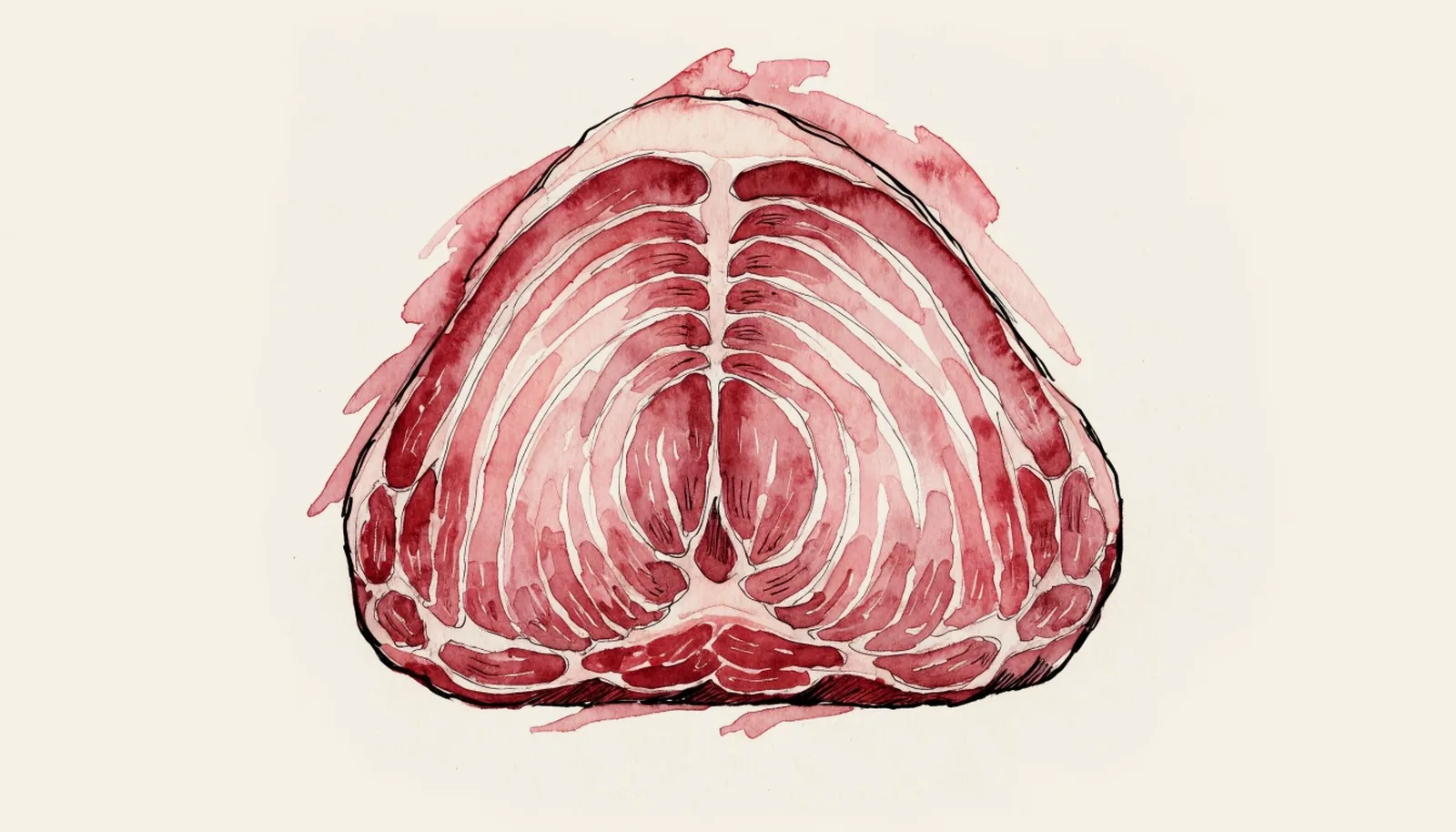
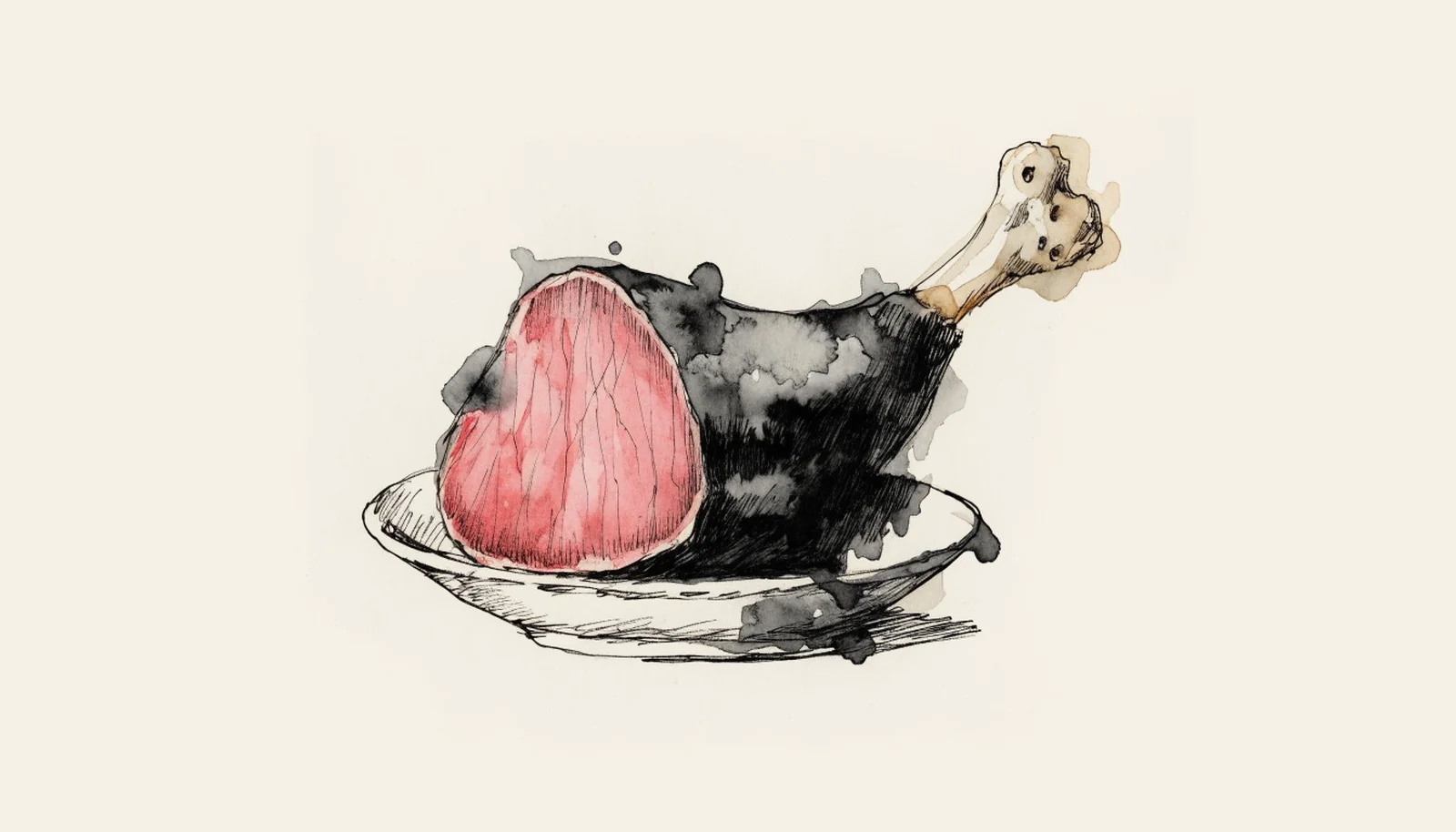
The most expensive Italian cured meat, made from the heart of the leg and aged in river fog. What the DOP controls, why it costs what it does, and whether it reaches the United States.
Wild fennel seed in a coarse Tuscan salami, and the story about why. What the IGP controls, how to judge a slice, and why it crumbles.
Guanciale is cured pork jowl, not belly, and the difference decides whether carbonara and amatriciana work. What to look for, what it costs, and where to find it.
Whole against sliced, dry-cured against cooked, and why wrapping in plastic film is the most common mistake. Keeping times and failure signs for each type.
Pork back fat cured in marble basins in a Tuscan quarry village. What the marble does, what the IGP controls, and how to buy and serve it.
A lean, herb-cured meat from the Valle d Aosta, once made from chamois and now almost always beef or goat. What changed, how it differs from bresaola, and how to judge one.
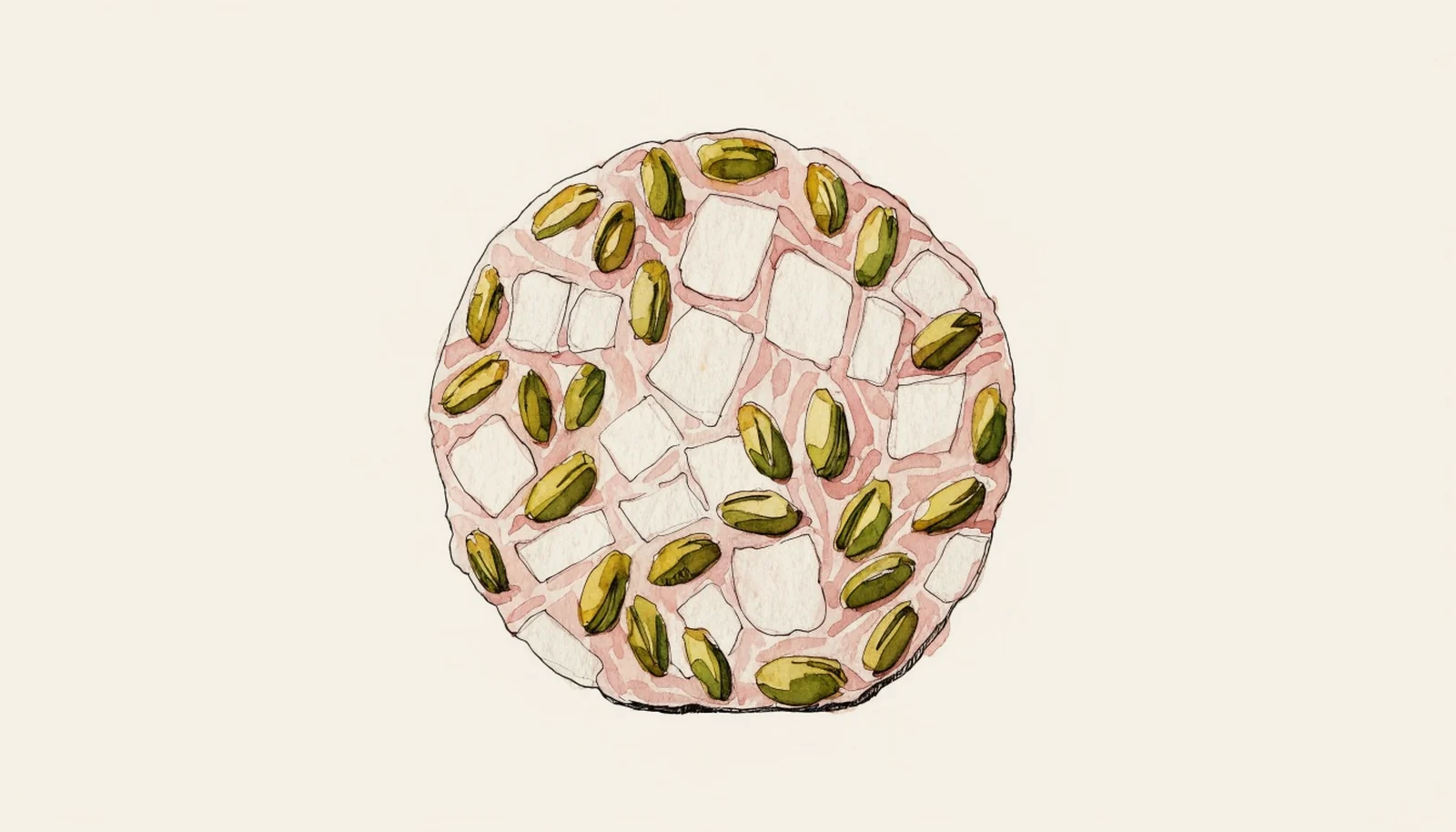
Mortadella Bologna carries an IGP, and most mortadella sold in the United States does not. What the mark controls, what the pistachios tell you, and what it should cost.
Nduja is a spreadable Calabrian salami. What separates a real one from an imitation, what it should cost in the United States, and which sellers actually carry it.
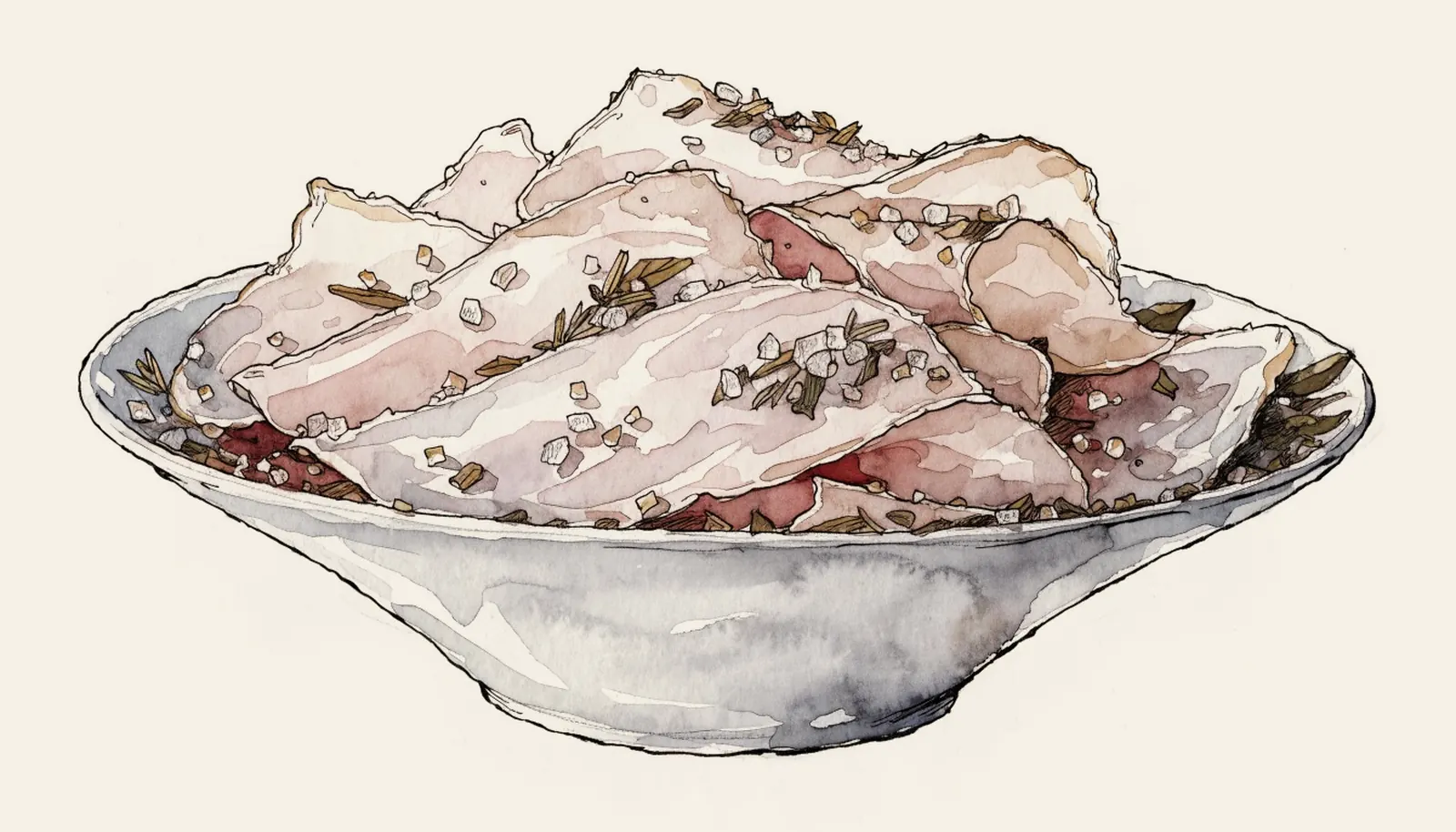
Pancetta is cured pork belly, unsmoked, and it comes in two forms that behave differently. How to tell them apart, what to pay, and when bacon is not a substitute.
Boned pork roasted with garlic, rosemary and fennel, then sold sliced cold. Why it follows different rules from every other salume, what the Ariccia IGP covers, and how to judge a piece.
Prosciutto di Parma carries a DOP and a branded crown. What the mark controls, how ageing changes it, and how it differs from San Daniele and from generic prosciutto.
The Friulian DOP ham pressed flat with the foot still attached. Why the zone is a single municipality, what the two-ingredient rule excludes, and how it differs from Parma.
Pepper, garlic and juniper on the surface, a deeper trim and a saltier result. How Tuscan prosciutto differs from Parma and San Daniele, and how to judge one.
Lean pork, whole peppercorns and white wine, aged in natural gut. What the IGP covers, why the slice is cut at an angle, and how to tell the protected version from a Felino-style one.
An Oltrepo Pavese salami cured in four named formats by calibre, seasoned with garlic infused in red wine. What the DOP fixes and how to judge a piece.
Sant Olcese salami contains beef and is lightly smoked. Genoa salami on a US deli counter is a different product. What separates them and how to buy either.
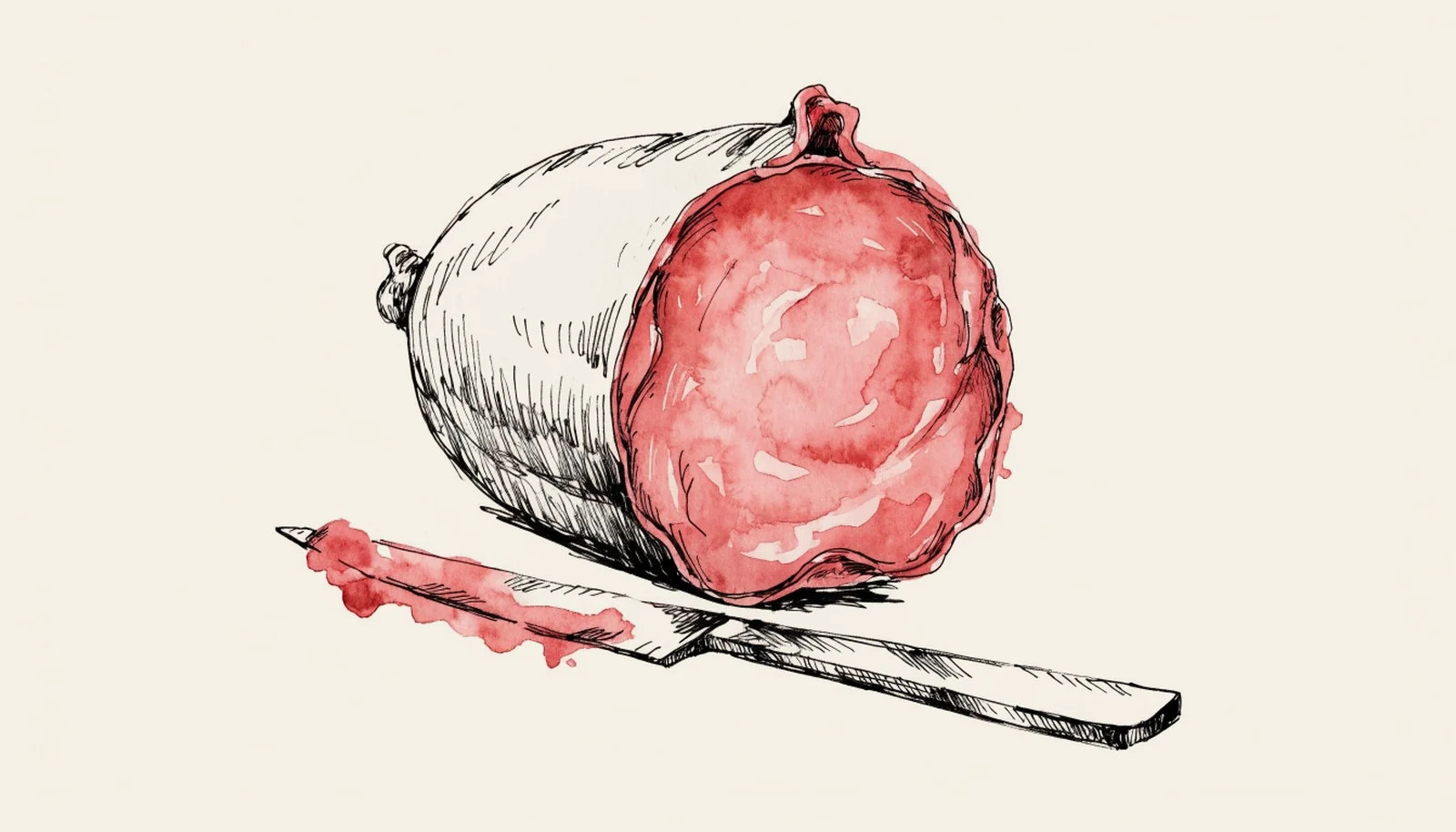
The rice-grain grind that made the standard Italian salami. How Milano differs from Genoa, why it carries no DOP or IGP, and what that puts on the ingredient list.
A long, narrow, peppery Campanian salami, sometimes lightly smoked. What a PAT listing does and does not guarantee, and how Italian Napoletano differs from American Napoli salame.
Coarse Tuscan salami studded with large cubes of back fat and whole peppercorns. Why the cube size is the identity, why it carries no designation, and how American producers took it up.
Southern Italian pork sausage hung to dry and eaten uncooked. Why salsiccia means two different things in America, what the Calabrian DOP covers, and how to judge one.
A large, soft, gently spiced salami from the Veneto, unrelated to Calabrian soppressata beyond the name. What the Vicenza DOP covers and how to judge one.
A dry-cured pressed salami made very differently in Calabria and in Tuscany. Which one your recipe means, how to judge a piece, and what it should cost.
A northern Italian ham that borrows from both the Mediterranean and the Alpine traditions. What the IGP requires, and why the word speck alone means little.
A flattened Calabrian or Roman salami with a wide oval slice. What the pressing does to the cure, how piccante differs from romana, and how to judge one.
A thin, quick-cured salami made from the trimmings left after a culatello is shaped. Why it is eaten within weeks, and why the best ones come from the best hams.
Boiled head meat set in its own gelatin with pine nuts, pistachios and warm spice. What the Ligurian and Piedmontese tradition is, and why the English name puts people off.
A whole goat leg cured in the Valchiavenna, held like a violin and cut with the knife as a bow. What the ritual is, why goat rather than pork, and how to judge one.