
Bresaola: The Cured Beef From the Alps
Air-dried salted beef from Valtellina, lean where every other salume is fatty. What the IGP controls, how to judge a slice, what it should cost, and where to buy it.
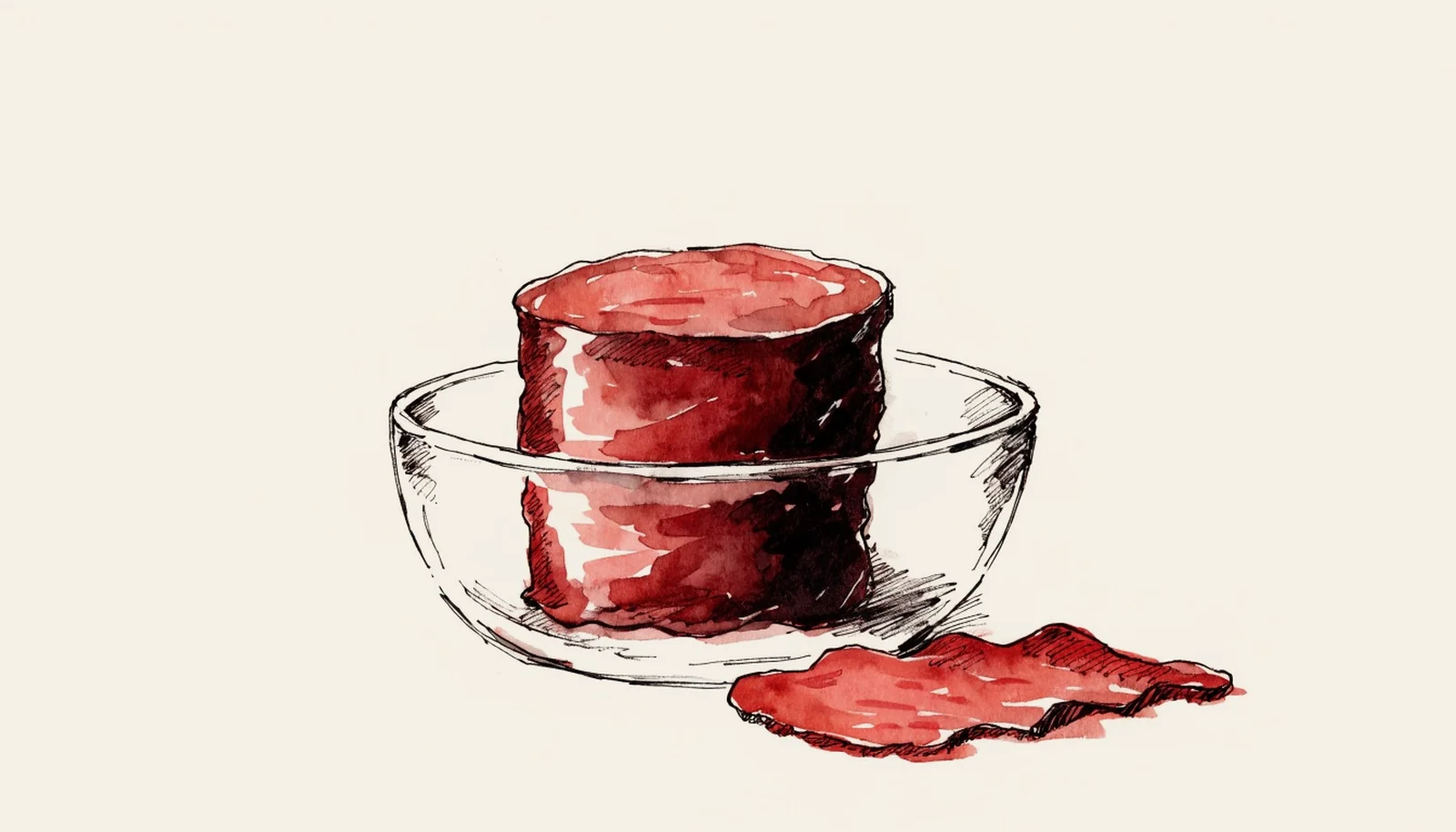
Bresaola is salted, air-dried beef from the Valtellina valley in Lombardy, and it is the one significant Italian cured meat made from beef rather than pork and the one that is almost entirely lean. It is sliced very thin and eaten raw, usually dressed with oil and lemon. It is one of the Italian ingredients worth paying more for.
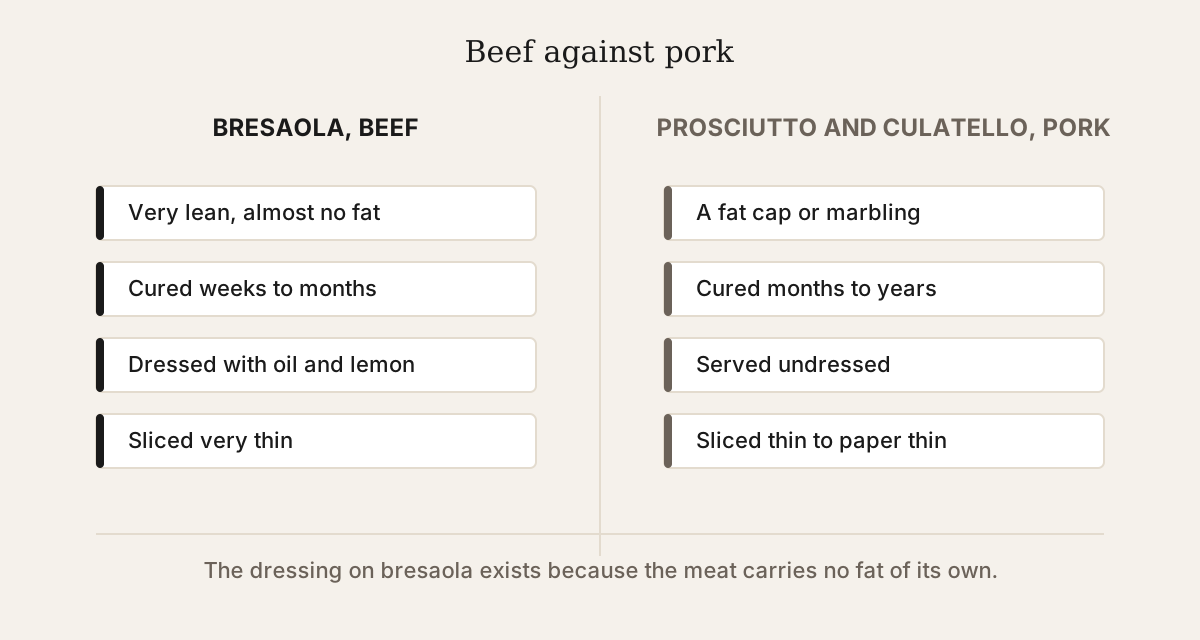
That leanness is the whole character. Where prosciutto and culatello are built on fat, bresaola has almost none, and everything about how it is served follows from that.
What bresaola actually is
Bresaola is a whole beef muscle, usually from the top round or a related cut, salted with spices, then air-dried for one to three months in the dry alpine air of the Valtellina. Beef, salt, and time.
The cut is lean by design. Producers use the leanest large muscles of the hind quarter, trimmed hard, so the finished product is deep red with almost no visible fat.
The seasoning is restrained. Salt, pepper and usually juniper and bay, sometimes cinnamon or cloves in small quantity. It is not a heavily spiced product.
Colour is the identifying feature. Bresaola is a uniform deep burgundy, considerably darker than any pork salume, and it should be even from edge to centre.
Nitrate or nitrite is generally used, unlike Prosciutto di Parma, whose discipline forbids it. That is standard for the category rather than a shortcut.
Bresaola della Valtellina IGP
The protected version is Bresaola della Valtellina IGP, which sets the production area in the province of Sondrio, the permitted cuts and the method.
It is IGP rather than DOP, which means at least one production stage happens in the named area while the beef itself may come from elsewhere. In practice much of the beef is imported into the valley, which is why the mark is IGP and not DOP.
That is worth knowing rather than being disappointed by. The transformation is the Valtellina’s, and the mark says so accurately.
How to judge a slice
Look at colour uniformity, then at the edge, then feel the texture.
Colour should be even deep red throughout. A dark ring around a paler centre means the outside dried faster than the inside, which is a curing fault and produces a tough rim.
The edge should not be hard or blackened. Some darkening is normal; a leathery rim is not.
Texture should be tender and slightly moist, not dry or papery. Bresaola is lean enough that over-drying is the main way it goes wrong, and a dry slice is unpleasant in a way a dry prosciutto is not, because there is no fat to compensate.
Slice it very thin. Thick bresaola eats chewy and dull. It should be translucent.
What it should cost
Expect roughly 30 to 50 dollars a pound in the United States, which is high for beef and reflects the yield.
The leanness is the cost. Producers trim hard and the muscle loses a great deal of weight during drying, so the yield per kilo of raw beef is low. There is no fat to make up the weight.
Imported IGP product sits at the upper end. Domestic American bresaola exists, is often good, and is usually cheaper.
Pre-sliced packs are common and reasonable here, more so than for fatty salumi, because bresaola is always eaten sliced very thin and there is no fat to go rancid at the cut face.
Where to buy it
Italian delis, cheese and salumi counters, and specialist importers carry it, and it appears in better supermarkets more often than most items on this site.
Checked on 13 August 2026, the first page of United States results for bresaola returned reference material alongside specialist food sellers and producers, which describes that search on that date rather than recommending any seller.
It travels well, which helps availability. A lean, dry product with no fat cap is easier to ship and store than prosciutto or culatello.
Buy it sliced to order where you can, and pre-sliced where you cannot, which is a more acceptable compromise here than elsewhere.
How to serve it
Dress it. Bresaola is the one salume that is routinely and correctly served with something on it, because it has no fat of its own.
The standard treatment is thin slices laid flat, dressed with good olive oil, lemon juice, black pepper and shaved Parmigiano or rocket. That is not a garnish; the oil is supplying what the meat lacks.
Served undressed it reads dry and salty, which is why people who have only had it plain often conclude they dislike it.
It also works in a sandwich with soft cheese, or briefly warmed under other ingredients, though heat is generally a waste.
Do not cook it. There is no fat to render and heat turns it tough.
Storage
Whole and wrapped in paper, several weeks refrigerated. Sliced, two to three days, and it dries quickly because there is no fat protecting the surface.
Wrap sliced bresaola closely and keep the slices flat and interleaved. Exposed slices go leathery within hours.
A whole piece firms as it sits, which is normal. It can be sliced thinner as it hardens.
It freezes poorly, drying further on thawing, and there is little reason to since it keeps well refrigerated.
Frequently asked questions
Is bresaola beef or pork?
Beef, which makes it unusual among Italian cured meats. It is made from lean muscles of the hind quarter, salted and air-dried, and it is the only significant beef entry in a category otherwise built on pork. Its leanness is the direct consequence and it explains why it is served dressed rather than plain.
Why is bresaola IGP rather than DOP?
Because the beef itself frequently comes from outside the Valtellina, and IGP requires only that at least one production stage happens in the named area. The curing and drying are the Valtellina’s contribution and the mark reflects that accurately. It is a correct use of the instrument rather than a weaker version of a DOP.
Why is my bresaola tough?
Usually over-drying, which is the main failure mode for a product with no fat to protect it, or slicing it too thick. Look for even colour throughout: a dark ring around a paler centre means the outside dried too fast. Sliced bresaola also dries very quickly once exposed, so a pack left open will go leathery within hours.
Does bresaola need to be dressed?
In practice yes, and that is not a matter of taste. It has almost no fat of its own, so olive oil supplies what the meat lacks, while lemon and pepper cut the salt. Eaten plain it reads dry and salty, which is why many people who have tried it undressed conclude they do not like it.
Can I cook with bresaola?
There is little point in cooking bresaola. It has no fat to render and heat makes it tough and dull, so the qualities you paid for are the first things lost. Where a recipe wants cured meat in a hot dish, a fatty pork cut such as guanciale or pancetta does the job far better and costs less.
CalItalia Food covers Italian ingredients: what they are, how to tell a good one from an ordinary one, and where to buy them in the United States.