
Guanciale: Why It Is Not Pancetta, and How to Buy It
Guanciale is cured pork jowl, not belly, and the difference decides whether carbonara and amatriciana work. How to judge one, what it costs, and where to buy it.
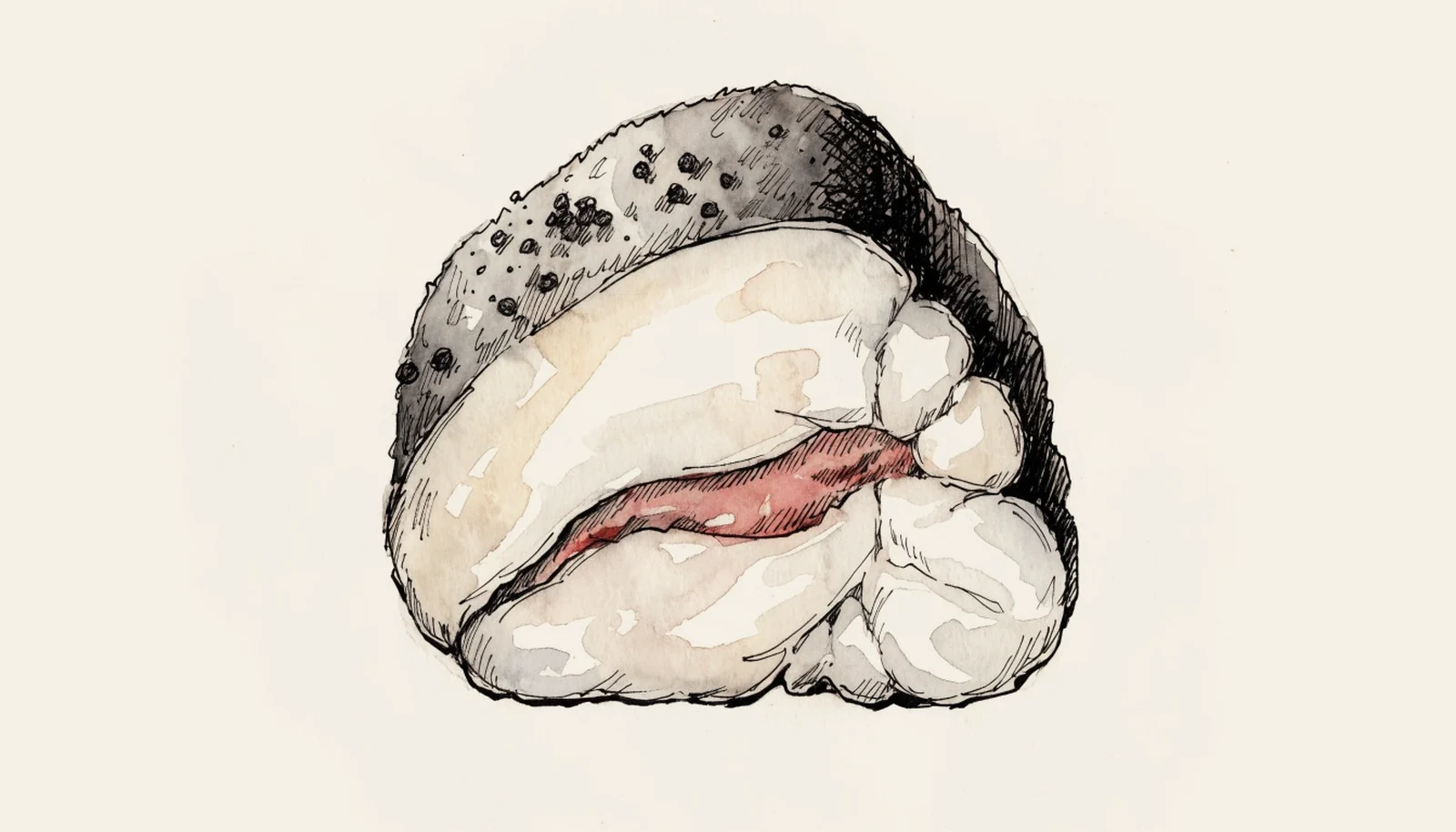
Guanciale is pork jowl, cured with salt and pepper and air-dried without smoking, and it is not interchangeable with pancetta because jowl fat behaves differently in a pan from belly fat. That single difference is why the classic Roman pastas specify it. It belongs among the Italian ingredients where the authentic version changes the dish.
Most English-language writing treats the two as substitutes with a note that guanciale is better. The more useful framing is that they are different ingredients that happen to look similar on a board.
What guanciale actually is
Guanciale is the cheek and jowl of the pig, rubbed with salt, pepper and often a little sugar and aromatics, then hung to dry for several weeks to a few months. It is cured, never cooked and never smoked.
The cut is the whole story. Jowl is a hard-working muscle with a very high proportion of firm, dense fat threaded through a small amount of meat. It cures differently from belly and it renders differently, which is the point.
The finished piece is triangular, dense, and mostly white with a thin seam of dark red meat. A guanciale that looks like a striped slab of belly is not guanciale.
Why it is not pancetta
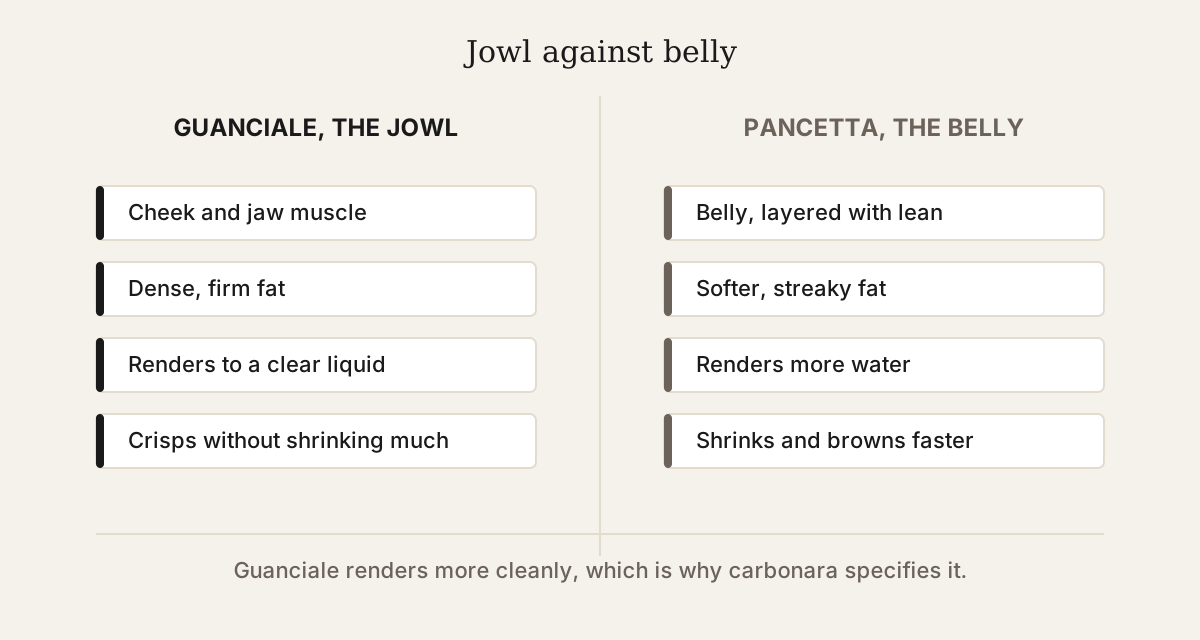
Pancetta is belly. It carries broad, soft layers of fat between clear bands of meat, and it renders quickly into a generous pool of loose fat with meat that crisps and separates.
Guanciale is jowl. Its fat is harder, melts more slowly, and renders into a fat that stays glossy and clings rather than pooling thin. The residue is chewier and more concentrated in flavour.
In carbonara this is structural rather than aesthetic. The rendered guanciale fat is what the egg and cheese emulsify into, and its firmer, slower-melting fat makes a sauce that holds. Pancetta fat is looser and the emulsion is correspondingly less stable. The dish works with pancetta and it does not work the same way.
How to judge one
Look at the fat-to-meat ratio, the colour of the meat seam, and the pepper coating, in that order.
The fat should dominate and should be firm and creamy white, not yellow and not soft. Yellowing suggests age or poor storage. A guanciale that is more than about a quarter meat has probably been cut to include too much of the neck.
The meat seam should be deep rose to dark red, not brown or grey, and it should be a distinct band rather than scattered marbling.
The exterior is usually heavily coated in black pepper, sometimes with other aromatics. That coating is traditional and functional, and its absence is not a fault, but a piece with no visible seasoning crust is worth a question.
Smell matters more than it does with most salumi. Cured jowl should smell clean, porky and faintly sweet. Any sourness or ammonia note means it has gone.
There is no DOP for guanciale itself
Guanciale as a category carries no protected designation, unlike Prosciutto di Parma or Mortadella Bologna. Some regional products carry a broader regional mark, and Amatrice has pursued protection tied to the local tradition, but there is no single guanciale DOP the way there is for the famous hams.
That matters for buying. With no mark to lean on, the judgement rests entirely on the cut, the fat and the producer. This is the opposite situation from mortadella, where the IGP does most of the work.
What it should cost
Expect roughly 18 to 35 dollars a pound in the United States from a specialist, with imported Italian product at the upper end and good domestic charcuterie below it.
Guanciale is expensive relative to the amount of meat you get, and that is correct rather than a markup: you are buying cured fat, and the yield per pig is small. A cheap guanciale is usually a belly product mislabelled, or a jowl cured too briefly.
Domestic American guanciale from serious charcuterie producers is often excellent and should be judged on the three tells above rather than dismissed for lacking an Italian address.
Where to buy it
Italian delis, whole-animal butchers and online charcuterie specialists carry it; supermarkets almost never do.
Checked on 13 August 2026, the first page of United States results for guanciale returned reference material alongside charcuterie producers and cooking publishers. That describes that search on that date and is not a recommendation of any seller.
A whole-animal butcher is often the best route and the least obvious one, because jowl is a cut they have and many now cure it themselves.
Using it
Start it in a cold, dry pan over low heat and let the fat render slowly, because rushing it burns the exterior before the interior fat has given up anything.
Cut it into short batons rather than thin slices. Guanciale is not eaten raw in the way prosciutto is, and its texture rewards a piece with some thickness that can crisp outside while staying yielding within.
The rendered fat is the ingredient, not a byproduct. In carbonara, amatriciana and gricia it carries the whole dish, so do not pour it off. If a recipe tells you to drain guanciale, it was written for bacon.
Do not add oil to the pan. There is more than enough fat in the guanciale itself, and added oil dilutes exactly the thing you paid for.
Storage
Whole and unopened, guanciale keeps for weeks refrigerated and wrapped in paper. Once cut, wrap the cut face closely and use it within a few weeks.
It freezes better than most cured meats because its fat is firm, so portioning a large piece and freezing what you will not use within a month is reasonable. Thaw it in the refrigerator.
A white bloom on the outside is normal for a dry-cured product and can be wiped off with a cloth dampened in vinegar. Fuzzy green or black growth is not, and means the piece should be trimmed hard or discarded.
Frequently asked questions
Can I substitute pancetta for guanciale?
You can, and the dish will be good but different. Pancetta renders a looser fat and its meat crisps and separates, so a carbonara made with it produces a less stable emulsion and a cleaner, less concentrated flavour. If you do substitute, use a little more and render it more gently than the recipe suggests.
Can I substitute bacon?
Only with a clear understanding of what changes. Almost all American bacon is smoked, and smoke is not present in guanciale at all, so it takes the dish somewhere else entirely. Unsmoked cured belly is a much closer substitute than smoked bacon.
Is guanciale eaten raw?
Not usually. Unlike prosciutto, it is cured but its high proportion of dense fat makes it unappealing raw to most palates, and its traditional uses all involve rendering. It is safe when properly cured, but the cooking is what makes it worth eating.
Why is my guanciale chewy rather than crisp?
Usually because the pan was too hot at the start, which seizes the exterior before the fat renders. Start cold and low. The other common cause is cutting it too thin, which leaves nothing to give the yielding interior texture that distinguishes it from bacon.
Does guanciale have a DOP?
Not as a general category. Individual regional traditions have pursued protection, and some products carry broader regional marks, but there is no single protected designation covering guanciale the way one covers Prosciutto di Parma. Judge it on the cut, the fat and the producer instead.
CalItalia Food covers Italian ingredients: what they are, how to tell a good one from an ordinary one, and where to buy them in the United States.