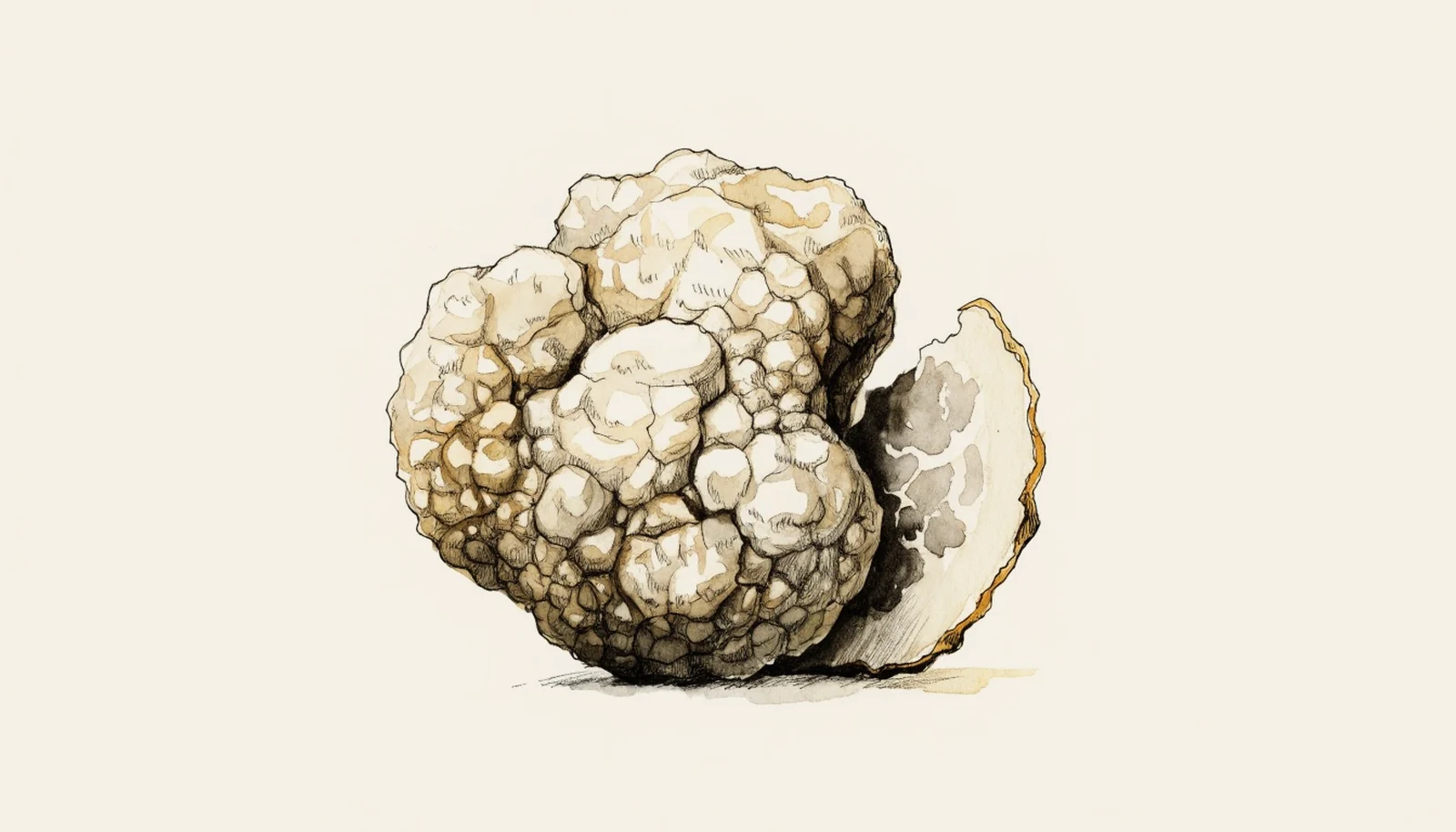
Alba White Truffle: What You Are Actually Buying
The Piedmontese white truffle, its short season, how it is priced and graded, and how to tell a real one from the products that borrow its name.
The tins, jars and bottles that carry a season: anchovies, capers, olives, tomatoes and salted fish.
The Piedmontese white truffle, its short season, how it is priced and graded, and how to tell a real one from the products that borrow its name.
Salted pressed dried mullet roe from Sardinia, grated over pasta. Why muggine outsells tonno on quality rather than price, and how to judge a lobe.
Salted pressed tuna roe from Sicily and Sardinia. Why it is coarser and saltier than mullet bottarga, and the dishes where that is an advantage.
Large hand-filleted anchovies from northern Spain, the benchmark for oil-packed fillets. Why an Italian pantry carries them, and how to tell a good tin.
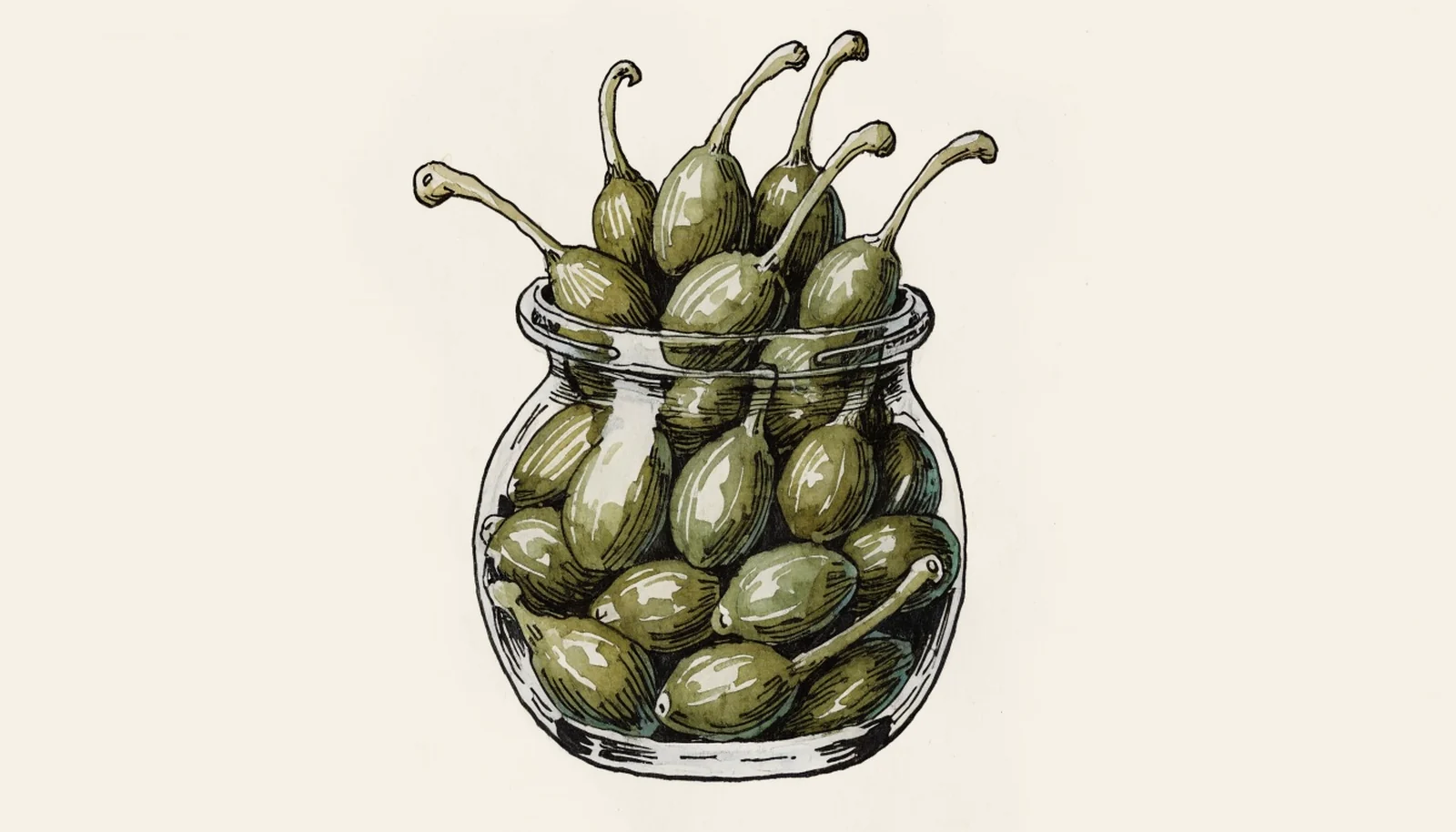
Cucunci are what a caper bud becomes if you let it flower. Why they are milder rather than stronger, how to serve them, and when they are the wrong choice.
Sun-dried salt-packed capers from a volcanic island between Sicily and Tunisia. What the IGP covers, why the salt cure is the better one, and how to rinse them properly.
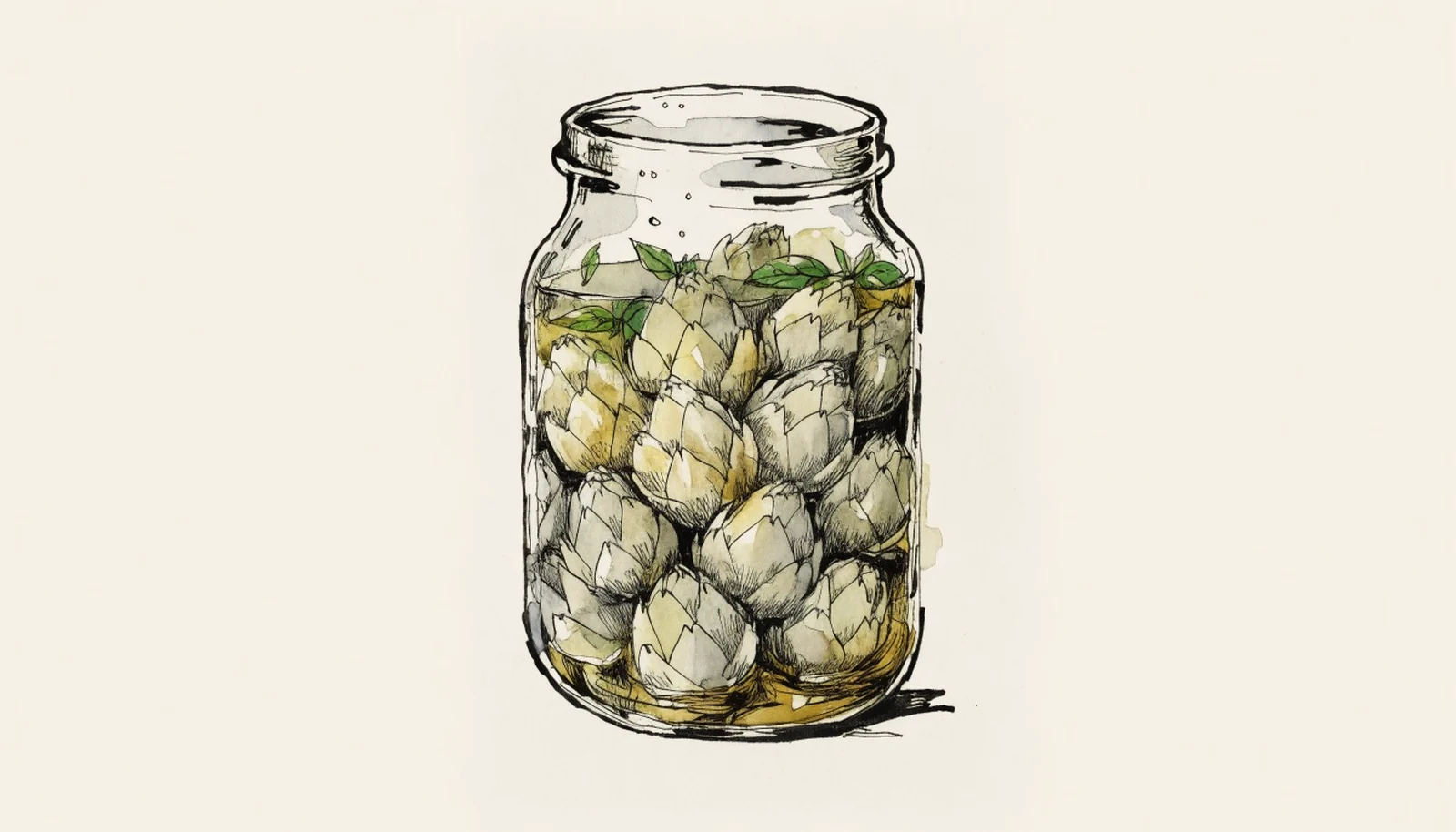
Small artichoke hearts preserved sott olio or in brine. What separates a jar worth eating from a filler, and why the packing liquid decides it.
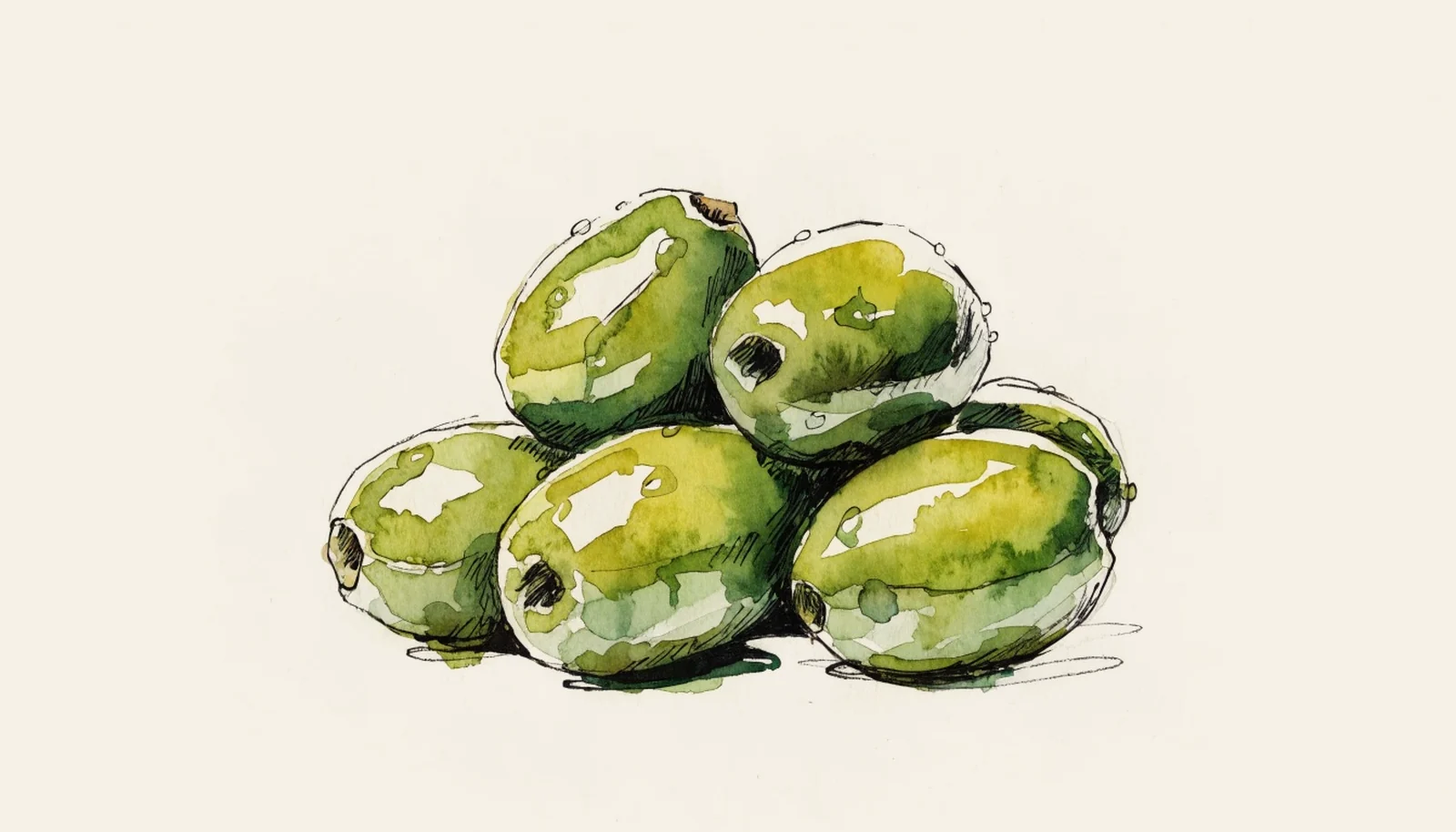
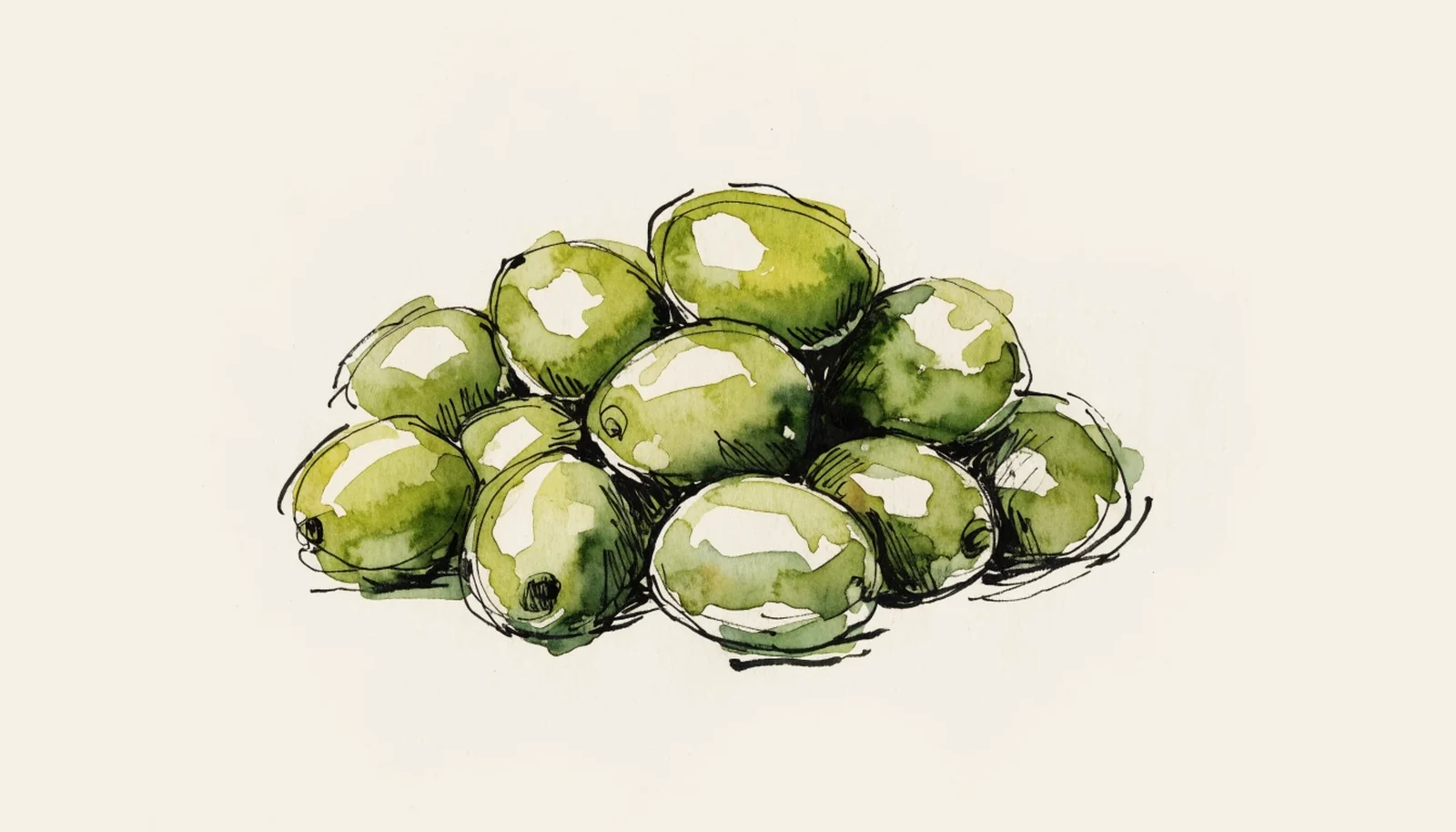
The bright green Sicilian table olive, its unusual curing, why the colour is sometimes genuine and sometimes not, and what a good jar costs.
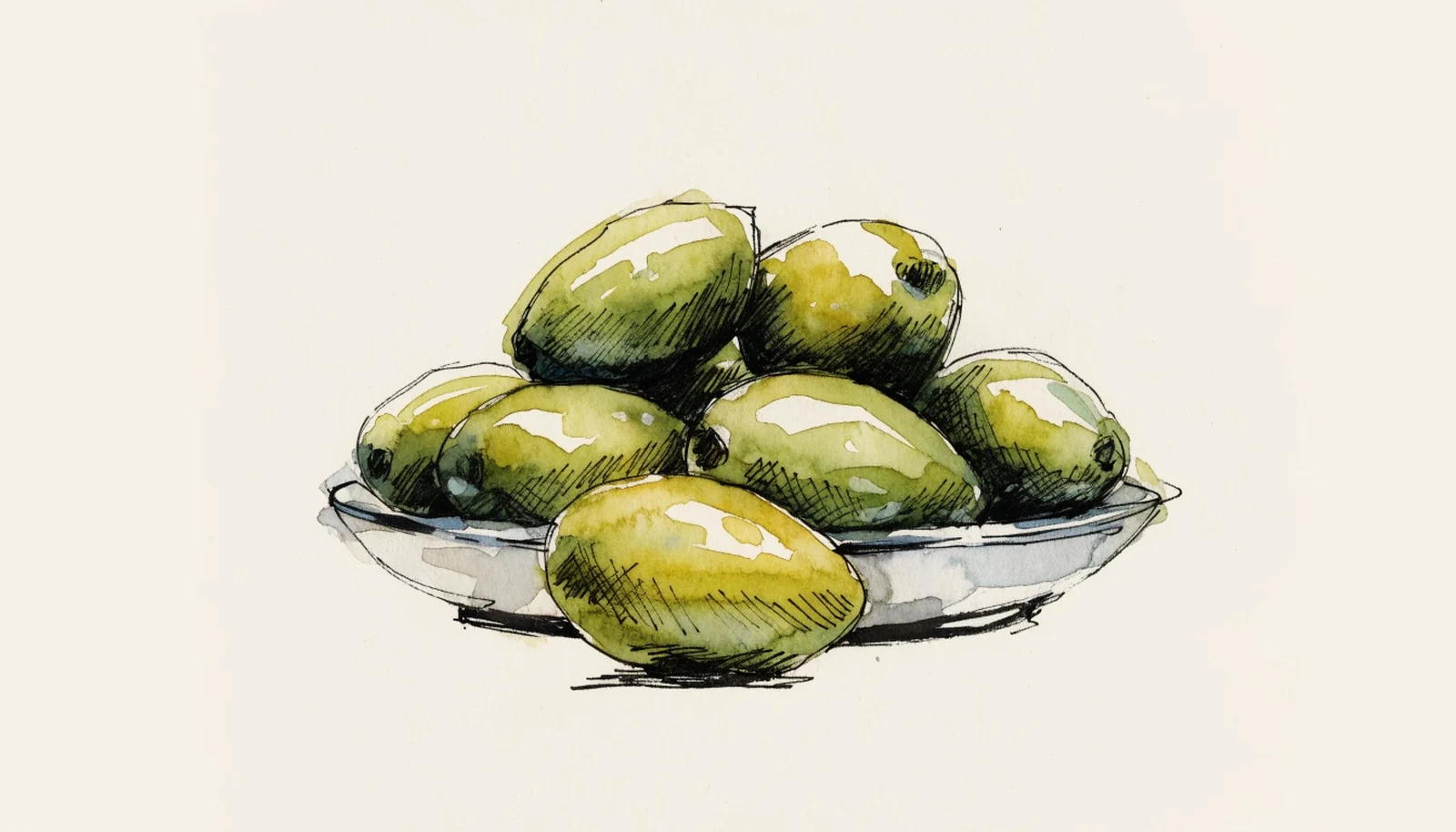
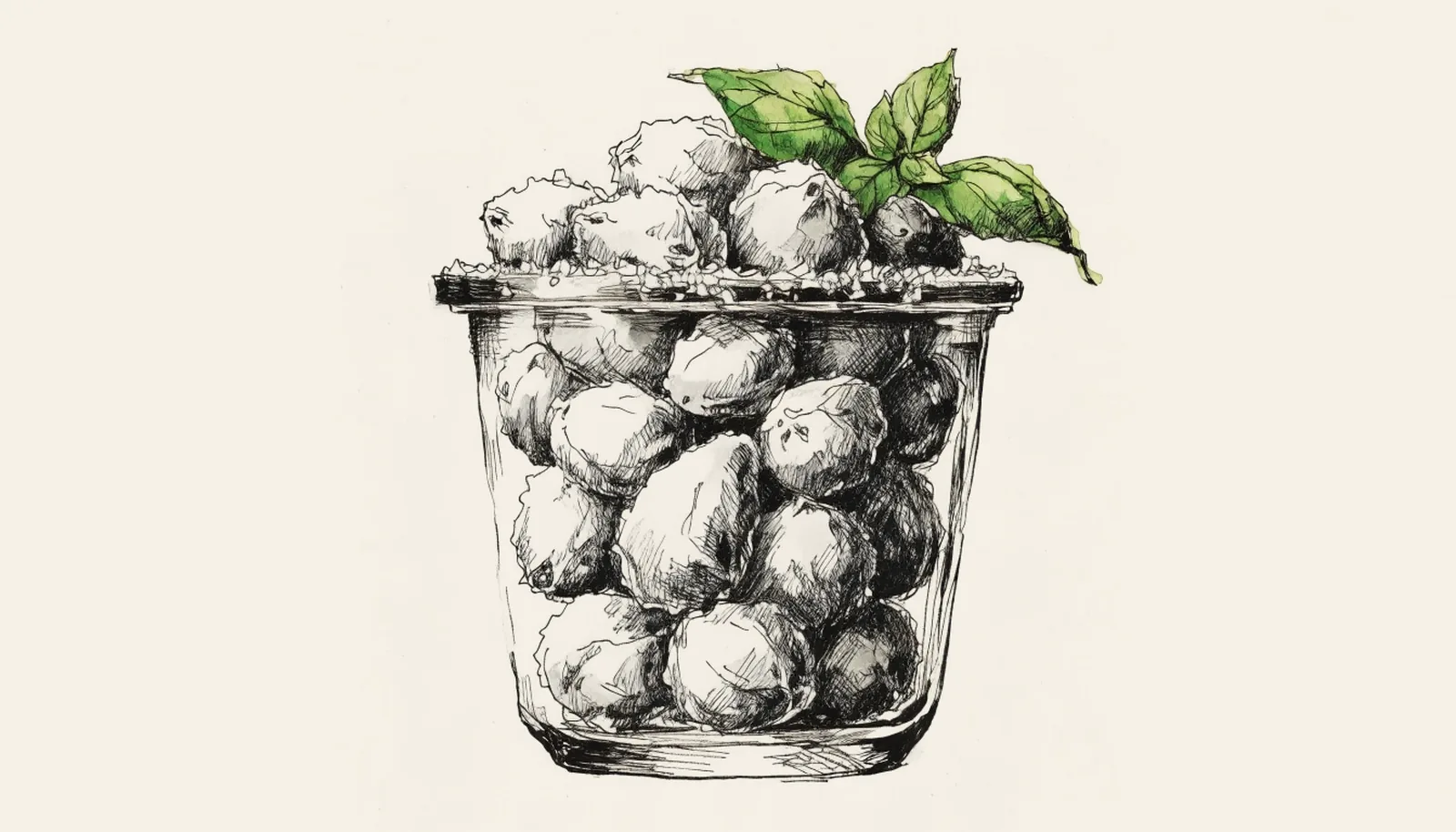
Enormous mild Puglian table olives, crisp and low in bitterness. What the DOP covers, why the coloured ones are dyed, and how to judge a jar.
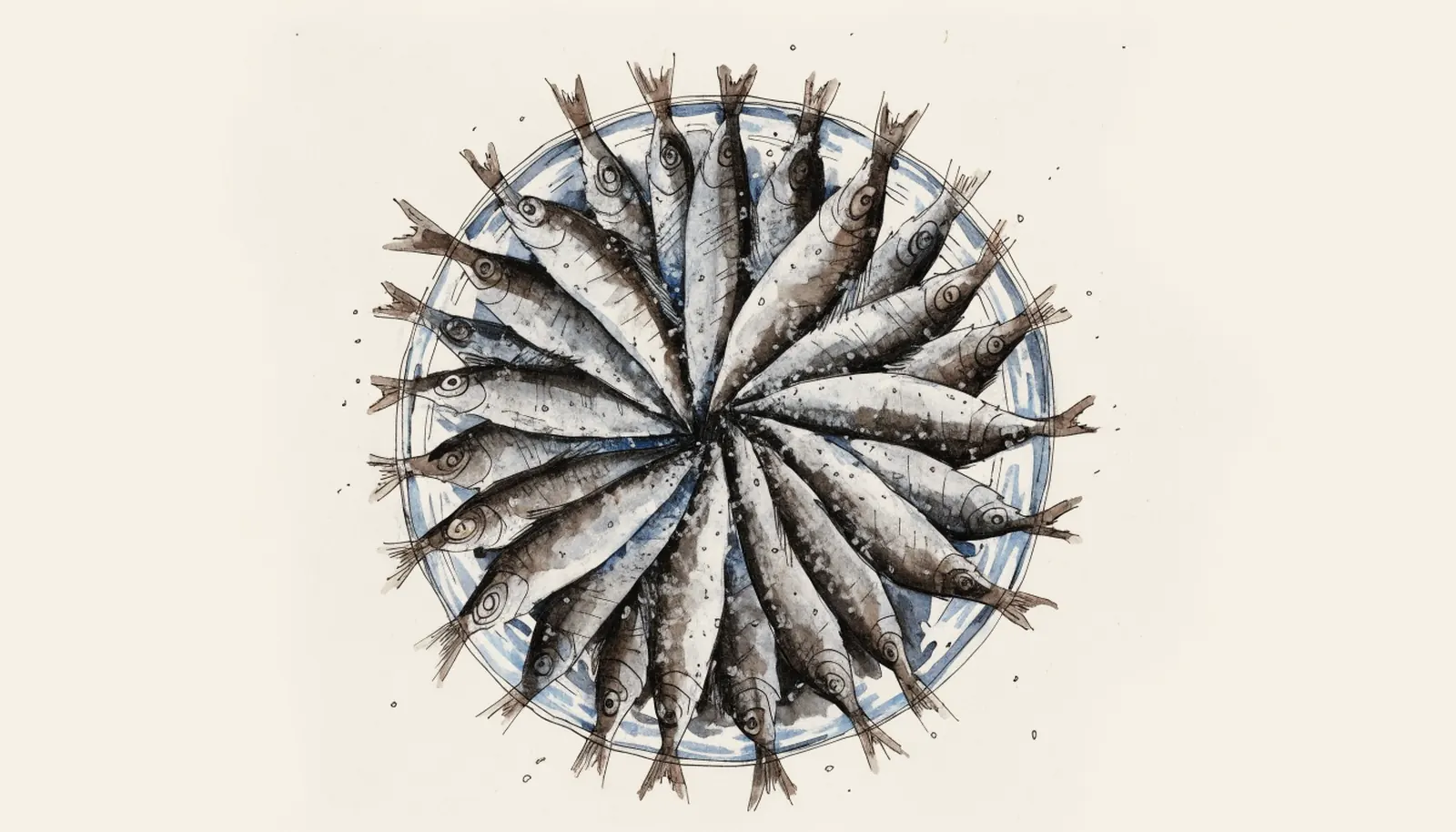
Salt-cured anchovies from a small Amalfi Coast fishing town, and the colatura that drips from the barrels. How to buy salted rather than tinned, and how to bone them.
A clear amber anchovy sauce from Cetara, made by pressing salted anchovies for months. What separates real colatura from fish sauce, and how to use a small bottle.
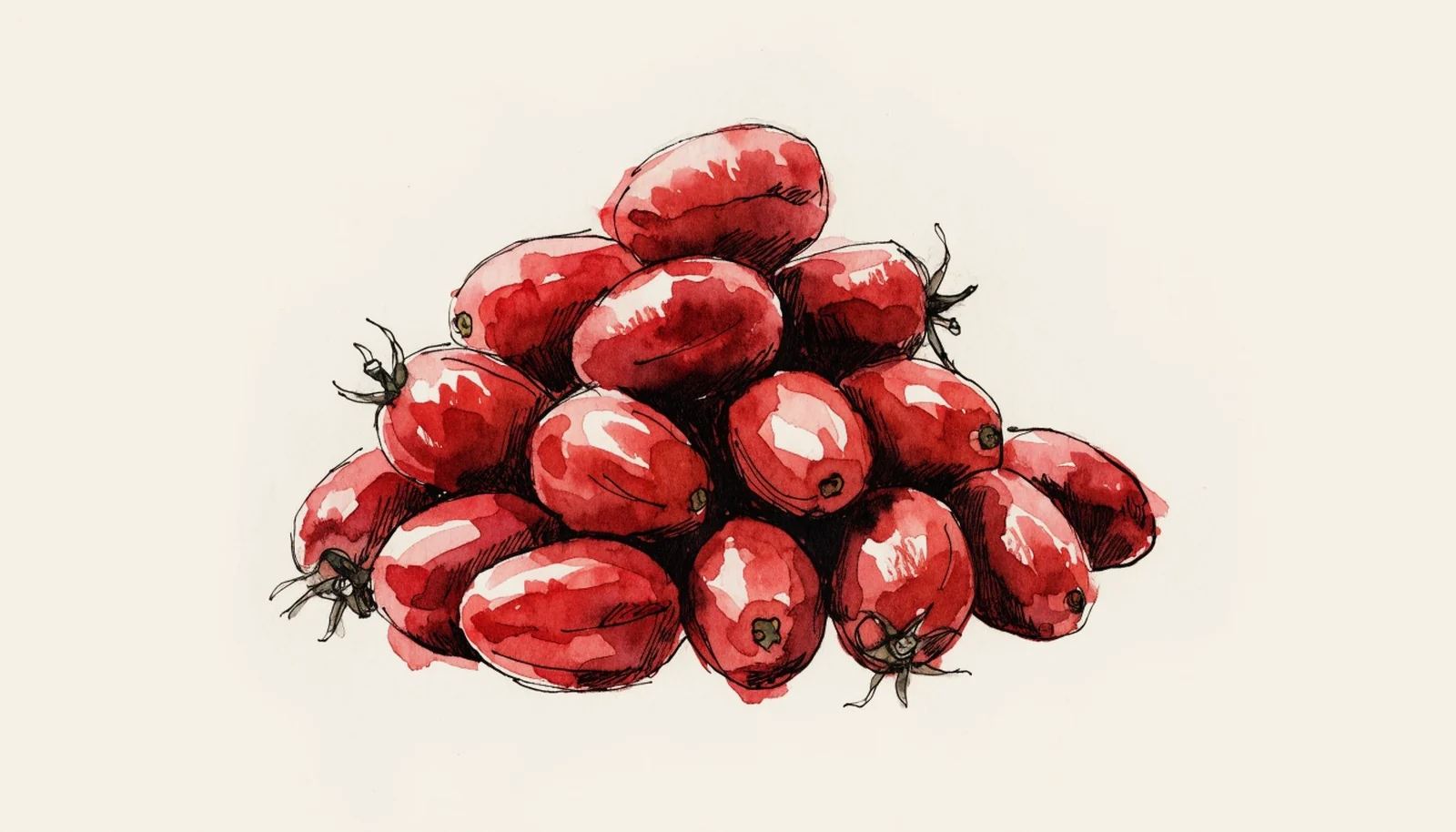
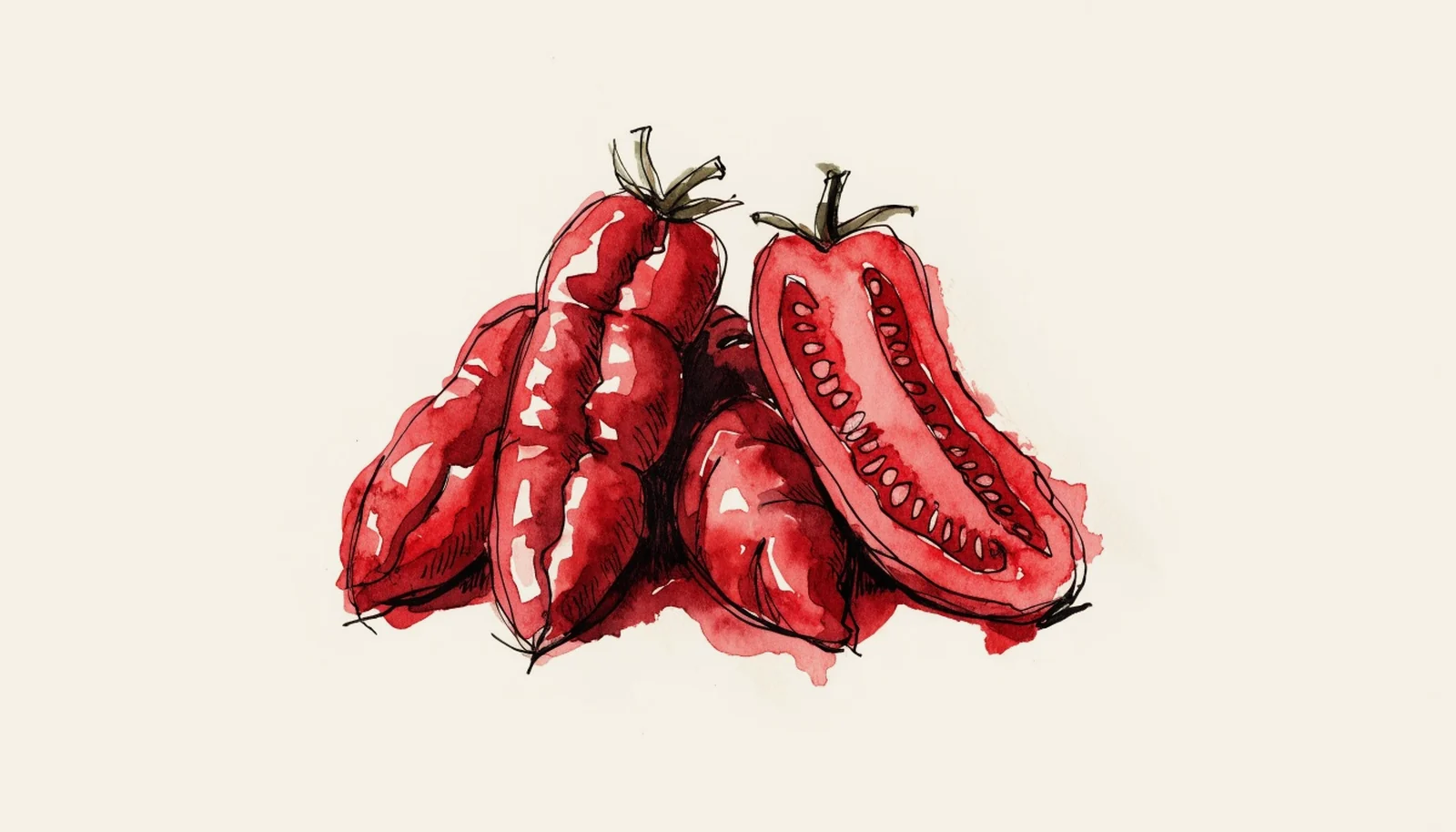
Small date-shaped tomatoes with high sugar and low acid, sold tinned whole. When they beat San Marzano and when they are the wrong tomato.
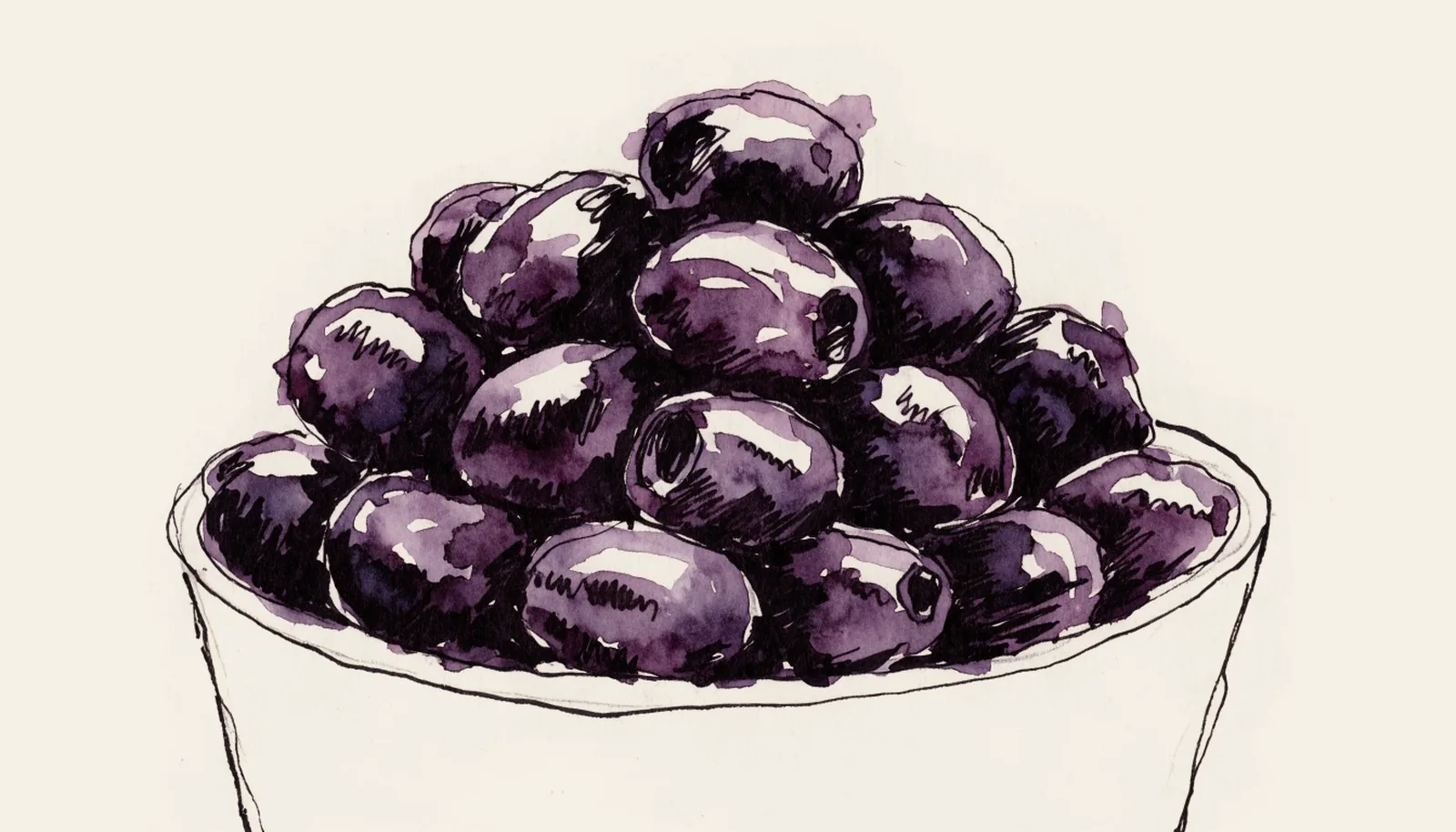
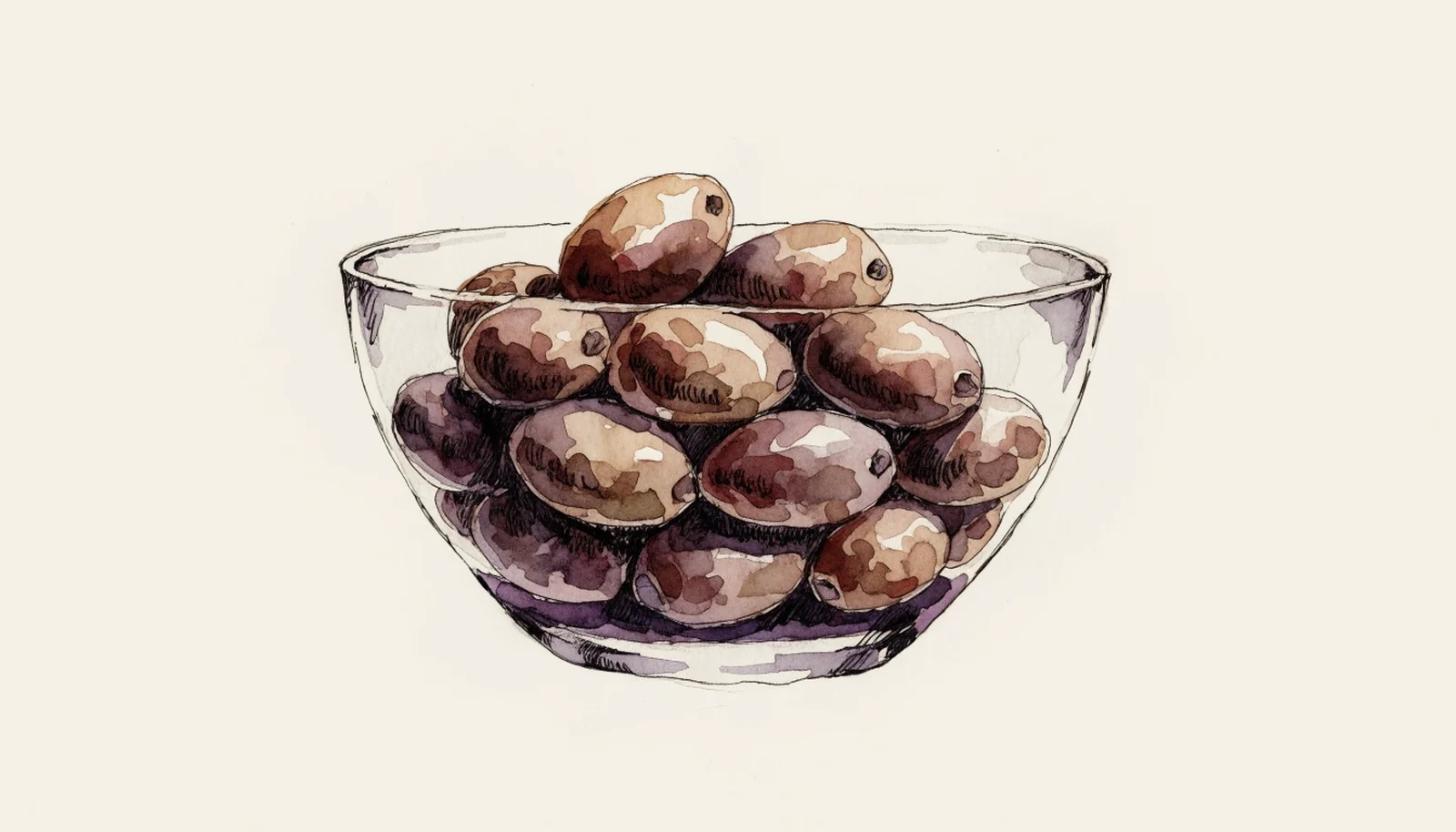
Small dark Lazio olives sold either brine-cured and smooth or dry-salted and wrinkled. Which one a recipe means, and how to judge a jar.
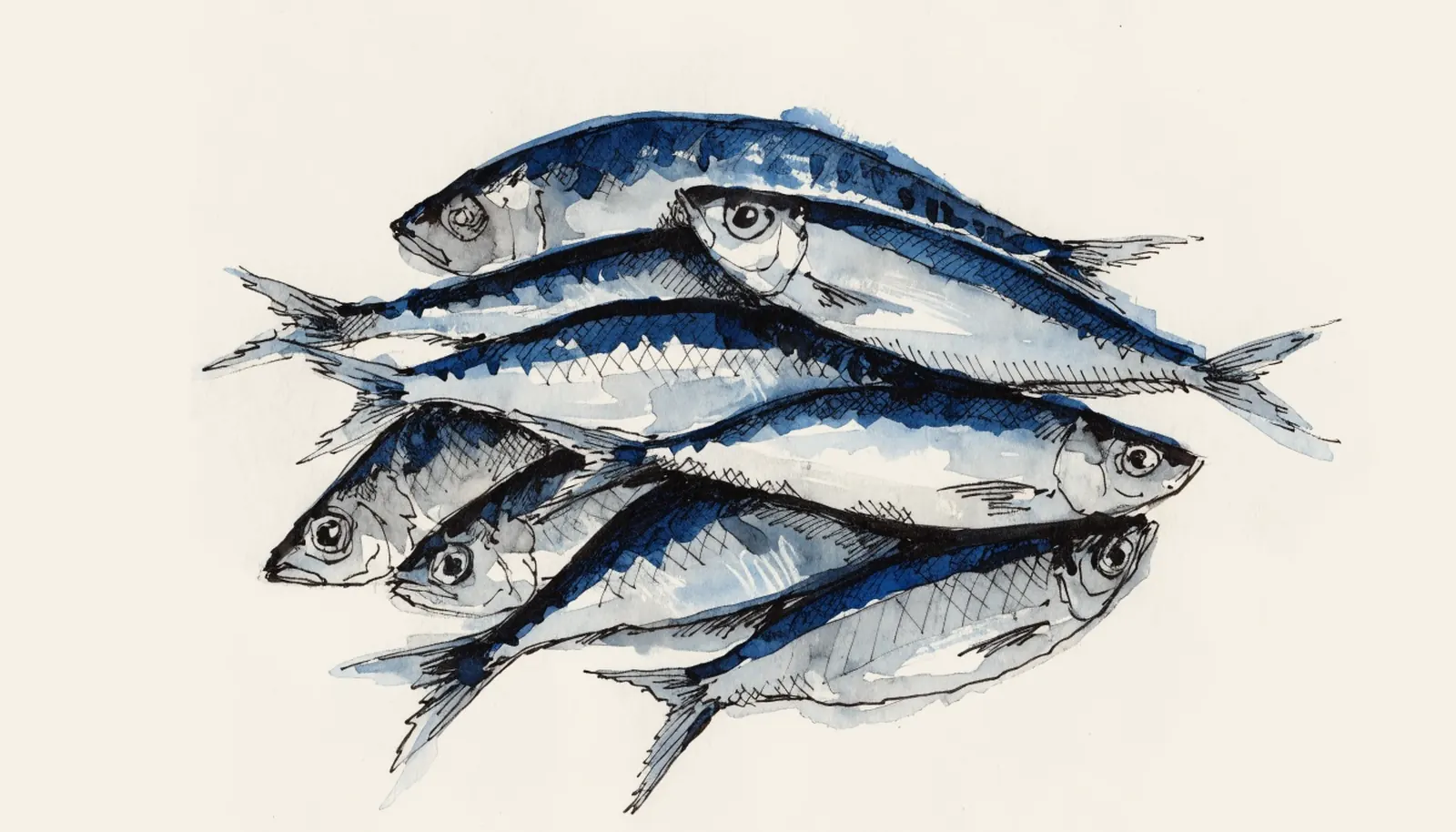
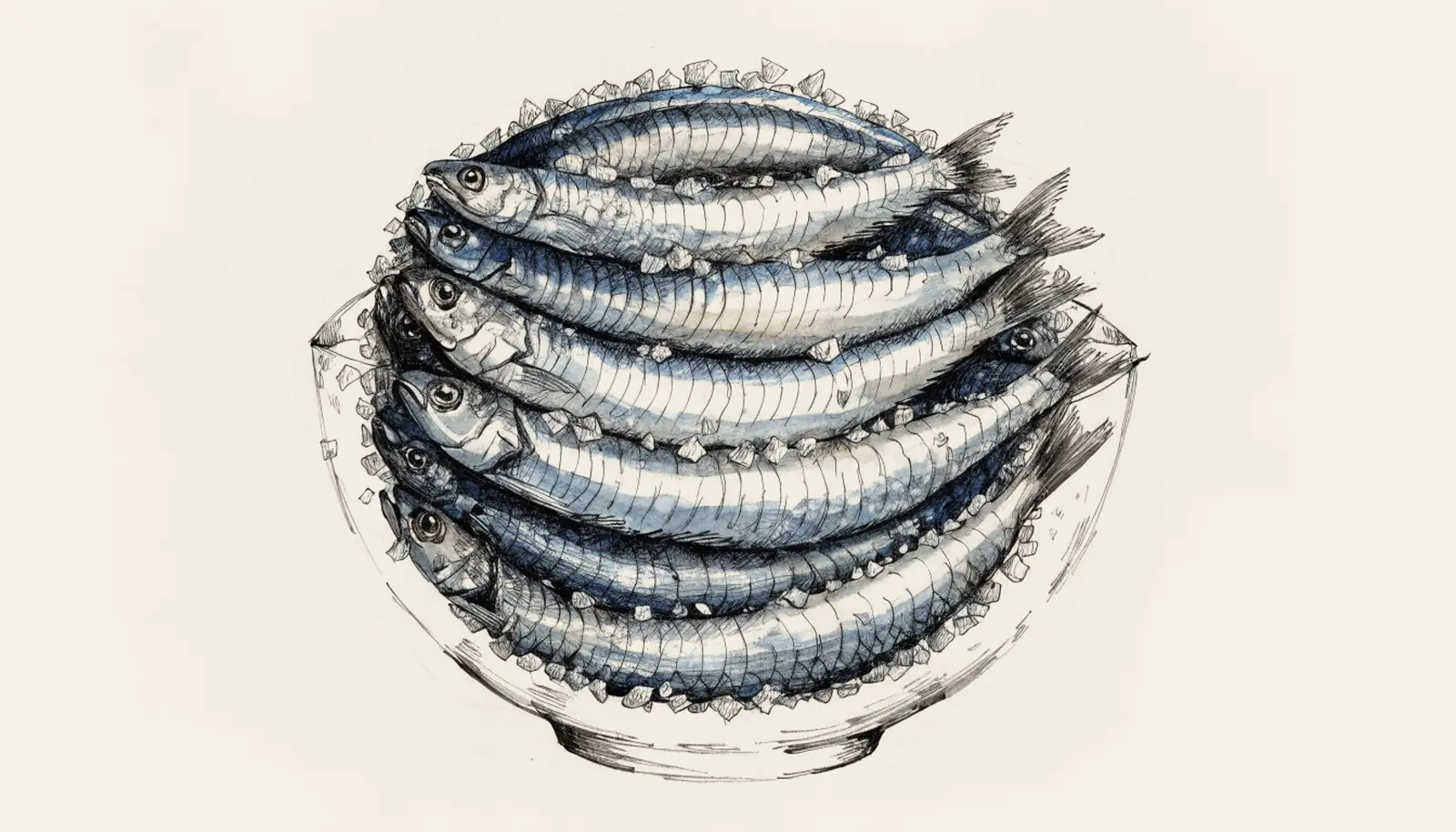
Tinned sardines from Sicily and the Mediterranean coast. What the packing medium and the fish size actually tell you, and why good tins are dated to be aged.
A Sicilian dual-purpose olive grown for eating and for oil. How the cultivar name relates to the Castelvetrano brand, and why the bright green colour is a curing choice.
Raw tomatoes crushed and strained, not a cooked sauce. What separates passata from purée and from tinned tomatoes, and how to buy a good bottle.
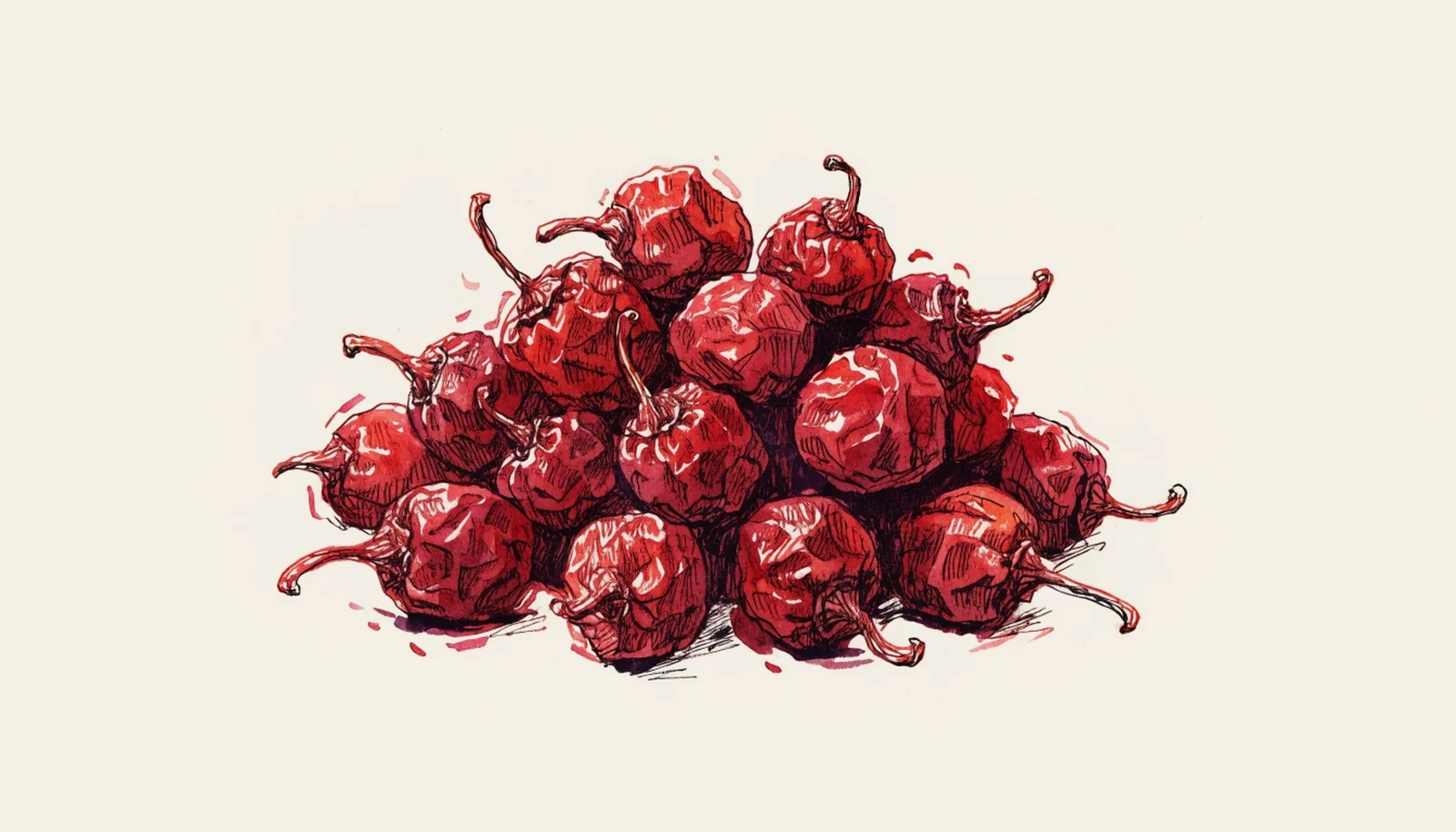
The small red chilli behind nduja, salsiccia piccante and Calabrian cooking generally. What it is, how hot it is, and the forms it is sold in.
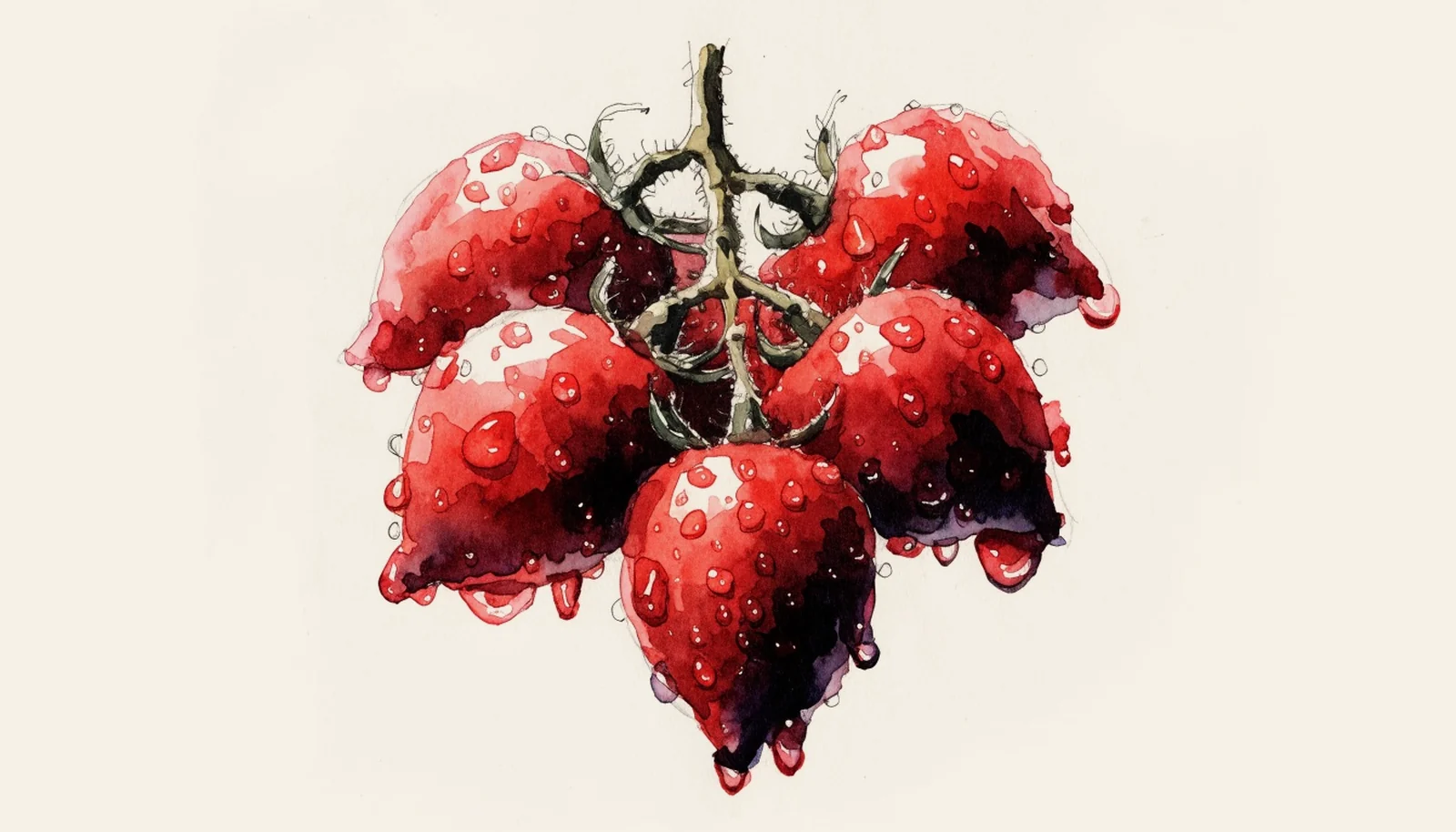
A small thick-skinned tomato from the slopes of Vesuvius, traditionally hung to keep for months. What the DOP covers and what makes the fruit unusual.
Whole salt-cured anchovies keep better and taste cleaner than fillets in oil. How to fillet and rinse them, and why cooks prefer them.
Salt-packed capers keep their floral flavour where brined ones taste of vinegar. How to rinse them properly, and what size to buy.
The most counterfeited tin in the Italian aisle. What the real designation requires, what the certification number means, and how to check a tin.
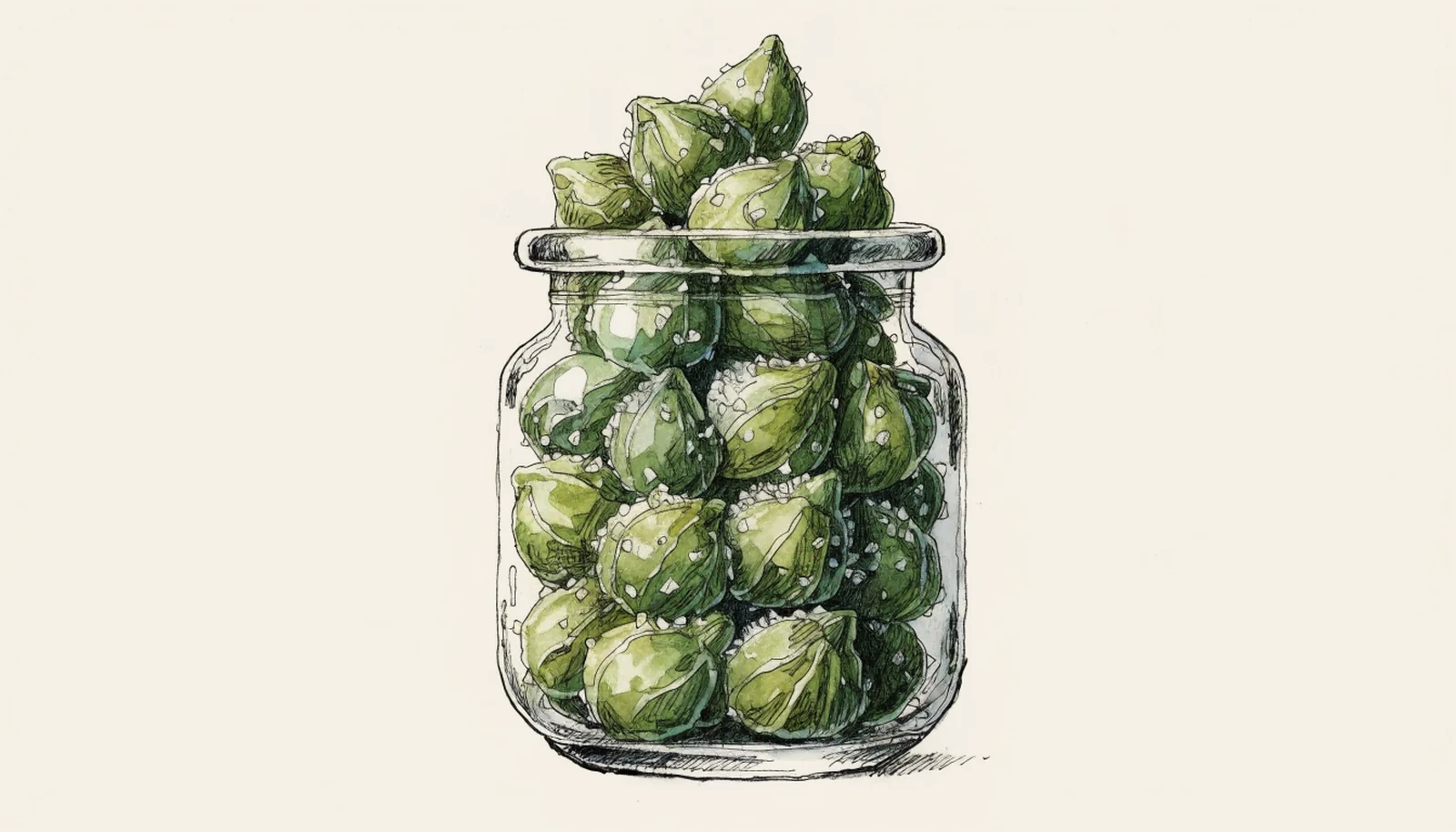
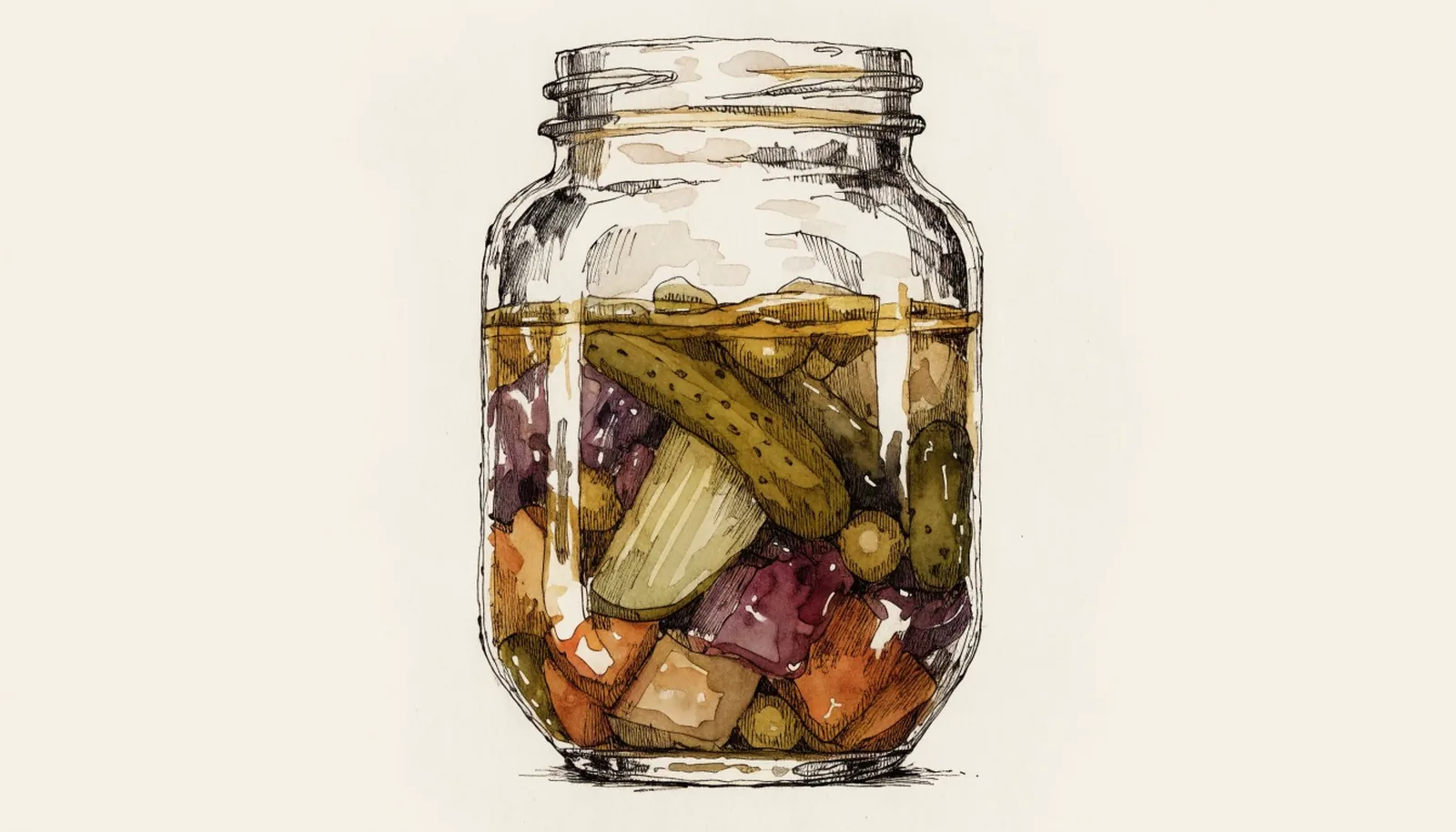
What sott'olio actually means, why the vegetables are acidified first, and how to tell a properly made jar from a risky one.
The Ligurian table olive behind Niçoise salad and Ligurian cooking. Why they are sold with stones in, and what to do about it.
The fatty belly of the tuna, jarred in olive oil. What separates ventresca from ordinary tinned tuna, and how to tell a good jar.