Pasta and Grains
Arborio Rice: The Common One, and Its Real Weakness
The risotto rice most Americans can buy, why it goes from perfect to blown out quickly, and when it is the right one to use anyway.
Every ingredient guide on the site, newest first: how to judge each one, where to buy it and how to use it.
The risotto rice most Americans can buy, why it goes from perfect to blown out quickly, and when it is the right one to use anyway.
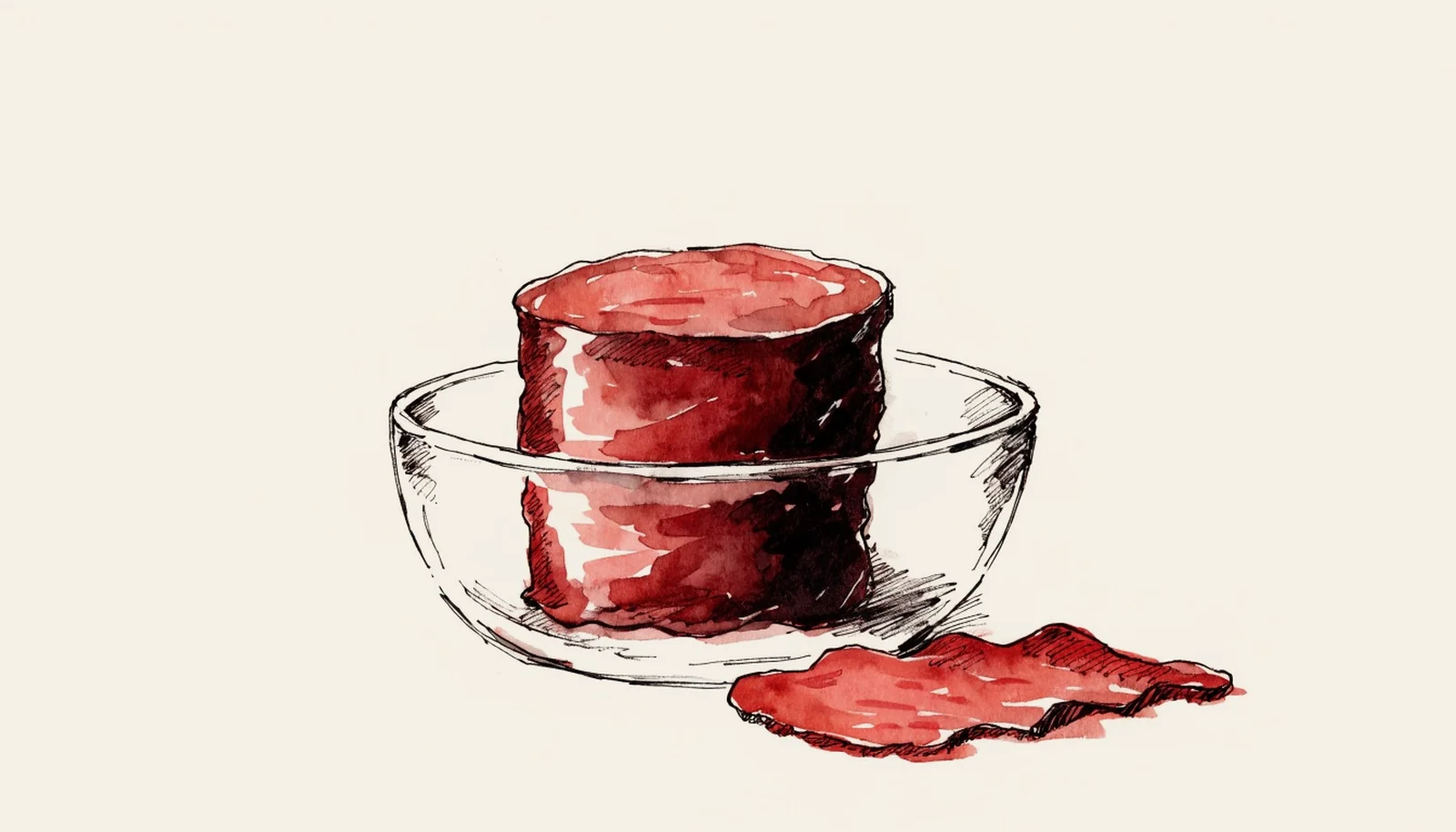
Air-dried salted beef from Valtellina, lean where every other salume is fatty. What the IGP controls, how to judge a slice, what it should cost, and where to buy it.
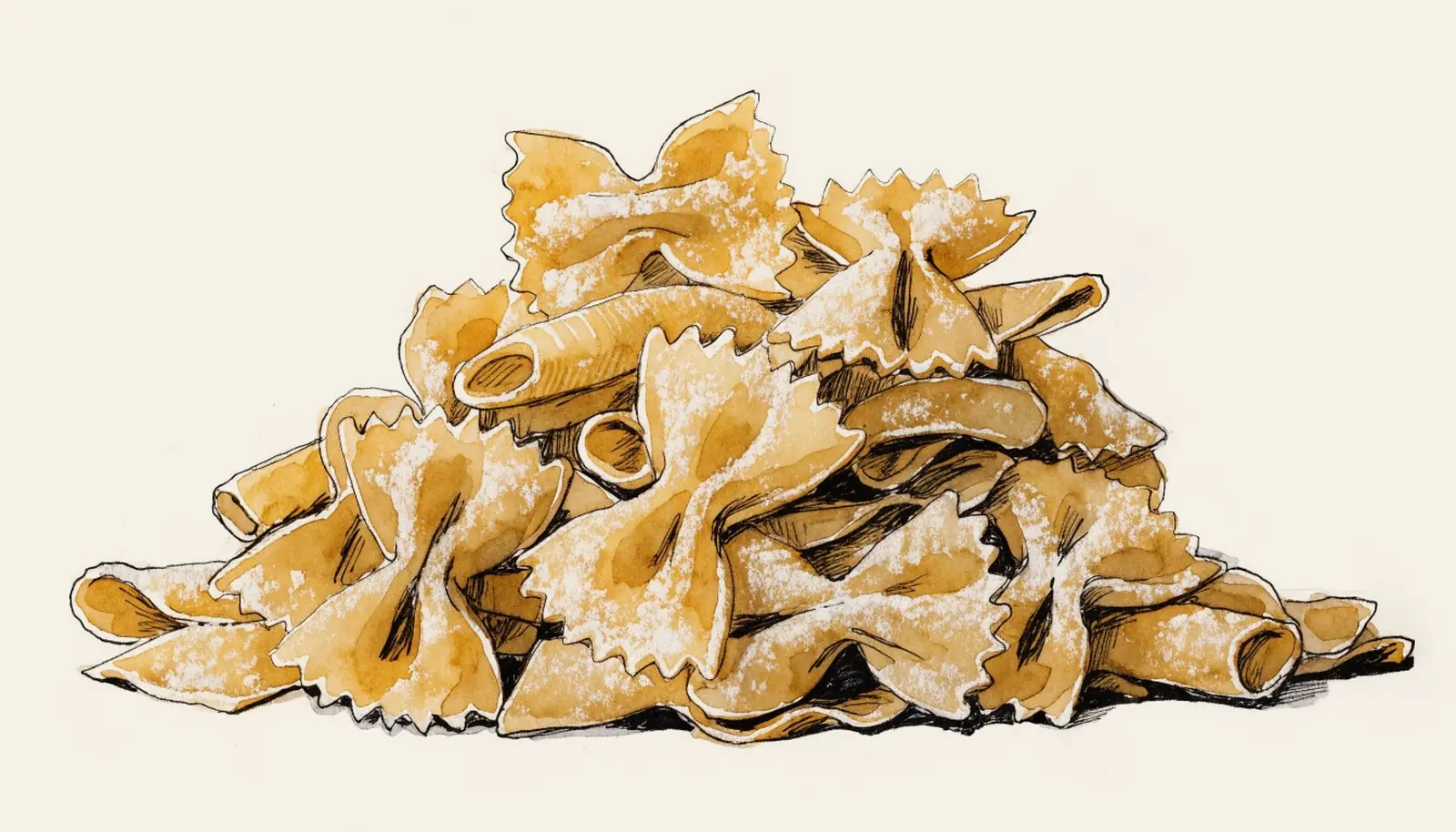
Why bronze-extruded pasta looks chalky, holds sauce better, and costs more. How to judge it against teflon-extruded pasta in the box before you buy, and on the plate.
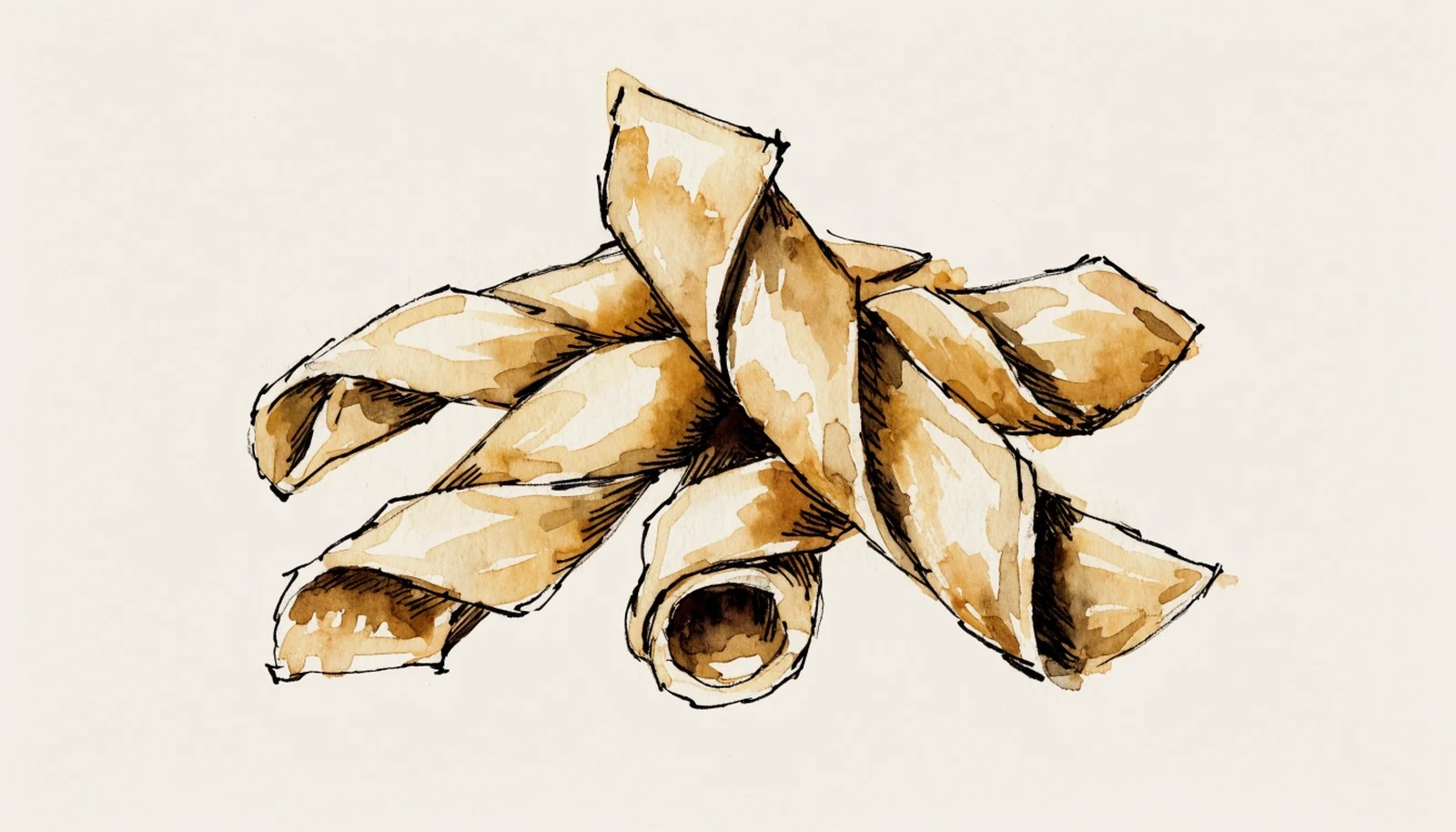
A long coiled pasta from Trapani, named for the buso it was wound on. Why the spiral suits pesto alla trapanese, how to judge a dried box, and how to use it.
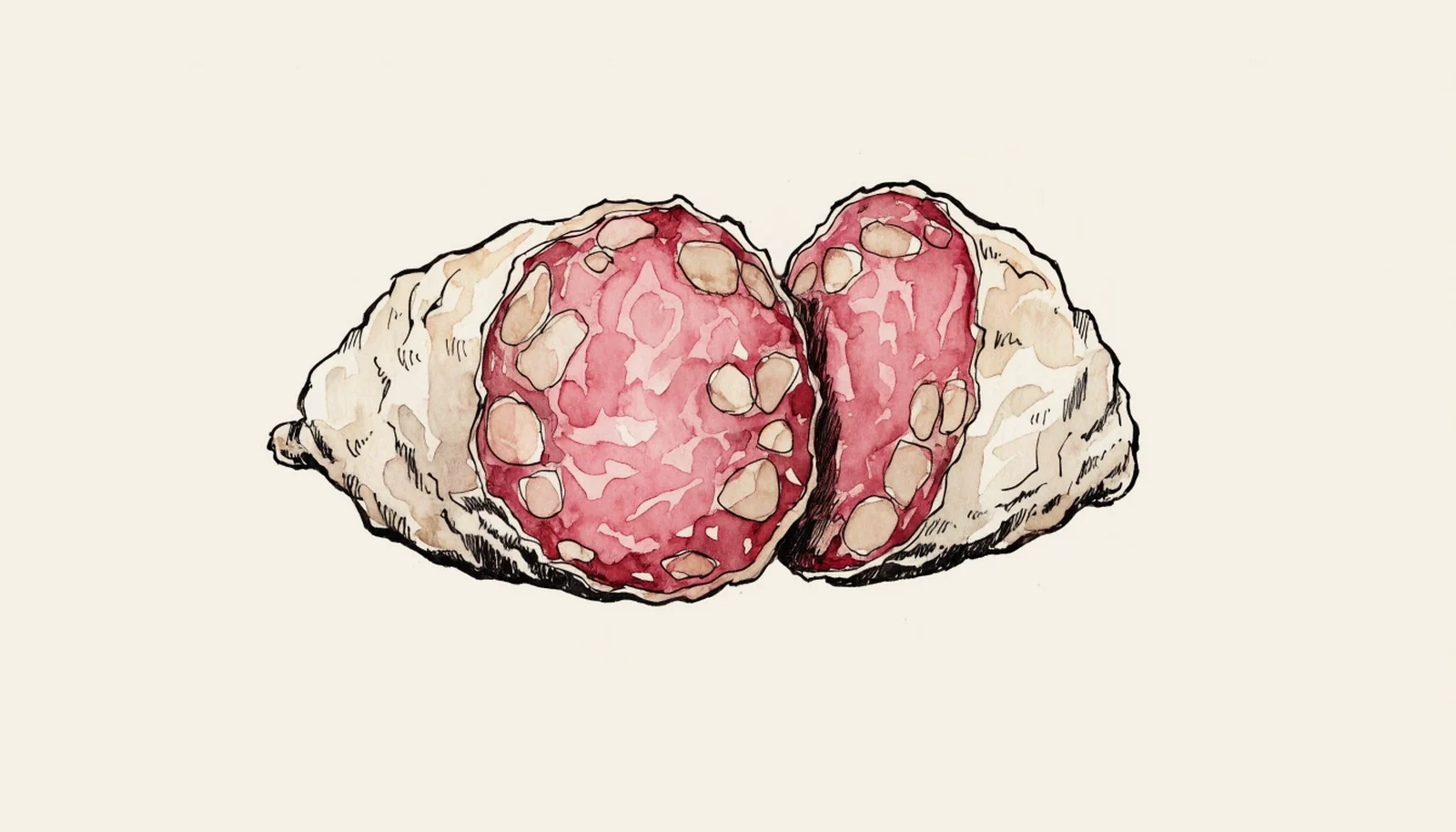
Small mild salami sized to be carried, protected as Salamini Italiani alla Cacciatora DOP. Why the size drives everything, why the DOP mark says something else, and how to judge and use them.
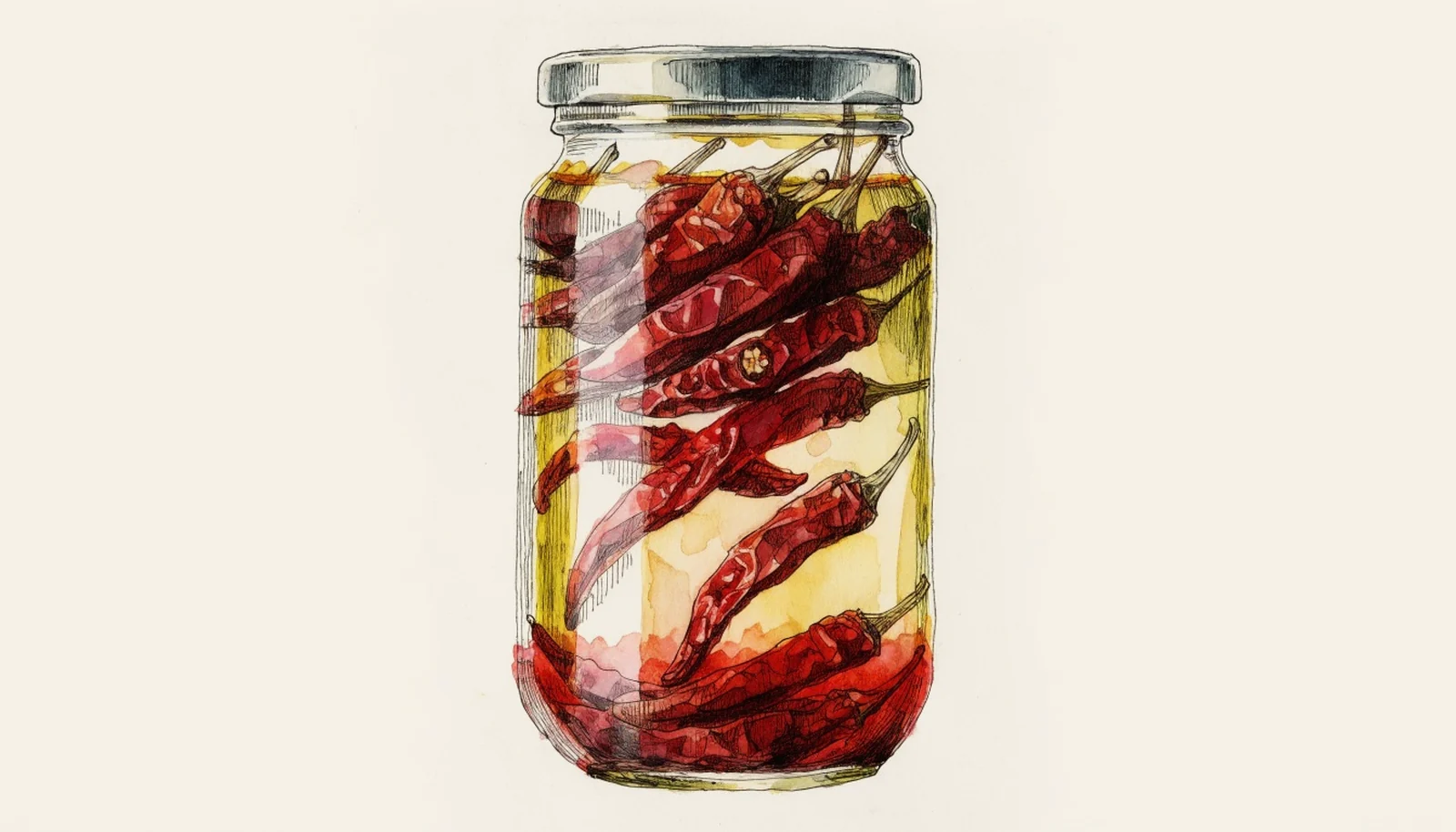
Olive oil infused with Calabrian chilli, sold as olio santo. What separates an infusion from a flavoured oil, why the base oil is half of what you buy, and how to judge and use a bottle.
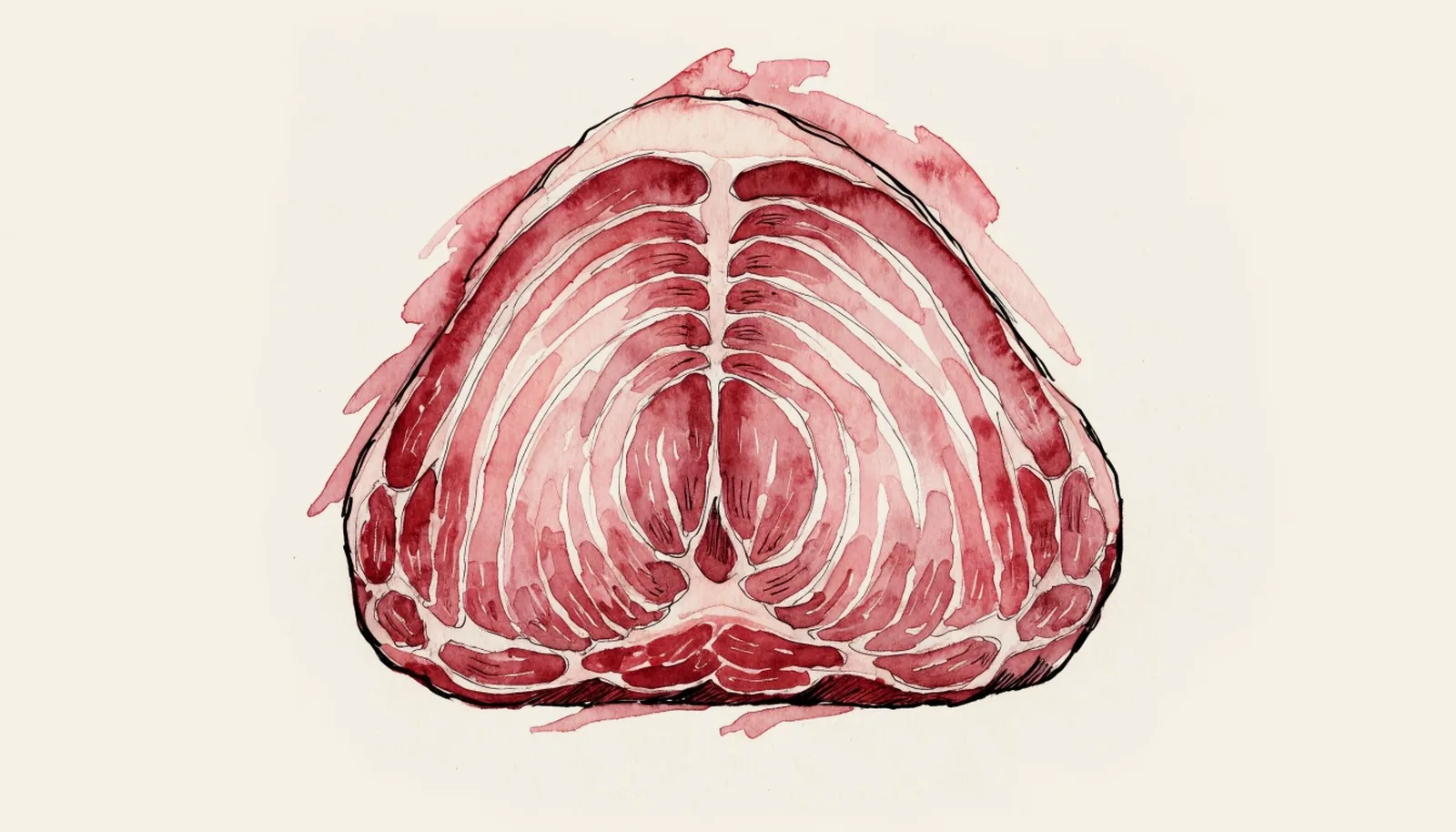
Cured pork neck, marbled and mild. Why the shorter name is unusable in English search, what the DOPs cover, how to judge a slice, and how to use it.
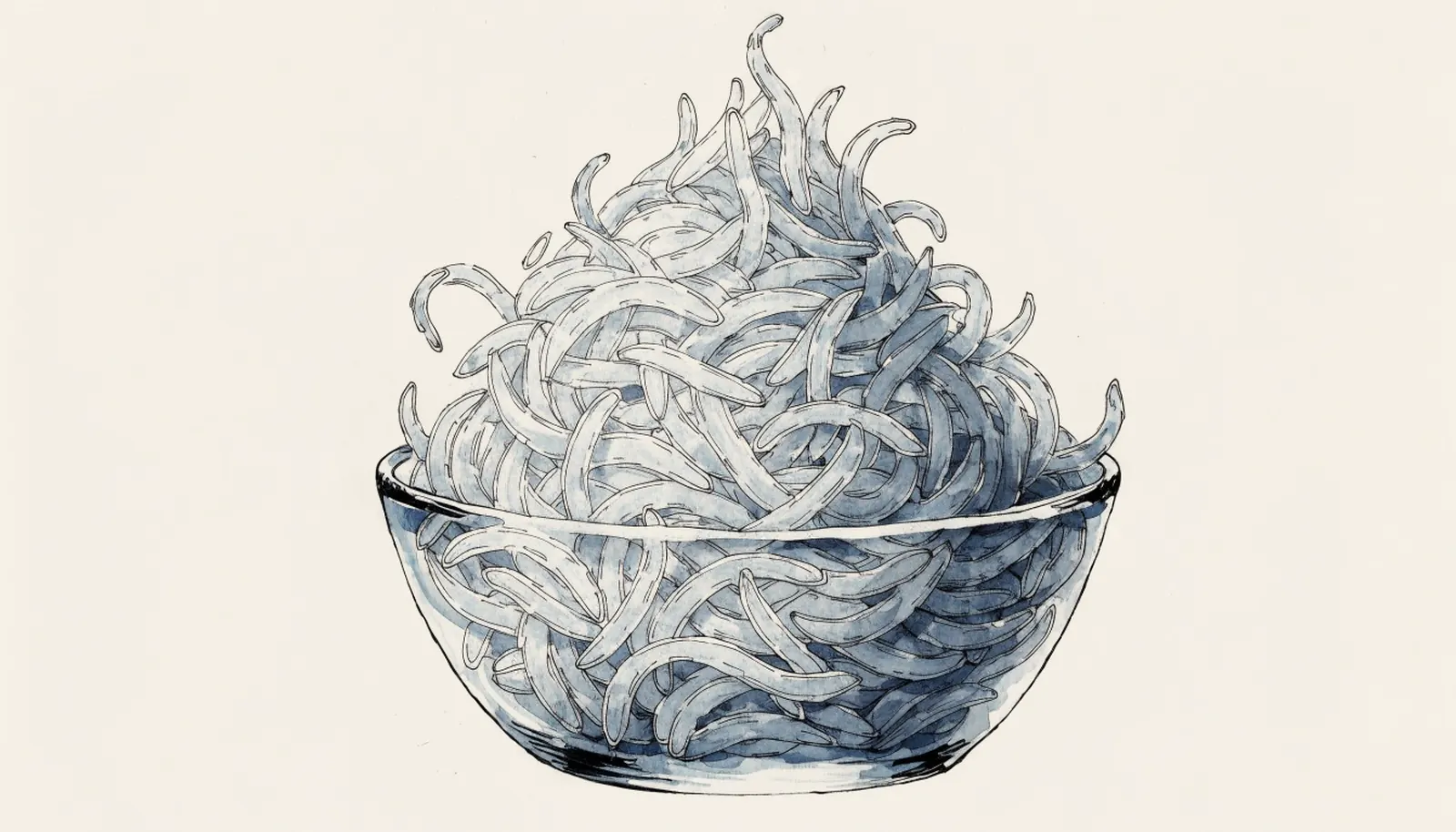
Higher amylose than arborio, so it holds its bite while still releasing starch. What carnaroli is, what classico means on the bag you buy, and how to cook and use it.
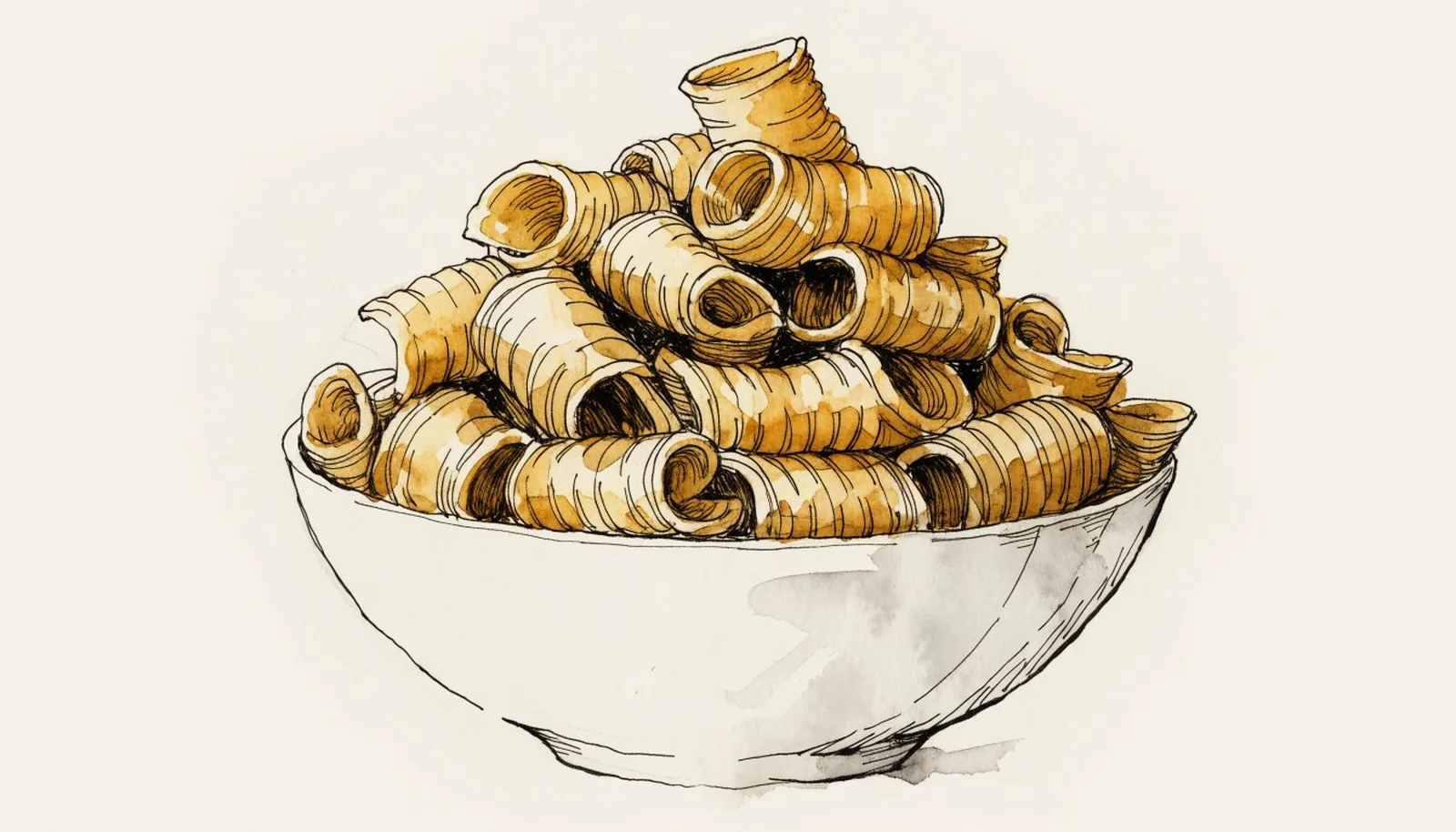
A short twisted shape with a groove down its length, made to trap thick sauce. What casarecce are, where they come from, how to judge a box before you buy, and what they suit.
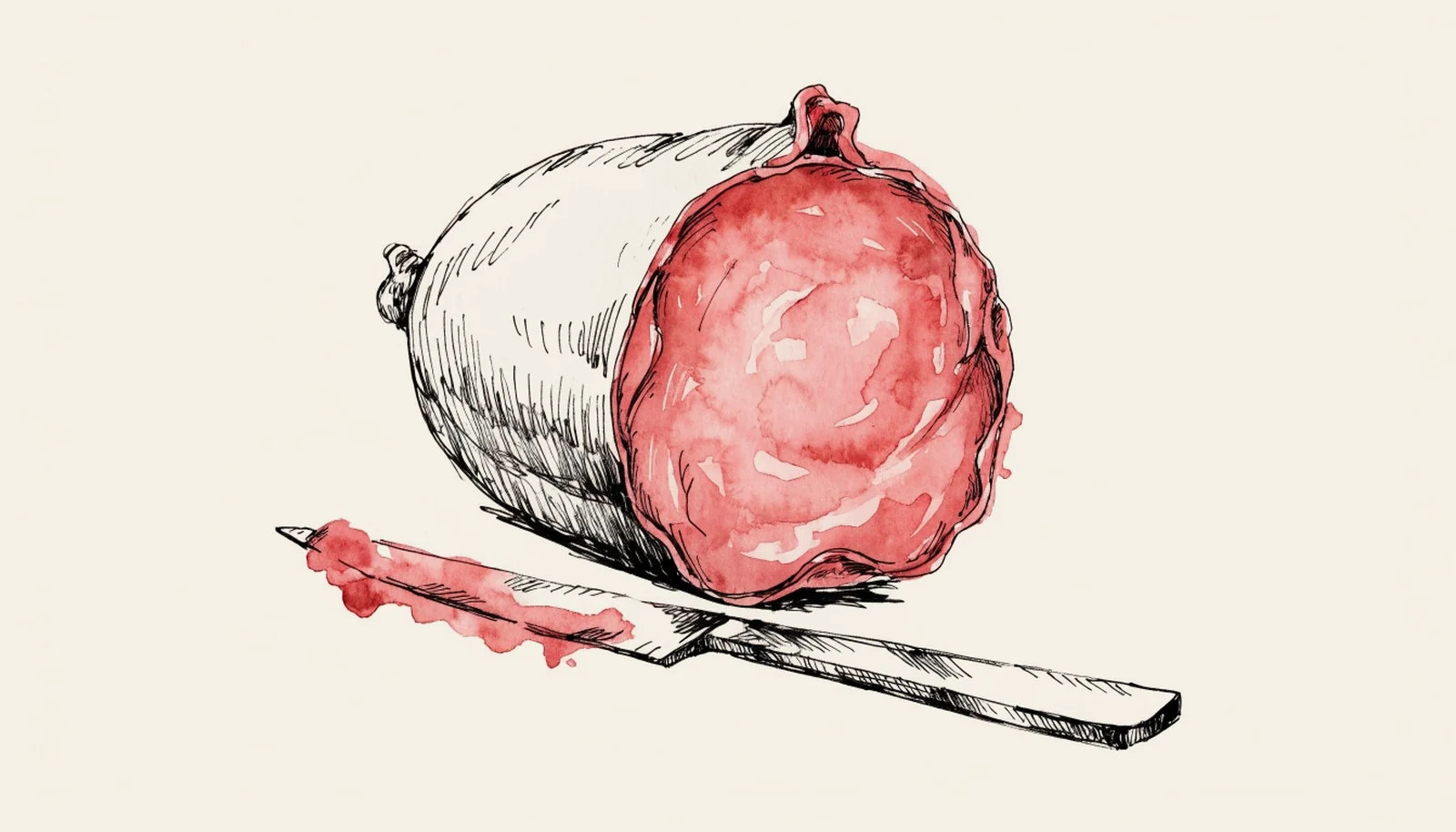
A soft, mild, spreadable salame from Le Marche, ground three times and aged barely a fortnight. What the IGP covers, how it differs from nduja, and how to judge and use one.
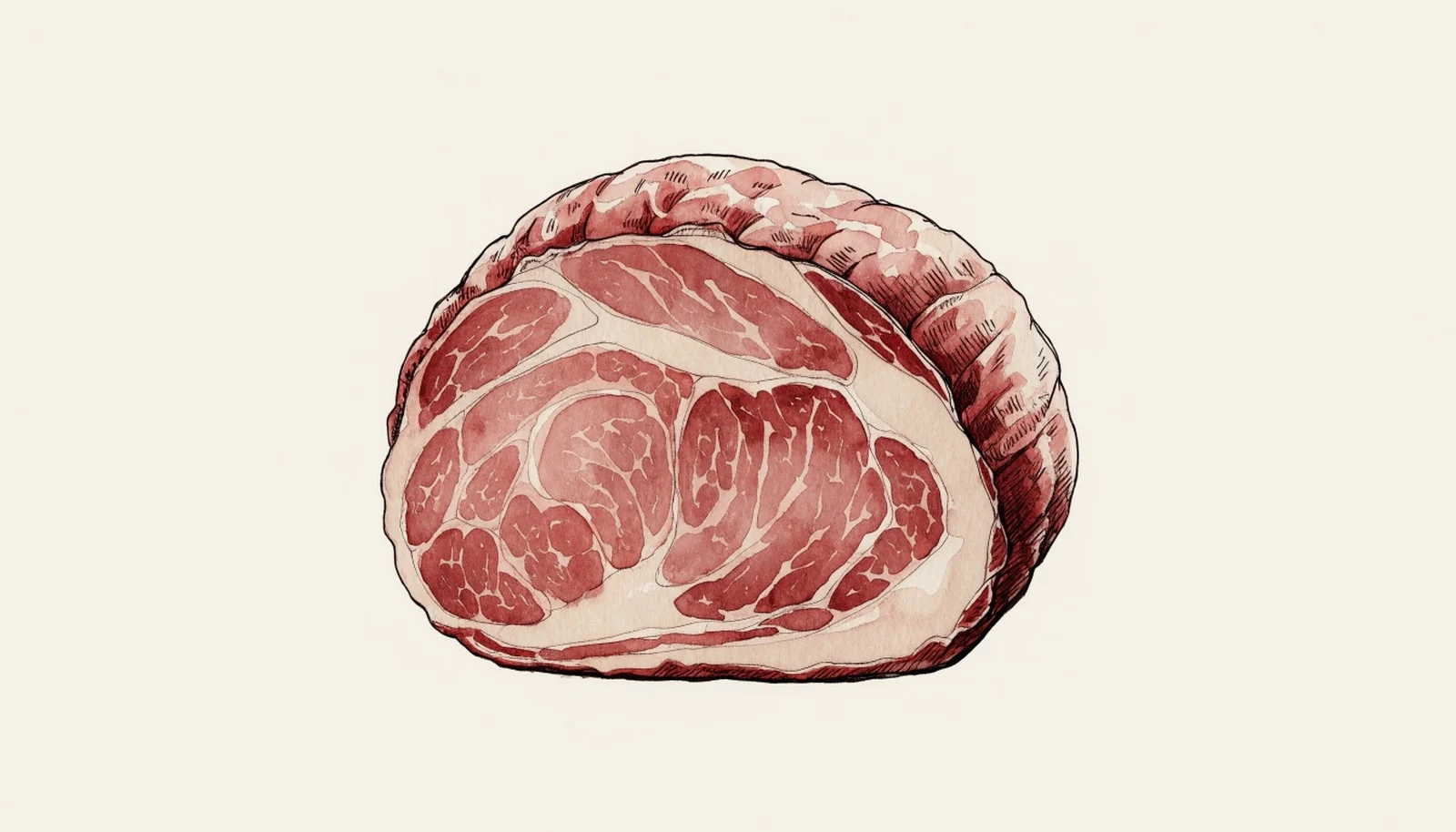
Pork neck from Piacenza cured with cloves, cinnamon and nutmeg under a DOP. How it differs from Calabrian capocollo, what the Piacenza trio is, how to judge a slice, and how to use it.
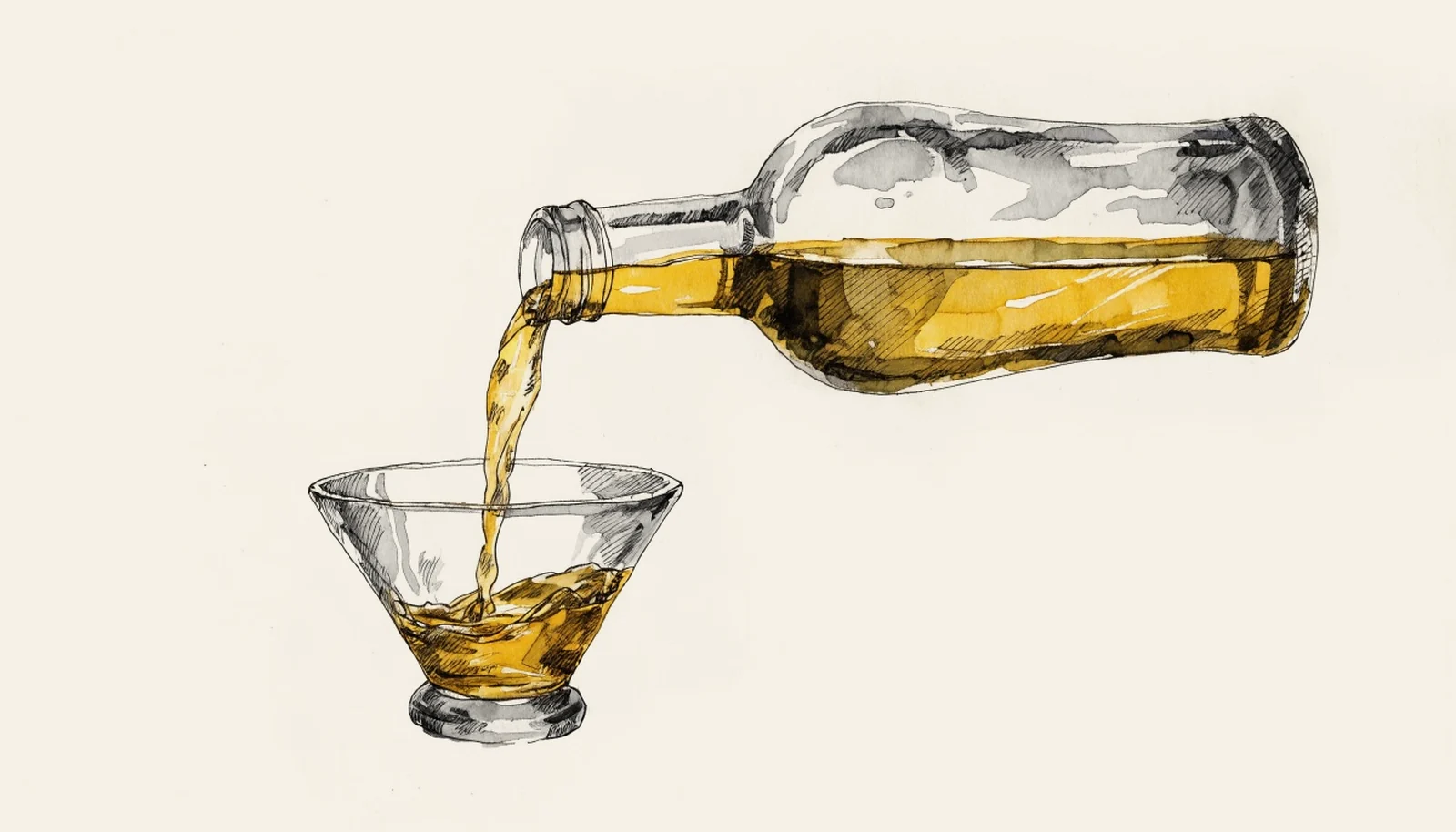
The Pugliese cultivar behind Italy's most robust oils. What coratina tastes of, why the numbers run so high, how to buy it, and how to use an oil this bitter.
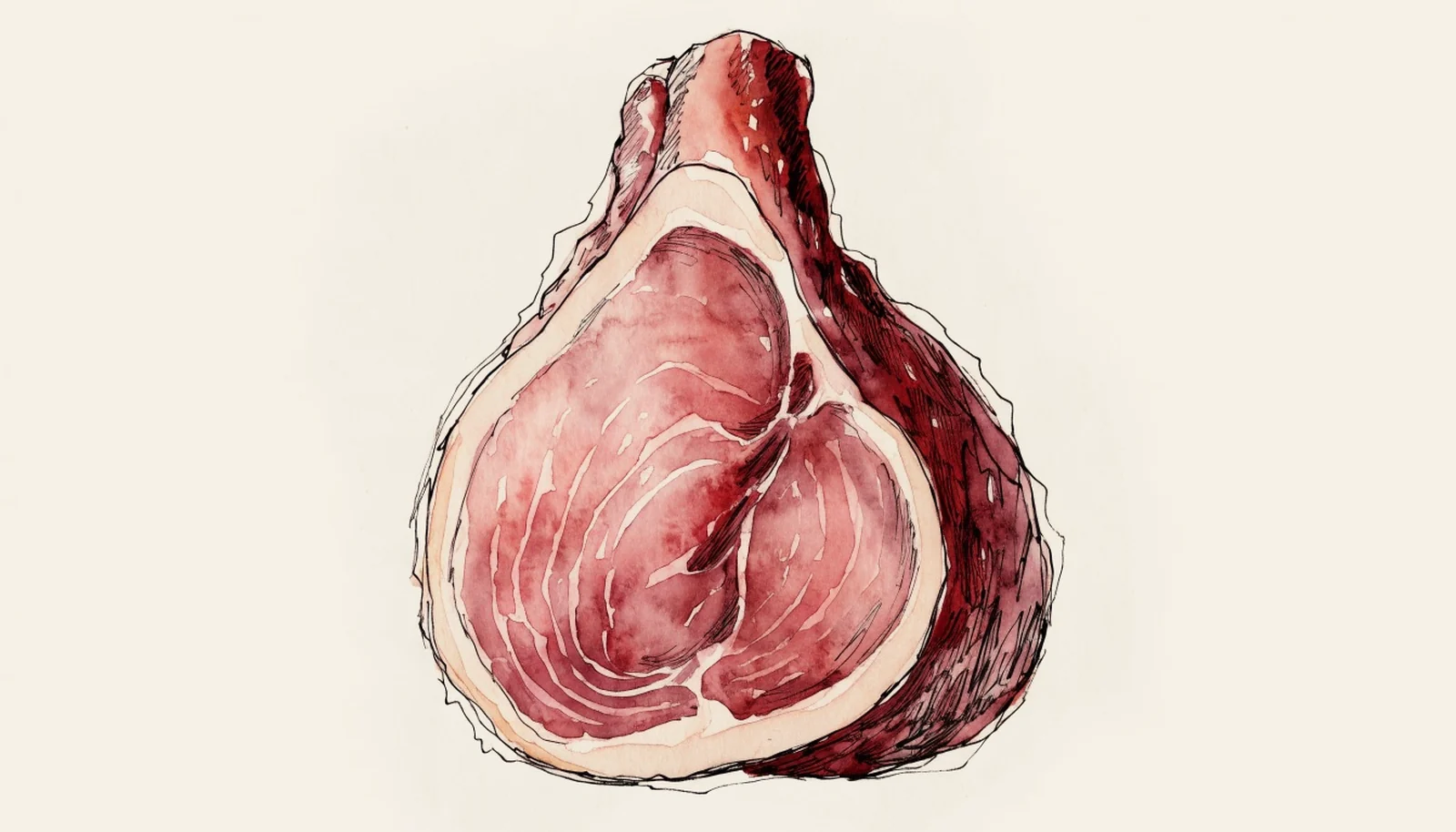
A boneless cured hind-leg cut from the Parma lowlands, sold under a brand rather than a designation. How it differs from culatello and fiocco, how to judge it, and why that matters when you buy.
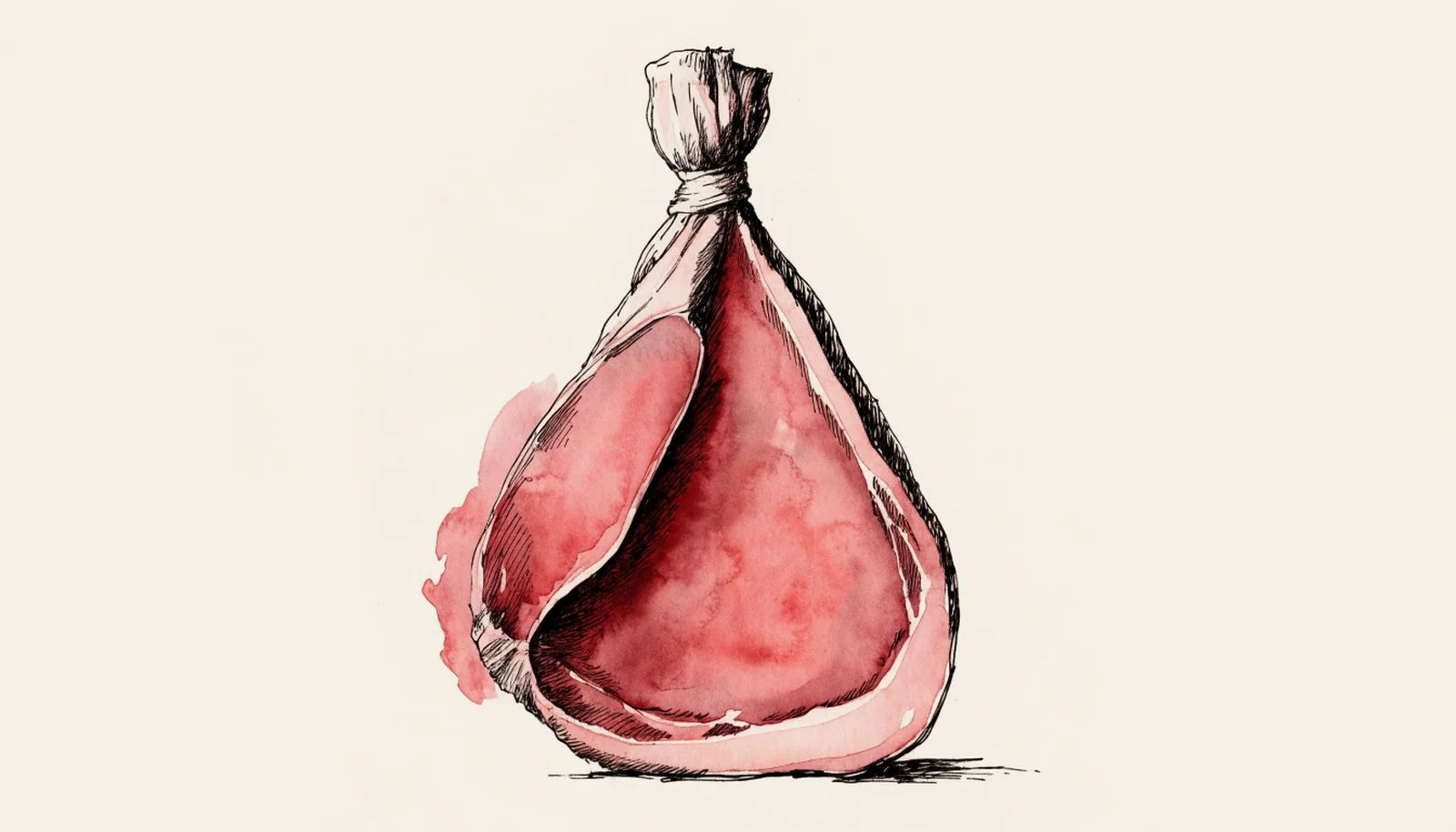
The most expensive Italian cured meat, made from the heart of the leg and aged in river fog. What the DOP controls, how to judge it, and whether you can buy it in the United States.
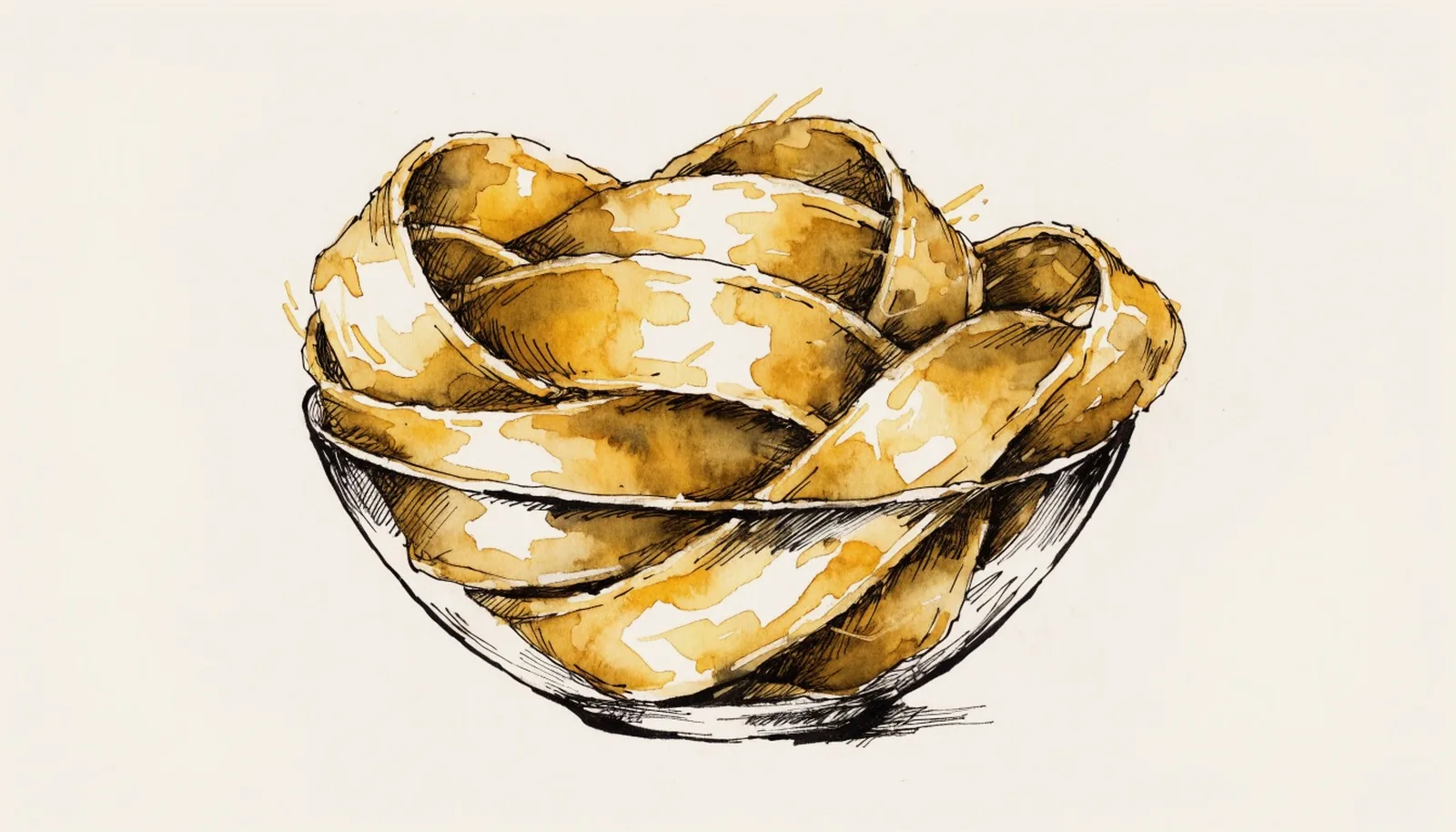
Soft wheat and whole eggs, from the north rather than the south. What the traditional ratio is, why dried egg pasta is a real category, and how to judge a nest before you buy.
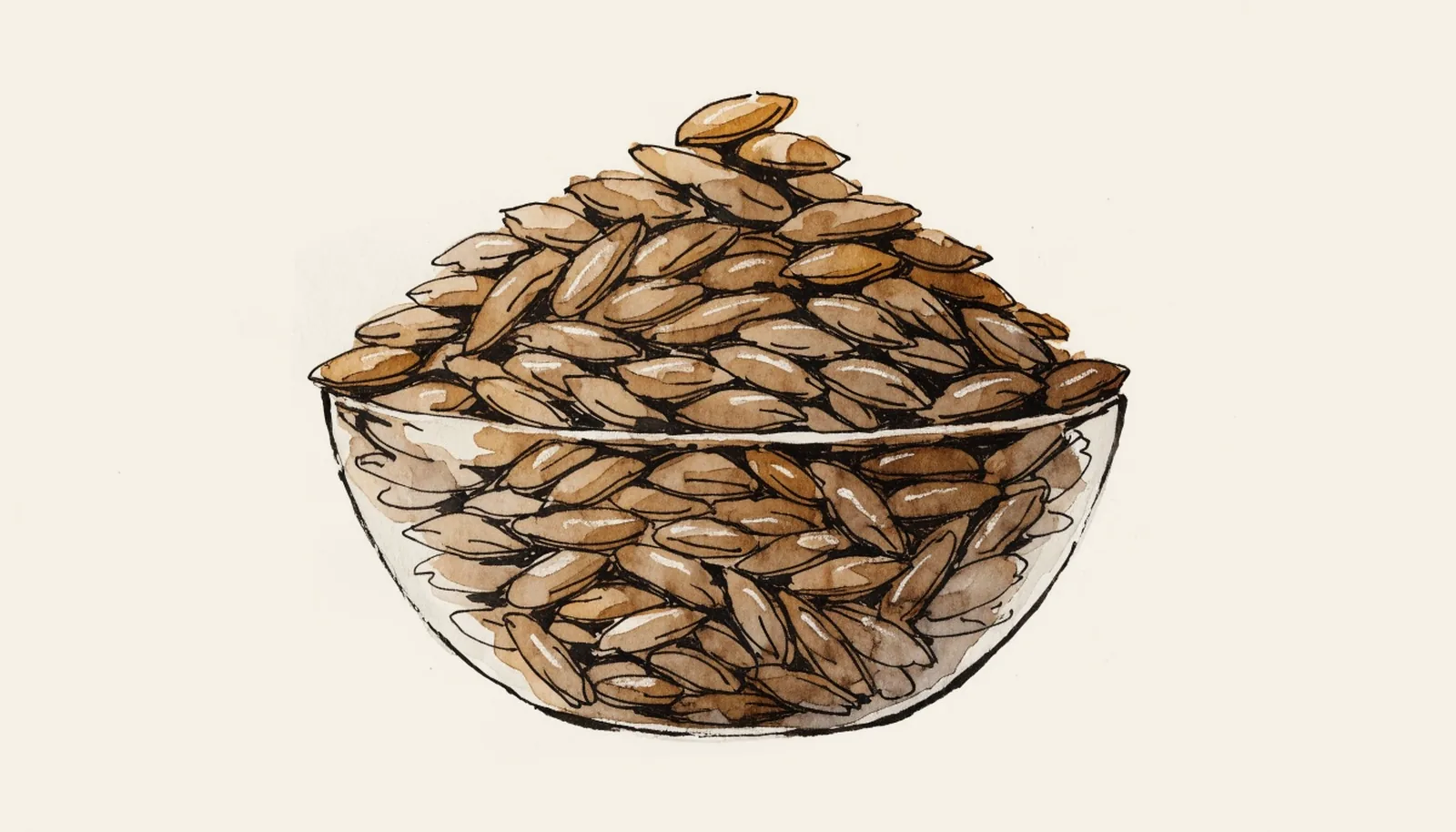
Farro is three different wheats sold under one word, and the packet often does not say which. How to judge which one you buy, and why it changes the cooking time.
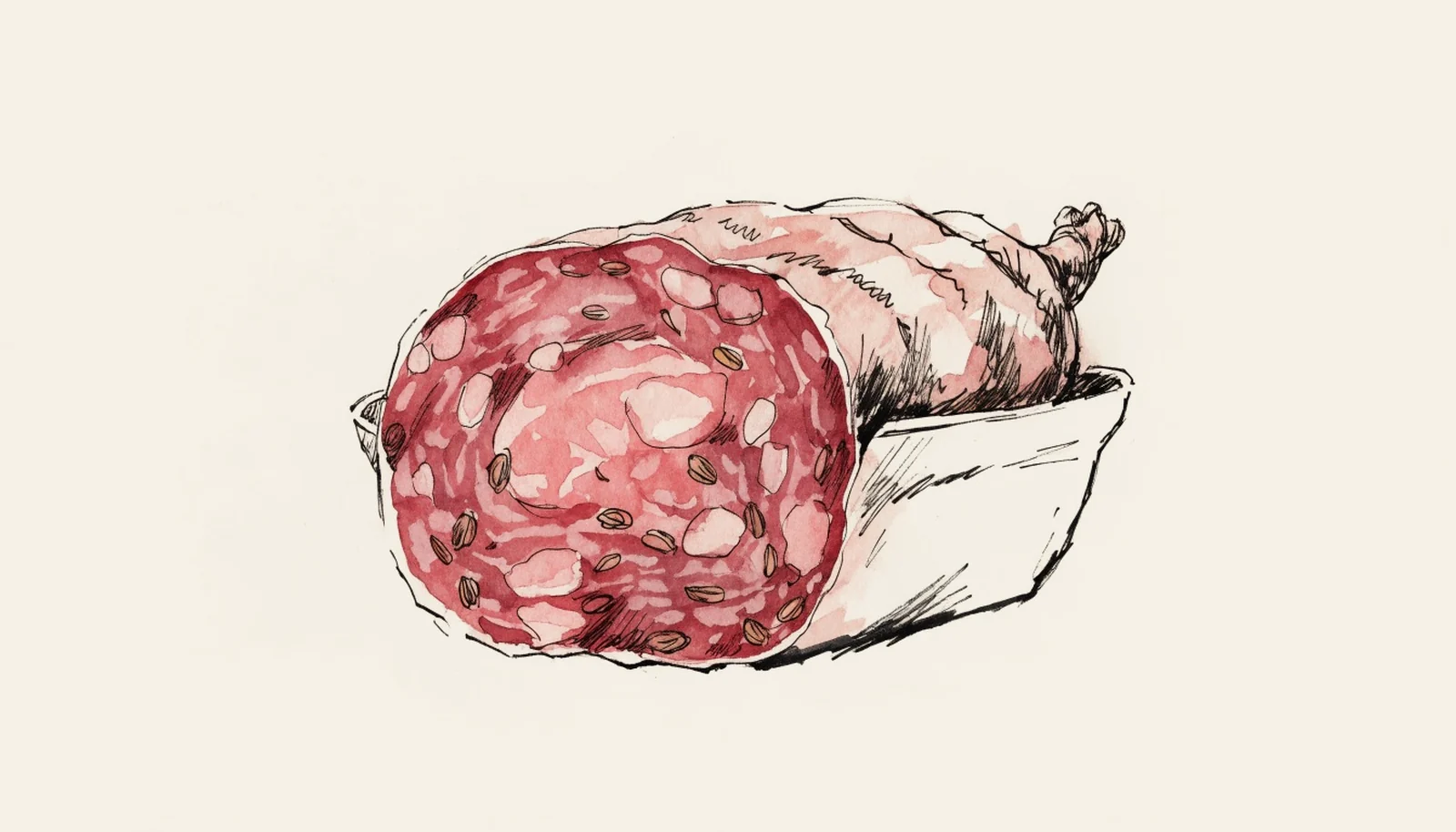
Wild fennel seed in a coarse Tuscan salami, and the story about why. What the IGP controls, how to judge a slice, why it crumbles, and how to use it.
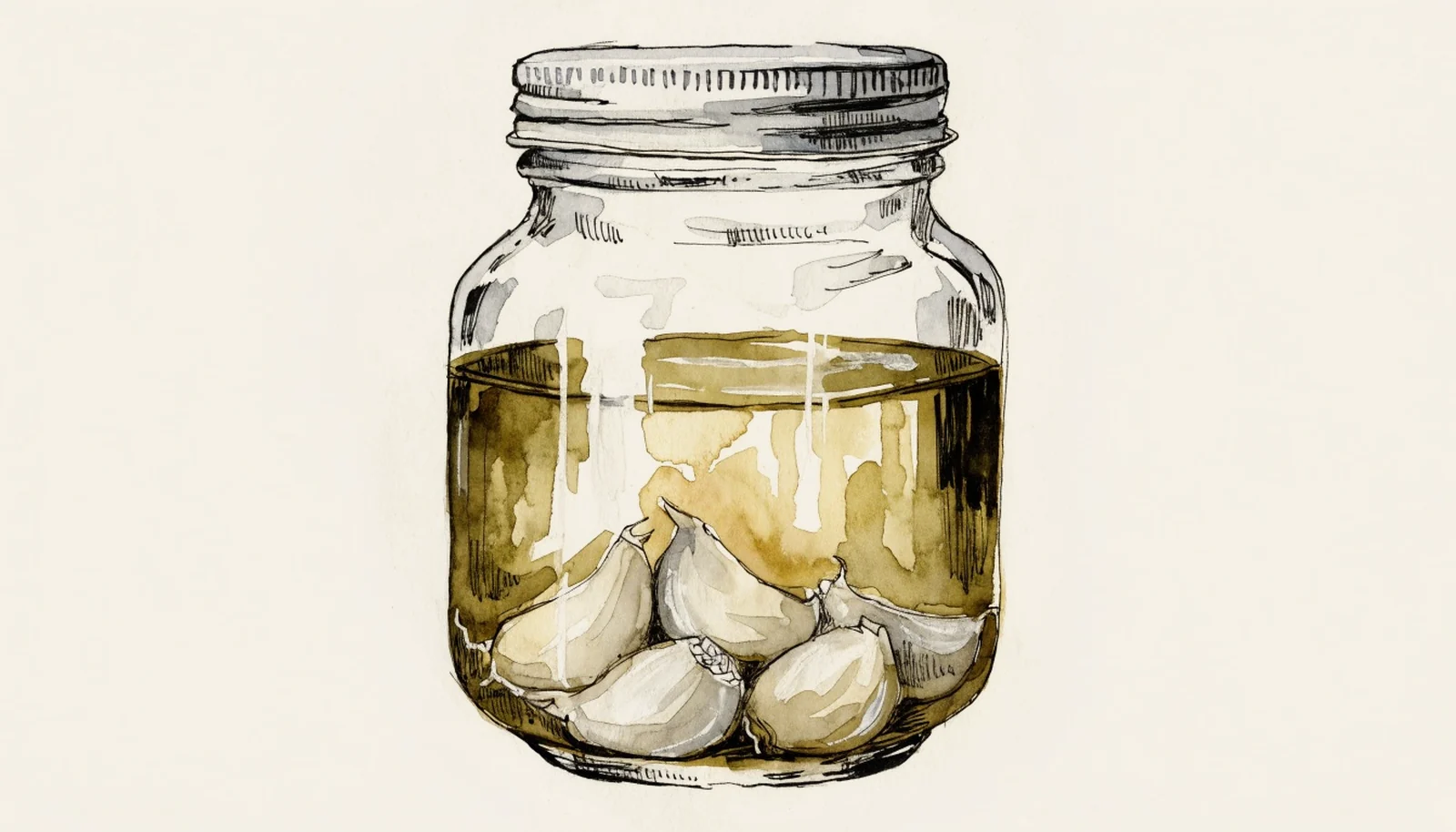
Commercial garlic oil is acidified for a reason. What the hazard actually is, why homemade garlic oil is different, how to make it safely, and how to buy and use it.
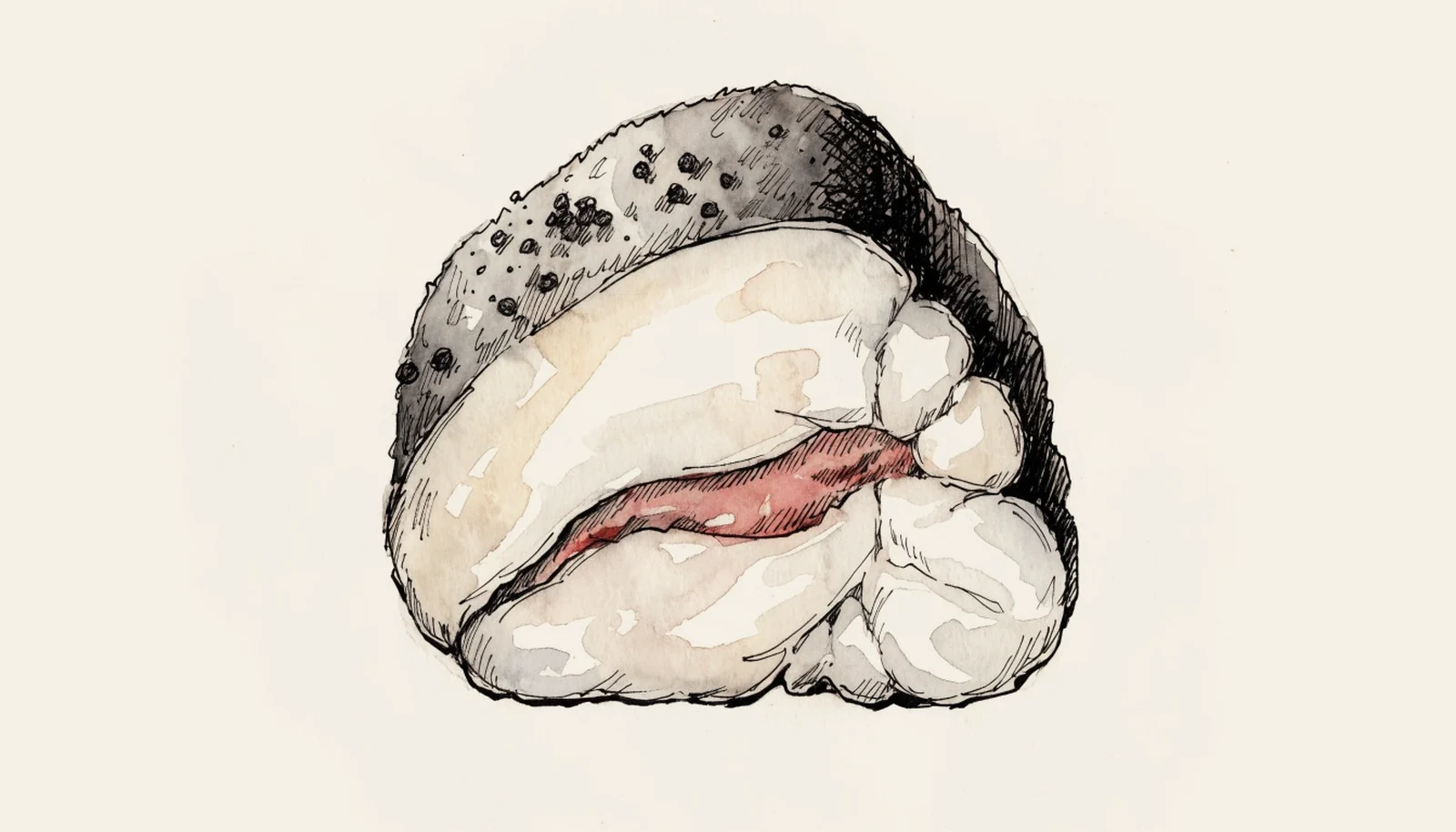
Guanciale is cured pork jowl, not belly, and the difference decides whether carbonara and amatriciana work. How to judge one, what it costs, and where to buy it.
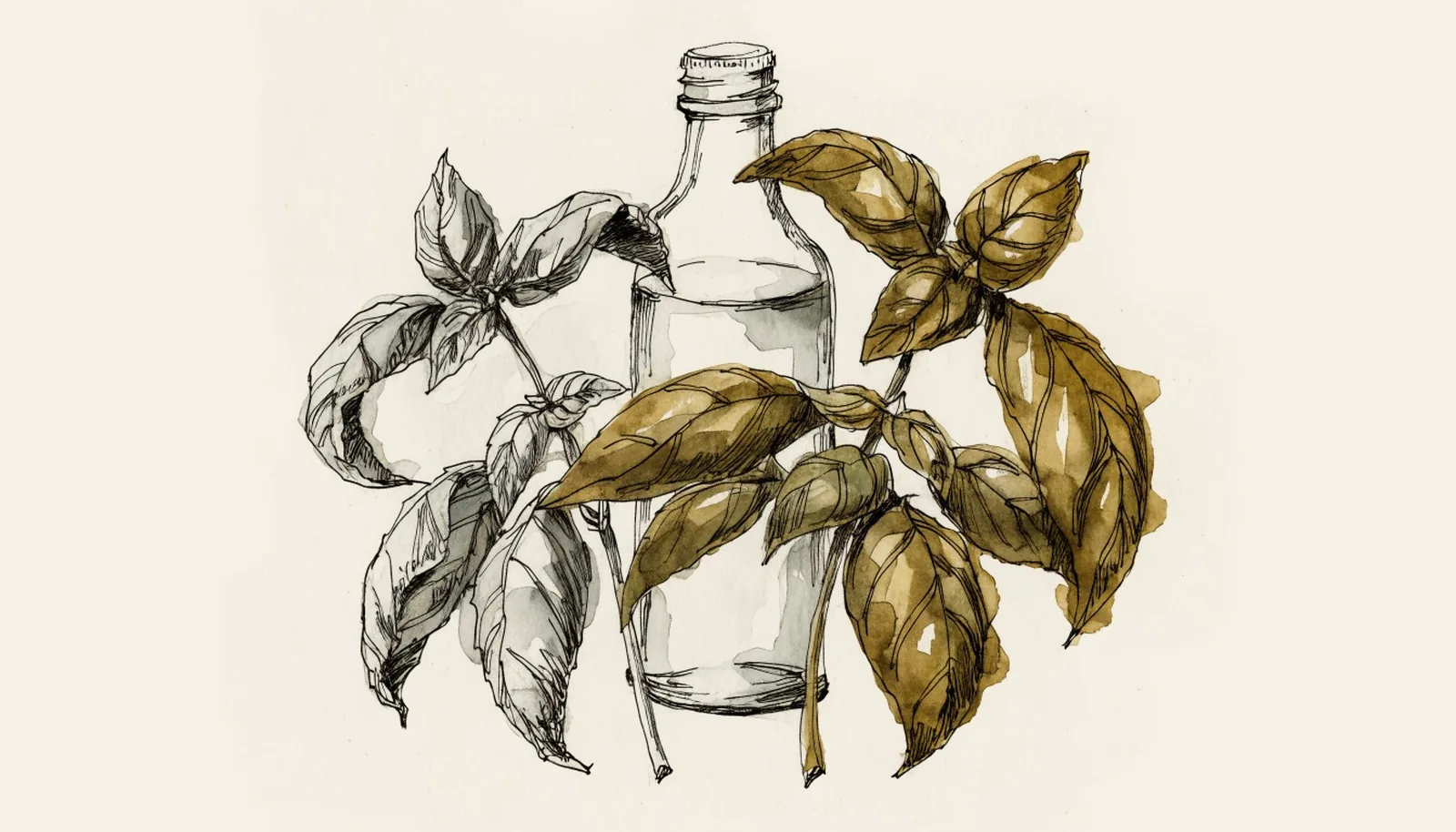
Dried herbs infuse safely and fresh ones carry the same hazard as garlic. Which herbs give up flavour to oil, how to make an infusion worth having, and how to judge a bottle before you buy.
Whole against sliced, dry-cured against cooked, and why wrapping in plastic film is the most common mistake. Keeping times and failure signs for each type, and why to buy only what you will use.
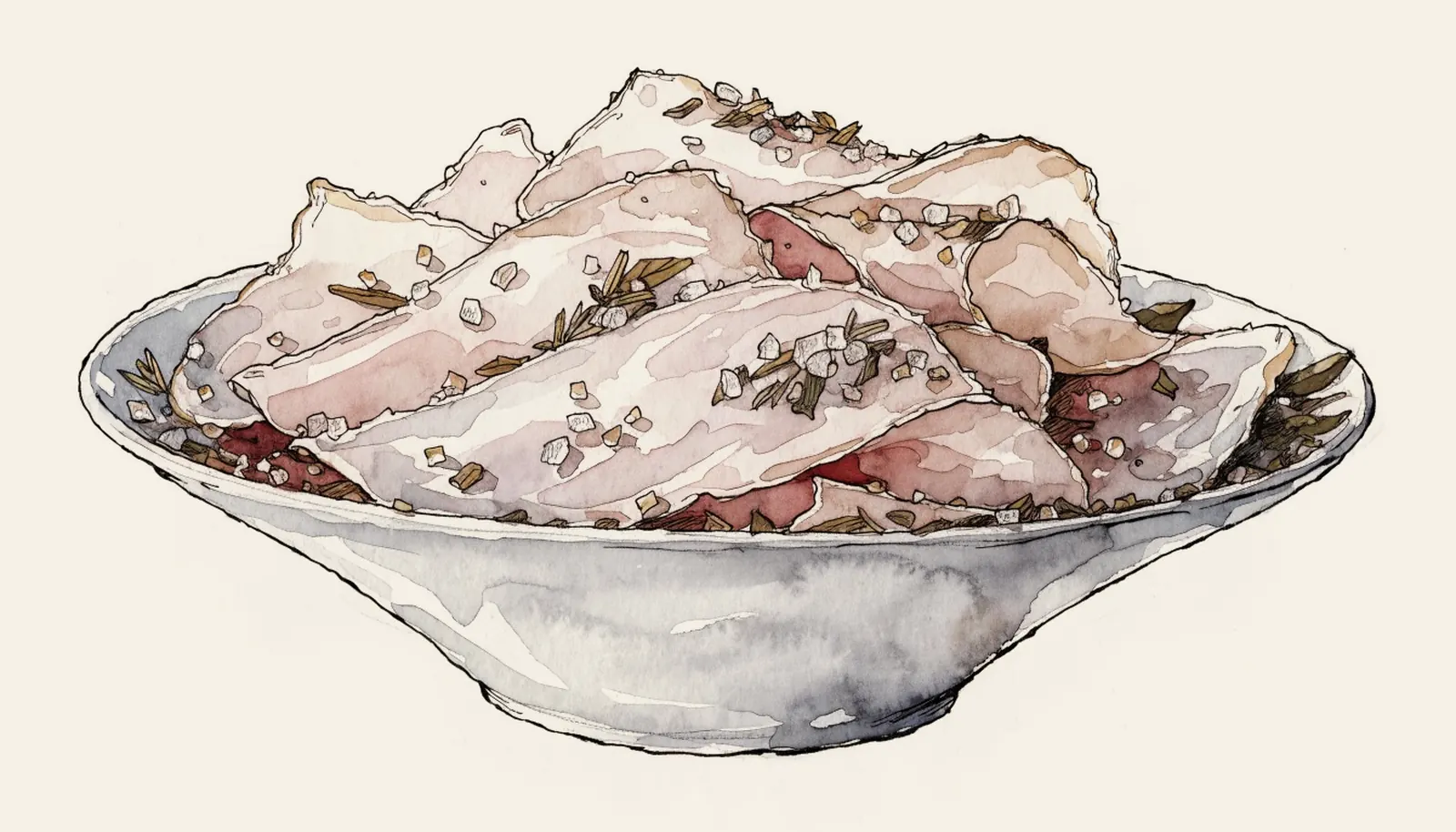
Pork back fat cured in marble basins in a Tuscan quarry village. What the marble does, what the IGP controls, how to judge a piece, and how to buy and serve it.
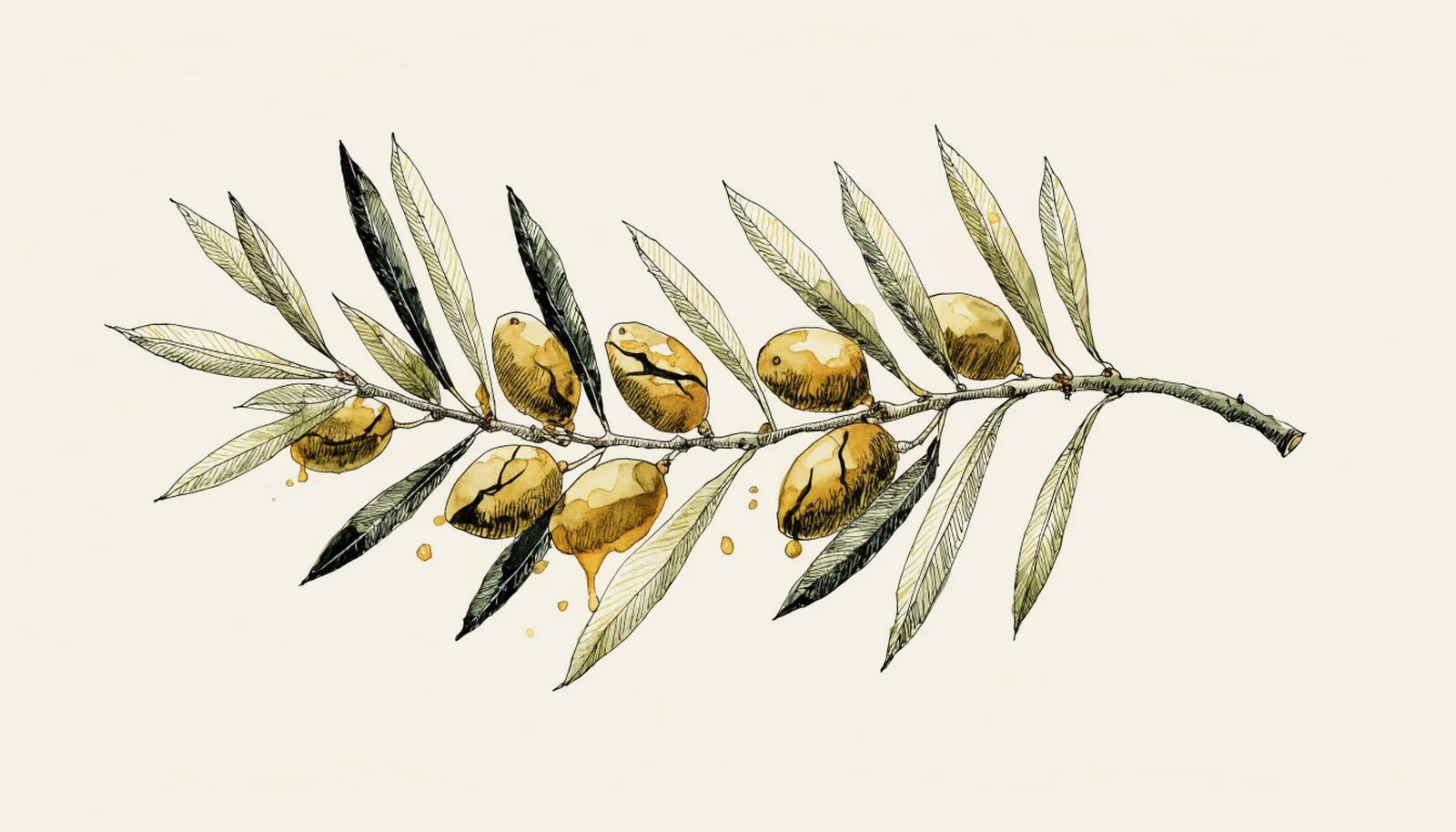
Taggiasca olives from the Riviera give a mild, sweet, low-bitterness oil. Why the region makes so little, what the DOP means when you buy, what to use it for, and why a robust oil ruins pesto.
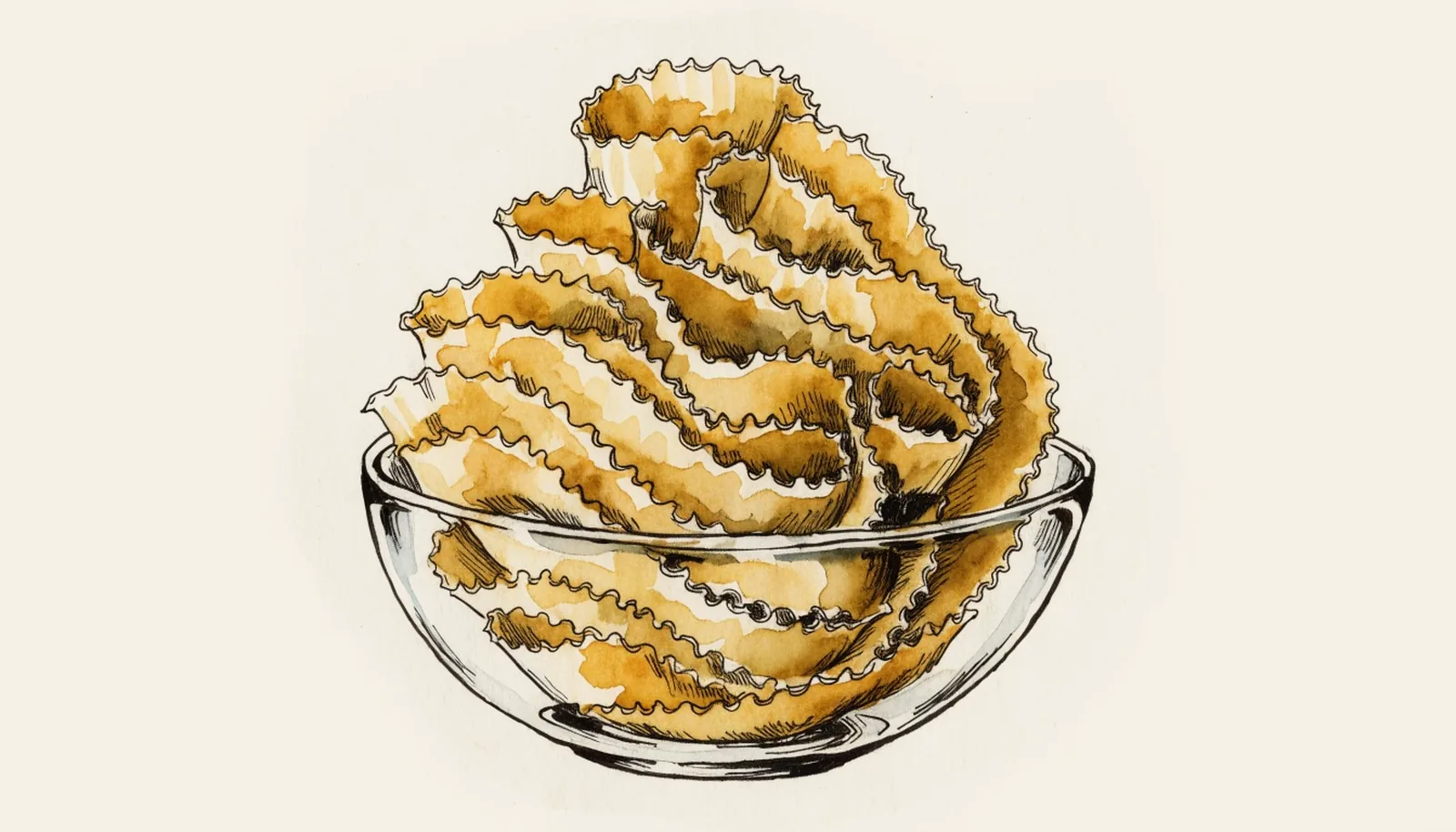
A long flat pasta with wavy edges, named for a princess. What the ruffles do for sauce, how to judge a box before you buy, and what mafaldine are called elsewhere.
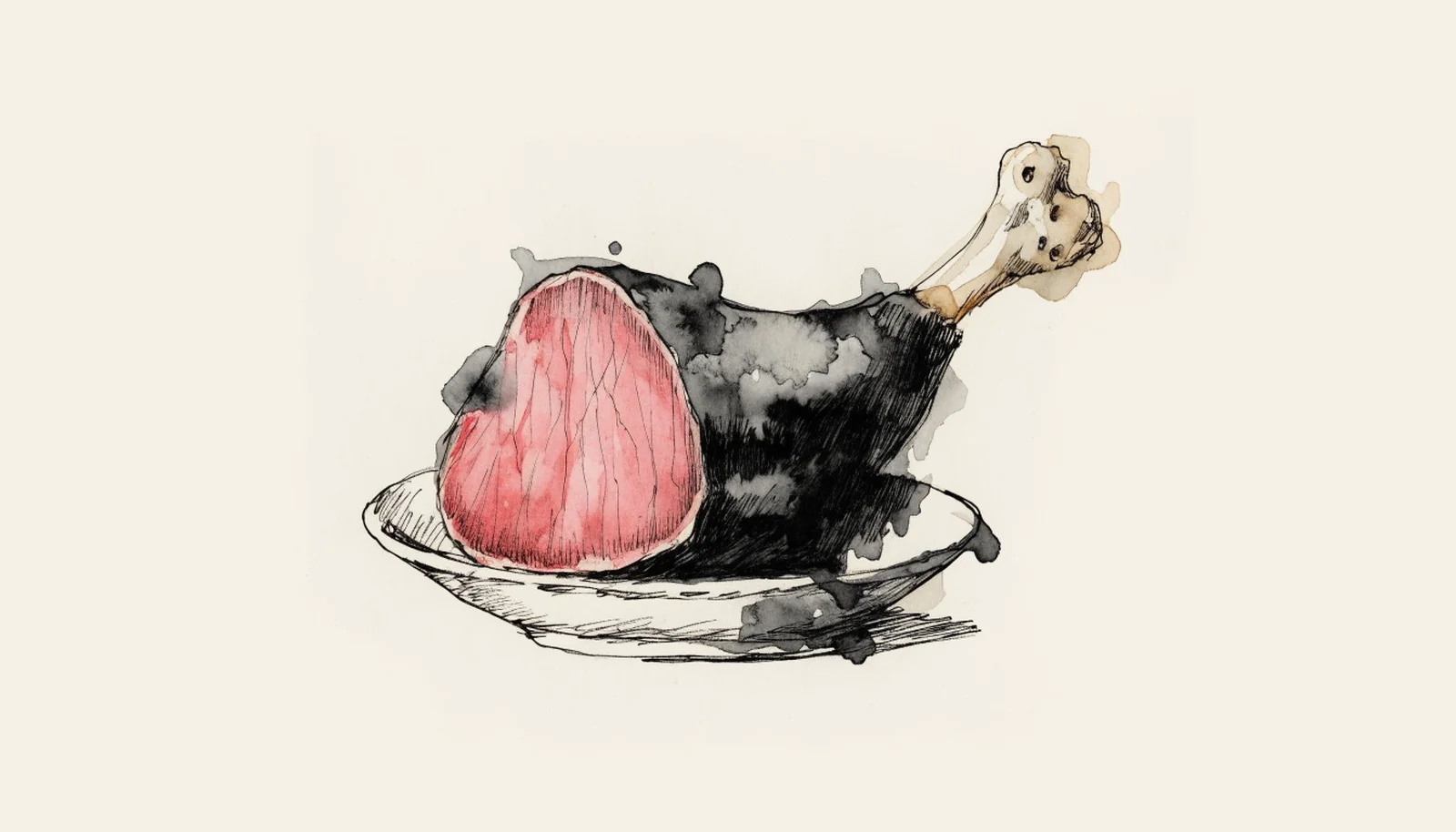
A lean, herb-cured meat from the Valle d Aosta, once made from chamois and now almost always beef or goat. What changed, how it differs from bresaola, and how to judge and use one.
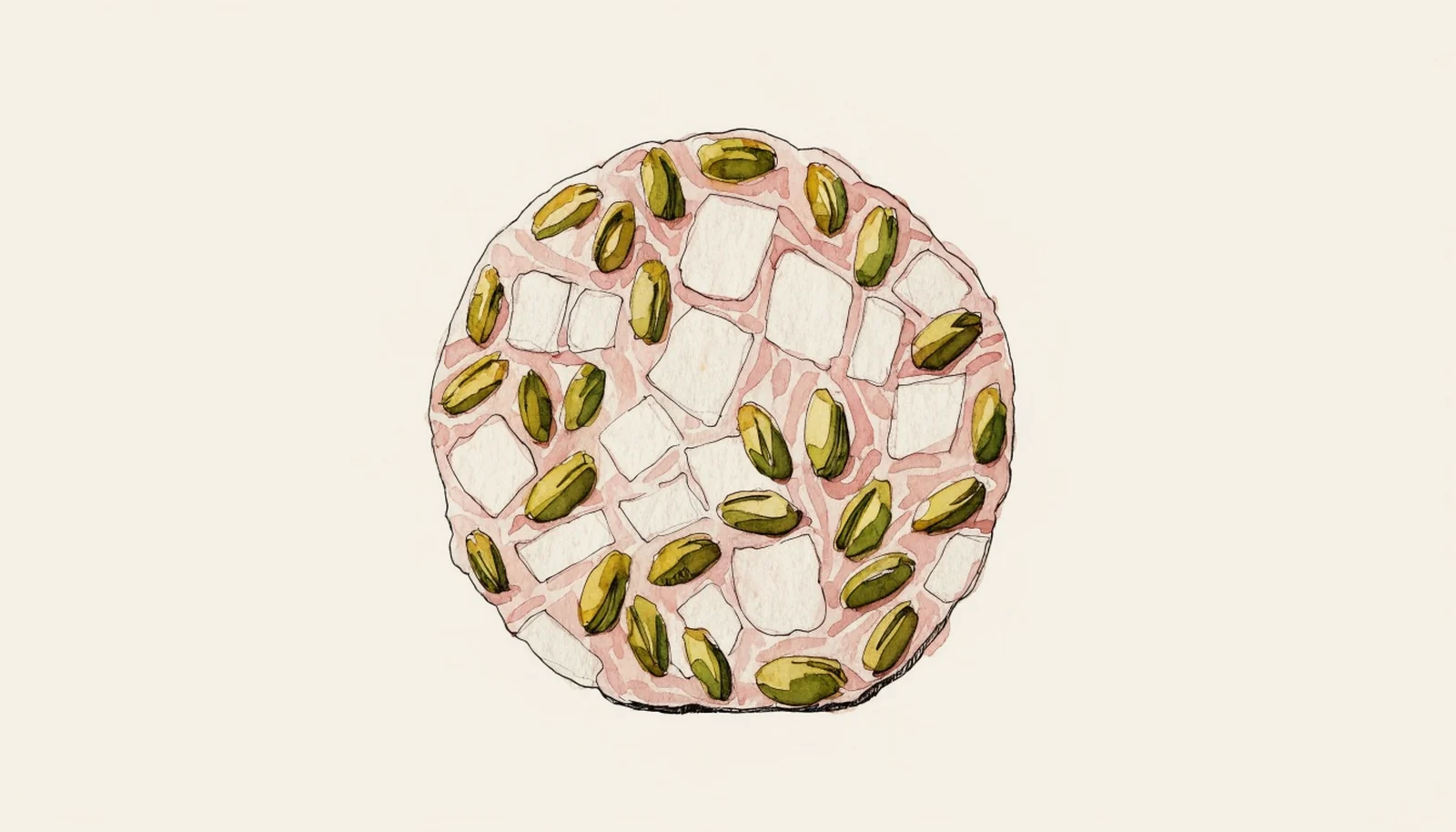
Mortadella Bologna carries an IGP, and most mortadella sold in the United States does not. What the mark controls, how to judge a slice, what the pistachios tell you, and where to buy it.
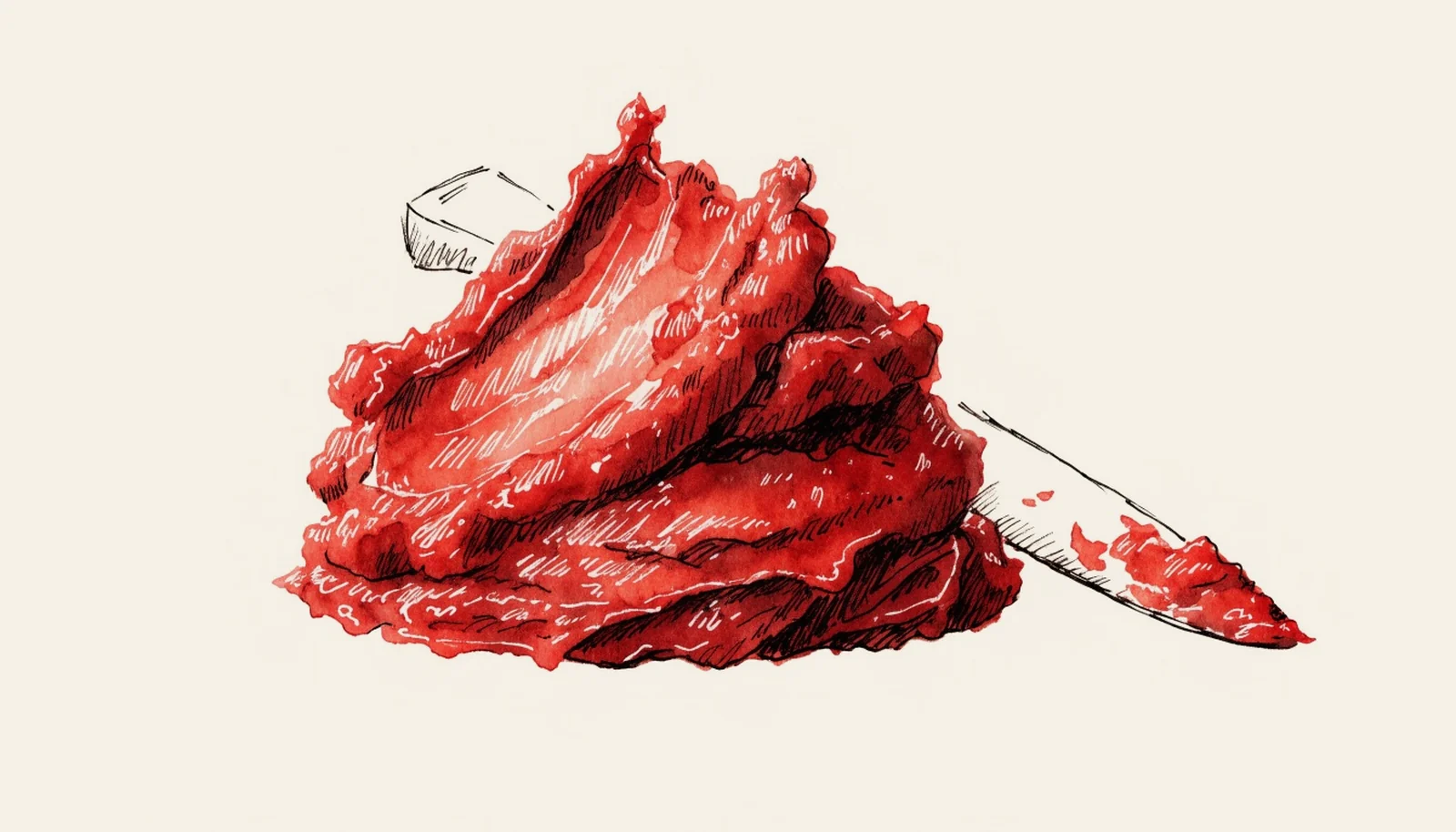
Nduja is a spreadable Calabrian salami. What separates a real one from an imitation, what it should cost in the United States, where to buy it and how to use it.
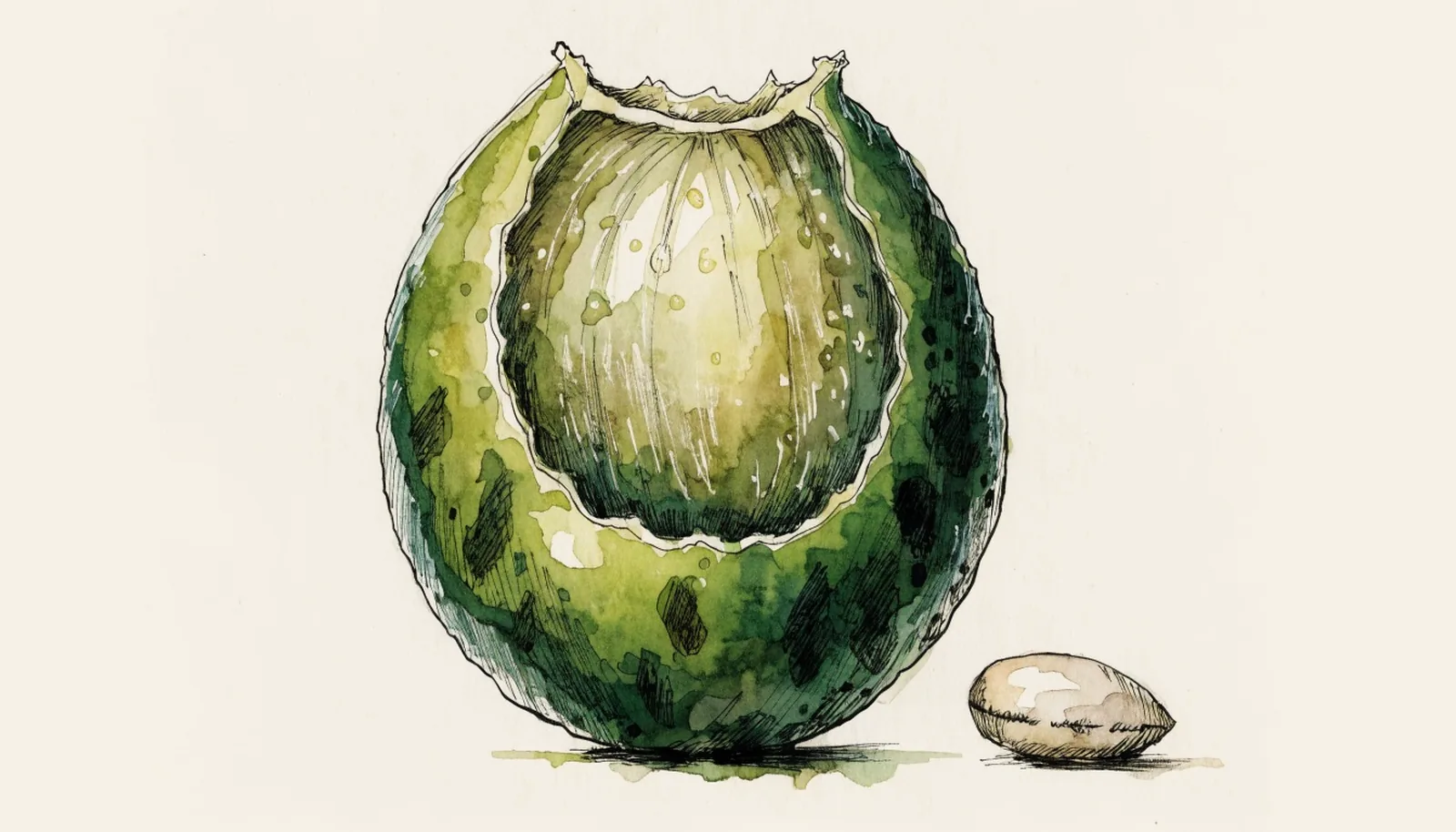
The cultivar behind Castelvetrano table olives also makes a well-regarded oil. What nocellara oil tastes of, how it differs from the olive you already know, and how to buy and use it.
Free fatty acid percentage is a legal grade threshold, not a taste. What 0.8 percent means, why lower is not automatically better, and what to judge quality by when you buy.
The fraud is real and it is mostly not what the headlines say. The three actual practices, what the studies found, and what to judge on the label before you buy.
Best-before dates tell you almost nothing. What a harvest date is, why producers omit it, what to buy, and how to judge that an oil is old without one.
The compounds behind the peppery catch at the back of the throat. What raises them, why they fade, how to buy and use a high polyphenol oil, and what the EU health claim permits.
Wide smooth tubes from Campania that collapse when cooked and are built to be stuffed or dragged through heavy sauce. How to judge and buy them, and how not to break them.
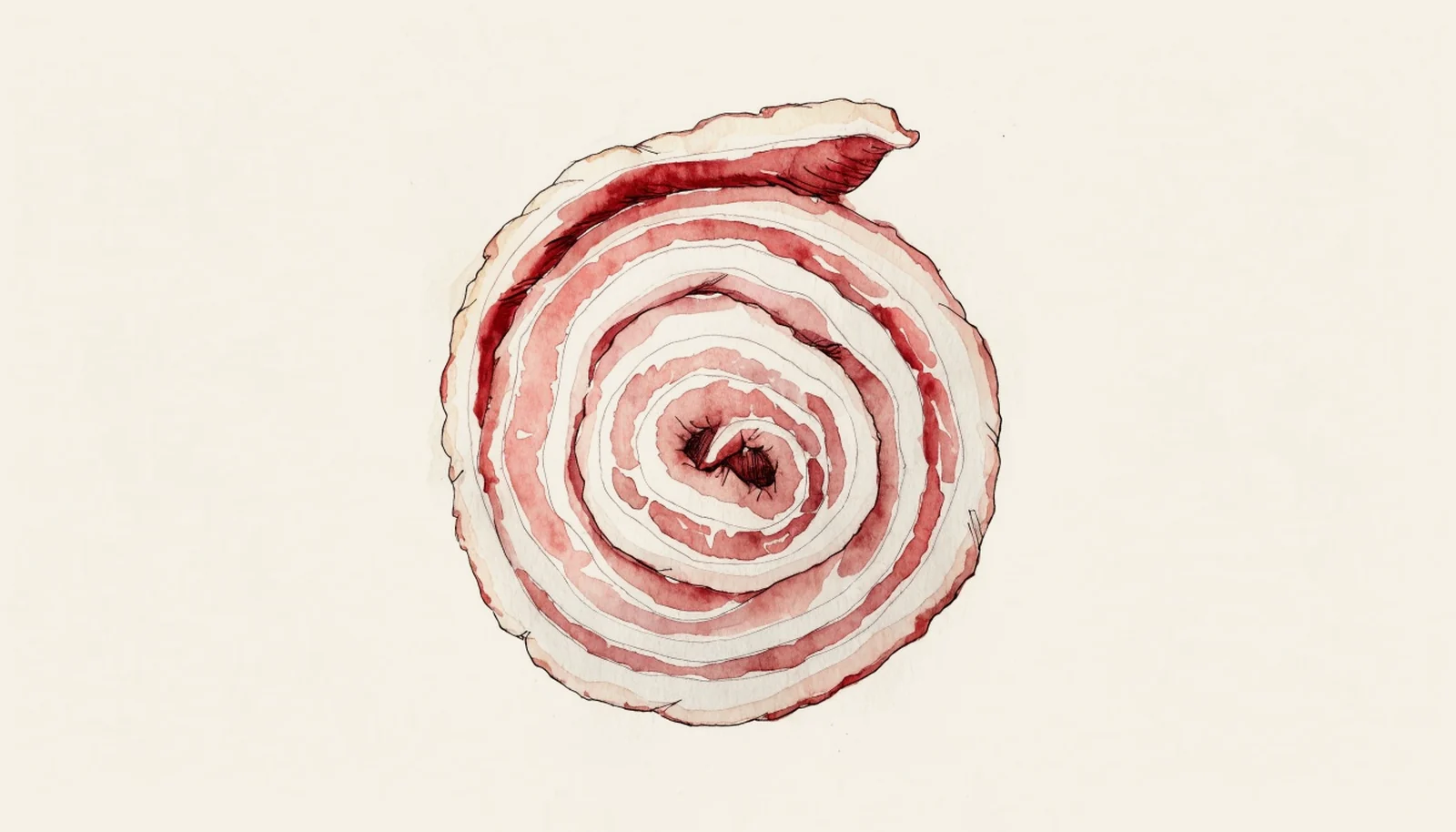
Pancetta is cured pork belly, unsmoked, and it comes in two forms that behave differently. How to tell them apart, what to pay, which to buy and use, and when bacon is not a substitute.
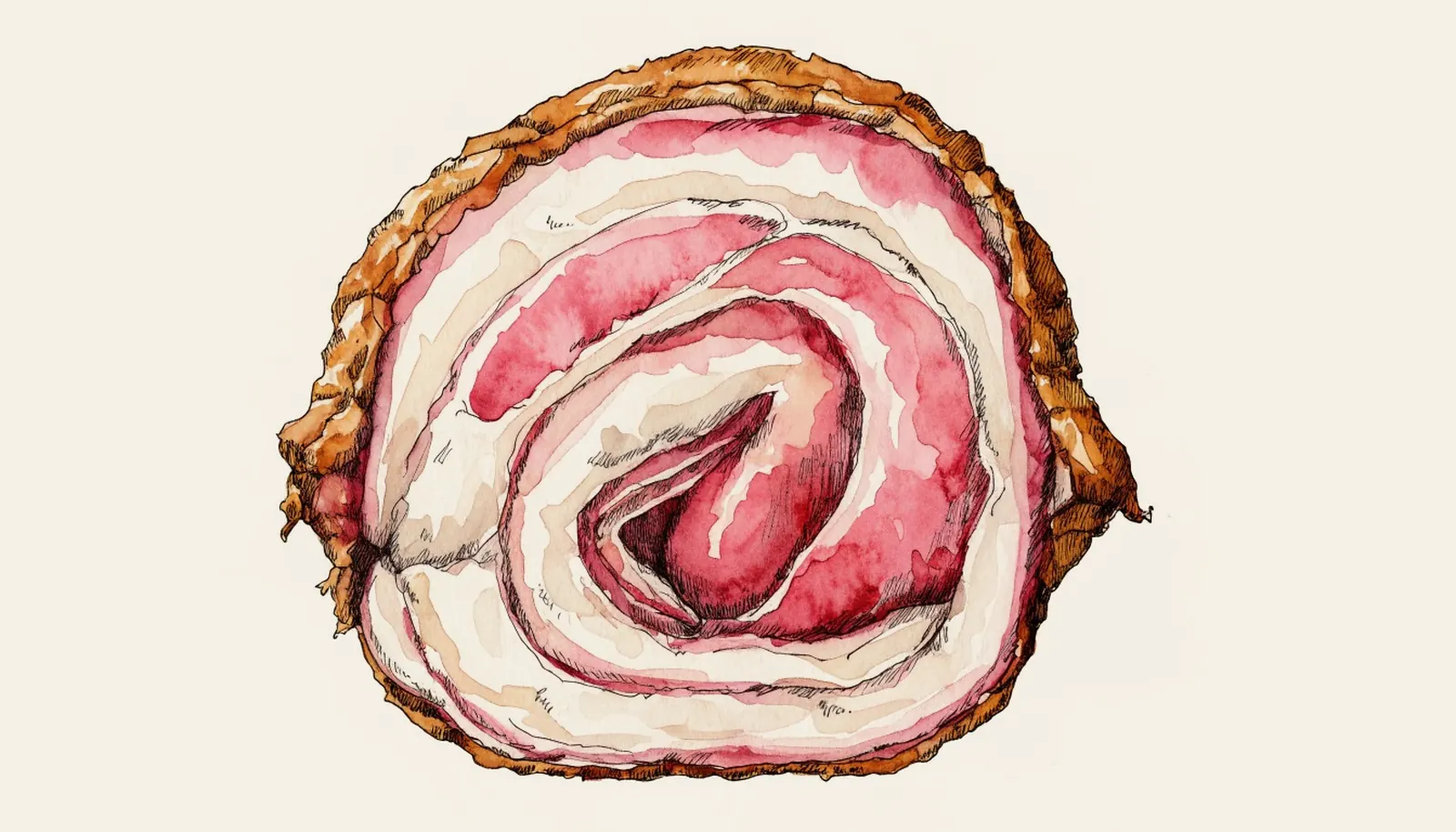
Boned pork roasted with garlic, rosemary and fennel, then sold sliced cold. Why it follows different rules from every other salume, what the Ariccia IGP covers, and how to judge and use it.
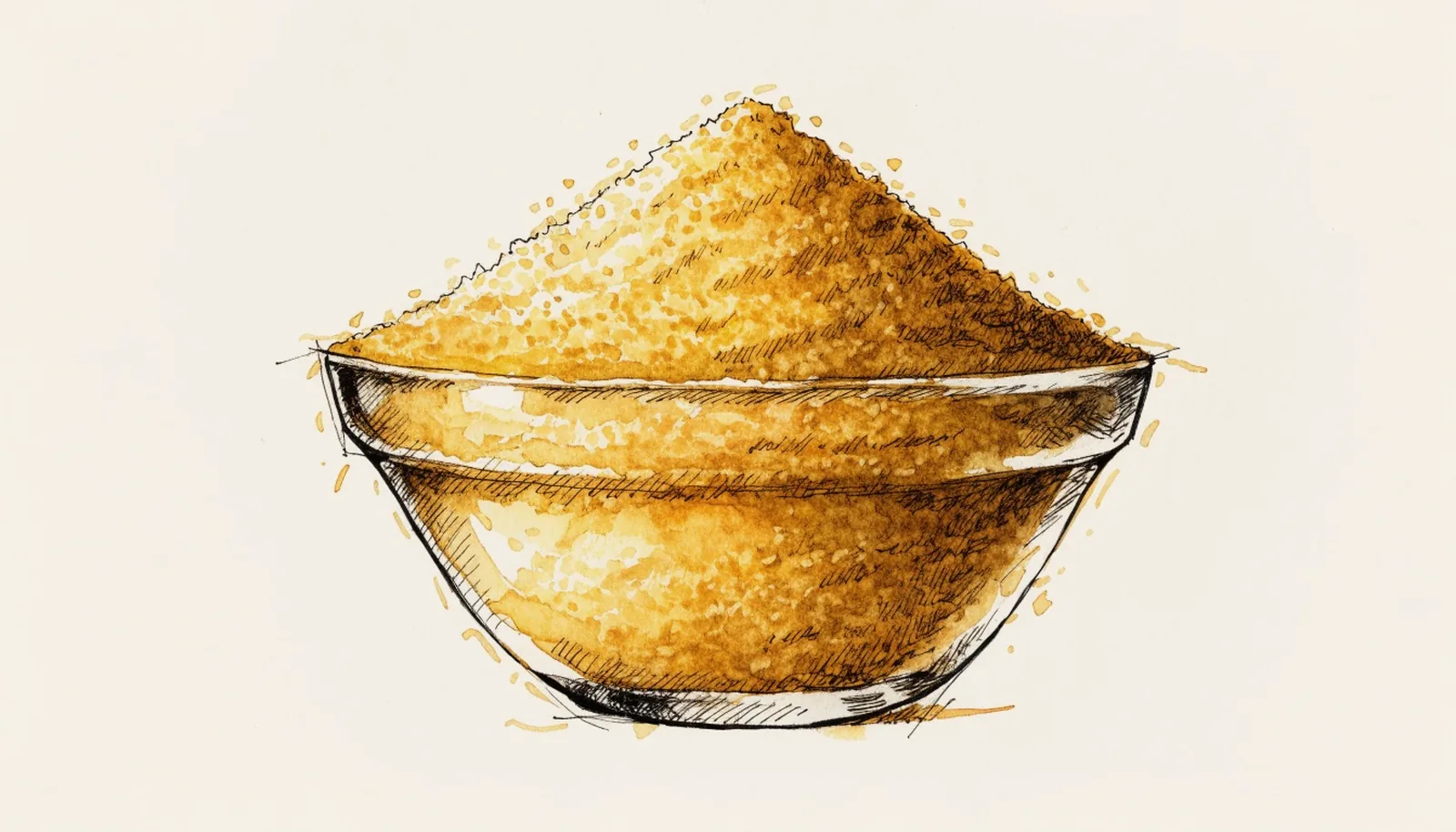
Coarse stone-ground cornmeal from northern Italy. What bramata means, how it differs from fioretto and instant polenta, how to judge a bag you buy, and how long it takes.
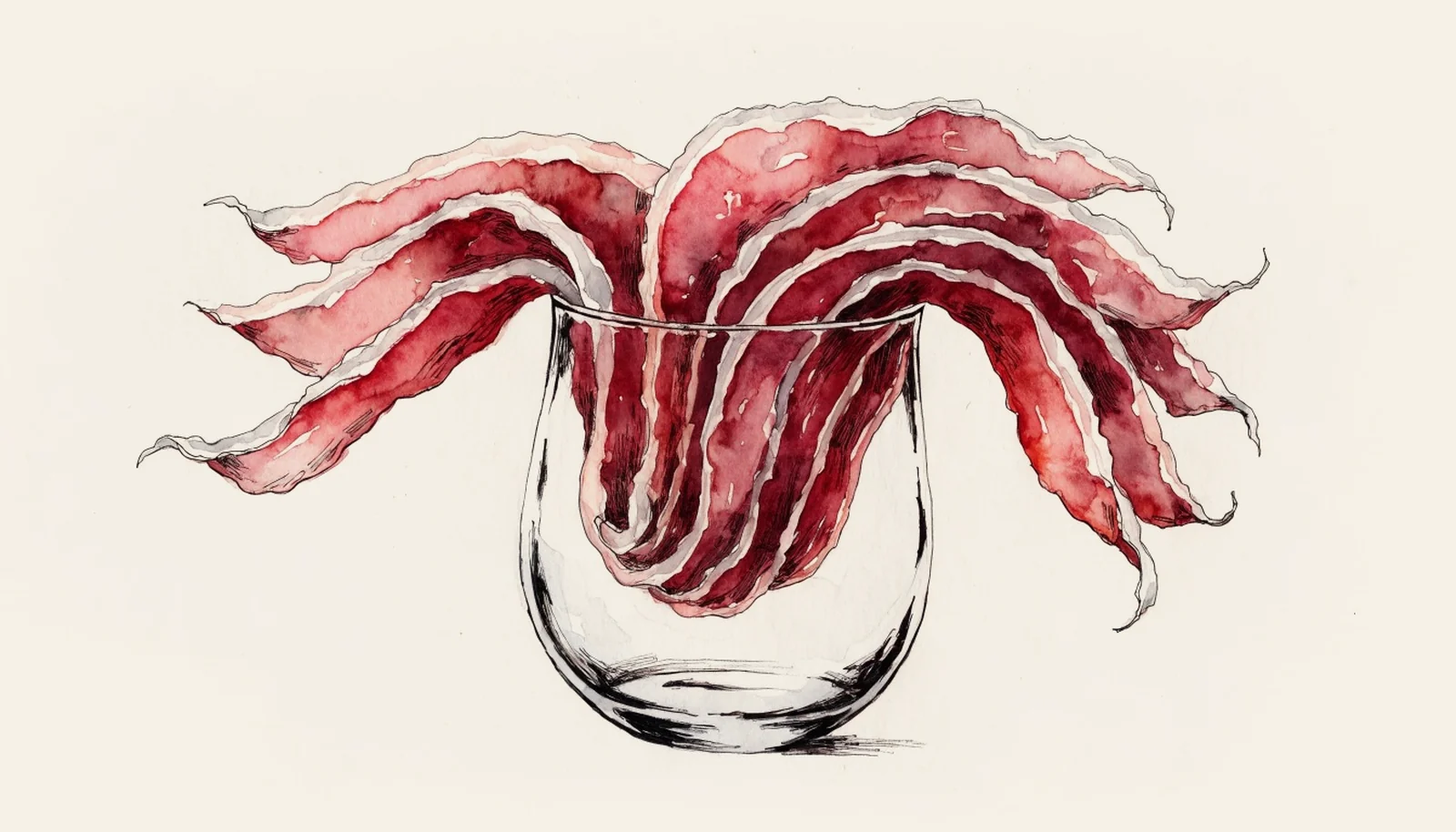
Prosciutto di Parma carries a DOP and a branded crown. What the mark controls, how ageing changes it, how to judge and buy it, and how it differs from San Daniele and generic prosciutto.
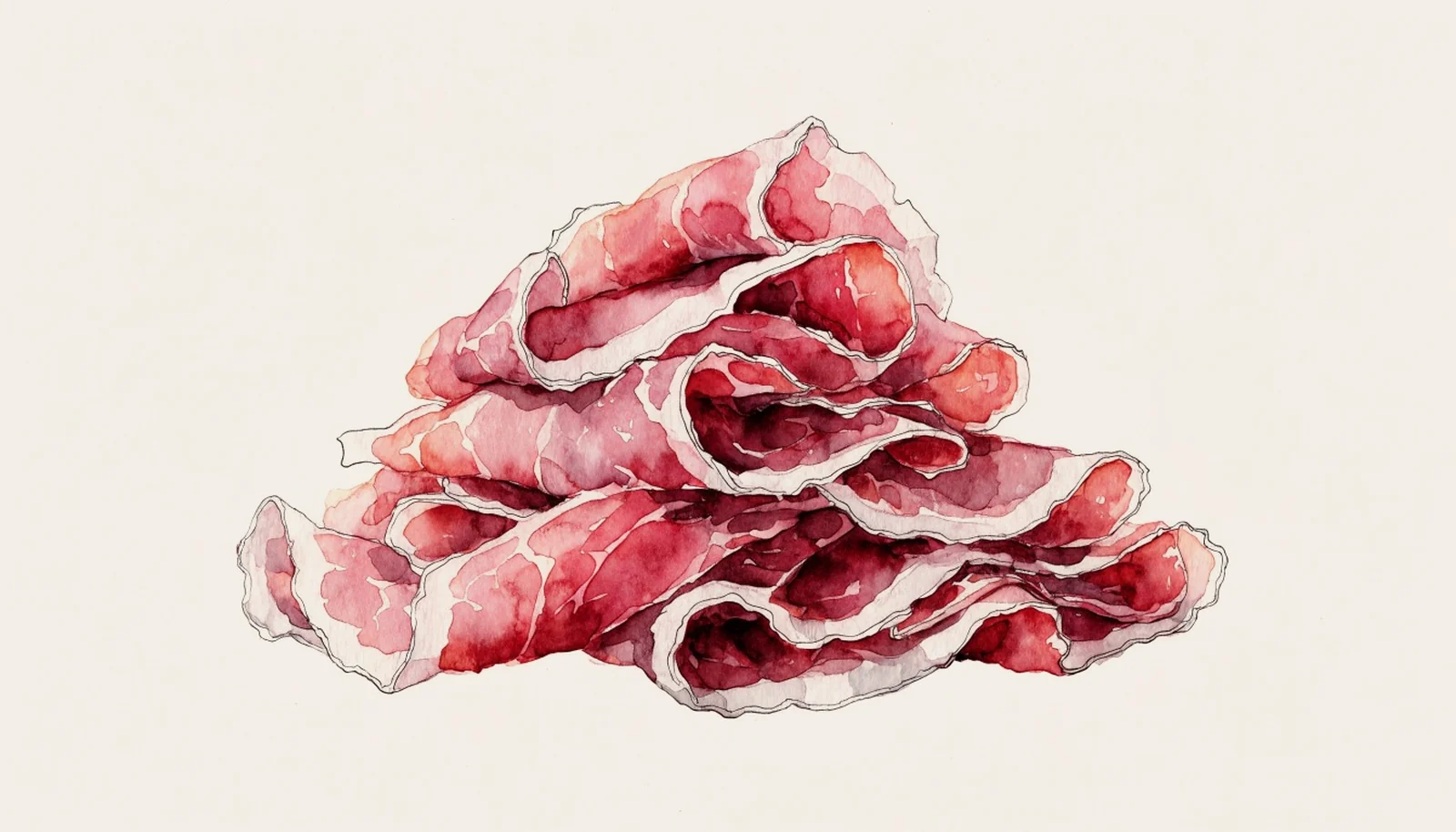
The Friulian DOP ham pressed flat with the foot still attached. Why the zone is a single town, what the two-ingredient rule excludes, how it differs from Parma, and how to judge and use it.
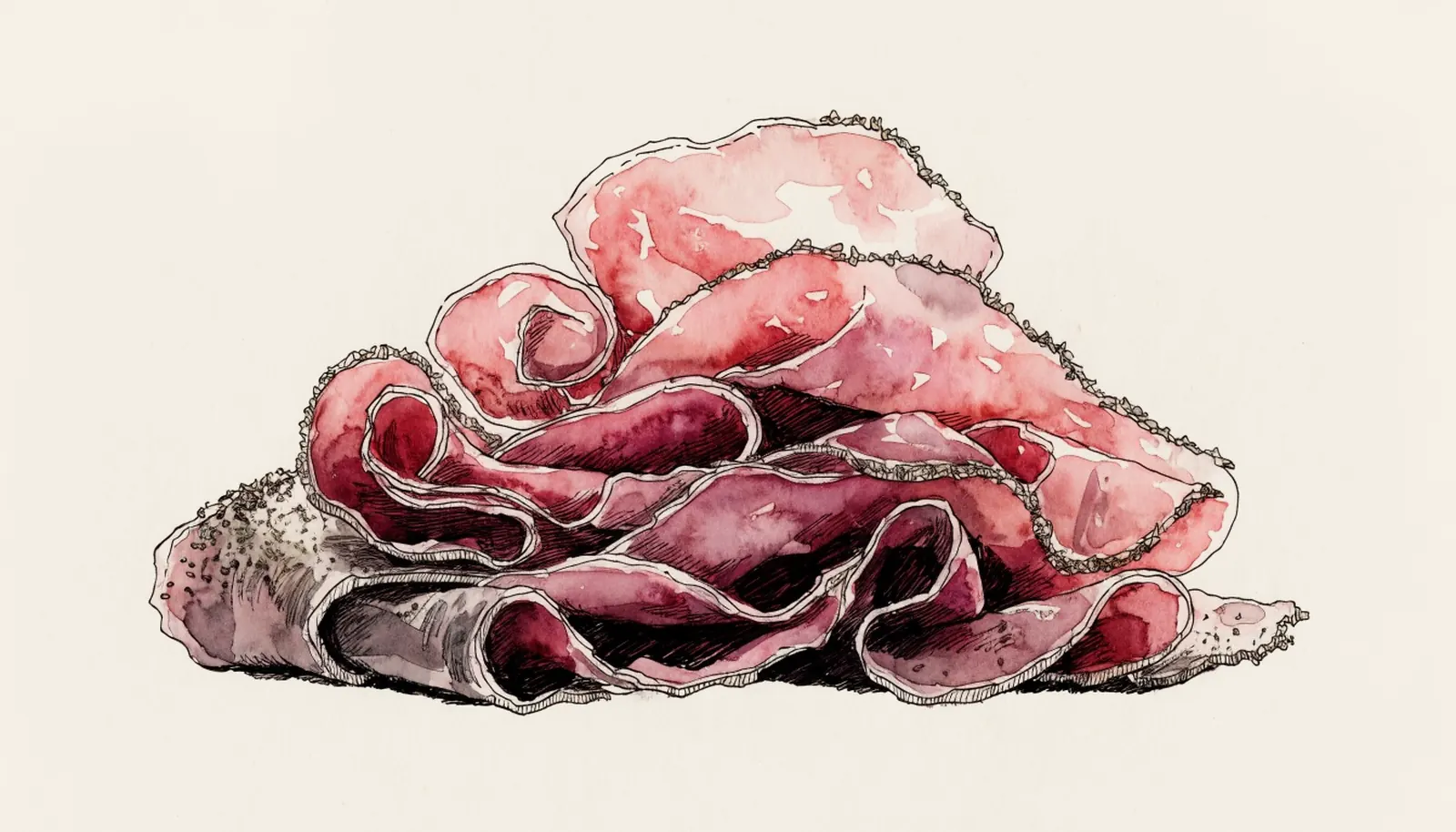
Pepper, garlic and juniper on the surface, a deeper trim and a saltier result. How Tuscan prosciutto differs from Parma and San Daniele, and how to judge and use one.
Puglia produces around half of Italian olive oil. What the regional style is, which cultivars to buy and how to use them, and what Xylella has done to the groves.
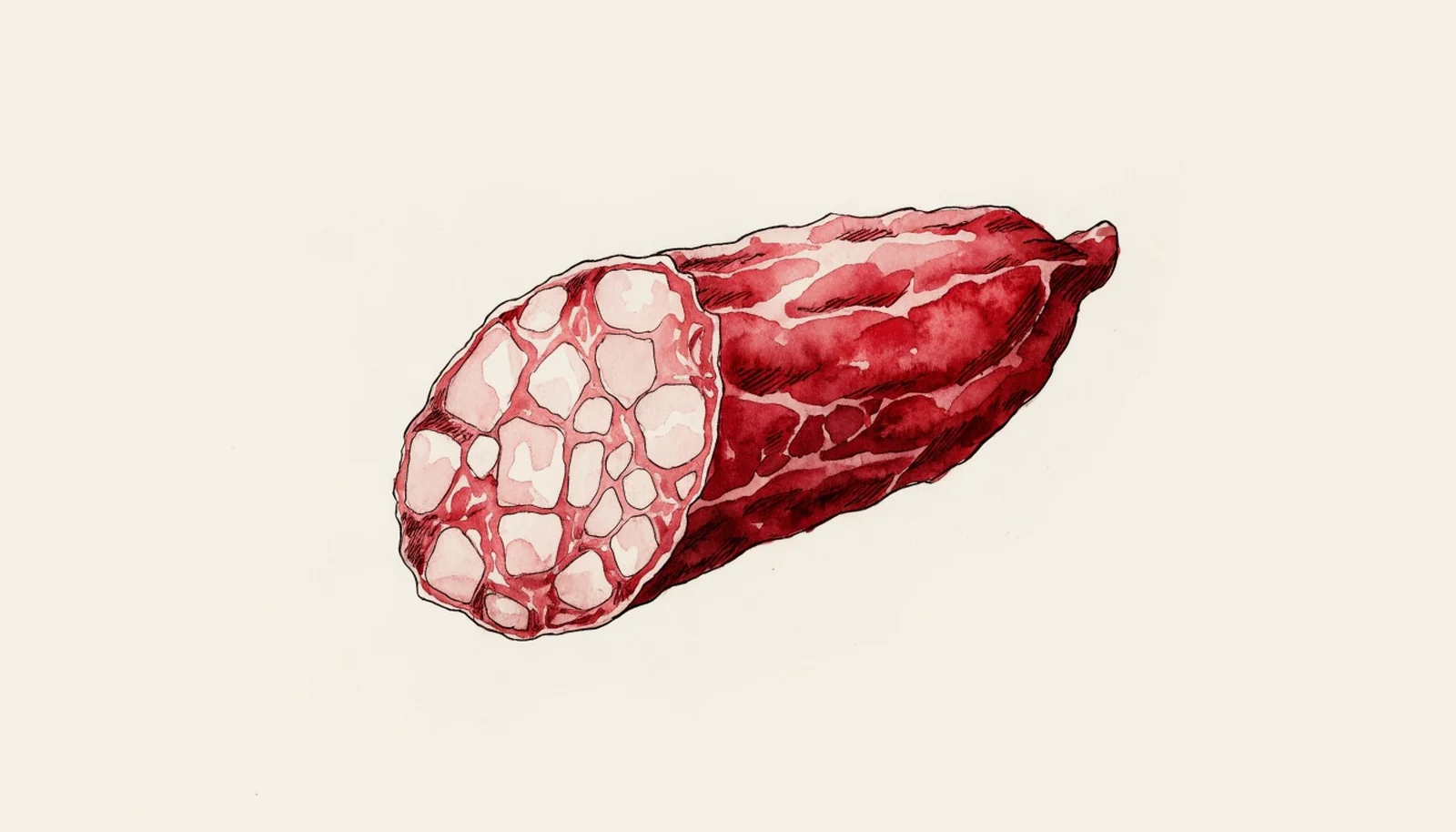
Lean pork, whole peppercorns and white wine, aged in natural gut. What the IGP covers, why the slice is cut at an angle, how to judge one, and how to buy the IGP rather than a Felino-style one.
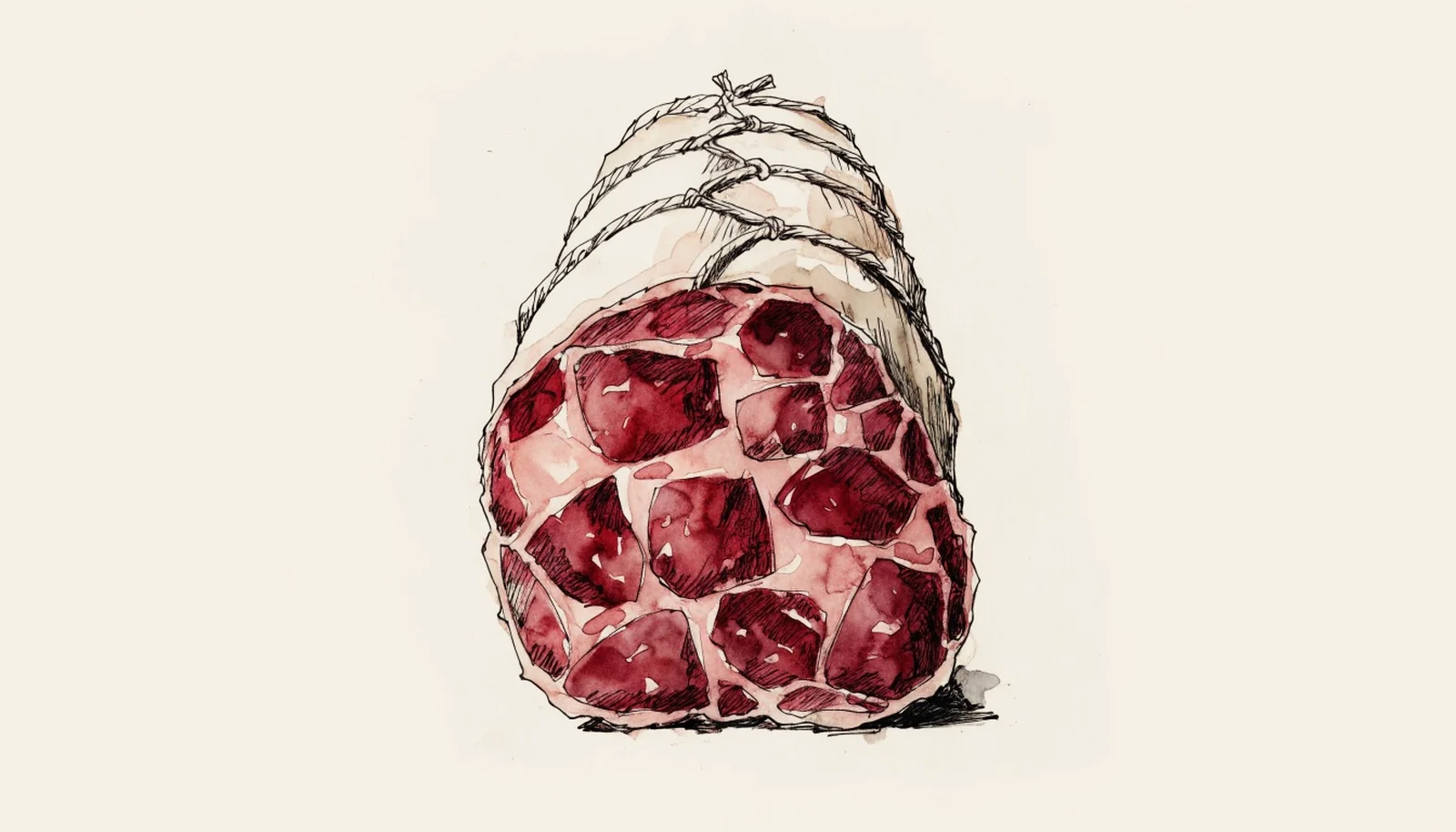
An Oltrepo Pavese salami cured in four named formats by calibre, seasoned with garlic infused in red wine. What the DOP fixes, how to judge a piece, and how to use it.
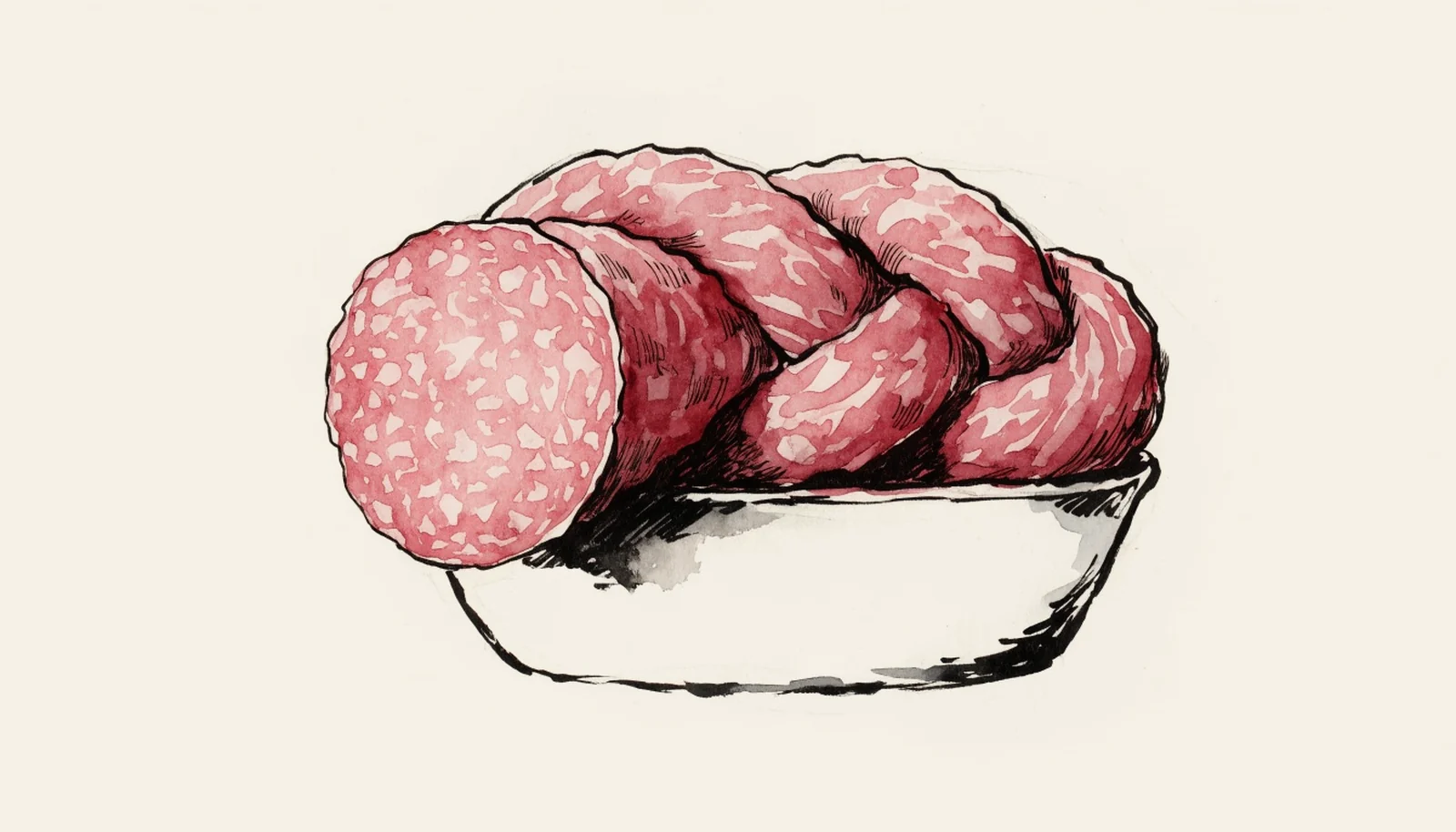
The rice-grain grind that made the standard Italian salami. How Milano differs from Genoa, why it carries no DOP or IGP, and why the ingredient list is what you judge before you buy.
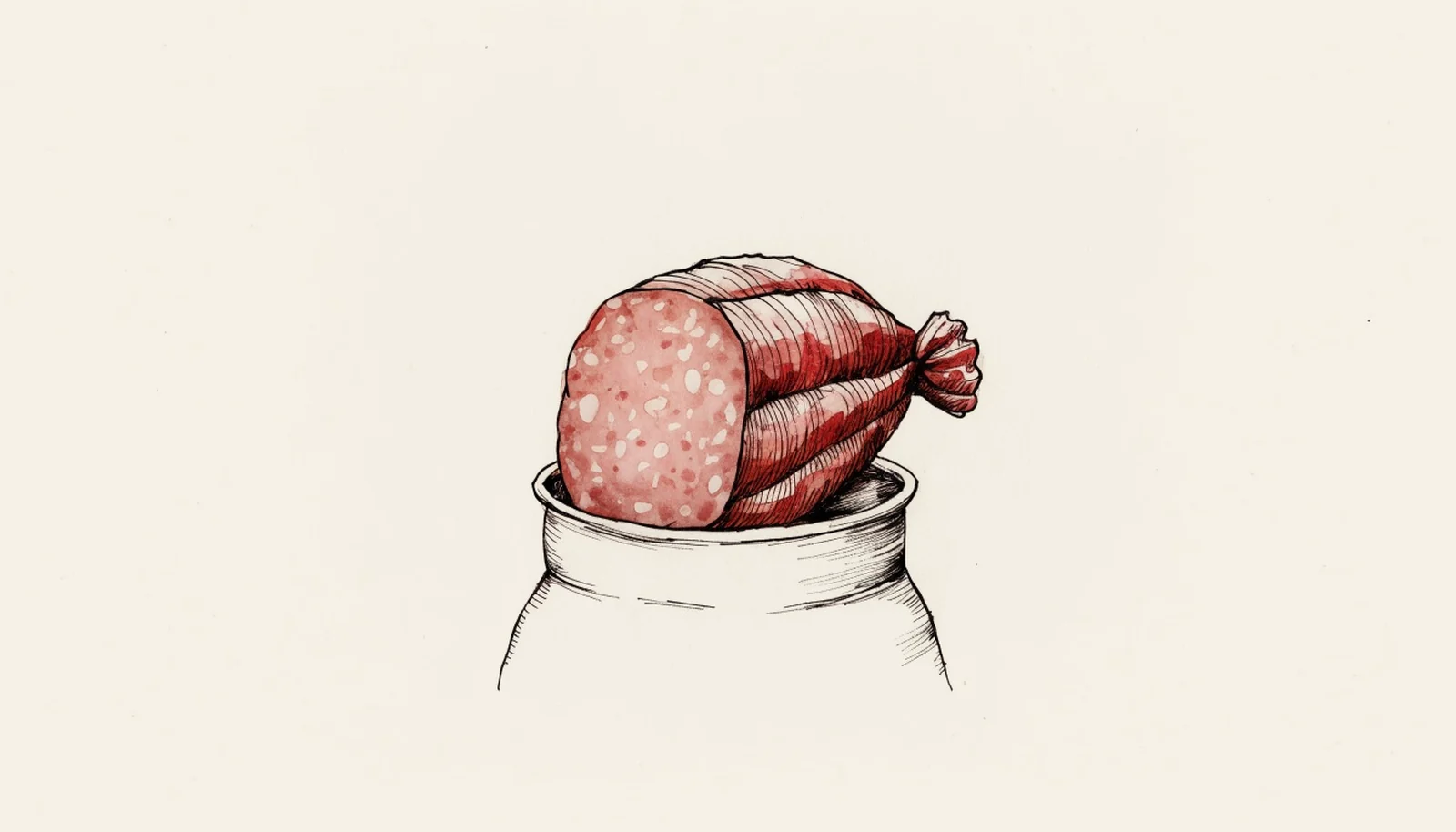
Sant Olcese salami contains beef and is lightly smoked. Genoa salami on a US deli counter is a different product. What separates them, how to judge a slice, and how to buy either.
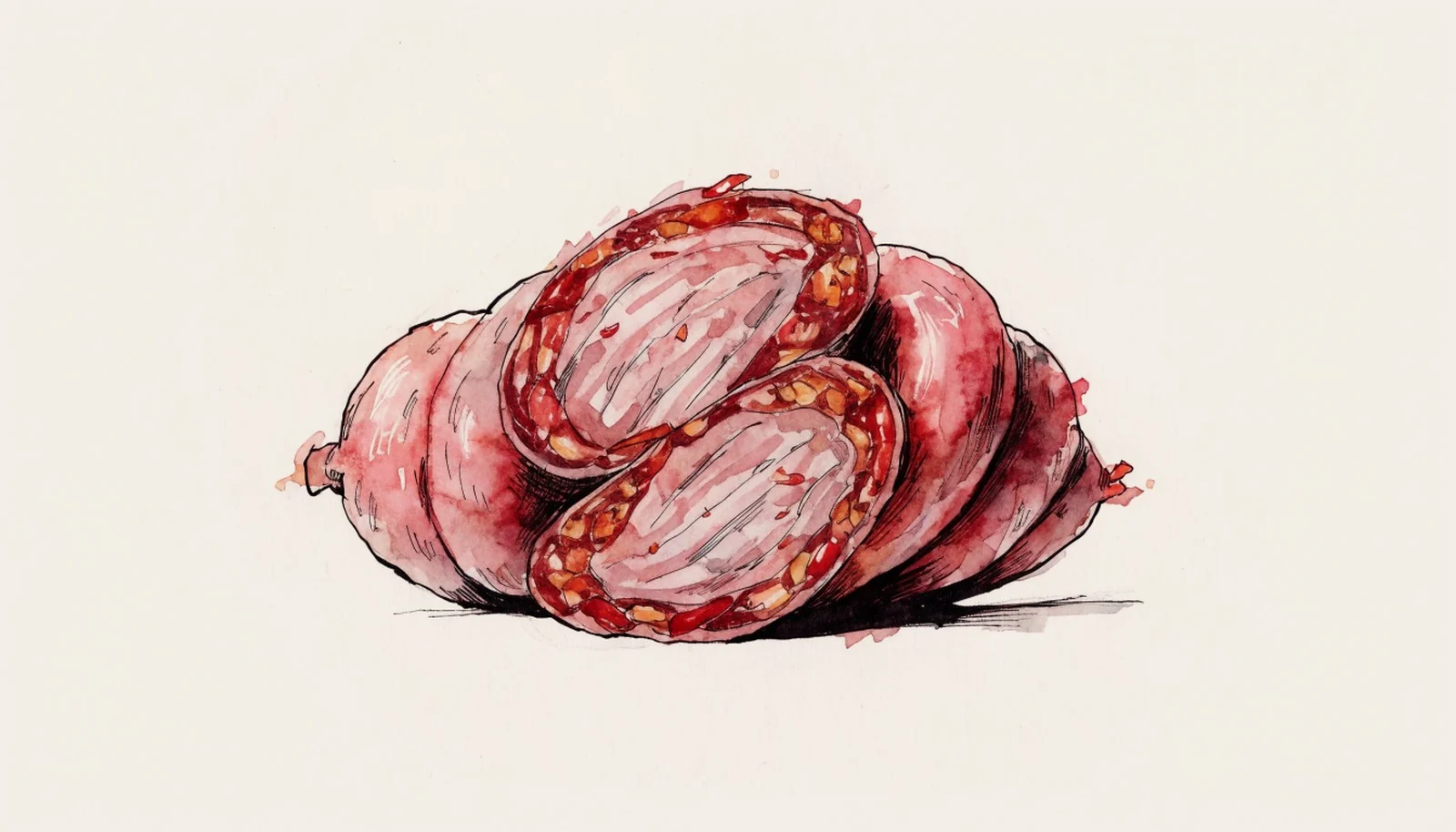
A long, narrow, peppery Campanian salami, sometimes lightly smoked. What a PAT listing does and does not guarantee, how it differs from American Napoli salame, and how to judge and use it.
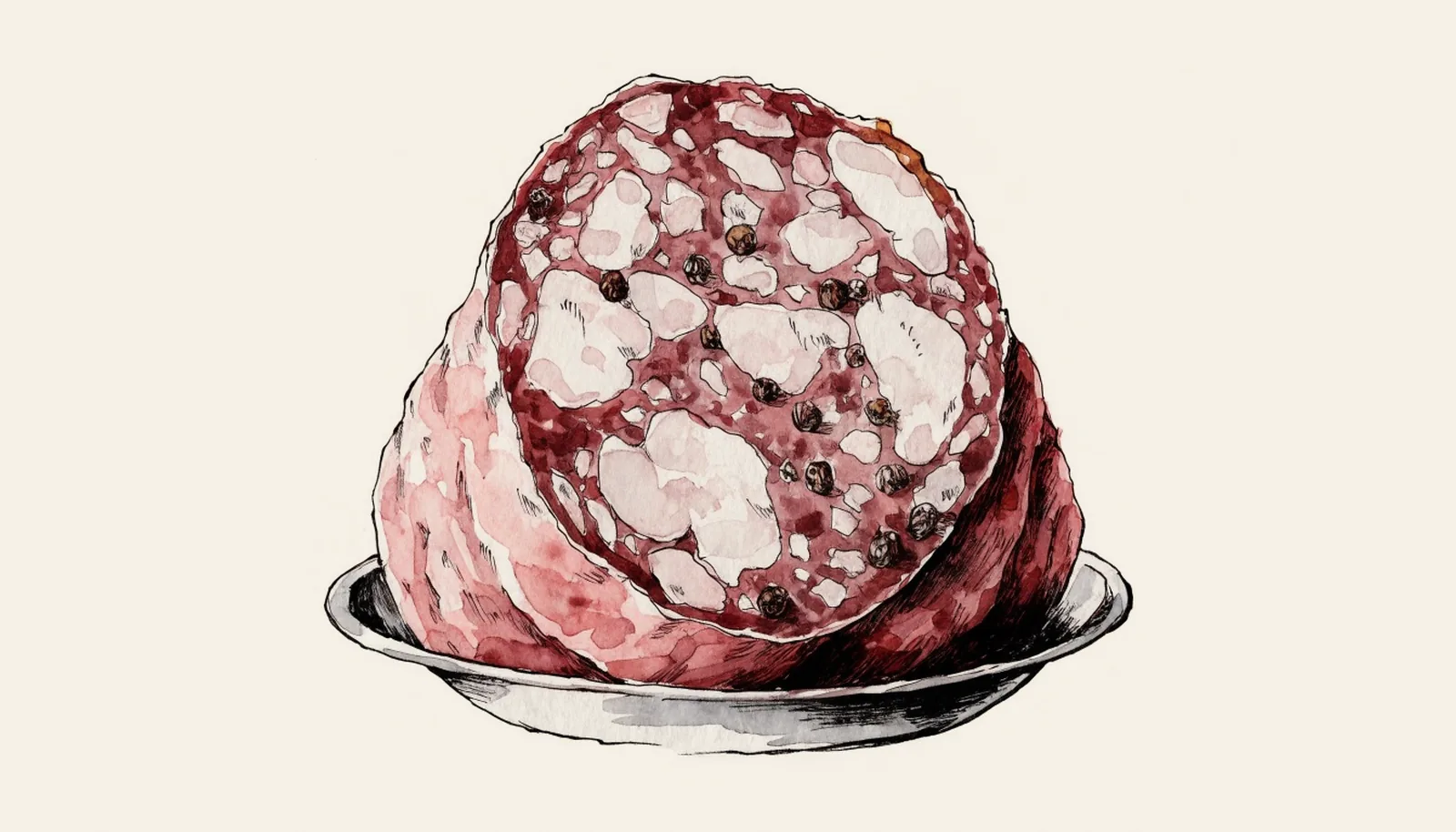
Coarse Tuscan salami studded with large cubes of back fat and whole peppercorns. Why the cubes are the identity, why it has no designation, how US producers took it up, and how to judge and use it.
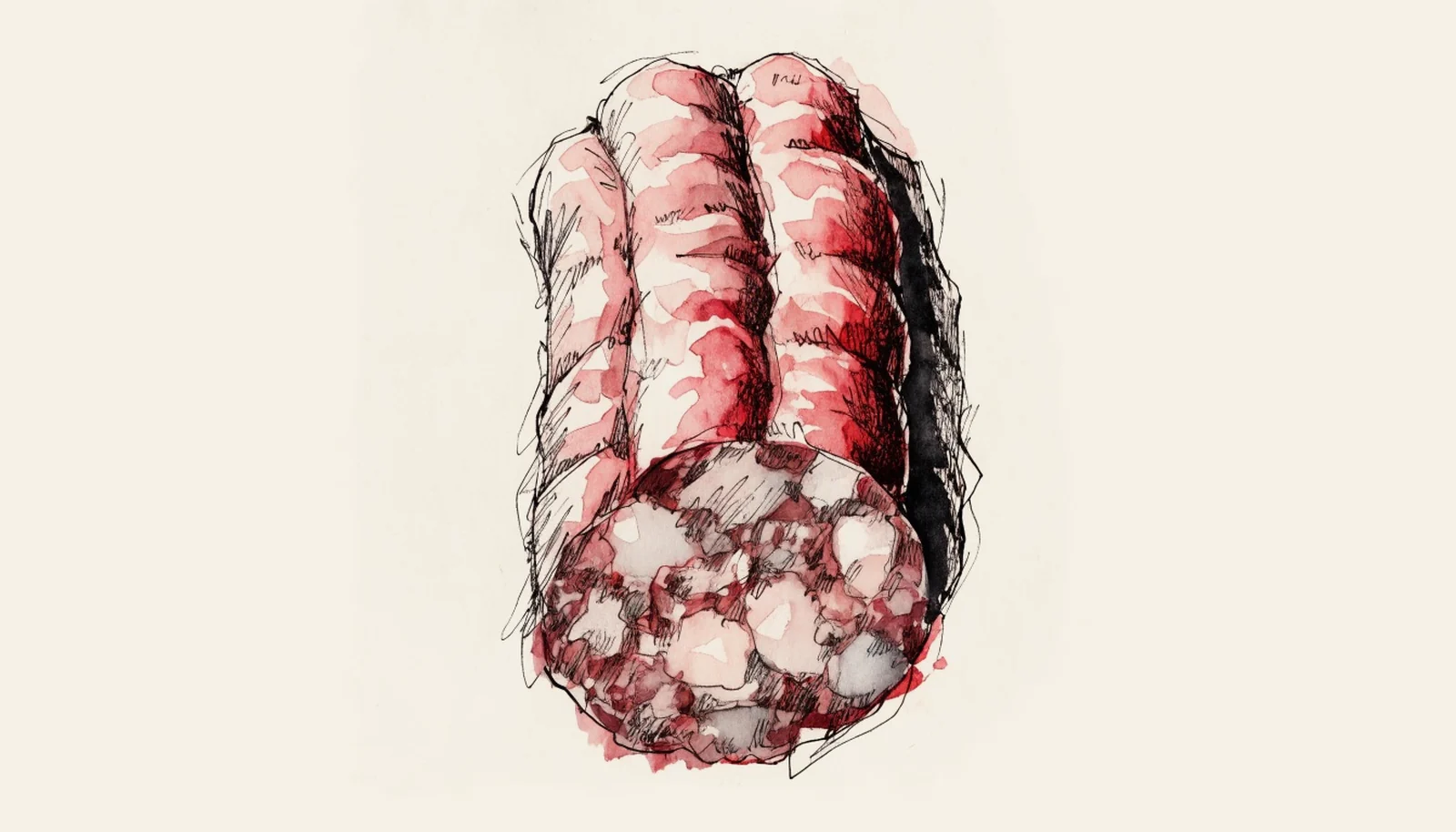
Southern Italian pork sausage hung to dry and eaten uncooked. Why salsiccia means two different things in America, what the Calabrian DOP covers, and how to judge and use one.
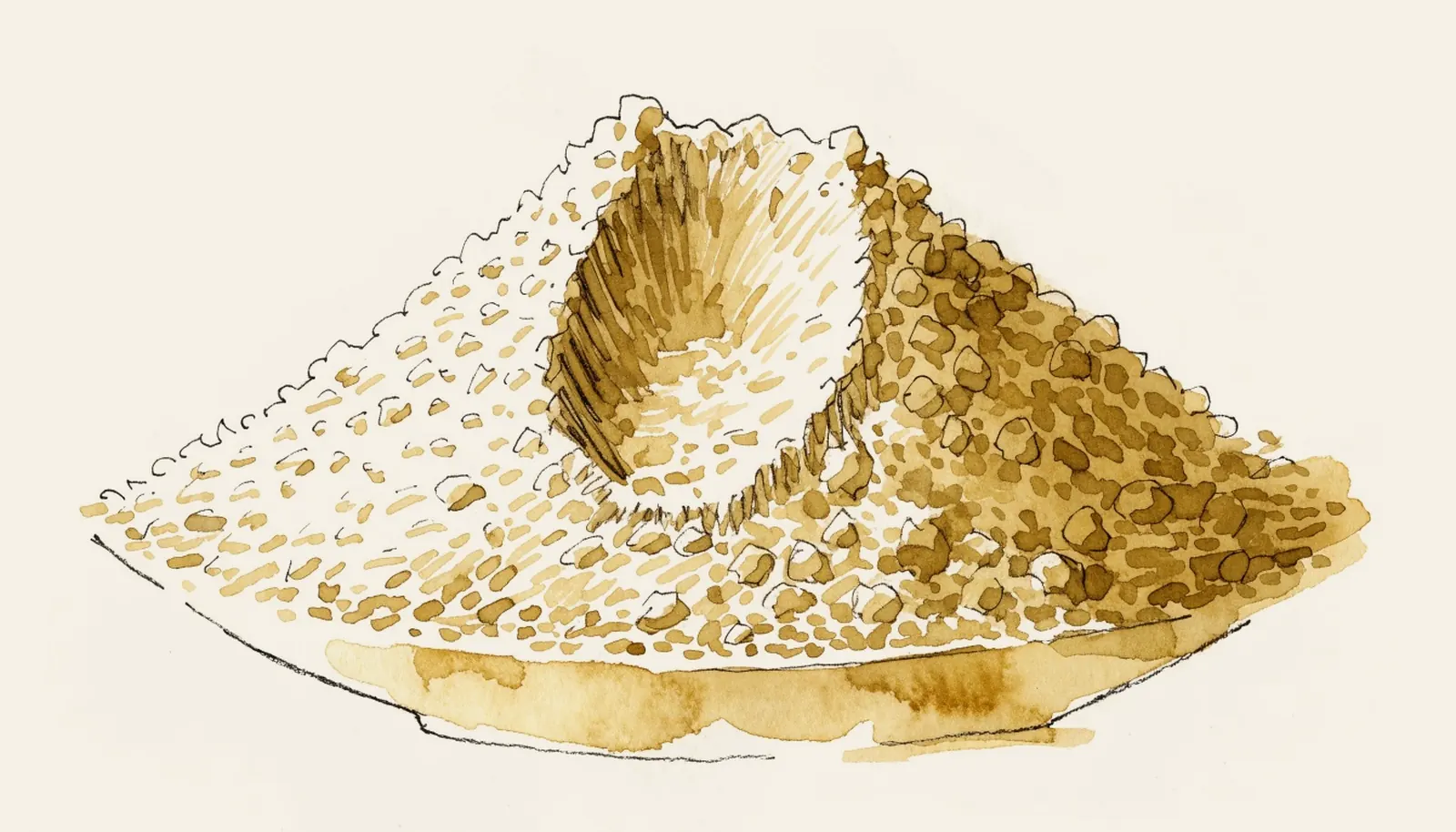
Durum wheat milled coarse or twice-milled fine. What the Italian labels mean, why pasta and bread want different ones, what to buy, and what to use each for.
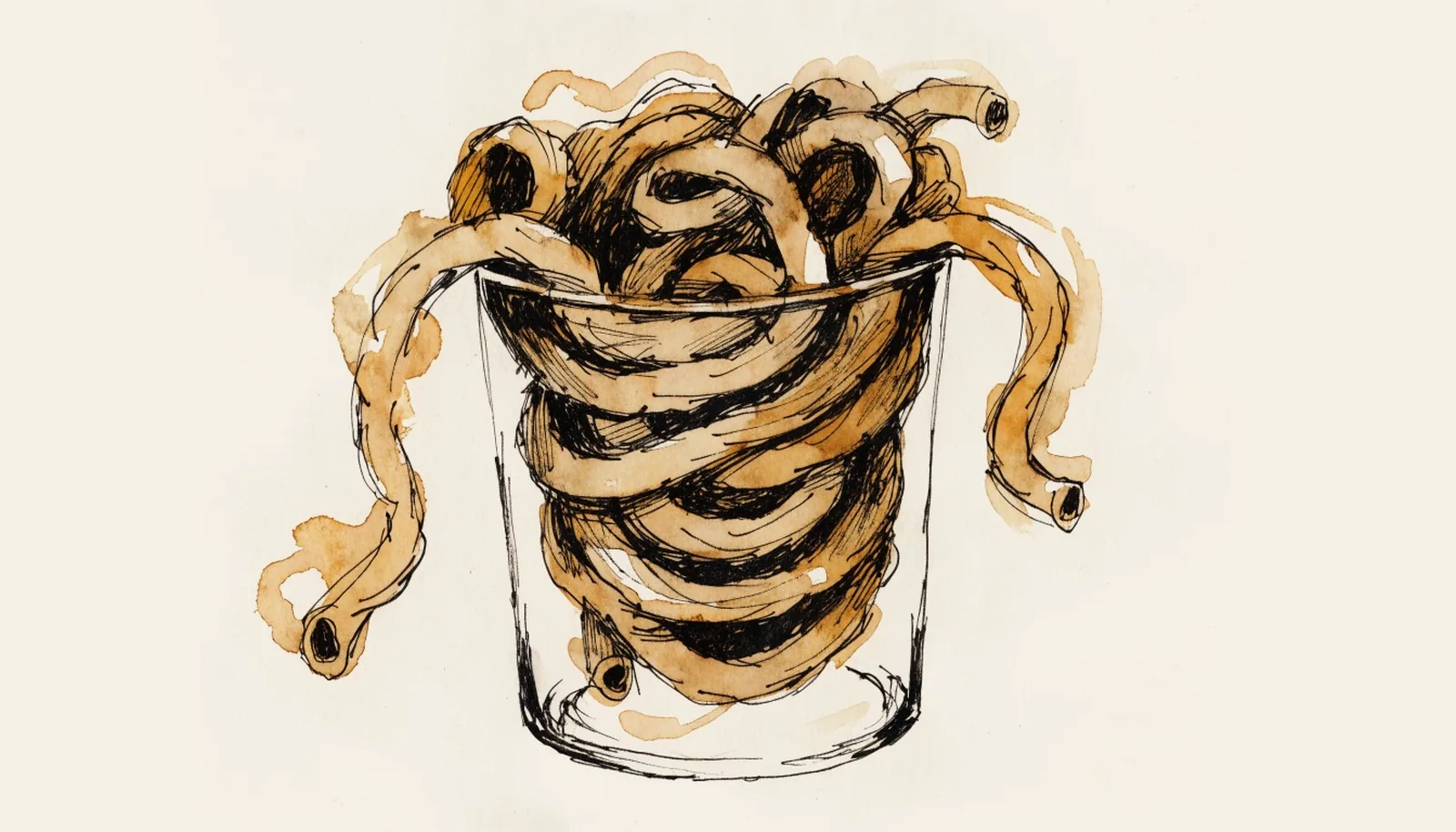
A durum variety bred in 1915 and largely abandoned for yield, now revived as a premium pasta wheat. What it is, how to judge the claims, and what to check before you buy.
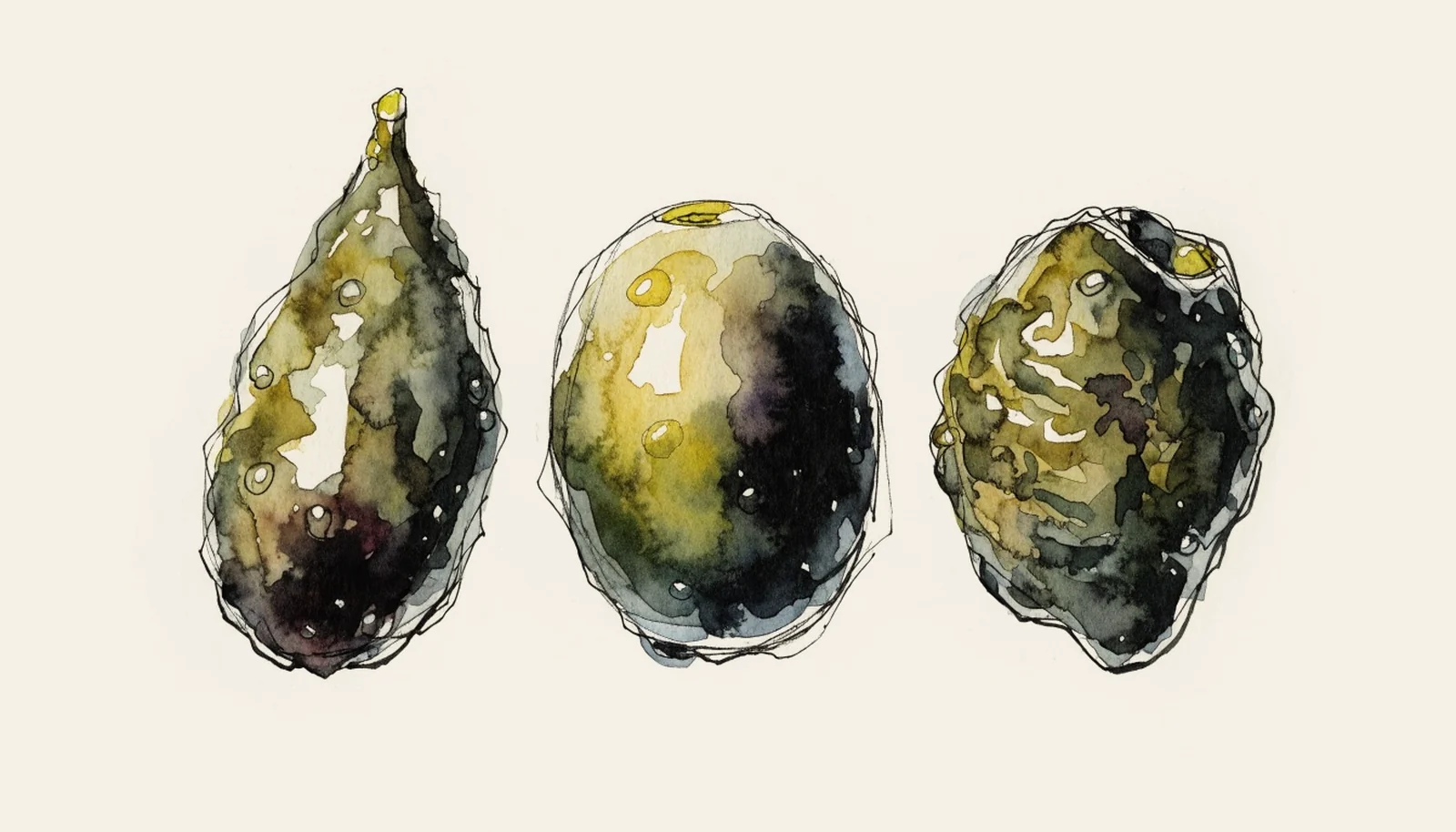
The island style built on nocellara del belice, biancolilla and cerasuola. What the DOP zones cover, what a Sicilian oil should taste of, and how to buy and use one.
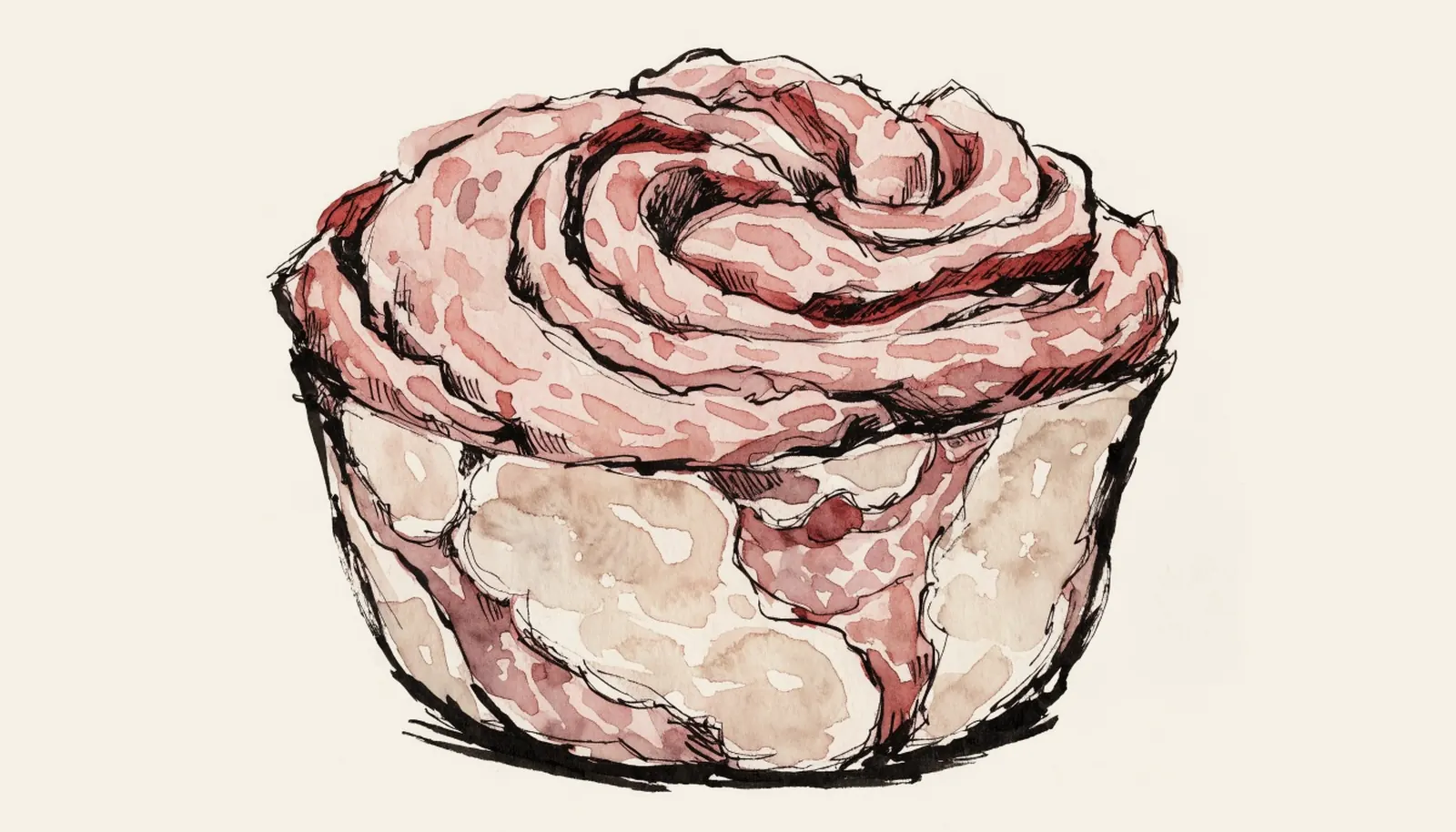
A large, soft, gently spiced salami from the Veneto, unrelated to Calabrian soppressata beyond the name. What the Vicenza DOP covers, how to judge one, and how to use it.
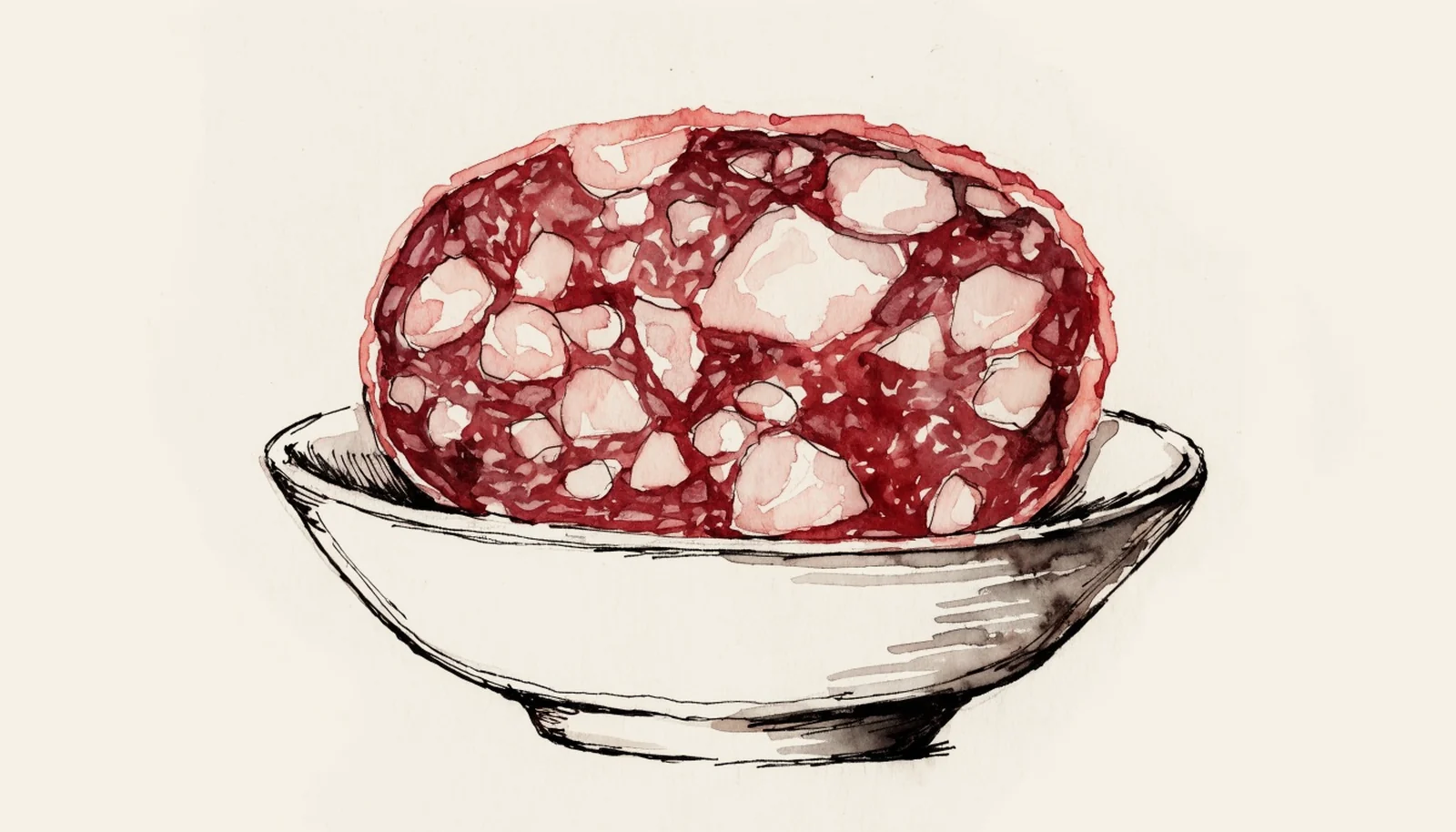
A dry-cured pressed salami made very differently in Calabria and in Tuscany. Which one your recipe means, how to judge a piece, what it should cost, and where to buy it.
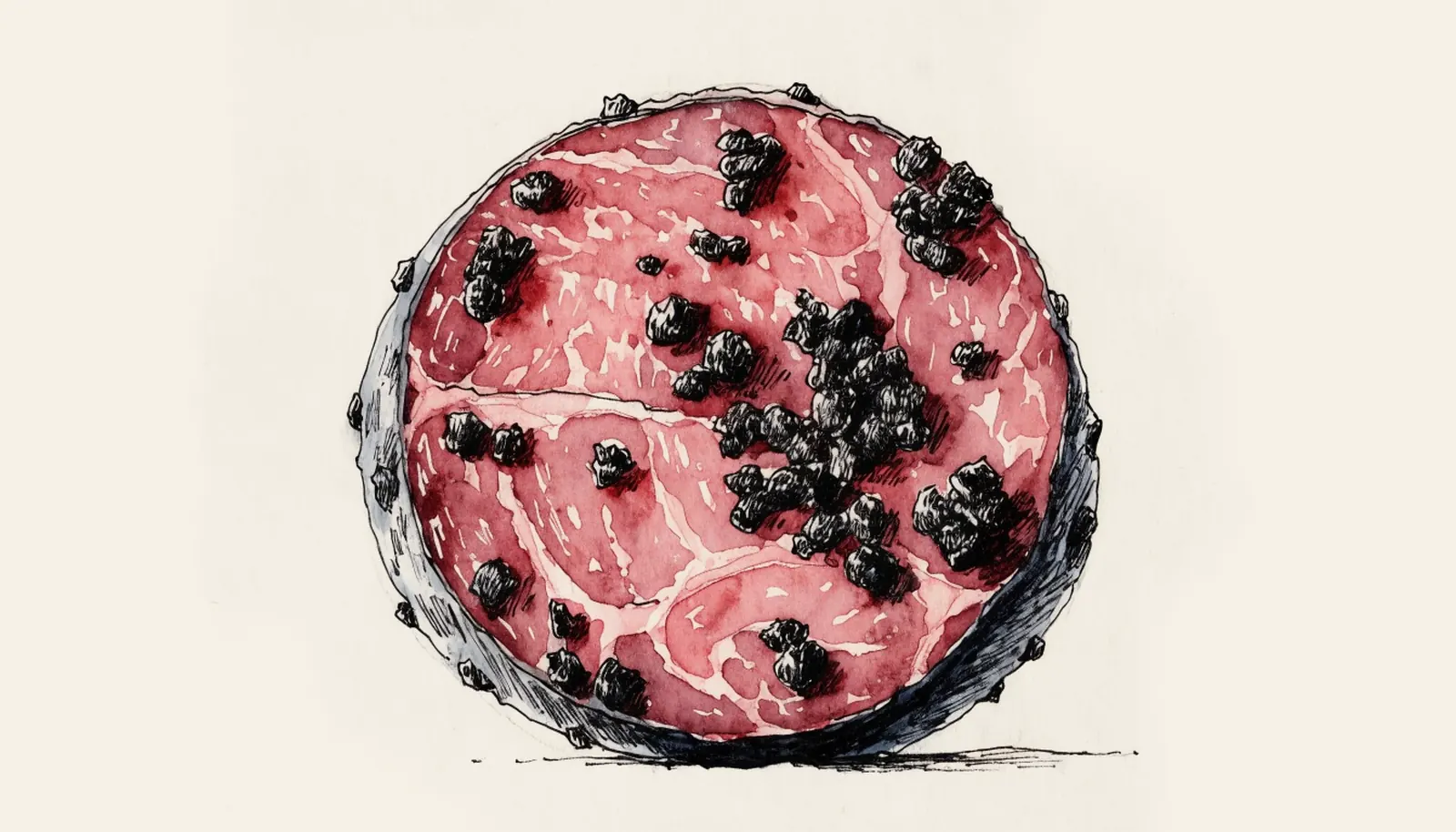
A northern Italian ham that borrows from both the Mediterranean and the Alpine traditions. What the IGP requires, why the word speck alone means little, and how to judge and use it.
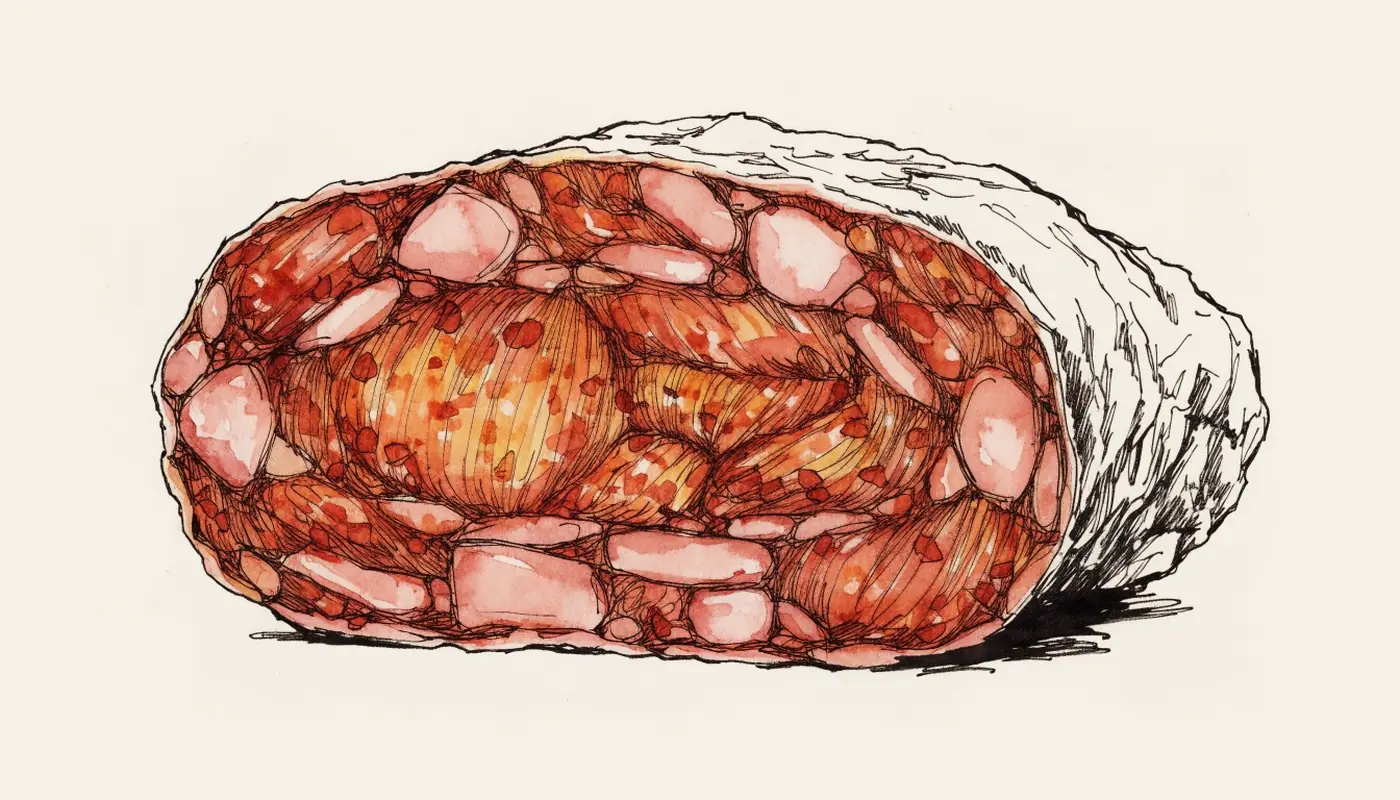
A flattened Calabrian or Roman salami with a wide oval slice. What the pressing does to the cure, how piccante differs from romana, and how to judge and use one.
A thin, quick-cured salami made from the trimmings left after a culatello is shaped. Why it is eaten within weeks, why the best come from the best hams, and how to judge and use one.
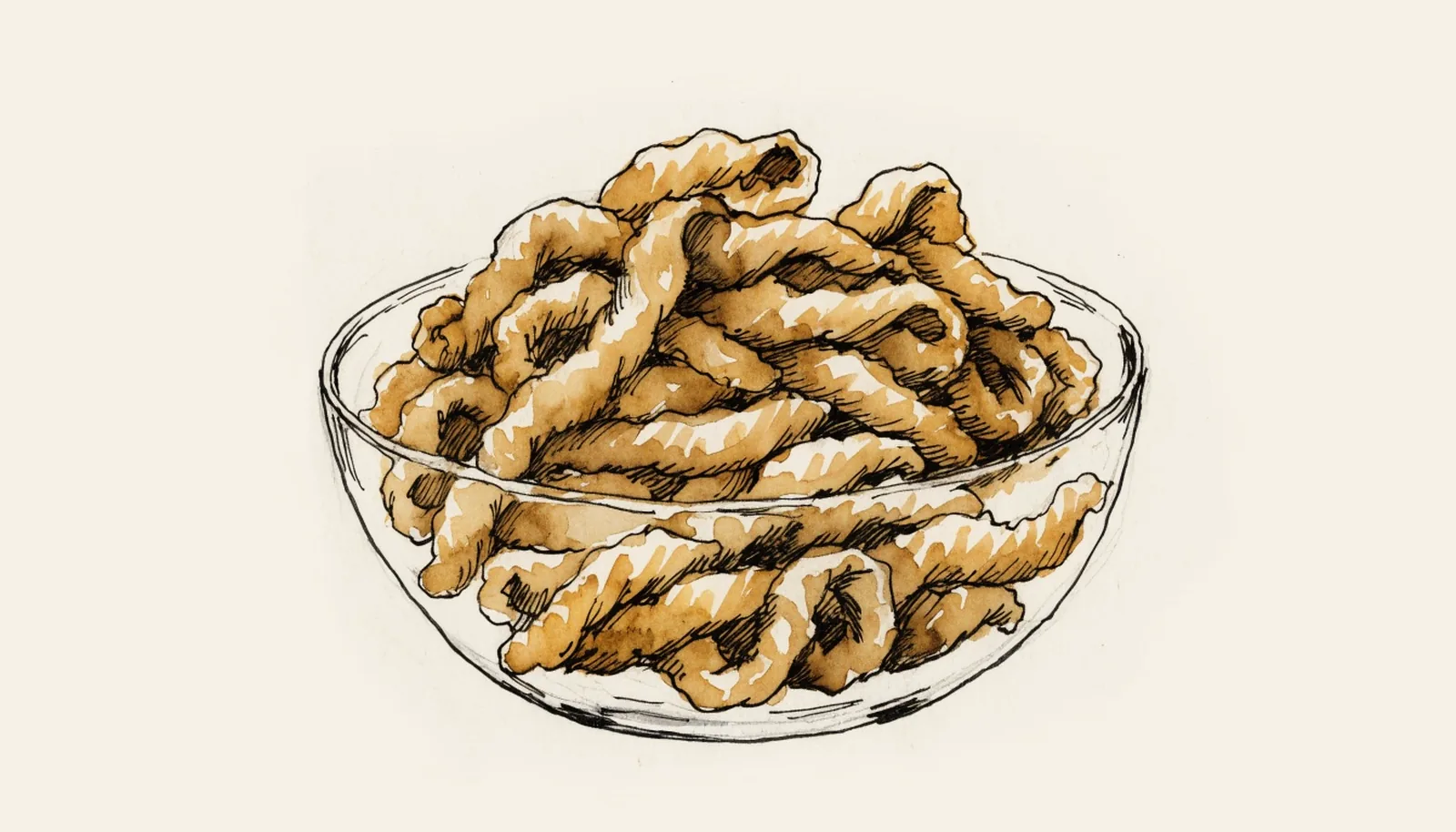
Hand-rolled twists from Emilia-Romagna whose name means priest stranglers. What they are, how they differ from casarecce, how to judge a box you buy, and the stories behind the name.
A small Ligurian olive giving a sweet, low-bitterness oil. Where the name comes from, why it is expensive, how monocultivar differs from a regional blend when you buy, and how to use it.
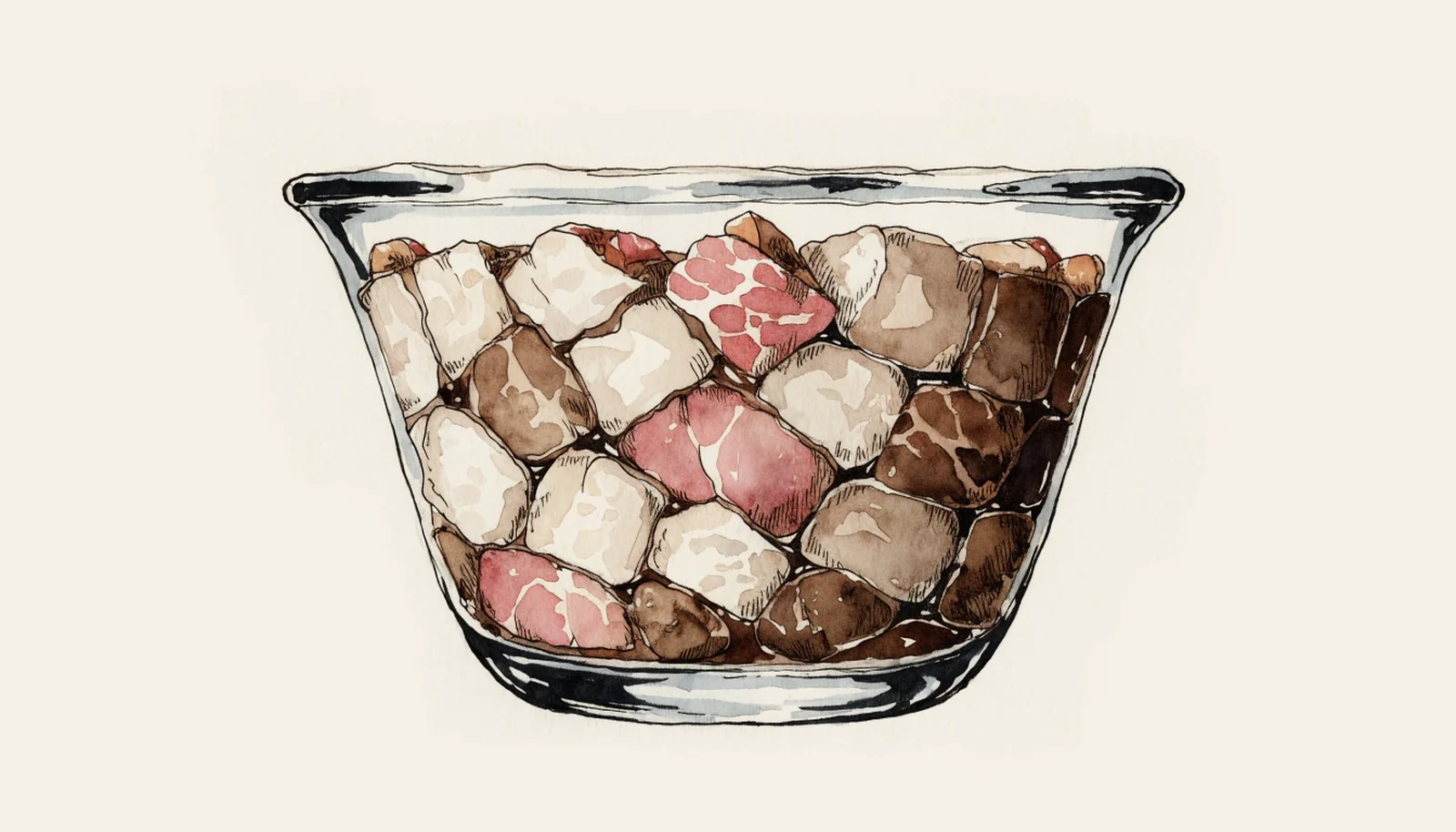
Boiled head meat set in its own gelatin with pine nuts, pistachios and warm spice. The Ligurian and Piedmontese tradition, why the English name puts people off, and how to judge and use it.
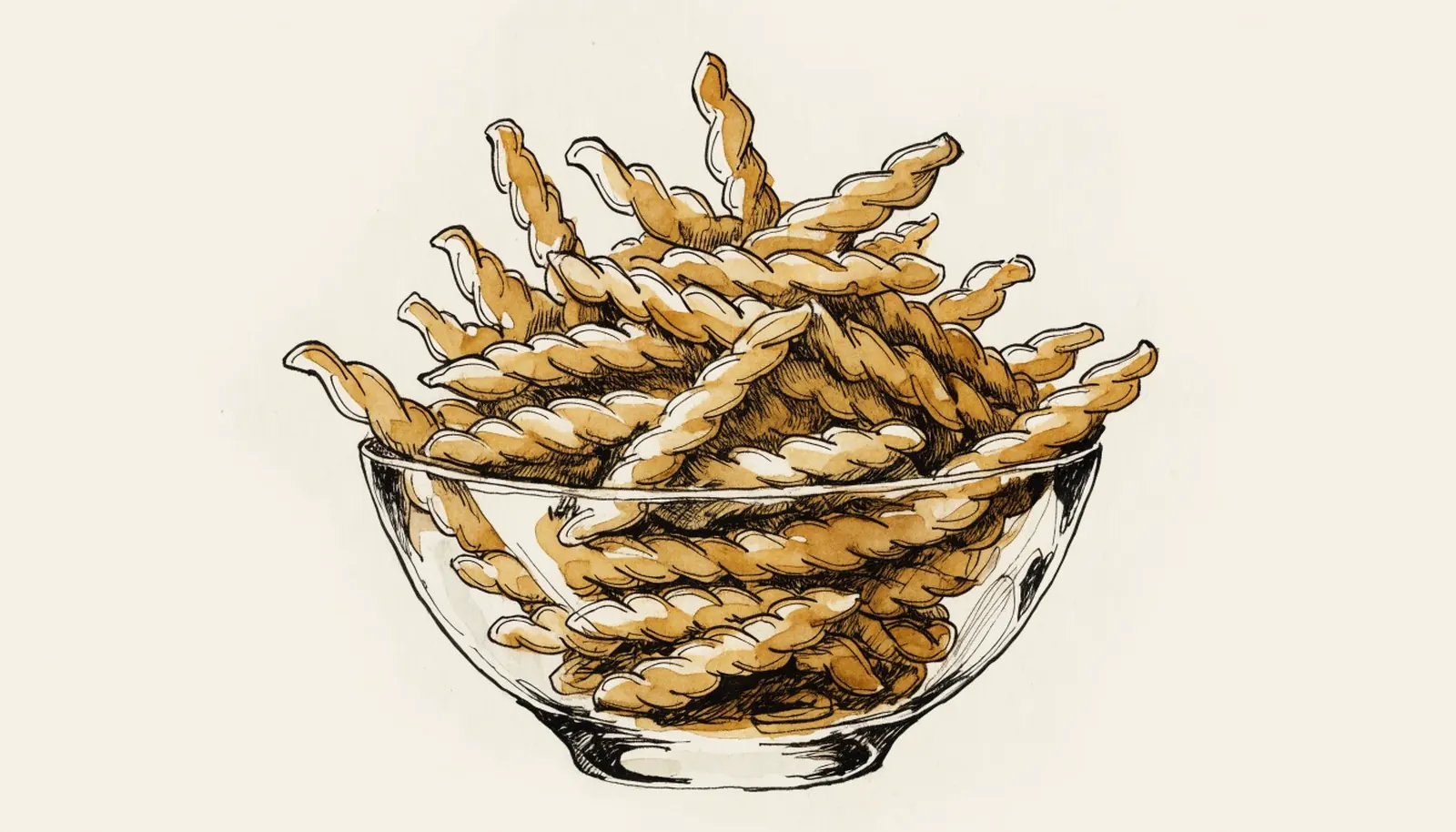
Short hand-rolled twists from Liguria, traditionally flour and water only. Why the shape suits pesto, how the dried version differs, and how to judge a box before you buy.
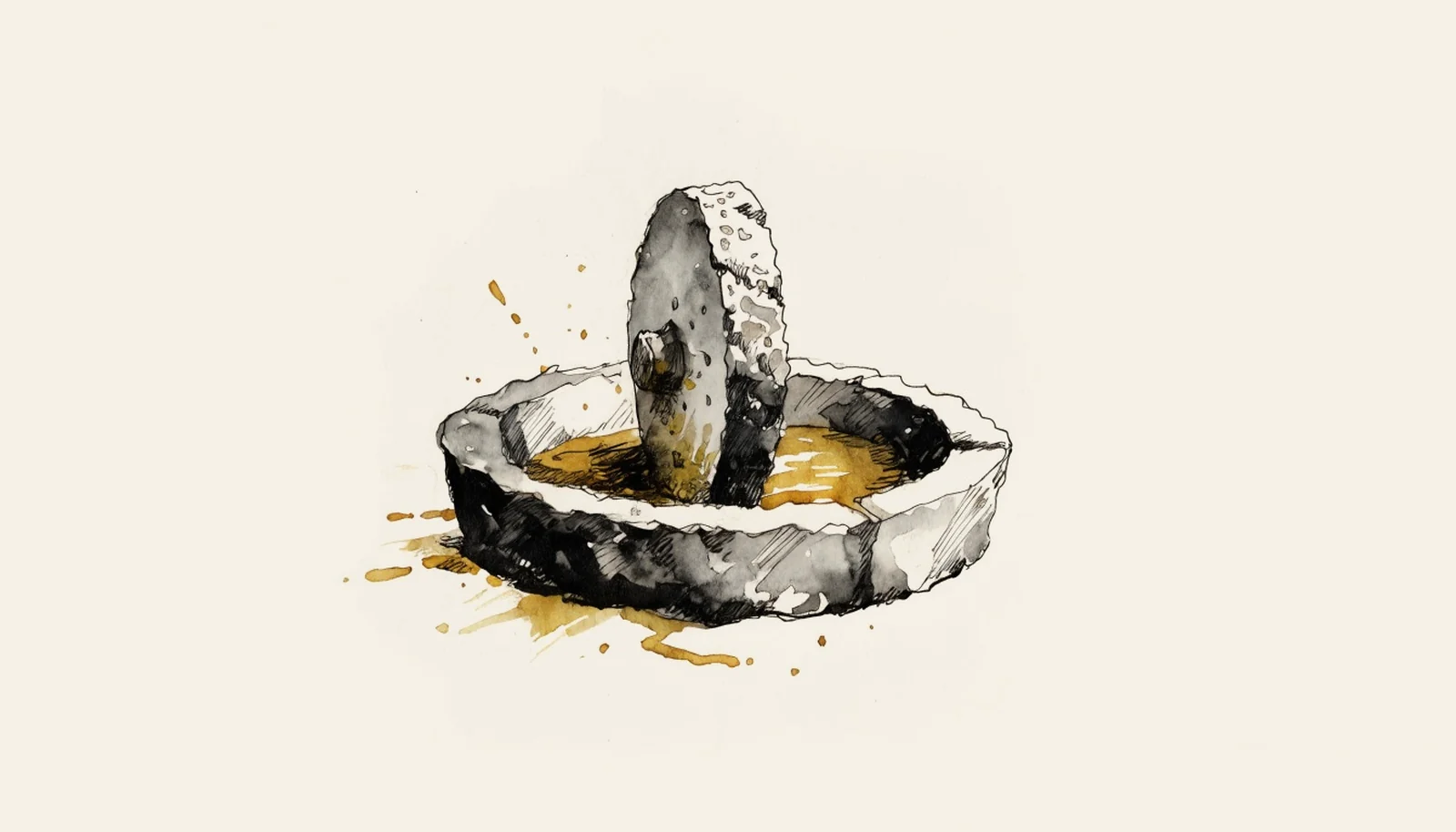
The style Tuscany is known for, the cultivars behind it, what the IGP covers, why a genuine Tuscan oil tastes aggressive rather than smooth, and how to buy and use it.
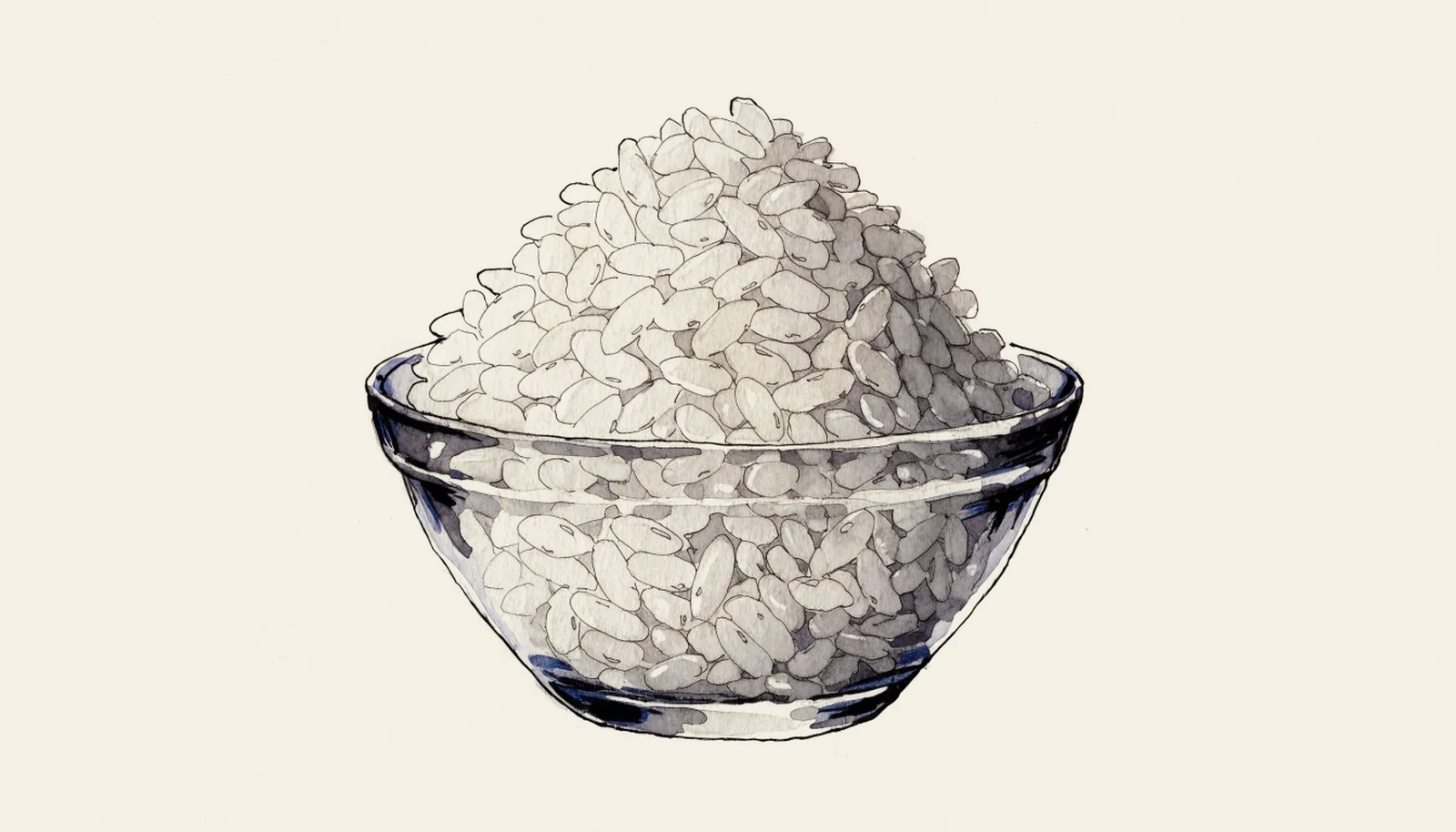
A short semifino rice from the Verona plain, the one to use for wetter Venetian risottos, and one of three Italian rices with an EU geographical protection to check for when you buy.
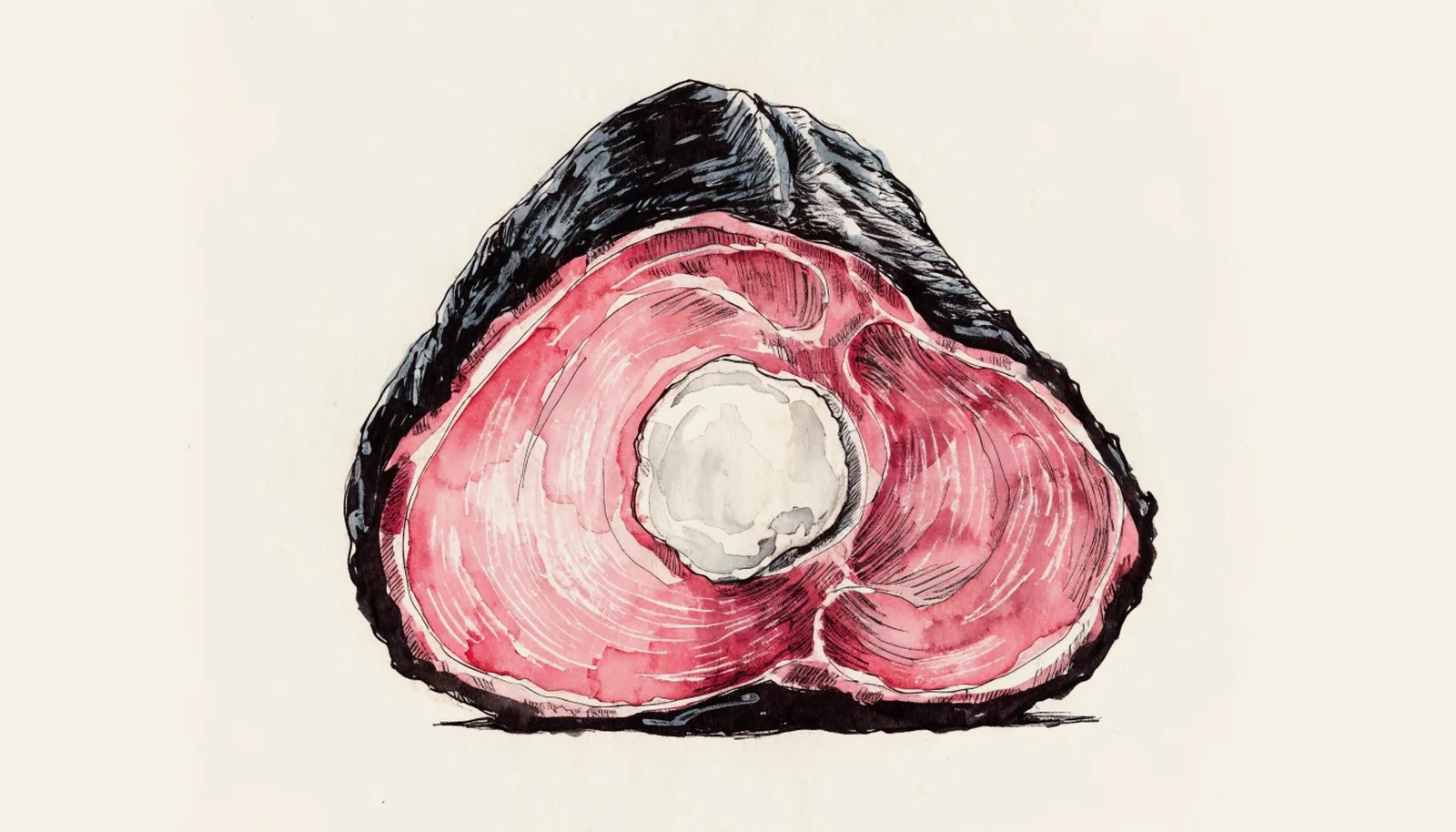
A whole goat leg cured in the Valchiavenna, held like a violin and cut with the knife as a bow. What the ritual is, why goat rather than pork, and how to judge and use one.
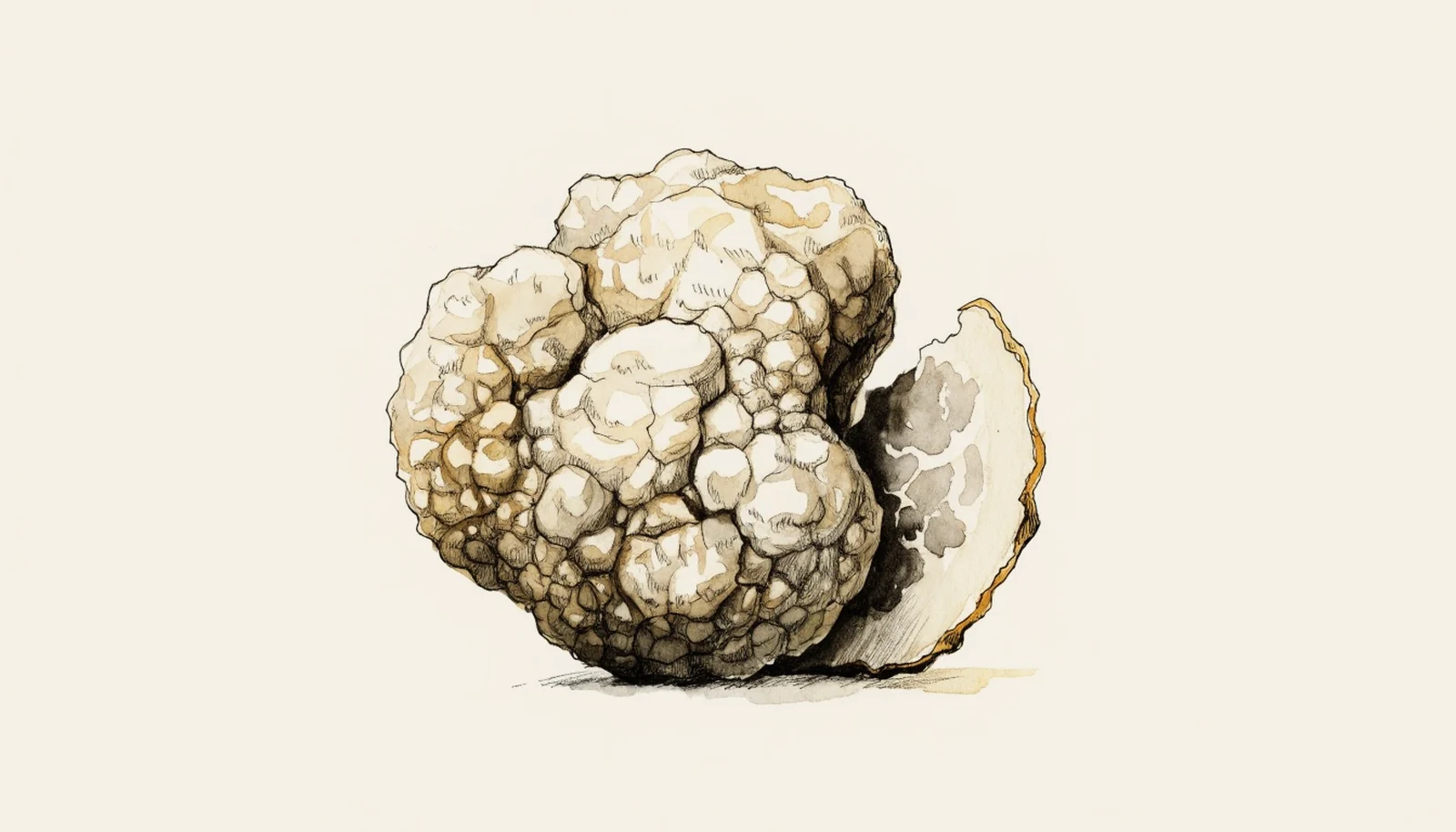
The Piedmontese white truffle, its short season, how it is priced and graded, how to tell a real one from the products that borrow its name, and how to buy and use it.
The additives, bulking agents and cheaper swaps that separate a real Italian product from an imitation, in the order they appear on a label, and how to judge a list before you buy.
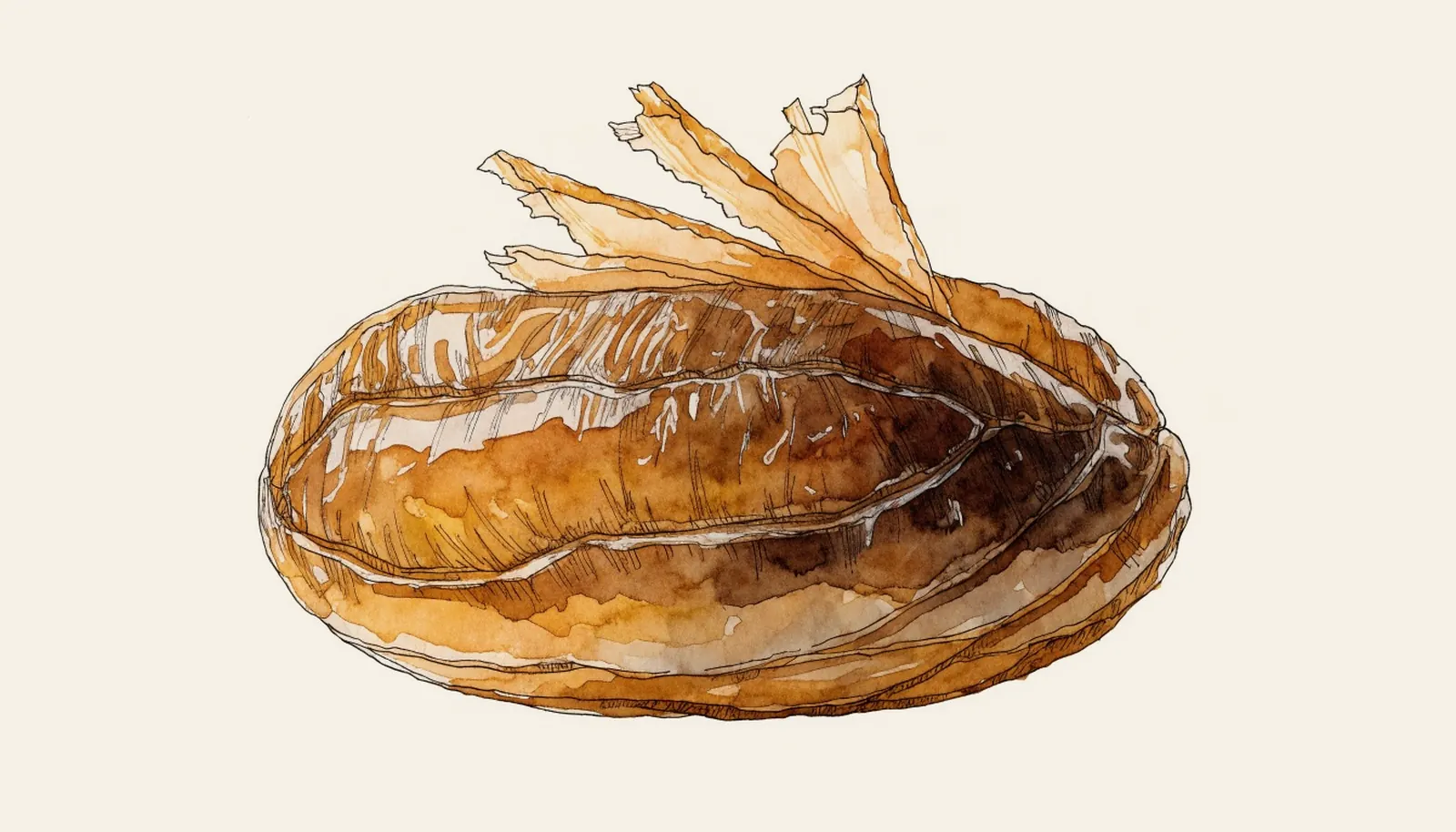
Salted pressed dried mullet roe from Sardinia, grated over pasta. Why muggine outsells tonno on quality rather than price, and how to judge and buy a lobe.
Salted pressed tuna roe from Sicily and Sardinia. Why it is coarser and saltier than mullet bottarga, the dishes where that is an advantage, and how to judge and use a piece.
What separates the authentic version of an Italian ingredient from what is sold in the United States, how to judge it, where to buy it, and where to start.
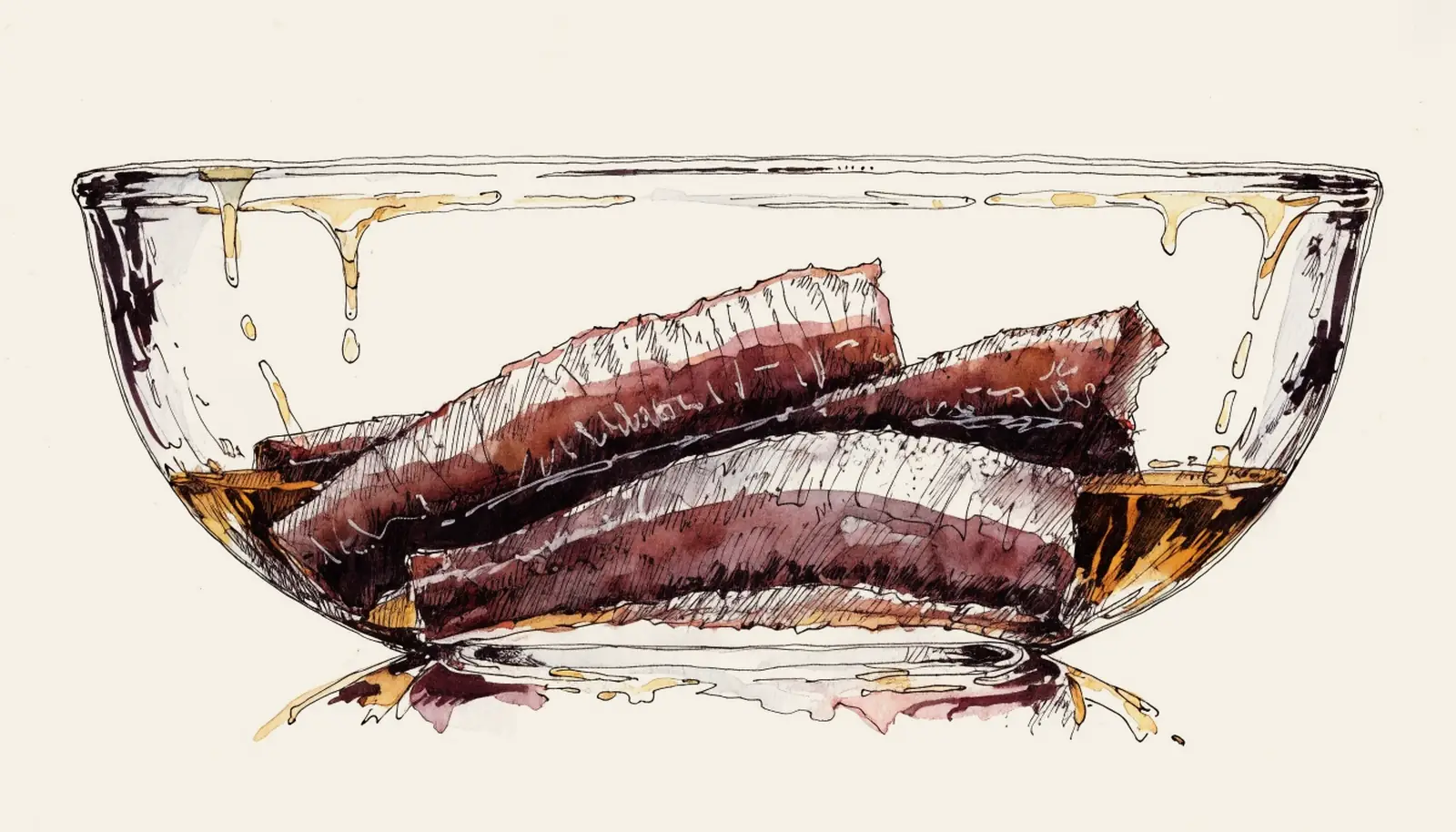
Large hand-filleted anchovies from northern Spain, the benchmark for oil-packed fillets. Why an Italian pantry carries them, how to judge a tin, and when to buy them rather than salted ones.
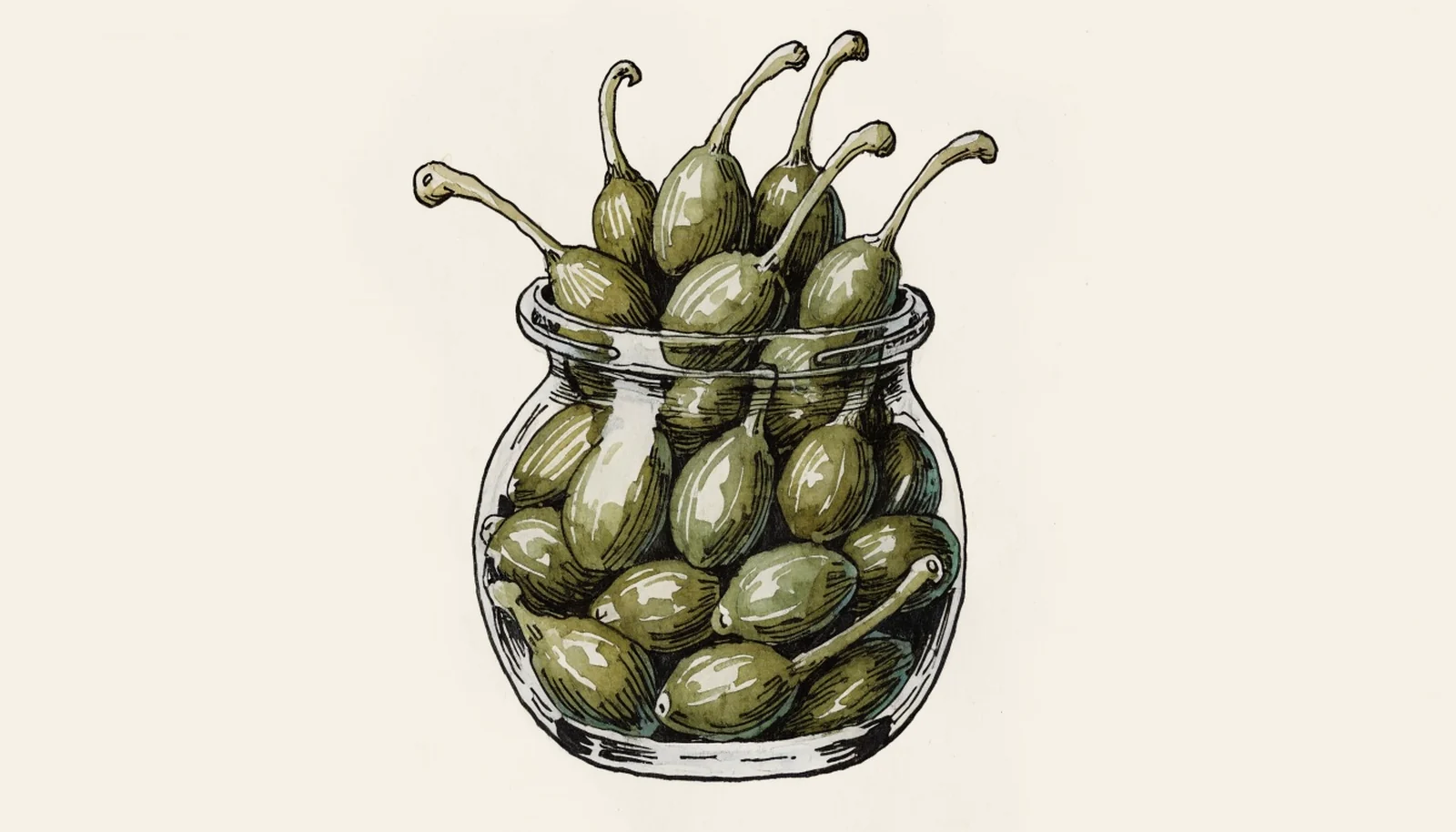
Cucunci are what a caper bud becomes if you let it flower. Why they are milder rather than stronger, how to judge and use them, and when they are the wrong choice.
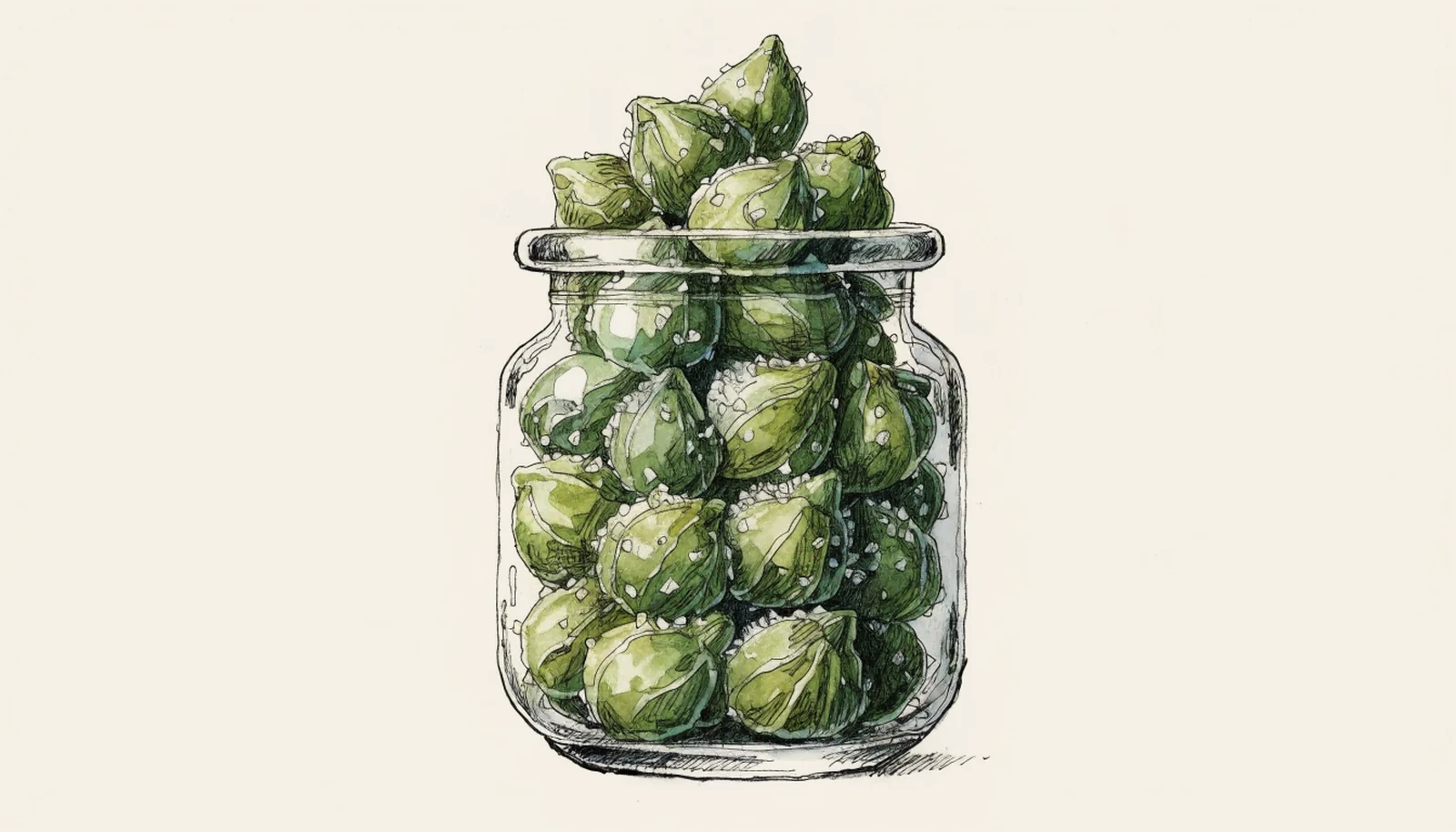
Sun-dried salt-packed capers from a volcanic island between Sicily and Tunisia. What the IGP covers, why the salt cure is the better one, and how to judge, rinse and use them.
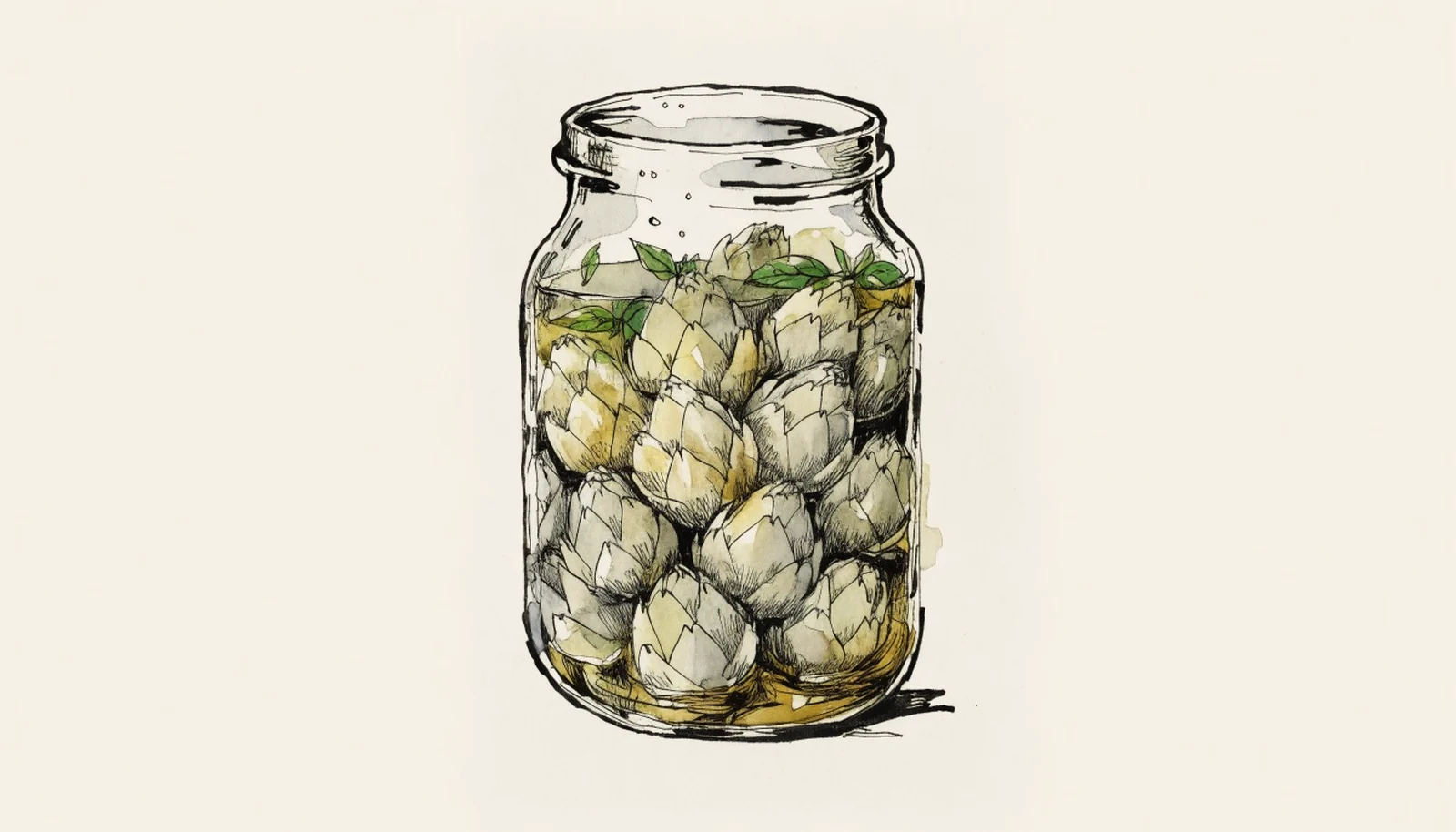
Small artichoke hearts preserved sott olio or in brine. What separates a jar worth eating from a filler, why the packing liquid decides it, and how to judge and use one.
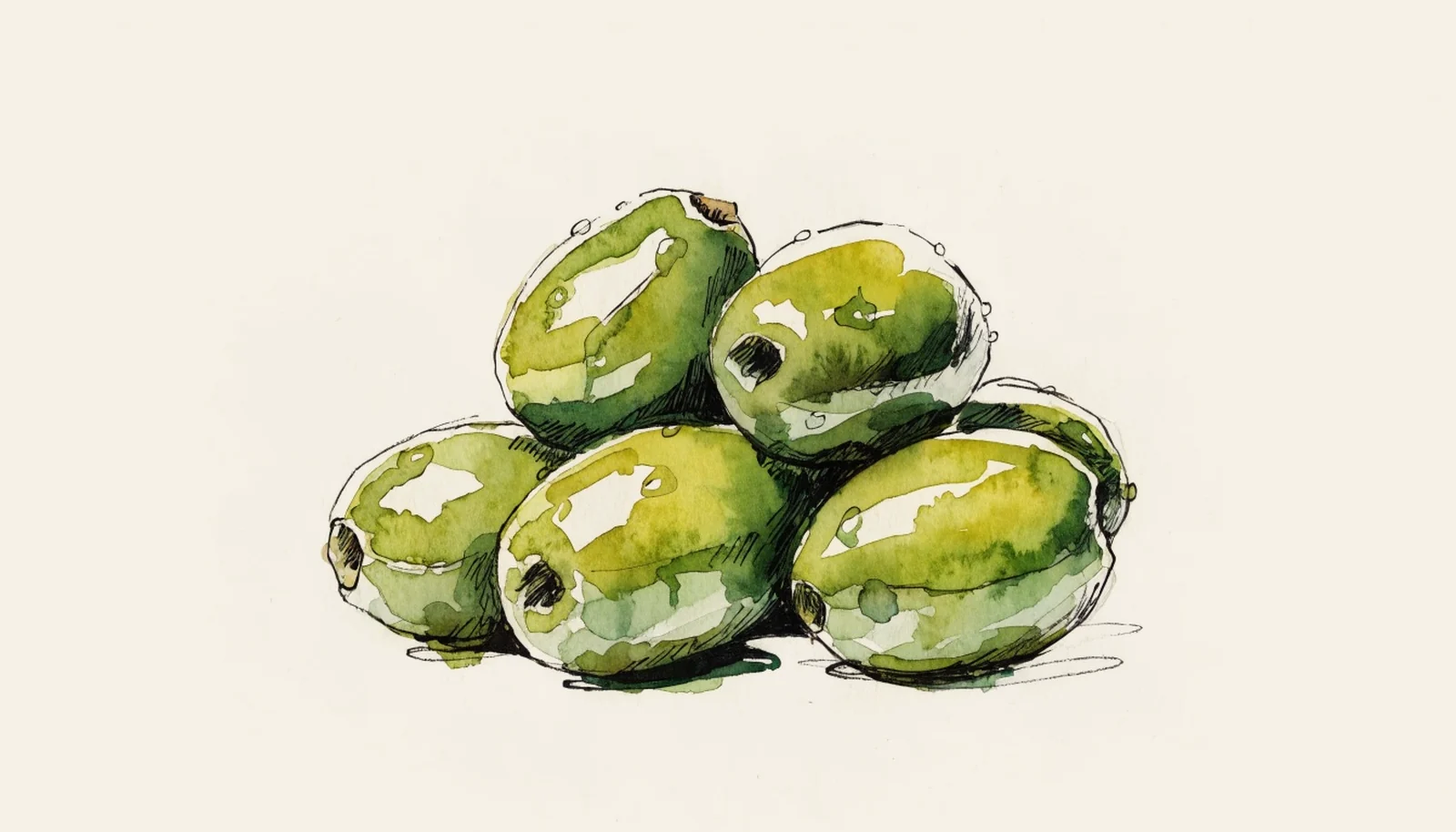
The bright green Sicilian table olive, its unusual curing, why the colour is sometimes genuine and sometimes not, how to judge and use it, and what a good jar costs.
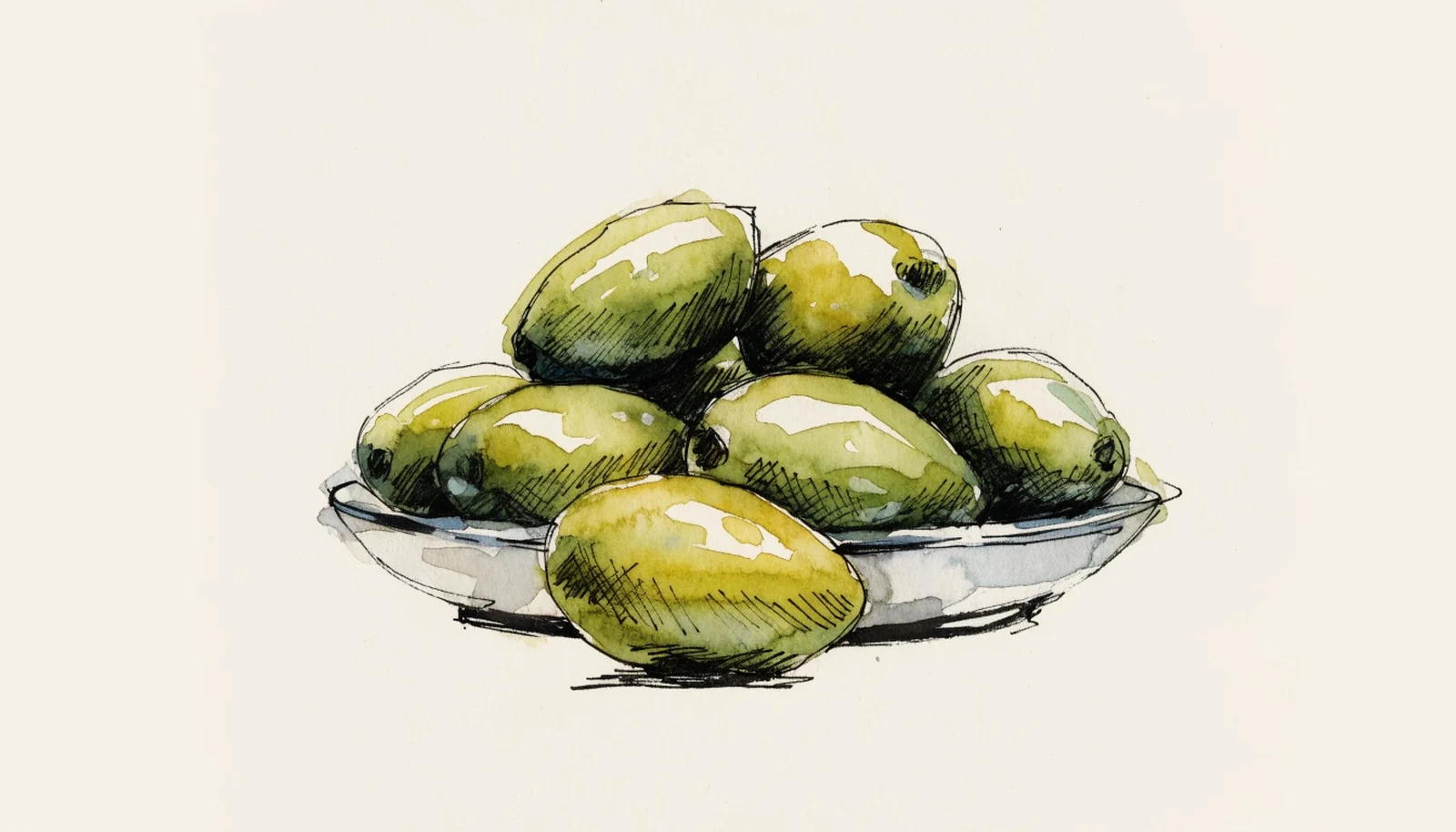
Enormous mild Puglian table olives, crisp and low in bitterness. What the DOP covers, why the coloured ones are dyed, and how to judge a jar and use them.
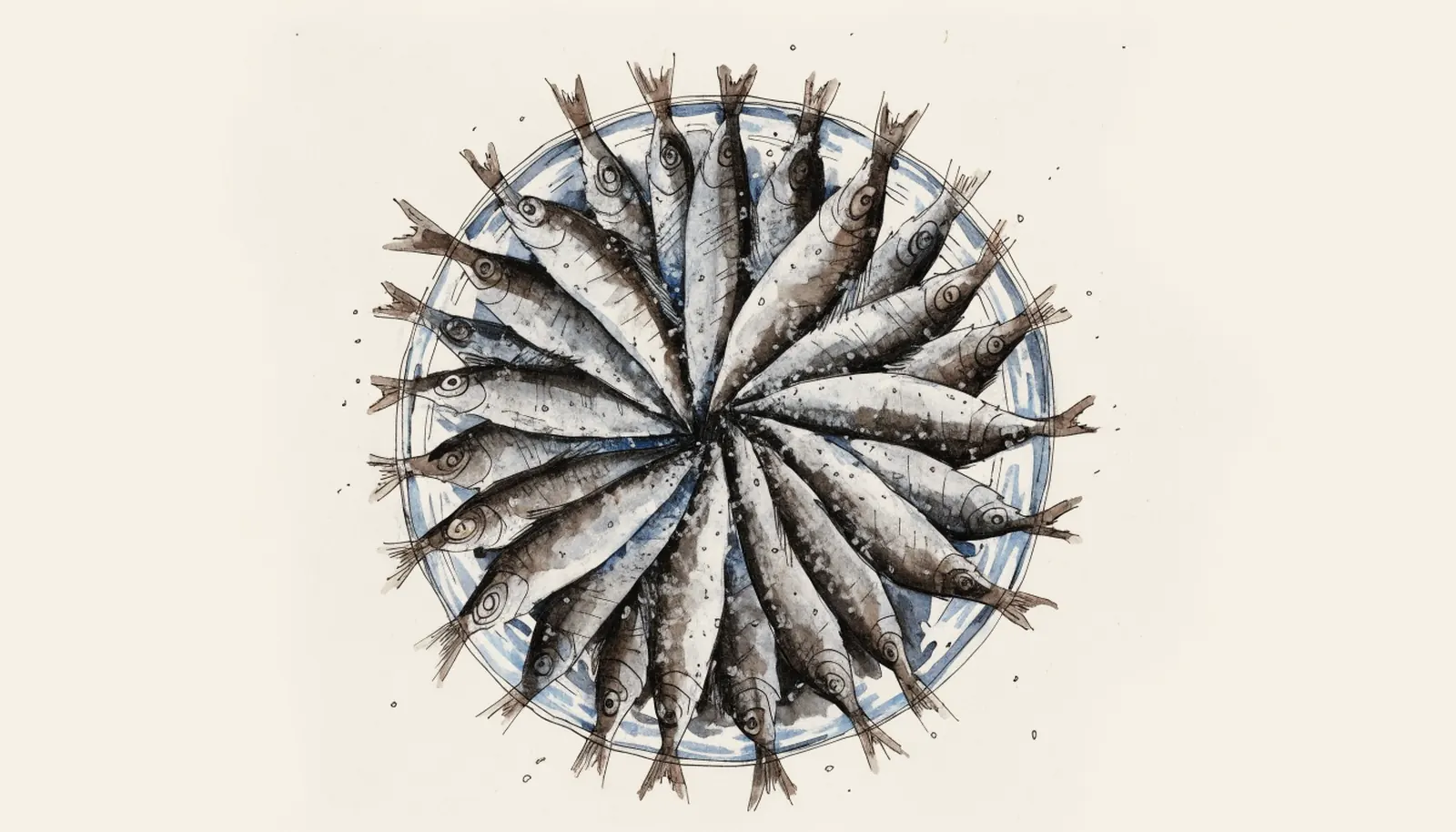
Salt-cured anchovies from a small Amalfi Coast fishing town, and the colatura that drips from the barrels. How to buy salted rather than tinned, and how to bone and use them.
A clear amber anchovy sauce from Cetara, made by pressing salted anchovies for months. What separates real colatura from fish sauce, and how to buy and use a small bottle.
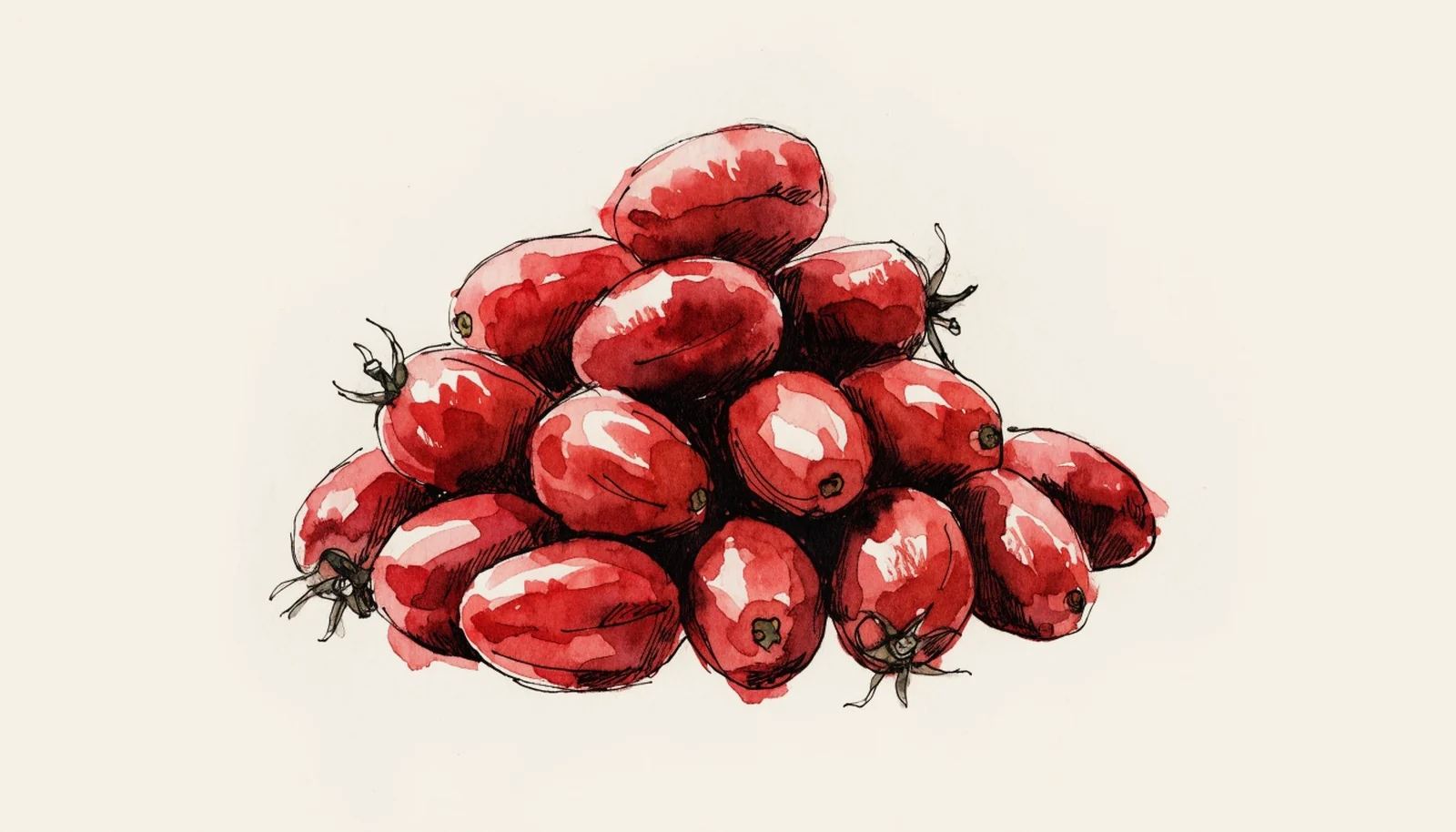
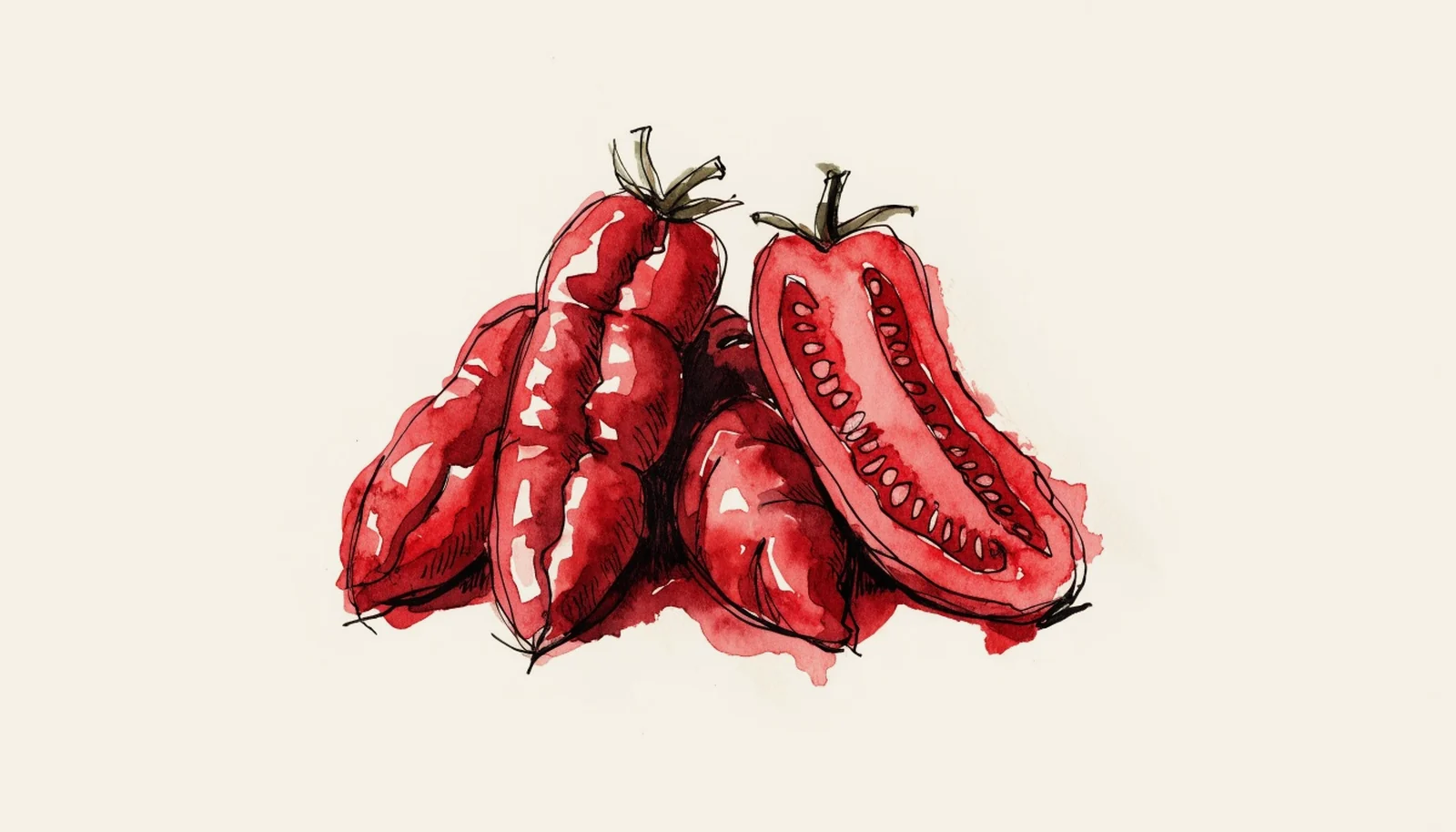
Small date-shaped tomatoes with high sugar and low acid, sold tinned whole. When they beat San Marzano, when they are the wrong tomato, and how to judge and use a tin.
The two Italian protected marks are not interchangeable. What each one controls, where the guarantee stops, how to use them to judge a label, and which foods carry no mark at all.
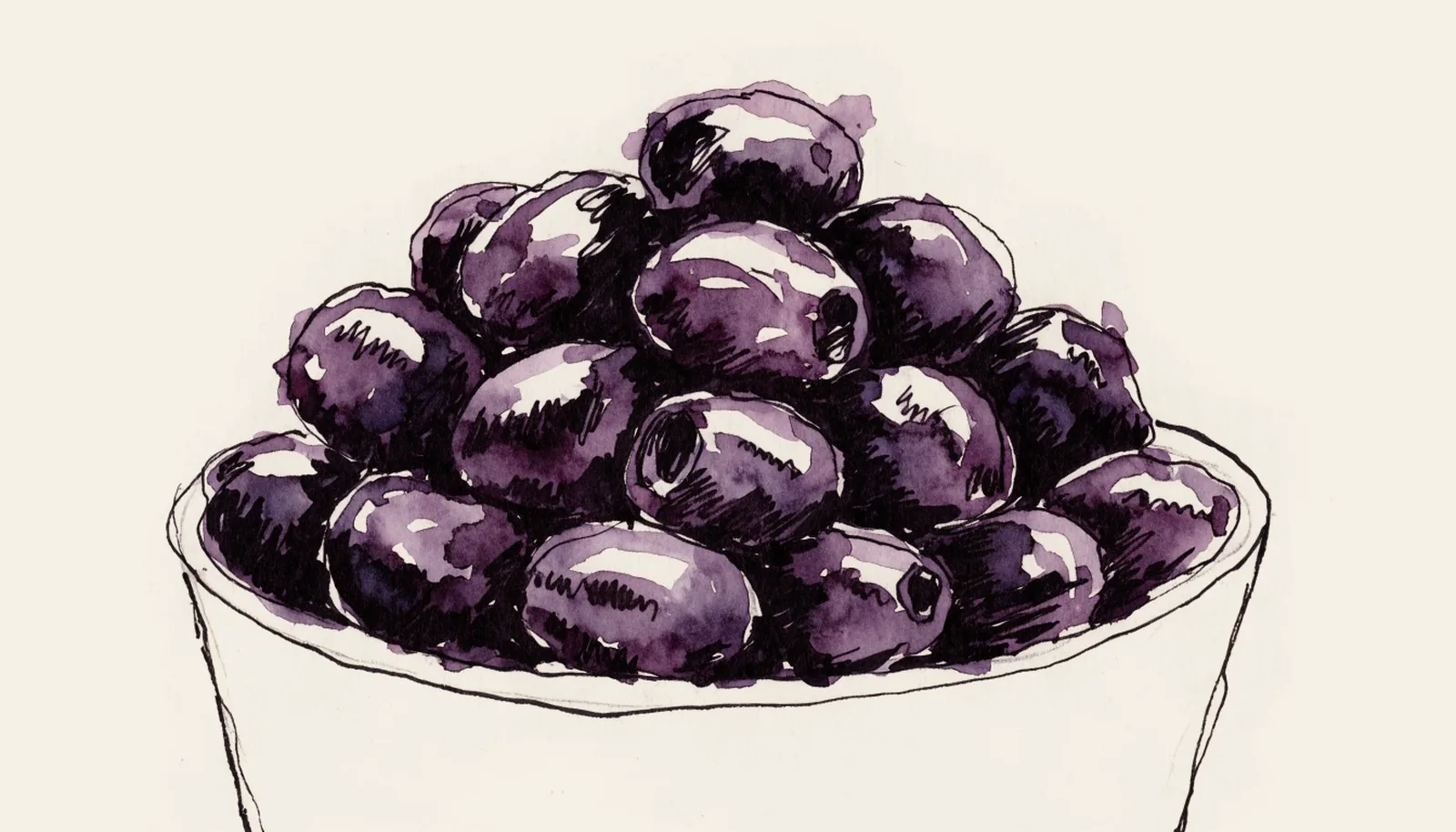
Small dark Lazio olives sold either brine-cured and smooth or dry-salted and wrinkled. Which one a recipe means, how to judge a jar, and how to use them in cooking.
Rough price bands for the main pantry and salumi categories, what drives each, how to judge a price that looks too good, and how to buy well rather than cheaply.
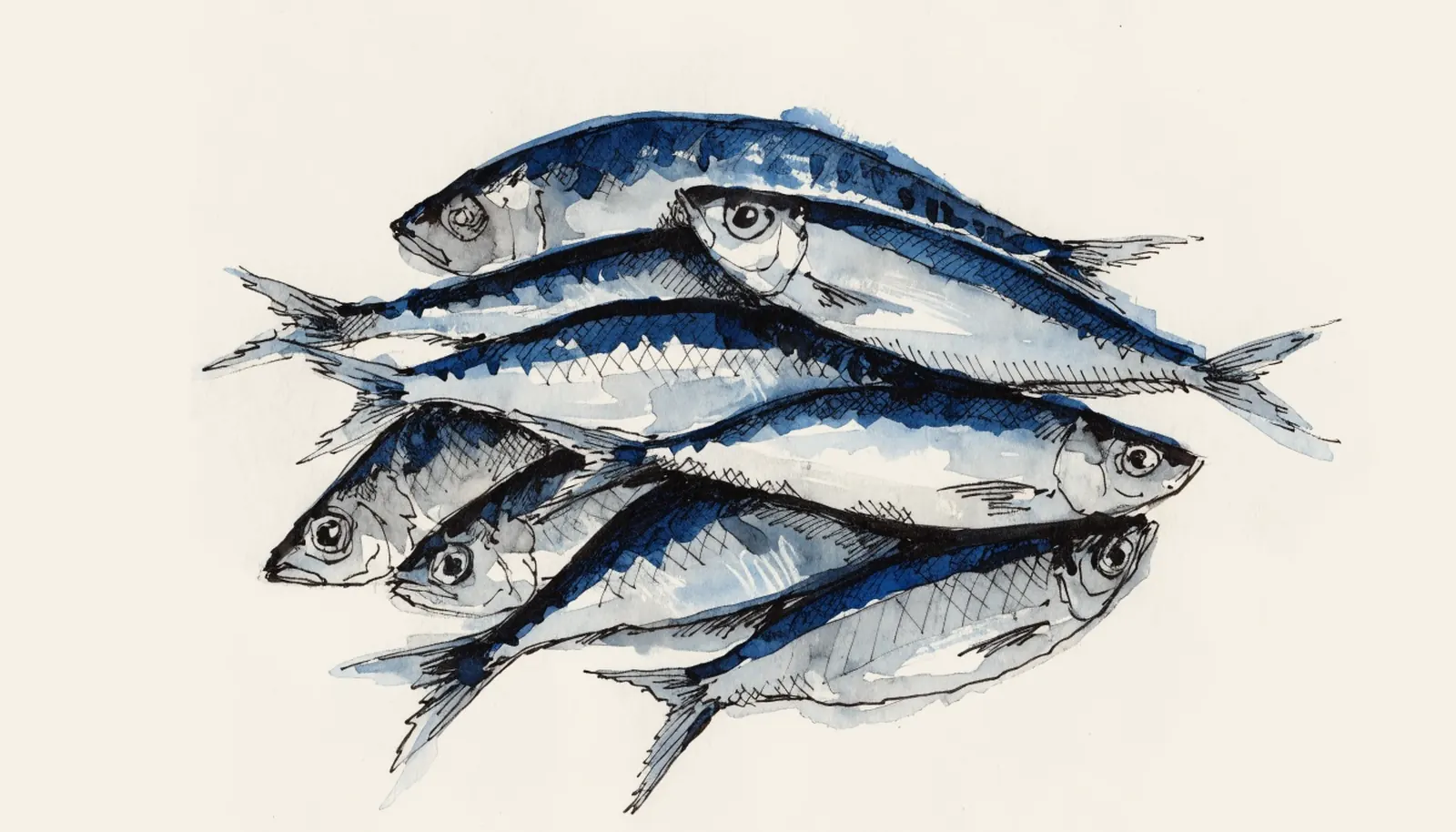
Tinned sardines from Sicily and the Mediterranean coast. What the packing medium and the fish size tell you, how to judge and use a tin, and why good tins are dated to be aged.
Three phrases that look interchangeable and are not. What each legally claims, which one means nothing at all, and how to judge a label that carries none of them before you buy.
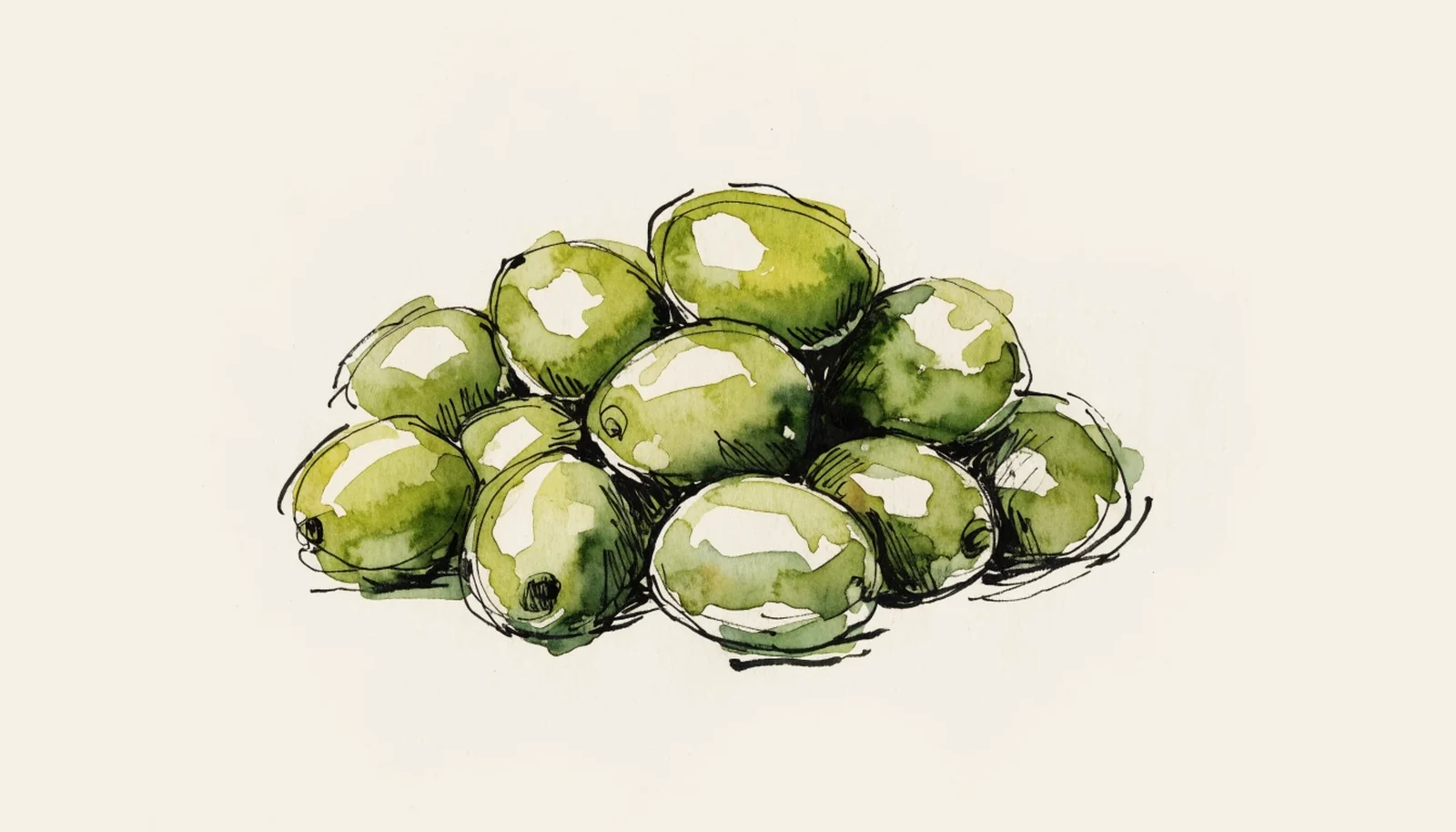
A Sicilian dual-purpose olive grown for eating and for oil. How the cultivar name relates to the Castelvetrano brand, why the bright green is a curing choice, and how to judge and use it.
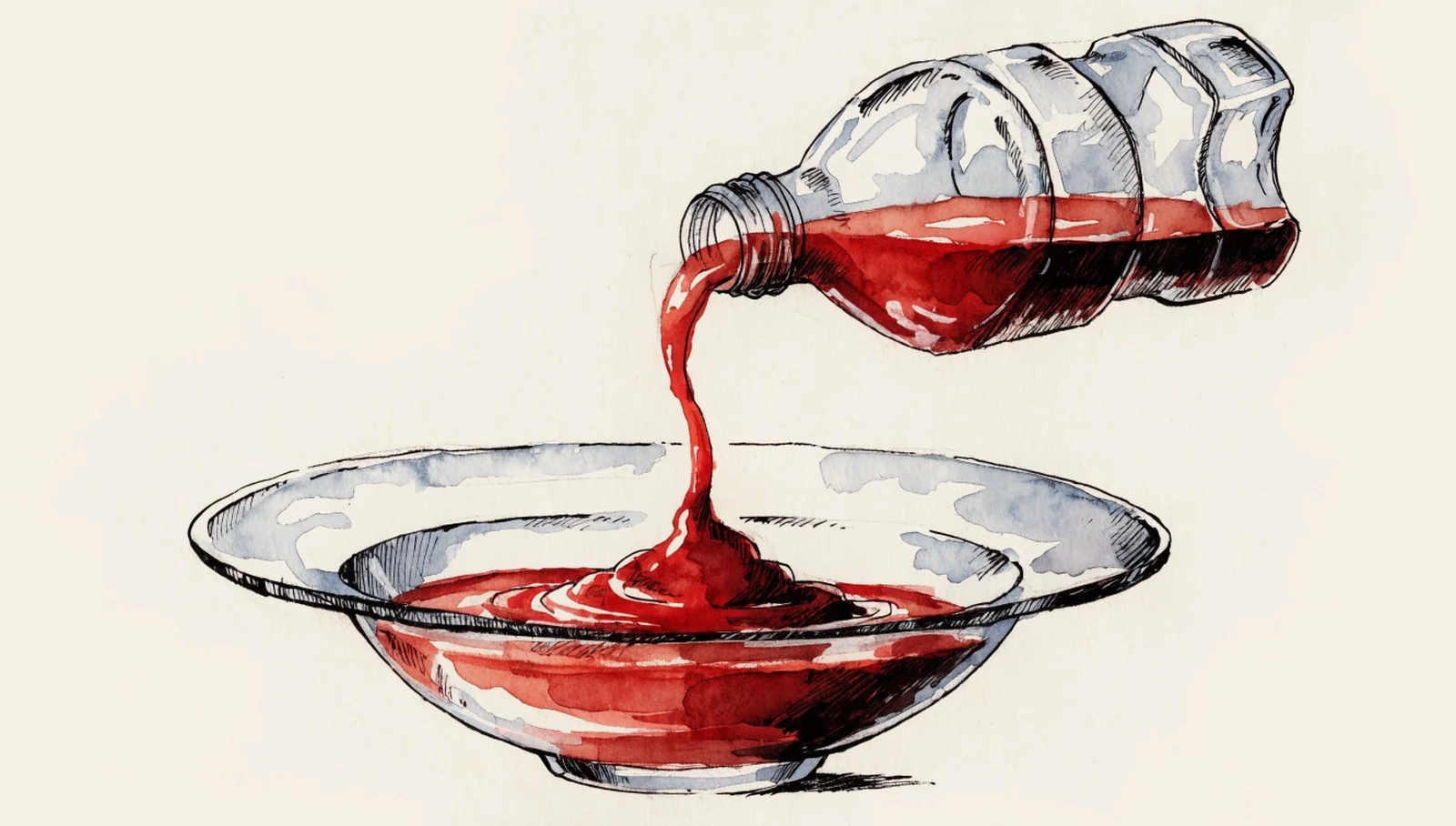
Raw tomatoes crushed and strained, not a cooked sauce. What separates passata from purée and from tinned tomatoes, and how to buy and use a good bottle.
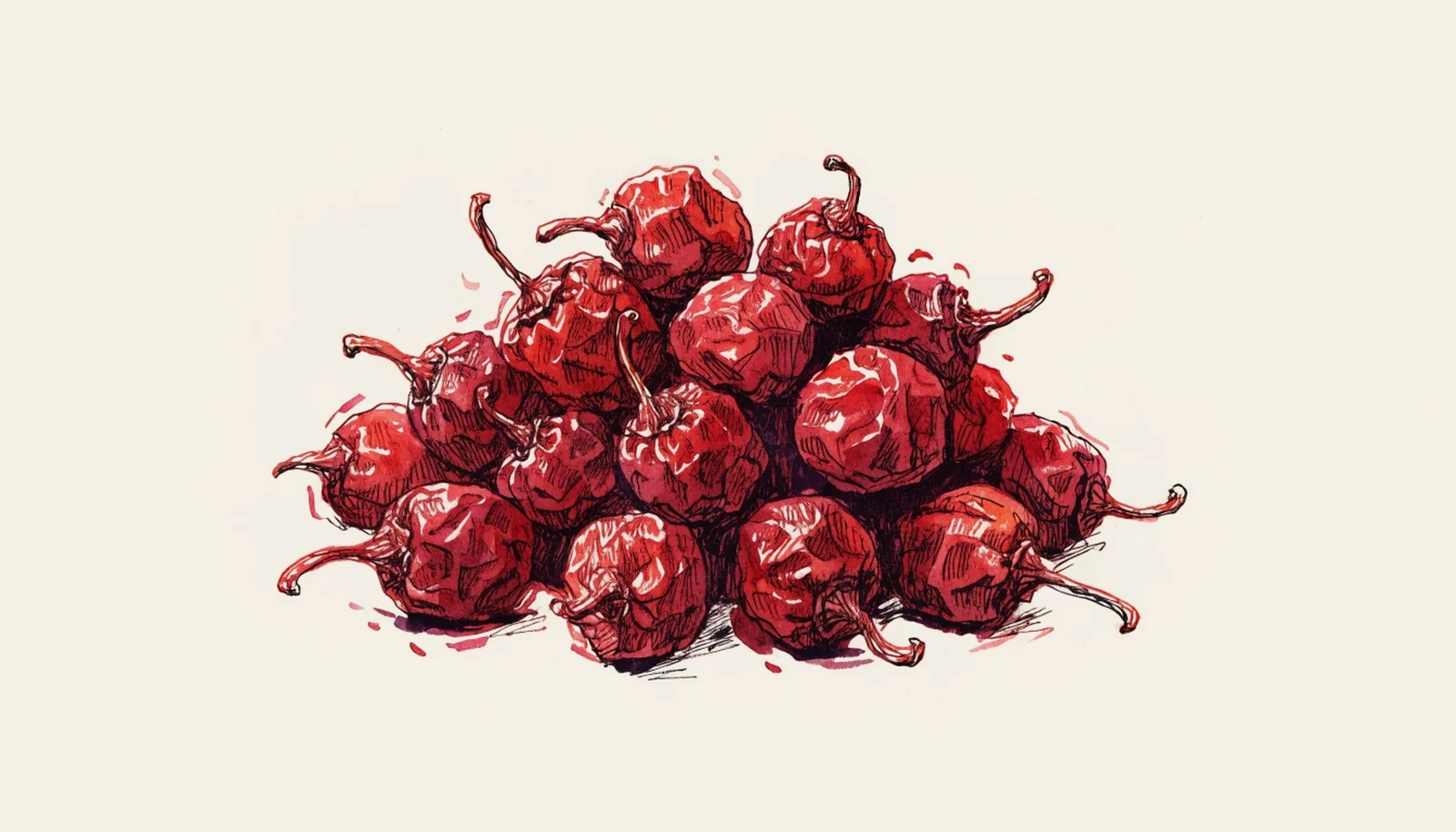
The small red chilli behind nduja, salsiccia piccante and Calabrian cooking generally. What it is, how hot it is, the forms to buy it in, and where to use it.
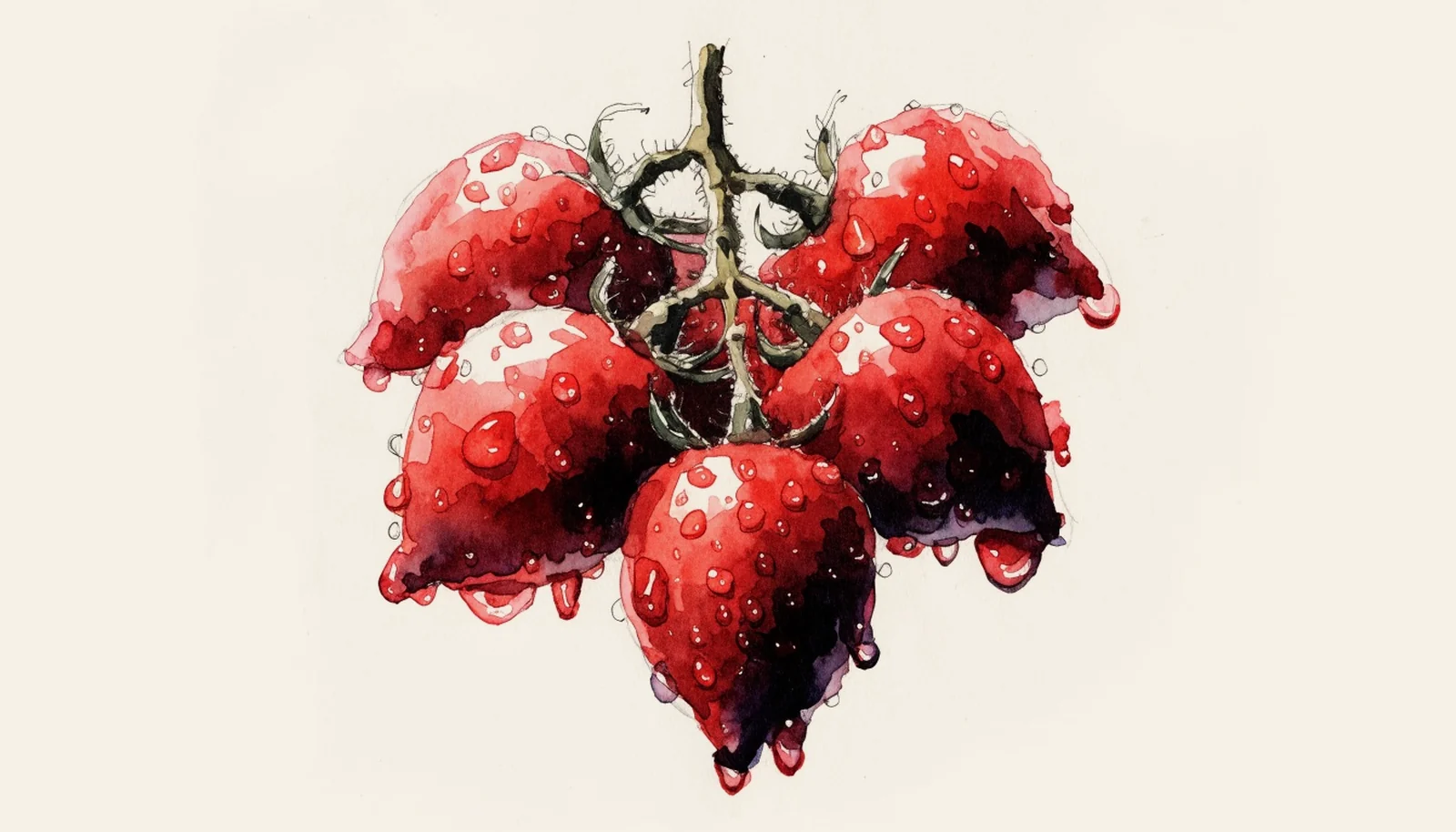
A small thick-skinned tomato from the slopes of Vesuvius, traditionally hung to keep for months. What the DOP covers, what makes the fruit unusual, and how to buy and use it.
The sixty-day rule on raw milk cheese, the restrictions on cured meat, why certain Italian products simply do not appear on American shelves, and how to judge what you can buy instead.
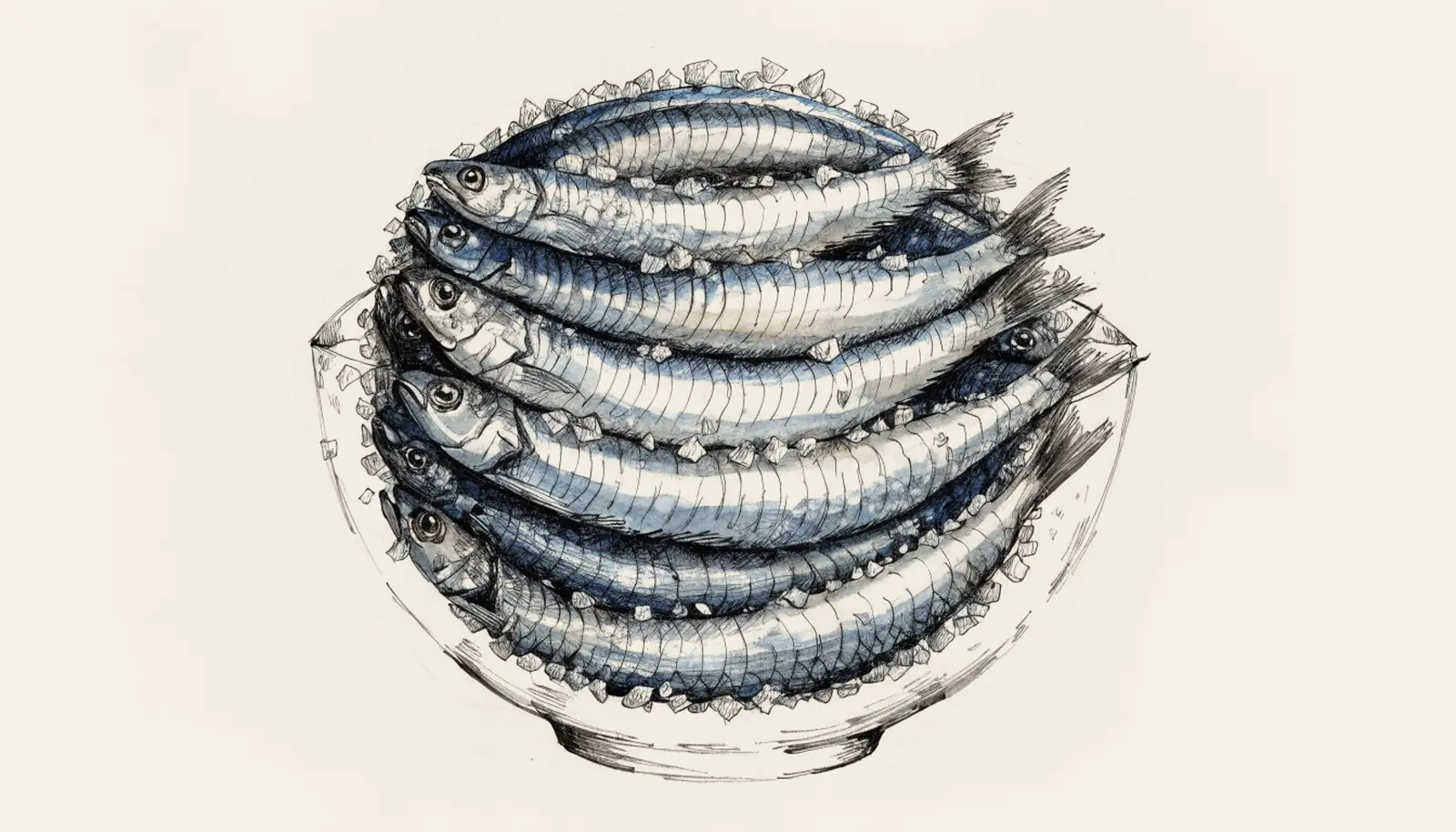
Whole salt-cured anchovies keep better and taste cleaner than fillets in oil. How to fillet, rinse and use them, and why cooks prefer to buy them.
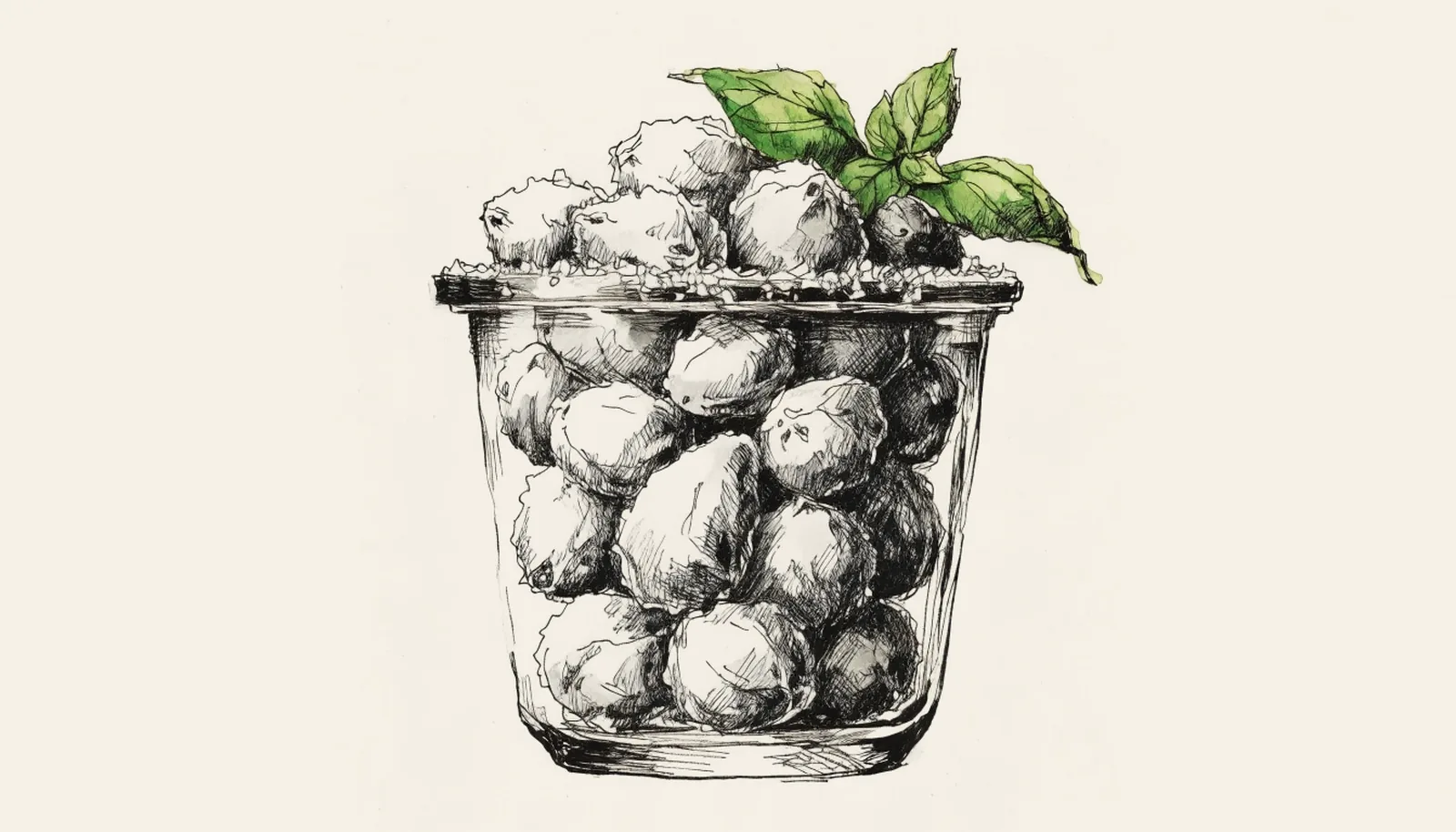
Salt-packed capers keep their floral flavour where brined ones taste of vinegar. How to rinse them properly, where to use them, and what size to buy.
The most counterfeited tin in the Italian aisle. What the real designation requires, what the certification number means, and how to judge a tin before you buy it.
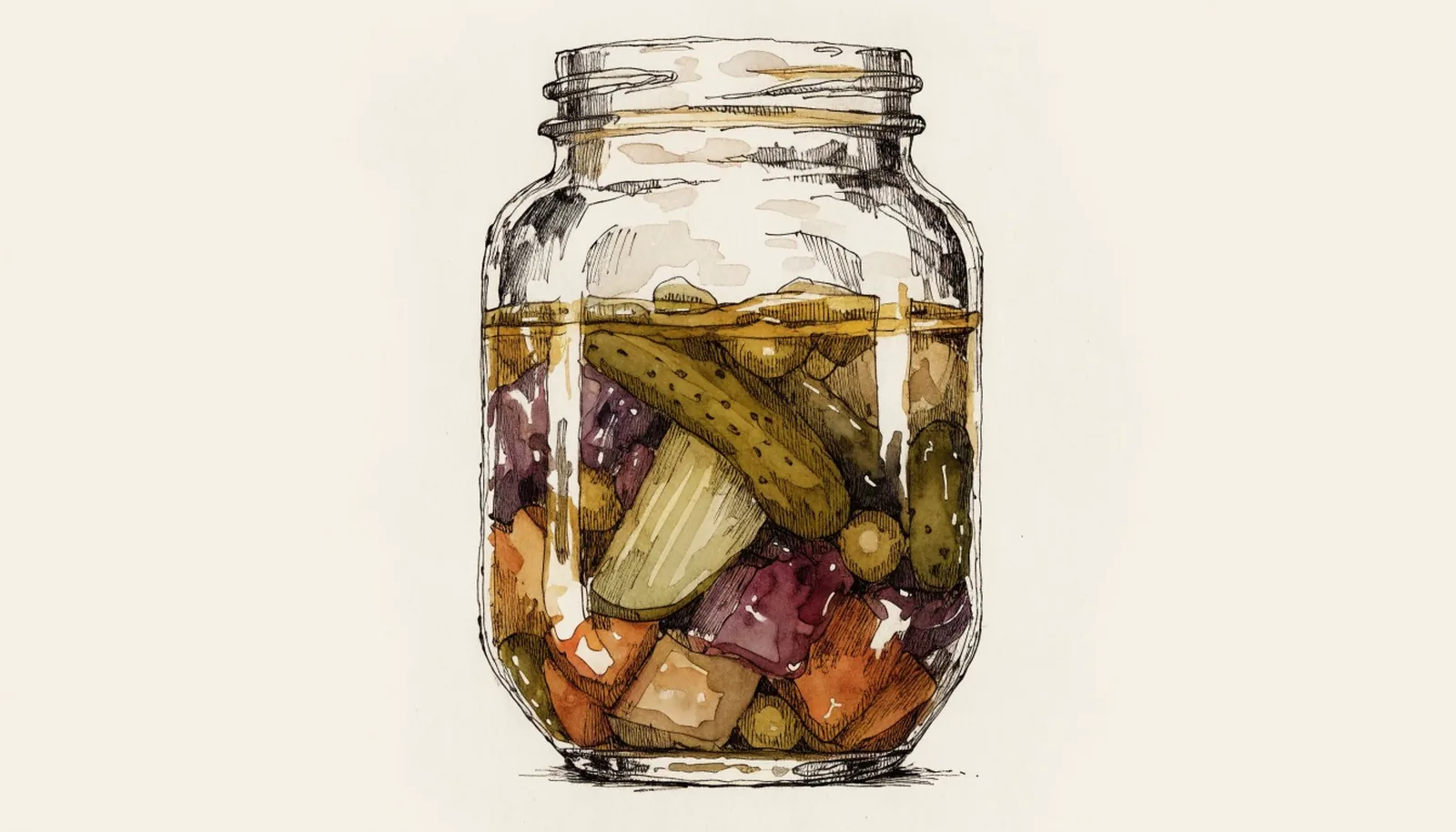
What sott'olio actually means, why the vegetables are acidified first, how to judge a properly made jar against a risky one, and how to use the contents.
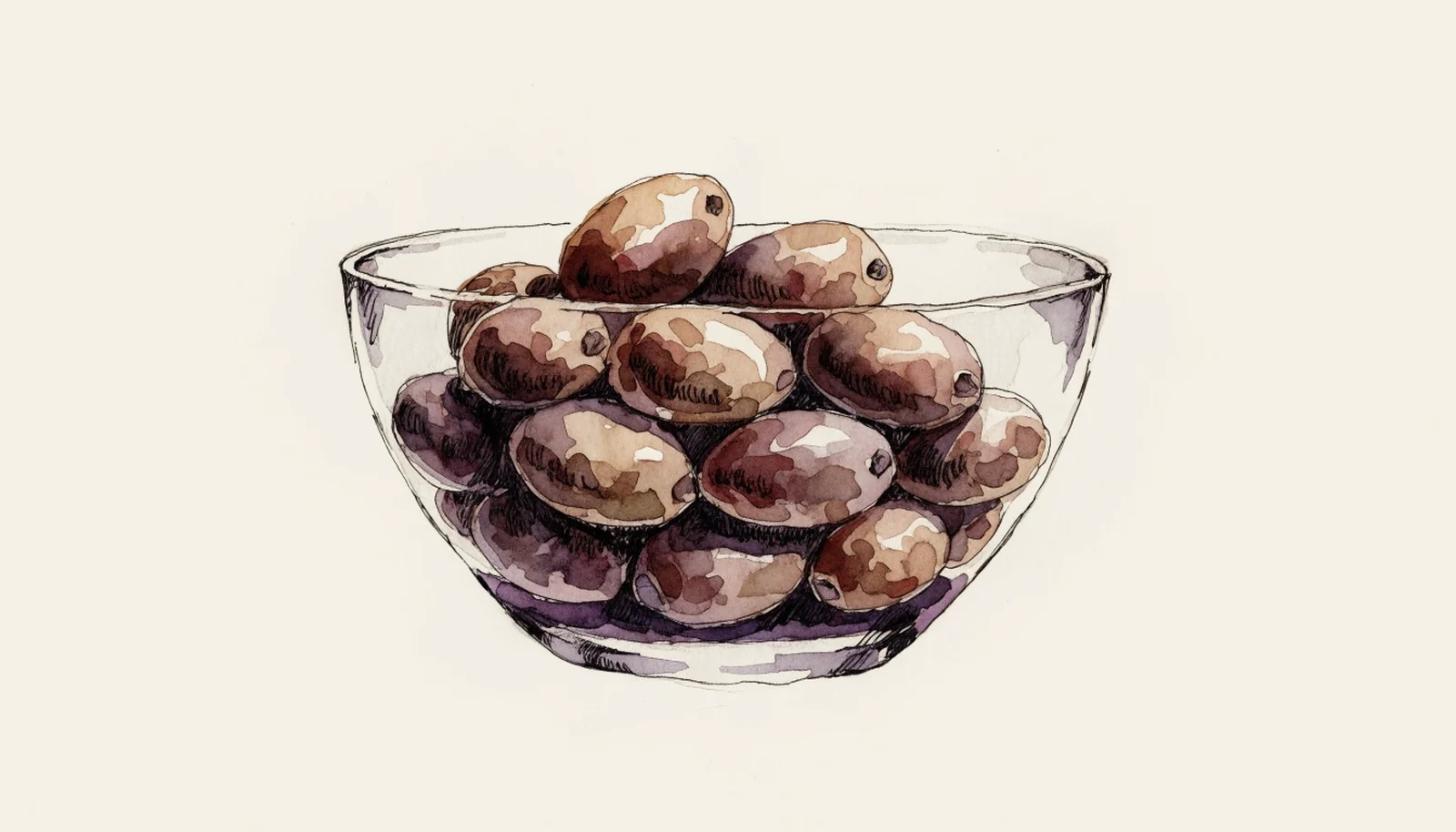
The Ligurian table olive behind Niçoise salad and Ligurian cooking. Why they are sold with stones in, what to do about it, and how to buy and use them.
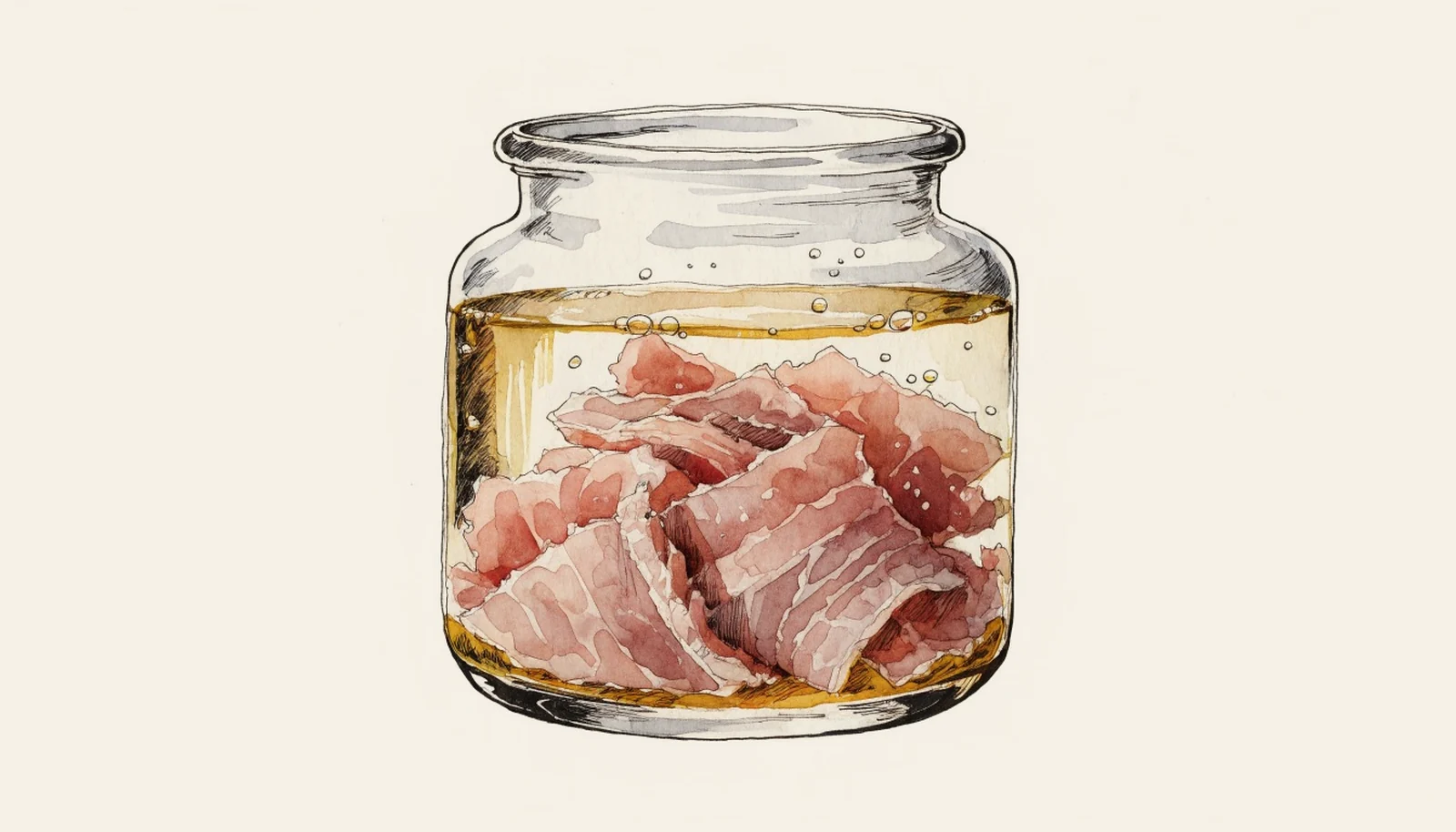
The fatty belly of the tuna, jarred in olive oil. What separates ventresca from ordinary tinned tuna, how to judge a good jar, and how to use it.
The four routes that actually work, what each is good and bad at, which to use for which item, and how to judge an importer you have not used before.
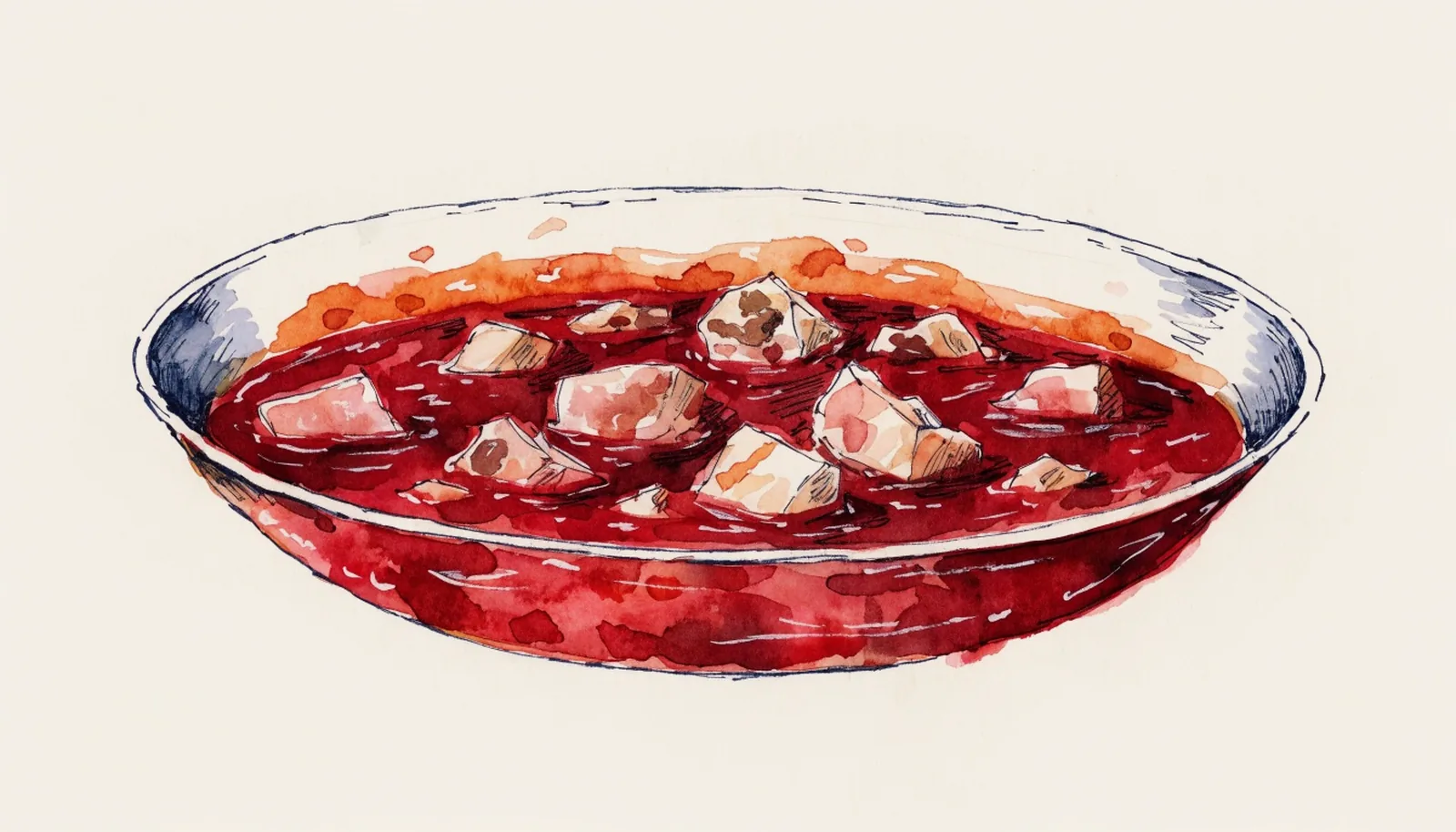
Jarred amatriciana is defined by three ingredients and most jars get one of them wrong. How to read the label, judge and use a jar, and why pancetta in the list is the tell.
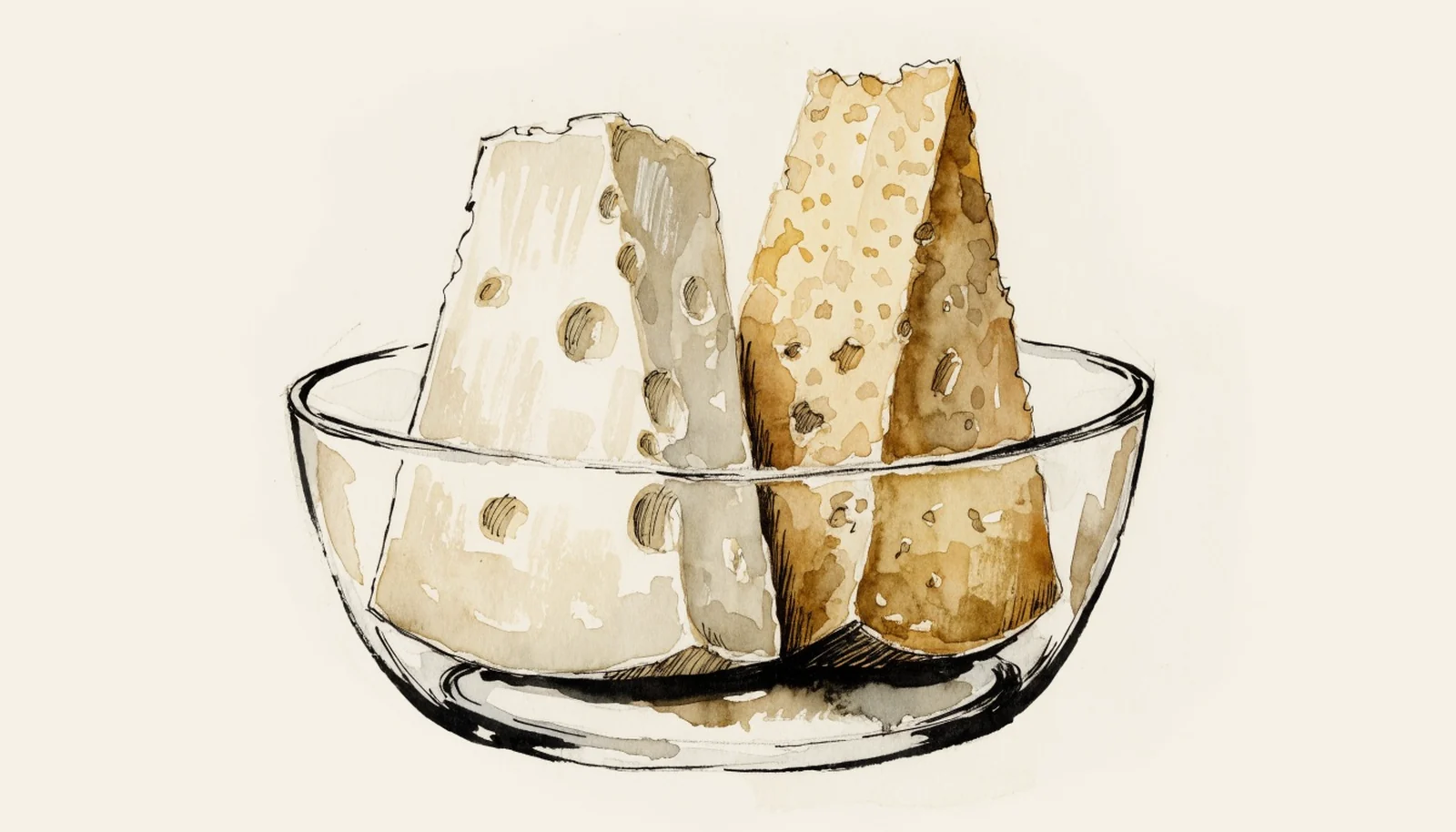
Asiago Pressato is soft, mild and young. Asiago d Allevo is hard, sharp and aged. American asiago is usually a third thing. How to judge which you need, and how to use it.
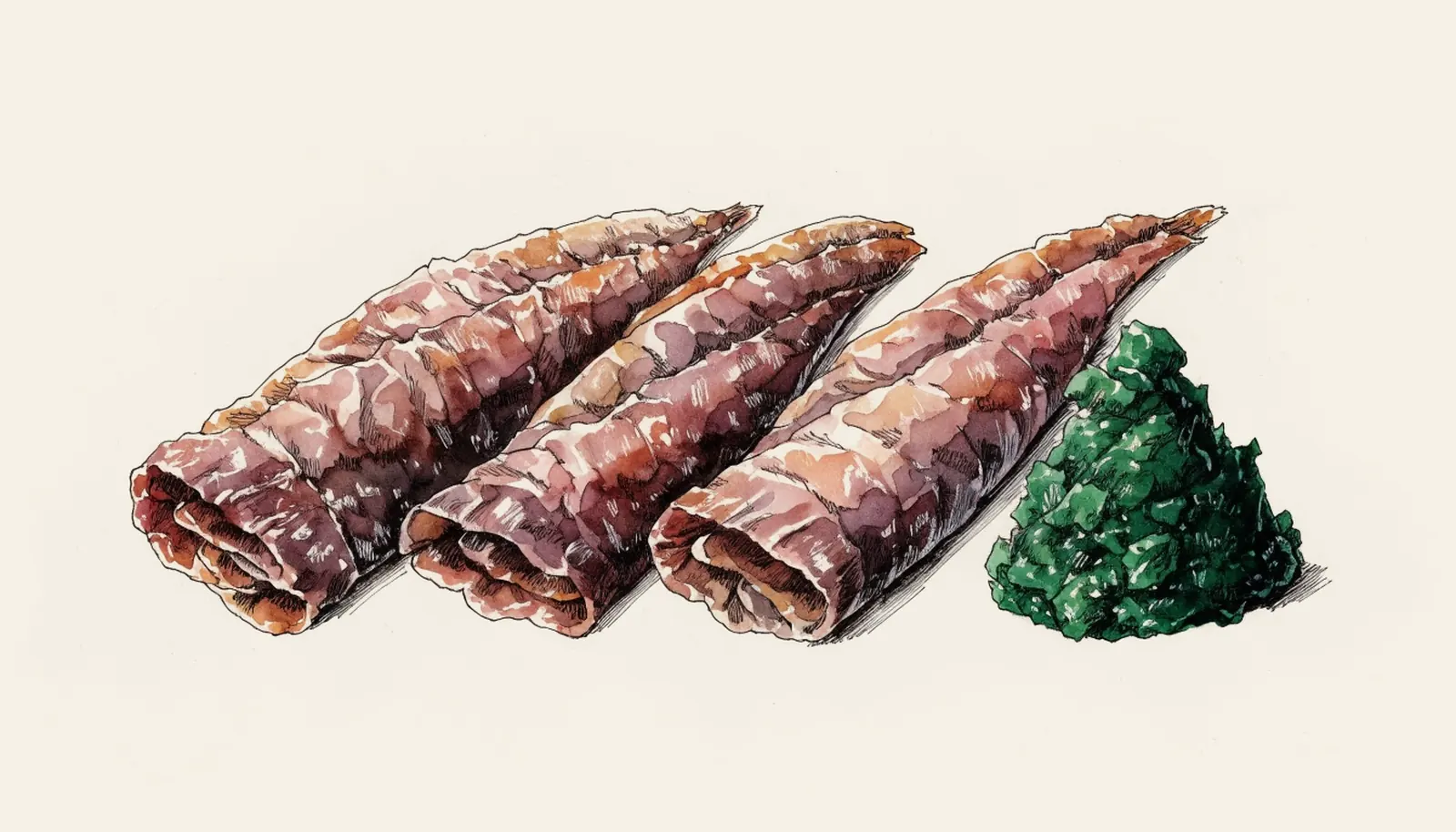
Jarred anchovy-based pastes sold as anchovy pesto cover several unrelated preparations. What separates them from bagna cauda and colatura, and how to judge and use a jar.
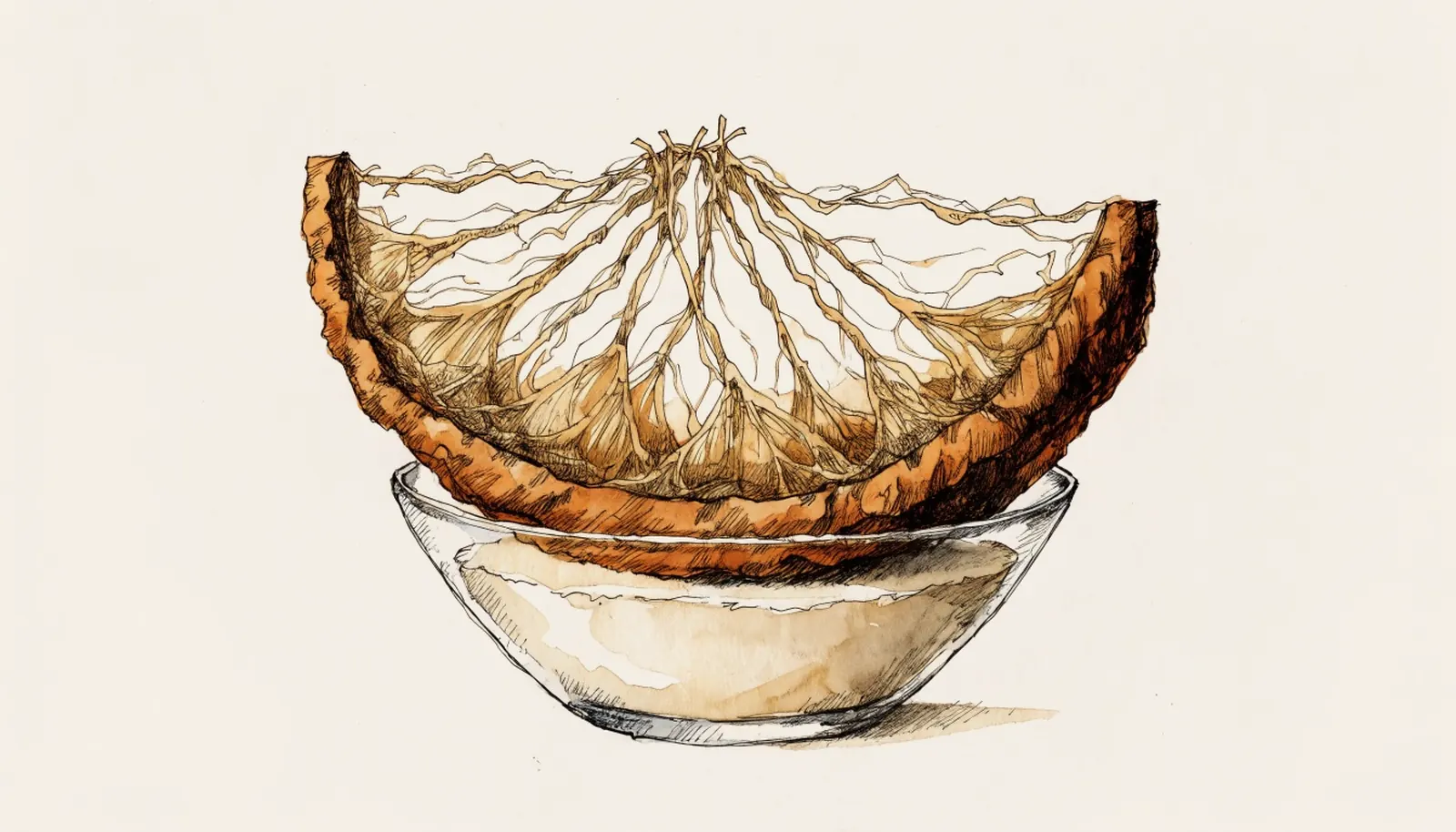
A Piedmontese cow milk DOP in tenero and duro grades, named for the market town that traded it rather than the valleys that produced it. How to judge and buy each grade.
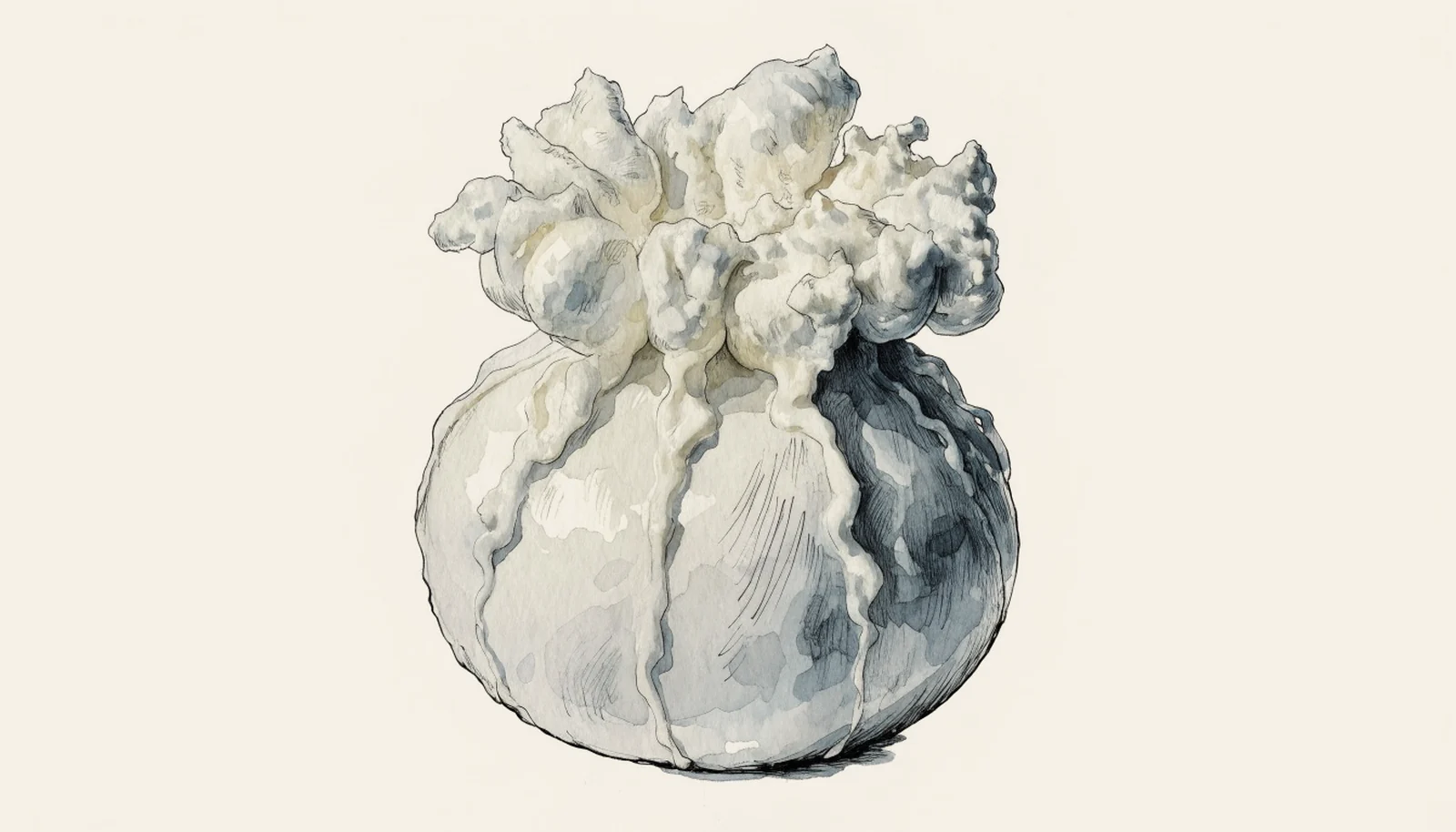
Fresh mozzarella wrapped around stracciatella and cream. Why it was invented to use up scraps, why the date matters more than for any other cheese, and how to judge one.
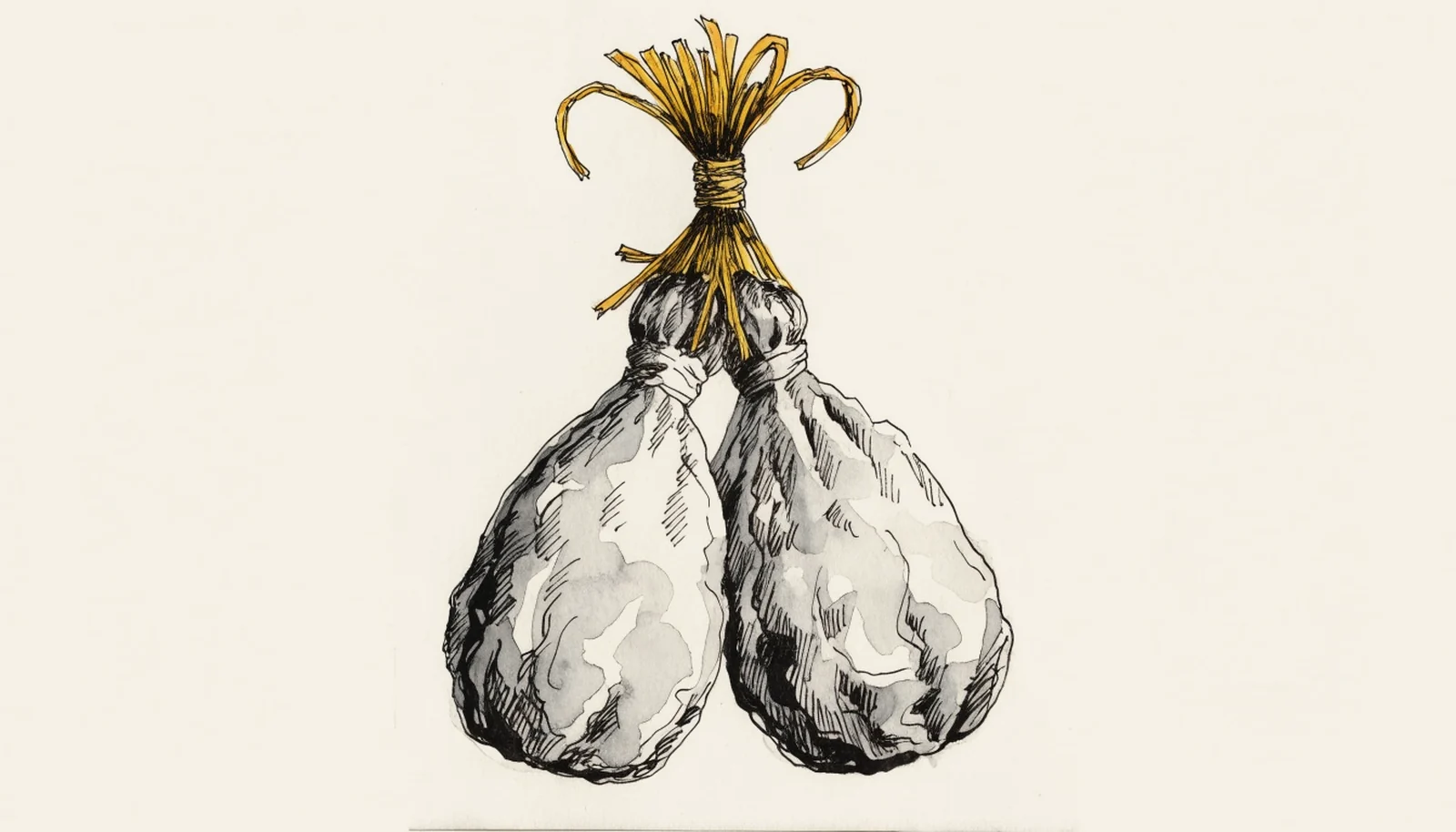
A stretched-curd cheese from southern Italy, aged in a teardrop shape and tied over a pole. What the shape means, how age changes it, how to judge and use it, and how it differs from provolone.
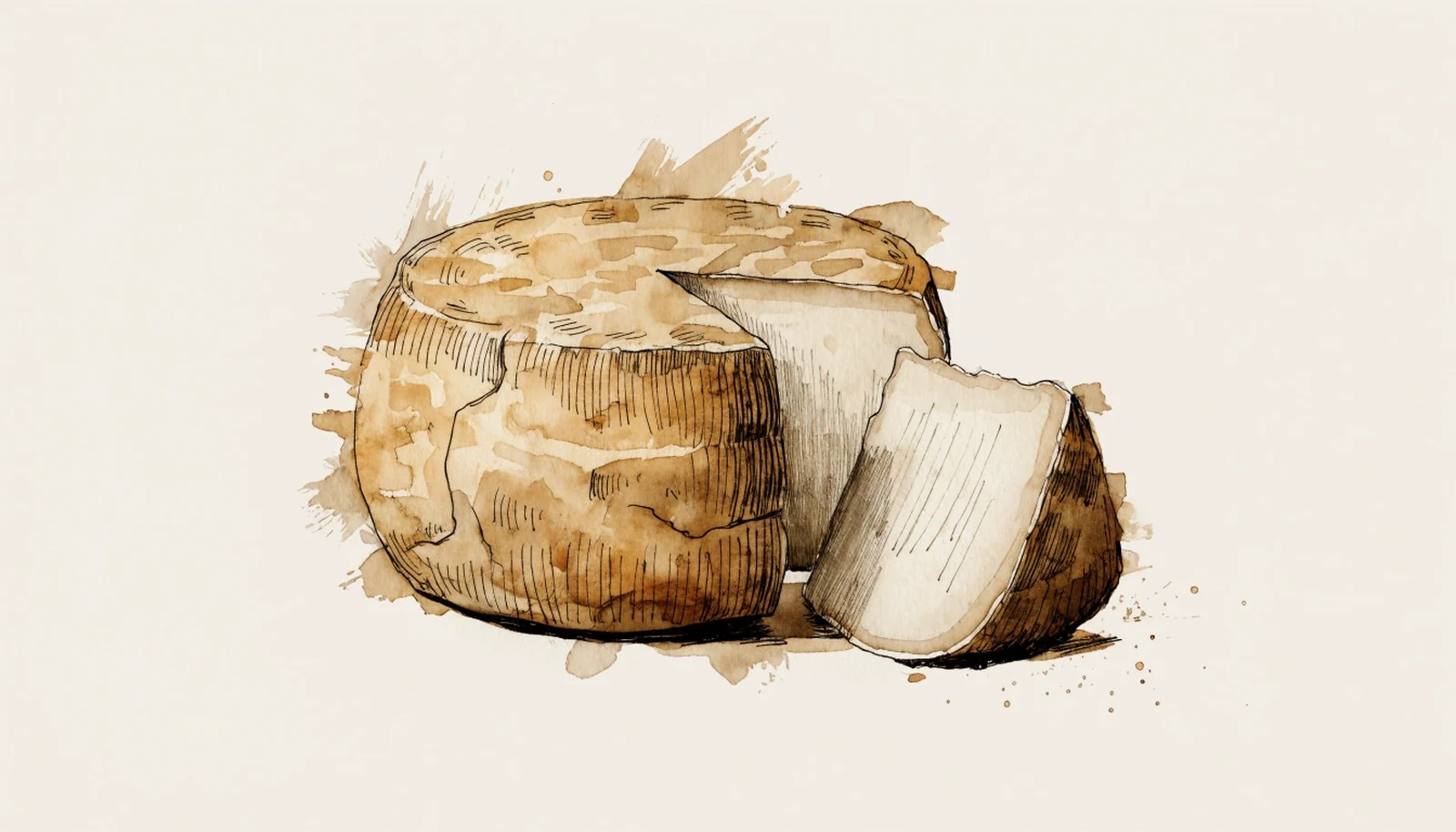
Small round semi-soft Italian cheeses sold under one word covering any milk and any region. What caciotta actually specifies, and how to judge and buy one when the name tells you nothing.
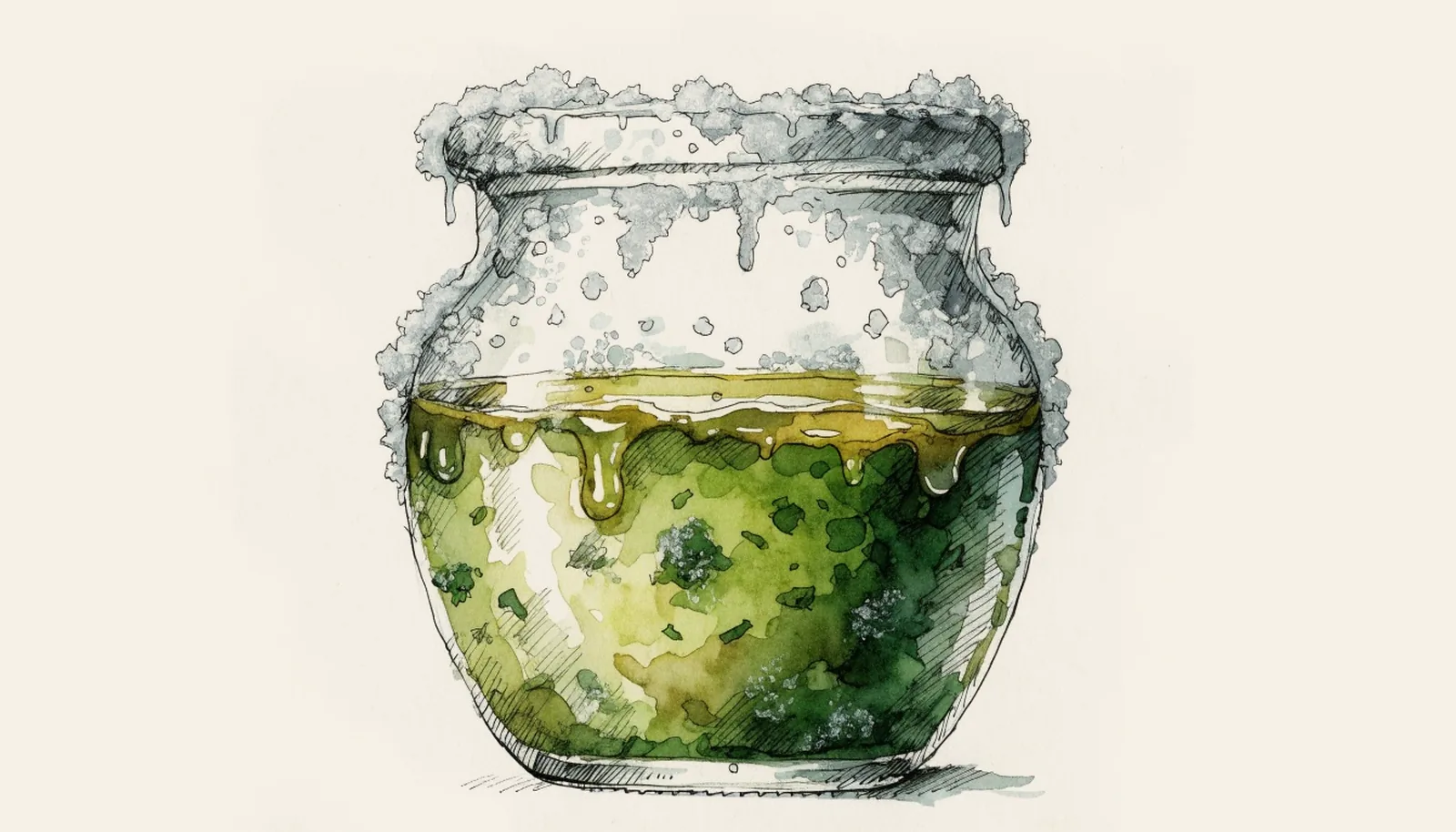
Freezing preserves pesto far better than a jar does, with two components that suffer. How to freeze, thaw and use it, what to leave out first, and why to buy frozen over jarred.
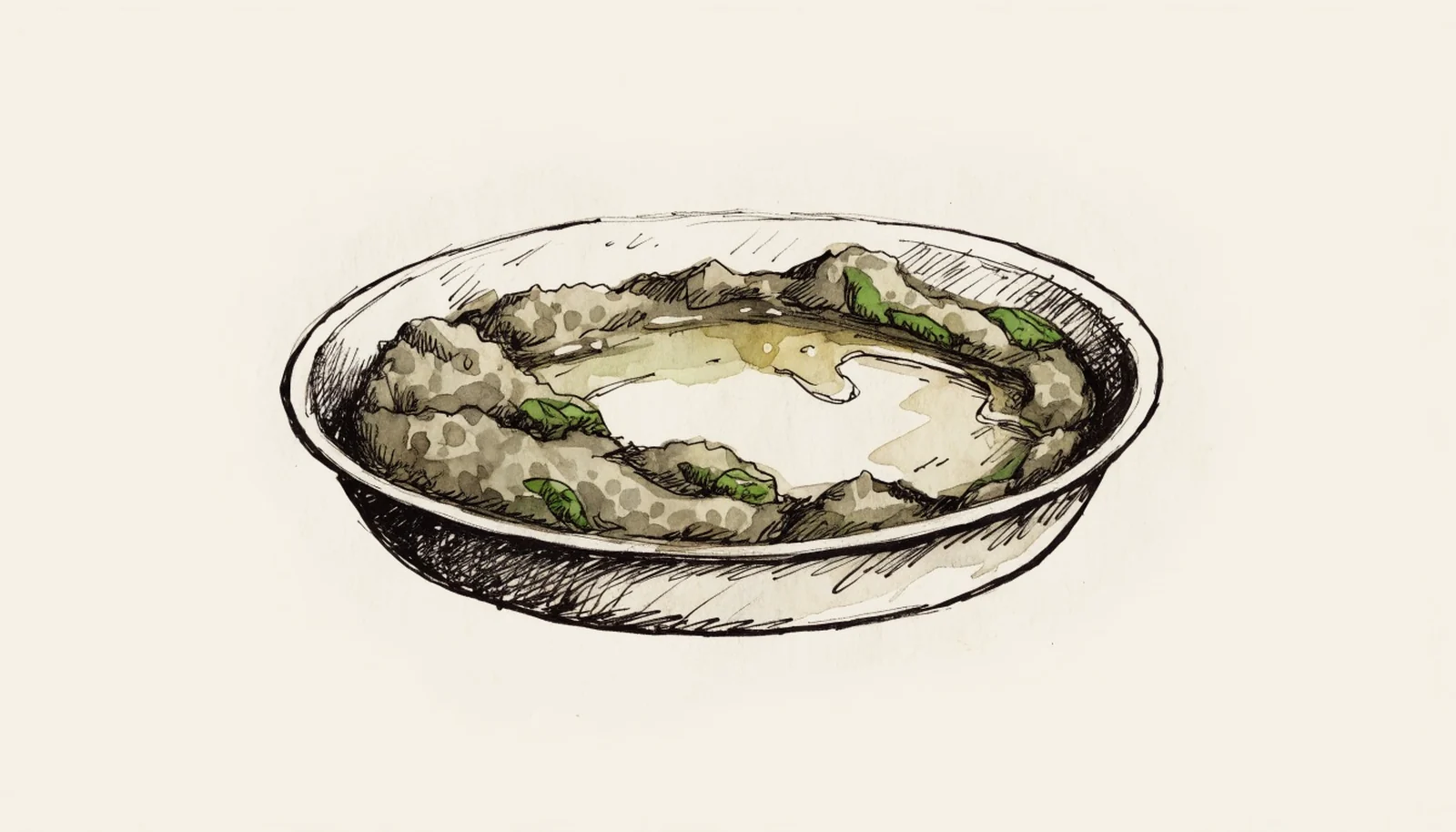
Pesto behaves in specific ways when cooked, baked or used as a marinade. What survives, what splits, where the limit sits, and how to use it hot, whether you make it or buy it.
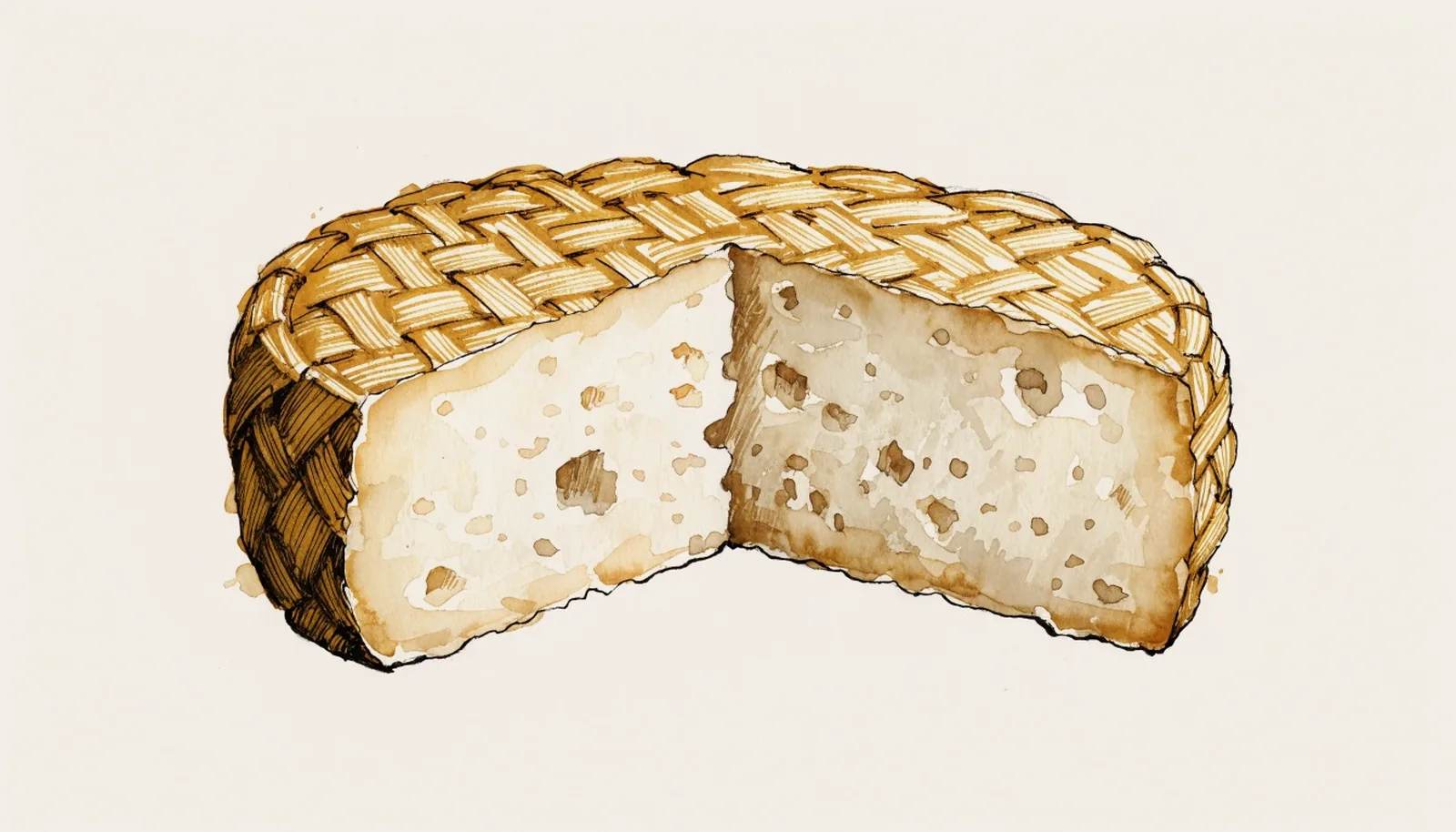
A southern Italian sheep cheese whose woven rind marks record the basket mould. Which canestrati hold designations, how to read the rind, and how to judge and use a piece.
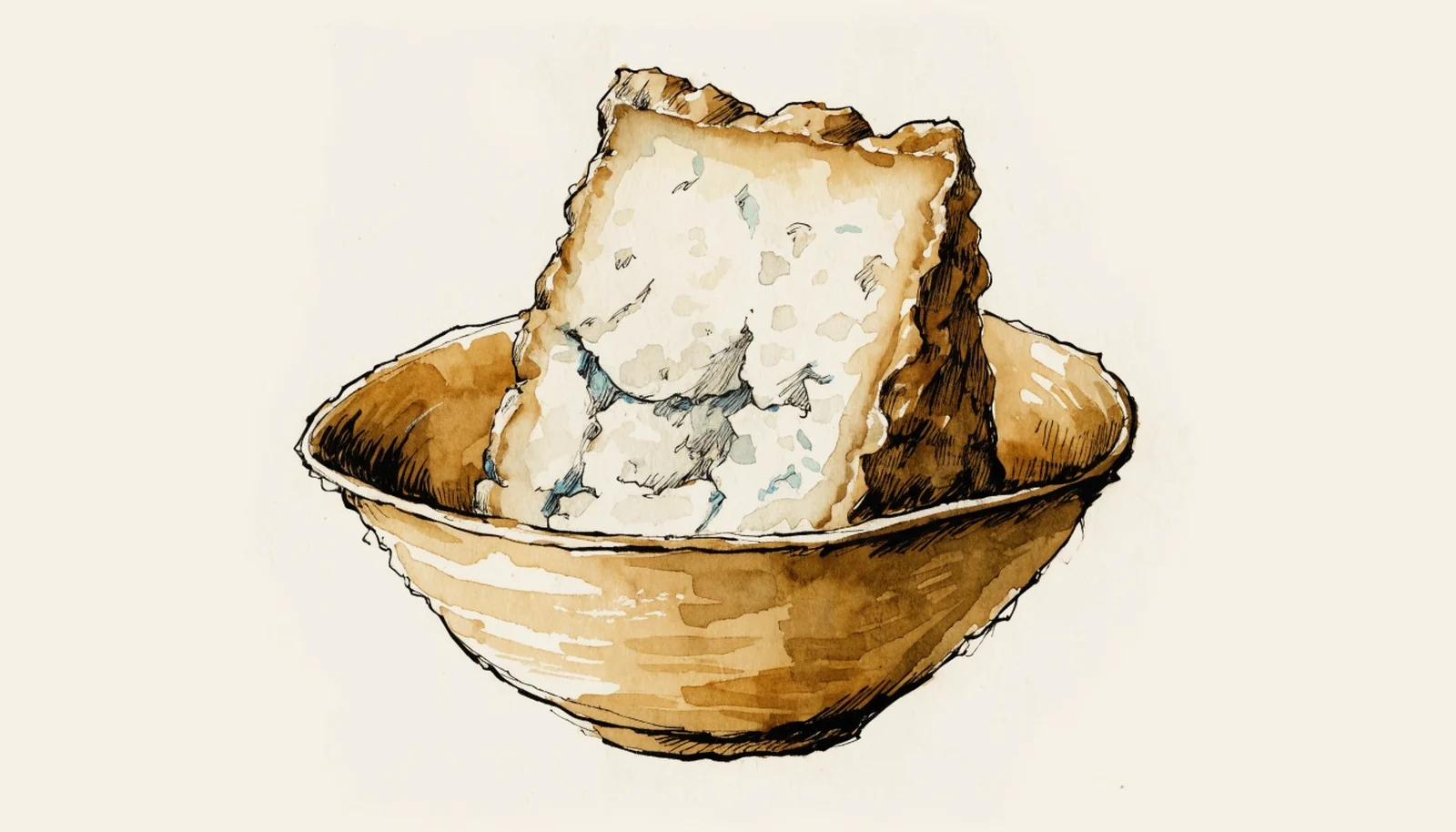
A rare mountain DOP from three Cuneo villages, crumbly and sharp, occasionally veined. Why the blue is optional, what alpeggio means on the label, and how to judge and use one.
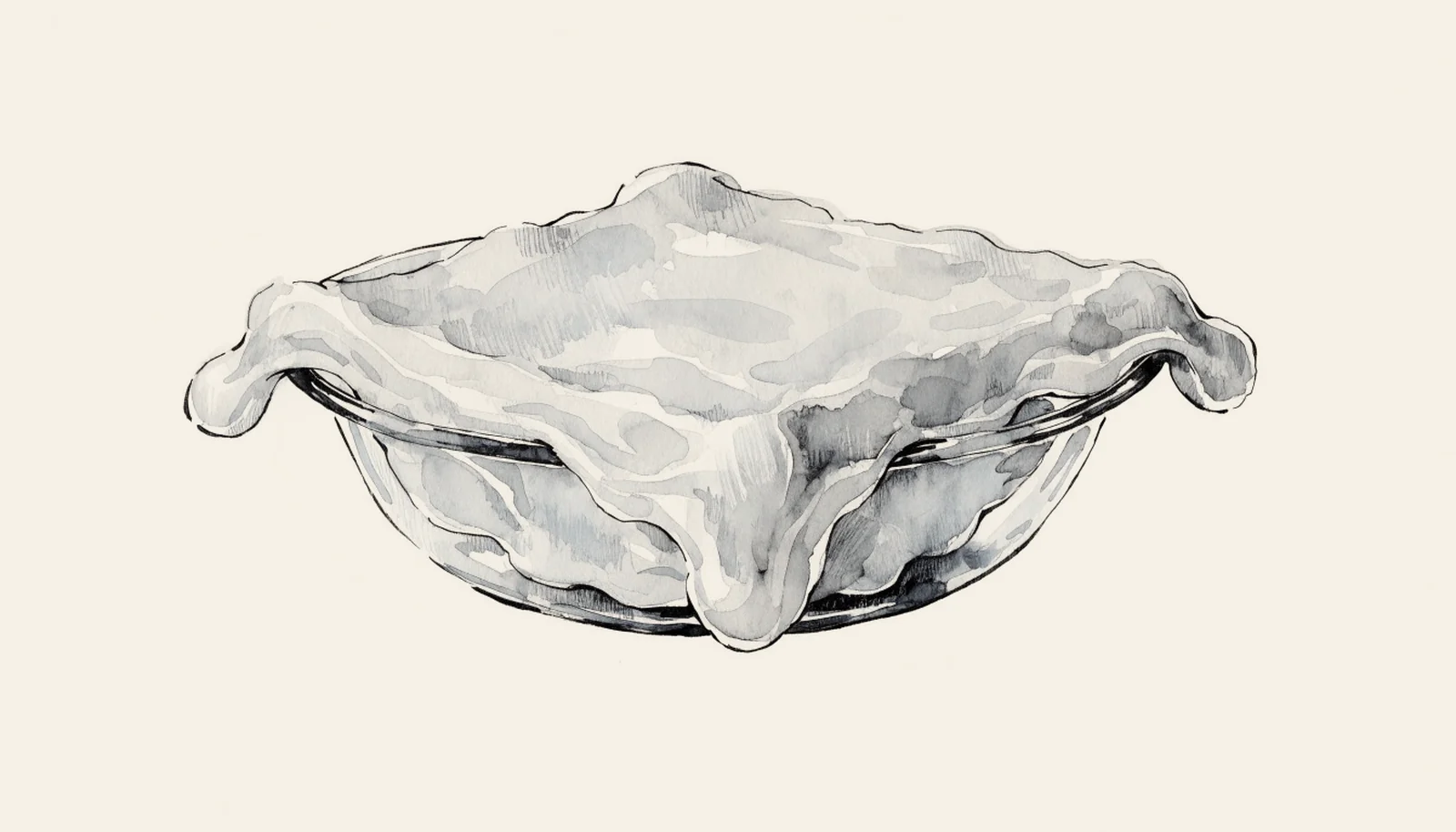
A soft rindless Lombard cheese, usually indistinguishable from stracchino. Where the two names came from, when a producer means something specific by crescenza, and how to buy and use it.
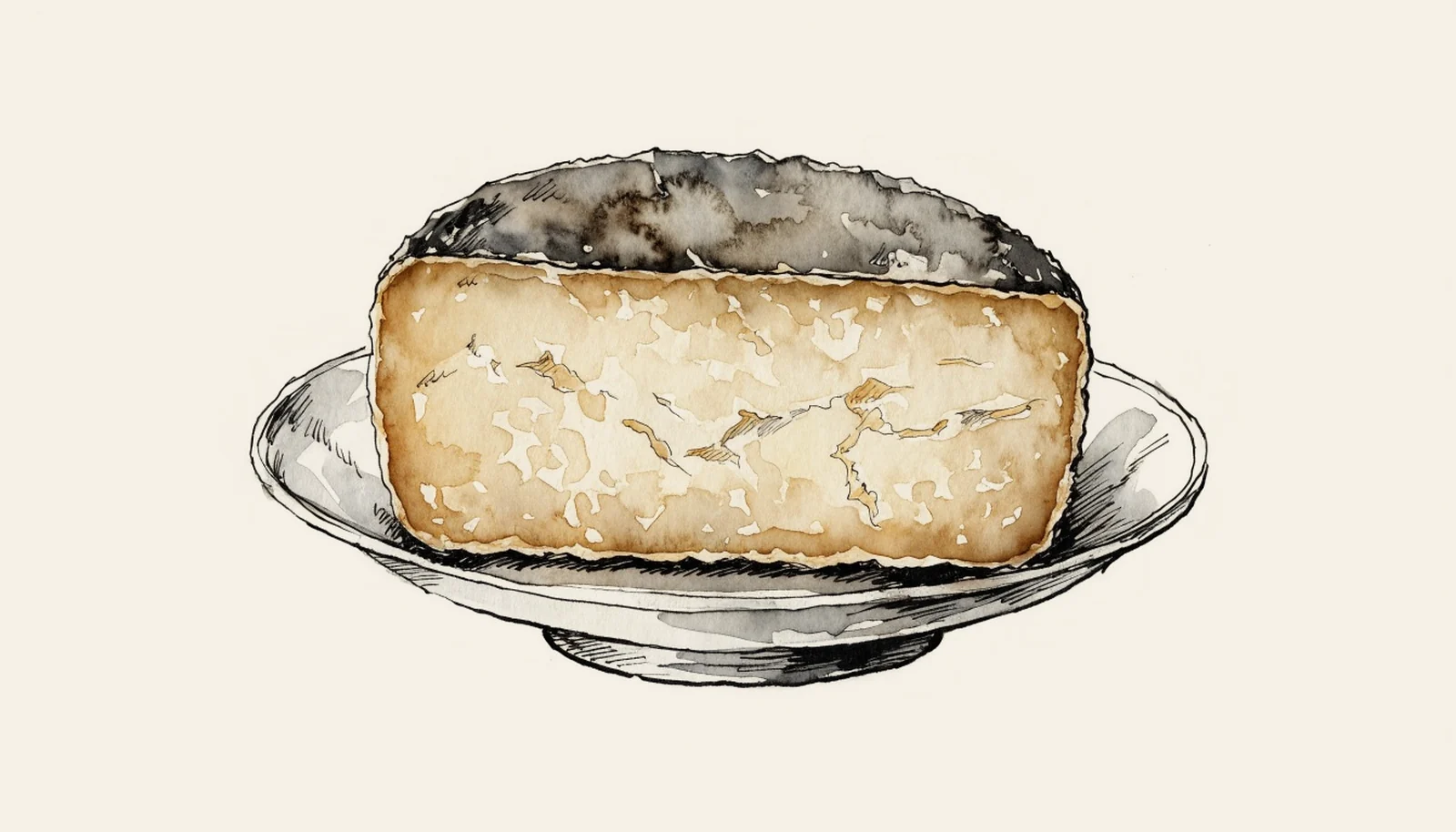
A raw sheep milk DOP from Sardinia, smoked over open fires and aged for months. Why it tastes nothing like Pecorino Romano despite sharing an island and a milk, and how to judge and use it.
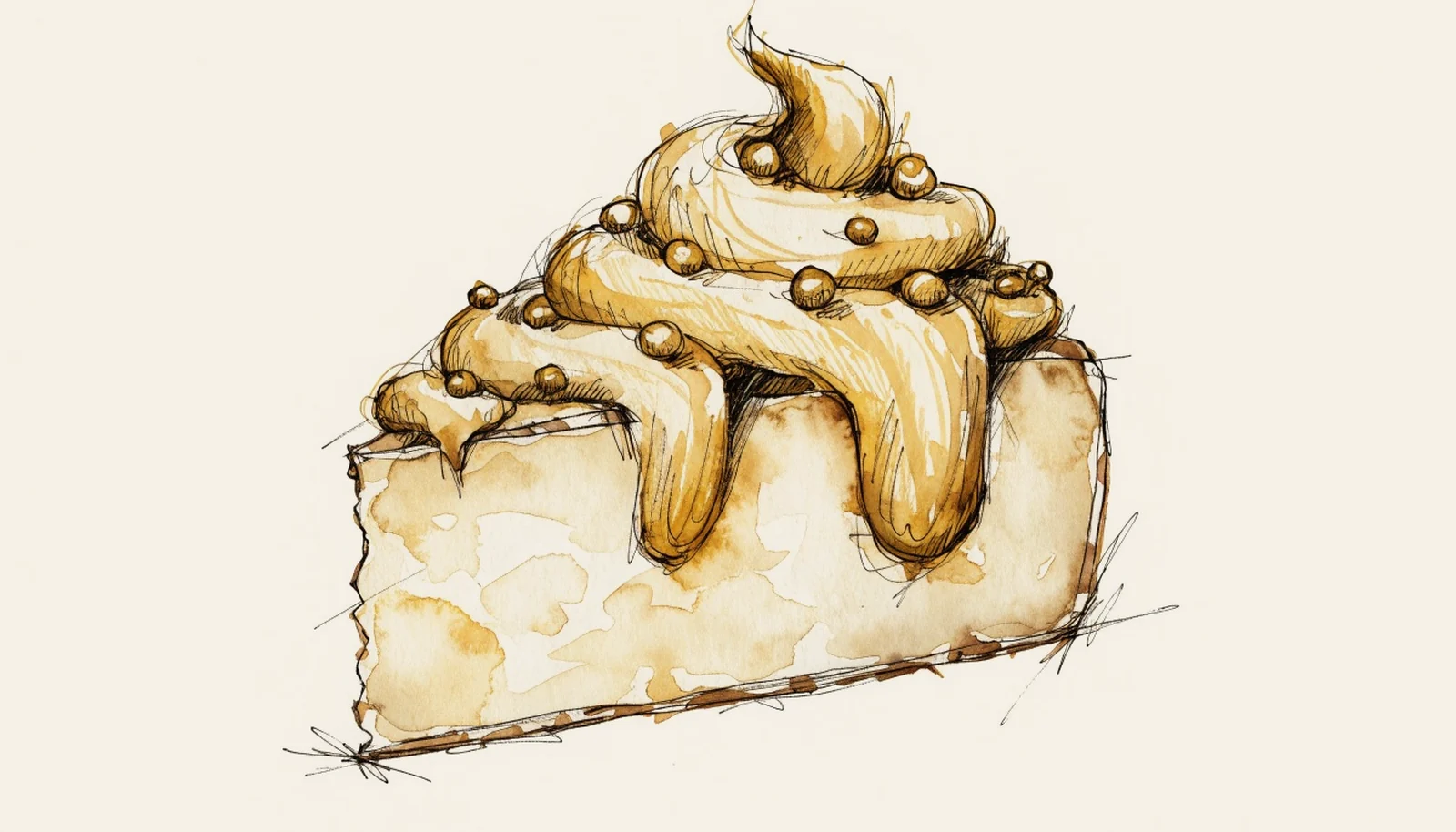
Fontina Val d Aosta is a raw milk cave-aged DOP. Fontina sold with a red wax rind is usually something else entirely. How to judge which is which, when to buy each, and why it matters for fonduta.
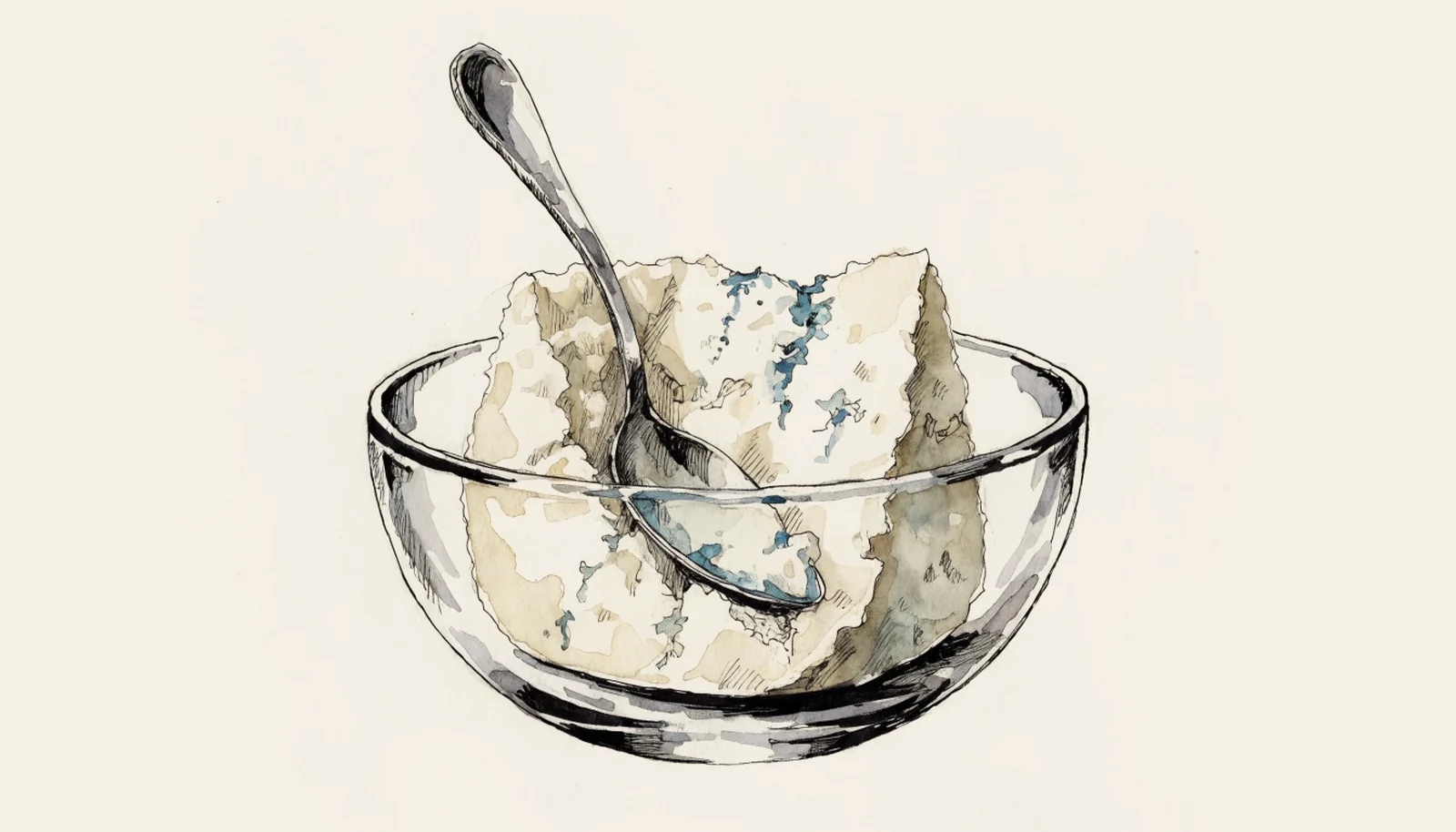
The young, soft, sparsely veined half of the gorgonzola DOP. Why it is barely a blue cheese in texture, what cremificato means, and why it is the one to buy and use for sauces.
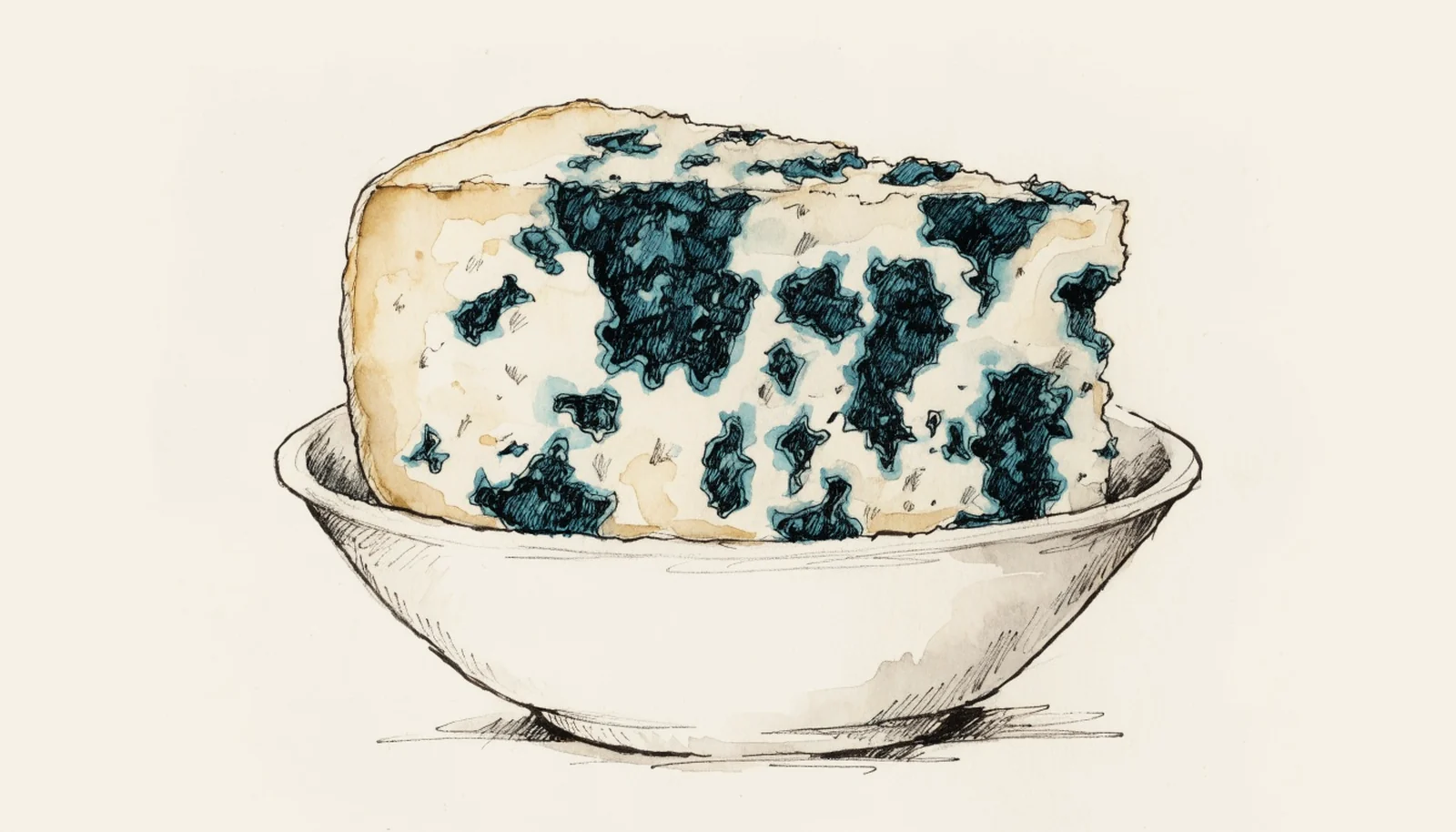
Firm, densely veined and genuinely sharp. Why piccante is closer to historical gorgonzola than dolce is, what the labels mean, how to judge one, and when it is the right one to use.
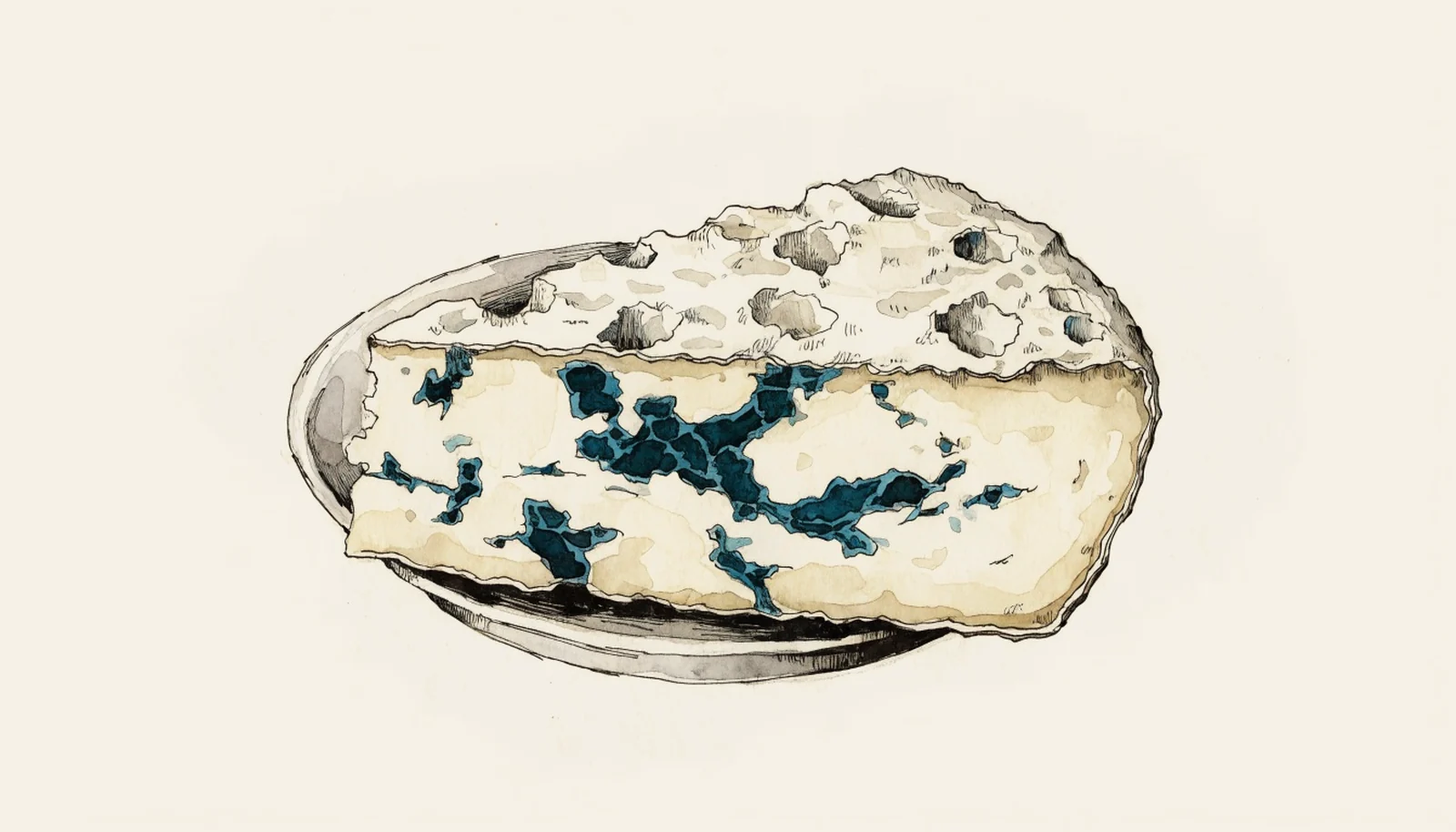
A DOP blue from Lombardy and Piedmont sold in two very different forms. Why dolce and piccante are barely the same cheese, which one a recipe means, and how to judge and buy one.
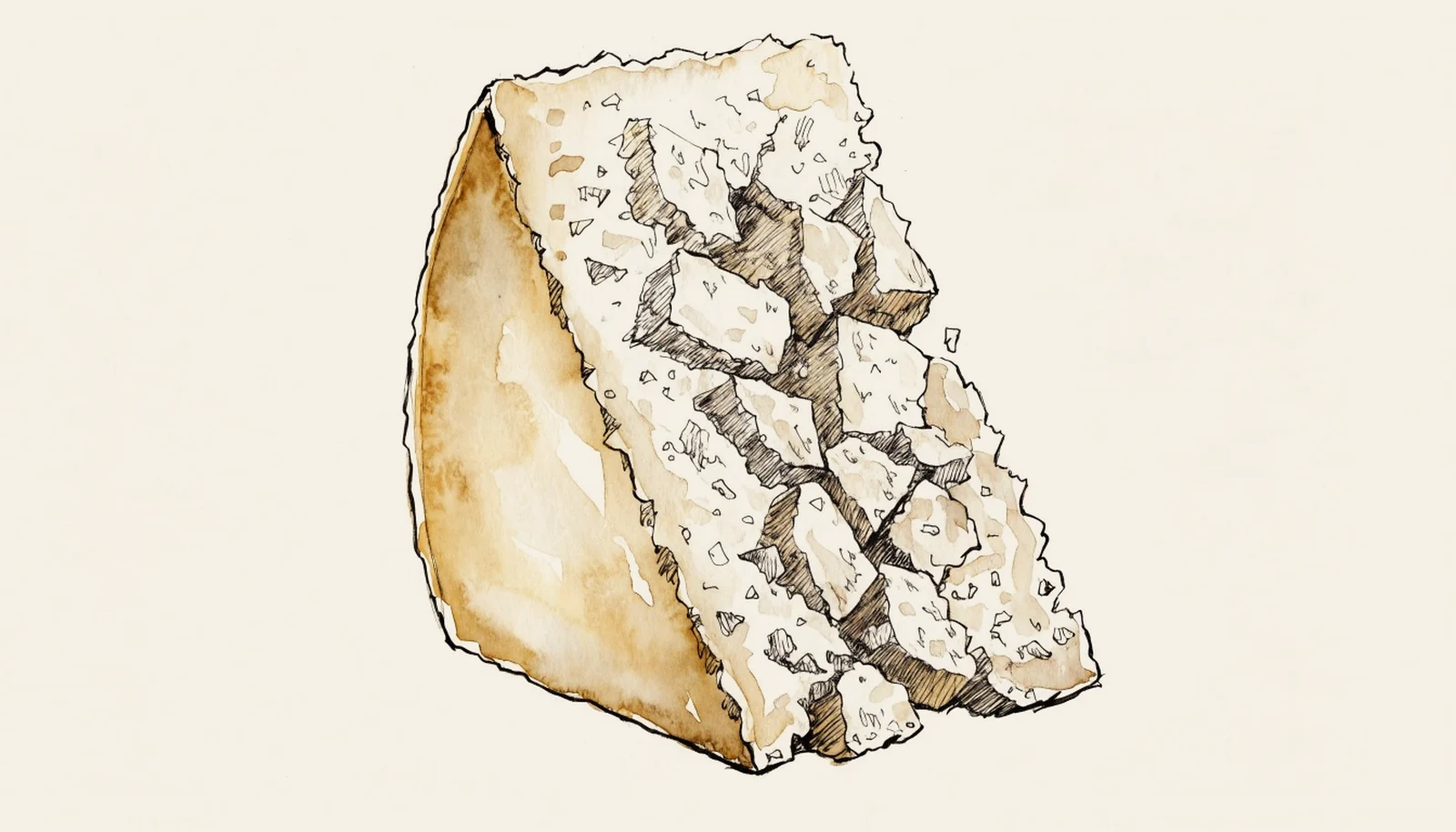
A DOP hard cow cheese from the Po valley, and the closest thing Parmigiano Reggiano has to a rival. The four real differences, how to judge one, and when the cheaper wheel is the right buy.
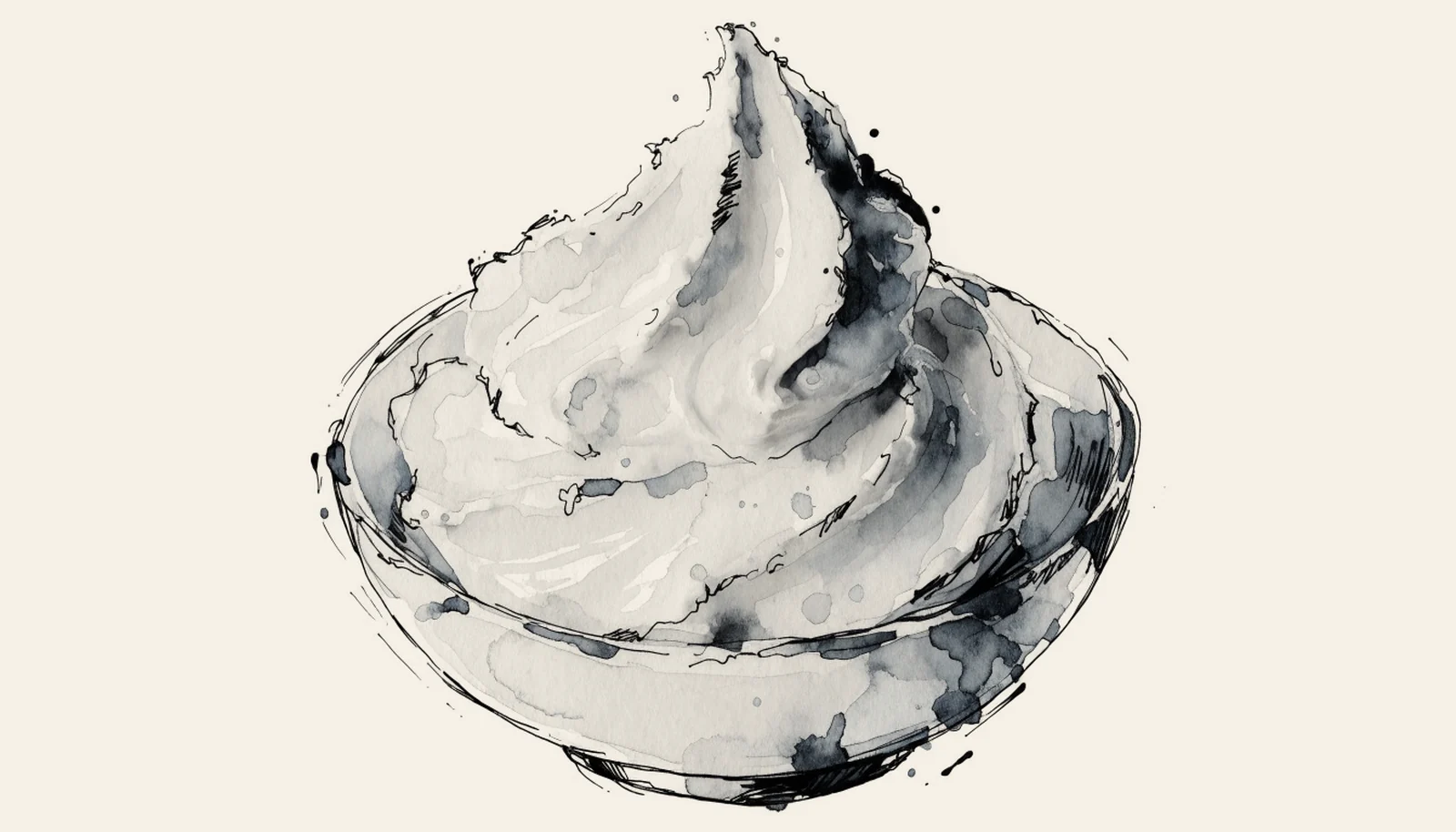
Cream acidified and drained, with no rennet and no culture. Why it is technically barely a cheese, why it splits so easily, how to use it, and how to judge a good tub against a stabilised one.
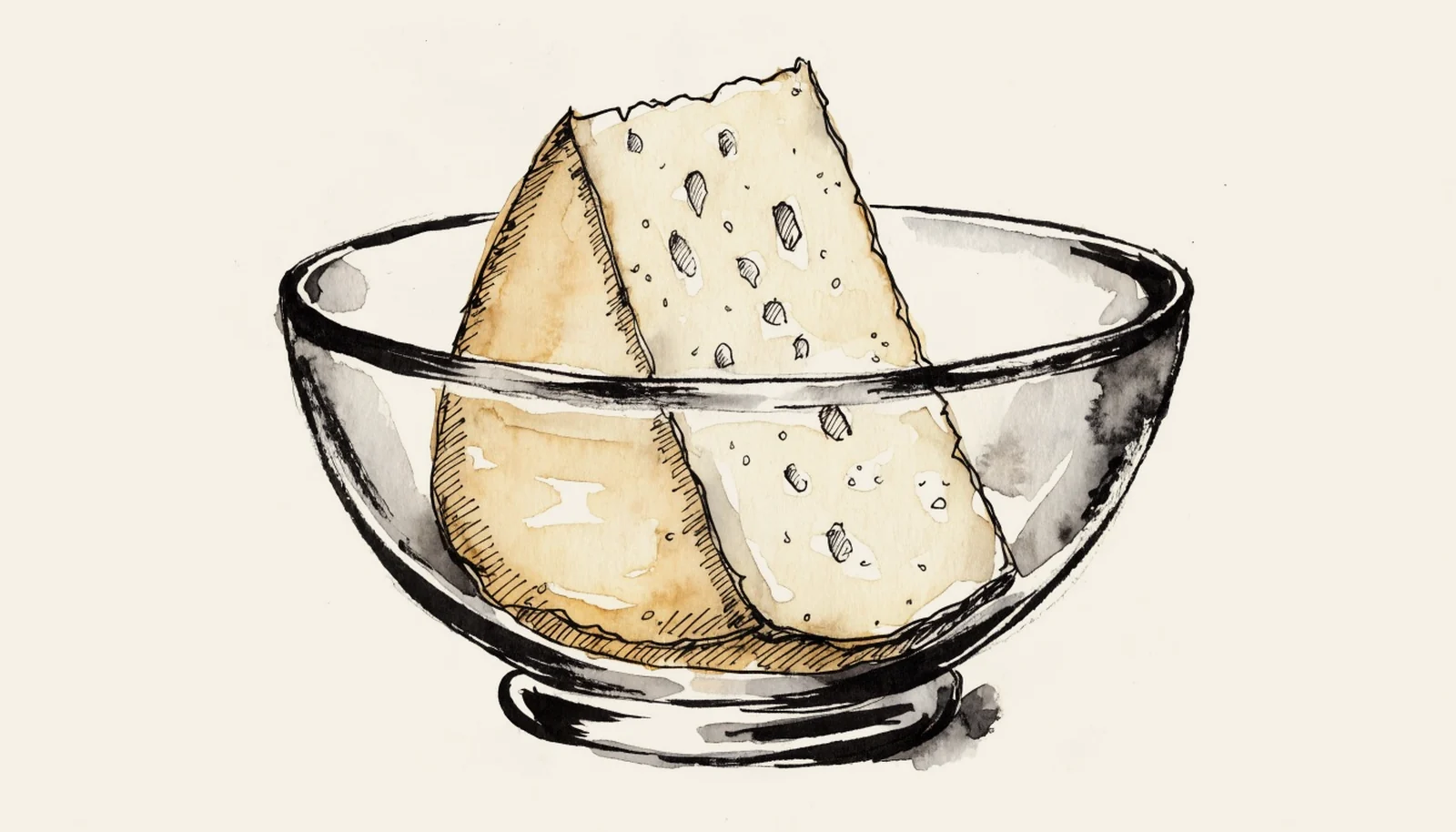
A cow milk DOP from Friuli and the Veneto sold fresh, semi-stagionato and stagionato. Which grade to buy for each use, and the fried cheese dish that made it famous.
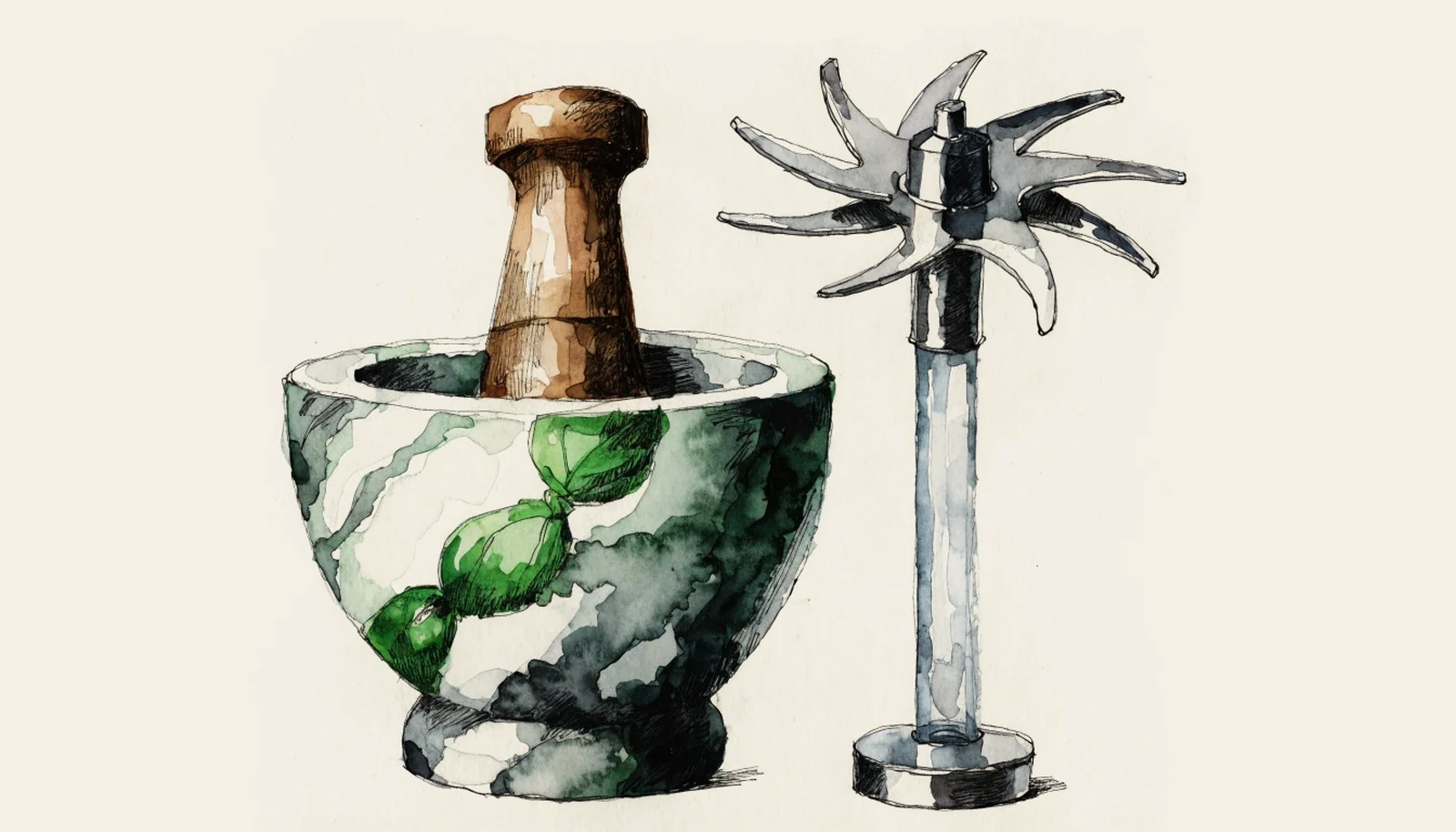
The DOP specification names the mortar, and the reason is mechanical. What tearing does against cutting, how much of the difference is real, when a machine is fine to use, and what size to buy.
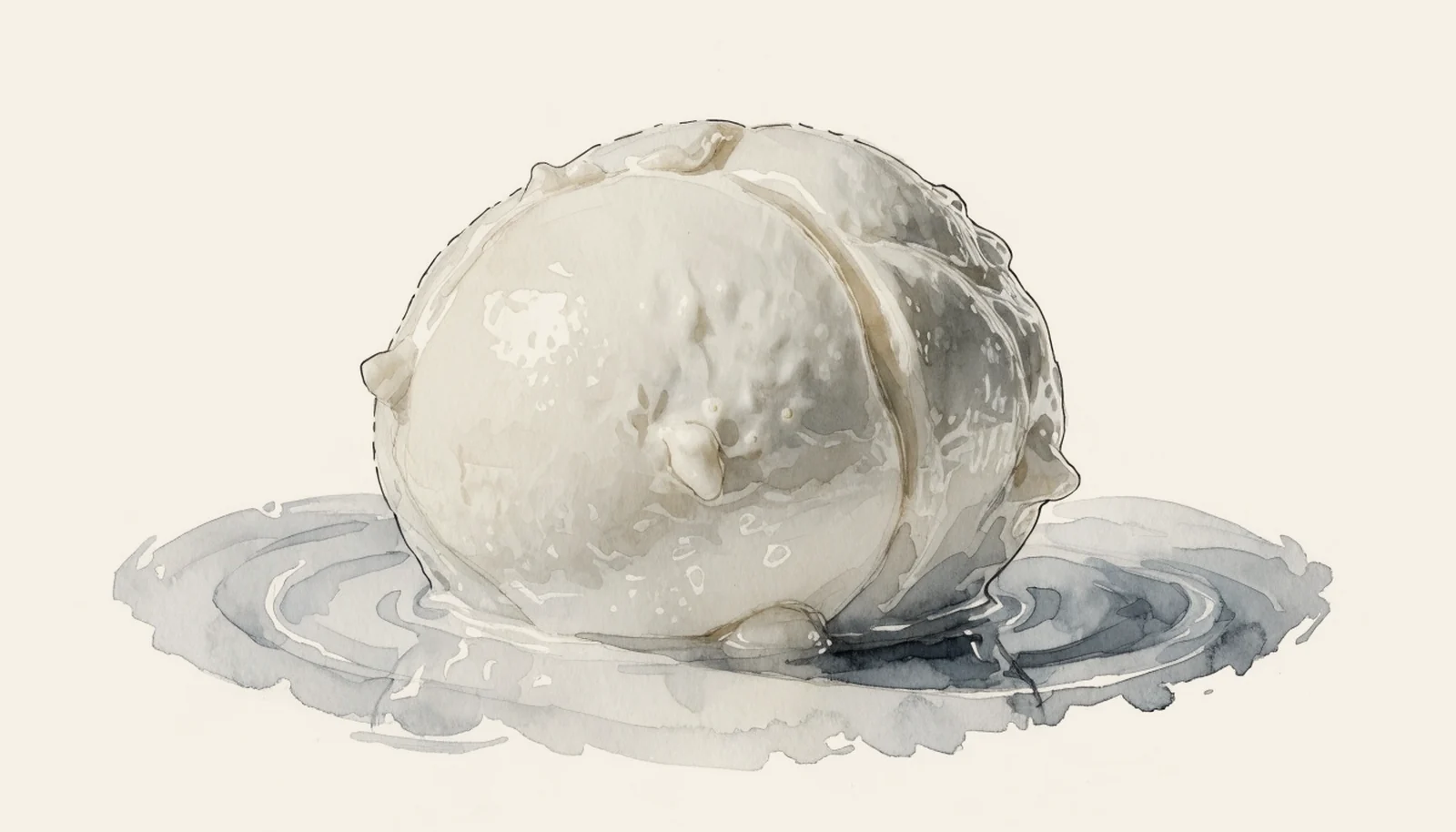
Water buffalo milk mozzarella from Campania and Lazio, protected by DOP. Why buffalo milk changes the cheese, how to spot the fake, how to judge and use one, and why the liquid matters.
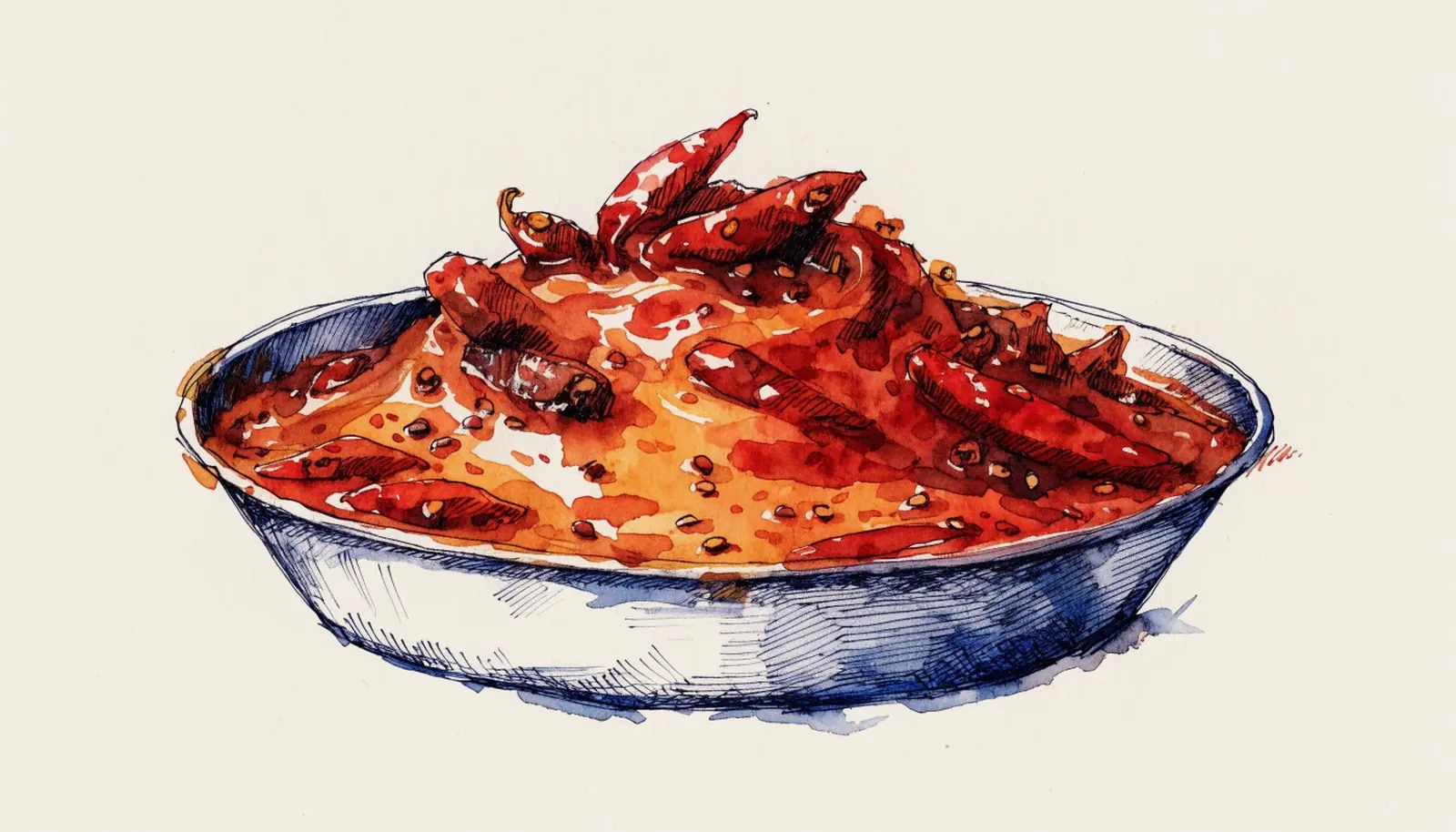
Jarred nduja pasta sauce is mostly tomato with a little nduja. How to read the label and judge a jar, what the chilli content tells you, and when the plain salume is the better buy.
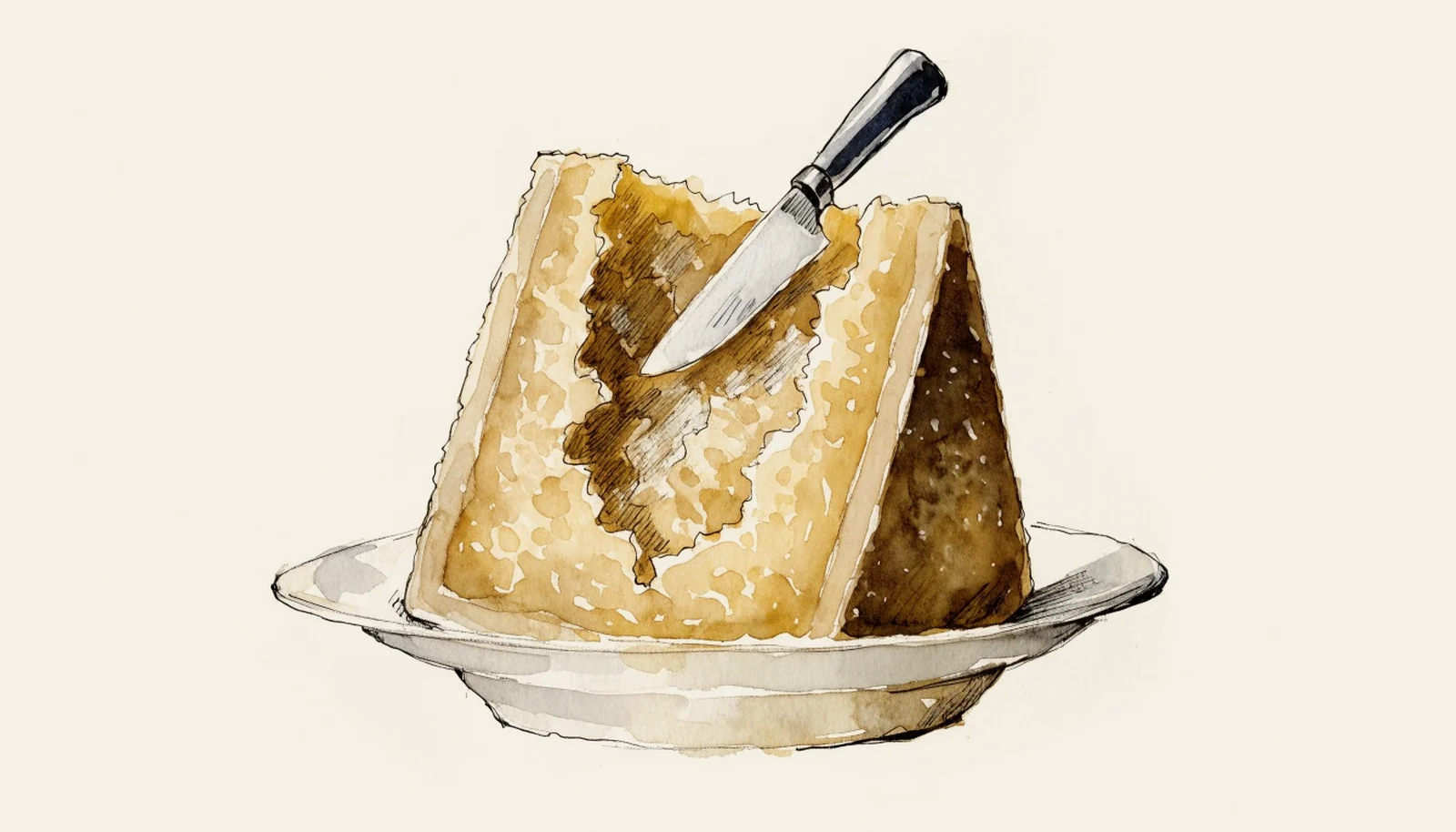
The pin-dot rind, what 12, 24 and 36 months actually taste like, why the crystals are a good sign, and how to judge it against Parmesan and Grana Padano before you buy.
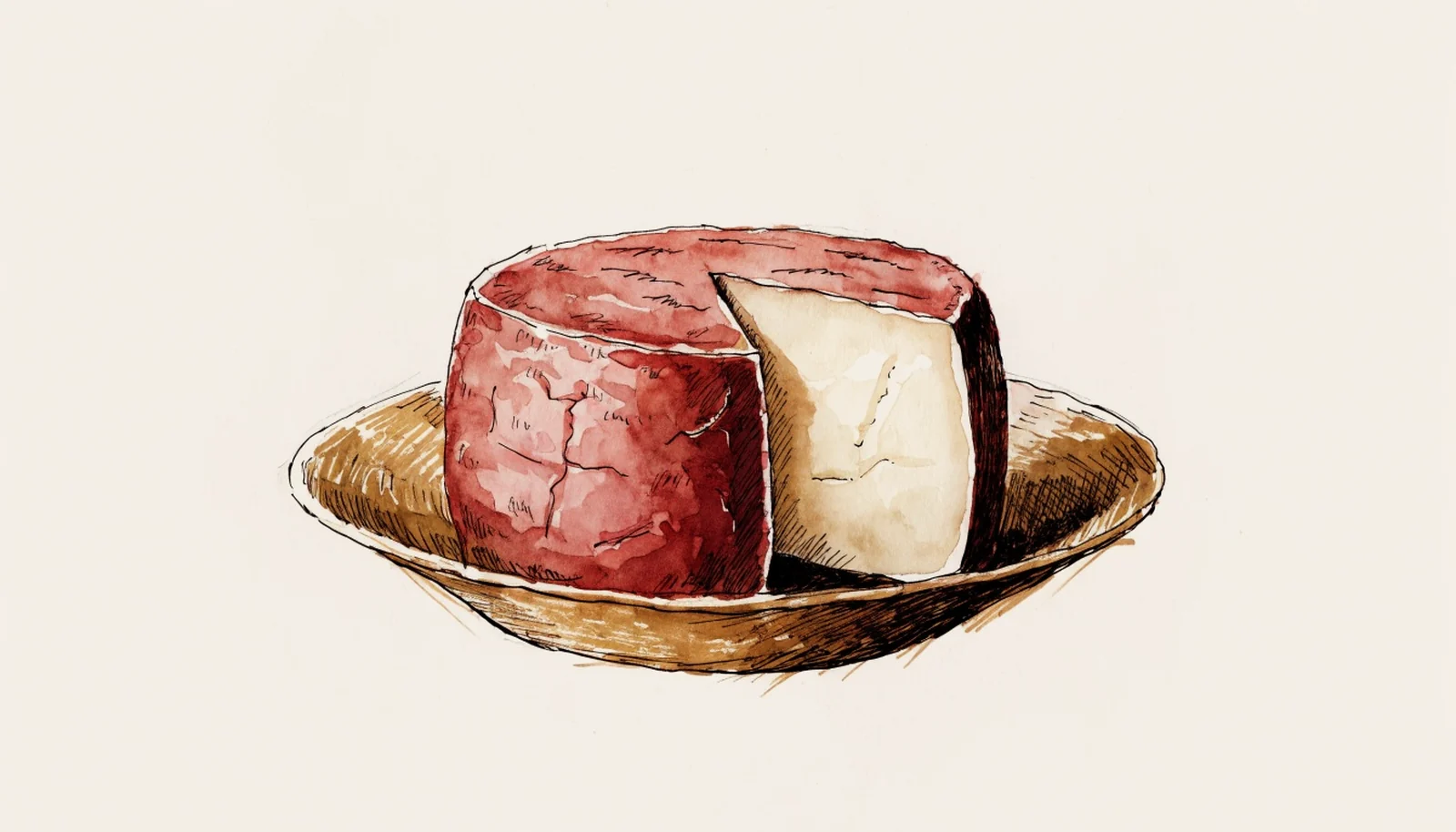
The sheep cheese of the Val d Orcia, sold under a town name that is not itself protected. What relationship it has to Pecorino Toscano DOP, and how to judge and buy one.
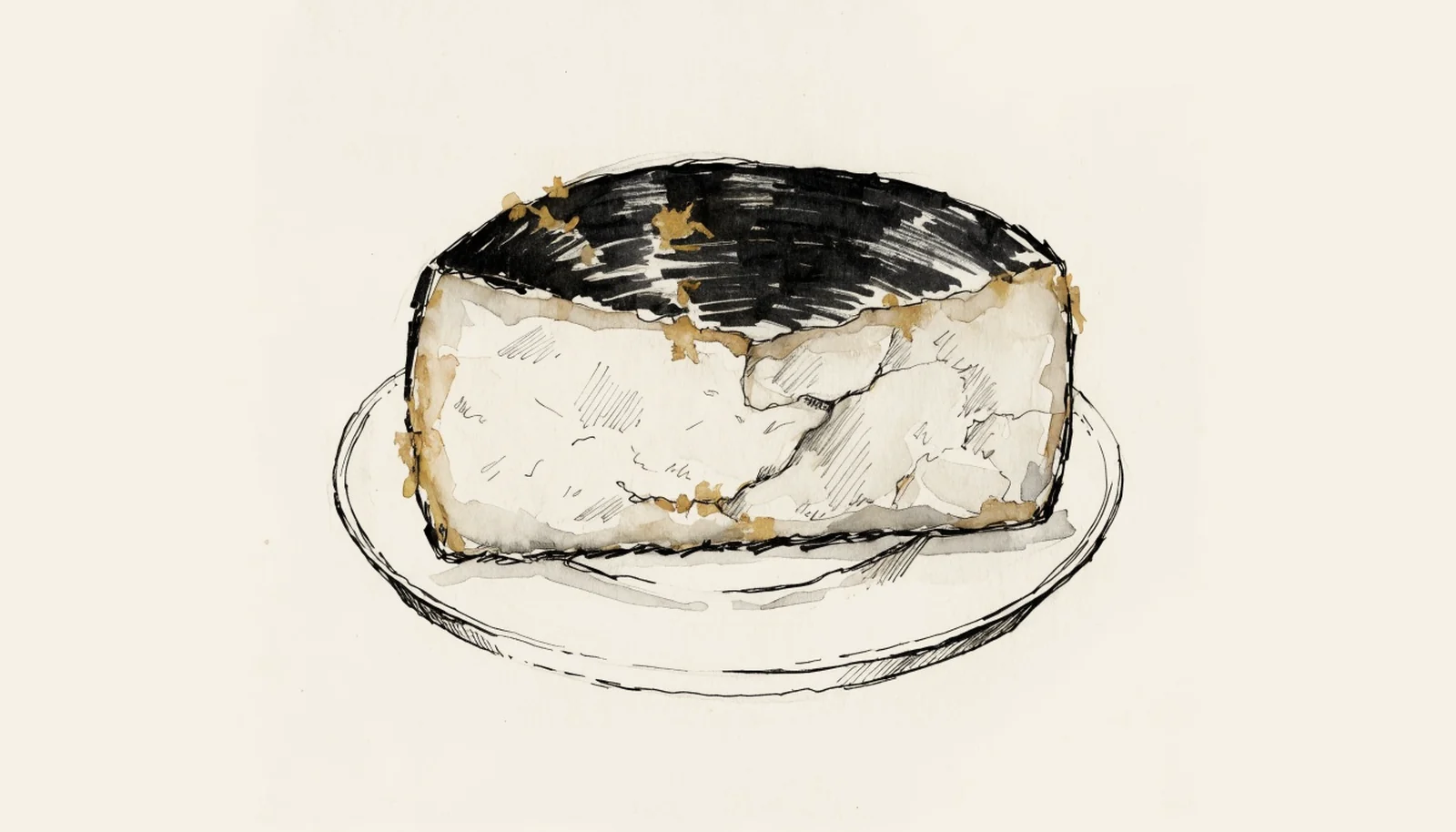
A hard salted DOP sheep cheese from Lazio, Sardinia and Grosseto. Why most of it is Sardinian, why it is so salty, how to judge a piece, and when it is the wrong cheese to use.
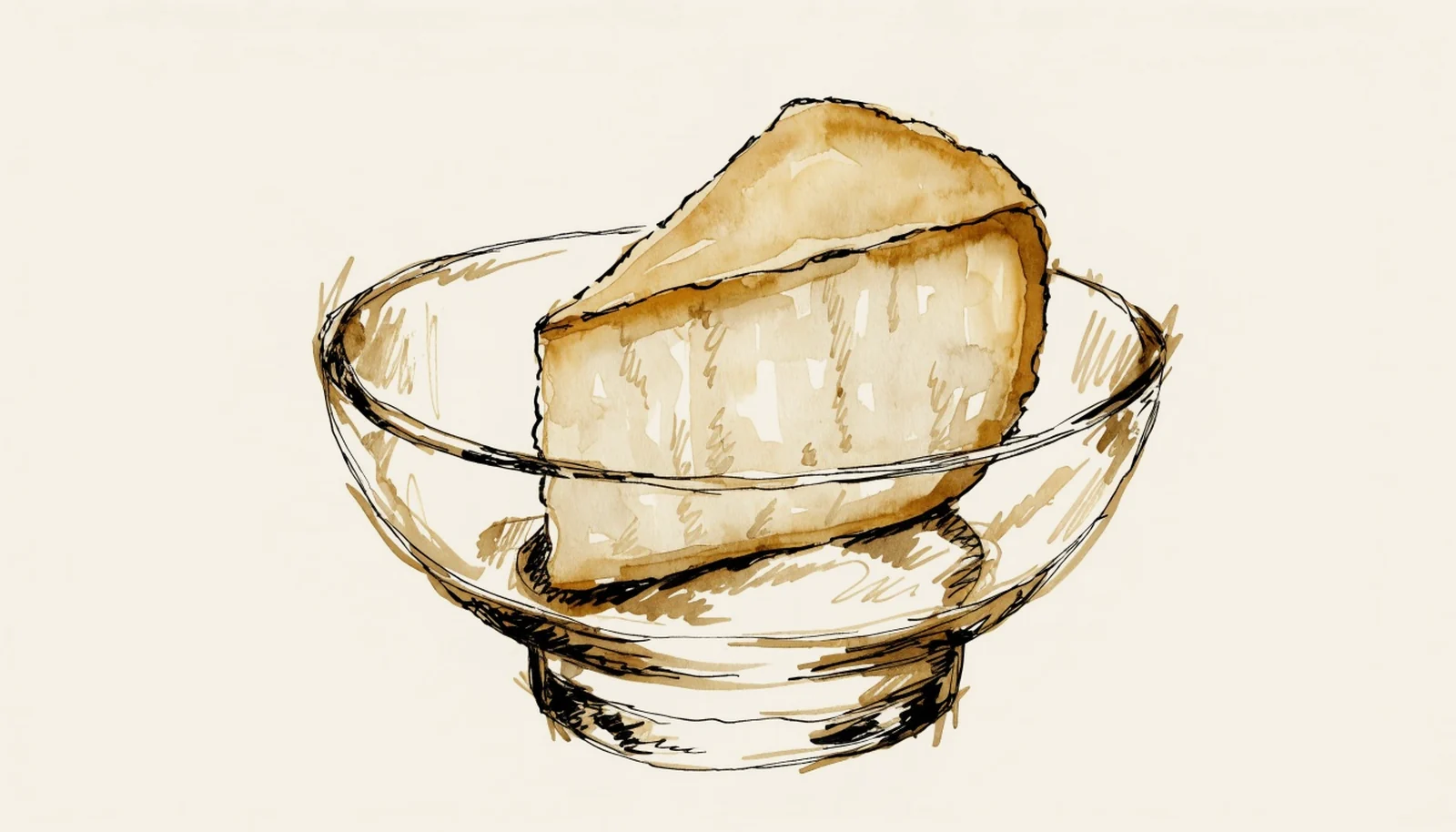
A DOP sheep cheese from Sardinia in two grades, dolce and maturo. Why it is a different cheese from Pecorino Romano despite sharing an island, and how to judge and use one.
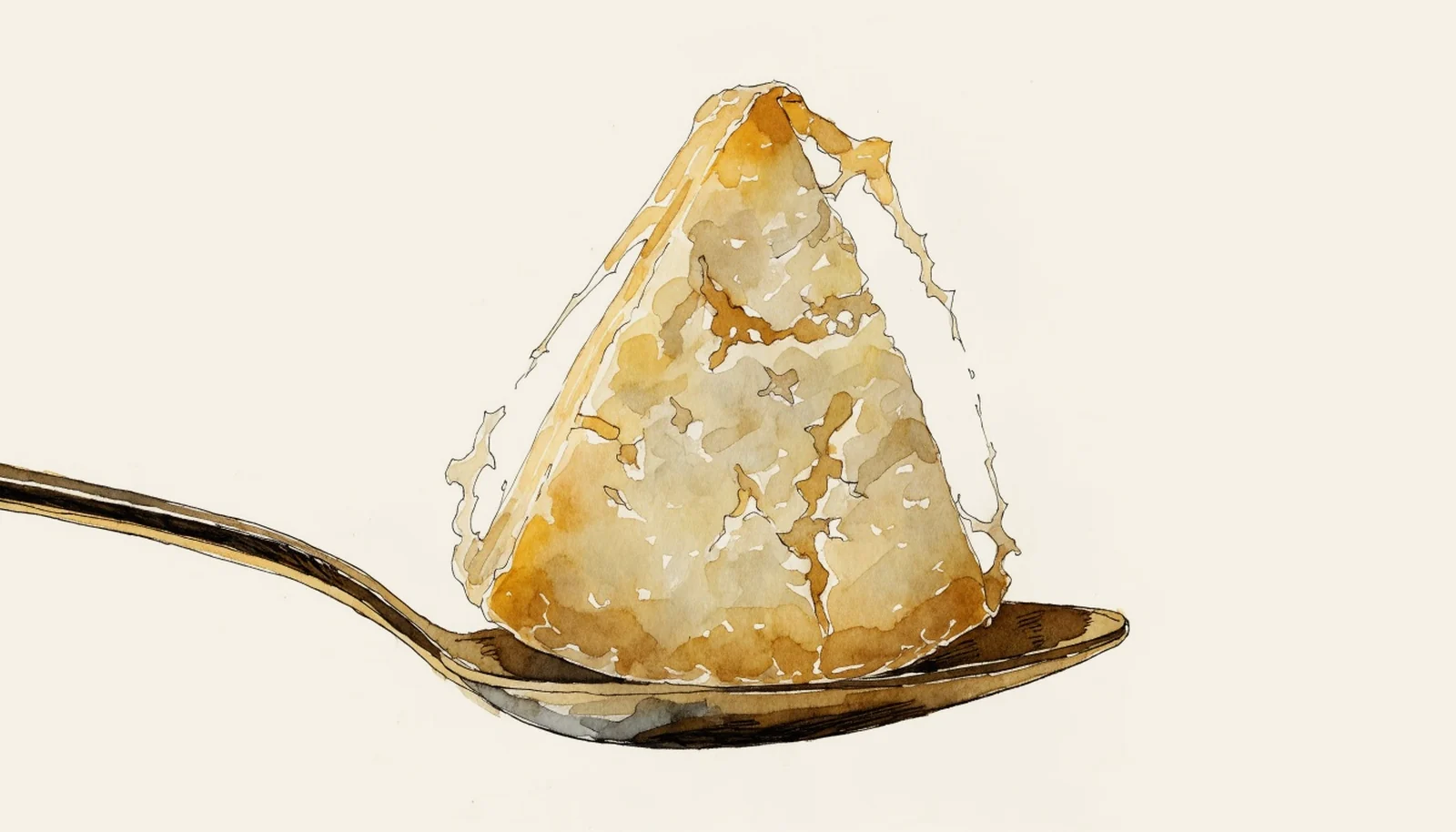
A DOP Tuscan sheep cheese in fresh and aged grades, far gentler than Romano. What the coloured rinds actually are, and how to judge and use one.
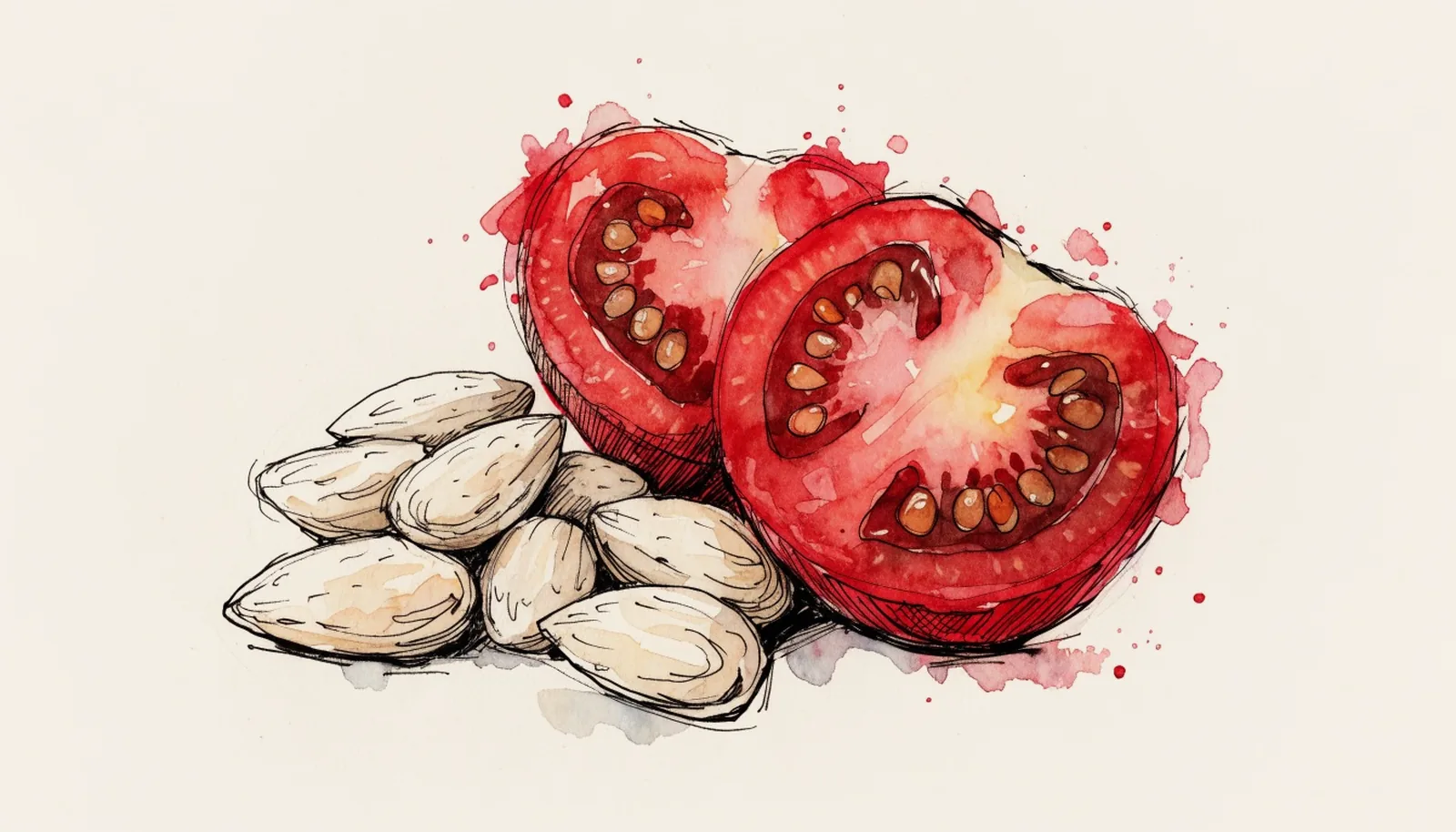
The Sicilian pesto built on almonds and raw tomato. What it swaps out, why the almonds are not a substitution, and how to buy or judge one.
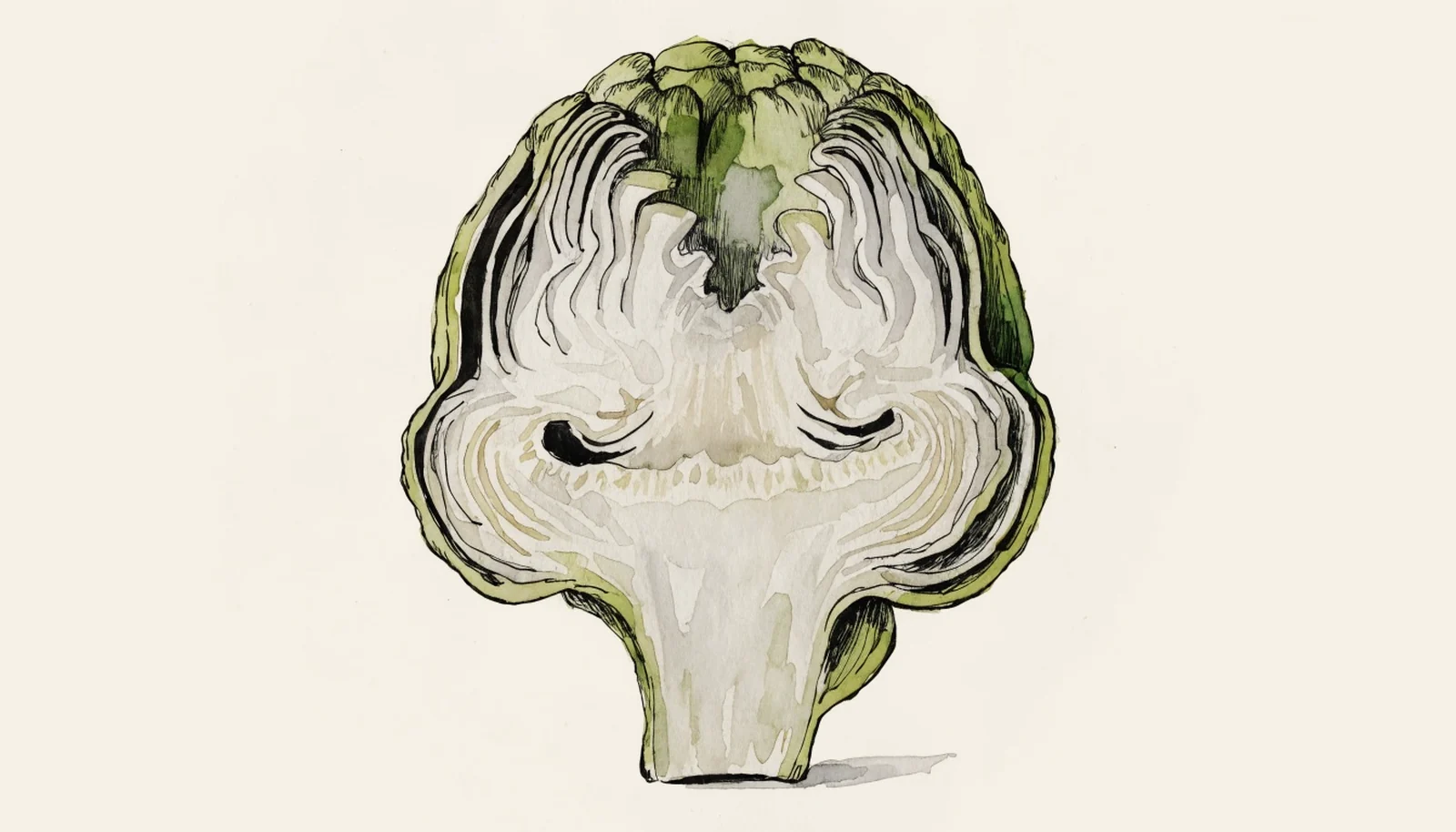
Artichoke pesto is mostly artichoke and oil with no basil and often no nuts. How to read the percentage, how the colour lets you judge handling, and when to buy one.
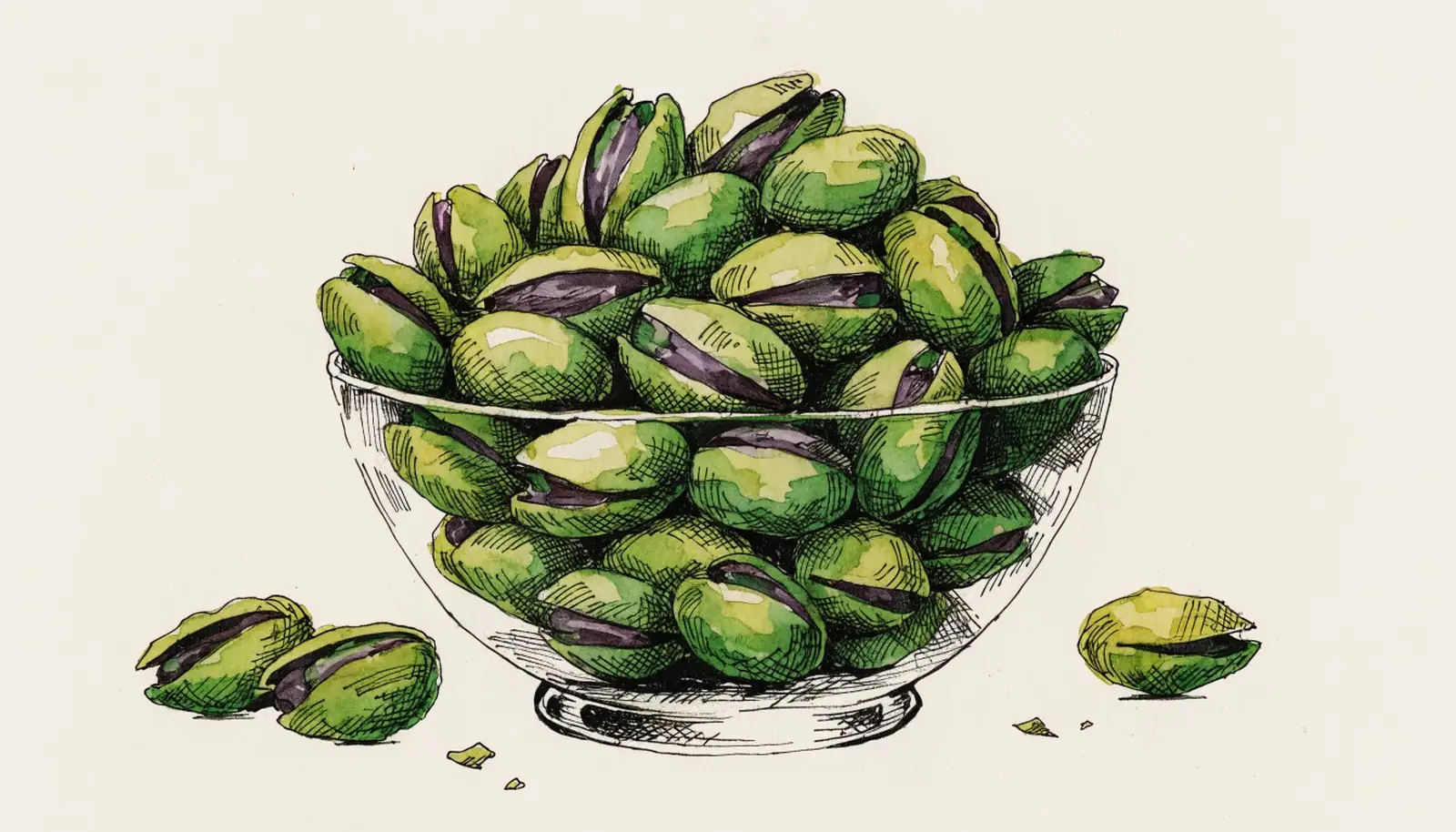
Sicilian pistachio pesto sold in jars where the pistachio content ranges from most of the jar to a fraction. How to read the percentage and the Bronte claim, and judge a jar before you buy.
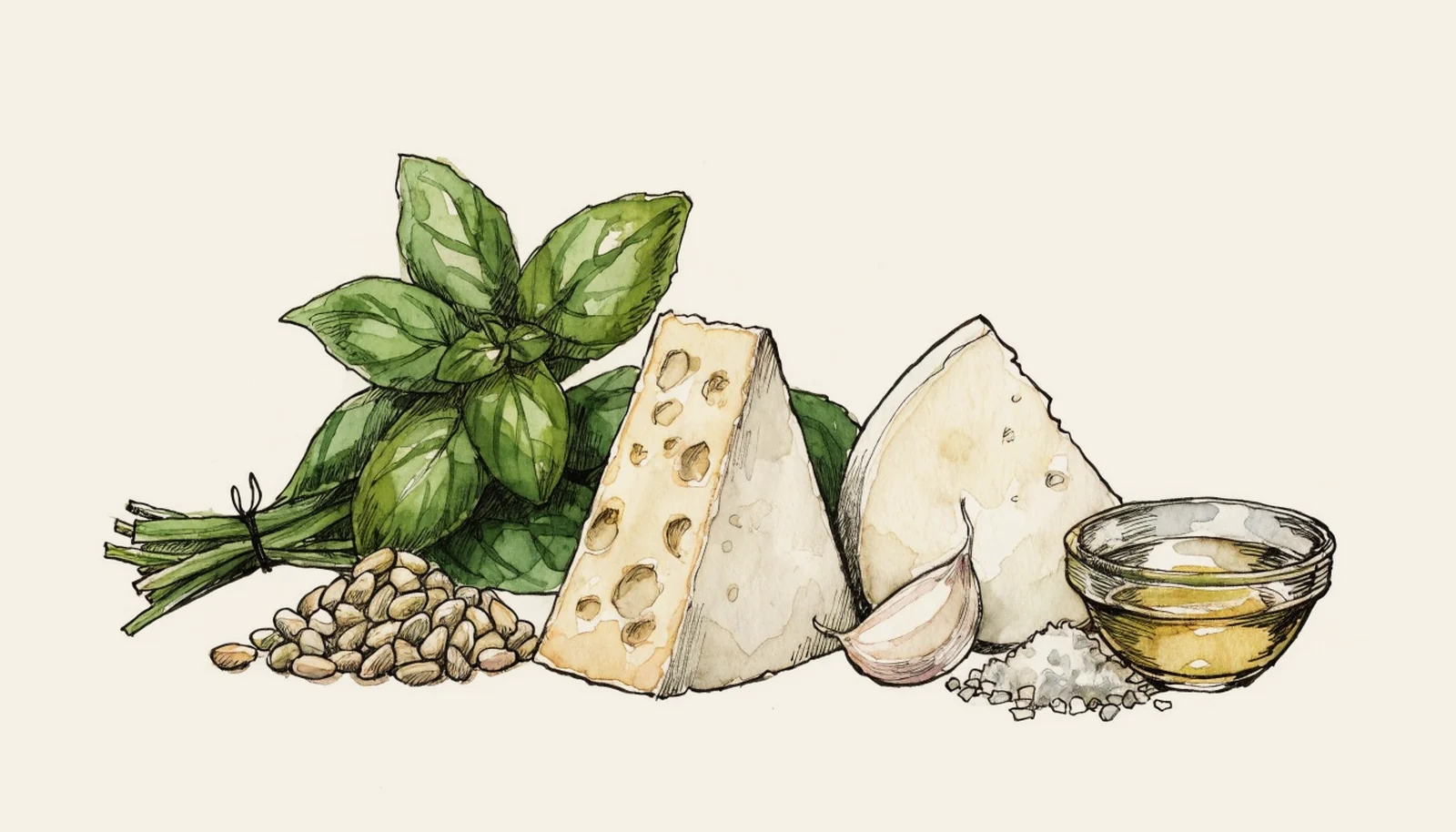
Seven ingredients, a DOP standard, and a long list of cheaper swaps. How to judge a jar before you buy, what the substitutions cost, and why the mortar is in the specification.
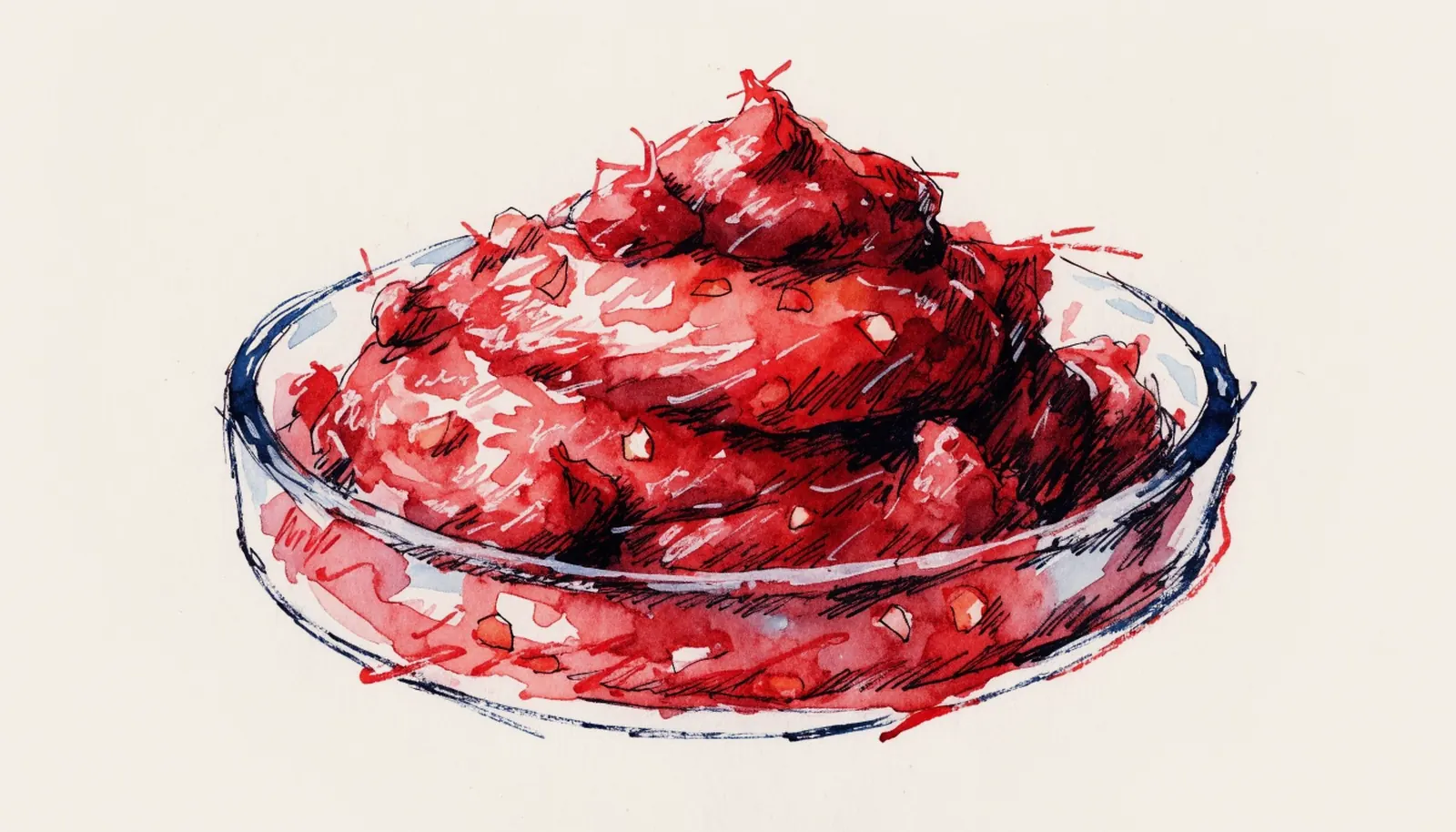
Red pesto is not one product. Sun-dried tomato, Sicilian ricotta-based and Trapanese almond versions all sell under the name. How to tell which jar you have, then judge and use it.
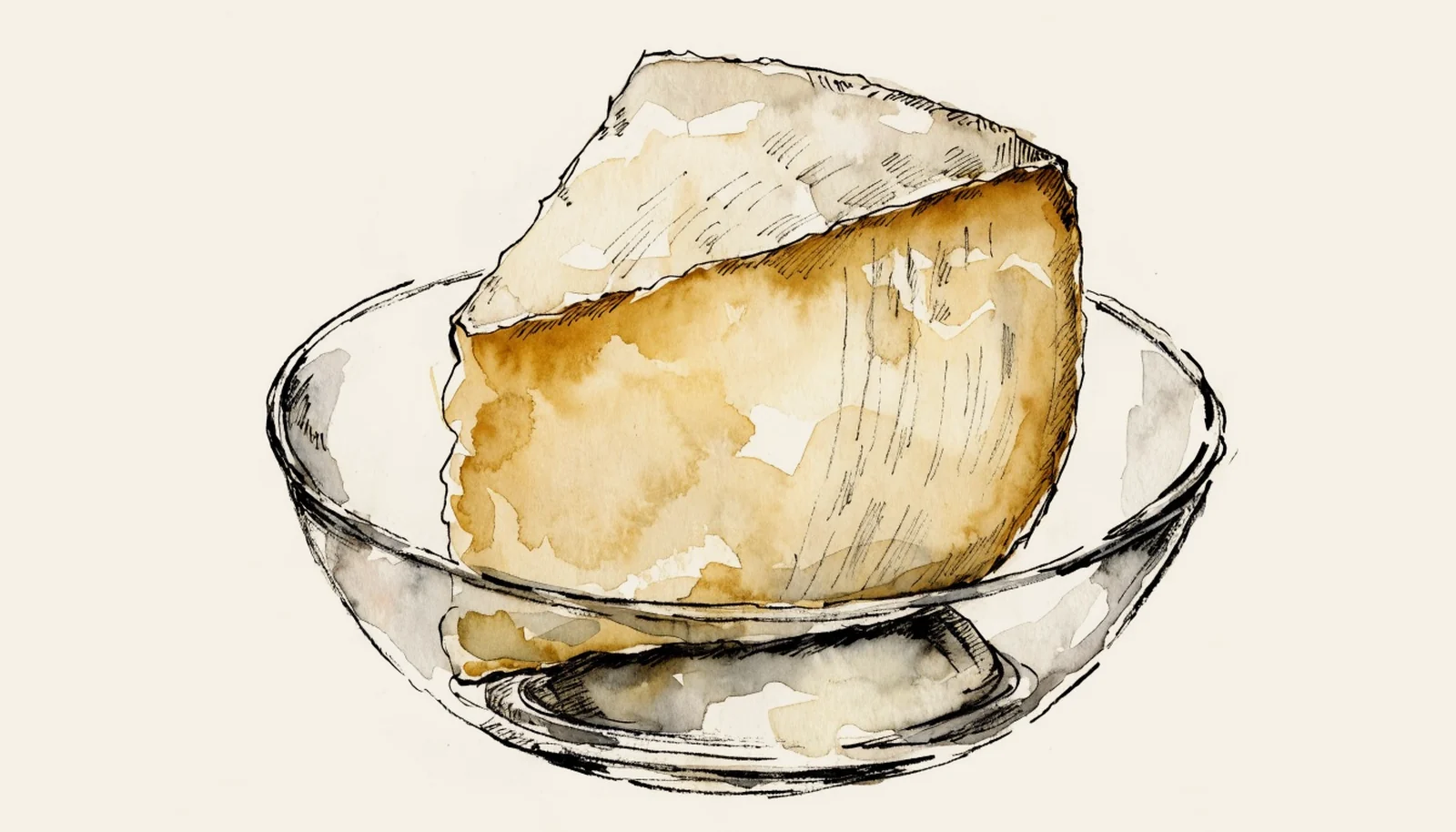
A hard cow milk DOP from Belluno sold in five named age grades. Why it develops sweetness and crystals faster than most, how to judge one, and which grade to buy for what.
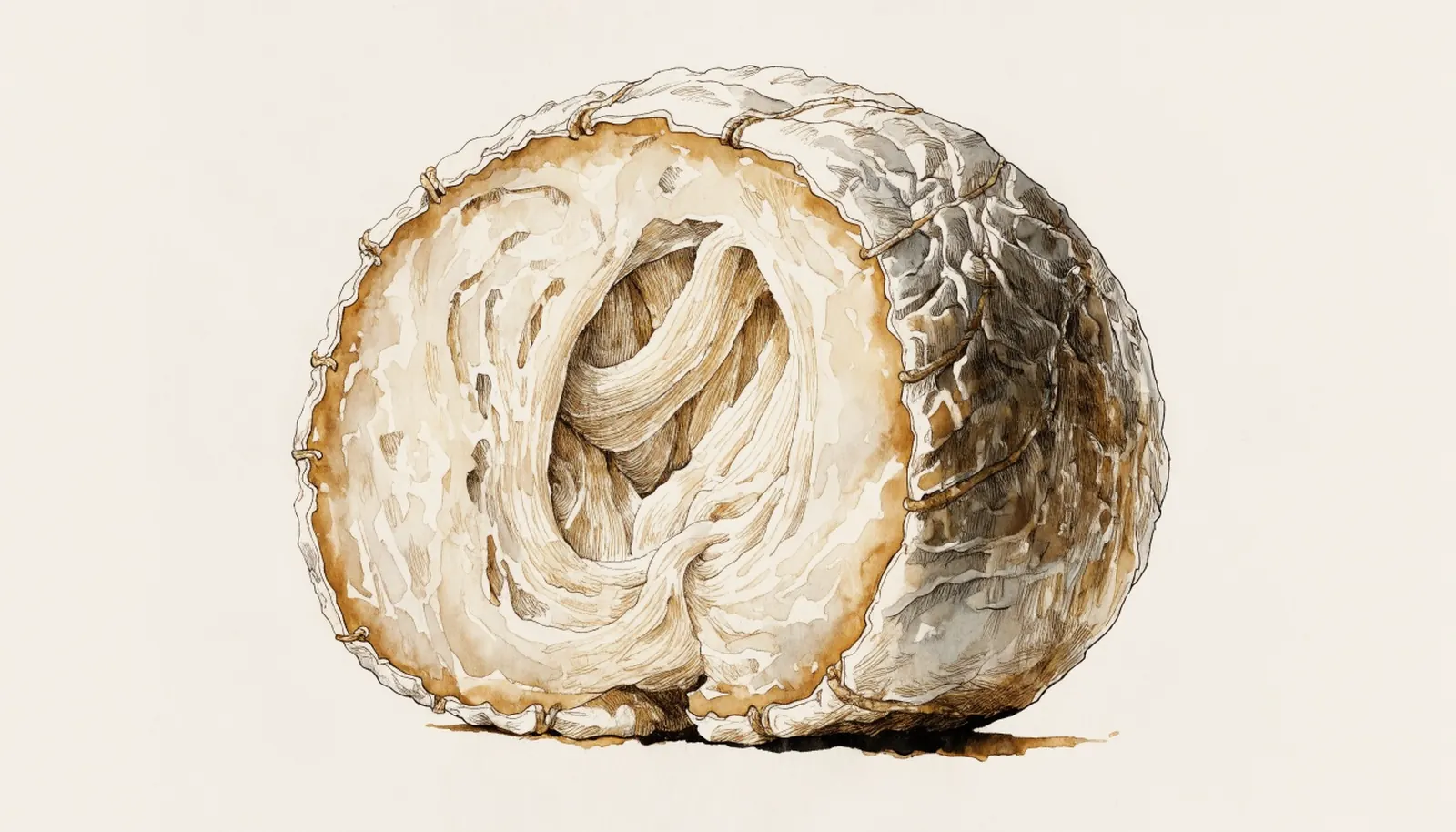
A stretched-curd DOP cheese sold as dolce and piccante. Why the animal the rennet came from makes it sharp, how Italian provolone differs from the American deli cheese, and how to judge and use it.
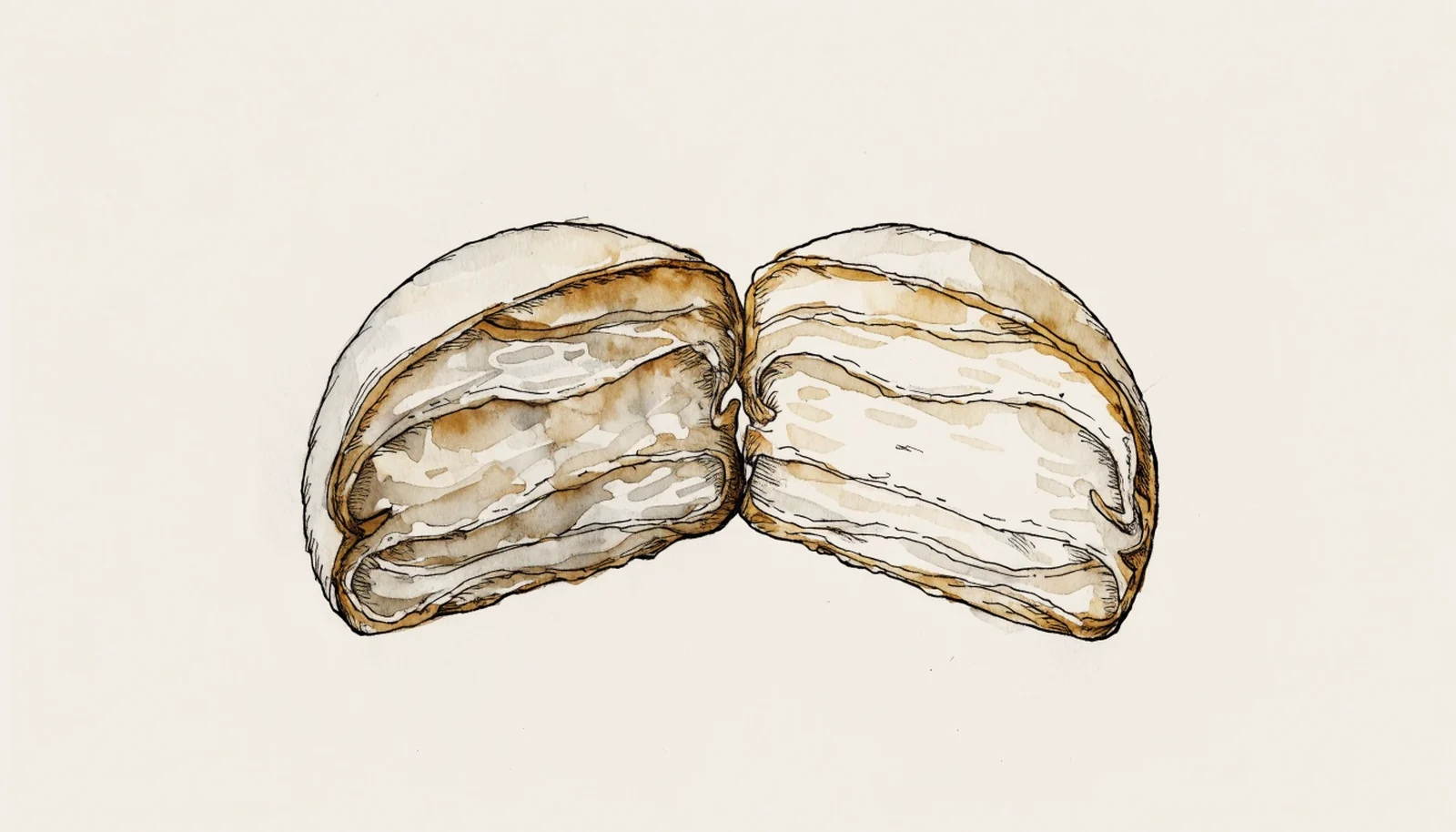
A stretched-curd cheese sitting between fresh mozzarella and aged provolone, usually smoked. How it differs from scamorza, how to judge and use one, and what provola means in Naples.
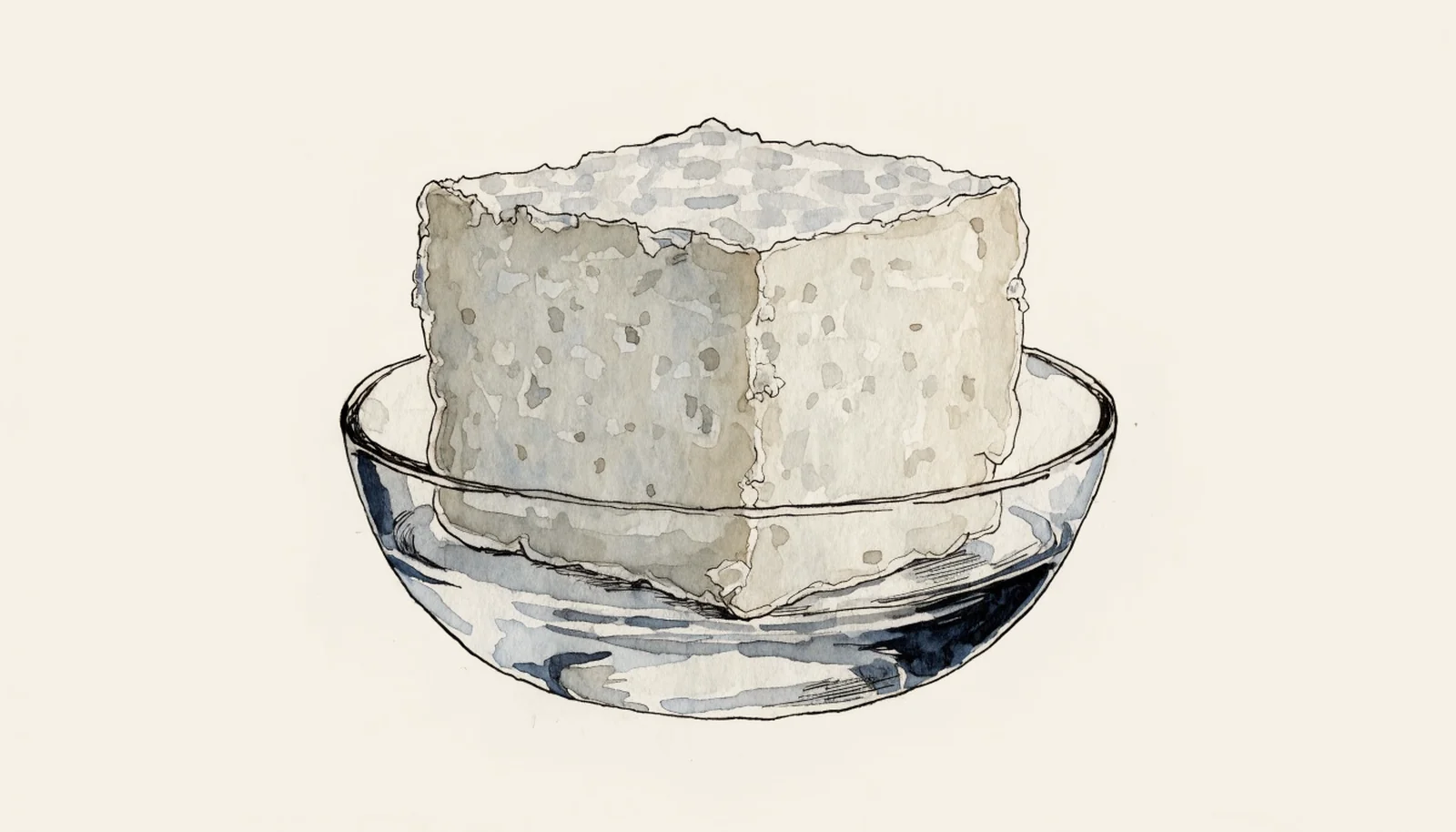
A square soft-to-semi-soft DOP from Lombardy, tangy when young and mellow when aged. What the name records about autumn pasture, how it differs from stracchino, and how to judge and use it.
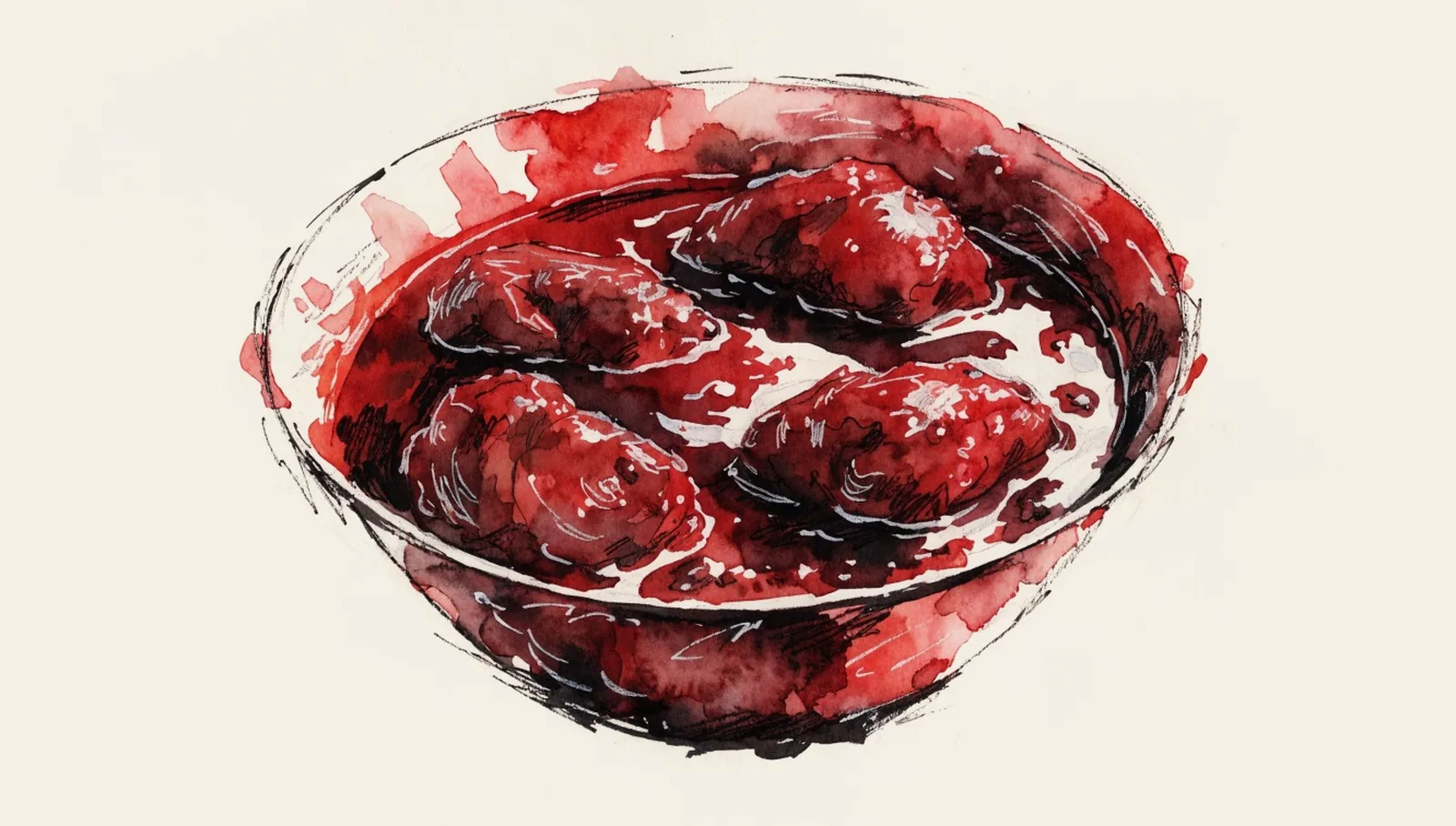
The Neapolitan ragù is whole pieces of meat braised for hours in tomato. Why it is not bolognese, why the jarred versions are something else, and how to judge and use one.
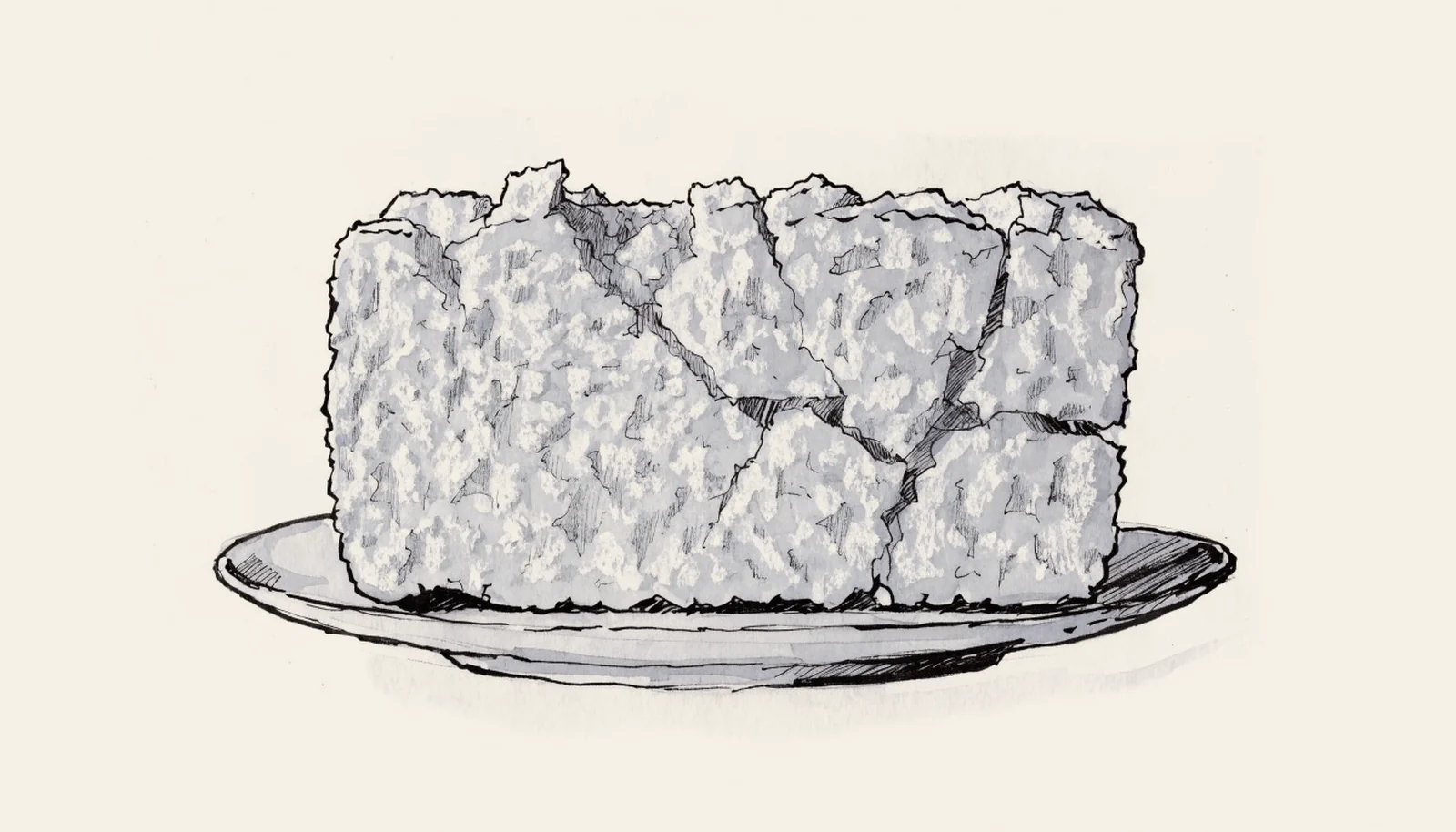
A firm, salted, pressed and aged sheep whey cheese for grating and crumbling. How it differs from fresh ricotta, what it does in pasta alla Norma, and how to judge and use one.
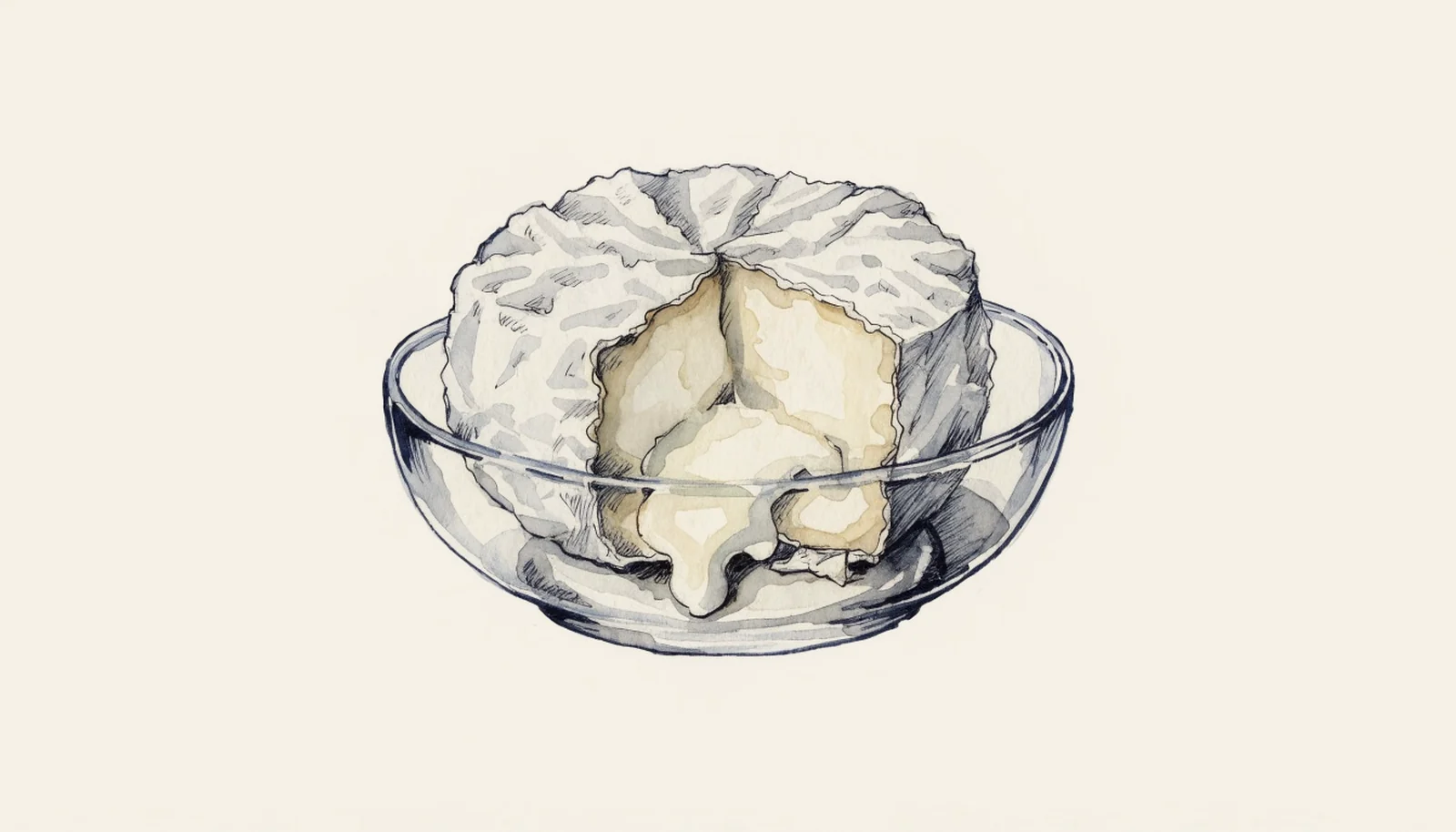
Soft Piedmontese and Lombard cheeses sold under one word covering several very different products. What the milks and formats are, how to judge one, and which Robiola to buy.
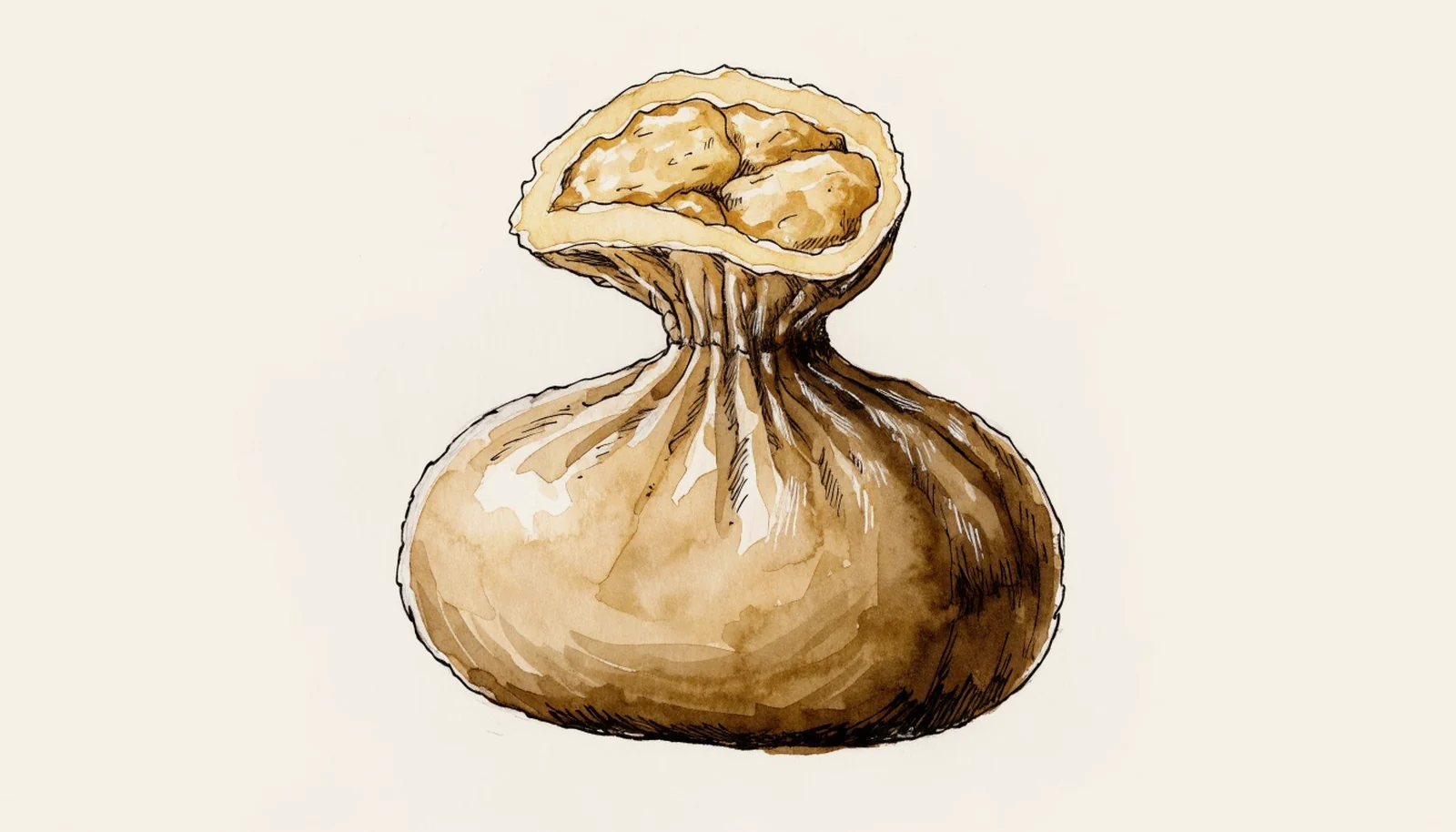
A stretched-curd cheese hung to dry until firm, sold white or smoked. Why it melts without flooding a dish, how to use and judge one, and how to tell real smoking from added flavouring.
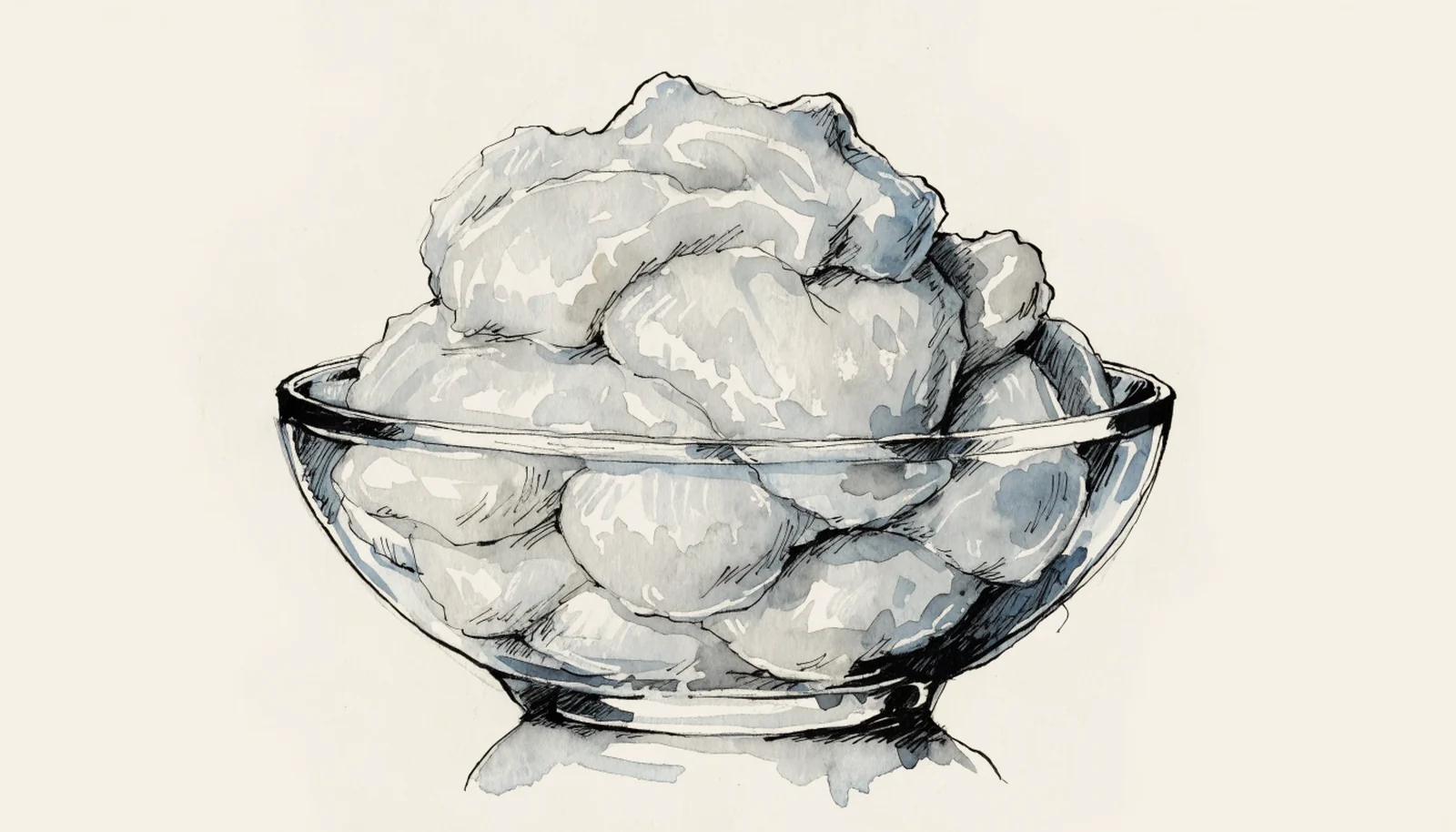
A young, spreadable, tangy Lombard cheese with no rind. What the name actually means, how it relates to crescenza and Taleggio, how to judge and use it, and why it does not keep.
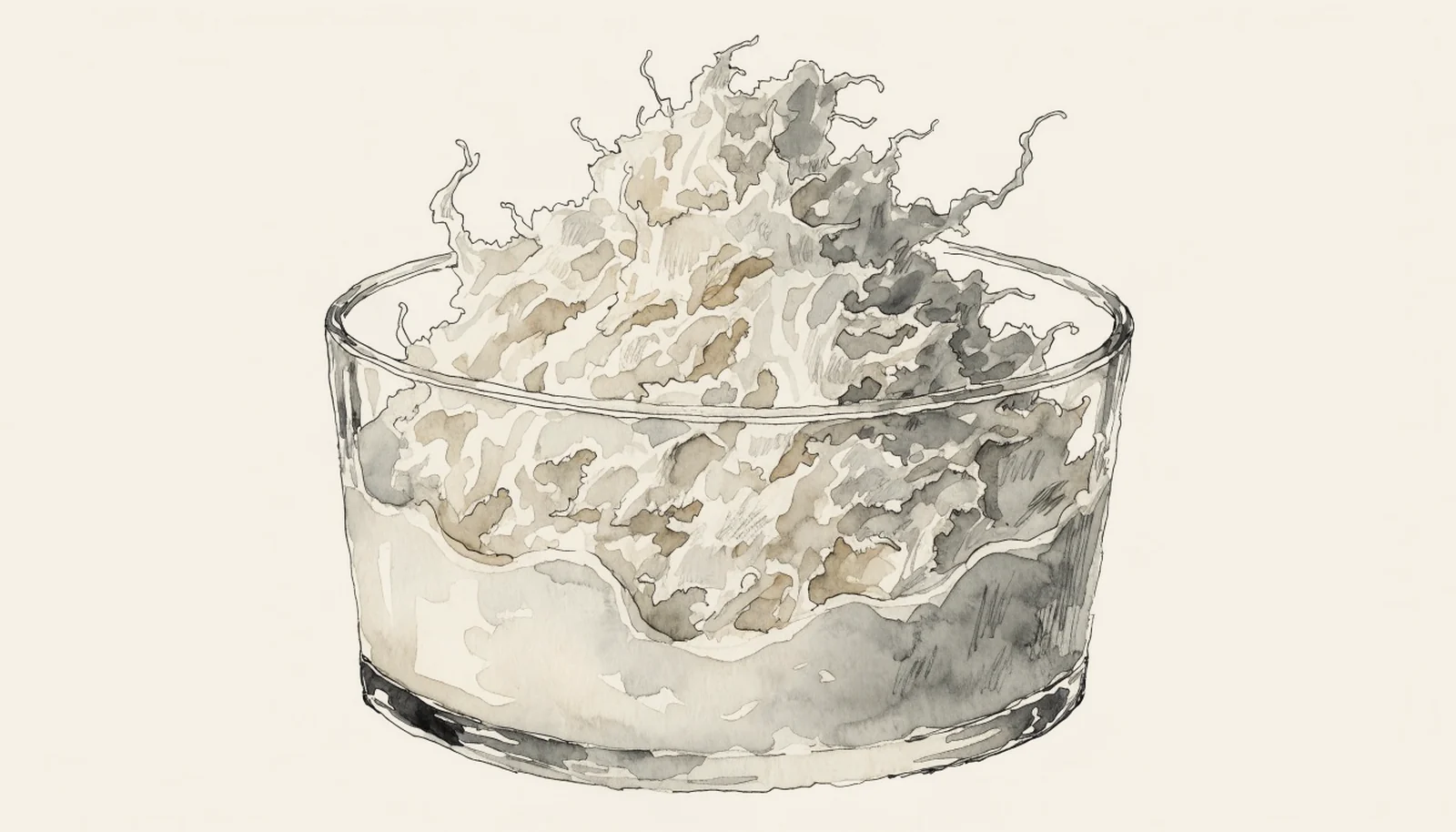
The Pugliese cheese that fills a burrata, made of shredded mozzarella curd steeped in cream. How it differs from the gelato and the Roman soup, and how to buy and use it.
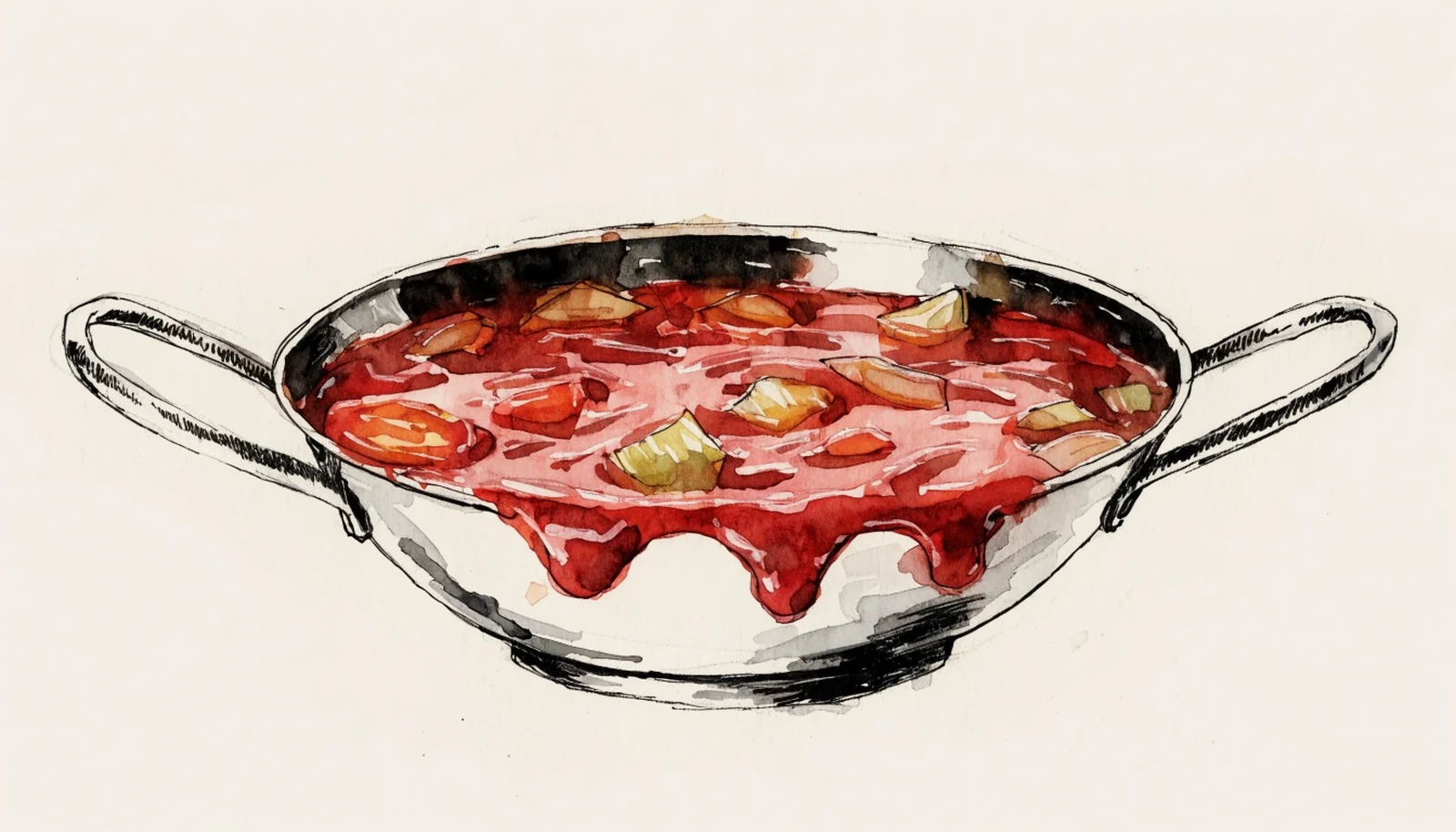
A Tuscan meatless sauce built to taste like a meat ragù. What the name records about poverty cooking, how to judge a jar against a plain tomato sauce, and when to buy one.
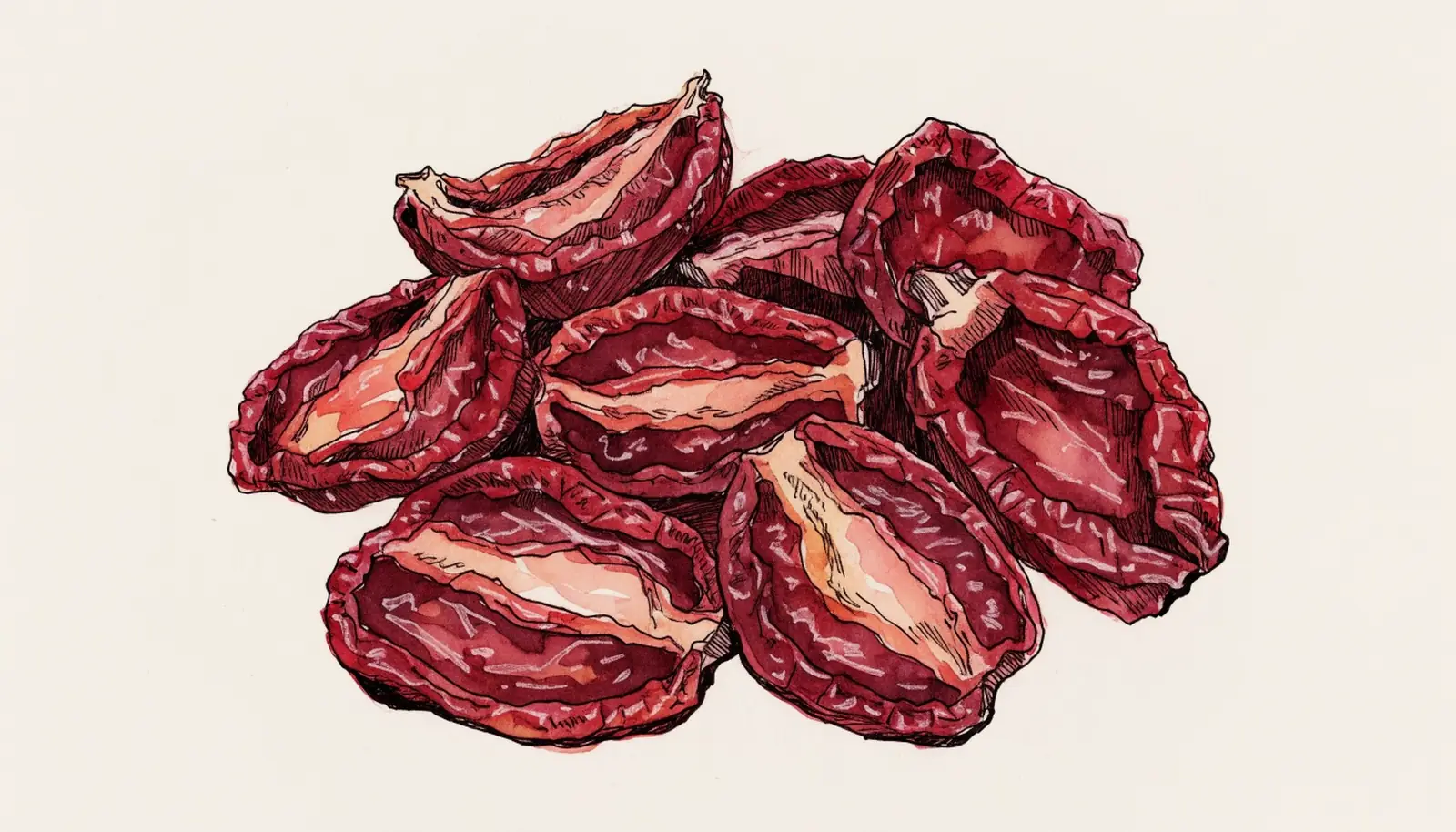
Pesto rosso is built on dried tomato rather than basil, and the differences run deeper than colour. What is in it, how to judge a jar, and where to use it.
A square washed-rind DOP from Lombardy with a pungent nose and a mild, buttery paste. Why the rind does the smelling, how to judge and use one, and why it melts so well.
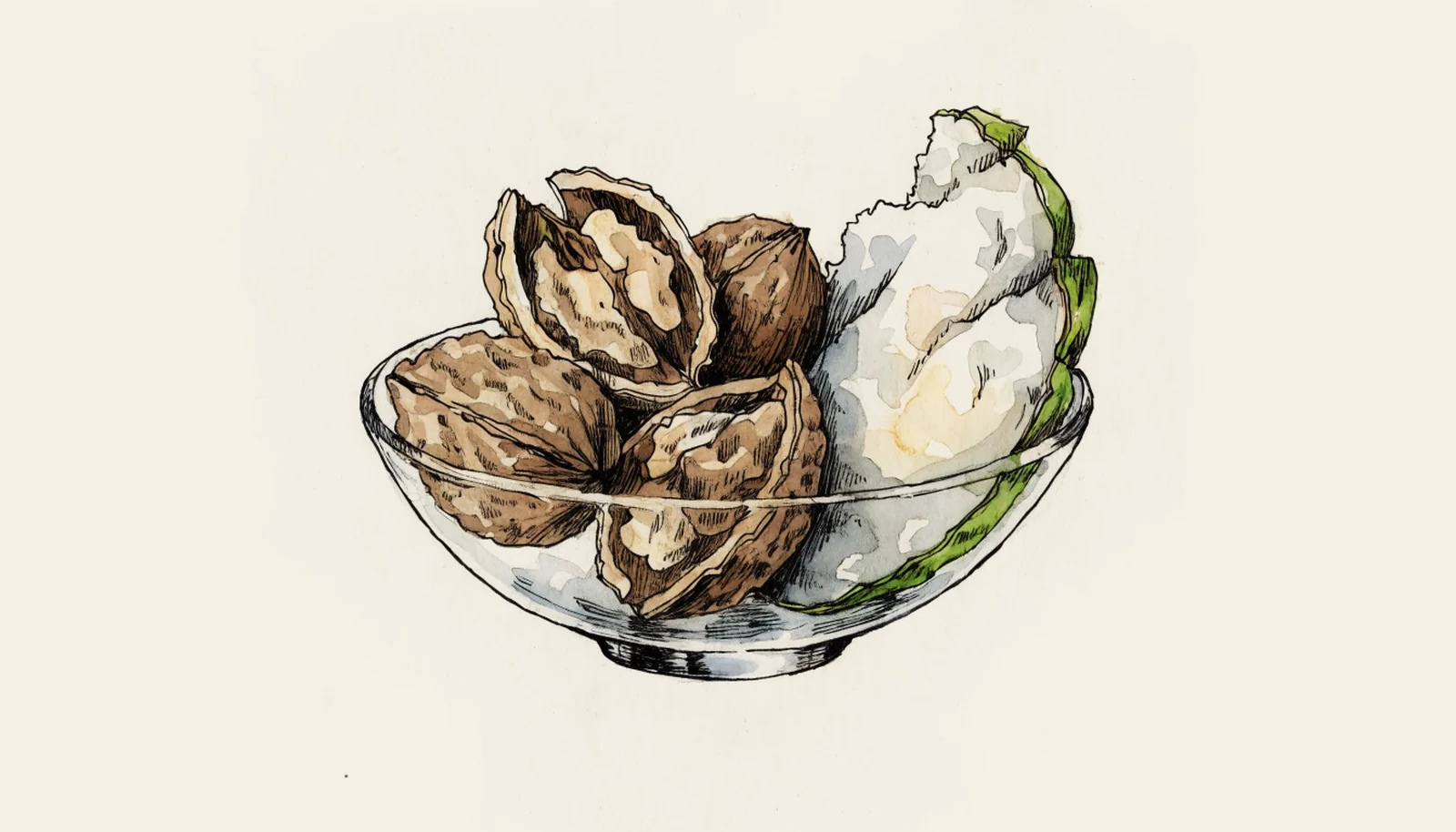
Ligurian walnut sauce is thickened with soaked bread and enriched with prescinseua. What a jar substitutes for both, and how to judge and use one.