
Pesto di Carciofi: Artichoke Cream in a Jar, and What Fills the Rest of It
Artichoke pesto is mostly artichoke and oil with no basil and often no nuts. How to read the percentage, how the colour lets you judge handling, and when to buy one.
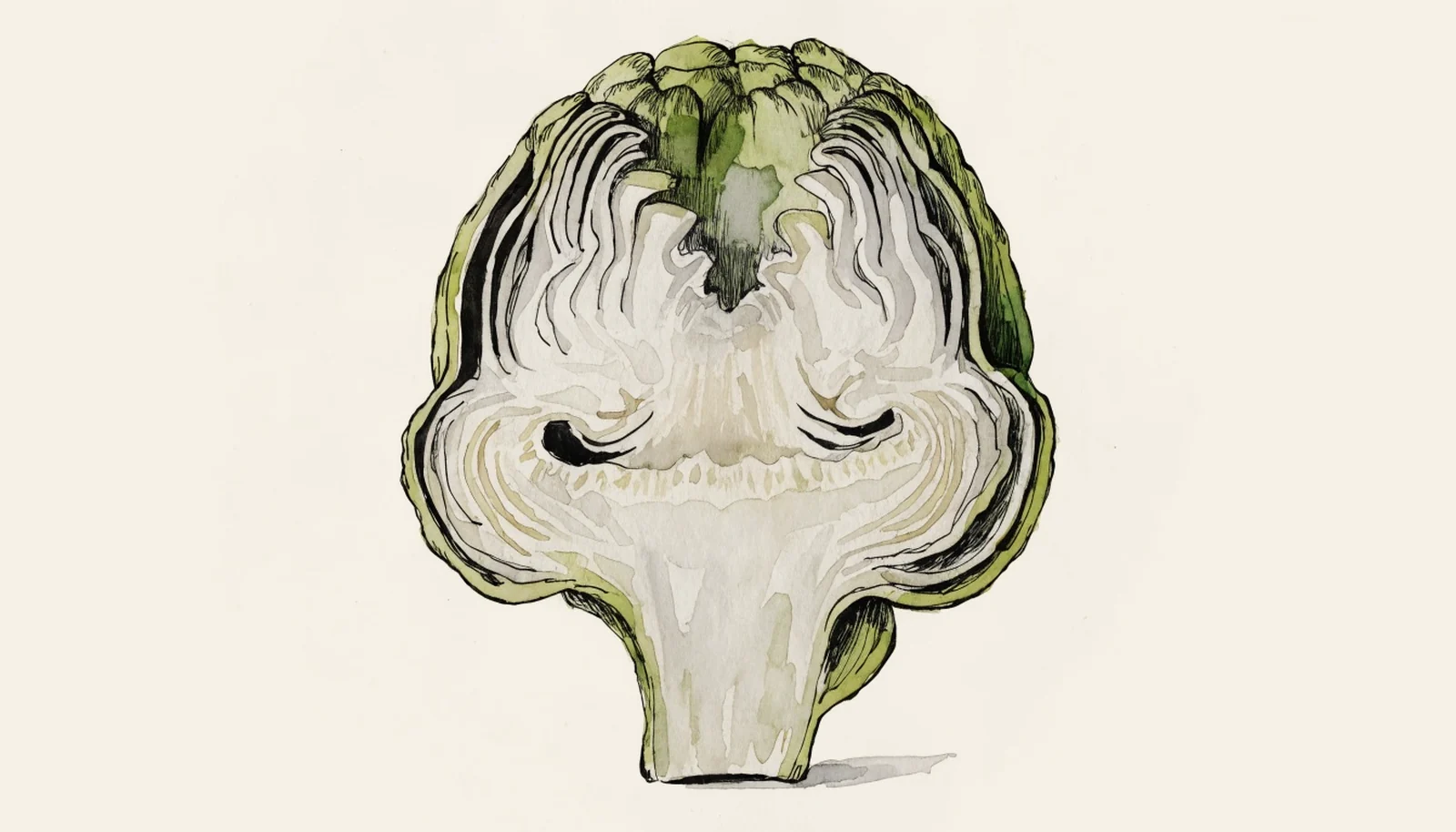
Pesto di carciofi is a jarred artichoke cream, made from artichoke hearts blended with olive oil and usually cheese, and it contains no basil and frequently no nuts. It qualifies as a pesto only in the loosest sense of the word, which is worth establishing before reading a label. Loose names like this one are why an Italian food is judged here by its contents rather than its name.
The useful questions are what proportion of the jar is actually artichoke and what is doing the work in the remainder.
What it actually is, and why pesto is a stretch
Pesto di carciofi is artichoke hearts, cooked and blended to a coarse cream with oil, salt and generally a hard cheese.
Pestare means to pound, and pesto in the strict sense describes a pounded raw sauce, of which pesto genovese is the reference.
This is a cooked purée rather than a pounded raw one, so the name is borrowed to make the product legible to a buyer.
There is no basil in most versions, which surprises people who assume any pesto contains it.
Nuts are optional here. Pine nuts or almonds appear in some formulations and are absent from many.
It is a modern commercial category rather than a traditional regional preparation, in the same way anchovy pesto is.
Crema di carciofi is the more accurate name and appears on a good many jars, sometimes on the same shelf at a similar price.
The percentage, and what fills the rest
Artichoke content varies widely and is the thing that decides value.
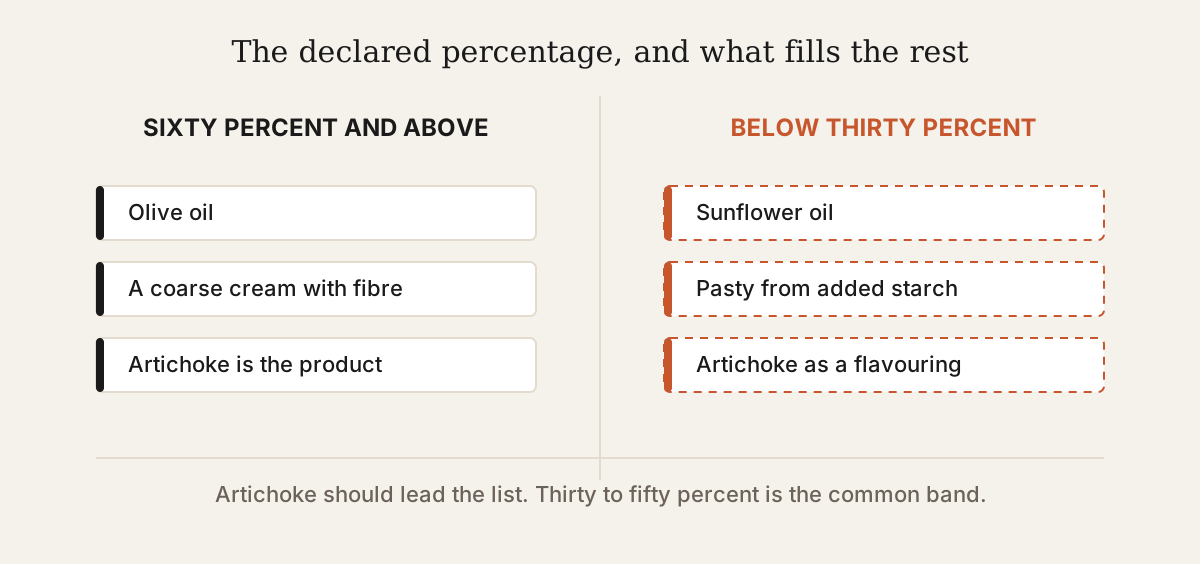
Artichoke should be first on the list and ideally declared as a percentage.
Sixty percent and above is a genuine artichoke cream.
Thirty to fifty percent is common and is padded with oil and sometimes potato or breadcrumb.
Below thirty percent is mostly oil, and the artichoke is a flavouring.
Sunflower oil rather than olive oil is the usual economy, and it is declared. Since the oil is a large proportion of the jar, this matters more than for a nut pesto where the nut dominates.
Read for potato flake, starch or breadcrumb, which bulk a thin purée and give a pasty rather than a creamy texture.
Read for citric acid or ascorbic acid. These are normal and are there to stop the artichoke browning, and their presence is not a fault.
Why the colour tells you about handling
Artichoke oxidises faster than almost any vegetable, and a jar records how carefully it was handled.
A pale green to cream colour indicates good handling, with the hearts trimmed and treated quickly.
A grey-green or brownish jar has oxidised, either during preparation or from long storage, and it will taste flatter and slightly metallic.
A vivid uniform green is suspicious in an artichoke product, since nothing about the vegetable is that colour, and it suggests added colouring or added herb.
Browning at the surface of an opened jar is normal and stirs in, unlike the browning of the whole product.
Checked on 13 August 2026, the first page of United States results for where to buy pesto di carciofi returned a general marketplace listing alongside Italian food importers and producers, which describes that search on that date rather than recommending any seller. Counting rule: a result counts as a seller when it offers a jarred artichoke pesto for purchase. Sellers were present on that rule, which is why this node exists at all: the identity search for this product returns recipes, and the purchase search returns shops.
How to judge one once open
Judge it on colour, then texture, then the finish.
Colour should be pale green to cream, even, without grey or brown.
Texture should be a coarse cream with some fibre detectable, not perfectly smooth and not pasty. Perfect smoothness suggests heavy processing or filler.
Oil separation is normal and stirs back in. A thick layer over a thin paste is padding.
It should taste of artichoke first, faintly bitter and nutty, with the cheese and salt behind.
Bitterness should be pleasant rather than harsh. Harsh bitterness suggests tough outer leaves were included rather than hearts alone.
A metallic or flat finish is oxidation, and it is the commonest fault.
What it should cost
Expect roughly 7 to 16 dollars for a 180 gram jar in the United States.
Artichokes are laborious rather than expensive: trimming a heart from a whole artichoke discards most of the weight, and that yield loss is the real cost.
A cheap jar is a low percentage in sunflower oil, which the label will confirm.
Jars are usually cheaper than pistachio or pine nut pestos since no expensive nut is involved.
Making it from good jarred carciofini is easy and gives a better result than a cheap jar, since you control the oil and the proportion.
A jar of carciofini is more versatile than a jar of artichoke pesto at a similar price, in the same way whole anchovies beat anchovy paste.
How to use it
Loosen it with pasta water and toss it off the heat, or use it as a spread.
Its mild bitterness and richness want acid and salt alongside: lemon, capers, anchovy, a hard cheese, cured ham.
Do not cook it. Artichoke purée goes grey and dull under heat, and the oil turns greasy.
A squeeze of lemon lifts almost every jar, since the acidity is usually the thing lacking.
It is very good on bread and in a sandwich, particularly under prosciutto or with mortadella.
Thin it with pasta water rather than oil if using it on pasta, since most jars are oily enough already.
Do not add much cheese on top. Most jars already contain grana or pecorino.
Storage
Unopened, a year or more in a cool dark cupboard. Once opened, refrigerated, one week.
Cover the surface with a film of olive oil after each use, which keeps air off and slows the browning artichoke is prone to.
Use a clean spoon each time.
Surface darkening is oxidation rather than spoilage and can be stirred in or scraped off.
It freezes acceptably in small portions, with some texture loss.
Discard any jar with a bulging lid unopened.
Frequently asked questions
Is pesto di carciofi really a pesto?
Pesto di carciofi is a cooked artichoke purée rather than a pounded raw sauce, so the name is borrowed rather than strictly accurate. Pestare means to pound, and pesto in the strict sense describes preparations such as pesto genovese. Most versions contain no basil and many contain no nuts. Crema di carciofi is the more accurate name and appears on a good many jars.
How much artichoke should be in the jar?
Artichoke should be the first ingredient and ideally declared as a percentage. Sixty percent and above is a genuine artichoke cream. Thirty to fifty percent is common and padded with oil and sometimes potato or breadcrumb. Below thirty percent is mostly oil with artichoke as a flavouring, and the declared figure is the most useful information on the jar.
Why has my artichoke pesto gone brown?
Artichoke oxidises faster than almost any vegetable, so browning at the surface of an opened jar is normal and stirs back in. A jar that is grey-green or brown throughout has oxidised during preparation or in long storage, and it will taste flat and slightly metallic. Citric or ascorbic acid in the ingredient list is there to prevent exactly this and is not a fault.
Can you cook with pesto di carciofi?
Artichoke pesto should not be cooked, since the purée turns grey and dull under heat and the oil goes greasy. It is loosened with pasta water and tossed through hot pasta off the heat, or used as a spread. A squeeze of lemon at the point of serving improves almost every jar, since acidity is usually what the product lacks.
Should I buy artichoke pesto or artichokes in oil?
A jar of good carciofini is more versatile than a jar of artichoke pesto at a similar price, since the whole hearts can be served as antipasto, chopped through pasta or blended into a purée as needed. The pesto is a convenience product. Making a cream from good carciofini also gives control over the oil and the proportion, which a cheap jar takes away.
CalItalia Food covers Italian ingredients: what they are, how to tell a good one from an ordinary one, and where to buy them in the United States.