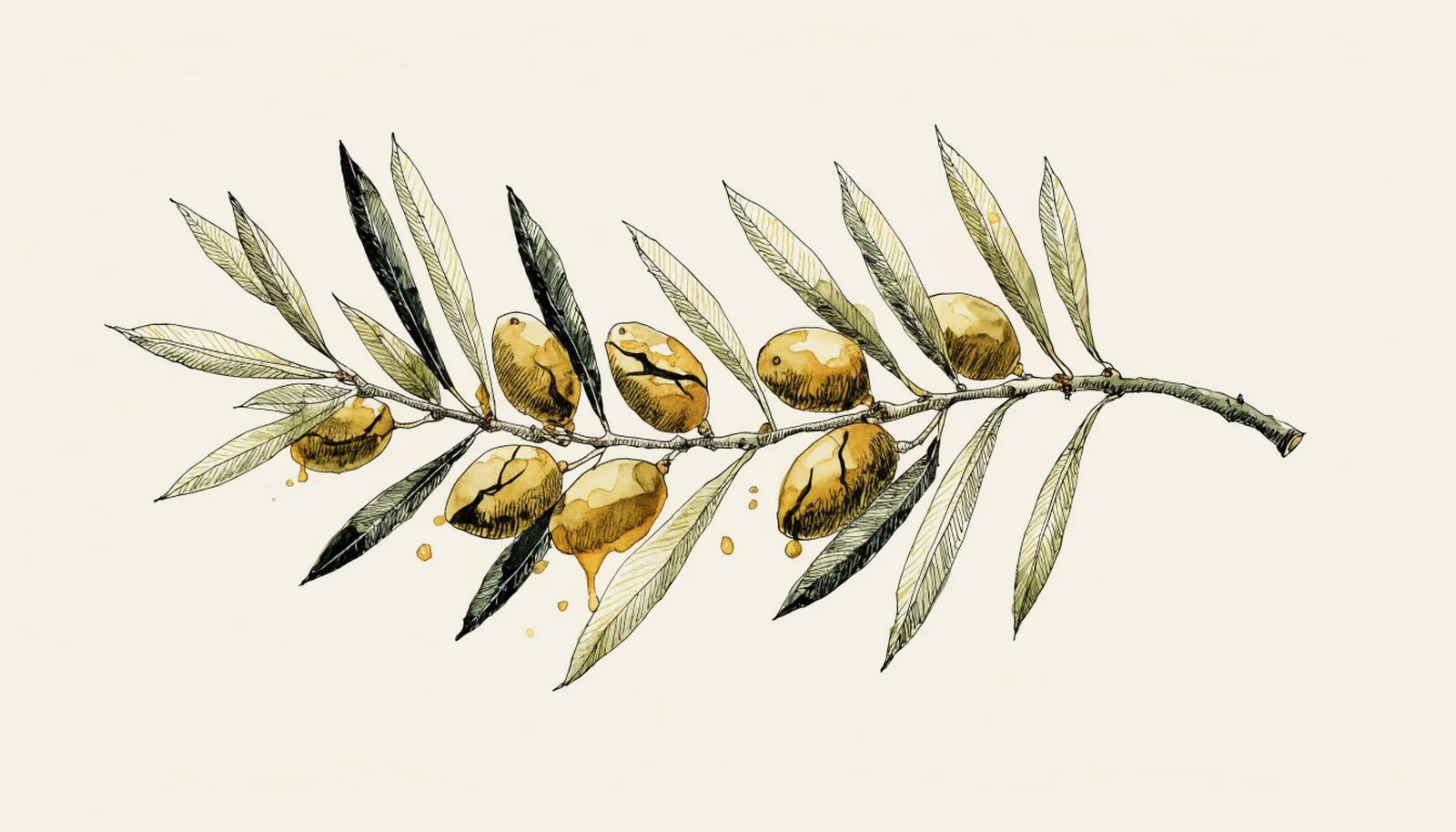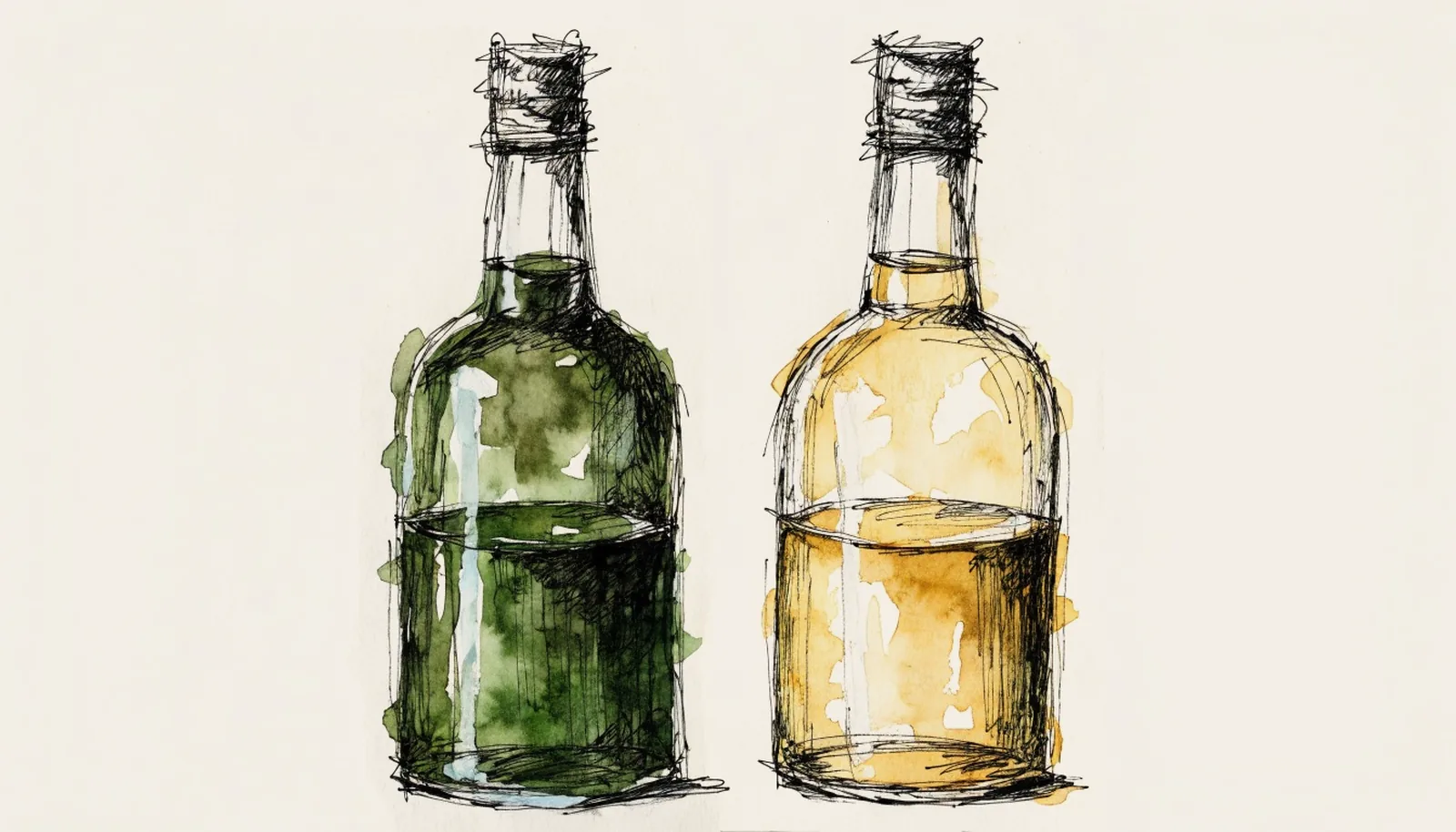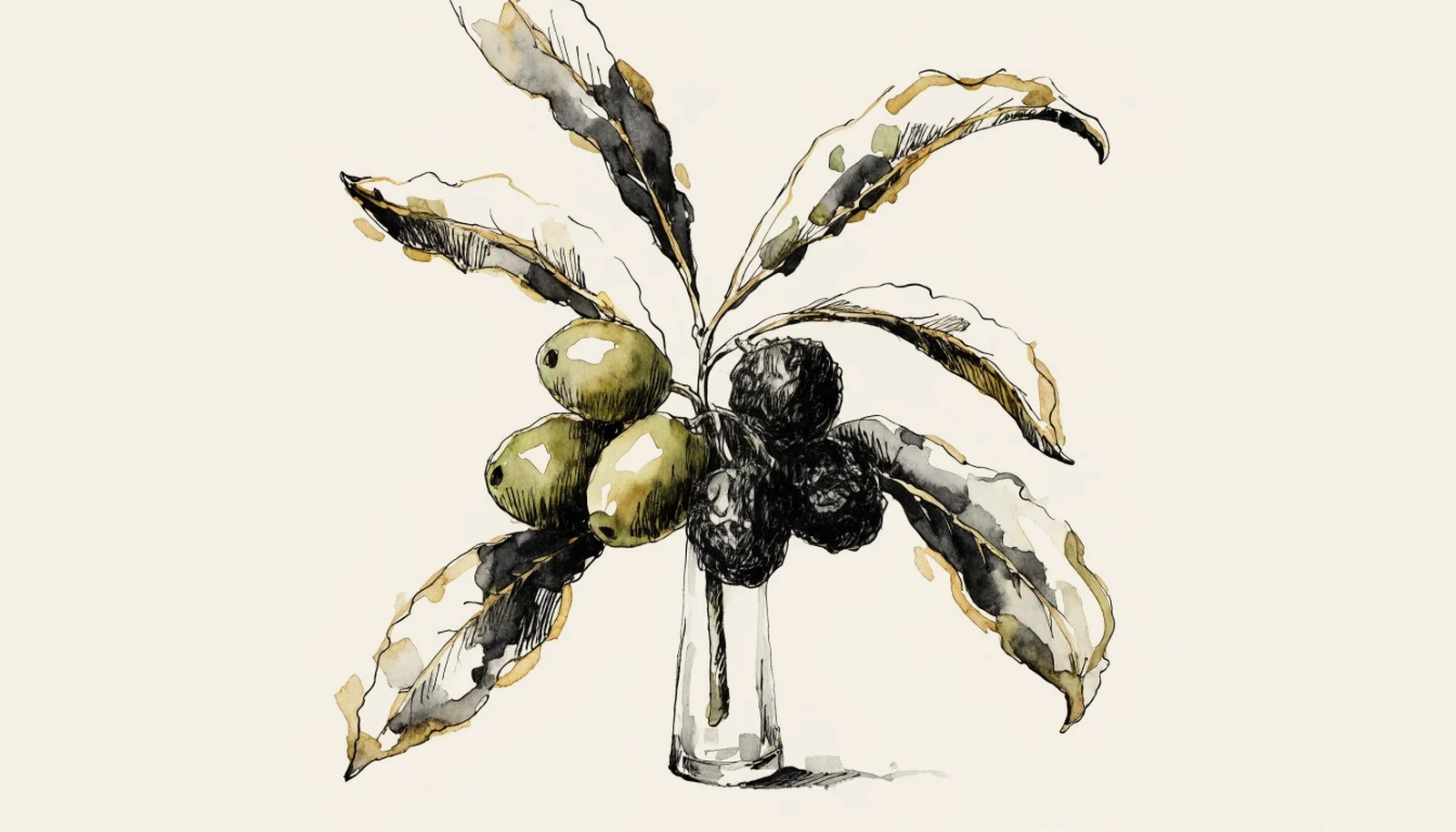
Olive oil is the section where the numbers on the bottle matter most and the most prominent one matters least. Acidity is a legal grade threshold rather than a taste, and a best-before date tells you almost nothing. The harvest date is the number that actually matters, and many bottles leave it off.
How to judge a bottle
Read the harvest date first, then the origin. Made in Italy, Product of Italy and Italian Style are three different claims, and oil pressed elsewhere can be blended and bottled in Italy and still carry an Italian name. Regional marks narrow the field: Tuscan oil carries an IGP and Ligurian oil a DOP, and what those marks guarantee is origin and method rather than freshness. In the glass, bitterness and a peppery catch at the back of the throat are not faults: the polyphenols behind them are much of the point of a good oil. The fraud is real, and olive oil adulteration is mostly not what the headlines say.
Where to start
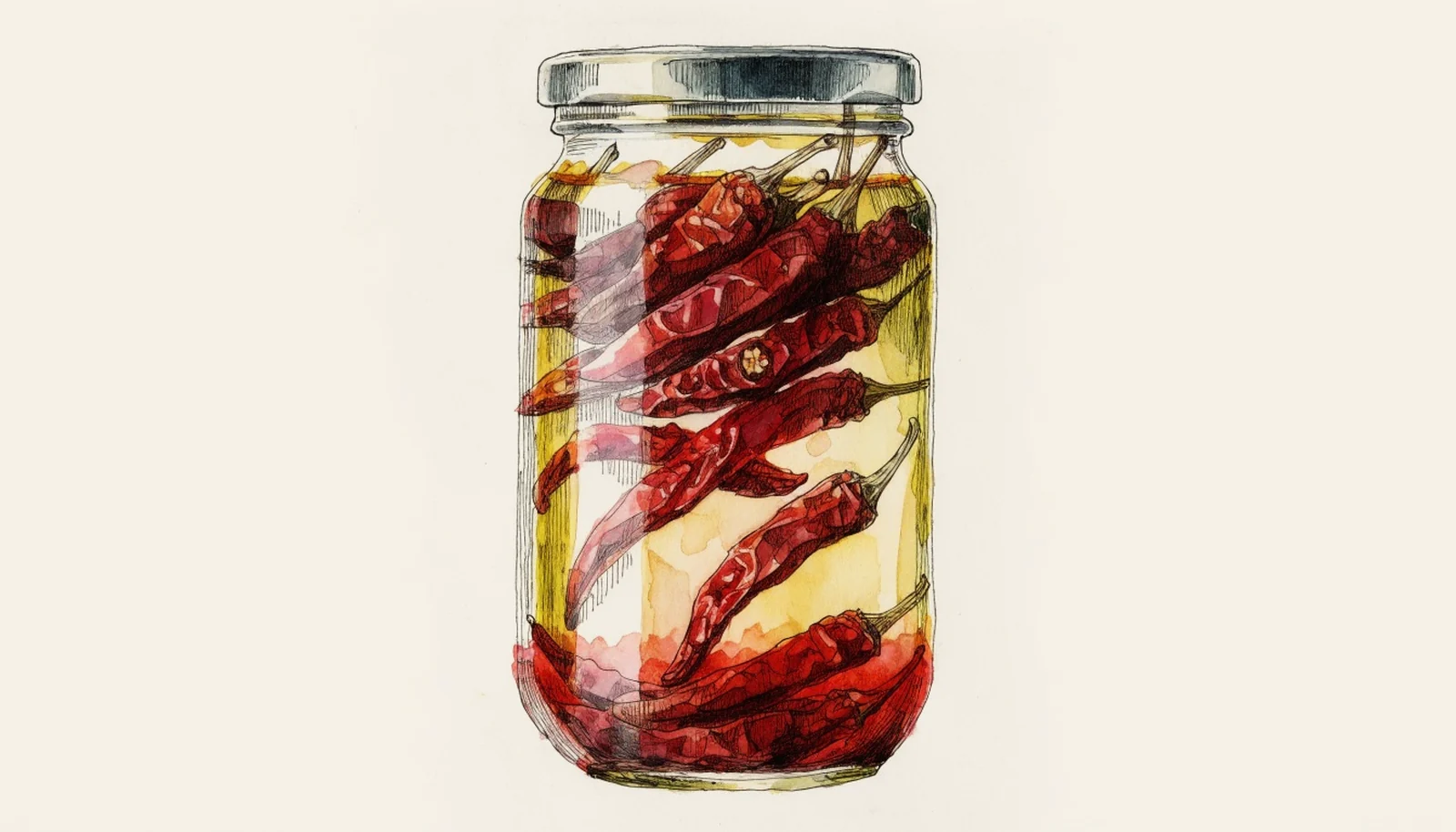
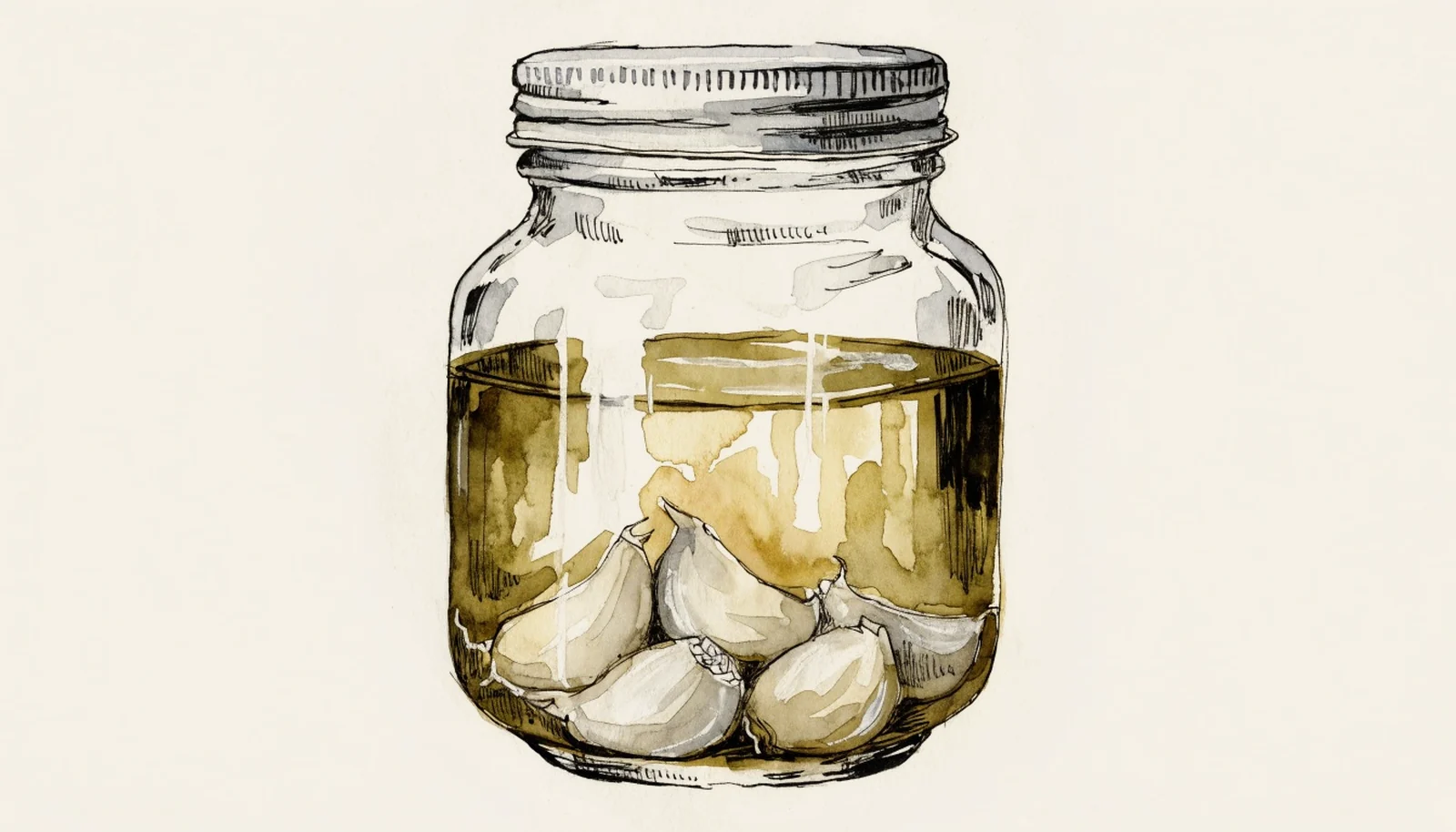
Start with the regional styles, because they explain most of the difference in the glass: Tuscan oil green, bitter and picked early, Ligurian oil delicate and low in bitterness, and Puglia, which makes around half of Italian olive oil. Infused oils are a separate question, and a safety one: commercial garlic oil is acidified for a reason.
Price, and where to buy
What Italian ingredients cost in the United States covers what drives an oil’s price, and where to buy genuine Italian ingredients explains which sellers turn stock over fast enough to source a recent harvest. Every oil here is one case of the Italian ingredient and the gap worth paying for.