
Sicilian Olive Oil: Tomato, Almond and a Distinct Green
The island style built on nocellara del belice, biancolilla and cerasuola. What the DOP zones cover, what a Sicilian oil should taste of, and how to buy and use one.
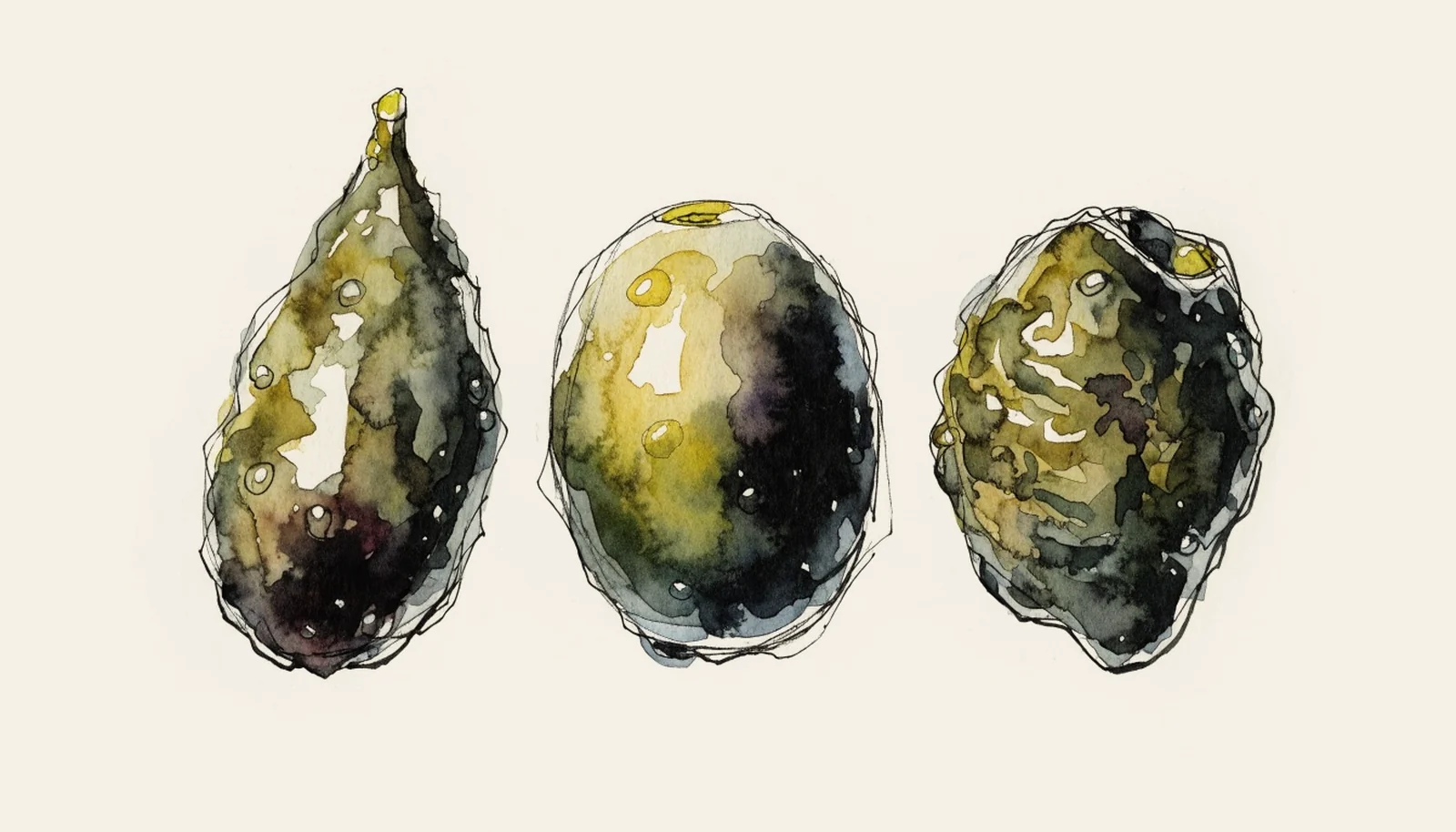
Sicilian olive oil is characterised by a distinctive green tomato and almond profile, produced mainly from nocellara del belice, biancolilla and cerasuola olives. That signature makes it one of the Italian oils a buyer can learn to recognise.
The tomato note is the island’s signature and is specific enough that tasters use it to identify Sicilian oil blind.
The flavour signature
Sicilian oil is recognised by a green tomato note that few other regions produce as clearly.
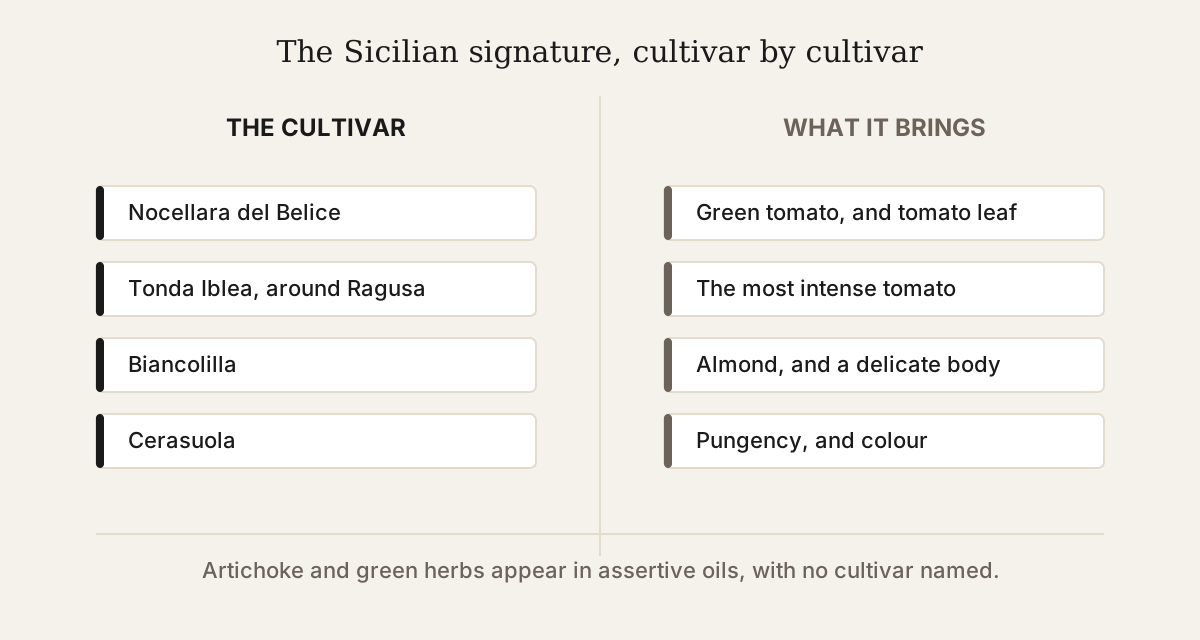
Green tomato and tomato leaf are the notes tasters name most often.
Almond sits underneath, particularly in oils with a high biancolilla component.
Artichoke and green herbs appear in the more assertive examples.
Bitterness is moderate compared with Tuscan oil, and pungency is usually present without dominating.
The style is aromatic rather than aggressive, which is the useful contrast with Tuscany.
The cultivars
Three varieties account for most Sicilian oil, and each brings something identifiable.
Nocellara del Belice is the best known, a dual-purpose olive used both for table olives and for oil, giving the tomato note and a rounded body.
Biancolilla is the most planted on the island, contributing almond and a delicate character.
Cerasuola brings pungency and colour, and is often blended with biancolilla.
Tonda Iblea is grown in the southeast around Ragusa and is prized for an intense tomato character.
Moresca and Nocellara Etnea appear around Catania and Etna.
The DOP zones
Sicily carries several protected designations, each covering a defined area and cultivar mix.
Valle del Belice DOP covers the nocellara del belice heartland in the west.
Monti Iblei DOP covers the southeast and is subdivided by sub-zone, with tonda iblea prominent.
Val di Mazara DOP covers a large western area.
Valli Trapanesi DOP, Valdemone DOP and others cover further areas.
Sicilia IGP is the island-wide designation and is looser than the DOPs.
A DOP tells you the area and the permitted cultivars and does not by itself certify that the oil is good.
What to look for
Buy on cultivar and harvest date, and treat the DOP as a floor rather than a guarantee.
Nocellara del Belice for the classic tomato-forward style.
Tonda Iblea for the most intense version of it.
Biancolilla for something more delicate.
Checked on 13 August 2026, United States listings for Sicilian extra virgin olive oil clustered between roughly fifteen and forty-five dollars per 500 millilitres. Counting rule: a listing counts when it is an imported Italian oil naming Sicily or a Sicilian DOP or IGP. That describes what was visible on that date and is not a recommendation of any seller.
Sicilian oil is generally cheaper than Tuscan for comparable quality, as Pugliese oil is.
What to use it for
Sicilian oil suits vegetables, fish and tomato dishes, where the tomato note reinforces rather than competes.
Raw over tomatoes is the obvious and correct use.
Grilled and roasted vegetables, particularly aubergine and peppers.
Fish, where the moderate bitterness does not overwhelm.
Caponata and other Sicilian preparations, which were built around this oil.
It finishes better than it fries, like any oil worth the price.
Frequently asked questions
Why does Sicilian olive oil taste of tomato?
The green tomato and tomato leaf note comes from volatile compounds produced in the fruit of several Sicilian cultivars, particularly nocellara del belice and tonda iblea. It is a genuine and reproducible characteristic of the island’s oil rather than a tasting-note flourish, and experienced tasters use it to identify Sicilian oil blind.
Is nocellara del belice a table olive or an oil olive?
Nocellara del Belice is genuinely dual-purpose, which is unusual. The same cultivar produces the bright green Castelvetrano table olive and a well-regarded oil. Most olive varieties are markedly better suited to one use or the other, and this one is grown commercially for both.
What is the difference between Sicilia IGP and a Sicilian DOP?
Sicilia IGP covers the whole island under a looser standard. The DOPs, such as Valle del Belice, Monti Iblei and Val di Mazara, cover defined smaller areas with tighter requirements on cultivar and production. DOP is the more restrictive designation and IGP is the broader one.
Is Sicilian oil milder than Tuscan?
Sicilian oil is generally less bitter and less aggressively pungent than early-harvest Tuscan oil, and it is aromatic rather than mild. The distinction is in character rather than intensity: Tuscany leads with bitterness and pepper, Sicily with tomato and almond aromatics.
Which Sicilian oil should I start with?
A nocellara del belice oil is the most representative introduction, since it carries the tomato signature clearly and is widely exported. Tonda iblea from the Monti Iblei area is the more intense version for anyone who wants the character amplified.
CalItalia Food covers Italian ingredients: what they are, how to tell a good one from an ordinary one, and where to buy them in the United States.