Asiago: Two Cheeses Under One DOP, and Neither Is the American One
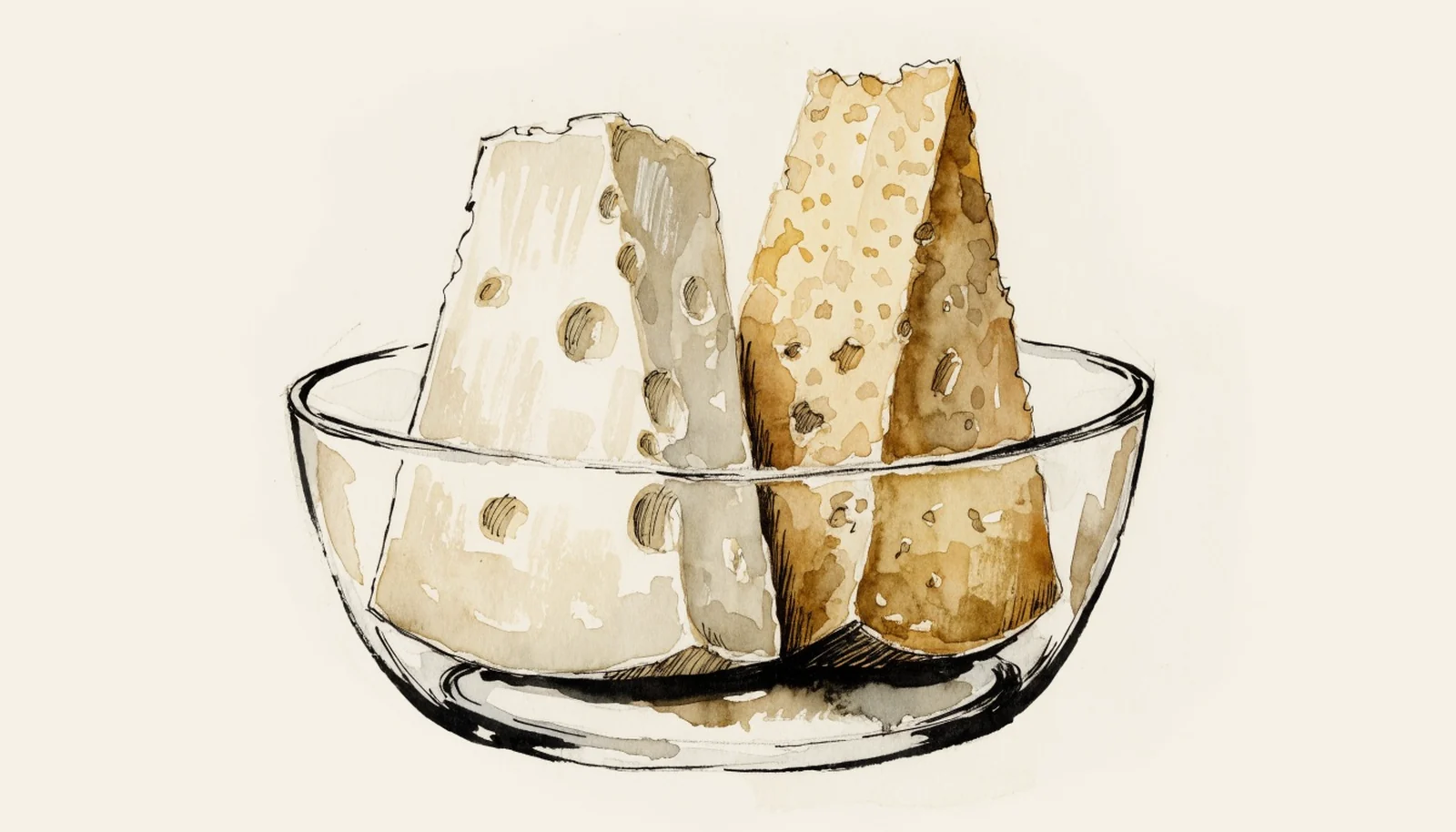
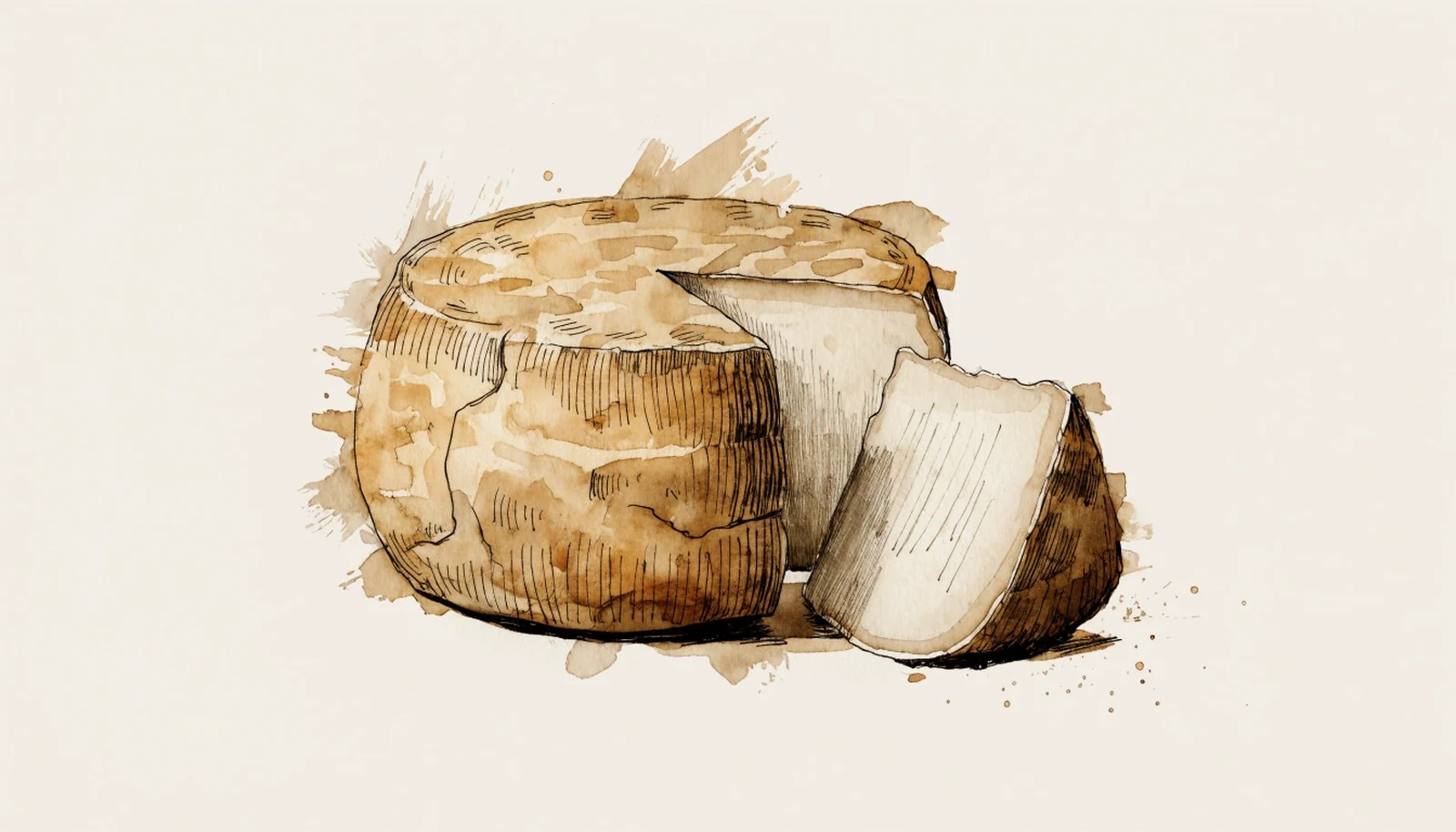
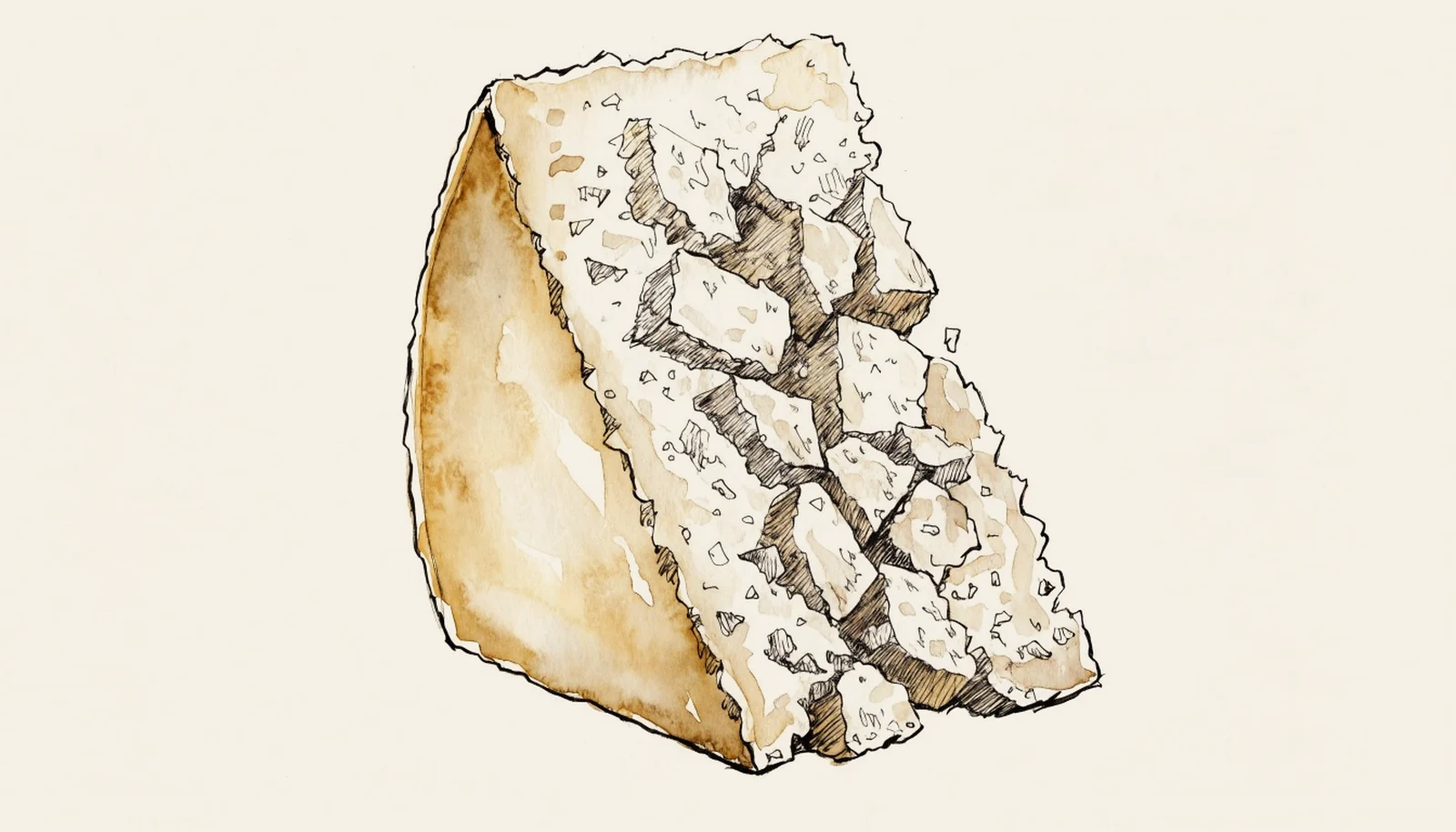
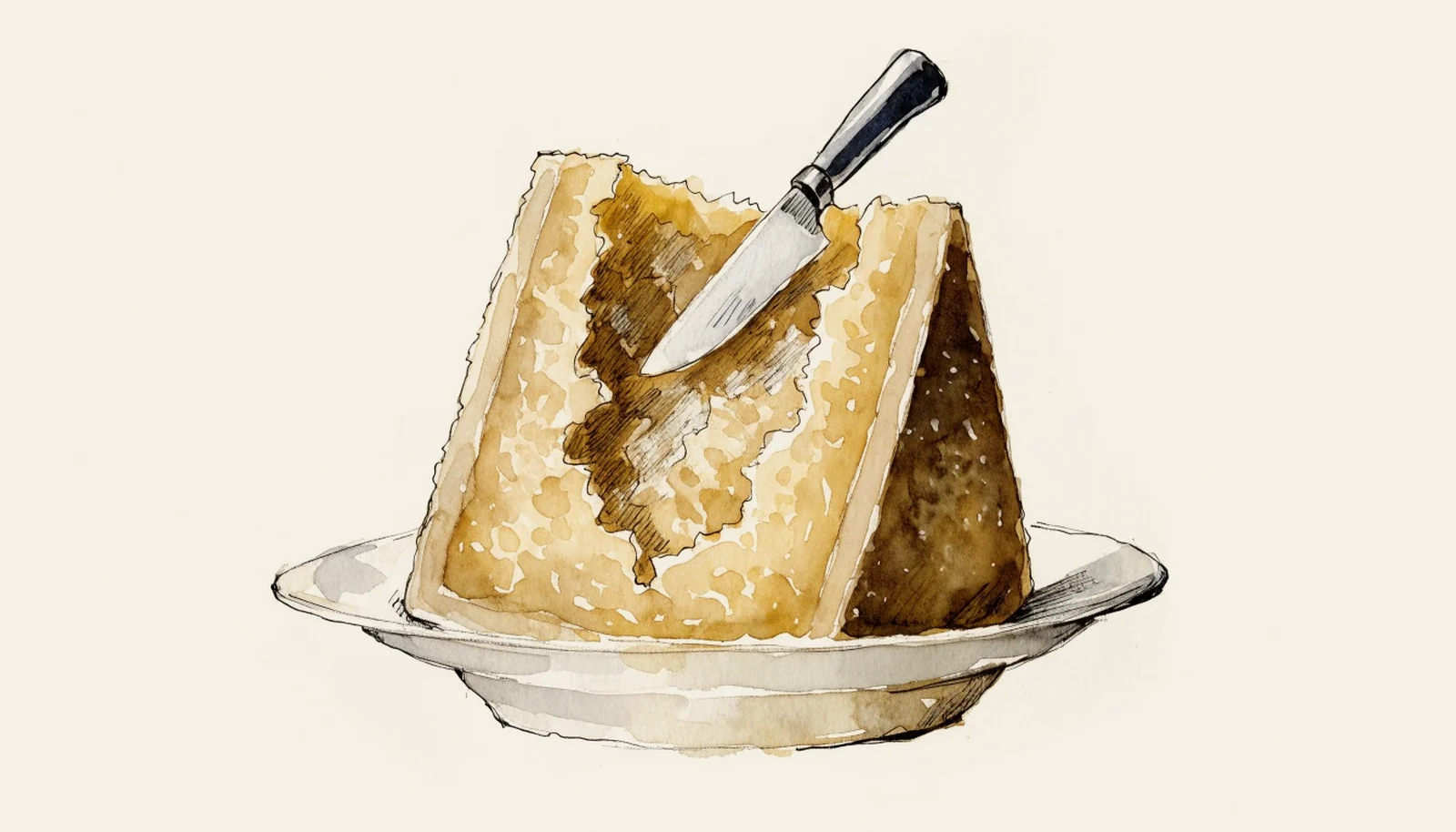
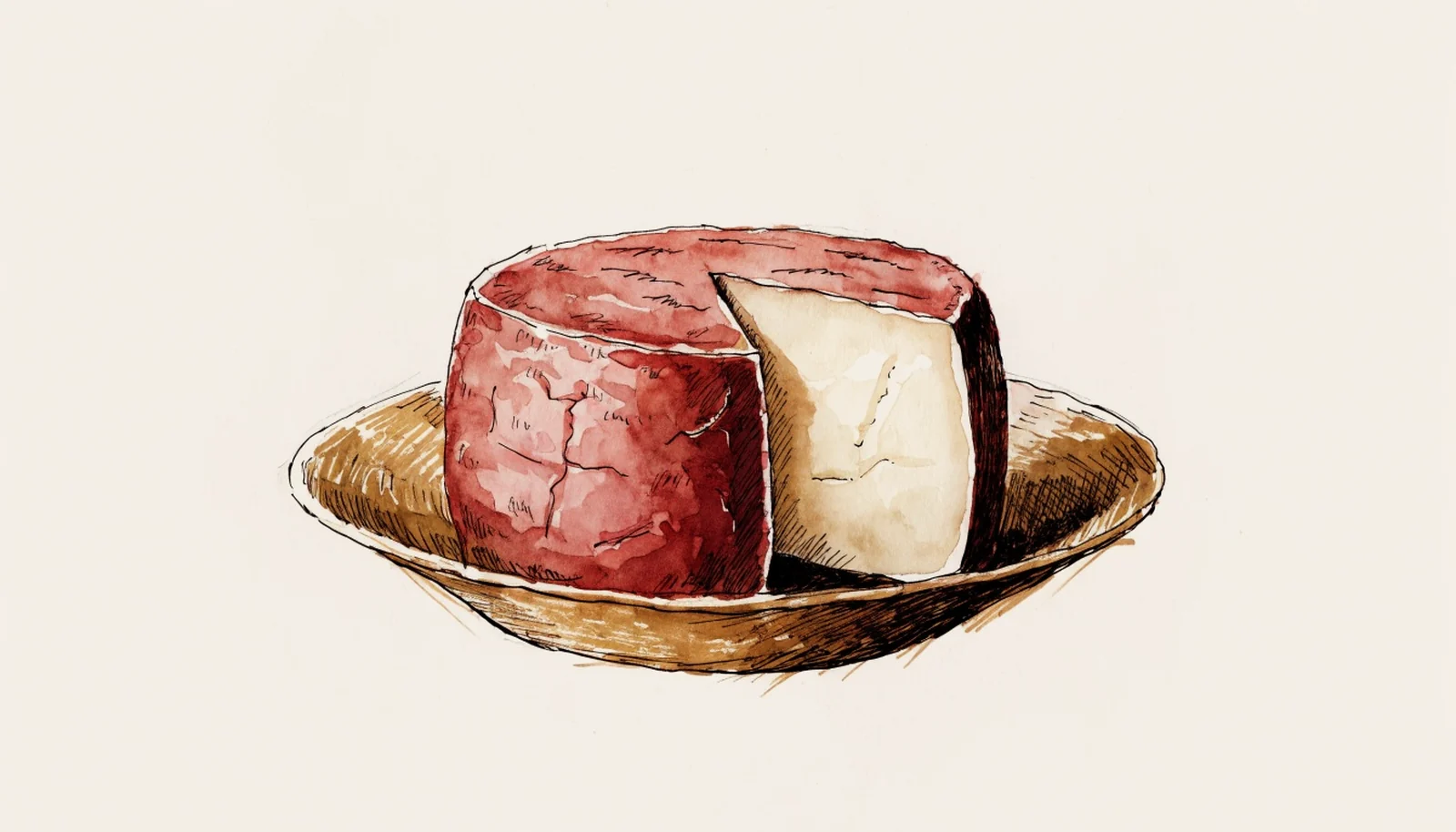
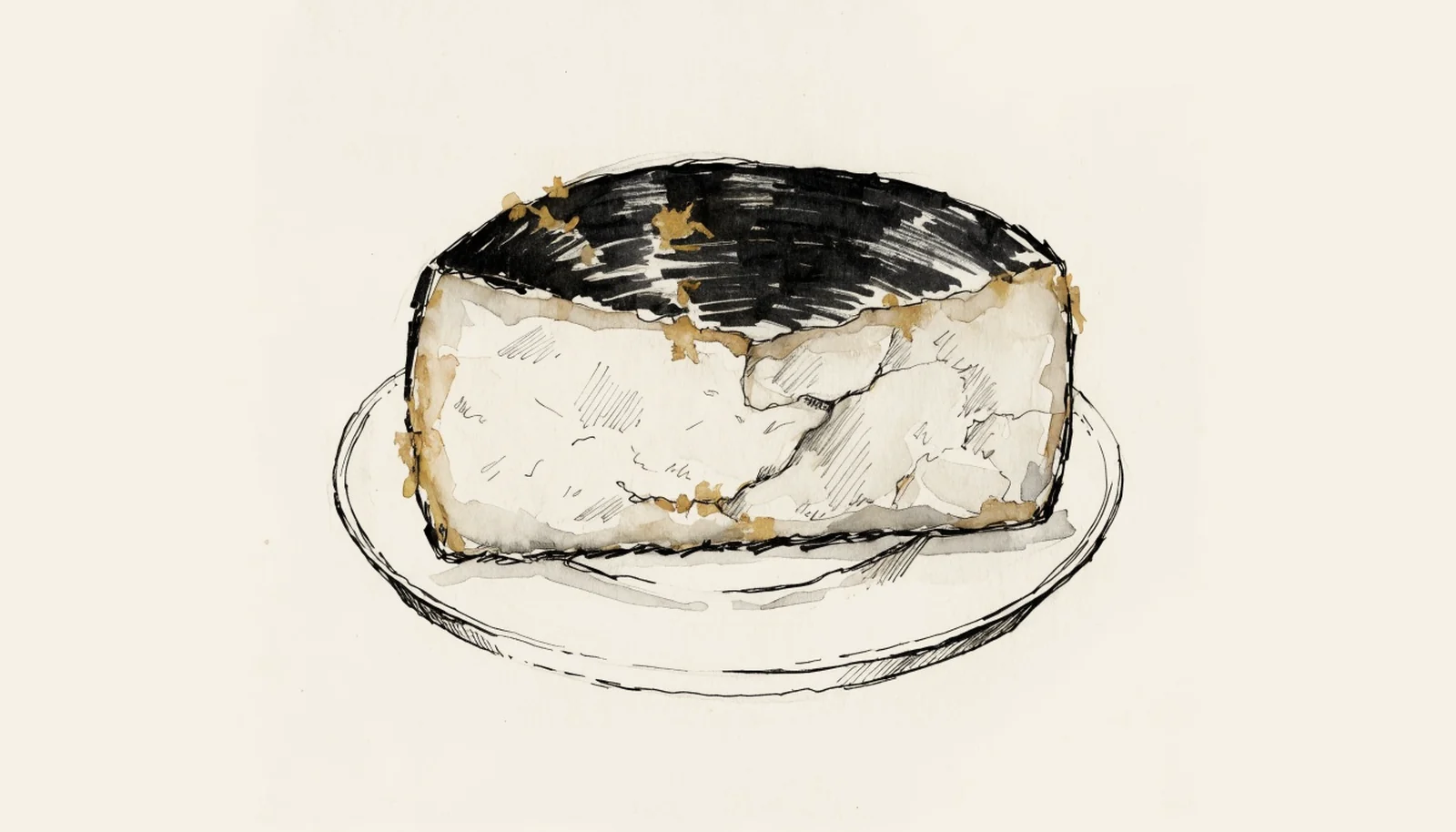
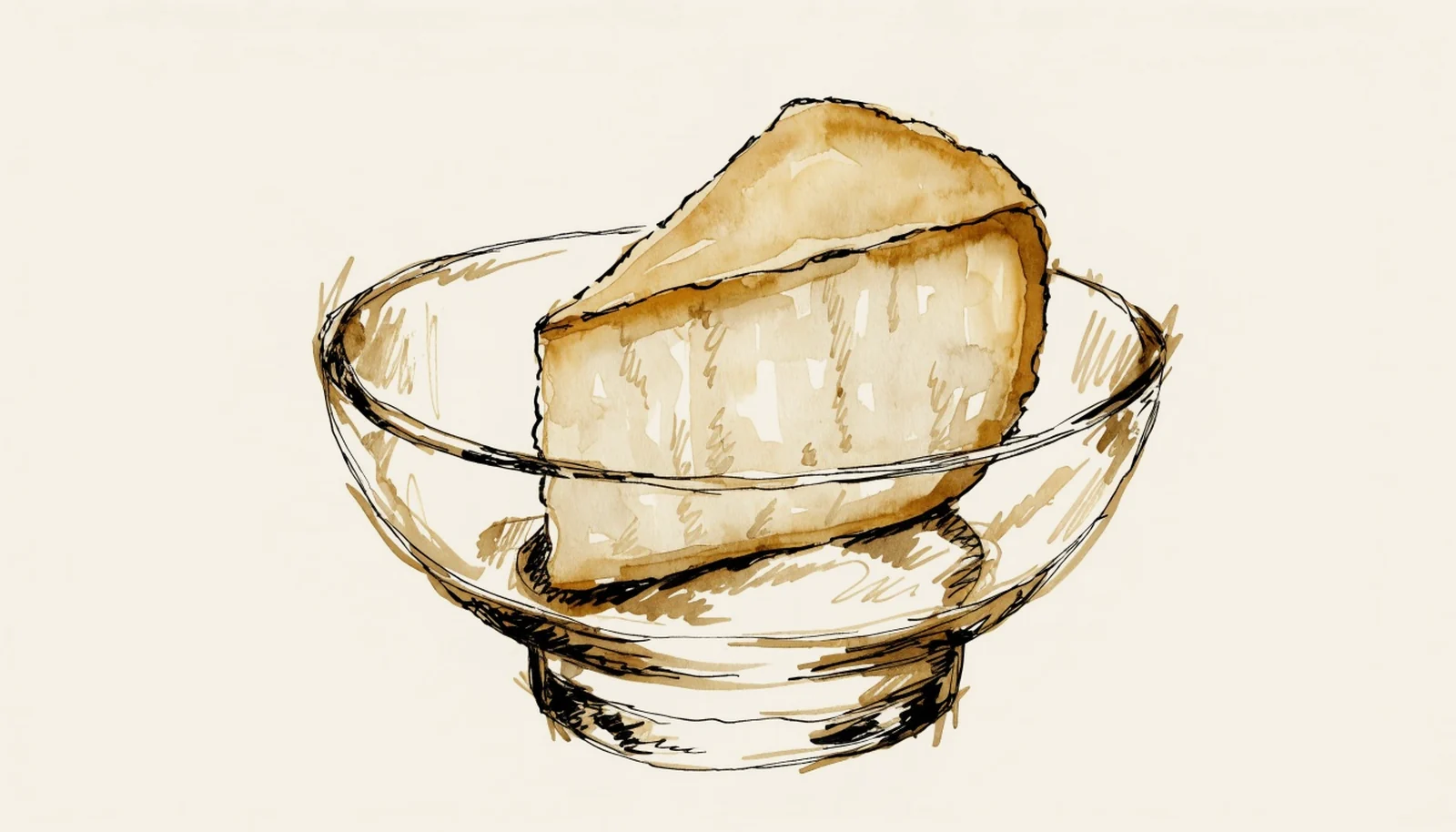
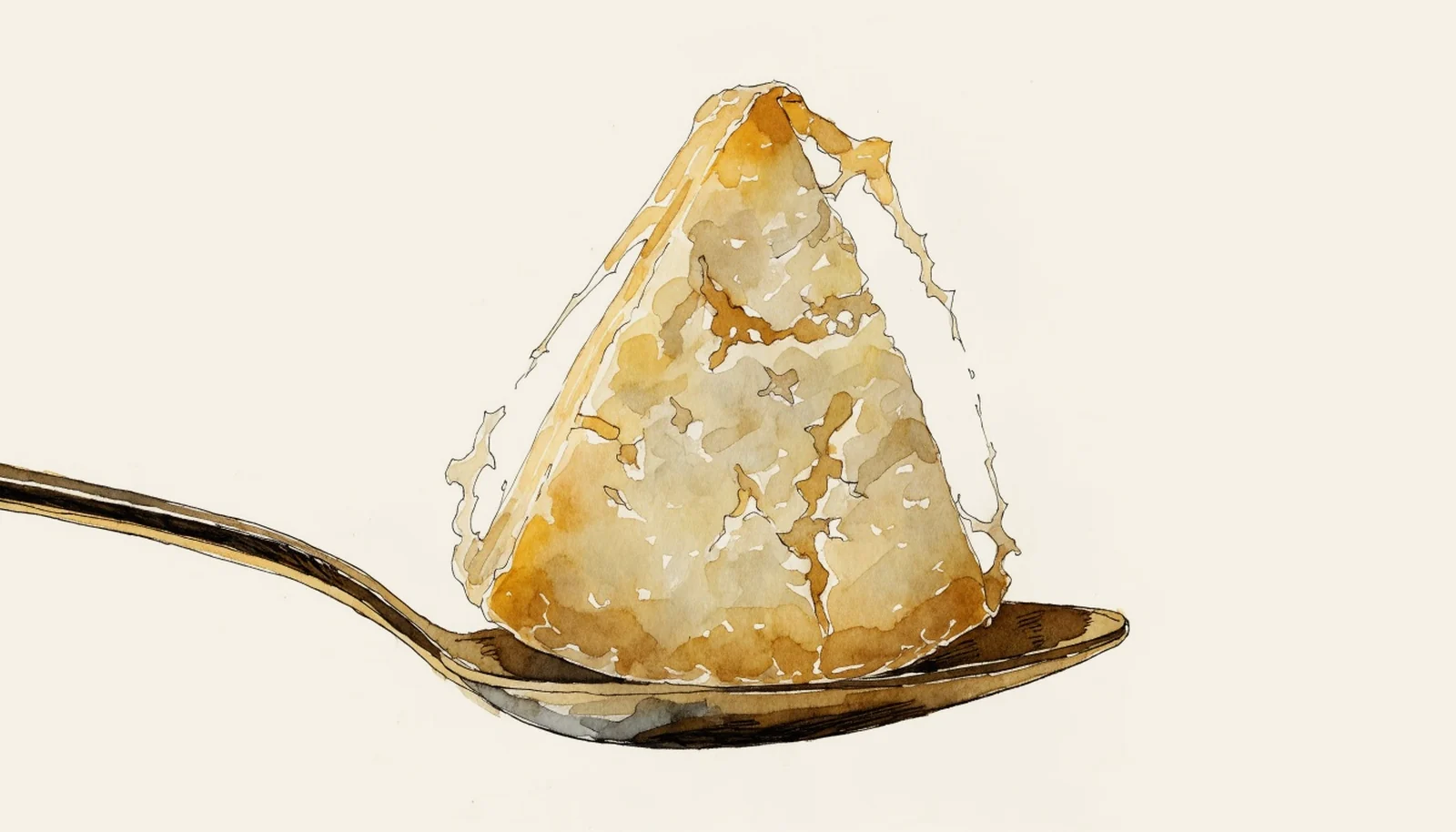
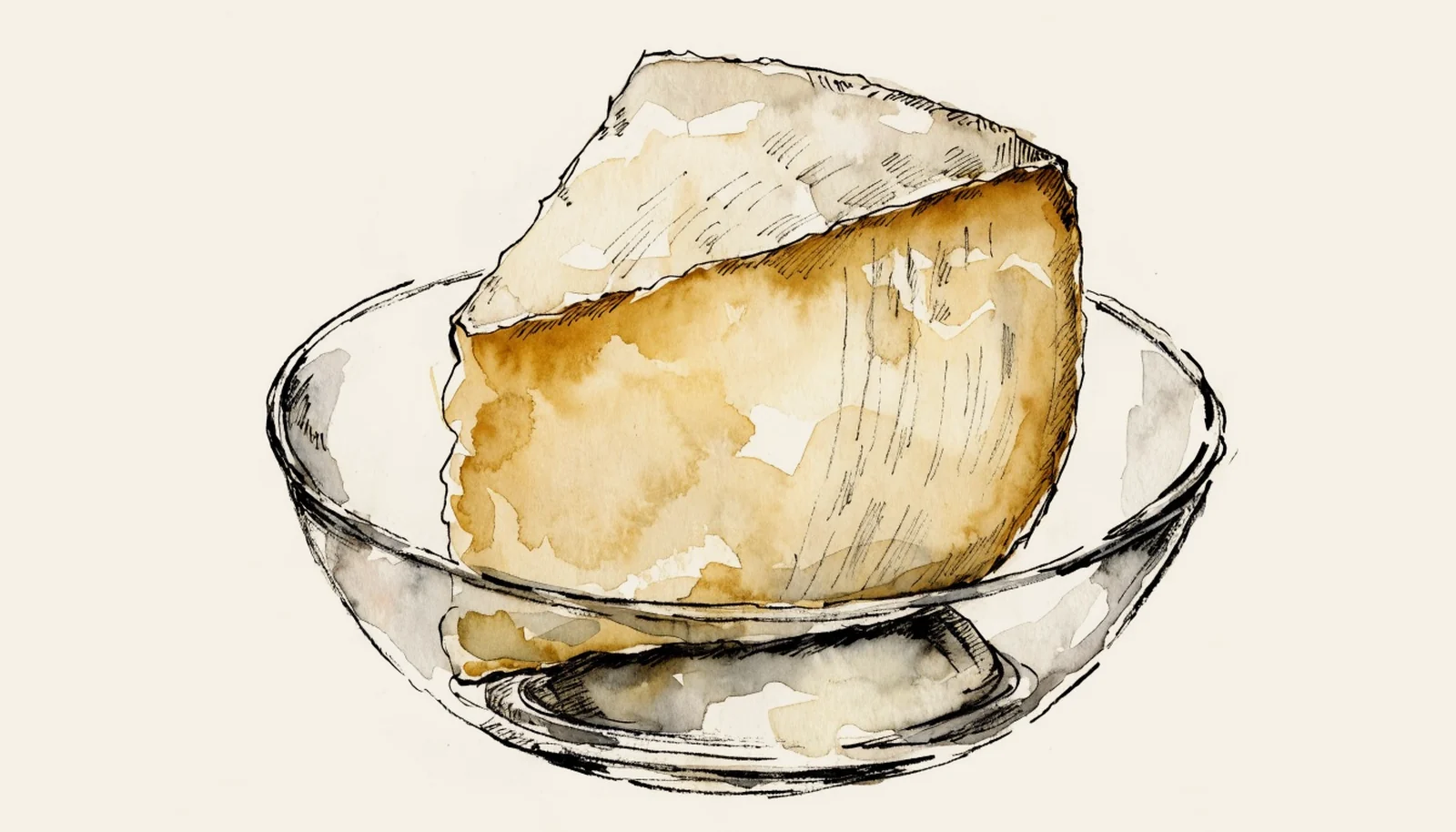
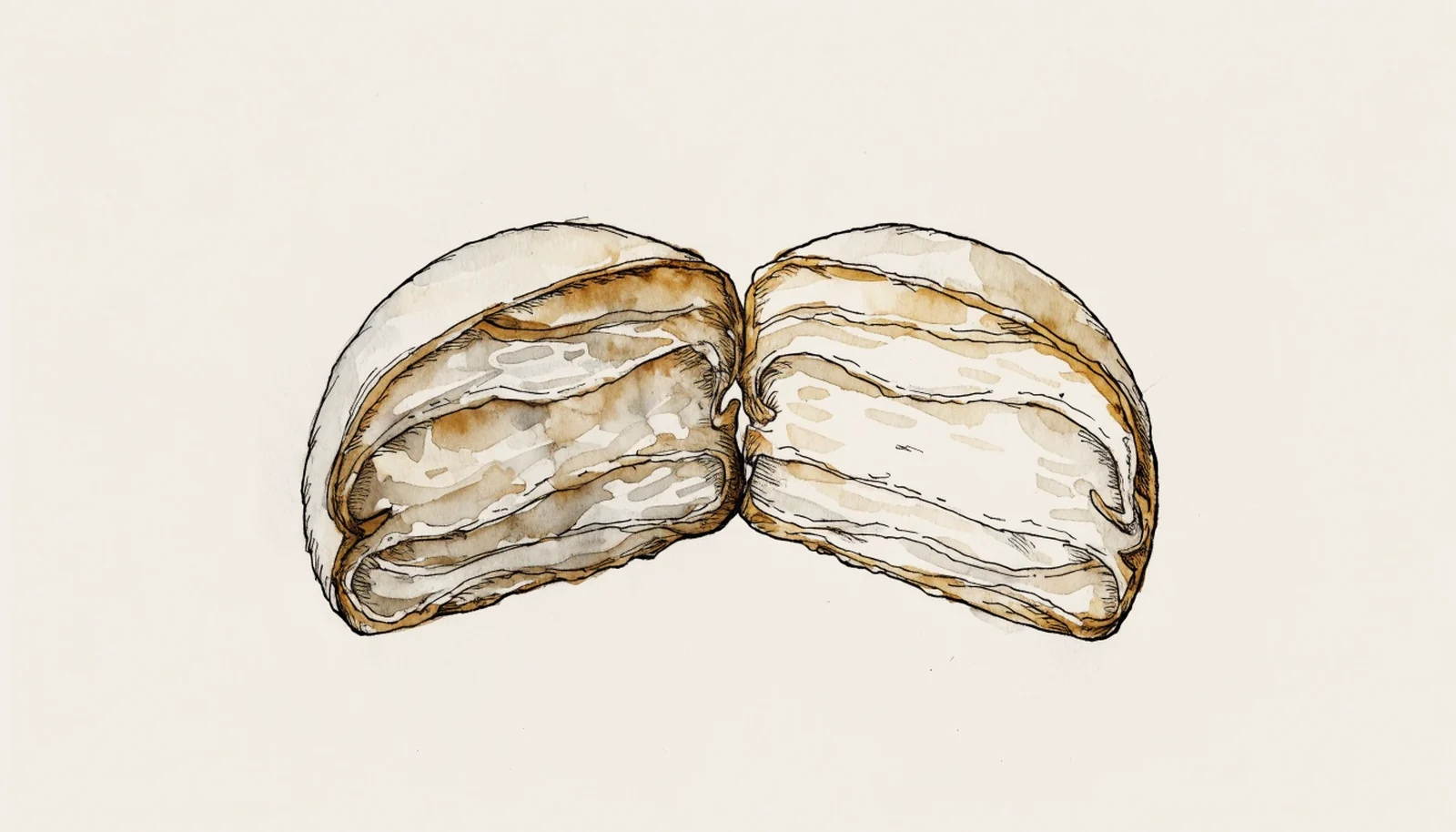
Asiago Pressato is soft, mild and young. Asiago d Allevo is hard, sharp and aged. American asiago is usually a third thing. How to tell which you need.
Fresh, stretched, washed and aged, and what a paste tells you about how a cheese was made.
Asiago Pressato is soft, mild and young. Asiago d Allevo is hard, sharp and aged. American asiago is usually a third thing. How to tell which you need.
A Piedmontese cow milk DOP in tenero and duro grades, named for the market town that traded it rather than the valleys that produced it. How to buy each grade.
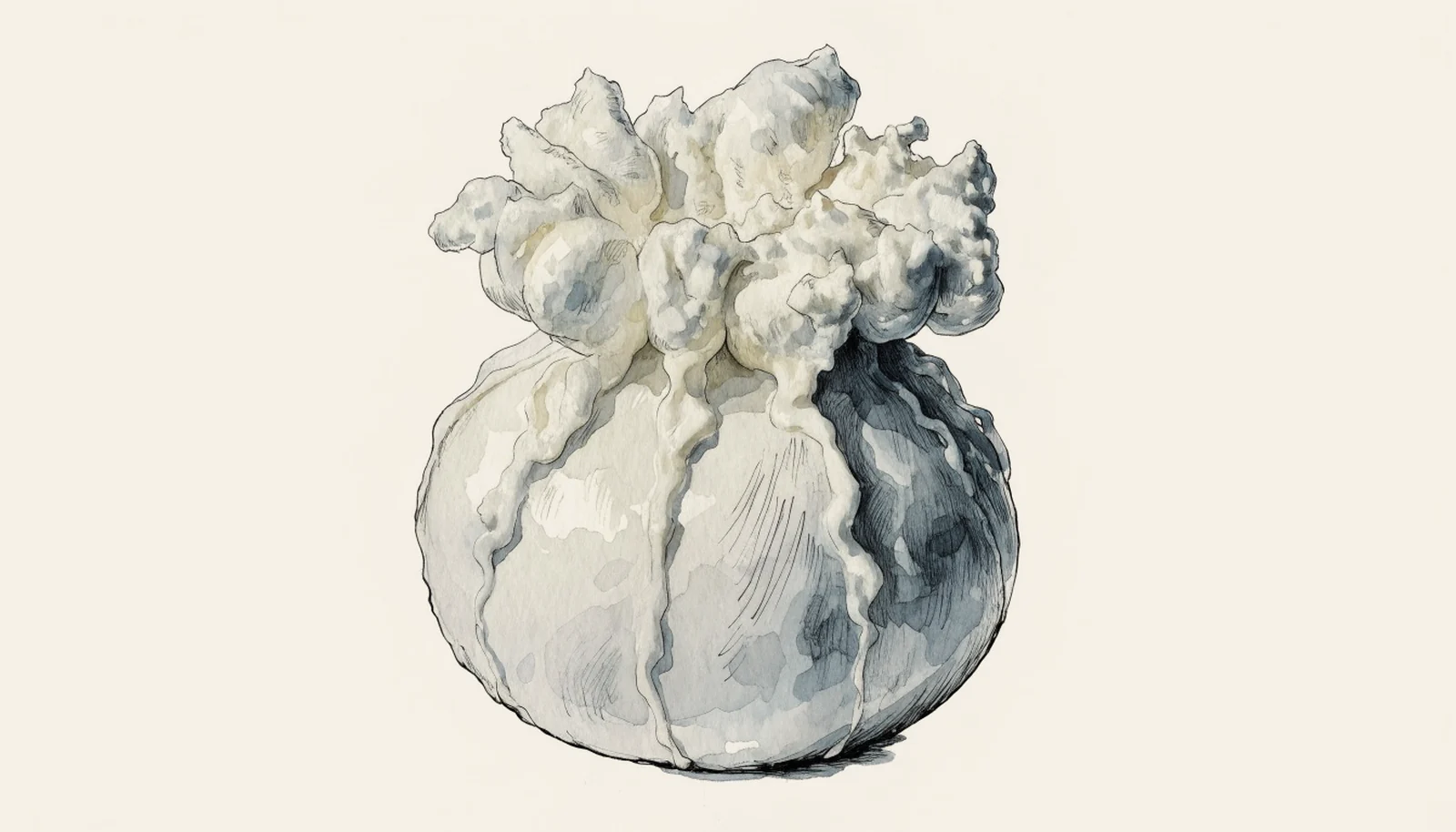
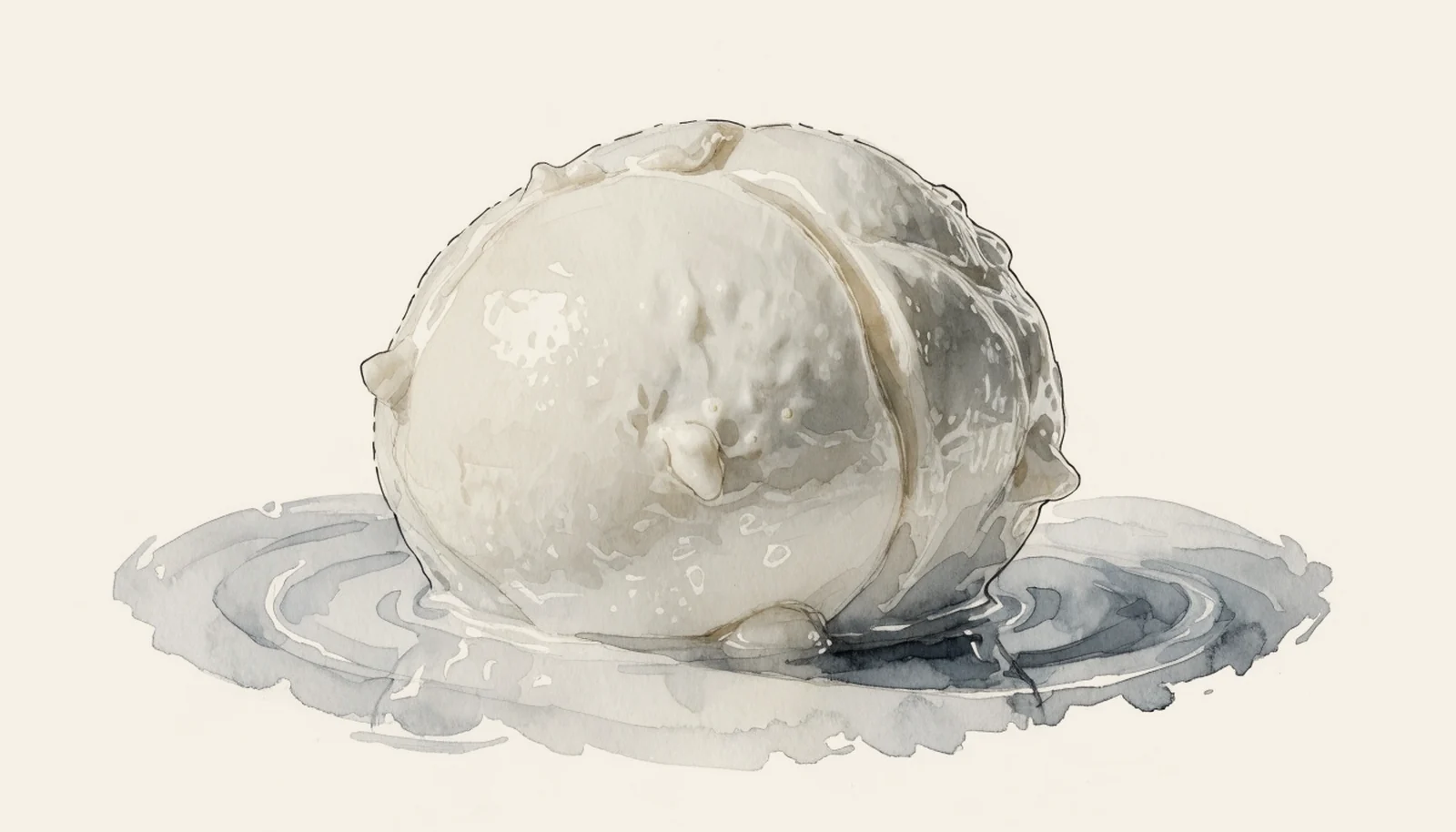
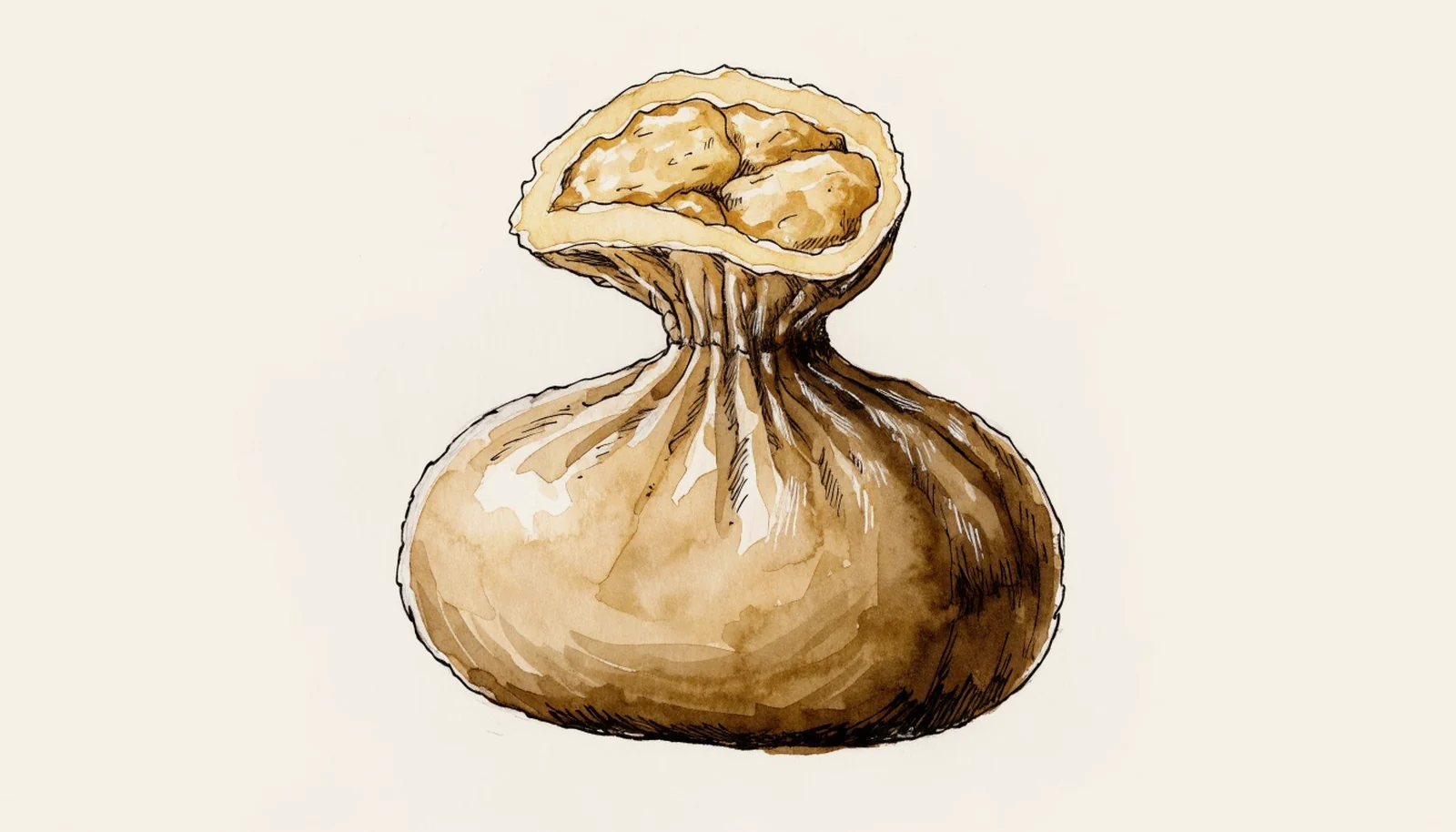
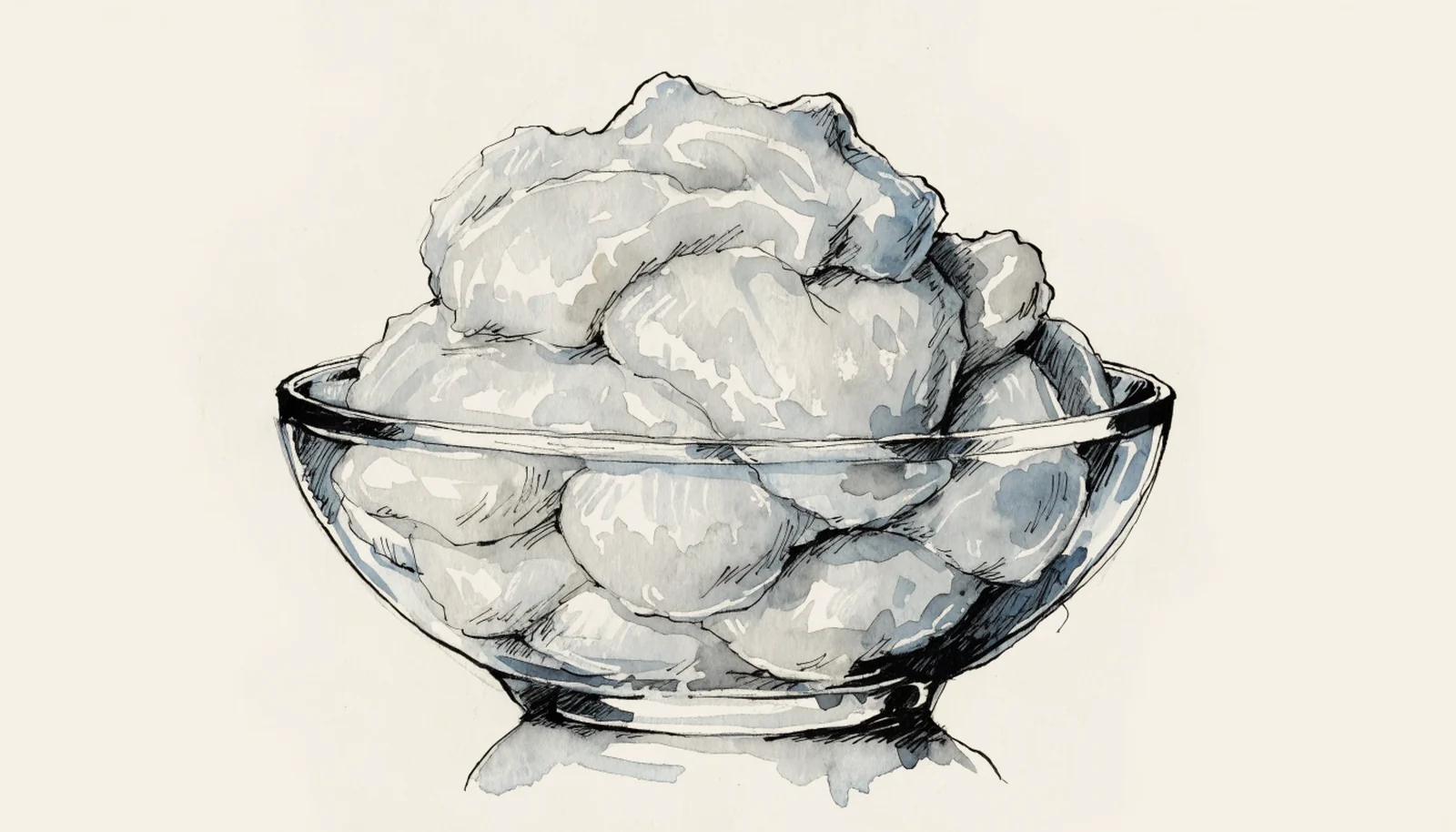
Fresh mozzarella wrapped around stracciatella and cream. Why it was invented to use up scraps, why the date matters more than for any other cheese, and how to judge one.
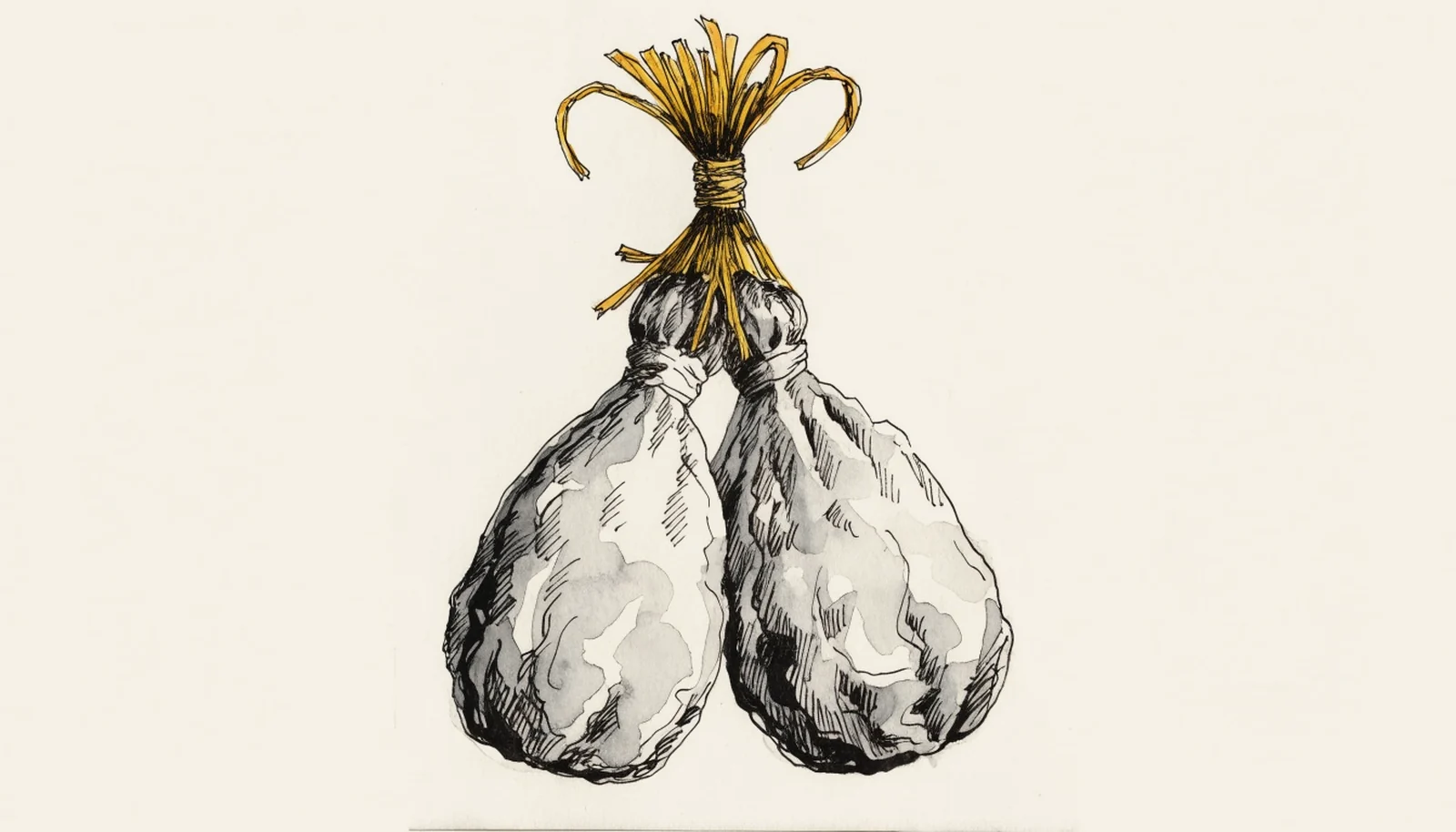
A stretched-curd cheese from southern Italy, aged in a teardrop shape and tied over a pole. What the shape means, how age changes it, and how it differs from provolone.
Small round semi-soft Italian cheeses sold under one word covering any milk and any region. What caciotta actually specifies, and how to buy one when the name tells you nothing.
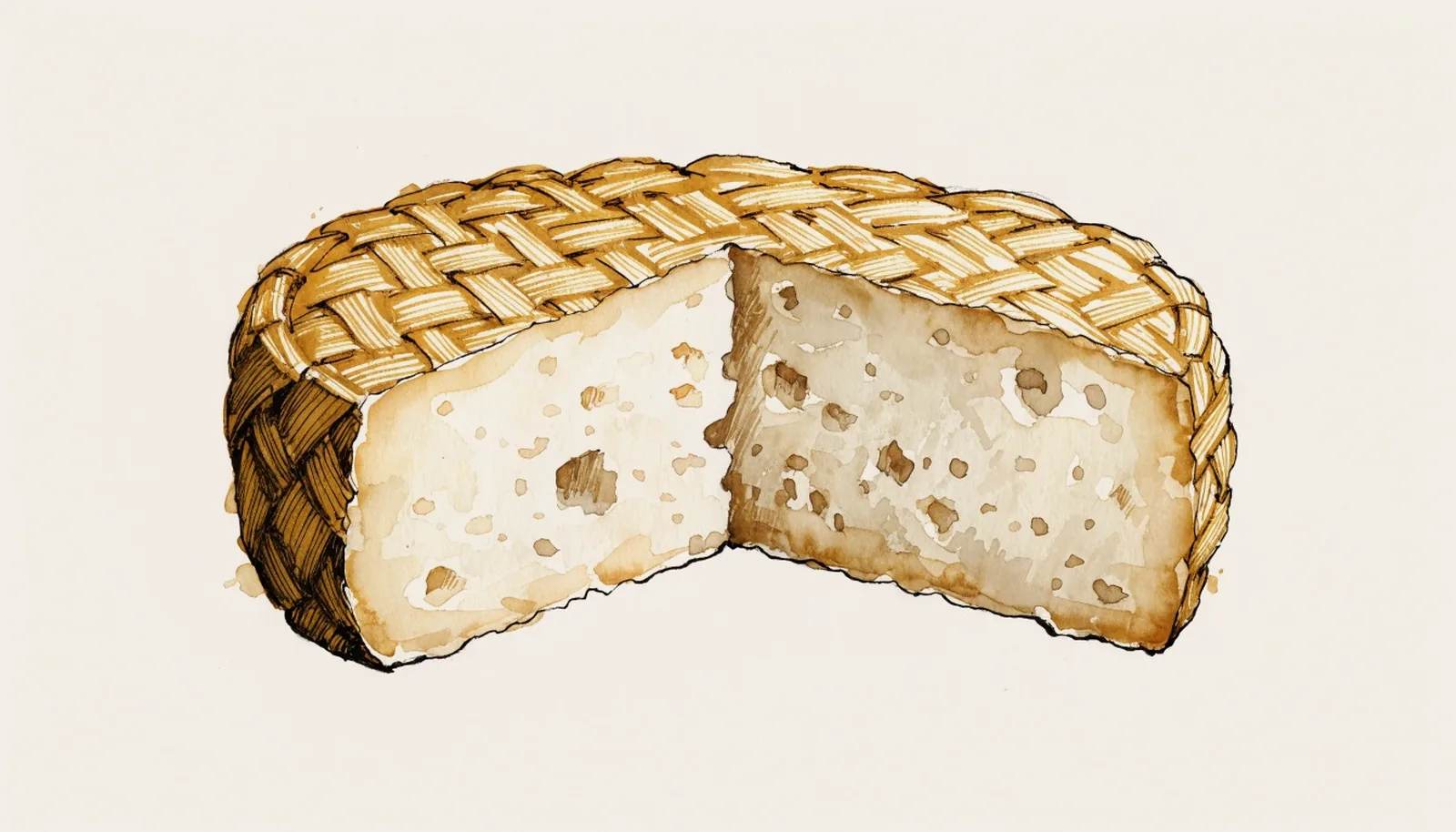
A southern Italian sheep cheese whose woven rind marks record the basket mould. Which canestrati hold designations, and how to read the rind.
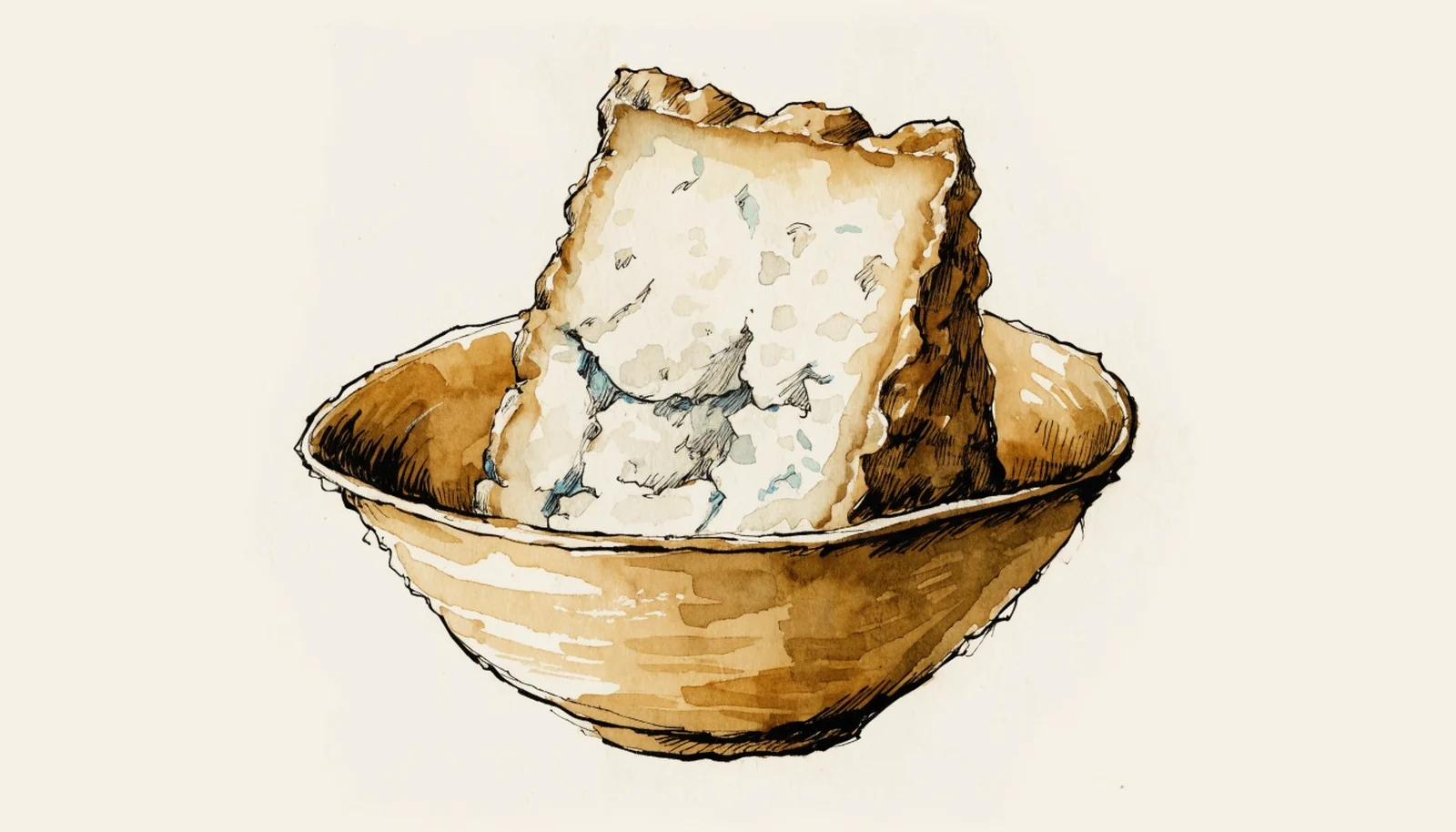
A rare mountain DOP from three Cuneo villages, crumbly and sharp, occasionally veined. Why the blue is optional, what alpeggio means on the label, and how to judge one.
A soft rindless Lombard cheese, usually indistinguishable from stracchino. Where the two names came from, when a producer means something specific by crescenza, and how to buy it.
A raw sheep milk DOP from Sardinia, smoked over open fires and aged for months. Why it tastes nothing like Pecorino Romano despite sharing an island and a milk.
Fontina Val d Aosta is a raw milk cave-aged DOP. Fontina sold with a red wax rind is usually something else entirely. How to tell them apart and why it matters for fonduta.
The young, soft, sparsely veined half of the gorgonzola DOP. Why it is barely a blue cheese in texture, what cremificato means, and why it is the one for sauces.
Firm, densely veined and genuinely sharp. Why piccante is closer to historical gorgonzola than dolce is, what the labels mean, and when it is the right choice.
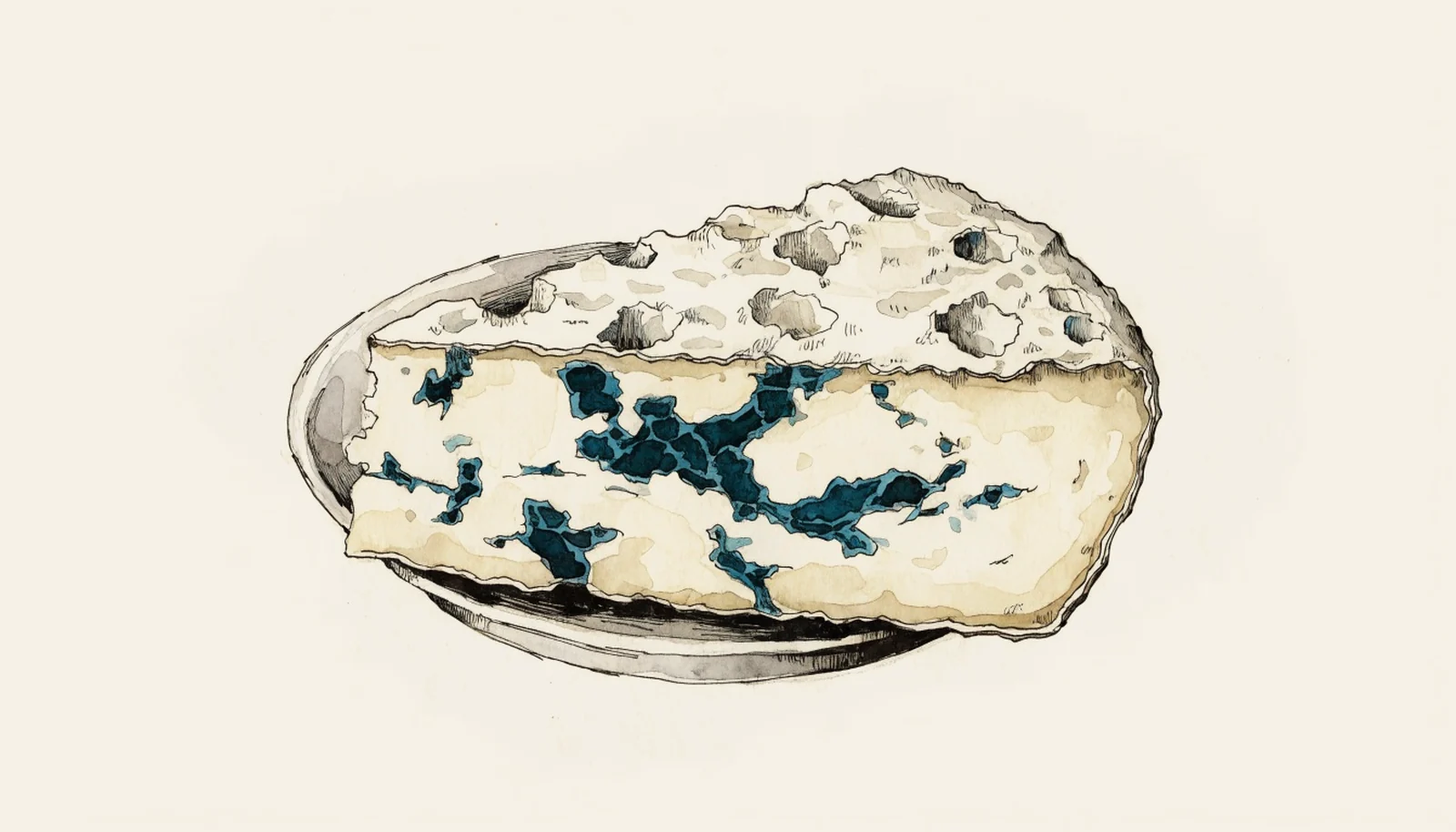
A DOP blue from Lombardy and Piedmont sold in two very different forms. Why dolce and piccante are barely the same cheese, and which one a recipe means.
A DOP hard cow cheese from the Po valley, and the closest thing Parmigiano Reggiano has to a rival. The four real differences, and when the cheaper wheel is the right buy.
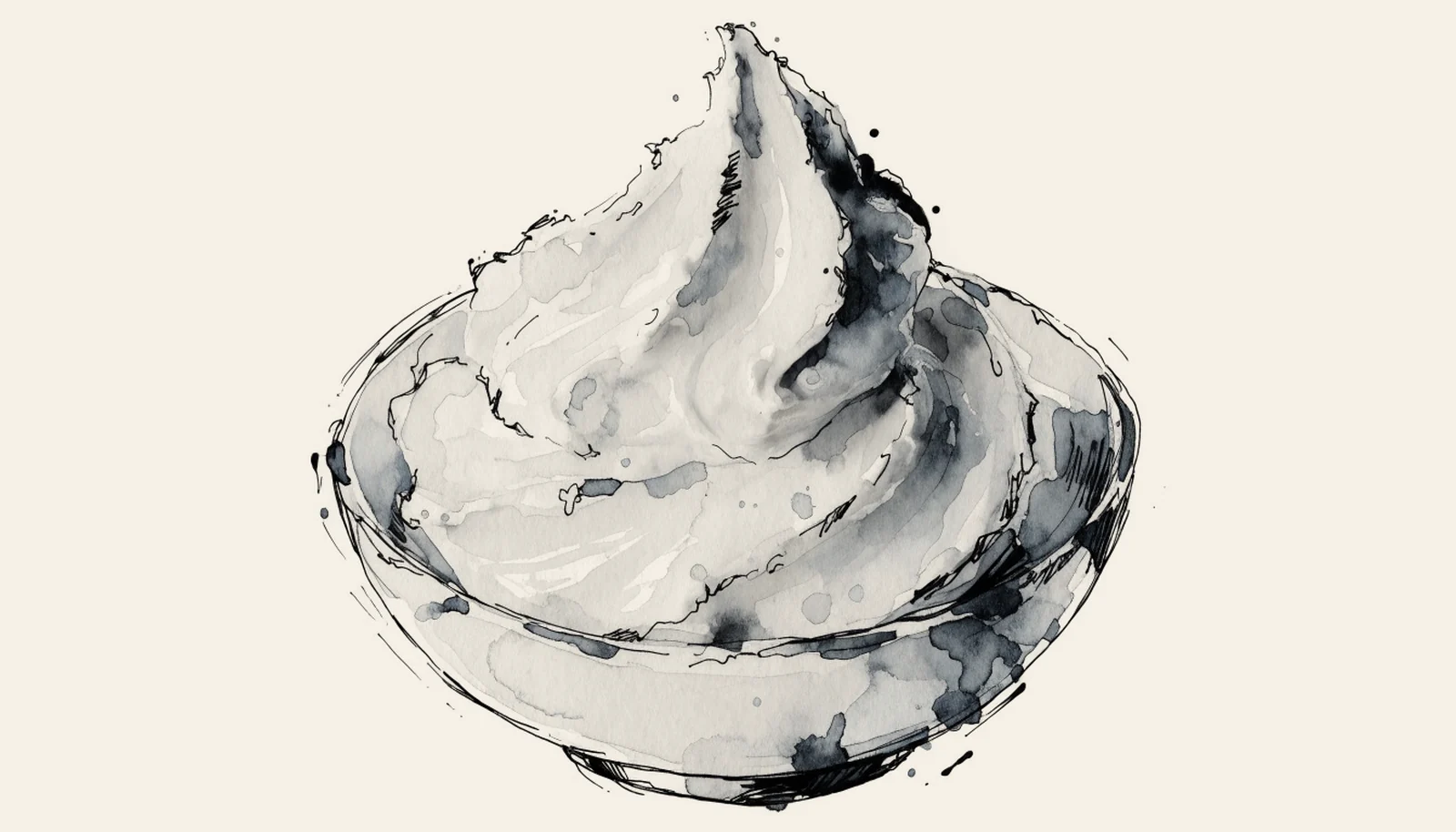
Cream acidified and drained, with no rennet and no culture. Why it is technically barely a cheese, why it splits so easily, and how to tell a good tub from a stabilised one.
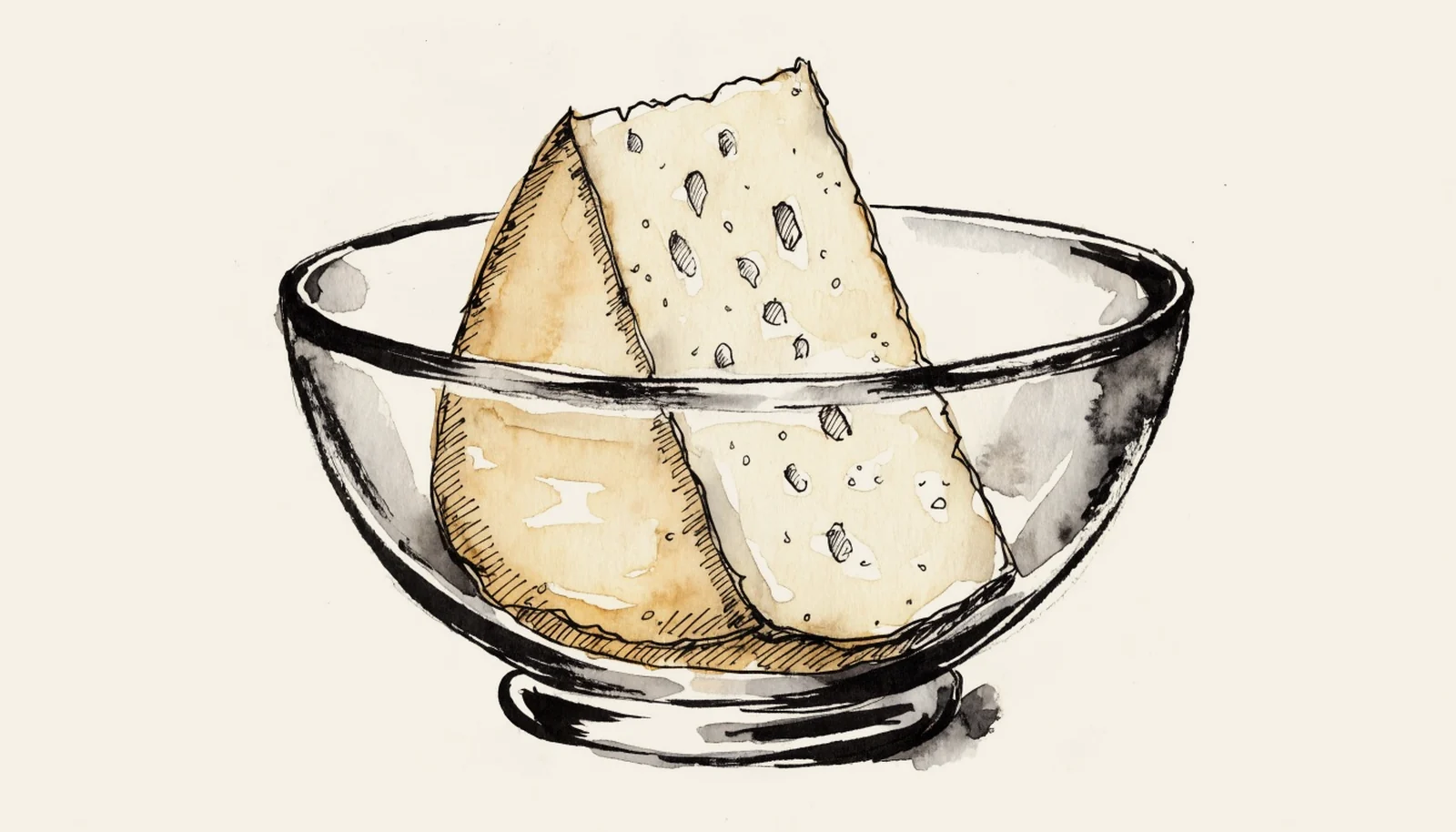
A cow milk DOP from Friuli and the Veneto sold fresh, semi-stagionato and stagionato. What each grade is for, and the fried cheese dish that made it famous.
Water buffalo milk mozzarella from Campania and Lazio, protected by DOP. Why buffalo milk changes the cheese, how to spot the fake, and why the liquid matters.
The pin-dot rind, what 12, 24 and 36 months actually taste like, why the crystals are a good sign, and how to tell it from Parmesan and Grana Padano.
The sheep cheese of the Val d Orcia, sold under a town name that is not itself protected. What relationship it has to Pecorino Toscano DOP, and how to judge one.
A hard salted DOP sheep cheese from Lazio, Sardinia and Grosseto. Why most of it is Sardinian, why it is so salty, and when it is the wrong cheese for the dish.
A DOP sheep cheese from Sardinia in two grades, dolce and maturo. Why it is a different cheese from Pecorino Romano despite sharing an island, and how to judge one.
A DOP Tuscan sheep cheese in fresh and aged grades, far gentler than Romano. What the coloured rinds actually are, and how to judge one.
A hard cow milk DOP from Belluno sold in five named age grades. Why it develops sweetness and crystals faster than most, and which grade to buy for what.
A stretched-curd cheese sitting between fresh mozzarella and aged provolone, usually smoked. How it differs from scamorza, and what provola means in Naples.
A stretched-curd DOP cheese sold as dolce and piccante. Why the animal the rennet came from is what makes it sharp, and how Italian provolone differs from the American deli cheese.
A square soft-to-semi-soft DOP from Lombardy, tangy when young and mellow when aged. What the name records about autumn pasture, and how it differs from stracchino.
A firm, salted, pressed and aged sheep whey cheese for grating and crumbling. How it differs from fresh ricotta, what it does in pasta alla Norma, and how to judge one.
Soft Piedmontese and Lombard cheeses sold under one word covering several very different products. What the milks and formats are, and which Robiola you actually want.
A stretched-curd cheese hung to dry until firm, sold white or smoked. Why it melts without flooding a dish, and how to tell real smoking from added flavouring.
A young, spreadable, tangy Lombard cheese with no rind. What the name actually means, how it relates to crescenza and Taleggio, and why it does not keep.
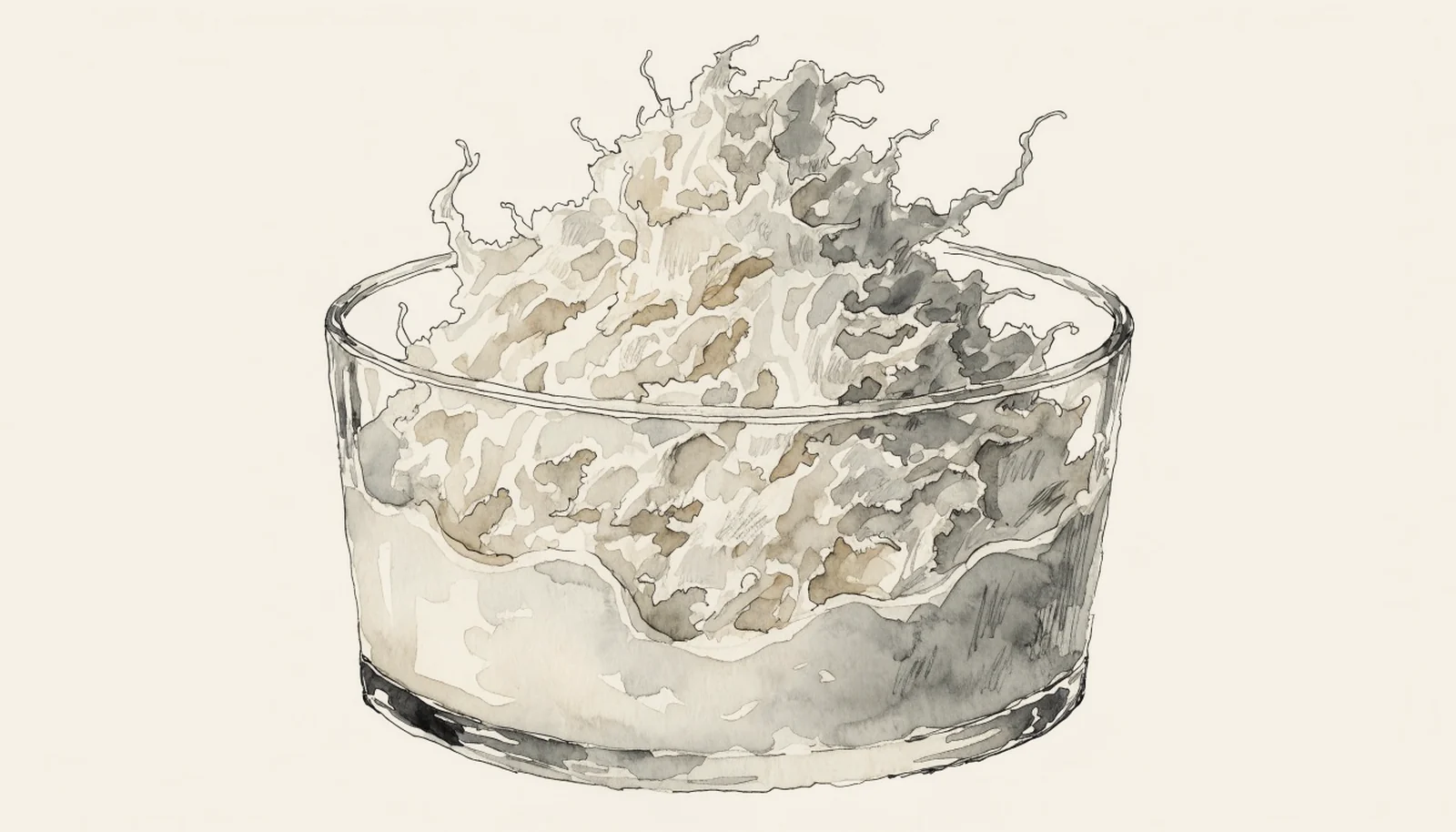
The Pugliese cheese that fills a burrata, made of shredded mozzarella curd steeped in cream. How it differs from the gelato and the Roman soup, and how to buy it.
A square washed-rind DOP from Lombardy with a pungent nose and a mild, buttery paste. Why the rind does the smelling, how to judge one, and why it melts so well.