
Ricotta Salata: Not the Soft Ricotta Salted, and Why the Name Misleads
A firm, salted, pressed and aged sheep whey cheese for grating and crumbling. How it differs from fresh ricotta, what it does in pasta alla Norma, and how to judge and use one.
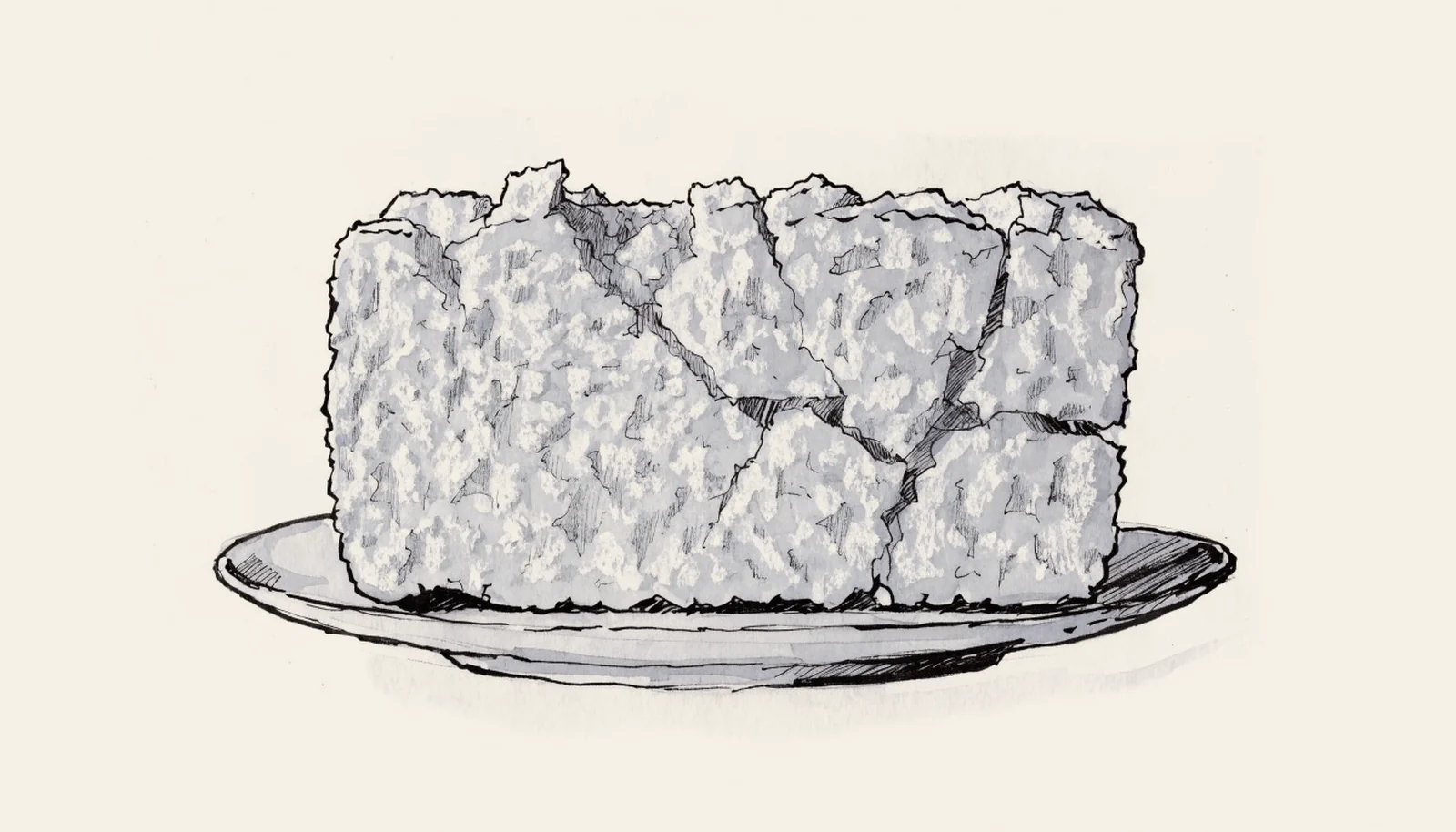
Ricotta salata is a firm, white, salty cheese made from sheep’s-milk whey, pressed, salted and aged for around three months, then grated or crumbled. It is not the soft ricotta in a tub with salt added to it, and the name invites exactly that assumption. It is a small case of an Italian name that misleads an American buyer.
The confusion is worth clearing early, because someone expecting a salted version of the soft cheese will find a hard block and conclude they have bought the wrong thing.
What ricotta salata actually is
Ricotta salata begins as ricotta, made by reheating the whey left over from sheep’s-milk cheesemaking, and is then pressed, salted repeatedly and aged.
Ricotta means recooked, and it refers to the whey being heated a second time to precipitate the remaining proteins. That is true of both the fresh and the salted cheese.
It is a whey cheese rather than a milk cheese, which is what makes the ricotta family unusual. It is made from the by-product of making something else.
Pressing removes the moisture. The fresh curd is drained under weight until it is dense enough to hold a block.
Salting is repeated over weeks, dry-salted on the surface, which is what makes it salty throughout and lets it keep.
Ageing runs around three months, producing a firm, dry, chalk-white cheese with no rind to speak of.
It is Sicilian and Sardinian in origin, and Sicily is where its best-known use comes from.
How it differs from fresh ricotta
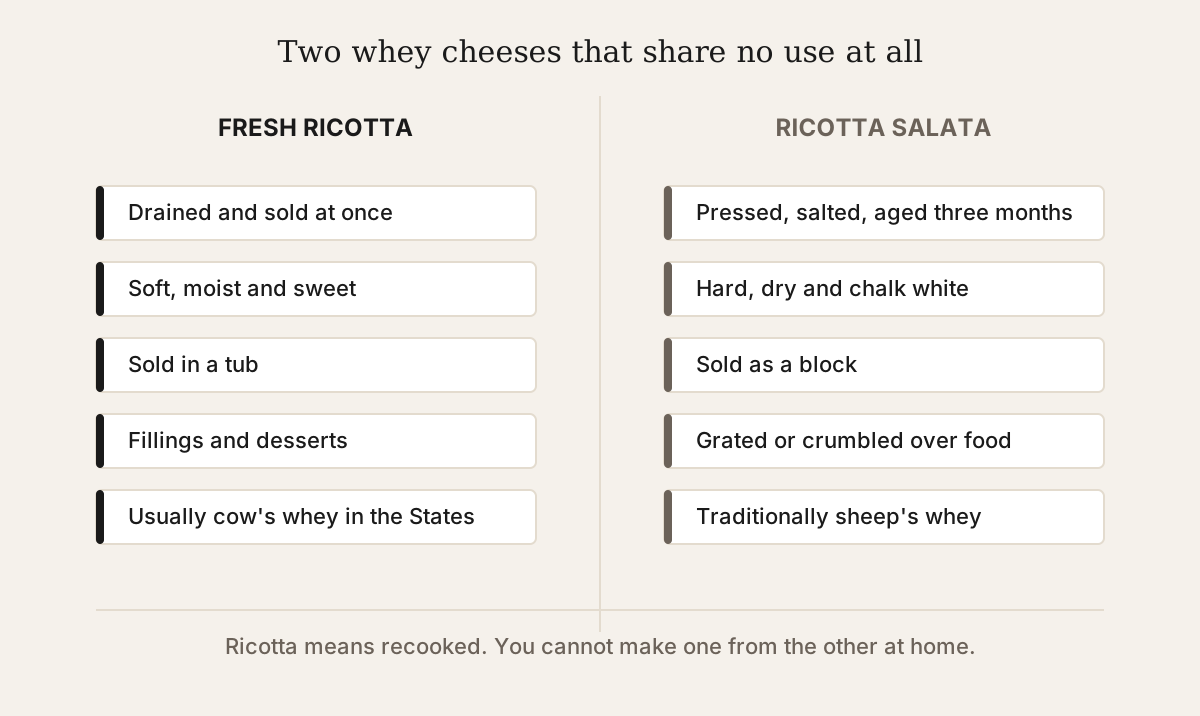
Ricotta salata and fresh ricotta share a starting material and almost nothing else on the plate.
Fresh ricotta is soft, moist and sweet, sold in a tub, and used in fillings and desserts.
Ricotta salata is hard, dry and salty, sold as a block, and used grated or crumbled over finished food.
You cannot make one from the other at home. Pressing and salting fresh ricotta will produce a firmer salty curd and not the dense aged texture, which comes from three months of moisture loss.
Their uses do not overlap at all. Nothing that calls for one is improved by the other.
Most fresh ricotta sold in the United States is made from cow’s-milk whey, or from whole milk directly, whereas ricotta salata is traditionally sheep. That difference in milk shows in the flavour, which is more lanolin-like and savoury.
What it does in pasta alla Norma
Ricotta salata’s most famous role explains what it is for better than a description does.
Pasta alla Norma is a Sicilian dish of pasta with fried aubergine, tomato and basil, finished with ricotta salata grated over the top.
Its job is salt and dryness against a wet, oily dish. The aubergine is soft and oil-rich and the tomato is wet; a dry salty cheese cuts both.
It does not melt into the dish and it is not meant to. It sits on top as distinct white shavings.
Pecorino would be sharper and Parmigiano sweeter. Ricotta salata is milder than either while being just as salty, which is why it seasons without dominating.
Substituting soft ricotta here fails completely, adding moisture and richness to a dish that needs neither.
How to judge a piece
Judge it on the colour, then the texture, then the smell.
It should be chalk white throughout, not yellow or cream. Yellowing indicates age or a cow’s-milk product.
It should be firm and dry, crumbling into chunks under pressure rather than smearing, and grating cleanly.
There should be no rind, or only a very thin dry surface where the salt has worked.
It should smell faintly of sheep’s milk, lanolin-like and clean. A sour or ammoniated note means it has been kept badly.
It should not weep or feel damp on the cut face.
The floor for this page rests on a thin competitor sample. Only two extractable competitors were found for the head, so any figure here is a guide rather than a surveyed measurement.
Checked on 13 August 2026, the first page of United States results for ricotta salata returned a cooking publisher alongside specialist cheese and gourmet retailers, which describes that search on that date rather than recommending any seller.
What it should cost
Expect roughly 14 to 24 dollars a pound in the United States, which is modest for a sheep’s-milk cheese.
Whey is a by-product, so the raw material is cheap, and three months of ageing is short by hard-cheese standards. That combination keeps the price down relative to Pecorino Romano.
It is generally cheaper than pecorino and does a related job, which makes it good value where its mildness suits.
Cow’s-milk versions exist and cost less. They are milder still and lack the lanolin note, which is a fair trade at the price rather than a fraud.
It carries no DOP, so the producer and the milk are what to judge.
How to use it
Grate or crumble it over finished dishes. It is a finishing cheese and not a cooking one.
Its dryness and salt make it the right choice on anything wet, oily or rich: aubergine, tomato, roasted vegetables, a bitter salad, a bean dish.
Grate it with a coarse grater or shave it, rather than powdering it, so it stays visible and gives texture.
Add it at the table, off the heat, since heating it makes it grainy rather than melting it smoothly.
Crumble it into salads where feta might otherwise go. It is milder and drier than feta and does not bring the same tang.
Do not cook it into a sauce. It has too little moisture and fat to emulsify and will simply go gritty.
Do not substitute it for fresh ricotta in a filling or a dessert. The two are unrelated in use.
Storage
Wrapped in paper inside a loose bag, refrigerated, three to four weeks.
Its salt and dryness are what preserve it, so it keeps far better than any fresh cheese.
Paper rather than plastic film, so the surface does not go slick.
It will keep drying as it sits, becoming harder and more suited to grating than crumbling, which is not spoilage.
Surface mould can be cut away and the rest is sound.
It freezes acceptably for grating, unusually among cheeses, since it is already dry and the texture matters less once grated.
Frequently asked questions
Is ricotta salata just salted ricotta?
Ricotta salata is not fresh ricotta with salt added. It is ricotta that has been pressed under weight, dry-salted repeatedly over weeks and aged around three months, producing a hard, dry block rather than a soft curd. Salting a tub of fresh ricotta at home will not reproduce it, because the texture comes from months of moisture loss.
What is ricotta salata made from?
Ricotta salata is made from the whey left over after making sheep’s-milk cheese, reheated to precipitate the remaining proteins, which is what ricotta means: recooked. It is therefore a whey cheese rather than a milk cheese, made from the by-product of another cheesemaking process. Cow’s-milk versions exist and are milder.
What can I substitute for ricotta salata?
A young pecorino is the closest substitute for ricotta salata, being sheep’s milk and comparably salty, though sharper. Feta is a reasonable stand-in for crumbling, bringing more tang and moisture. Parmigiano is drier and sweeter and works where the dish can take the extra complexity. Fresh ricotta is not a substitute in any dish.
Does ricotta salata melt?
Ricotta salata does not melt smoothly and turns grainy under heat, because it has little moisture and relatively little fat. It is a finishing cheese, grated or shaved over food at the table after cooking. This is why it sits on top of pasta alla Norma as visible white shavings rather than being stirred through the sauce.
Is ricotta salata the same as feta?
Ricotta salata and feta are different cheeses that are sometimes used interchangeably for crumbling. Ricotta salata is a pressed aged whey cheese, dry, chalk white and salty without much tang. Feta is a brined milk cheese, moister, tangier and more acidic. Substituting feta into pasta alla Norma will make the dish noticeably sharper and wetter.
CalItalia Food covers Italian ingredients: what they are, how to tell a good one from an ordinary one, and where to buy them in the United States.