
Nocellara Olive Oil: The Dual-Purpose Sicilian
The cultivar behind Castelvetrano table olives also makes a well-regarded oil. What nocellara oil tastes of, how it differs from the olive you already know, and how to buy and use it.
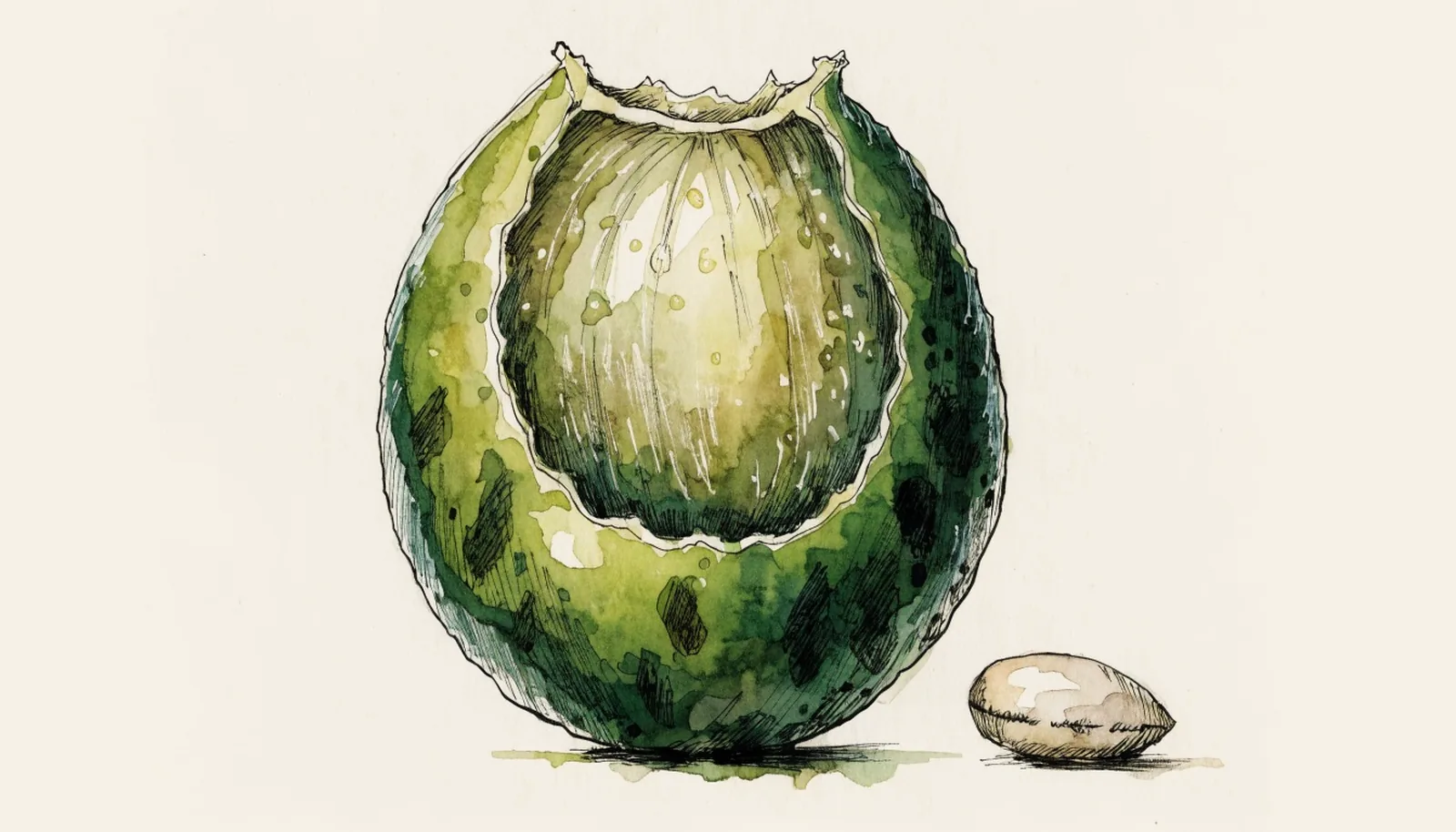
Nocellara del Belice is a Sicilian olive cultivar grown for both table olives and oil, and its oil is fresh and green with the tomato note that identifies Sicilian oil. It is one of the Italian oils worth buying by cultivar.
Most people meet the cultivar as the bright green Castelvetrano table olive without knowing it also presses into one of Sicily’s better oils.
What nocellara is
Nocellara del Belice is a cultivar from the Belice valley in western Sicily, in the province of Trapani.
The fruit is large and round, unusually so for an oil olive, which is what makes it good on the table.
It is genuinely dual purpose, which is rare. Most cultivars are markedly better at one job or the other.
Nocellara Etnea is a different cultivar grown around Etna, and the names are easy to confuse.
Valle del Belice DOP covers both the table olives and the oil from the heartland area.
The table olive is sold internationally as Castelvetrano, after a town in the same valley.
What the oil tastes of
Nocellara oil is fresh and green with tomato, artichoke and a moderate almond note.
Green tomato and tomato leaf are the signature, shared with Sicilian oil generally.
Artichoke sits alongside it.
Bitterness is moderate, considerably less than coratina and more than taggiasca.
Pungency is present without dominating, which makes it an approachable oil for anyone stepping up from supermarket blends.
It sits in the middle of the intensity range, which is much of its appeal.
The dual-purpose split
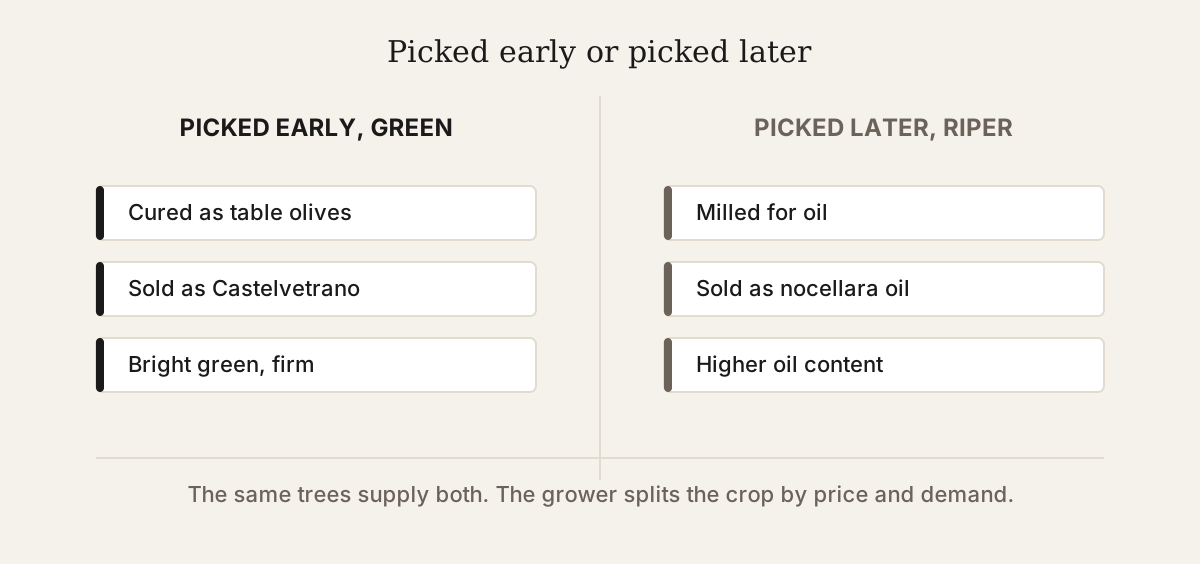
A nocellara grove supplies two products from the same trees, and the difference is when the fruit is picked and what happens next.
Table olives are picked green and early, then cured, in the Castelvetrano case by a fast lye and brine method that preserves the bright colour.
Oil fruit is picked slightly later, when oil content has risen.
A grower splits the harvest between the two according to price and demand.
Table olive demand competes with oil production, which affects the volume and price of the oil.
The oil is not a by-product of the table olive trade, and it stands on its own.
Buying it
Look for monocultivar labelling, a harvest date and the Valle del Belice DOP where origin matters.
Monocultivar nocellara is increasingly available and is the specific purchase.
Valle del Belice DOP covers the heartland and applies to both products.
Sicilia IGP is the broader island designation.
Checked on 13 August 2026, United States listings for monocultivar nocellara extra virgin olive oil clustered between roughly eighteen and forty-five dollars per 500 millilitres. Counting rule: a listing counts when it is an imported oil naming nocellara as the cultivar. That describes what was visible on that date and is not a recommendation of any seller.
Check whether the bottle means nocellara del Belice or nocellara Etnea, since both exist and the labels do not always specify.
What to use it for
Nocellara oil suits tomatoes, vegetables, fish and everyday finishing, and its middle-of-the-range intensity makes it versatile.
Raw over tomatoes, where the oil’s own tomato note reinforces the dish.
Grilled and roasted vegetables.
Fish and seafood, since the bitterness is moderate.
Caponata and Sicilian vegetable dishes.
As a general finishing oil for anyone who wants one bottle rather than three.
Frequently asked questions
Is nocellara the same as Castelvetrano?
Nocellara del Belice is the cultivar, and Castelvetrano is the name under which its cured green table olive is sold internationally, after a town in the same Sicilian valley. The oil and the table olive come from the same variety, harvested at different times and processed entirely differently.
Can one olive really be good for both table and oil?
Nocellara del Belice is one of the few cultivars that genuinely is, which is why it is described as dual purpose. Most varieties are clearly better suited to one use, being either too small and oily for the table or too low-yielding for milling. Growers split the nocellara harvest between the two according to demand.
What is the difference between nocellara del Belice and nocellara Etnea?
They are two different Sicilian cultivars with similar names. Nocellara del Belice comes from the Belice valley in the west and is the dual-purpose variety behind Castelvetrano olives. Nocellara Etnea is grown around Mount Etna in the east. Labels do not always specify, which is worth checking.
How does nocellara oil compare with coratina?
Nocellara sits well below coratina in bitterness and polyphenol content, and above taggiasca. Coratina is aggressive and long-finishing; nocellara is fresh, green and moderate. For a single versatile bottle, nocellara is the easier choice; for maximum polyphenols, coratina is the one.
Is nocellara oil good for beginners?
Its moderate bitterness and clear tomato and artichoke character make it an approachable step up from supermarket blends, since it tastes distinctly of something without the throat-catching intensity of a coratina. It is a common recommendation for anyone learning what real extra virgin oil tastes like.
CalItalia Food covers Italian ingredients: what they are, how to tell a good one from an ordinary one, and where to buy them in the United States.