
Olive Oil Acidity: What the Number Means and What It Does Not
Free fatty acid percentage is a legal grade threshold, not a taste. What 0.8 percent means, why lower is not automatically better, and what to judge quality by when you buy.
Olive oil acidity is a measurement of free fatty acids expressed as a percentage of oleic acid, and it is a legal grading threshold rather than something you can taste. It is one of the label figures that feed into judging an Italian oil at the shelf.
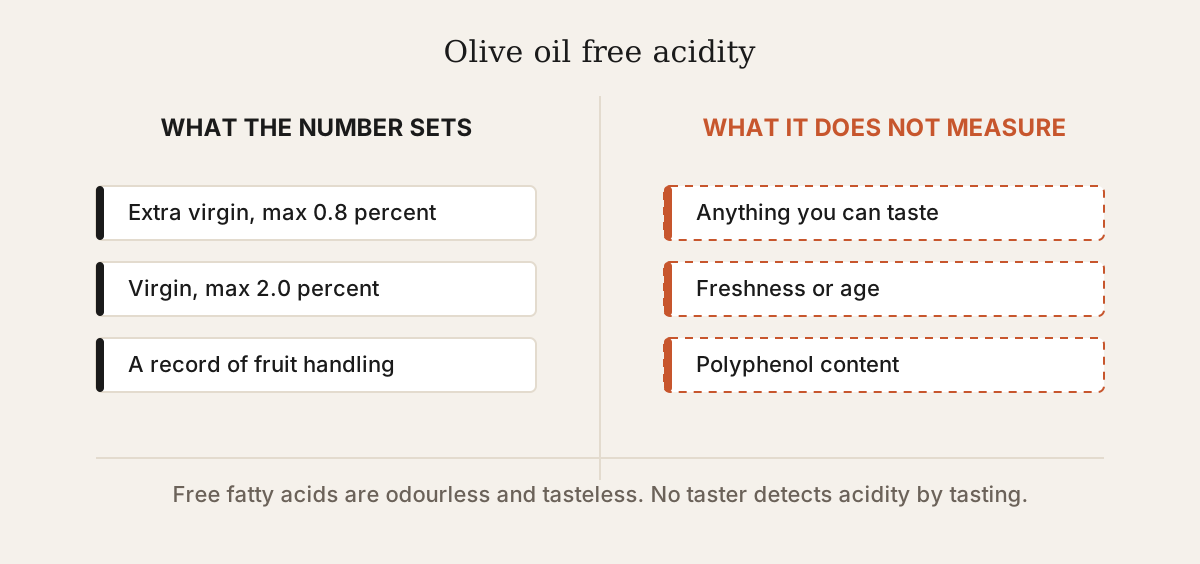
Extra virgin olive oil must sit at or below 0.8 percent free acidity, and a lower number on a label tells you the fruit was handled well, not that the oil tastes better.
What is actually being measured
Free acidity measures fatty acids that have broken away from the triglycerides they were part of, expressed as a percentage by weight of oleic acid.
Intact oil has its fatty acids bound in triglyceride molecules.
Damage breaks them free. Bruised fruit, delayed pressing, fly infestation, fermentation in the bin and poor storage all cause it.
The percentage counts the free ones, so the figure is a record of how the fruit was handled between tree and press.
It is chemical, not sensory. Free fatty acids are odourless and tasteless at these concentrations, so no taster can detect acidity by tasting.
The name misleads. Olive oil acidity has nothing to do with sourness or with pH.
The legal thresholds
Free acidity sets the boundaries between the trade grades.
| Grade | Maximum free acidity |
|---|---|
| Extra virgin | 0.8 percent |
| Virgin | 2.0 percent |
| Lampante, not fit for consumption unrefined | above 2.0 percent |
Extra virgin requires more than the acidity limit. It must also pass a sensory panel with zero defects and meet several other chemical parameters.
Acidity alone cannot make an oil extra virgin, and it can disqualify one.
Refined olive oil is made from lampante by chemical or physical refining, which strips the free acids along with the flavour.
Why lower is not automatically better
A very low acidity figure indicates careful handling and says nothing about flavour, freshness or health compounds.
0.2 percent and 0.5 percent oils can both be excellent, and either can be dull.
Acidity does not measure freshness. An oil pressed carefully in 2023 can still show 0.2 percent while being tired and flat.
It does not measure polyphenols, which carry the bitterness, pungency and much of the health interest.
Producers advertise low figures because the number is easy to print and easy to understand, which is a marketing reason rather than a quality one.
A label with acidity and no harvest date is telling you the less useful of the two numbers. The origin phrases on the same label are covered under Made in Italy and Product of Italy.
What actually predicts quality
Harvest date, storage and the sensory profile tell you far more than the acidity figure does.
Harvest date is the single most useful number on a bottle, and many bottles omit it in favour of a best-before date.
Dark glass or tin protects the oil from light, which degrades it faster than anything except heat.
Peroxide value measures oxidation and is a better freshness proxy than acidity, and it is rarely printed.
Bitterness and pungency in the mouth indicate polyphenols, and a peppery catch at the back of the throat is a positive rather than a defect.
The sensory panel is what separates extra virgin from virgin in practice, since most oils pass the chemical tests.
What raises acidity
Acidity climbs when fruit is damaged or delayed, and almost all of it happens before the oil is made.
Olive fly damage breaks the fruit and starts enzymatic breakdown.
Delay between picking and pressing is the most common cause, and the industry standard target is under twenty-four hours.
Storing fruit in deep piles generates heat and starts fermentation.
Overripe fruit carries higher acidity before it is picked at all.
Poor storage after pressing raises it slowly, but the great majority of the figure is set at harvest.
Frequently asked questions
Can I taste olive oil acidity?
No. Free fatty acids are odourless and tasteless at the concentrations involved, so the figure cannot be detected by tasting. What you taste as sharpness or a peppery catch is polyphenol content, which is a different measurement entirely and is not what the acidity number reports.
Is 0.2 percent acidity better than 0.5 percent?
Both indicate careful handling and neither predicts flavour. A 0.5 percent oil from a good producer can be far better than a 0.2 percent oil that has sat in clear glass for two years. Acidity is a floor test rather than a quality ranking, and harvest date is a more useful number.
What does extra virgin actually require?
Free acidity at or below 0.8 percent, several other chemical parameters including peroxide value, and a sensory panel finding zero defects and some fruitiness. The acidity limit is the best-known requirement and it is not sufficient on its own, since an oil can meet it and still fail the panel.
Does acidity change as the bottle ages?
Slowly, and much less than most people assume. The great majority of free acidity is set before and during pressing, by fruit condition and by the delay between picking and milling. Ageing in the bottle mainly raises peroxide value and dulls flavour rather than moving the acidity figure much.
Why do so few bottles print the acidity?
Because it is not required on most labels and because it can only help a producer whose figure is low. Producers with a good number print it prominently. The more informative omission to notice is a missing harvest date, which matters more and is left off far more often.
CalItalia Food covers Italian ingredients: what they are, how to tell a good one from an ordinary one, and where to buy them in the United States.