
Prosciutto di Parma: What the Crown Guarantees, and What It Does Not
Prosciutto di Parma carries a DOP and a branded crown. What the mark controls, how ageing changes it, how to judge and buy it, and how it differs from San Daniele and generic prosciutto.
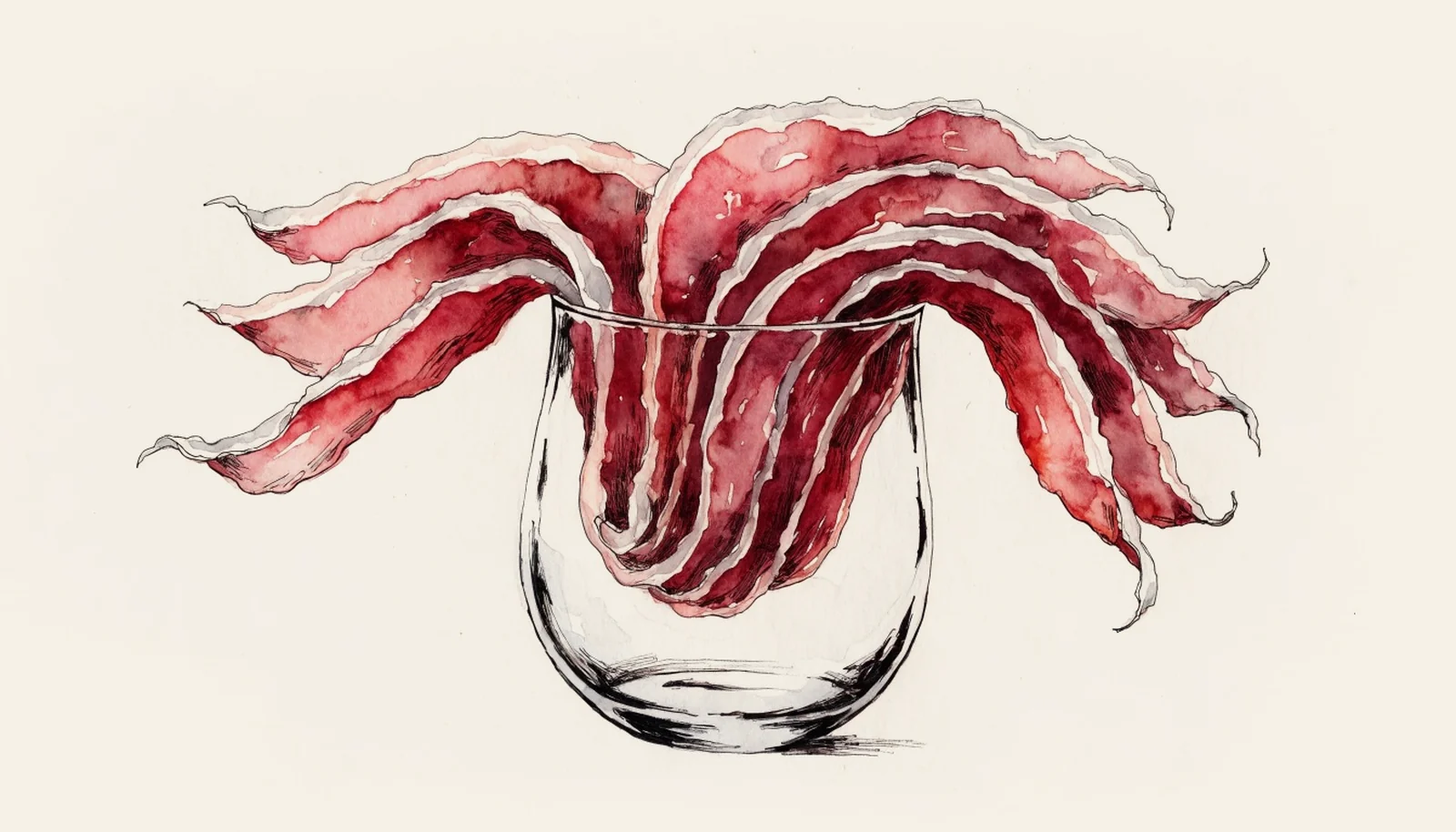
Prosciutto di Parma is a dry-cured raw ham made from Italian pigs in a defined area around Parma, using nothing but pork and sea salt, and it is identified by a fire-branded five-pointed ducal crown on the rind. The crown is the only reliable guarantee on the counter. Checking for it is the first step in buying the authentic article rather than a look-alike.
The word prosciutto by itself guarantees nothing at all, which is the practical fact this page exists to make usable.
What Prosciutto di Parma actually is
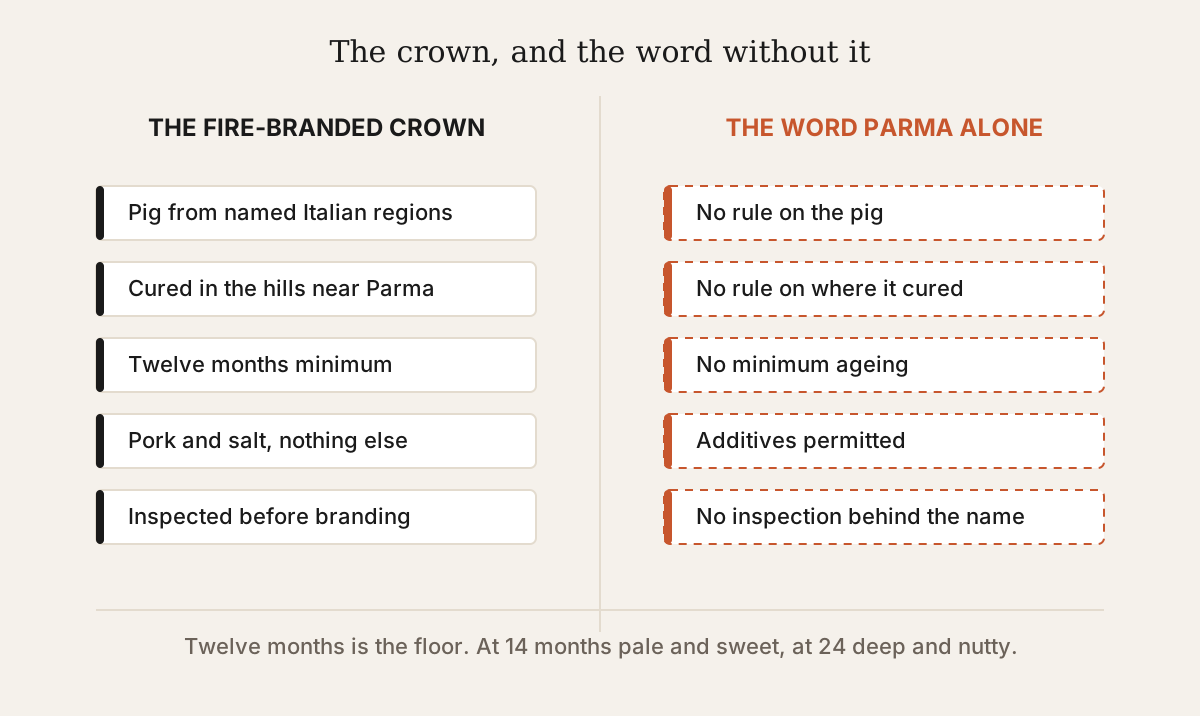
Prosciutto di Parma is a pork leg salted, rested and air-dried for a minimum of twelve months in the hills around Parma, with no additives of any kind. Two ingredients: pork and salt.
The absence is the point. The DOP discipline forbids nitrates, nitrites, sugar, smoke and any preservative, which is unusual even among premium cured meats. What produces the colour and the safety is time, salt and the specific air of the area rather than a curing chemistry.
The pigs must be born and raised in a defined set of Italian regions and must reach a minimum weight and age, which is a stricter upstream requirement than most protected foods carry.
The crown, and how to read it
The fire-branded crown appears on the rind of the whole leg and reproduces on packaging for sliced product. It is applied only after an independent inspection at the end of ageing.
A pack that says Parma without the crown is not the protected product. Parma is a place name and appears on plenty of things. The brand mark is the check.
What the DOP controls, and what it leaves open
The DOP controls the breed and origin of the pig, the geography of curing, the minimum ageing and the total absence of additives. It does not fix the ageing beyond the minimum, and that is where most of the variation you will taste comes from.
Twelve months is the floor, not the target. Legs sold at 14 to 16 months are common, 18 to 24 months is the premium range, and the differences are large.
Younger, around 14 months: pale rose, softer, sweeter, more obviously salty, and the fat is very white and mild.
Older, 24 months and beyond: deeper red, drier, more concentrated, with a nuttiness and a slight crystalline texture from tyrosine forming in the muscle. Those crystals are a sign of proper long ageing rather than a fault.
Ask the counter for the age. A good counter knows and will tell you, and if they do not know they are probably slicing something that has not been long enough for the answer to matter.
Parma against San Daniele against generic prosciutto
Prosciutto di San Daniele is the other major Italian DOP raw ham, from Friuli, and it is pressed flat during curing, giving a characteristic paddle shape. It tends to read as slightly sweeter and more delicate. It is not a lesser product; it is a different one with its own discipline.
Generic prosciutto covers everything else, including good domestic American hams and industrial products with added nitrates and much shorter cures. Some of it is excellent, and none of it is the protected product.
The practical rule. If the label says Prosciutto di Parma with the crown, you know the pig, the place, the minimum time and the ingredient list. If it says prosciutto, you know none of those and have to judge by eye and by seller.
How to judge it at the counter
Look at the ratio and colour of the fat first, then the meat, then ask how long the leg has been open.
The fat should be creamy white and generous around the edge, not yellow and not stripped away. Yellow fat means age or poor storage. A slice trimmed of nearly all its fat has had the best part removed, and the fat is where much of the flavour lives.
The meat should be a clear rose to deep red depending on age, even in colour, with no grey cast and no dry, hard edge.
A leg that has been open too long dries at the face. Ask, or watch which leg they slice from. This matters more than the brand at that point, since a well-kept generic ham beats a neglected Parma.
Slice thickness is a real quality variable. Prosciutto should be sliced thin enough to be translucent and should drape rather than hold a shape. Machine-sliced to order is better than pre-packed for exactly this reason.
What it should cost
Expect roughly 25 to 45 dollars a pound in the United States for crowned Prosciutto di Parma sliced to order, with longer-aged legs at the top of that range and pre-packed slices sometimes lower.
Pre-packed is not automatically worse and is often the same product, since the DOP covers slicing and packing done under the consortium’s rules. What you lose is the freshness of the cut face and the ability to specify the age.
Prices far below that range should prompt a look for the crown rather than a purchase.
Where to buy it
Italian delis, cheese counters, and specialist importers carry it, and so do many well-stocked supermarkets in pre-packed form.
Checked on 13 August 2026, the first page of United States results for prosciutto di parma returned the consortium’s own site alongside specialist retailers and cheese sellers. That describes that search on that date rather than recommending any seller.
The consortium’s site is genuinely useful for one thing in particular: confirming what the crown looks like before you go looking for it.
Storage
Sliced prosciutto keeps only two to three days refrigerated with any quality, and it is best eaten the day it is sliced.
Keep slices flat and interleaved rather than compressed into a ball, wrapped in paper rather than plastic film, which holds moisture against the surface. Let it come to room temperature for fifteen minutes before eating, because cold flattens both the aroma and the texture of the fat. The guide to how long Italian cured meat keeps applies the same rules to other cured meats.
Do not freeze sliced prosciutto. The fat separates and the texture that justified the price is gone.
Frequently asked questions
Does Prosciutto di Parma contain nitrates?
No, Prosciutto di Parma contains no nitrates. The DOP discipline permits only pork and sea salt, which makes it unusual among cured meats. Its colour and safety come from the length of the cure and the salt rather than from added nitrate or nitrite. This is one of the few cases where the protected mark tells you something concrete about the ingredient list.
What are the white crystals in my prosciutto?
The white crystals in prosciutto are tyrosine, an amino acid that crystallises during long ageing, and they are a sign of a properly aged ham rather than a defect or added salt. They appear more often in legs aged well beyond the twelve-month minimum. They have a slight crunch and are harmless.
Is San Daniele better than Parma?
Neither is better; they are different DOPs with different disciplines. San Daniele is pressed during curing, comes from Friuli, and tends to read sweeter and more delicate. Parma is unpressed and comes from the hills around Parma. Preference between them is a matter of taste rather than of quality ranking.
How long should prosciutto be aged?
The minimum for the DOP is twelve months, and most of what is worth seeking sits between 18 and 24. Younger legs are softer and saltier, older ones drier and nuttier with tyrosine crystals. There is no single correct answer, but knowing the age tells you what you are about to eat, which is why it is worth asking.
Can I cook with Prosciutto di Parma?
You can, though it is usually a waste. The long cure produces aromatics that heat drives off, and the product is expensive per pound. For cooking, a shorter-cured or generic prosciutto, or better a cut like guanciale or pancetta chosen for rendering, does the job at a fraction of the cost.
CalItalia Food covers Italian ingredients: what they are, how to tell a good one from an ordinary one, and where to buy them in the United States.